
Diving at Rye Cliff (United States)
This dive environment presents varied experiences, catering to a range of certifications. Beginners might find shallower reef systems accommodating, while advanced divers can explore deeper wrecks like the USCG Duane. Planning your dives based on training level is essential here, especially when considering sites with significant currents or greater depths. Understanding the site specifics ensures a rewarding and safe underwater journey.
Tonight's objective overview for Rye Cliff shows an air temperature of 26°C. The measured surface conditions include wave heights around 0 m. This environmental data is logged for the close of the day.
Dive Site Location & Key Facts
Dive Site Overview
Near Rye Cliff, the underwater landscape presents a rich tapestry of natural reef formations intertwined with significant maritime history. Several historic shipwrecks contribute to the dive site's unique character, transforming these structures into thriving artificial reefs.
For instance, the City of Washington, a former transport vessel, tragically struck Elbow Reef and sank within minutes on July 10, 1917. Its deteriorated hull and keel shapes remain visible, spanning 325 feet in length, providing a glimpse into early 20th-century shipping history. Shallow depths make it accessible for many.
Another notable historical site is the USCG Duane, a 329-foot Coast Guard cutter decommissioned in 1985 as the oldest active U.S. military vessel. It was intentionally sunk in November 1987 to create an artificial reef, now sitting upright on the sandy bottom at about 36.5 meters (120 ft).
Its historical significance is paired with its current role as a complex dive target. Additionally, Carysfort Reef bears the name of an 18th-century frigate, HMS Carysfort, which ran aground in 1770.
A long history of navigational challenges in the area led to the construction of the impressive 34-meter (112 ft) Carysfort Lighthouse, marking the main body of the extensive reef system. These historical elements not only provide fascinating dive structures but also illustrate the enduring power of the sea over centuries.
Conditions are Excellent
07:00 - 14:00
Optimal conditions expected
Current conditions near Rye Cliff show 26° air, --° sea temperature, 0.2 m waves, and 18 km/h wind. Forecast data is refreshed regularly to ensure accuracy.
Best Time to Dive
Planning a dive trip for the best experience requires considering the seasonal climate. While favorable conditions are present throughout much of the year, divers often prioritize comfort and calmer waters. The period from May through October typically sees warmer air temperatures, ranging from around 15.5°C (60°F) in May to a peak of 25°C (77°F) in July, which aligns with generally lower average wave heights, sometimes as low as 0.1 meters (less than 0.32 feet). This combination often translates to smoother boat rides and more relaxed surface conditions, contributing to excellent dive scores reported for these months. Conversely, winter months like January and February still show excellent dive scores despite colder air temperatures, averaging around -1°C (34°F) and -0°C (32°F) respectively. These months, however, can bring slightly higher wind speeds and wave heights, which might impact comfort for some divers. With rain levels generally consistent year-round, typically between 2-4 mm (0.08-0.16 inches) per day, the primary considerations for optimal enjoyment usually center on surface conditions and personal tolerance for cooler air.
PEAK SEASON SCORE
Scores combine air & water temps, waves, wind & rainfall for overall conditions.
BEST MONTHS TO DIVE
Monthly records compiled from satellite and marine observation nodes over the last 3 years. Data provided by Open-Meteo and MET Norway.
Dive Experience & Conditions
As you begin your descent, the dive experience unfolds across a diverse range of underwater environments. Shallower reef systems, like sections of Carysfort Reef, start at just 1.5 meters (5 ft), offering fantastic visibility and vibrant coral growth, including well-developed stands of elkhorn coral. Moving deeper, sites such as Elbow Reef typically range to recreational depths often around 17 meters (55 ft), where currents are often present due to its proximity to the Gulf Stream, keeping the water usually clear blue. For those exploring the deeper zones, the USCG Duane wreck demands an advanced skill set. This wreck sits upright on a sandy bottom, its maximum depth approaching 40 meters (130 ft). The mast and crow's nest become visible in the shallower parts of the wreck, roughly 15 to 18 meters (50 to 60 ft) below the surface. Currents can be ripping here. Visibility around these deeper wrecks is often exceptional, commonly reaching 30 meters (100 ft), allowing a clear view of the entire hull structure. Water temperatures are not consistently reported for specific depths, but they generally vary with the season and thermoclines may be encountered in deeper areas.
Dive Difficulty & Safety Guidelines
When diving near Rye Cliff, an expert tip is to always factor in the presence of strong currents, especially around deeper wrecks like the USCG Duane and the Bibb. These sites can experience ripping currents due to their proximity to the Gulfstream, necessitating advanced dive skills and careful planning. Divers considering wreck penetration, particularly on sites like the Bibb, should be aware that internal spaces can have entanglements and obstructions.
It's often not recommended for casual exploration. Always ensure your dive plan accounts for your certification level.
For instance, the USCG Duane is explicitly for advanced divers with wreck-diving experience. Regularly review your compass navigation skills, as this is a core component for advanced certifications and critical in varied visibility or current conditions. Maintaining awareness of your surroundings and ascent rates is key to a safe and enjoyable dive.
Recommended Equipment
- Dive Computer
This gear list is based on verified equipment signals for Rye Cliff, United States. Always confirm final gear choices with your dive operator, guide, or liveaboard.
Recommended Dive Suit
Comfort levels can also depend on how active a diver is during the dive.
Because recent water temperature readings are not available for Rye Cliff, the guidance below is based mainly on current air conditions and seasonal expectations. Current surface air temperatures are roughly 26°C (79°F). Based on regional estimates and current weather, the likely required exposure protection is a 3mm wetsuit. Note that local currents and upwellings can alter this.
Conditions may fluctuate slightly depending on wind and weather patterns. A significant temperature drop is forecast; strongly suggest bringing a backup warmer suit option. A thicker wetsuit may be worth considering for extended dives.
Emergency & Medical Support
Essential information to help you plan your dive trip to Rye Cliff.

Hyperbaric chambers are a critical part of dive safety infrastructure. Availability varies significantly by region, and not all dive areas have immediate access.
Before diving, it's recommended to:
- confirm nearest medical facilities
- check emergency procedures with local dive operators
- ensure dive insurance covers evacuation if required
Divers Alert Network
Diving emergency assistance available through DAN World.
+1-919-684-9111- 24/7 emergency hotline
- Diving medical assistance
- Evacuation coordination
Emergency contacts are provided for reference. Always verify local emergency services before diving.
Marine Life at Rye Cliff
As you enter the water, the immediate impression is often the abundance and diversity of marine life thriving across the reef and wreck environments. On shallower sites like the City of Washington wreck, divers frequently notice large black grouper and many tropical fish species.
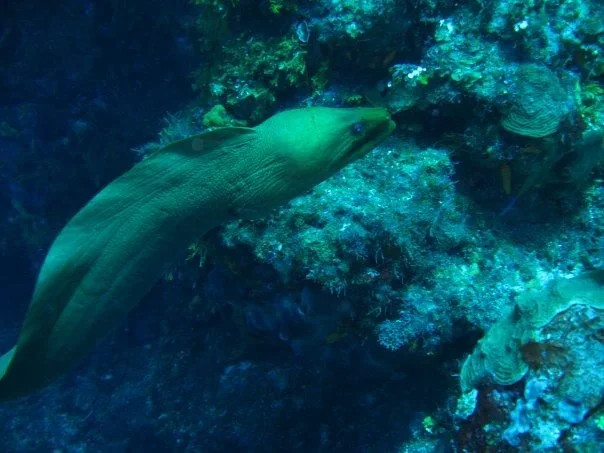
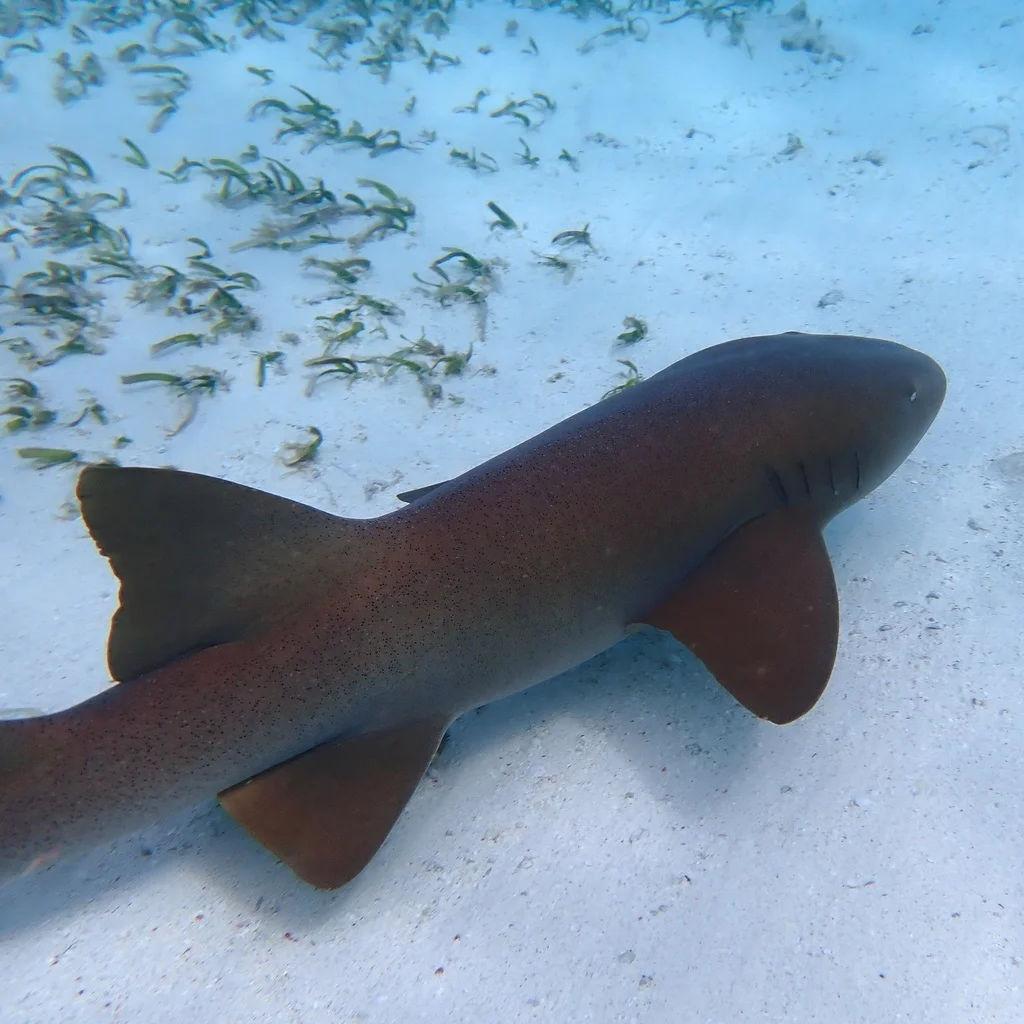
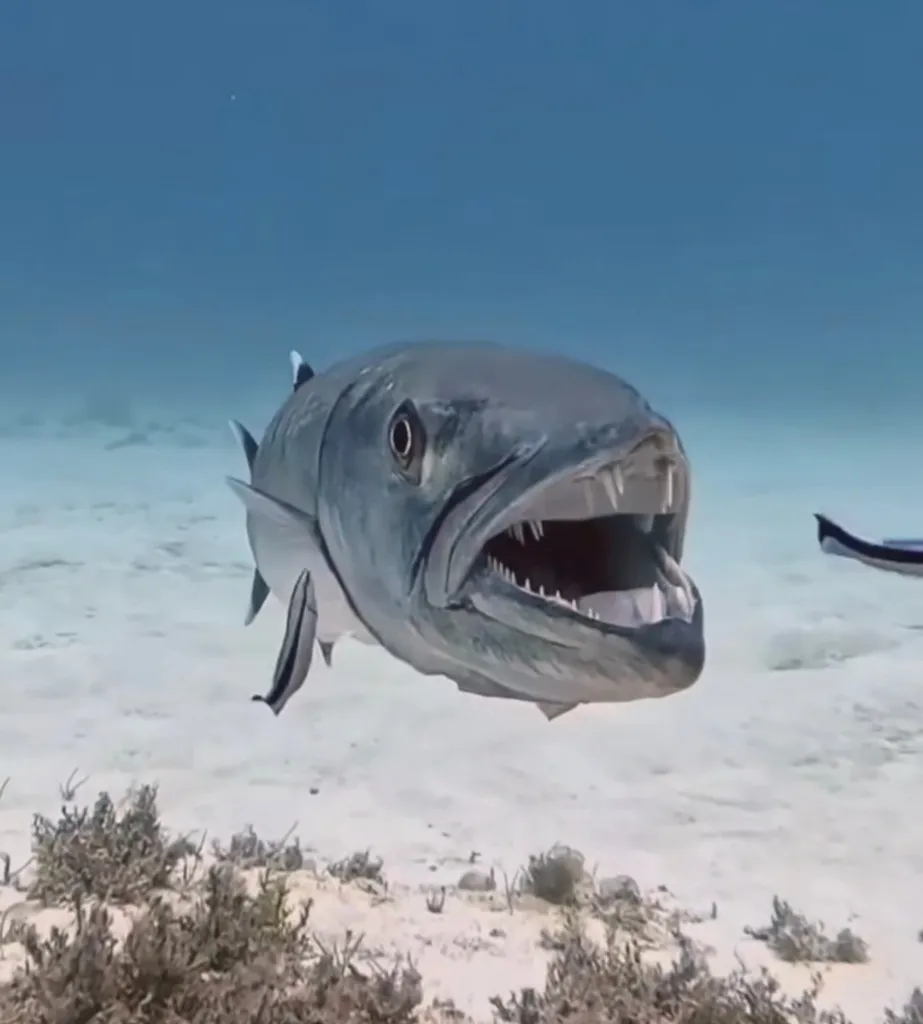
Barracudas, morays, and nurse sharks are commonly observed here, with some individuals showing little fear of divers due to long-term interaction. Venturing to deeper wrecks, such as the USCG Duane, you'll encounter larger pelagic species.
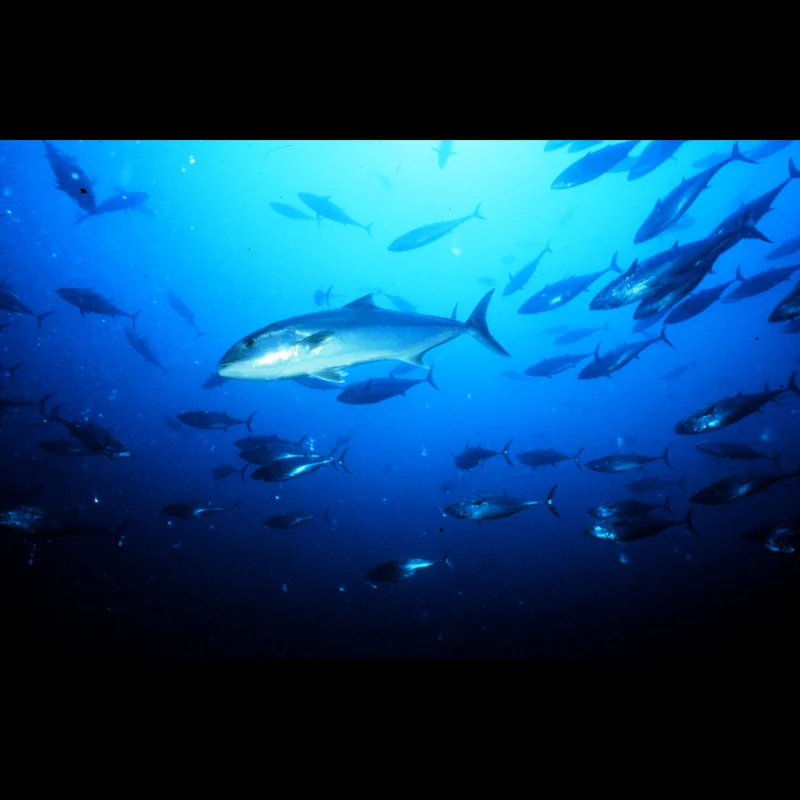
Barracuda, amberjack, black grouper, and cobia are regularly spotted swimming around the intact hull. It's also common to see a variety of sharks and rays resting in the sand patches on and around these structures, especially near the Bibb wreck where Goliath Grouper are routinely present.

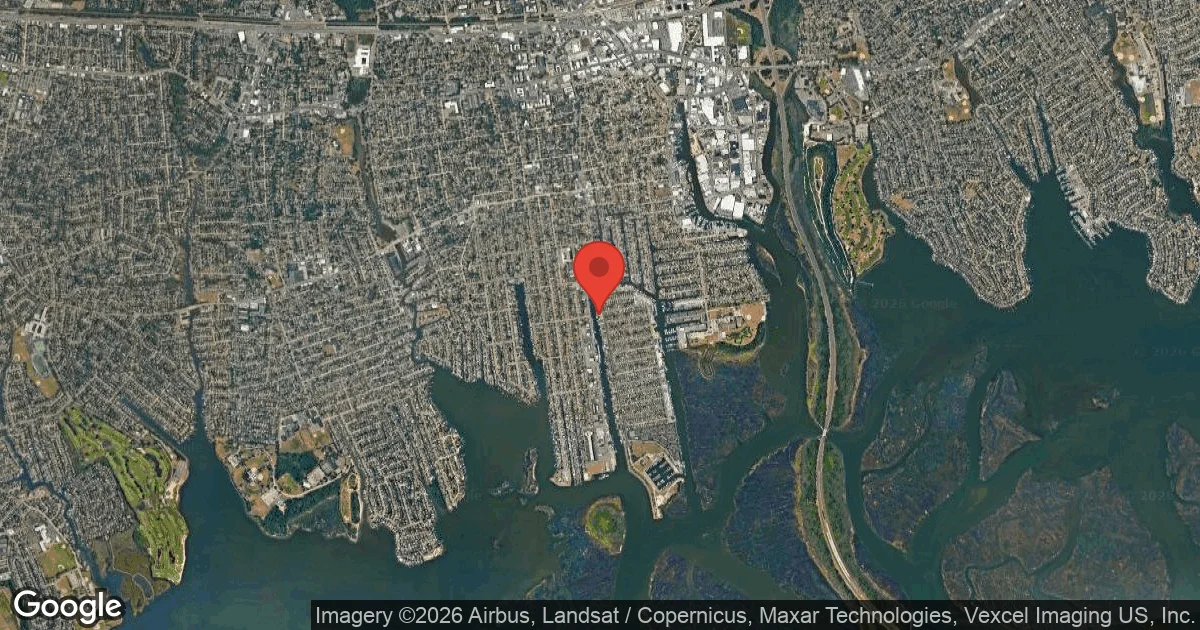
Dive Sites Near Rye Cliff
View all dive sites in United StatesDiscover more underwater gems in this area.
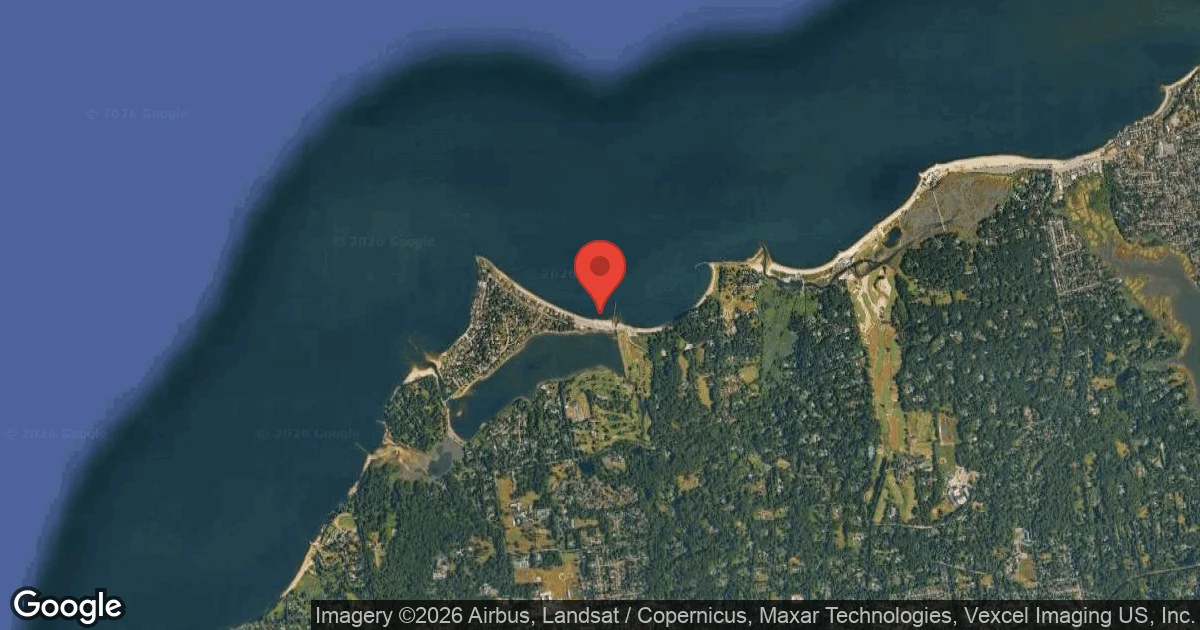
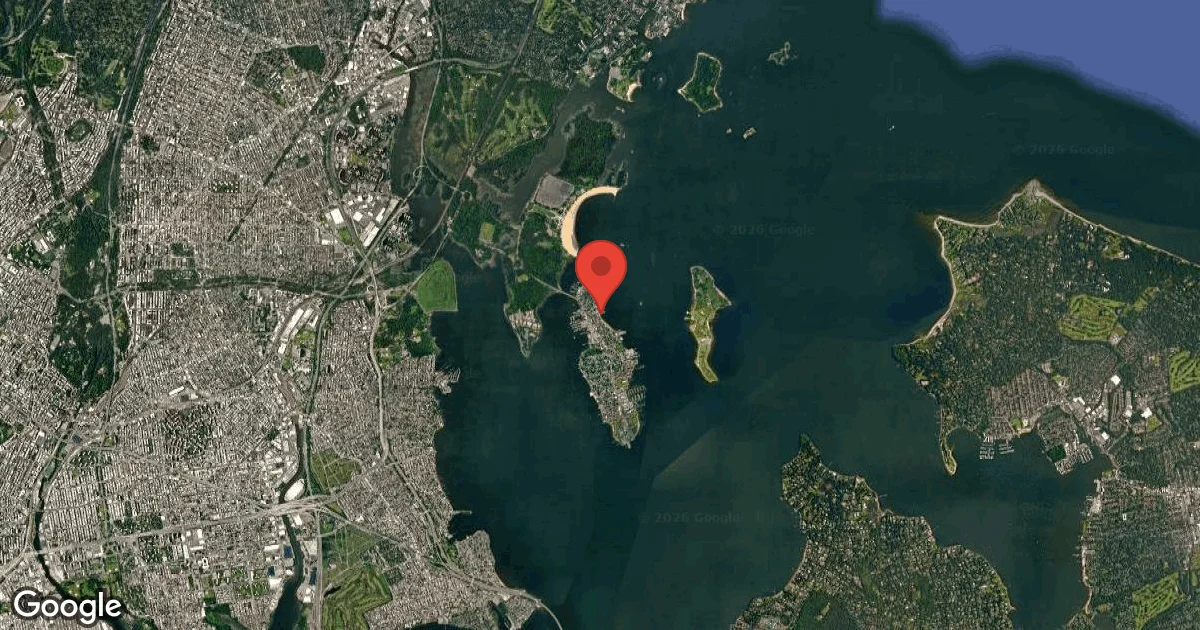
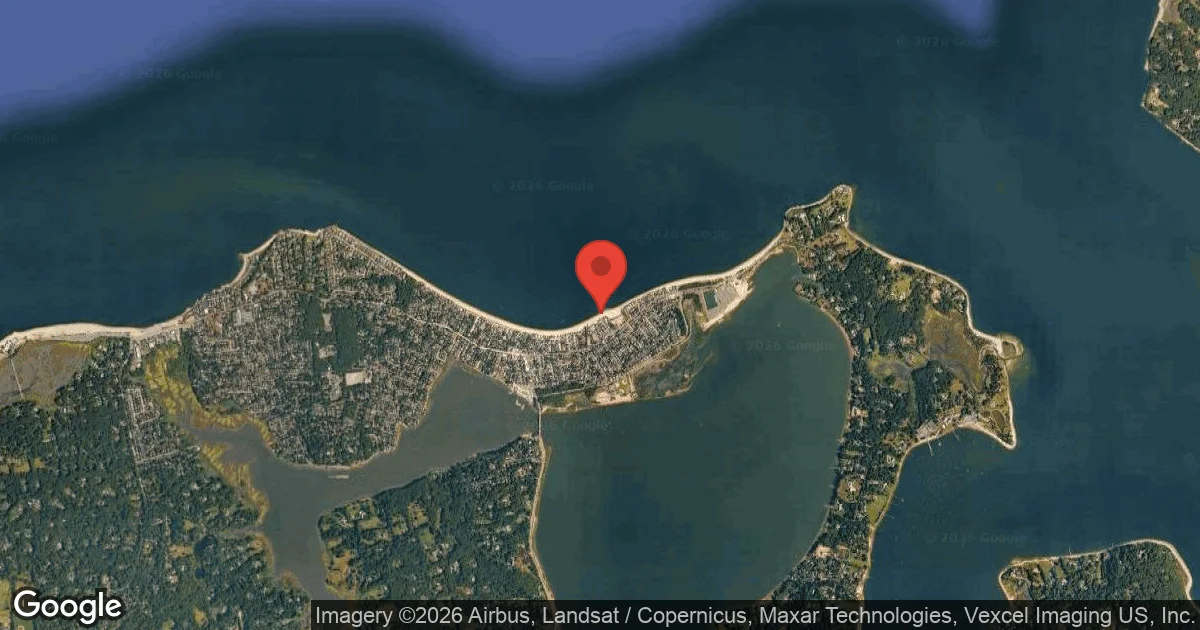
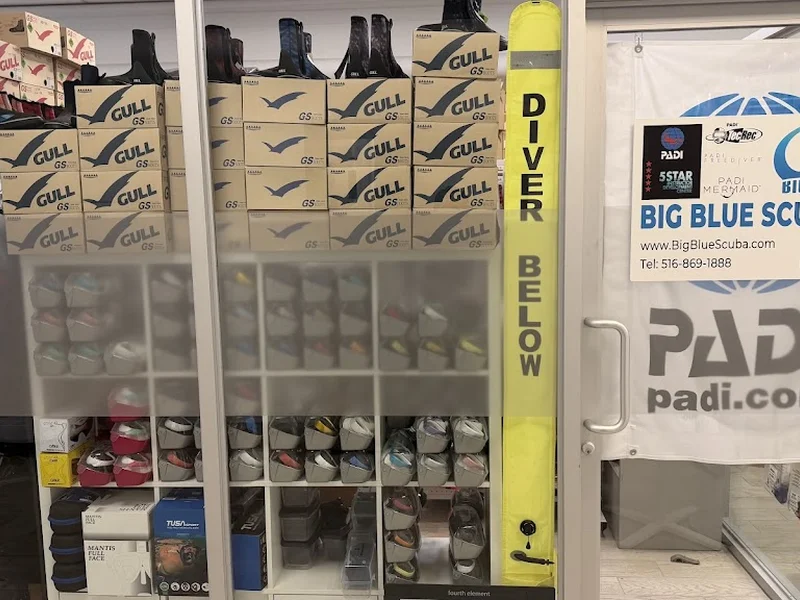
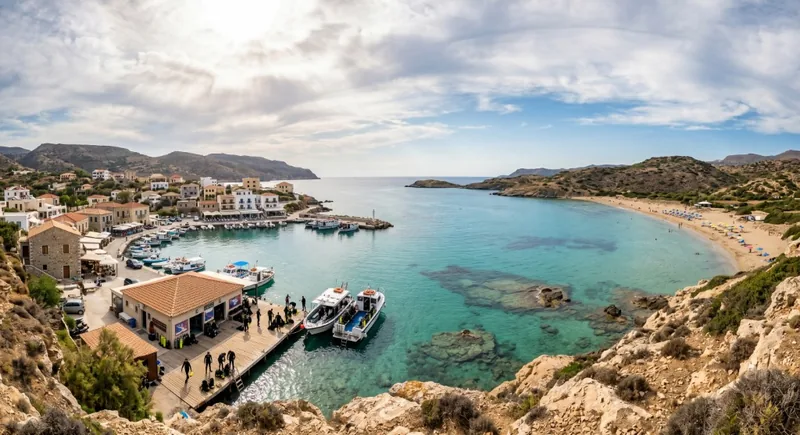
Dive Centers Near Rye Cliff
Nearest Airports
Nearest airports to help plan travel to this dive area.
Search Flights
Check available flights and routes on Expedia, using the nearby airports listed in this section.
Search Flights on Expedia
Plan Your Stay
Looking for a place to stay for your dive trip? Explore hotels, stays, and vacation rentals for dive groups near Sea Cliff.
Dive Navigator may earn a commission from these links at no extra cost to you.
Frequently Asked Questions
What are the typical dive depths at Rye Cliff?
Depths vary significantly, from shallow reef sections starting around five feet to deep wrecks like the USCG Duane, which can reach depths approaching 130 feet. Many sites, like Elbow Reef, fall within the 20 to 55-foot range.
Are there strong currents to consider?
Yes, strong currents are common at several dive sites, particularly around the deeper wrecks such as the USCG Duane and Bibb, due to their proximity to the Gulfstream. Even shallower sites like Elbow Reef can have noticeable currents. Always plan your dive considering these conditions.
What kind of marine life can I expect to see?
Divers can expect a diverse array, including black grouper, barracuda, moray eels, and nurse sharks, especially on wreck sites. Larger species like amberjack, cobia, and Goliath Grouper are also regularly spotted, along with various sharks and rays.
Are there wreck dives available?
Absolutely. The area features several compelling wreck dives, including the City of Washington, the USCG Duane, and the Bibb. These provide artificial habitats for marine life and offer unique historical insights.
Is advanced certification required for any sites?
Yes, deeper wreck dives such as the USCG Duane are recommended for advanced divers with specific wreck-diving experience due to depth, potential currents, and complexity. Some sites may also offer opportunities for advanced open water training, including deep dive and navigation components.
What is the visibility generally like?
Visibility can often be exceptional, particularly around deeper wrecks like the USCG Duane and Bibb, where it commonly reaches 100 feet or more. Even on shallower reefs, the proximity to the Gulf Stream typically ensures clear blue water.
What are the average water temperatures?
Specific water temperatures are not consistently reported in the available data. However, they generally vary seasonally, often being warmer in summer months and cooler during winter. Divers should anticipate thermoclines in deeper areas.
Planning to dive Rye Cliff?
Send one inquiry and receive offers directly from the best verified local dive operators.
Conditions are Excellent
07:00 - 14:00
Optimal conditions expected
Current conditions near Rye Cliff show 26° air, --° sea temperature, 0.2 m waves, and 18 km/h wind. Forecast data is refreshed regularly to ensure accuracy.