
Diving at Skyline Wall (United States)
Vibrant, extensive coverage of rock surfaces creates an immediate visual impact at Skyline Wall. Orange, white, red, and subtly purple sea cucumbers form a living tapestry in the shallows, making a colorful backdrop ideal for underwater photography. A particular favorite among local hardcore critter hunters and photographers, it offers diverse and accessible marine displays.
As evening covers Skyline Wall, the local air temperature is measured at 13°C. The current wave height at the surface is recorded at 0 m. These late-day readings characterize the surface conditions for the night.
Dive Site Location & Key Facts
Dive Site Overview
Skyline Wall, known locally to some as Skyline Marina Wall or even "Burrows Passage," holds a significant, if less public, standing among experienced Pacific Northwest divers. While it doesn't have the widespread name recognition of nearby Deception Pass or Keystone Jetty, its allure for dedicated enthusiasts is strong.
Located just outside Anacortes on Fidalgo Island, it's situated approximately nine miles from the challenging currents of Deception Pass. Divers approach the site from the shore, navigating varied underwater topography. Expect a series of distinct ledges that gradually transition into a pronounced sloping wall, eventually dropping to a sand bottom at approximately 24 m (80 ft).
Exploration here demands a keen awareness of conditions, reflecting the intermediate to advanced rating. Achieving a "Keyline Pie" dive, a term coined by local divers, involves successfully diving both Skyline Wall and Keystone Jetty in a single, epic outing.
This challenging endeavor highlights the precise planning often involved and requires accurate current prediction alongside excellent dive execution.
Conditions are Excellent
07:00 - 14:00
Optimal conditions expected
Current conditions near Skyline Wall show 13° air, 14° sea temperature, 0.2 m waves, and 16 km/h wind. Forecast data is refreshed regularly to ensure accuracy.
Best Time to Dive
Optimizing the dive experience at Skyline Wall depends heavily on current and tidal conditions, making careful planning essential regardless of the month. Divers typically target times of slack current, specifically slack before ebb, to explore this intermediate to advanced site most effectively. While system data indicates good to excellent dive scores throughout the year, the summer months, particularly August and September, generally present the most favorable overall conditions. During this period, average air temperatures are at their highest, ranging from 14.5-16.5°C (58-62°F), with minimal rainfall, often less than 1.5 mm (0.06 inches). Although winter months like January also show excellent dive scores, average air temperatures are significantly colder, around 4.5°C (40°F), and rain averages are higher, which influences surface comfort and logistical considerations.
PEAK SEASON SCORE
Scores combine air & water temps, waves, wind & rainfall for overall conditions.
BEST MONTHS TO DIVE
Monthly records compiled from satellite and marine observation nodes over the last 3 years. Data provided by Open-Meteo and MET Norway.
Dive Experience & Conditions
Beginning with a series of distinct ledges, the structural profile of Skyline Wall gives way to a more pronounced sloping wall, ultimately reaching a sand bottom at a maximum depth of approximately 24 m (80 ft). Such varied depth allows for exploration across different marine zones. Visibility at Skyline Wall is not consistently reported as excellent; it can often be reduced, especially due to silty outflows, which tends to favor macro photography for capturing detail. Water temperature data is not consistently reported, but divers should anticipate typical Pacific Northwest cold water conditions, requiring appropriate exposure protection. Currents are a significant factor here; divers should be aware that the incoming (flood) tide flows in an atypical east-to-west direction, necessitating precise current planning.
Dive Difficulty & Safety Guidelines
Approaching Skyline Wall requires recognizing its classification as an intermediate to advanced dive site, especially due to its current dynamics. Experienced divers strongly advise first-timers to visit with a mentor or a regular contributor to local diving communities. Meticulous current planning is paramount; an incoming flood tide flows counter-intuitively from east to west.
Scheduling dives around slack before ebb is highly recommended, particularly when tidal exchanges are small, to mitigate strong current exposure. Divers should consciously conserve sufficient air for the return journey to the beach, especially when not supported by a live boat or using a diver propulsion vehicle. Maintain awareness of potential boat traffic in the area.
Recommended Equipment
- Dive Computer
This gear list is based on verified equipment signals for Skyline Wall, United States. Always confirm final gear choices with your dive operator, guide, or liveaboard.
Recommended Dive Suit
Divers visiting Skyline Wall today can expect water conditions around 14°C (57°F). Surface air temperatures are resting at 13°C (56°F).
Many divers choose 7mm wetsuit or semidry when diving in similar conditions. A thermal robe or jacket is recommended between dives.
Forecast models show minimal temperature variation in the coming days.
Emergency & Medical Support
Essential information to help you plan your dive trip to Skyline Wall.

Hyperbaric chambers are a critical part of dive safety infrastructure. Availability varies significantly by region, and not all dive areas have immediate access.
Before diving, it's recommended to:
- confirm nearest medical facilities
- check emergency procedures with local dive operators
- ensure dive insurance covers evacuation if required
Divers Alert Network
Diving emergency assistance available through DAN World.
+1-919-684-9111- 24/7 emergency hotline
- Diving medical assistance
- Evacuation coordination
Emergency contacts are provided for reference. Always verify local emergency services before diving.
Marine Life at Skyline Wall
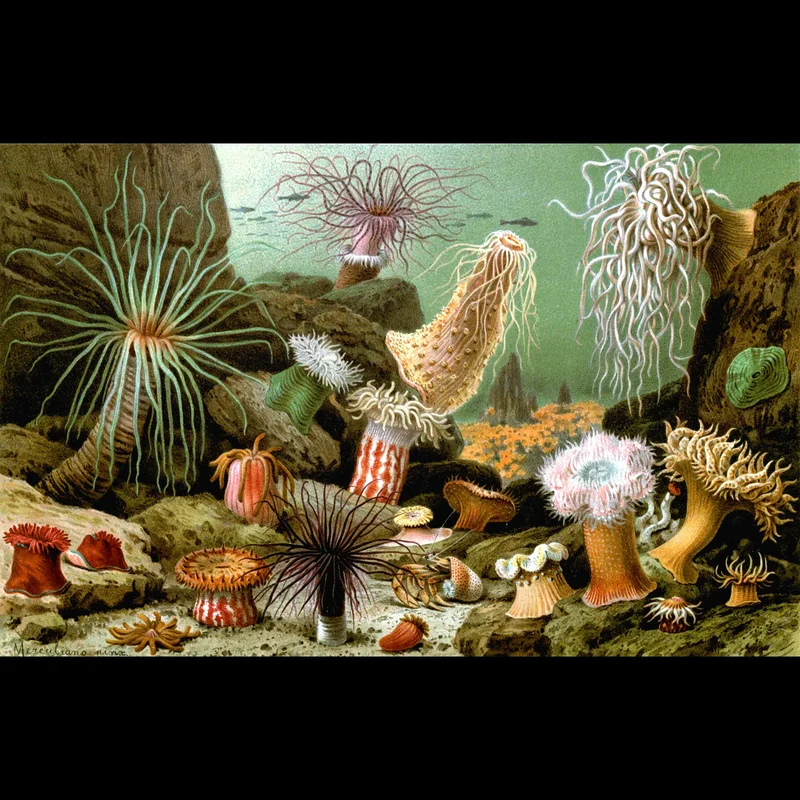
A compelling array of marine life makes Skyline Wall a productive spot for critter hunters and underwater photographers. Shallow rocky surfaces are often densely populated with a striking display of orange, white, red, and faintly purple sea cucumbers.
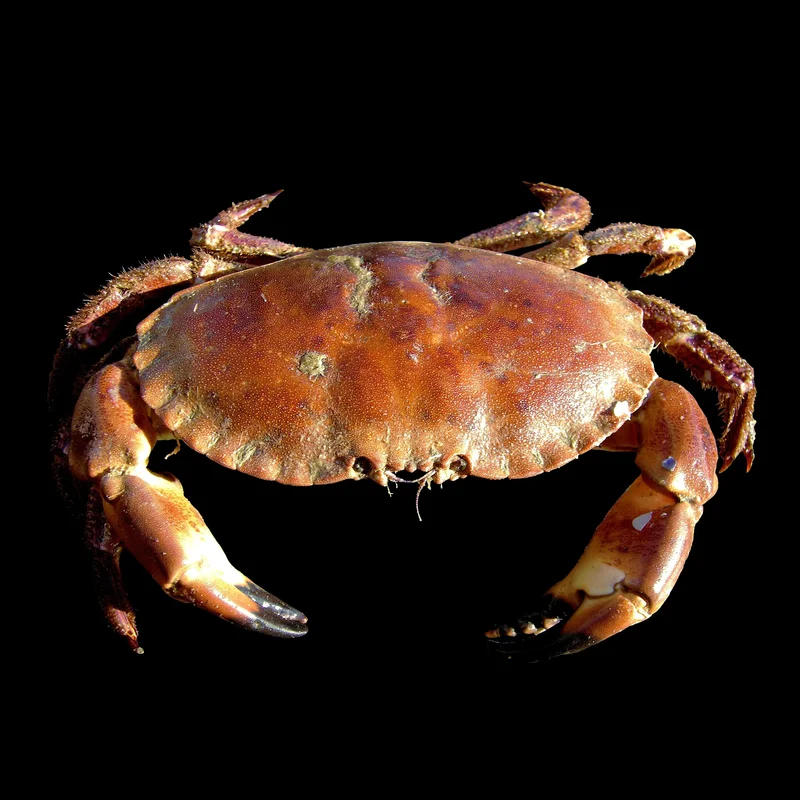
Among the rock formations, divers frequently encounter kelp greenlings, various rockfish species, and red Irish lords. In deeper sections, particularly near the sand bottom at 24 m (80 ft), the site is a good location for spotting Puget Sound king crabs.
Keen-eyed divers may also discover candy stripe shrimp living commensally on crimson sea anemones, providing excellent macro photo opportunities. Juvenile wolf eels are commonly observed in shallower areas, often above 11 m (35 ft).

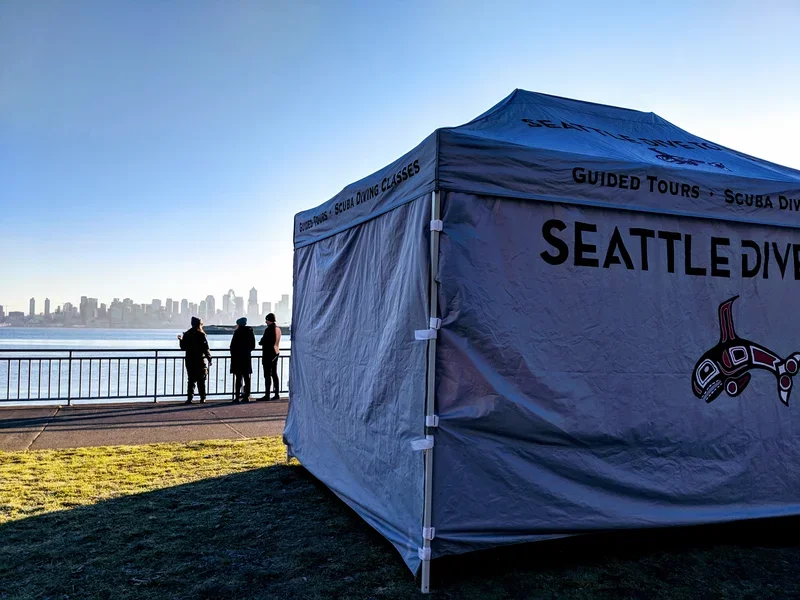
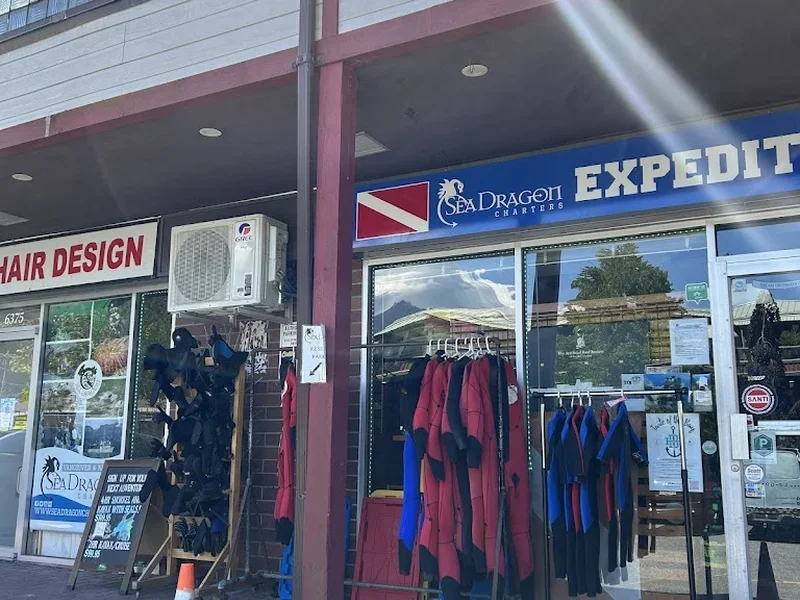
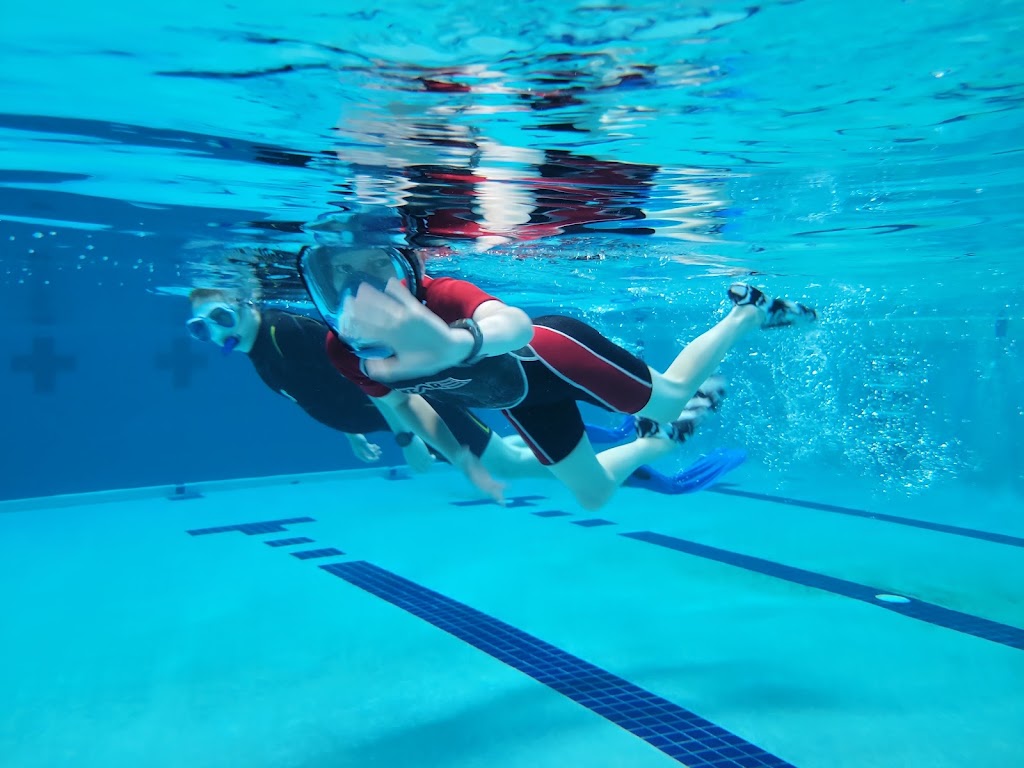
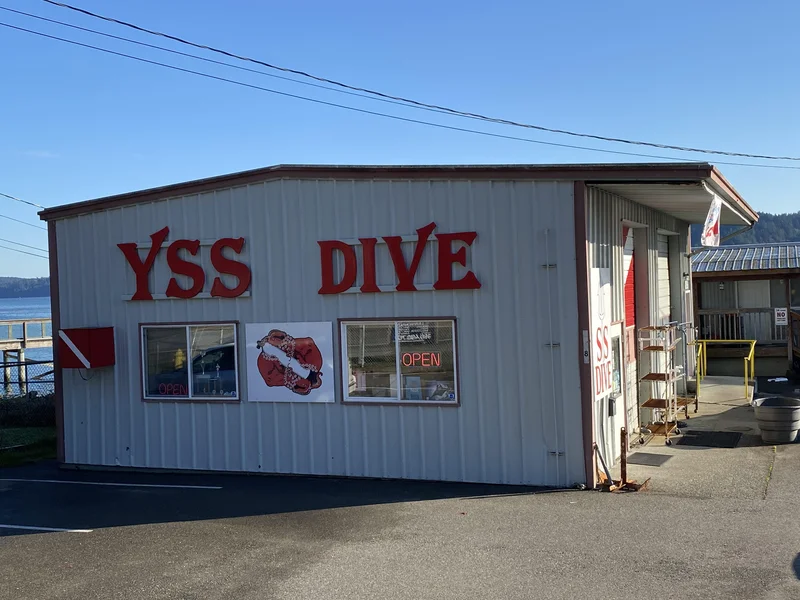
Dive Centers Near Skyline Wall
Today: 10:00 - 18:00
Nearest Airports
Nearest airports to help plan travel to this dive area.
Search Flights
Check available flights and routes on Expedia, using the nearby airports listed in this section.
Search Flights on Expedia
Plan Your Stay
Looking for a place to stay for your dive trip? Explore hotels, stays, and vacation rentals for dive groups near Anacortes.
Dive Navigator may earn a commission from these links at no extra cost to you.
Frequently Asked Questions
Is Skyline Wall suitable for beginners?
No, Skyline Wall is considered an intermediate to advanced dive site due to its challenging currents and specific planning requirements. Local divers strongly recommend going with an experienced mentor for a first visit to ensure safety and a good experience.
What is the maximum depth at Skyline Wall?
A sloping wall transitions to a sand bottom at approximately 24 m (80 ft). Reaching this maximum recreational limit offers exploration, though shallower sections of the wall also provide abundant marine life.
How are the currents at Skyline Wall?
Currents at Skyline Wall can be significant and require careful consideration and planning. Unusually, the incoming (flood) tide flows from east to west, which is counter to typical expectations for many regional sites. Dives are generally timed to coincide with slack current, especially slack before ebb.
What marine life can I expect to see?
Colorful sea cucumbers cover the wall, and divers can frequently observe kelp greenlings, various rockfish, and red Irish lords. Puget Sound king crabs inhabit the deeper sand bottom, while juvenile wolf eels are often seen in shallower sections above 11 m (35 ft). Look for candy stripe shrimp living on crimson sea anemones.
What is a "Keyline Pie" dive?
"Keyline Pie" refers to the rare feat of successfully diving both Skyline Wall and Keystone Jetty in a single day. This challenging combination is only possible on days with perfect tidal timing and current conditions, making it an epic undertaking for local divers.
Is shore access available at Skyline Wall?
Yes, Skyline Wall is a shore-accessible dive site. However, the return journey to the beach can be demanding depending on current conditions, which makes a larger gas supply or the use of a diver propulsion vehicle (DPV) a practical consideration for many.
Planning to dive Skyline Wall?
Send one inquiry and receive offers directly from the best verified local dive operators.
Conditions are Excellent
07:00 - 14:00
Optimal conditions expected
Current conditions near Skyline Wall show 13° air, 14° sea temperature, 0.2 m waves, and 16 km/h wind. Forecast data is refreshed regularly to ensure accuracy.