
Diving at Smitty's Cove (United States)
Smitty's Cove in Whittier, Alaska, stands as a primary training ground for cold-water diving in the United States. Divers navigate challenging conditions here, preparing them for the rigors of Alaskan waters. This protected cove, accessed through a unique tunnel system, plays a vital role in developing experienced divers.
The latest environmental reading at Smitty's Cove indicates an air temperature of 6.5°C. The regional climate in United States is aligning with expected historical averages. Prepare your gear according to these specific local conditions.
Dive Site Location & Key Facts
Dive Site Overview
Many divers initially believe there's nothing significant to observe beneath Smitty's Cove, a misconception quickly dispelled by firsthand experience. This shore diving site in Whittier presents a compelling blend of intentionally placed artificial reef installations and intriguing historical wreckage, collectively forming diverse underwater habitats.
Concrete balls and pyramids were deliberately introduced, designed to both foster marine life and serve as practical training aids for various dive skills. Beyond these man-made structures, an experienced diver making a longer swim can uncover substantial remains from a pier constructed in 1941, which tragically burned down before 1947. These extensive remnants include twisted railroad tracks, robust steam pipes, a cylindrical fuel tank, and even sections of the pier's original crane.
All these structures now stand heavily encrusted with cold-water marine invertebrates and swaying kelp, transforming them into thriving ecosystems. Diving here provides invaluable training opportunities, rigorously preparing individuals for the specific demands of Alaska's colder, gear-intensive conditions, making it particularly beneficial for those living in the state.
Mastering buoyancy and navigation among these varied structures builds confidence for more advanced regional explorations.
Conditions are Good
Optimal conditions expected
Current conditions near Smitty's Cove show 6° air, --° sea temperature, N/A waves, and 14 km/h wind. Forecast data is refreshed regularly to ensure accuracy.
Best Time to Dive
Optimizing conditions for diving Smitty's Cove largely depends on the time of year, with winter generally considered the prime season. This period experiences clearer water, primarily due to reduced runoff from streams and less phytoplankton growth driven by sunlight. Average air temperatures during the winter months, such as December, January, and February, range from approximately -4.5°C (40°F) to -3.5°C (38°F), with rainfall between 12.2 mm and 19.8 mm. Diving outside this window, specifically from late May through early September, becomes significantly more challenging. Increased runoff during these warmer months, when air temperatures rise to around 9.5°C (49°F) to 13.5°C (56°F), can diminish underwater visibility. Embracing the chill during winter adds to the distinctive Alaskan dive experience.
PEAK SEASON SCORE
Scores combine air & water temps, waves, wind & rainfall for overall conditions.
BEST MONTHS TO DIVE
Monthly records compiled from satellite and marine observation nodes over the last 3 years. Data provided by Open-Meteo and MET Norway.
Dive Experience & Conditions
Beginning a dive at Smitty's Cove involves passing through North America's longest underground tunnel, followed by parking near the ferry dock. Divers then prepare their gear on shore, donning thick dry suits and additional weights necessary for buoyancy control in these colder waters. Underwater, the environment transitions from a gradual entry to areas featuring significant artificial and historical structures, forming an intriguing landscape. The maximum depth of the site is not consistently reported, but it falls within recreational limits, with deeper sections holding more extensive wreckage. Visibility varies depending on conditions, often improving significantly in winter months. Encountering northern ronquils and wolf eels amidst rock formations and sunken debris is common.
Dive Difficulty & Safety Guidelines
Approaching Smitty's Cove diving requires careful preparation and adherence to guidelines to ensure a safe experience. It's crucial to be comfortable with the gear-intensive nature of cold-water diving, which includes proficiency with dry suits and managing the extra weights needed. Always dive with a buddy, or preferably, a more experienced diver, especially when exploring the deeper sections where historical wreckage lies.
Accessing the site from Anchorage involves navigating the Whittier Tunnel, which operates on a single-direction schedule and requires a toll. Upon arrival, divers must use the Passport Parking app for parking payment.
Changing facilities and bathrooms are available on the Anchorage side of the tunnel and at the harbormaster’s office in Whittier.
Recommended Equipment
- Dive Computer
This gear list is based on verified equipment signals for Smitty's Cove, United States. Always confirm final gear choices with your dive operator, guide, or liveaboard.
Recommended Dive Suit
With water temperatures around 6°C (44°F), many divers find a a thicker wetsuit or drysuit provides comfortable protection.
Being prepared with flexible exposure options is a common approach among experienced divers.
Weather patterns are currently shifting, so expect some variability in conditions.
Due to technical issues with our weather providers, live updates are temporarily delayed. The data above reflects the conditions at the time of the last successful fetch.
Emergency & Medical Support
Essential information to help you plan your dive trip to Smitty's Cove.

Hyperbaric chambers are a critical part of dive safety infrastructure. Availability varies significantly by region, and not all dive areas have immediate access.
Before diving, it's recommended to:
- confirm nearest medical facilities
- check emergency procedures with local dive operators
- ensure dive insurance covers evacuation if required
Divers Alert Network
Diving emergency assistance available through DAN World.
+1-919-684-9111- 24/7 emergency hotline
- Diving medical assistance
- Evacuation coordination
Emergency contacts are provided for reference. Always verify local emergency services before diving.
Marine Life at Smitty's Cove
The underwater landscape of Smitty's Cove supports a surprisingly diverse array of marine organisms. Artificial habitats like concrete balls and pyramids, along with historical wreckage, create shelters for various species.
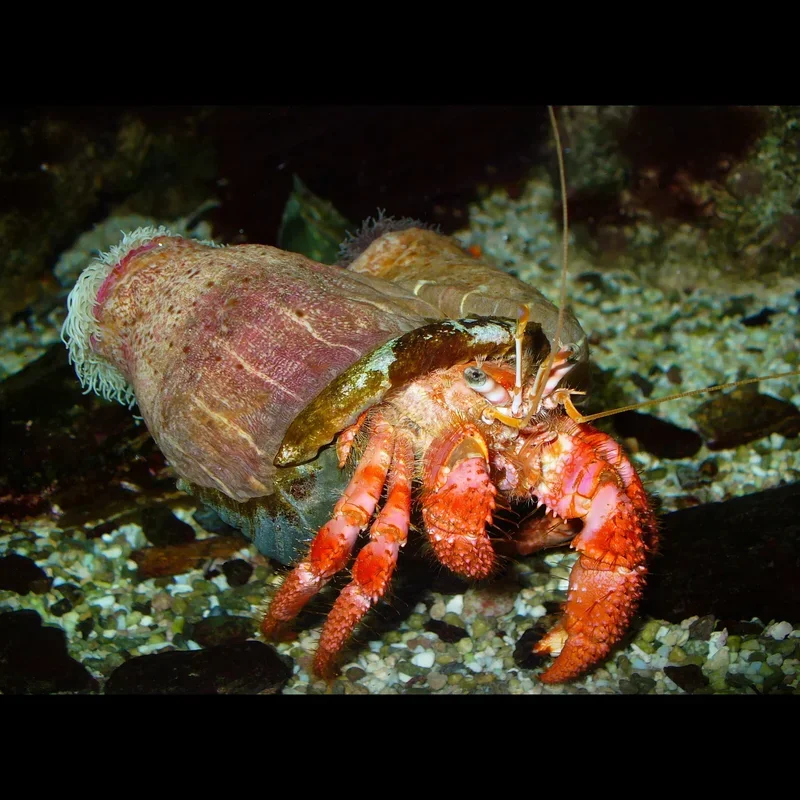
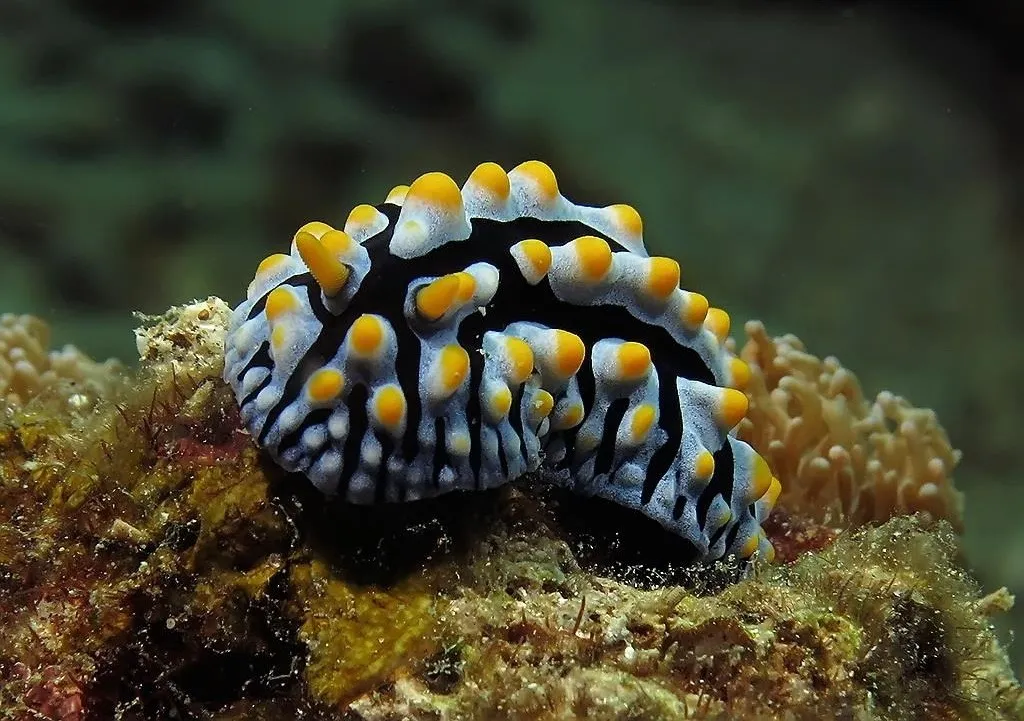
You might observe northern ronquils and wolf eels peeking from crevices, alongside rockfish and lingcod. The site is also home to delicate tube worms, scurrying hermit crabs, and colorful nudibranchs.
Basket stars cling to surfaces, while sea grass, sea whips, anemones, and kelp beds provide further cover and sustenance within this cold-water ecosystem.


Dive Centers Near Smitty's Cove
No Dive Centers Local To Smitty's Cove
Are you a dive center visiting this location? Get listed to reach divers.
Nearest Airports
Nearest airports to help plan travel to this dive area.
Search Flights
Check available flights and routes on Expedia, using the nearby airports listed in this section.
Search Flights on ExpediaFrequently Asked Questions
How do I get to Smitty's Cove?
Smitty's Cove is a shore diving site in Whittier, Alaska, about a 45-minute drive south from Anchorage. You'll need to pass through the Whittier Tunnel, which has a toll and operates on a single-direction schedule. Check the tunnel schedule online before heading out.
What can I expect to see underwater at Smitty's Cove?
Divers encounter both artificial reef installations and historical wreckage. This includes concrete structures, a sunken airplane, and debris from a burned pier such as railroad tracks, steam pipes, a crane, and a fuel tank. A variety of cold-water marine life also inhabits these structures.
Is Smitty's Cove suitable for new divers?
While it serves as a primary training ground for Alaskan divers, it requires comfort with cold-water diving, dry suits, and extra weights. New divers should team up with experienced buddies or instructors to navigate the gear and conditions effectively.
When is the best time to dive Smitty's Cove?
Winter is generally considered the best time to dive due to significantly clearer water. This is because there's less runoff from rain and reduced phytoplankton growth. Diving from late May to early September is more challenging due to increased runoff and diminished visibility.
What kind of marine life might I encounter?
The site hosts northern ronquils, wolf eels, various rockfish, and lingcod. You can also spot tube worms, hermit crabs, nudibranchs, and basket stars. Sea grass, sea whips, anemones, and kelp are also common components of the underwater environment.
Are there any specific parking instructions for Smitty's Cove?
Yes, once you're through the Whittier Tunnel and in Whittier, you'll need to pay for parking. This is typically managed through a third-party application called Passport Parking, used by the City of Whittier.
Planning to dive Smitty's Cove?
Send one inquiry and receive offers directly from the best verified local dive operators.
Conditions are Good
Optimal conditions expected
Current conditions near Smitty's Cove show 6° air, --° sea temperature, N/A waves, and 14 km/h wind. Forecast data is refreshed regularly to ensure accuracy.