
Diving at Tetrehedron Reef B (United States)
For certified divers targeting artificial reefs, understanding the design intention behind Tetrehedron Reef B is key. This site was strategically constructed to develop a thriving habitat, meaning divers should approach it with an appreciation for its role in marine ecosystem support. Expect a purposeful structure designed for life, requiring precise buoyancy control to navigate and protect the nascent coral growth.
Tonight's objective overview for Tetrehedron Reef B shows an air temperature of 27.5°C. The measured surface conditions include wave heights around 0.8 m. This environmental data is logged for the close of the day.
Dive Site Location & Key Facts
Dive Site Overview
Tetrehedron Reef B provides certified divers an opportunity to explore a deliberately constructed underwater environment designed to foster marine biodiversity. This extensive artificial reef lies approximately 1.6 kilometers (1 mile) offshore, stretching roughly 3.2 kilometers (2 miles) parallel to the Navarre Beach coastline.
It forms part of a larger initiative focused on marine habitat restoration. The reef primarily comprises 500 to 700 individual modules, each uniquely shaped as tetrahedrons, resembling pyramids with various holes dotting their surfaces, much like Swiss cheese.
These structures, available in both 2.4-meter (8-foot) and 5.5-meter (18-foot) heights, are arranged into distinct clusters. Each cluster integrates these tetrahedrons with additional 'ledge and disk' modules, typically around 2.4 meters (8 feet) tall.
Formations like these are intended to actively encourage coral growth and provide essential shelter, functioning as a crucial nursery for juvenile fish and a refuge for a wide array of marine species. A recreational depth of 18 m (60 ft) makes the site accessible for open water certified divers.
Funding for the design and deployment of this significant habitat was provided by a $1.4 million National Resource Damage Assessment grant.
Conditions are Good
Optimal conditions expected
Current conditions near Tetrehedron Reef B show 28° air, 30° sea temperature, 0.8 m waves, and 14 km/h wind. Forecast data is refreshed regularly to ensure accuracy.
Best Time to Dive
Achieving optimal visibility is often a primary consideration when planning a dive at Tetrehedron Reef B, as conditions here can fluctuate with seasonal weather patterns. The months from May through August typically present the most favorable diving conditions, consistently rated as 'Good' according to climate averages. During this period, wave heights generally remain lower, averaging around 0.5-0.8 meters (1.6-2.6 feet), which often translates to clearer water and a more stable dive platform. Air temperatures during these prime months are quite pleasant, ranging from approximately 26-28.5°C (79-83°F). For this particular site, water temperatures aren't consistently reported, but they tend to align with the warmer ambient air during summer. Conversely, the transition months, including January, February, March, April, September, November, and December, are generally rated 'Moderate' for diving. These periods often see increased wave heights, sometimes exceeding 1.2 meters (4 feet), and higher wind speeds, potentially impacting visibility and surface conditions. October registers as 'Poor' due to the highest average wave heights of 1.6 meters (5.2 feet), suggesting more challenging conditions for divers.
PEAK SEASON SCORE
Scores combine air & water temps, waves, wind & rainfall for overall conditions.
BEST MONTHS TO DIVE
Monthly records compiled from satellite and marine observation nodes over the last 3 years. Data provided by Open-Meteo and MET Norway.
Dive Experience & Conditions
Current dynamics around Tetrehedron Reef B will influence your dive experience; the offshore location means conditions can vary, requiring divers to remain attentive to water movement. The artificial reef structures themselves, with their numerous holes and varying heights, can create localized eddies or offer some shelter, depending on the prevailing current direction. With a maximum depth of 18 m (60 ft), divers operate well within recreational limits, allowing ample bottom time to explore the intricate design of the tetrahedron and ledge modules. Visibility here, while varying with weather and seasonal factors, is generally best during periods of lower wave action and calmer seas, typically observed during late spring and summer. Given its purpose as an established marine habitat, divers can expect to navigate around schools of fish seeking shelter within the structures. Careful buoyancy control is essential to avoid disturbing the developing ecosystem on these modules.
Dive Difficulty & Safety Guidelines
Approaching Tetrehedron Reef B demands adherence to standard safe diving practices, with an added awareness for its offshore setting. Divers should meticulously plan their dive profile to align with the 18 m (60 ft) depth, ensuring appropriate air management and decompression limits. Due to its popularity as both a dive and fishing site, vigilance regarding boat traffic on the surface is always important; deploying a dive flag is mandatory.
Buoyancy control becomes paramount when navigating the artificial structures; accidental contact can damage the nascent coral growth. Always dive with a buddy, and ensure both divers are capable of handling potential currents, particularly if conditions are less than ideal.
Maintaining a safe distance from any fishing lines that might be present is also a responsible practice for both diver safety and marine life protection.
Recommended Equipment
- Dive Computer
This gear list is based on verified equipment signals for Tetrehedron Reef B, United States. Always confirm final gear choices with your dive operator, guide, or liveaboard.
Recommended Dive Suit
With water temperatures around 30°C (86°F), many divers find a dive skin or rash guard provides comfortable protection.
Being prepared with flexible exposure options is a common approach among experienced divers.
The next few days appear likely to bring similar environmental conditions.
Emergency & Medical Support
Essential information to help you plan your dive trip to Tetrehedron Reef B.

Hyperbaric chambers are a critical part of dive safety infrastructure. Availability varies significantly by region, and not all dive areas have immediate access.
Before diving, it's recommended to:
- confirm nearest medical facilities
- check emergency procedures with local dive operators
- ensure dive insurance covers evacuation if required
Divers Alert Network
Diving emergency assistance available through DAN World.
+1-919-684-9111- 24/7 emergency hotline
- Diving medical assistance
- Evacuation coordination
Emergency contacts are provided for reference. Always verify local emergency services before diving.
Marine Life at Tetrehedron Reef B
Diving Tetrehedron Reef B, divers will immediately notice how the artificial structures act as a magnet for marine life. Tetrahedron modules, with their numerous openings, provide instant shelter and a nursery environment for a variety of juvenile fish.
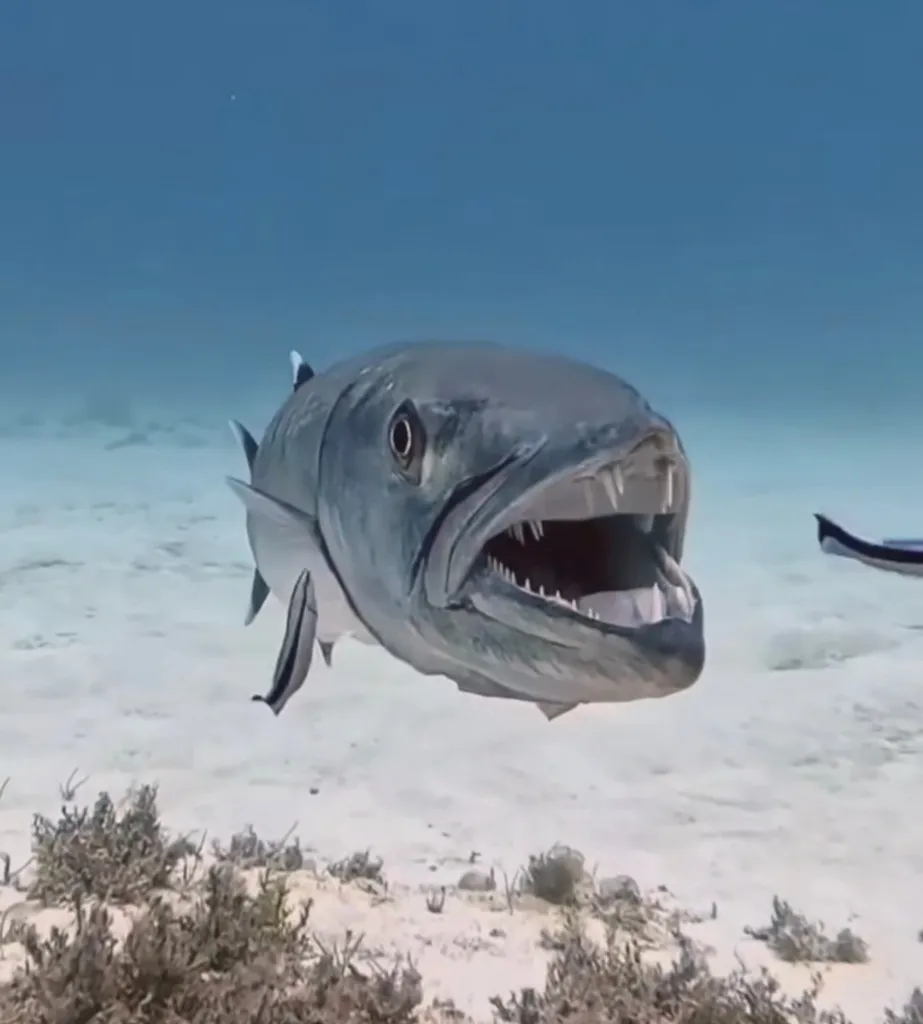
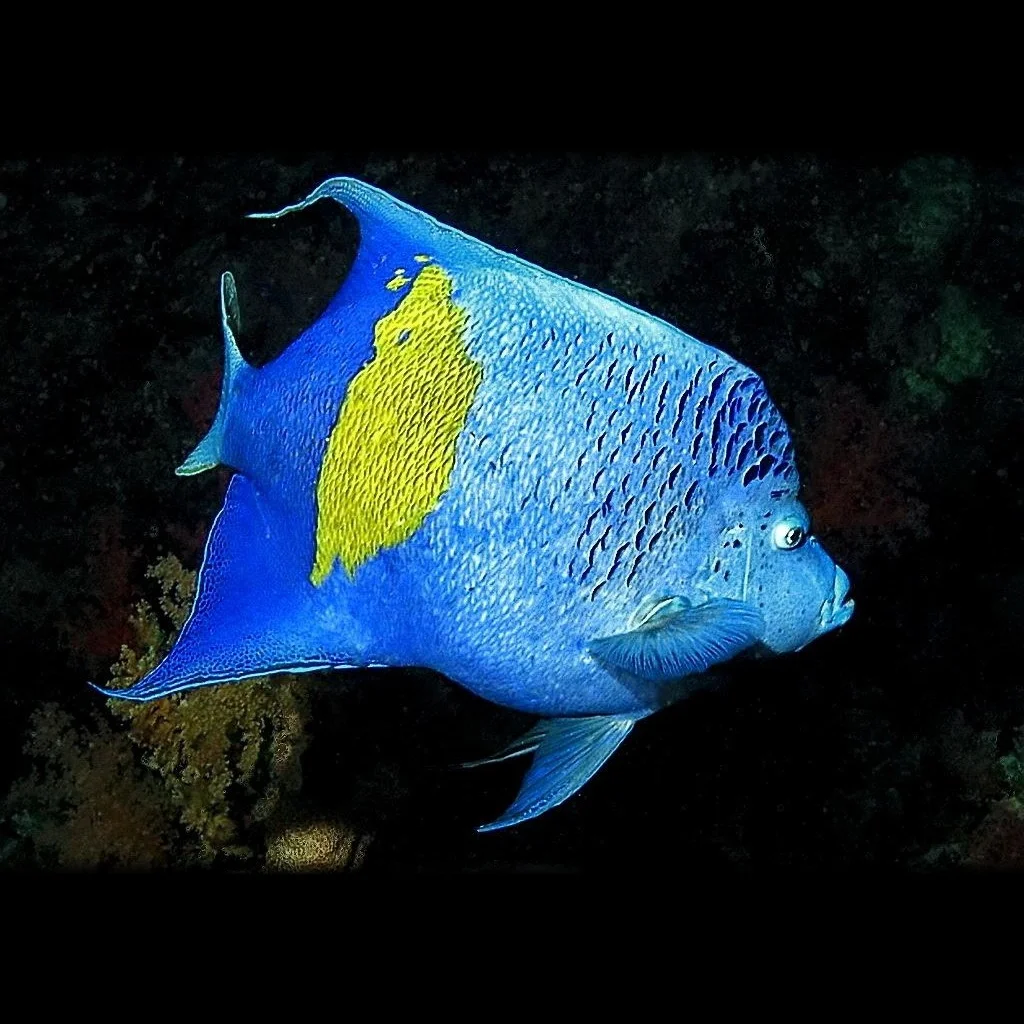
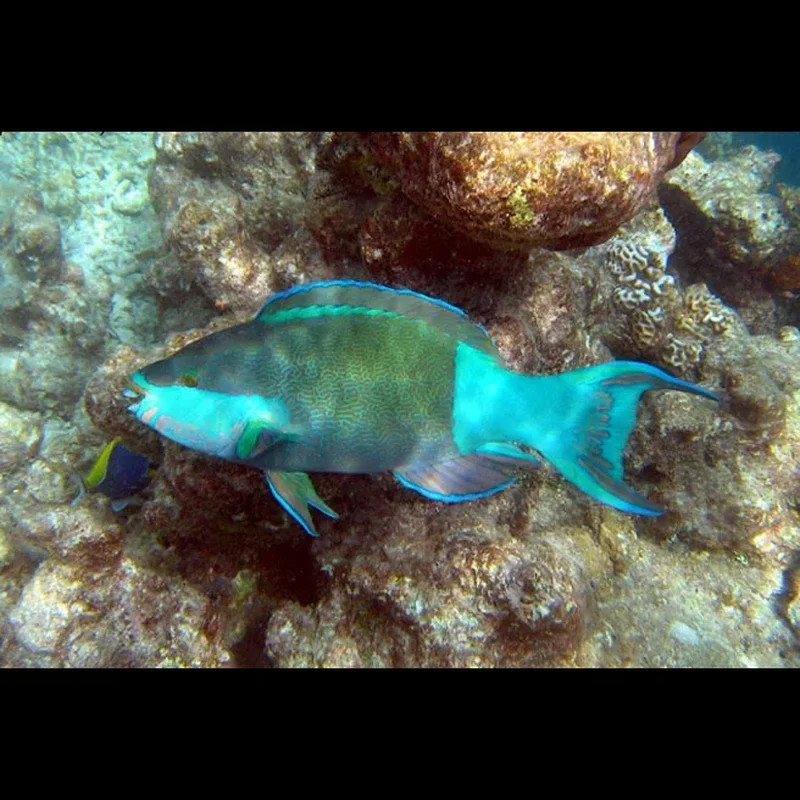
As the reef matures, divers can anticipate observing species commonly associated with Florida's vibrant reef ecosystems. Expect to see colorful parrotfish and angelfish gracefully navigating the modules, alongside larger predators such as barracuda.
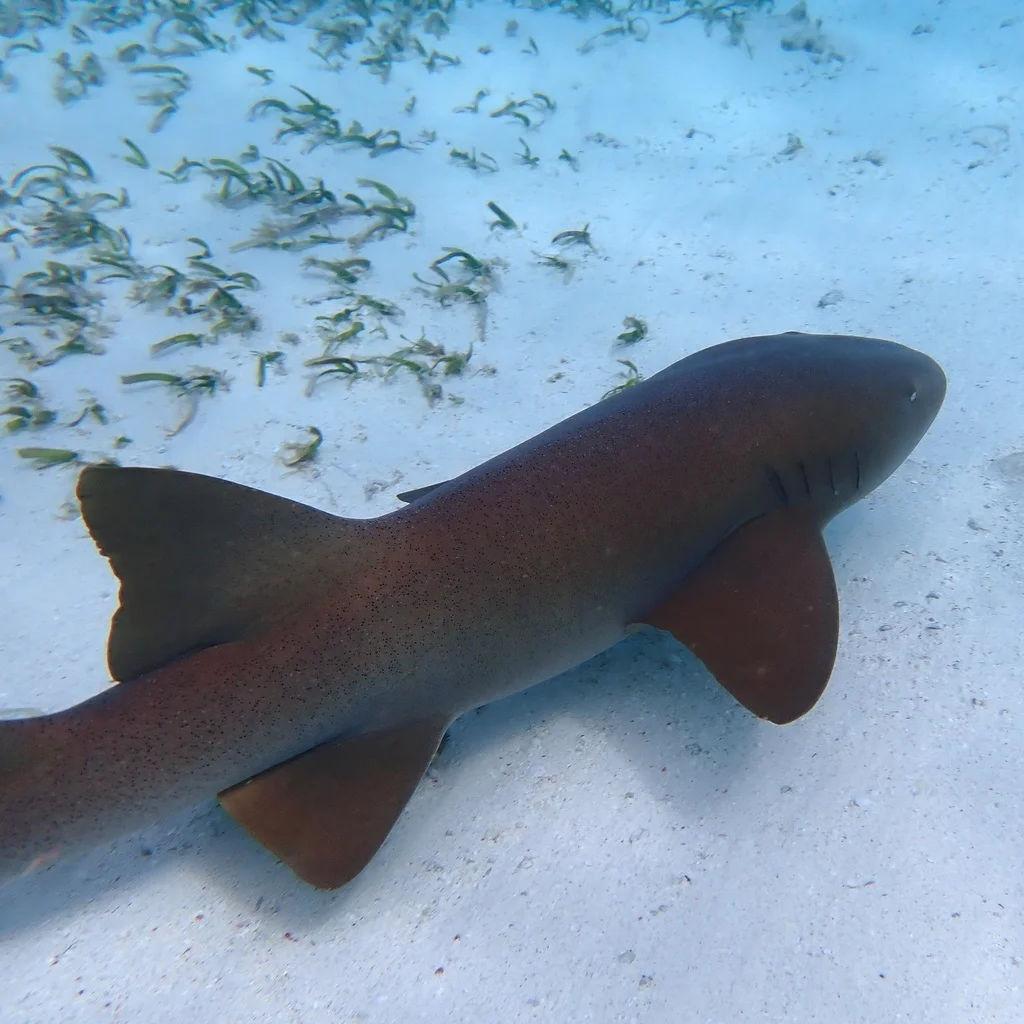
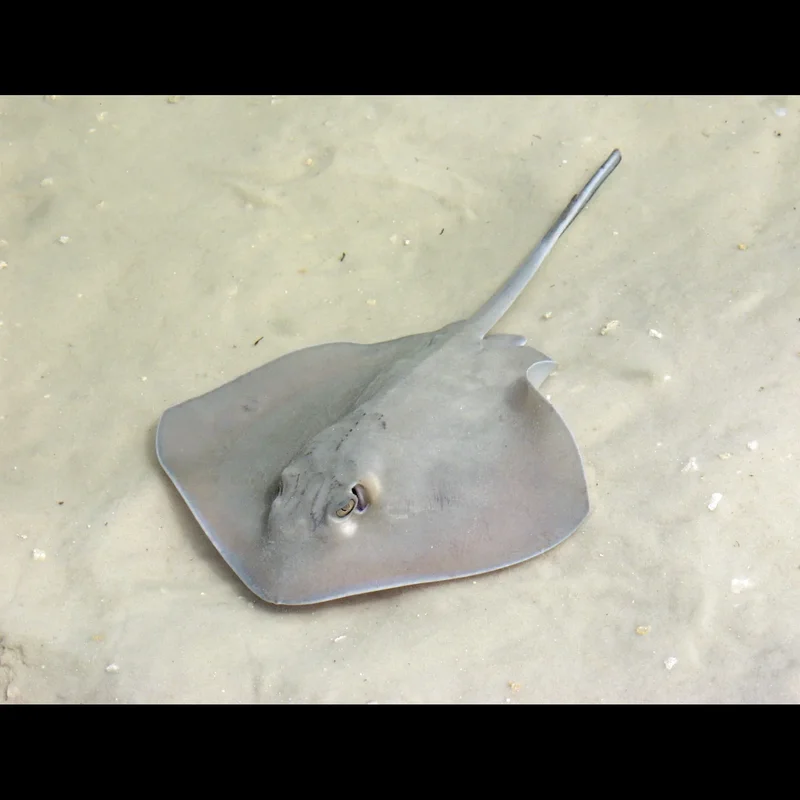
Nurse sharks are often seen resting in crevices, while stingrays might be spotted gliding over the sandy bottom near the reef's periphery. Turtles occasionally make appearances, inspecting the new habitat. Developing corals on the structures will slowly contribute to an increasingly biodiverse scene.
Dive Centers Near Tetrehedron Reef B
Today: 10:00 - 18:00
Nearest Airports
Nearest airports to help plan travel to this dive area.
Search Flights
Check available flights and routes on Expedia, using the nearby airports listed in this section.
Search Flights on Expedia
Plan Your Stay
Looking for a place to stay for your dive trip? Explore hotels, stays, and vacation rentals for dive groups near Sewall's Point.
Dive Navigator may earn a commission from these links at no extra cost to you.
Frequently Asked Questions
What is Tetrehedron Reef B?
Tetrehedron Reef B is an artificial reef comprising 500-700 tetrahedron and 'ledge and disk' modules. It was created to enhance marine habitats and offer new opportunities for scuba diving and fishing, providing shelter and substrate for marine species.
What is the maximum depth of Tetrehedron Reef B?
A recreational depth of 18 m (60 ft) defines this site. It proves accessible for most certified open water divers to explore thoroughly.
What kind of marine life can I expect to see?
As a growing artificial habitat, the reef attracts various marine life. Divers can expect to observe fish like parrotfish, angelfish, and barracuda, along with nurse sharks, stingrays, and occasional turtles. The structures serve as crucial homes for these species.
When is the best time to dive at this site?
Most favorable diving conditions, characterized by lower waves and potentially better visibility, occur typically from May through August. Climate averages during these months indicate 'Good' dive scores, contrasting with 'Moderate' or 'Poor' ratings in other seasons.
How far offshore is Tetrehedron Reef B located?
Tetrehedron Reef B lies approximately 1.6 kilometers (1 mile) offshore from the Navarre Beach coastline. It extends for about 3.2 kilometers (2 miles) parallel to the beach.
What was the origin of this artificial reef project?
The development and deployment of Tetrehedron Reef B were funded by a $1.4 million National Resource Damage Assessment (NRDA) grant. This grant was administered by the National Oceanic and Atmospheric Administration (NOAA) as part of the Deepwater Horizon oil spill payout, aiming to restore and enhance marine ecosystems.
Planning to dive Tetrehedron Reef B?
Send one inquiry and receive offers directly from the best verified local dive operators.
Conditions are Good
Optimal conditions expected
Current conditions near Tetrehedron Reef B show 28° air, 30° sea temperature, 0.8 m waves, and 14 km/h wind. Forecast data is refreshed regularly to ensure accuracy.