
Diving at Tug Reef (United States)
Diving a Tug Reef presents a fascinating technical profile for intermediate to advanced recreational divers. This artificial reef, typically formed by an intentionally sunk tugboat, rests on the seabed at depths ranging from 15 to 24 meters (50 to 80 feet). Its structure, often remaining largely intact, offers intricate exploration opportunities. The site serves as a vital marine habitat, attracting a diverse array of fish life. Good buoyancy control and wreck diving experience are beneficial here.
Evening condition tracking at Tug Reef features an air temperature of 28.5°C. We have recorded wave heights measuring 1.7 m during this period. These figures outline the environmental parameters currently present.
Dive Site Location & Key Facts
Dive Site Overview
Exploring a Tug Reef provides a compelling blend of historical discovery and vibrant marine ecology. These sites are remnants of vessels, often retired tugboats, purposefully transformed into thriving artificial reefs.
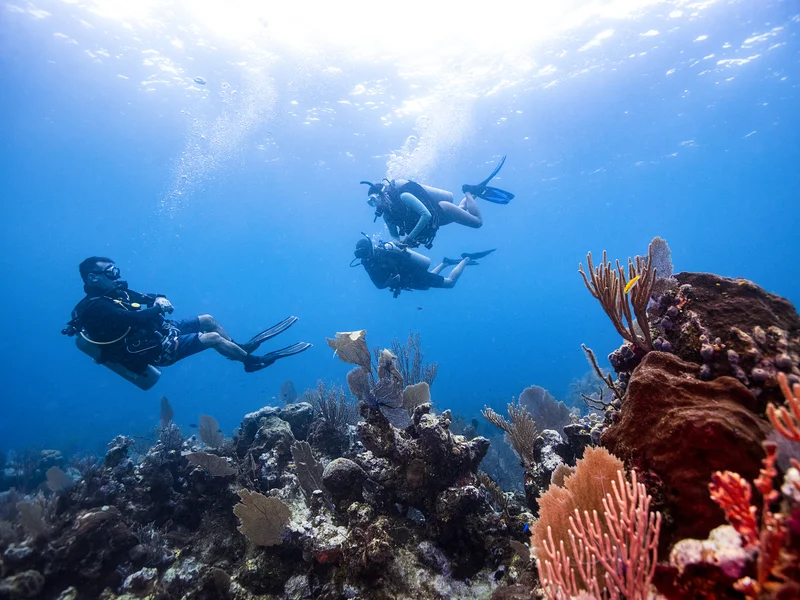
Descending onto the hull, divers encounter an underwater landscape where steel structures meet developing coral growth. The transformation from working vessel to an intricate habitat for fish and invertebrates is a defining feature. Depending on the specific tug, structures like the pilothouse or engine room may still be accessible, adding an exploratory dimension.
Often sitting upright, these wrecks act as significant fish aggregators, contrasting stark metal with abundant marine life. It's a testament to the "rigs to reefs" philosophy, repurposing maritime history into dynamic ecosystems.
This type of site typically involves depths suitable for intermediate divers, generally around 20 meters, sometimes extending to the site's maximum of 24 meters. Visibility can often be quite good, frequently reaching 24-30 meters (80-100 feet), allowing for clear views of the wreck and its inhabitants.
Conditions are Good
Optimal conditions expected
Current conditions near Tug Reef show 29° air, 30° sea temperature, 0.9 m waves, and 21 km/h wind. Forecast data is refreshed regularly to ensure accuracy.
Best Time to Dive
Evaluating the ideal window for diving a Tug Reef prioritizes stable surface conditions and comfortable underwater temperatures. Peak diving conditions typically occur from May through July, with May and July showing "Good" dive scores (8). During these months, air temperatures are pleasantly warm, ranging from 26°C in May to over 28°C in July, often feeling quite pleasant in the high 70s to low 80s Fahrenheit. Wave heights tend to be lower, around 0.7 to 1.0 meters, generally in the two to three-foot range, and wind speeds are generally calmer, hovering between 24-27 kilometers per hour. Rain activity is present but manageable, with June experiencing a higher average of 5.7mm compared to May's 2.4mm. Water temperatures, while not consistently reported, generally range from 22-27°C (72-81°F) in most subtropical US regions. Conversely, October registers a "Poor" dive score (4), marked by higher wave heights nearing 2 meters and increased wind speeds around 33 kilometers per hour, making surface travel and diving less favorable. Winter months (January-March) present "Moderate" conditions, with cooler air temperatures and elevated wave activity, suggesting that late spring to mid-summer offers the most conducive environment for a visit.
PEAK SEASON SCORE
Scores combine air & water temps, waves, wind & rainfall for overall conditions.
BEST MONTHS TO DIVE
Monthly records compiled from satellite and marine observation nodes over the last 3 years. Data provided by Open-Meteo and MET Norway.
Dive Experience & Conditions
Encountering a Tug Reef, divers should be prepared for varying current dynamics and generally good visibility. Currents around such wrecks can range from mild to moderate, depending on the specific location and tidal movements, which may necessitate careful planning and adherence to descent/ascent lines. Visibility often remains excellent, frequently reaching 24 to 30 meters, providing clear views of the wreck and surrounding seabed. This clarity enhances the experience of exploring the tug's structure and observing marine life. Depths typically range from around 15 meters to a maximum depth of 24 meters, making it accessible for intermediate recreational divers. During the dive, water temperatures align with regional averages, commonly 22 to 27 degrees Celsius. The wreck itself provides some shelter from currents, particularly inside any remaining accessible sections, though outside, divers must maintain awareness.
Dive Difficulty & Safety Guidelines
Approaching a Tug Reef requires a thoughtful dive plan, especially for wreck penetration. As an expert tip, always assess your training and comfort level before entering overhead environments. Given the site's intermediate depth range, adherence to no-decompression limits is crucial.
Currents can fluctuate, so always check local conditions and secure gear properly. Maintain excellent buoyancy control to avoid disturbing silt and damaging the wreck's delicate ecosystem.
Carrying a dive knife and redundant air source is prudent. Never attempt to remove artifacts from the wreck; it's a protected historical site and marine habitat.
For safety, dive with a buddy, confirm communication signals, and review emergency procedures before descent. These measures ensure a safe and respectful exploration of the artificial reef.
Recommended Equipment
- Dive Computer
This gear list is based on verified equipment signals for Tug Reef, United States. Always confirm final gear choices with your dive operator, guide, or liveaboard.
Recommended Dive Suit
Forecast models show minimal temperature variation in the coming days.
Thermal protection such as dive skin or rash guard is commonly used in similar temperatures. Consider warmer surface protection (like a boat coat) due to brisk winds.
At Tug Reef, the water is currently sitting around 30°C (86°F). Surface air temperatures are resting at 29°C (83°F).
Due to technical issues with our weather providers, live updates are temporarily delayed. The data above reflects the conditions at the time of the last successful fetch.
Emergency & Medical Support
Essential information to help you plan your dive trip to Tug Reef.

Hyperbaric chambers are a critical part of dive safety infrastructure. Availability varies significantly by region, and not all dive areas have immediate access.
Before diving, it's recommended to:
- confirm nearest medical facilities
- check emergency procedures with local dive operators
- ensure dive insurance covers evacuation if required
Divers Alert Network
Diving emergency assistance available through DAN World.
+1-919-684-9111- 24/7 emergency hotline
- Diving medical assistance
- Evacuation coordination
Emergency contacts are provided for reference. Always verify local emergency services before diving.
Marine Life at Tug Reef
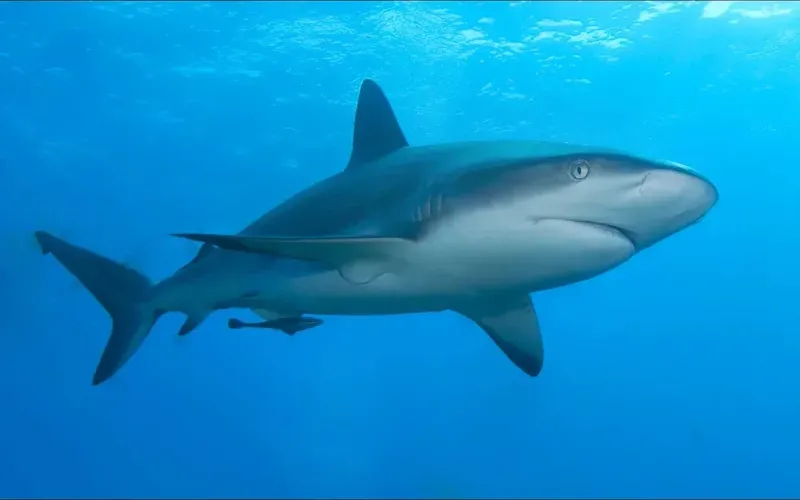
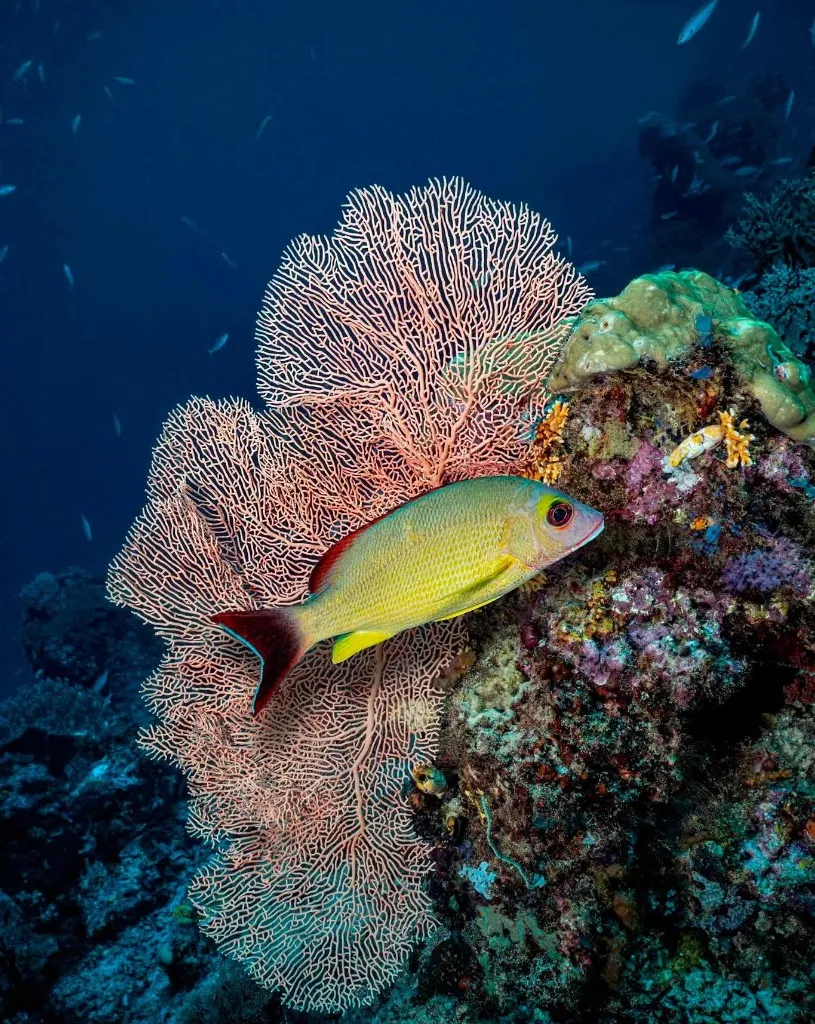
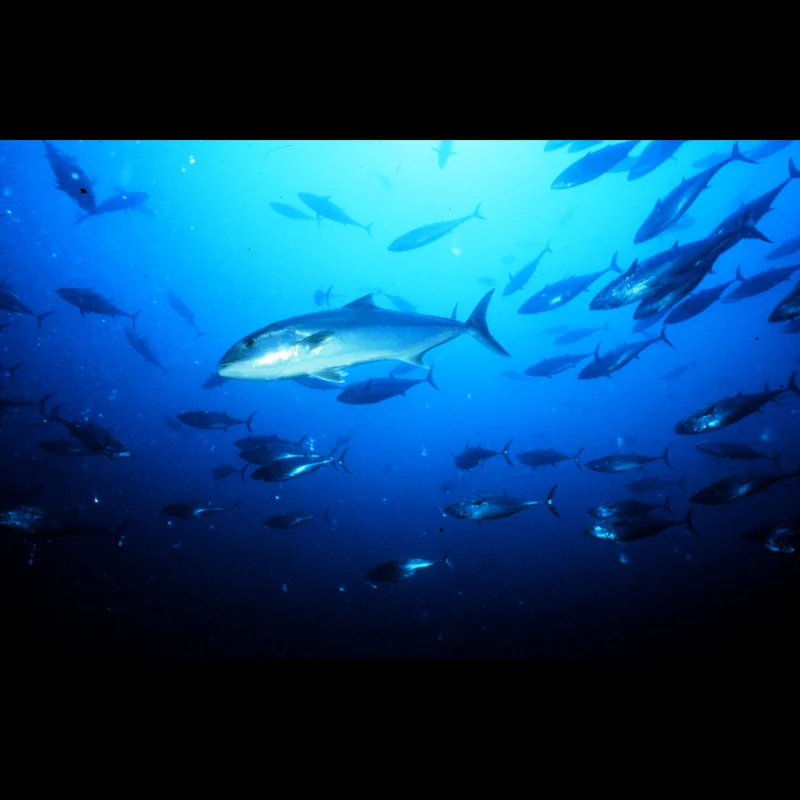
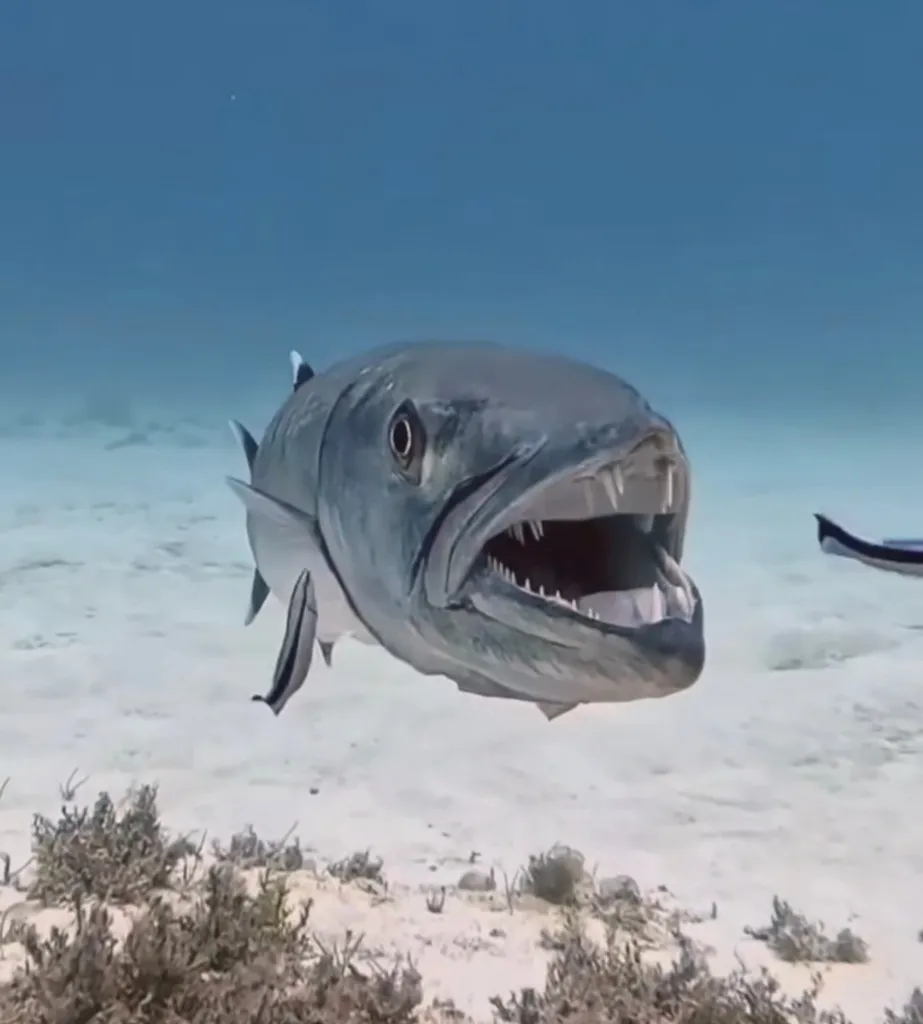
The underwater landscape of a Tug Reef is rich with marine activity, transforming the sunken vessel into a thriving sanctuary. Observing the wreck, divers often spot swirling schools of mackerel scad and blue stripe snapper taking shelter within the structure.
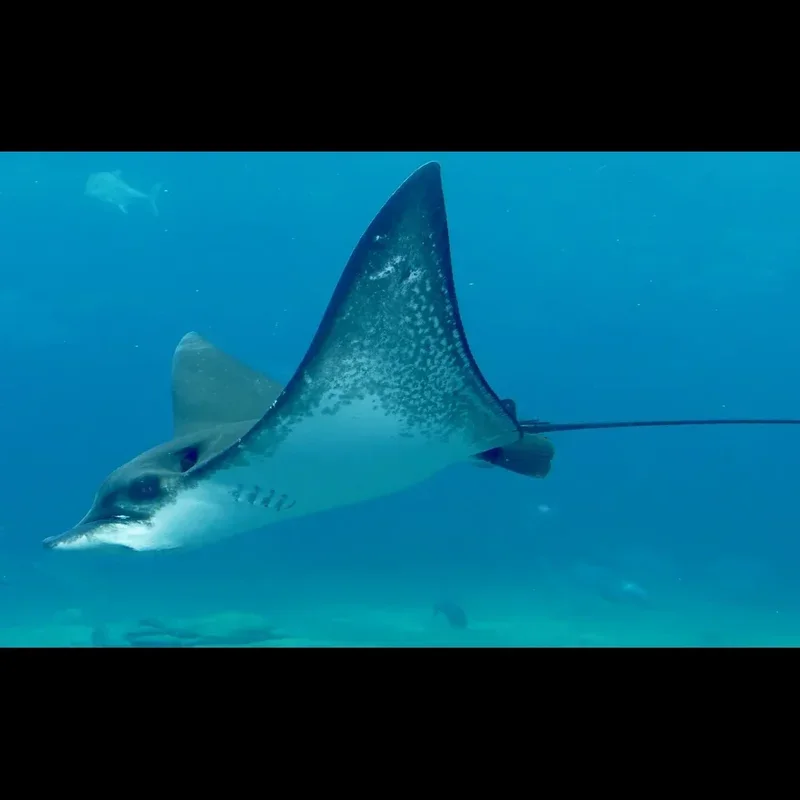
White tip reef sharks can be seen patrolling the perimeter, while graceful eagle rays might cruise by in the open water. Other common residents include amberjacks, barracuda, trevally, and rainbow runners, all drawn to the reef's complex habitat.
These fish congregate among the metal beams and any developing coral growth, creating a dynamic ecosystem where marine life flourishes around the historical artifact.
Dive Centers Near Tug Reef

Today: 10:00 - 18:00
Nearest Airports
Nearest airports to help plan travel to this dive area.
Search Flights
Check available flights and routes on Expedia, using the nearby airports listed in this section.
Search Flights on ExpediaFrequently Asked Questions
What is the typical depth range of a Tug Reef dive?
These dives generally occur at depths ranging from 15 meters (50 feet) to a maximum of 24 meters (80 feet). This range makes it suitable for intermediate recreational divers.
What experience level is required for diving a Tug Reef?
A Tug Reef dive is typically classified as intermediate. Divers should possess good buoyancy control and, if planning any penetration, appropriate wreck diving certifications.
What kind of marine life can be expected?
Divers often encounter schools of mackerel scad, blue stripe snapper, amberjacks, and barracuda. White tip reef sharks and eagle rays are also occasionally observed patrolling the site.
What are the visibility conditions like at a Tug Reef?
Visibility at these sites is frequently excellent, often reaching 24 to 30 meters. This clarity provides clear views of the wreck and its surrounding marine life.
When is the best time of year to dive this site?
The most favorable conditions for diving a Tug Reef are typically from May through July. During these months, air temperatures are warm, in the high 20s Celsius, and wave heights and wind speeds are generally lower.
Are there currents to consider when diving here?
Yes, currents around Tug Reefs can vary from mild to moderate depending on location and tidal patterns. Divers should be prepared for these conditions and plan accordingly.
Planning to dive Tug Reef?
Send one inquiry and receive offers directly from the best verified local dive operators.
Conditions are Good
Optimal conditions expected
Current conditions near Tug Reef show 29° air, 30° sea temperature, 0.9 m waves, and 21 km/h wind. Forecast data is refreshed regularly to ensure accuracy.