
Diving at U-Link (United States)
Off the coast of Miami Beach, the U-LINK hybrid breakwater units mark an innovative approach to coastal resilience. These carefully designed structures, visible just offshore, serve a dual purpose: providing wave attenuation and fostering marine habitat. Their placement at a shallow depth of 4 meters (14 feet) makes them readily accessible for scientific monitoring and diver exploration.
Evening condition tracking at U-Link features an air temperature of 28°C. We have recorded wave heights measuring 0.4 m during this period. These figures outline the environmental parameters currently present.
Dive Site Location & Key Facts
Dive Site Overview
Beneath the waters of North Shore Oceanside Park, the ECoREEF project introduces a pioneering effort to restore struggling coral reefs and enhance coastal protection. This initiative, supported by the University of Miami and the City of Miami Beach, utilizes two distinct artificial reef structures deployed about 231 meters (750 feet) offshore.
One unit is trapezoidal, featuring limestone boulders on its outer surface designed to mimic natural reef textures and attract marine life. Another configuration consists of hollow, hexagonal SEAHIVE™ units, specifically perforated to allow natural water flow through their intricate design. Each structure measures approximately 6 meters (19 feet) long and 2 meters (6 feet) tall, spaced about 5 meters (16 feet) apart on the seabed.
Manufactured from concrete with non-corrosive reinforcements, these units are built for durability and biocompatibility within the marine environment. Currently acclimating, these structures will soon host outplanted corals, which are part of a broader study to test new methods for increasing coral resilience against warming temperatures, ultimately aiding in the dissipation of wave energy and coastal protection.
Conditions are Excellent
07:00 - 14:00
Optimal conditions expected
Current conditions near U-Link show 28° air, 31° sea temperature, 0.4 m waves, and 15 km/h wind. Forecast data is refreshed regularly to ensure accuracy.
Best Time to Dive
Optimizing your dive experience at the U-LINK units often depends on minimizing wave energy and maximizing comfort. The period from May through August typically offers excellent conditions, characterized by lower average wave heights, which are crucial for this site. During these months, average wave heights generally range from 0.3 to 0.5 meters, with wind speeds around 14 to 18 km/h (9 to 11 mph), facilitating calmer dives. Air temperatures during this peak season are comfortably warm, averaging between 26.5°C (80°F) in May and 28°C (82°F) in July and August. While rain may increase slightly in summer, especially in June and September, the overall dive scores remain consistently good to excellent, supporting frequent access. Conversely, December and October can see slightly higher wave activity, averaging around 0.8 meters, which could affect visibility and ease of entry.
PEAK SEASON SCORE
Scores combine air & water temps, waves, wind & rainfall for overall conditions.
BEST MONTHS TO DIVE
Monthly records compiled from satellite and marine observation nodes over the last 3 years. Data provided by Open-Meteo and MET Norway.
Dive Experience & Conditions
Diving the U-LINK hybrid breakwater units provides an interesting look into marine engineering within a shallow environment. Found at a consistent 14-foot (4-meter) depth, these structures are accessible for recreational divers and support extended bottom times. Expect to see a trapezoidal unit with external limestone boulders, adjacent to honeycomb-shaped SEAHIVE units. These perforated hexagonal units facilitate natural water flow. Visibility can vary, influenced by recent weather and wave action, yet generally it remains good for observation. As an active research site, divers may spot monitoring equipment such as current meters and wave sensors after installation. Designed to attenuate wave energy, the immediate area around these units can feel calmer than the surrounding open water, particularly as the artificial reef matures.
Dive Difficulty & Safety Guidelines
Navigating the U-LINK site requires awareness of its primary function as a research and restoration zone. Divers must exercise caution to avoid disturbing any outplanted corals or scientific instruments, such as current meters and wave sensors, which are vital for data collection. Good buoyancy control is essential to prevent accidental contact with the structures or the developing reef ecosystem.
While the site aims to reduce wave energy, conditions can still vary with weather, so assessing surface conditions before entry is always recommended. This location is actively monitored by researchers, suggesting that divers may be sharing the water with scientific teams.
Always dive within your training limits and be mindful of your impact on this important coastal resilience project.
Recommended Equipment
- Dive Computer
This gear list is based on verified equipment signals for U-Link, United States. Always confirm final gear choices with your dive operator, guide, or liveaboard.
Recommended Dive Suit
With water temperatures around 31°C (88°F), many divers find a dive skin or rash guard provides comfortable protection.
Divers performing multiple dives may appreciate slightly warmer protection later in the day.
Weather models indicate a small drop in surface temperatures later this week. Cooler days are ahead; you might want a warmer option for later in the week. A warmer option can provide additional comfort if conditions shift.
Emergency & Medical Support
Essential information to help you plan your dive trip to U-Link.

Hyperbaric chambers are a critical part of dive safety infrastructure. Availability varies significantly by region, and not all dive areas have immediate access.
Before diving, it's recommended to:
- confirm nearest medical facilities
- check emergency procedures with local dive operators
- ensure dive insurance covers evacuation if required
Divers Alert Network
Diving emergency assistance available through DAN World.
+1-919-684-9111- 24/7 emergency hotline
- Diving medical assistance
- Evacuation coordination
Emergency contacts are provided for reference. Always verify local emergency services before diving.
Marine Life at U-Link
The U-LINK hybrid breakwater units are a developing environment, specifically engineered to attract and support marine life. While a nascent artificial reef, its design with textured surfaces and hollow structures creates immediate habitat for various reef fish and invertebrates.
The limestone boulders and perforated hexagonal units offer numerous crevices and sheltered areas where smaller marine species can seek refuge. As researchers outplant new corals and the structures further acclimate, the biodiversity is expected to increase significantly, gradually transforming into a vibrant underwater ecosystem.
Dive Sites Near U-Link
View all dive sites in United StatesDiscover more underwater gems in this area.
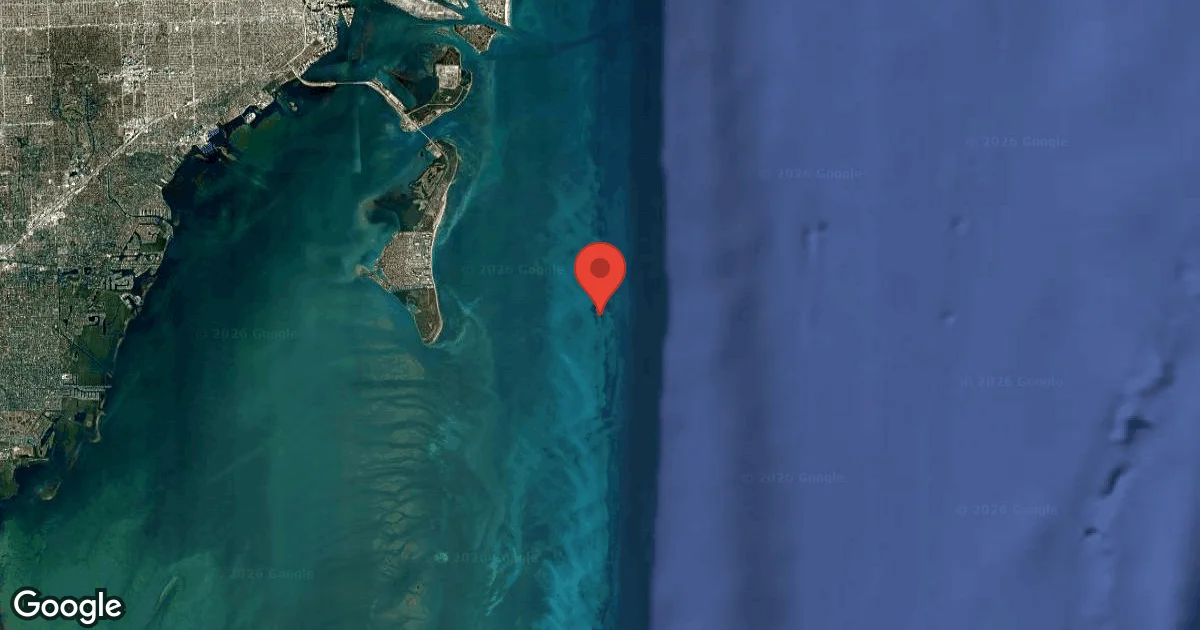
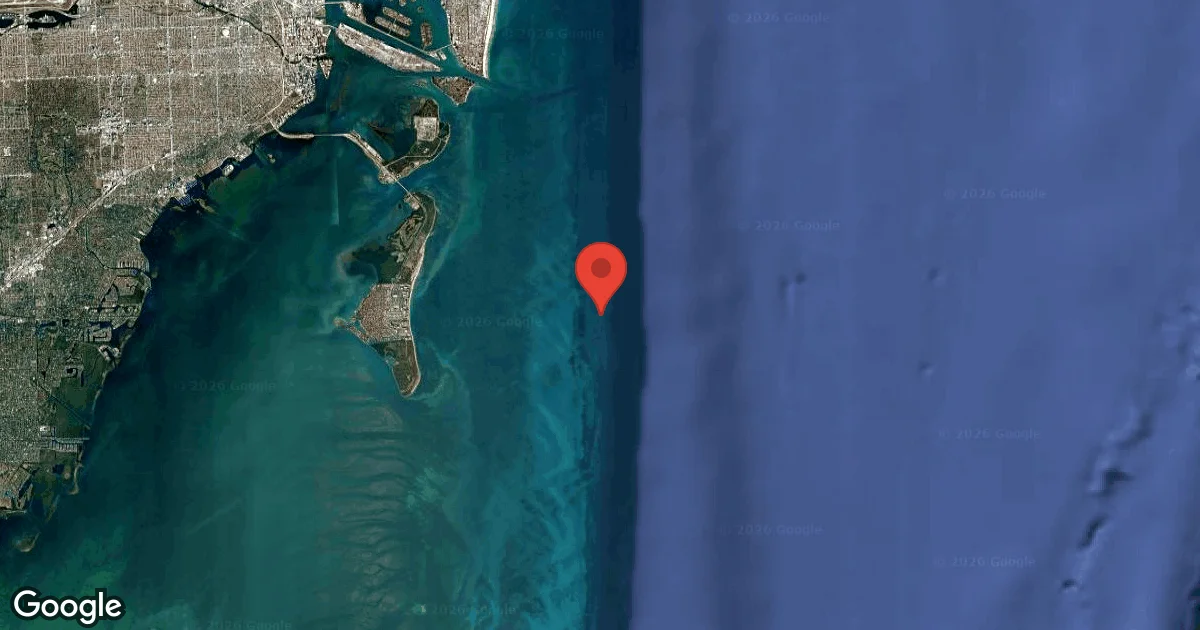
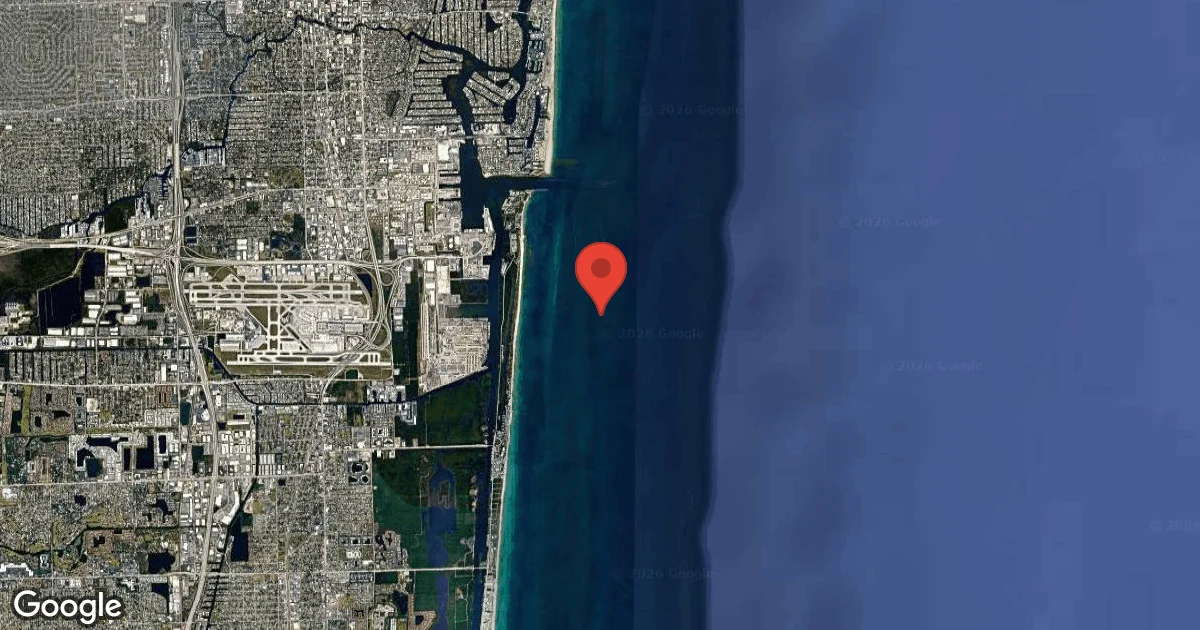
Dive Centers Near U-Link
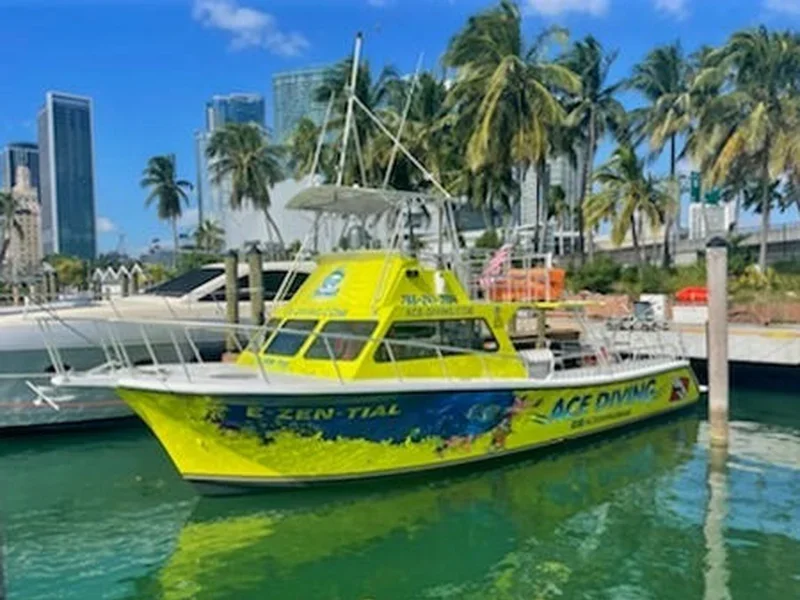
Today: 08:00 - 17:00
Nearest Airports
Nearest airports to help plan travel to this dive area.
Search Flights
Check available flights and routes on Expedia, using the nearby airports listed in this section.
Search Flights on Expedia
Plan Your Stay
Looking for a place to stay for your dive trip? Explore hotels, stays, and vacation rentals for dive groups near Surfside.
Dive Navigator may earn a commission from these links at no extra cost to you.
Frequently Asked Questions
What is the primary purpose of the U-LINK hybrid breakwater units?
These units are the centerpiece of the ECoREEF project, designed to foster coastal resilience by combining cement- and nature-based strategies. Their main goals are to attenuate wave energy and provide essential habitat for marine life, helping restore damaged coral reefs.
Where are the U-LINK units located?
The units can be found off North Shore Oceanside Park at 8328 Collins Avenue in Miami Beach, Florida. They are deployed approximately 230 meters offshore in shallow water.
What is the maximum depth for diving at this site?
U-LINK hybrid breakwater units reside at a recreational depth of 14 feet (4 meters). Its shallow nature makes the site highly accessible for divers of various experience levels.
What types of structures can divers expect to see?
Divers will encounter two types of structures: a hollow, trapezoidal unit with limestone boulders on its surface, and a configuration of hollow, hexagonal SEAHIVE™ units. Both are made from concrete with non-corrosive reinforcements.
Is this a natural coral reef?
No, these are artificial reef structures deployed as part of an experimental project. They are designed to mimic the structural complexity of natural reefs and will eventually host transplanted corals to aid in ecosystem restoration.
Are there any specific guidelines for divers at this research site?
Divers should maintain excellent buoyancy control and avoid touching or disturbing the structures, any outplanted corals, or scientific monitoring equipment. This site is actively used for research, so respectful interaction is crucial.
Planning to dive U-Link?
Send one inquiry and receive offers directly from the best verified local dive operators.
Conditions are Excellent
07:00 - 14:00
Optimal conditions expected
Current conditions near U-Link show 28° air, 31° sea temperature, 0.4 m waves, and 15 km/h wind. Forecast data is refreshed regularly to ensure accuracy.