
Diving at White Hill Ledge (United States)
For divers considering White Hill Ledge in the Florida Panhandle, anticipating its characteristics is key to a rewarding dive. This region's underwater formations, particularly its ledges, often present conditions shaped by Gulf currents and weather patterns. Understanding the typical conditions and potential marine encounters here will help you plan effectively and approach the site with appropriate readiness.
Tonight's objective overview for White Hill Ledge shows an air temperature of 27.5°C. The measured surface conditions include wave heights around 0.7 m. This environmental data is logged for the close of the day.
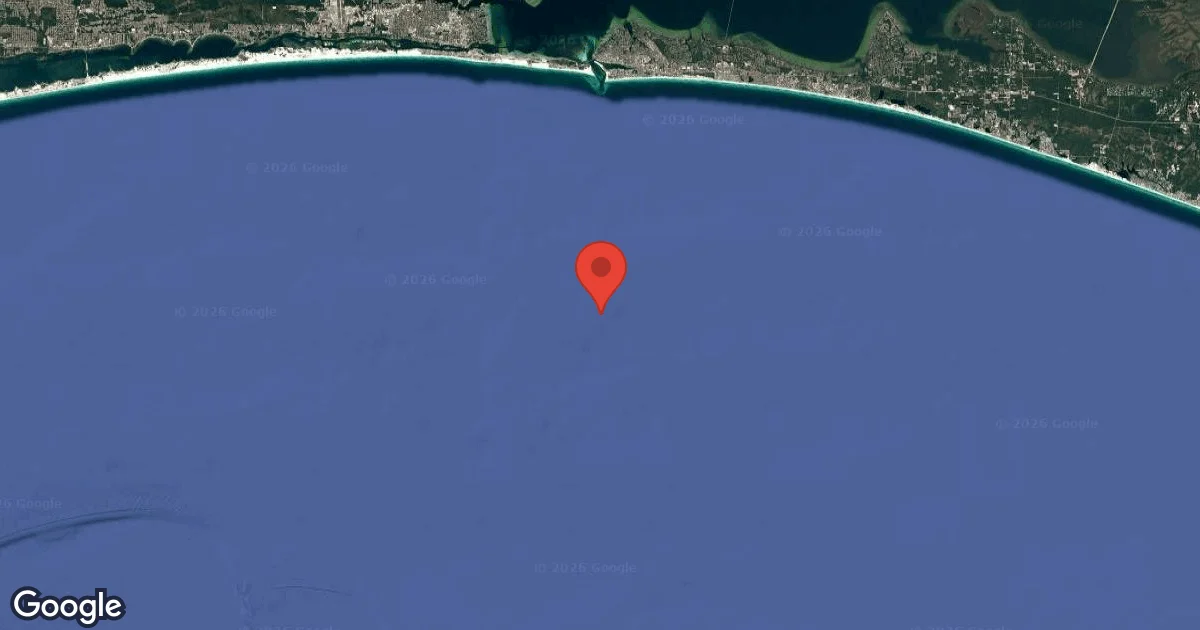
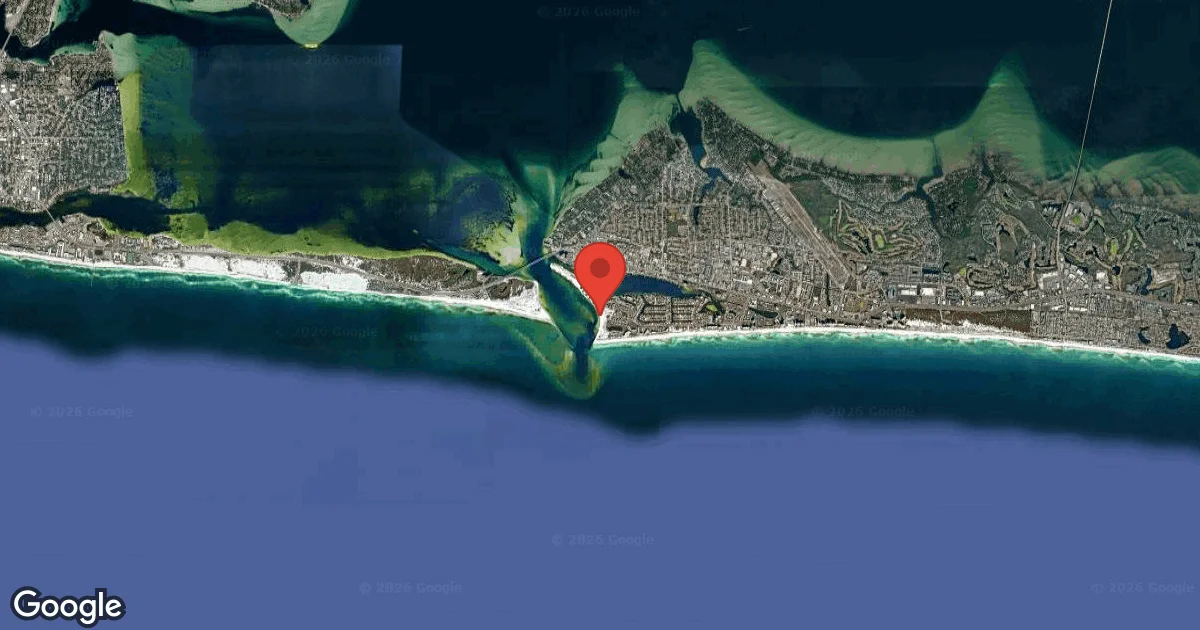
Dive Site Location & Key Facts
Dive Site Overview
Venturing beneath the surface at White Hill Ledge offers a glimpse into the dynamic reef ecosystems of the Florida Panhandle. Recognized as a distinctive reef structure, this site contributes to the varied underwater landscape found in the Gulf of Mexico.
While specific detailed accounts for White Hill Ledge itself are not consistently reported in extensive public databases, its nature as a 'ledge' in the Panhandle suggests a habitat consistent with other limestone and coral outcroppings common to the area. Divers can expect to explore contours and ledges that typically drop into recreational depth ranges, providing a diverse environment for both novice and experienced open water divers. Currents in this region can vary, influencing drift potential and dive planning.
Exploring such sites requires attention to detail, observing the subtle shifts in the reef's topography and the life it harbors. It's a dive that rewards careful observation and a readiness for discovery within a natural, evolving environment.
Conditions are Excellent
07:00 - 14:00
Optimal conditions expected
Current conditions near White Hill Ledge show 28° air, 30° sea temperature, 0.4 m waves, and 18 km/h wind. Forecast data is refreshed regularly to ensure accuracy.
Best Time to Dive
Optimal visibility at White Hill Ledge often aligns with periods of settled weather, which generally prevail during the late spring through early fall months. During this span, average air temperatures range from 24°C (75°F) in May to 29°C (84°F) in August, promoting comfortable surface conditions before and after dives. Wave heights are typically lower during these months, averaging between 0.6 meters (2.0 ft) and 0.8 meters (2.6 ft), which tends to correlate with improved underwater clarity. Rainfall is also generally moderate, with monthly averages ranging from 2.46 mm (April) to 6.13 mm (September), minimizing runoff that can impact nearshore visibility. Dive scores indicate 'Good' conditions for most of this period, from February through November, making these extended windows viable for planning trips to the region.
PEAK SEASON SCORE
Scores combine air & water temps, waves, wind & rainfall for overall conditions.
BEST MONTHS TO DIVE
Monthly records compiled from satellite and marine observation nodes over the last 3 years. Data provided by Open-Meteo and MET Norway.
Dive Experience & Conditions
The formations at White Hill Ledge present varied depths, consistent with many recreational sites in the Florida Panhandle. Divers typically explore sections ranging from shallower reef tops to deeper ledges, staying within standard recreational limits. While specific water temperature data for White Hill Ledge isn't consistently reported, regional averages for the Florida Panhandle can vary, influencing thermal protection choices. Surface conditions, however, are clearer from climate averages, showing average wave heights between 0.6 m (2.0 ft) and 1.1 m (3.6 ft) throughout the year. Wind speeds also range from 21.9 km/h (13.6 mph) to 30.3 km/h (18.8 mph), with July and August generally offering calmer surface conditions. These factors contribute to the overall dive experience, influencing entry, exit, and the potential for currents around the ledge structure. It's advisable to assess real-time reports closer to your dive date to account for local variations.
Dive Difficulty & Safety Guidelines
Navigating White Hill Ledge safely involves awareness of potential currents, which are common along Florida's offshore reef systems. While specific current strengths for this site are not extensively documented, divers should be prepared for drift conditions, particularly when exploring deeper sections. Maintaining good buoyancy control is essential to avoid contact with the delicate reef structures and to conserve air efficiently.
Always dive within your certification limits and ensure your equipment is in good working order. Briefings with local dive operators are crucial for up-to-date information on site-specific conditions, local hazards, and recommended dive profiles. Plan your dive, dive your plan.
Recommended Equipment
- Dive Computer
This gear list is based on verified equipment signals for White Hill Ledge, United States. Always confirm final gear choices with your dive operator, guide, or liveaboard.
Recommended Dive Suit
Repeated dives during the same day can gradually reduce overall body warmth.
The water around White Hill Ledge is currently holding at approximately 30°C (86°F), setting the tone for today's dives. Surface air temperatures are resting at 28°C (82°F). Divers spending extended time underwater often rely on dive skin or rash guard for balanced warmth and flexibility. A hood or vest is suggested for sensitive divers due to surface winds.
The forecast outlook suggests that temperatures will stay close to current levels.
Emergency & Medical Support
Essential information to help you plan your dive trip to White Hill Ledge.

Hyperbaric chambers are a critical part of dive safety infrastructure. Availability varies significantly by region, and not all dive areas have immediate access.
Before diving, it's recommended to:
- confirm nearest medical facilities
- check emergency procedures with local dive operators
- ensure dive insurance covers evacuation if required
Divers Alert Network
Diving emergency assistance available through DAN World.
+1-919-684-9111- 24/7 emergency hotline
- Diving medical assistance
- Evacuation coordination
Emergency contacts are provided for reference. Always verify local emergency services before diving.
Marine Life at White Hill Ledge
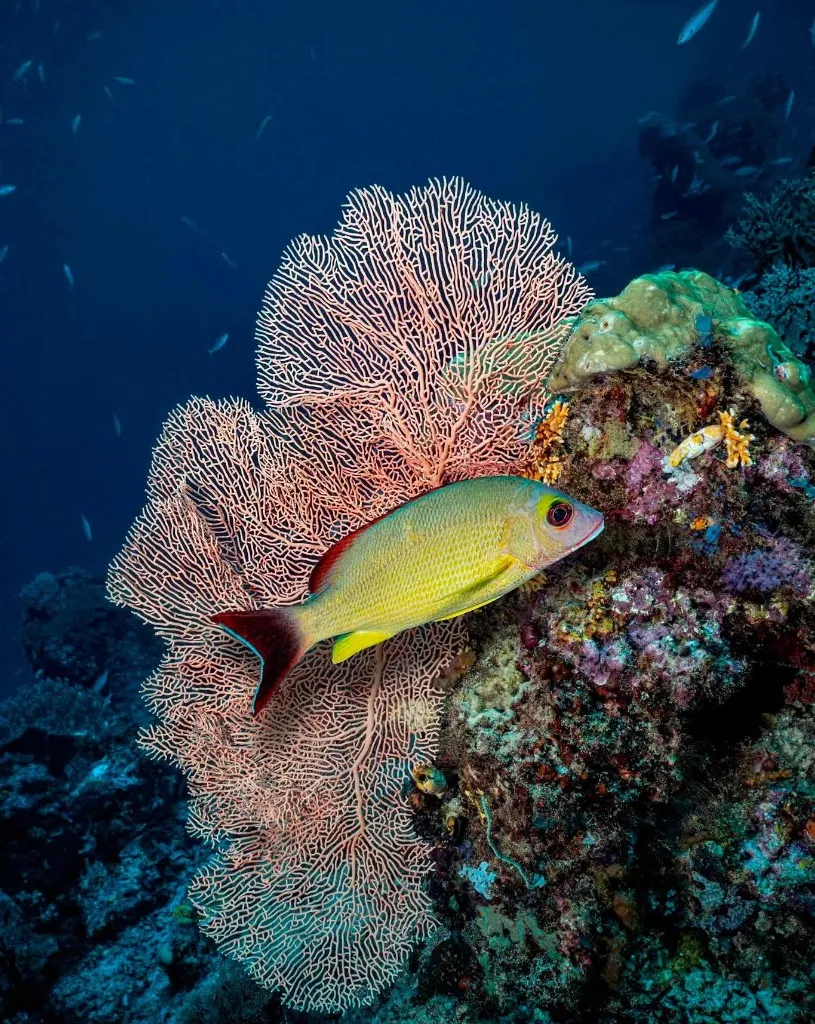
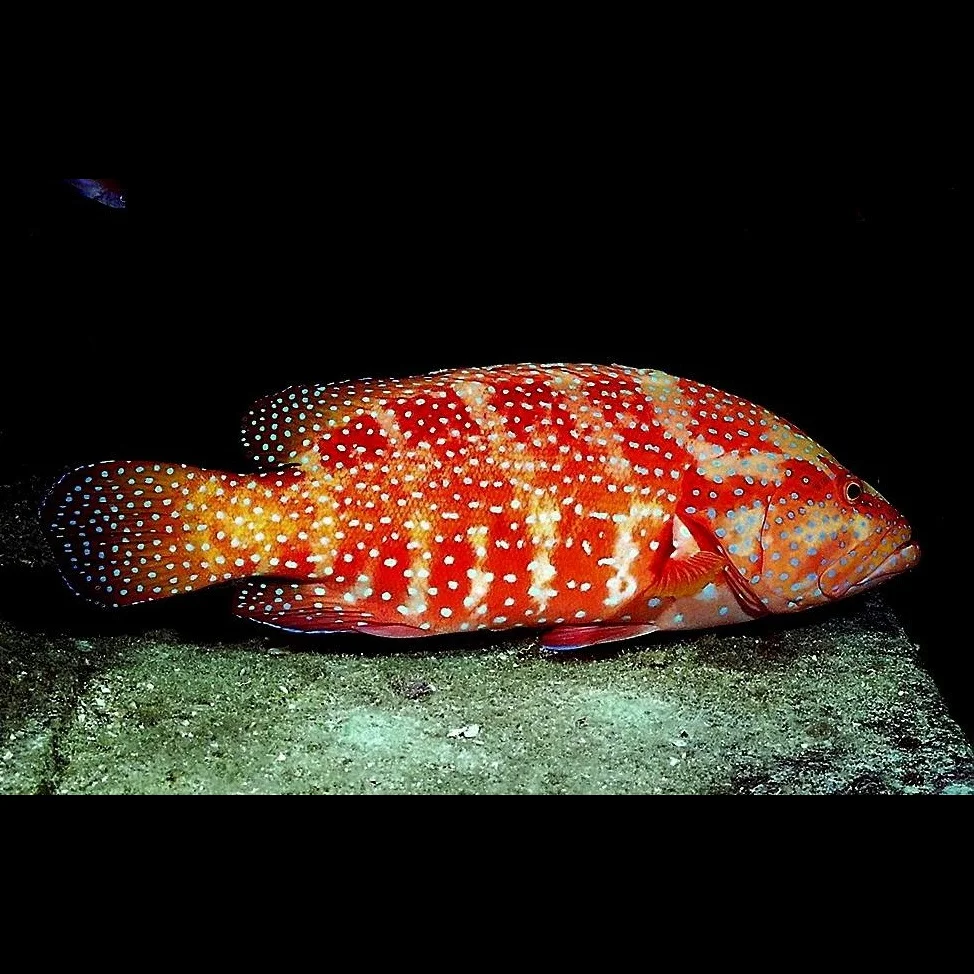
The geological contours of White Hill Ledge, like other reef structures in the Florida Panhandle, create diverse microhabitats, fostering a variety of marine inhabitants. While specific species lists for this site are not widely detailed, such ledges in the region are known to attract typical Gulf Coast reef fish, including various snapper and grouper species.
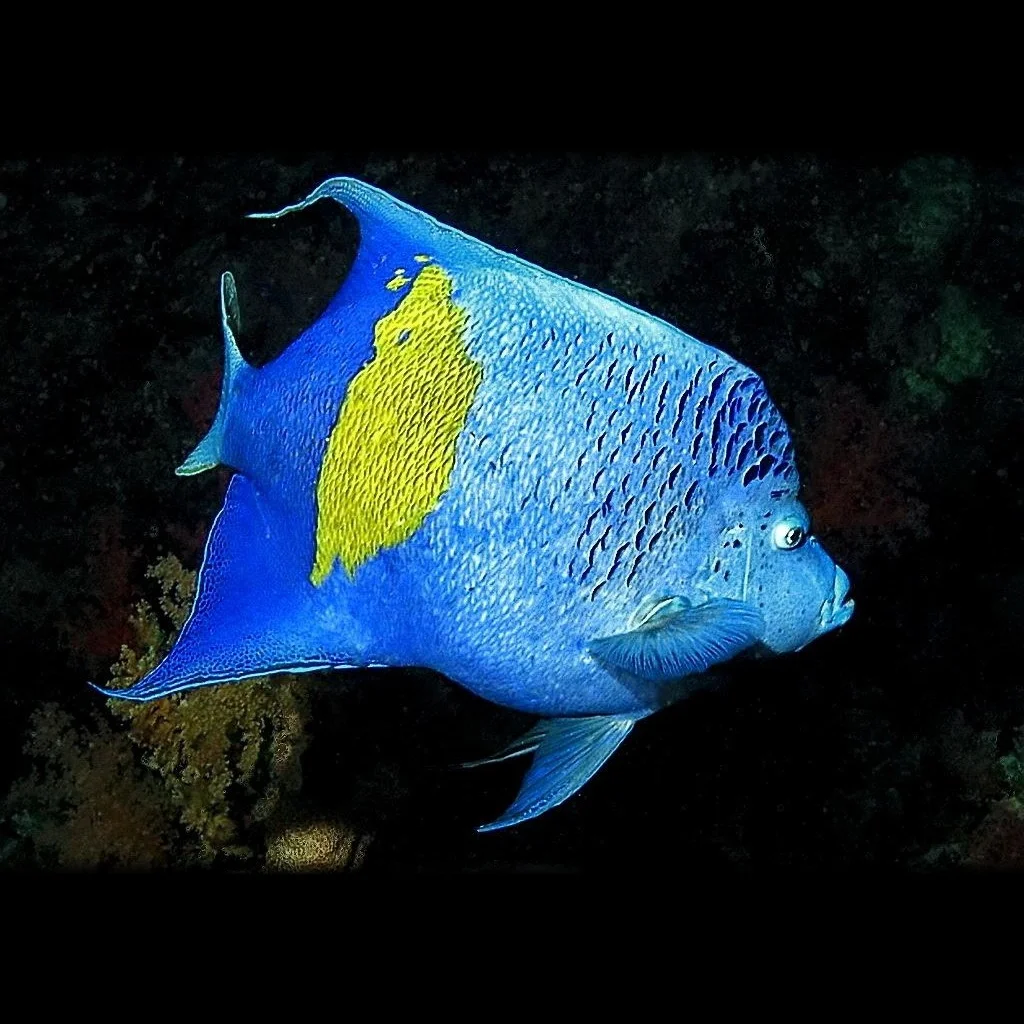
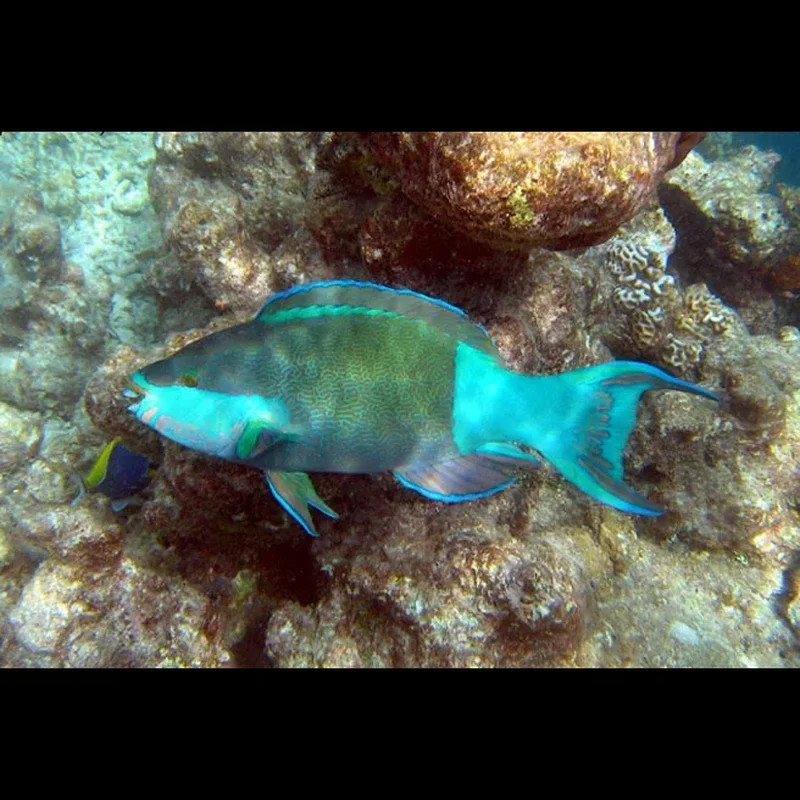
Encounters with colorful angelfish or parrotfish are common against the backdrop of soft corals and sponges that often adorn these structures. Depending on the season and prevailing currents, schools of smaller baitfish might aggregate around the ledge, potentially drawing larger pelagic visitors.
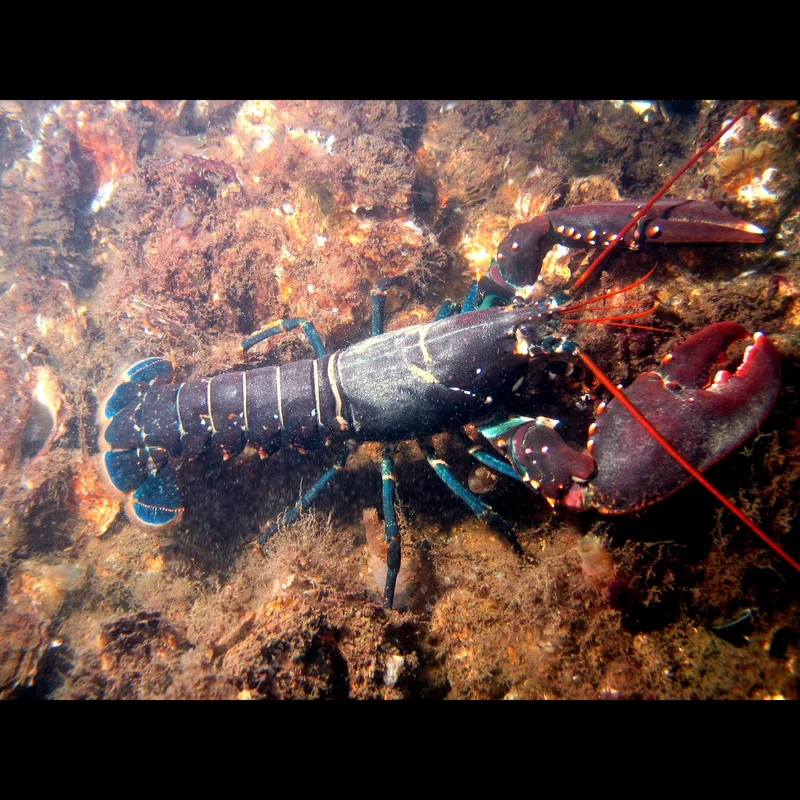
Observing crustaceans, such as lobsters, tucked into crevices is also consistent with similar reef environments in the area.
Dive Sites Near White Hill Ledge
View all dive sites in United StatesDiscover more underwater gems in this area.
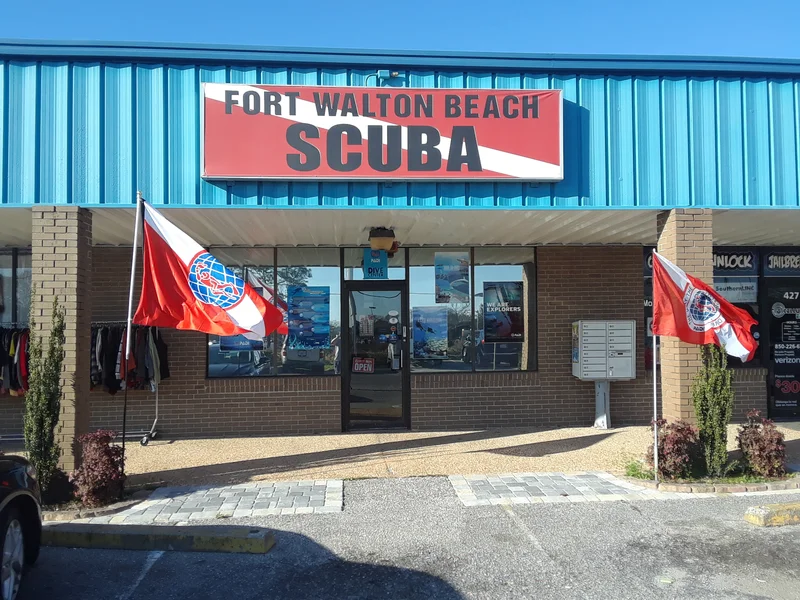
Dive Centers Near White Hill Ledge
Today: 08:00 - 17:00
Nearest Airports
Nearest airports to help plan travel to this dive area.
Search Flights
Check available flights and routes on Expedia, using the nearby airports listed in this section.
Search Flights on Expedia
Plan Your Stay
Looking for a place to stay for your dive trip? Explore hotels, stays, and vacation rentals for dive groups near Fort Walton Beach.
Dive Navigator may earn a commission from these links at no extra cost to you.
Frequently Asked Questions
What skill level is required for White Hill Ledge?
White Hill Ledge is suitable for certified Open Water divers. While specific depth profiles are not detailed, it is understood to be within recreational diving limits, making it accessible to those with basic certification and experience.
What kind of marine life can I expect to see?
The ledge structure provides habitat for typical Gulf Coast reef species. You might observe various snapper and grouper, angelfish, parrotfish, and crustaceans. Larger pelagic species may also be present depending on conditions.
Are there strong currents at White Hill Ledge?
Currents in the Florida Panhandle can vary, influencing conditions at sites like White Hill Ledge. Divers should be prepared for potential drift and consult local dive operators for real-time current assessments before diving.
What is the typical depth range for diving here?
Diving at White Hill Ledge generally involves exploring depths within the recreational range, similar to other ledges in the region. There are shallower reef tops and deeper sections to explore, but typically within limits for Open Water divers.
When is the best time of year to dive White Hill Ledge?
Late spring through early fall generally offers the best diving conditions, with warmer air temperatures, calmer seas, and better visibility. February and October also show 'Good' dive scores, providing additional favorable periods.
Is visibility generally good at this site?
Visibility at White Hill Ledge is often best during periods of calm weather when wave heights are lower. Factors like wind, rain, and local currents can influence water clarity, so conditions can vary.
What exposure protection should I consider?
While specific water temperatures for White Hill Ledge are not consistently reported, regional averages vary seasonally. It's advisable to check local water temperature forecasts and consider appropriate exposure protection to ensure comfort during your dive.
Planning to dive White Hill Ledge?
Send one inquiry and receive offers directly from the best verified local dive operators.
Conditions are Excellent
07:00 - 14:00
Optimal conditions expected
Current conditions near White Hill Ledge show 28° air, 30° sea temperature, 0.4 m waves, and 18 km/h wind. Forecast data is refreshed regularly to ensure accuracy.