
Diving at WM-LA-16 (United States)
Louisiana diving primarily unfolds in the Gulf of Mexico, focusing on offshore oil rigs and purpose-built artificial reefs. Submerged structures form complex habitats, creating a distinctive dive route away from natural coral reefs. Inland, freshwater quarries and lakes serve as controlled training grounds. Expect varied underwater scenery, from intricate man-made architecture to open water encounters. The region offers a robust backdrop for both skill development and exploratory dives into less-traveled Gulf Coast environments.
Tonight's objective overview for WM-LA-16 shows an air temperature of 31°C. The measured surface conditions include wave heights around 1 m. This environmental data is logged for the close of the day.
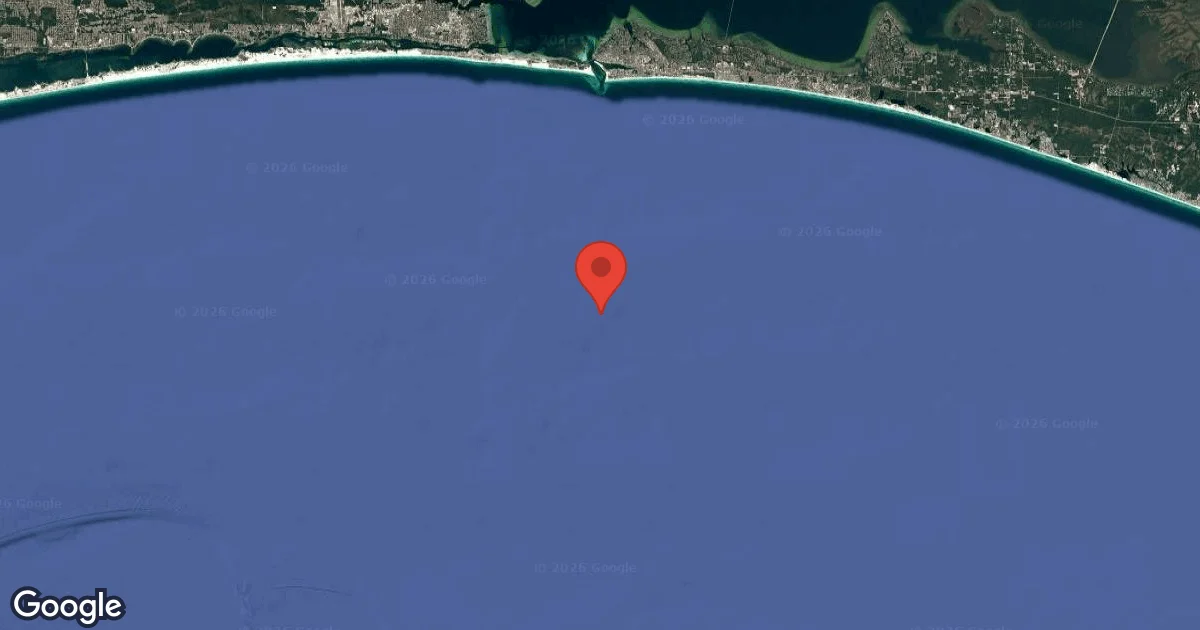
Dive Site Location & Key Facts
Dive Site Overview
Diving Louisiana's waters presents a unique immersion, driven by the conversion of disused oil and gas platforms into vibrant artificial reef systems. Colossal structures, often extending from shallow to considerable depths, provide shelter and hunting grounds for an array of marine life, transforming industrial relics into thriving ecosystems.
Unlike coral-dominated regions, the underwater landscape here is defined by these large metal frameworks, offering dramatic swim-throughs and vertical exploration opportunities. Divers can experience both open-water conditions in the Gulf and more controlled environments within freshwater quarries. While Gulf visibility can fluctuate due to sediment, particularly after weather events, the sheer scale of the rigs and the concentration of marine inhabitants often compensate.
State PADI 5-Star dive facilities, like Bayou Divers, are well-equipped with indoor heated pools, making them ideal for initial certifications and specialty courses year-round, including advanced training in Nitrox, Wreck Diving, Night Diving, and Drift Diving. This distinct blend of man-made structure diving and accessible training options characterizes the Louisiana dive experience, providing opportunities for divers to refine skills in currents or at night, exploring new discoveries on wreck dives in a less common dive destination.
Conditions are Excellent
07:00 - 14:00
Optimal conditions expected
Current conditions near WM-LA-16 show 31° air, 30° sea temperature, 0.4 m waves, and 18 km/h wind. Forecast data is refreshed regularly to ensure accuracy.
Best Time to Dive
Optimal diving conditions in Louisiana typically align with the warmer months, spanning from May through September. During this period, climate data indicates consistent "Good" dive scores. Air temperatures are pleasantly warm, ranging from an average of 24.5°C (76°F) in May, peaking around 29°C (84°F) in August, before settling at 27.5°C (82°F) in September. These months generally see lower wave heights, averaging between 0.7 to 0.9 meters (2.3 to 3.0 ft), and reduced wind speeds, typically 23.8 to 27.5 km/h (14.8 to 17.1 mph), contributing to calmer surface conditions offshore. Rainfall remains relatively low throughout the year, with averages between 2.66 mm and 6.86 mm per month, though September shows a slightly higher average. Conversely, winter months, particularly January, present higher wave heights averaging 1.4 meters (4.6 ft) and stronger winds near 37.6 km/h (23.4 mph), potentially impacting offshore access. Water temperatures are not consistently reported for all sites and vary significantly with depth and seasonal shifts. Always consult local dive operators for the most current conditions and specific site forecasts before planning a trip.
PEAK SEASON SCORE
Scores combine air & water temps, waves, wind & rainfall for overall conditions.
BEST MONTHS TO DIVE
Monthly records compiled from satellite and marine observation nodes over the last 3 years. Data provided by Open-Meteo and MET Norway.
Dive Experience & Conditions
Descending into Louisiana's Gulf waters, especially around the colossal rig structures, provides a unique sensory impression. These sites often begin in shallower sections and extend down, with some reaching depths exceeding recreational limits, though many are accessible within 30 m (100 ft). Visibility can be a dynamic factor here; it varies depending on recent weather and sediment levels, sometimes ranging from limited to moderately clear. Stronger currents are common, particularly around offshore structures, requiring good buoyancy control and an understanding of drift diving techniques. Divers frequently encounter a range of temperatures due to thermoclines, which are not consistently reported but can shift based on depth and season. Exploring artificial reefs can feel like navigating an underwater city, with intricate metal beams and supports creating a multi-level environment. Inland, freshwater quarries offer a different experience, typically with more stable and predictable conditions, serving as ideal training grounds for refining basic and advanced skills.
Dive Difficulty & Safety Guidelines
Approaching dives in Louisiana, particularly around offshore rigs and in currents, requires careful planning and adherence to established safety practices. Given the potential for strong currents in the Gulf, practicing drift diving techniques and mastering buoyancy control are essential. Always carry appropriate surface signaling equipment and stay close to your buddy.
For deeper or more complex explorations, such as wreck interiors, specific training like the PADI Wreck Diver or Deep Diver specialties is highly recommended. These courses teach critical skills like line use and proper finning techniques.
Water temperatures are not consistently reported, so it's advisable to check with local operators for current conditions to ensure adequate thermal protection. No specific hazards are listed in our database for WM-LA-16; however, conditions can change rapidly.
Maintaining awareness of your surroundings and having current CPR and First Aid certifications, such as EFR, are always prudent.
Recommended Equipment
- Dive Computer
This gear list is based on verified equipment signals for WM-LA-16, United States. Always confirm final gear choices with your dive operator, guide, or liveaboard.
Recommended Dive Suit
The coming days appear slightly cooler according to the latest forecast. Cooler days are ahead; you might want a warmer option for later in the week. A hood or vest can noticeably improve warmth during longer dives.
Divers who prefer a balanced level of warmth often select dive skin or rash guard in water temperatures like this. Consider warmer surface protection (like a boat coat) due to brisk winds.
Current dive conditions indicate that water temperatures around WM-LA-16 are sitting at roughly 30°C (86°F). Surface air temperatures are resting at 31°C (87°F).
Due to technical issues with our weather providers, data hasn't been fetched for over 48 hours. The data above reflects the conditions at the time of the last successful fetch.
Emergency & Medical Support
Essential information to help you plan your dive trip to WM-LA-16.

Hyperbaric chambers are a critical part of dive safety infrastructure. Availability varies significantly by region, and not all dive areas have immediate access.
Before diving, it's recommended to:
- confirm nearest medical facilities
- check emergency procedures with local dive operators
- ensure dive insurance covers evacuation if required
Divers Alert Network
Diving emergency assistance available through DAN World.
+1-919-684-9111- 24/7 emergency hotline
- Diving medical assistance
- Evacuation coordination
Emergency contacts are provided for reference. Always verify local emergency services before diving.
Marine Life at WM-LA-16
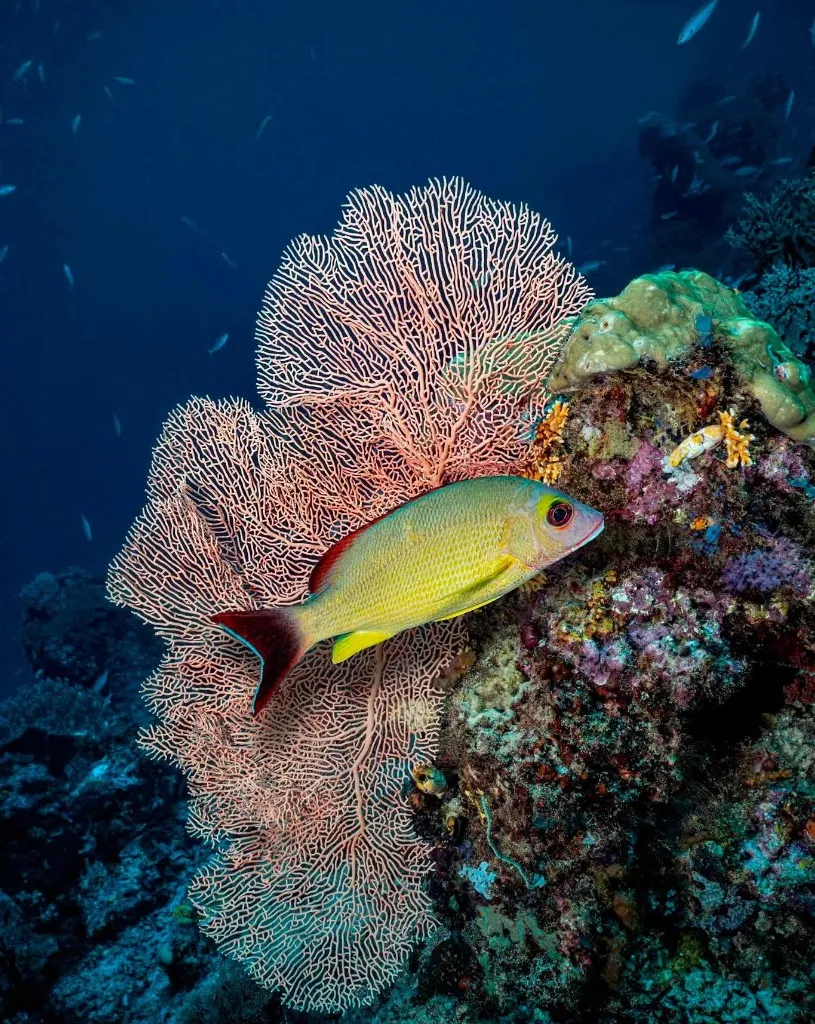
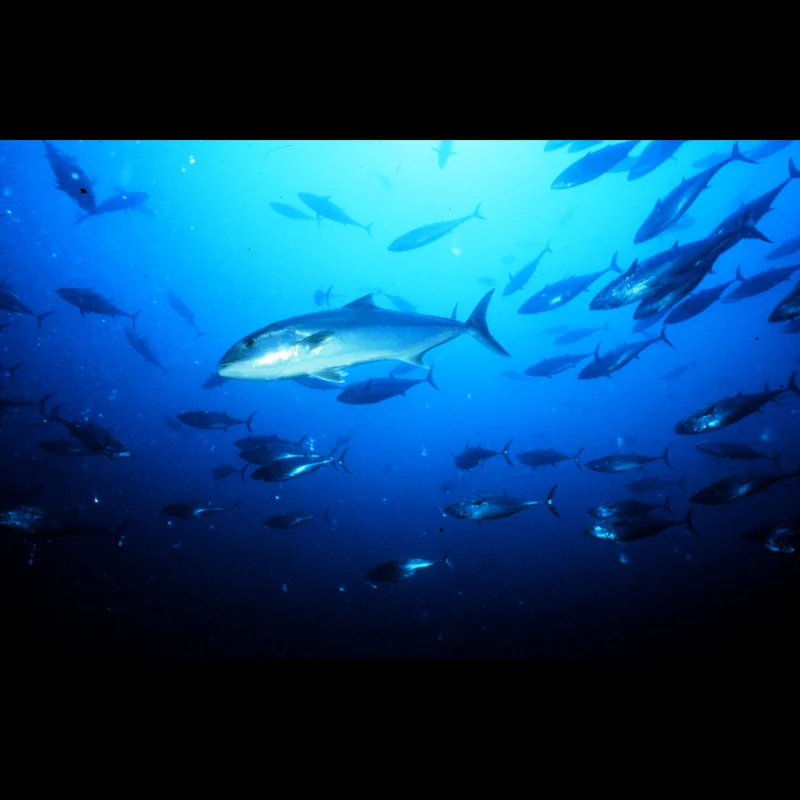
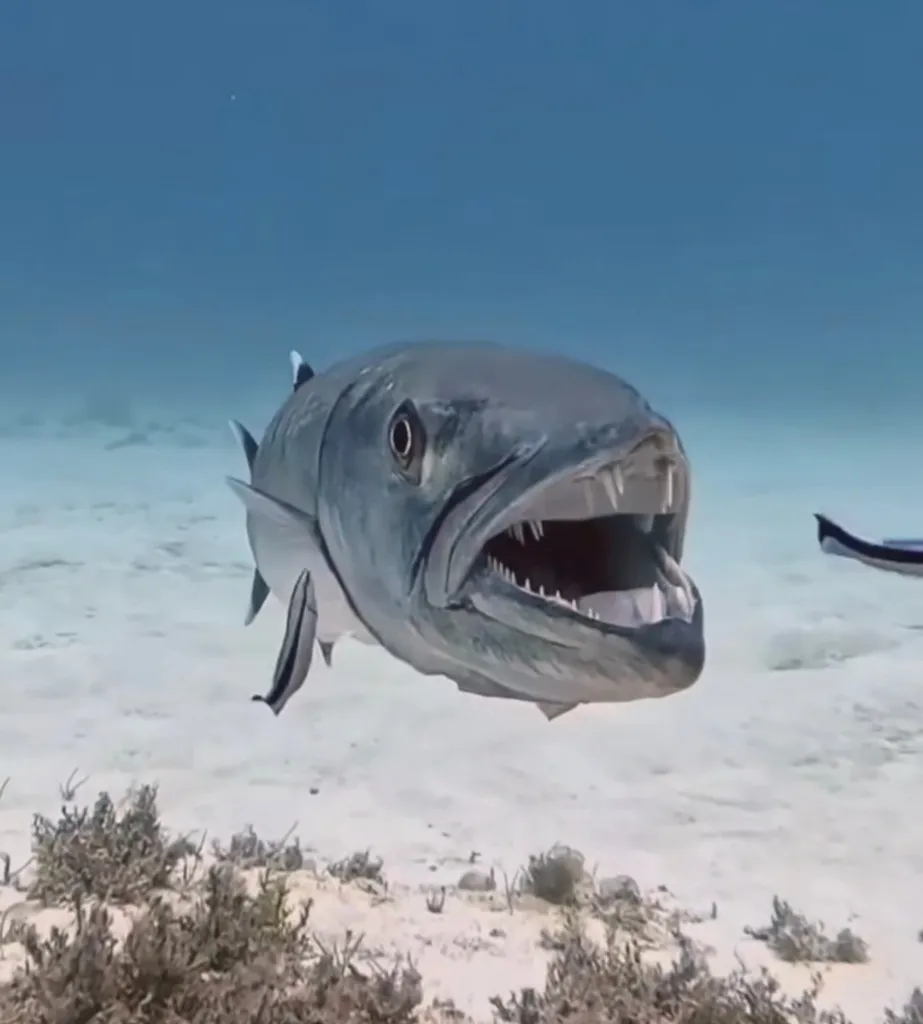
Artificial reef structures in Louisiana's Gulf waters are magnets for marine activity. Divers often encounter snapper and amberjack patrolling the perimeters of the rigs, alongside curious barracuda.
Rays are also frequently observed moving gracefully through the water column. Depending on the season, various pelagic species can make appearances, adding an an element of surprise to each dive.
Complex ecosystems created by these man-made structures provide refuge and feeding grounds, fostering a rich environment for observation. These sites showcase how even industrial infrastructure can evolve into thriving habitats, drawing a diverse array of aquatic life.

Dive Sites Near WM-LA-16
View all dive sites in United StatesDiscover more underwater gems in this area.
Dive Centers Near WM-LA-16
Today: 09:00 - 16:00
Nearest Airports
Nearest airports to help plan travel to this dive area.
Search Flights
Check available flights and routes on Expedia, using the nearby airports listed in this section.
Search Flights on ExpediaFrequently Asked Questions
What are the primary dive sites in Louisiana?
Louisiana's diving primarily features offshore oil rigs and artificial reefs in the Gulf of Mexico. Inland, freshwater quarries and lakes provide controlled environments, often used for training and skill development. These varied sites cater to different experience levels and interests.
What marine life can divers typically expect to see?
Divers commonly encounter snapper, amberjack, and barracuda around the artificial reef structures. Rays are also frequently observed. Seasonal pelagic species may be present, depending on the time of year and specific offshore locations.
How does visibility typically behave in Louisiana's Gulf waters?
Visibility in the Gulf of Mexico can vary significantly. Sediment levels and recent weather conditions are primary factors, leading to conditions that range from limited to moderately clear. Local dive operators can provide the most current visibility reports.
Are strong currents a concern when diving offshore?
Yes, strong currents are common around offshore structures in the Gulf. Divers should be proficient in buoyancy control and consider training in drift diving techniques. Always use surface signaling equipment and maintain close proximity to your buddy.
What are the typical water temperatures for diving in Louisiana?
Water temperatures are not consistently reported for all dive sites in Louisiana and can vary considerably with depth and season. It is strongly recommended to check with local dive operators for the most up-to-date water temperature information before your dive.
Can I get scuba certified in Louisiana?
Yes, facilities like Bayou Divers, a PADI 5-Star Dive Center, offer a full range of scuba certifications. This includes Open Water Diver, Advanced, Rescue Diver, and professional-level Divemaster courses. They utilize an indoor, heated pool for training.
What specialty dive courses are available?
Numerous specialty courses are available, including Nitrox Diver for longer bottom times, Wreck Diver for exploring submerged structures, and Night Diver for experiencing the nocturnal underwater world. Training in Drift Diving and Emergency First Response (EFR) is also offered.
Planning to dive WM-LA-16?
Send one inquiry and receive offers directly from the best verified local dive operators.
Conditions are Excellent
07:00 - 14:00
Optimal conditions expected
Current conditions near WM-LA-16 show 31° air, 30° sea temperature, 0.4 m waves, and 18 km/h wind. Forecast data is refreshed regularly to ensure accuracy.