
Diving at WM-LB-13 (United States)
Palm Beach County offers a diverse dive landscape, easily accessible just minutes offshore from multiple marinas. Divers can expect a range of underwater experiences, from vibrant natural reefs and dramatic ledges to a fascinating collection of historical wrecks. Many dives are conducted as gentle drifts, guiding you along structures like the Corridor, past artificial reef habitats, and through the angular symmetry of natural limestone formations.
As evening covers WM-LB-13, the local air temperature is measured at 30°C. The current wave height at the surface is recorded at 1 m. These late-day readings characterize the surface conditions for the night.
Dive Site Location & Key Facts
Dive Site Overview
Diving in Palm Beach County often feels like stepping into a vibrant, dynamic marine ecosystem. This region consistently delivers encounters with large pelagics; sailfish and hammerheads occasionally appear during safety stops, a testament to the powerful influence of the Gulf Stream.
Sites such as Boynton Reef, Delray Ledges, and the Corridor feature extensive natural reef ledges, rock piles, and sprawling hard and soft corals. The area is also notable for its wreck diving, encompassing sites like the PC-1174 patrol vessel, the 185-foot Mizpah luxury liner, and the Princess Anne, providing habitats for a rich variety of marine life.
A particularly engaging resident, Shadow the goliath grouper, a 400-pound fish, has become a local mascot, known for interacting with divers and drawing attention to the species' conservation efforts. These waters provide abundant opportunities for divers seeking both macro subjects and large animal encounters.
Expect diverse underwater landscapes ranging from intricate coral formations to significant artificial reef structures, all benefiting from the consistent flow of the Gulf Stream.
Conditions are Good
Optimal conditions expected
Current conditions near WM-LB-13 show 30° air, 30° sea temperature, 1.0 m waves, and 27 km/h wind. Forecast data is refreshed regularly to ensure accuracy.
Best Time to Dive
Optimizing a dive trip to Palm Beach County depends largely on sea conditions and specific marine life interests. May through September generally offers good dive scores, with average wave heights typically below 1 meter. Air temperatures during these months are quite warm, ranging from 24.5-29.5°C (76-85°F), making surface intervals comfortable. Rain averages are moderate throughout the year, with September seeing a slight increase at 7.05 mm. During January and February, divers specifically target seasonal aggregations of lemon sharks. May and June bring marine turtle activity, while August and September are prime for viewing goliath groupers. For lobster enthusiasts, late spring and summer offer the best opportunities, aligning with generally favorable conditions. Wind speeds are lowest from July-September, enhancing boat comfort.
PEAK SEASON SCORE
Scores combine air & water temps, waves, wind & rainfall for overall conditions.
BEST MONTHS TO DIVE
Monthly records compiled from satellite and marine observation nodes over the last 3 years. Data provided by Open-Meteo and MET Norway.
Dive Experience & Conditions
The typical dive profile in Palm Beach County often involves gentle drift dives, propelled by the Gulf Stream current. Depths frequently range, with natural limestone blocks and walls at sites like Delray Ledges running as shallow as 13.7 m (45 ft) on the inside edge and spilling to 25.9 m (85 ft) on the bluewater side. Wrecks such as the Mizpah are found at similar depths, around 25.9 m (85 ft). Visibility here can be excellent, with reports of up to 30 m (100 ft) in crystalline waters, particularly along the Corridor. Divers explore a variety of underwater structures, including abrupt ledges, gentle slopes leading to steep walls, rock piles, and intermittent white-sand patches. Water temperatures are not consistently reported in the system data, but are generally comfortable for Florida diving. Expect consistent currents, which make drift diving a standard practice.
Dive Difficulty & Safety Guidelines
Divers exploring Palm Beach County should be comfortable with drift diving techniques, as currents are a common characteristic of these sites. While many dives are suitable for intermediate certified divers, awareness of your position relative to the dive group and the boat is always crucial. For specific sites like the Blue Heron Bridge, careful planning is essential; divers must stay clear of boat channels and time their entry with high slack tide.
Interacting with marine life, such as the goliath grouper, is part of the experience for many, but always adhere to responsible diving practices. Observe from a respectful distance, and avoid any actions that might alter natural behaviors. No unusual hazards are consistently reported for these sites.
Recommended Equipment
- Dive Computer
This gear list is based on verified equipment signals for WM-LB-13, United States. Always confirm final gear choices with your dive operator, guide, or liveaboard.
Recommended Dive Suit
Current diving conditions indicate water temperatures around 30°C (86°F) at WM-LB-13. Surface air temperatures are resting at 30°C (86°F).
Environmental conditions may feel slightly cooler as the week progresses. Cooler days are ahead; you might want a warmer option for later in the week. A neoprene vest or hood can add flexibility if temperatures feel cooler underwater.
Most divers would typically feel comfortable using dive skin or rash guard in these conditions. Consider warmer surface protection (like a boat coat) due to brisk winds. Dive depth and duration can significantly affect perceived warmth. Stronger winds may also make surface intervals feel cooler than usual.
Emergency & Medical Support
Essential information to help you plan your dive trip to WM-LB-13.

Hyperbaric chambers are a critical part of dive safety infrastructure. Availability varies significantly by region, and not all dive areas have immediate access.
Before diving, it's recommended to:
- confirm nearest medical facilities
- check emergency procedures with local dive operators
- ensure dive insurance covers evacuation if required
Divers Alert Network
Diving emergency assistance available through DAN World.
+1-919-684-9111- 24/7 emergency hotline
- Diving medical assistance
- Evacuation coordination
Emergency contacts are provided for reference. Always verify local emergency services before diving.
Marine Life at WM-LB-13
Encounters with large marine life are a consistent highlight across Palm Beach County's dive sites. Divers often notice loggerhead and green turtles, frequently seen napping in alcoves or grazing on sponges.
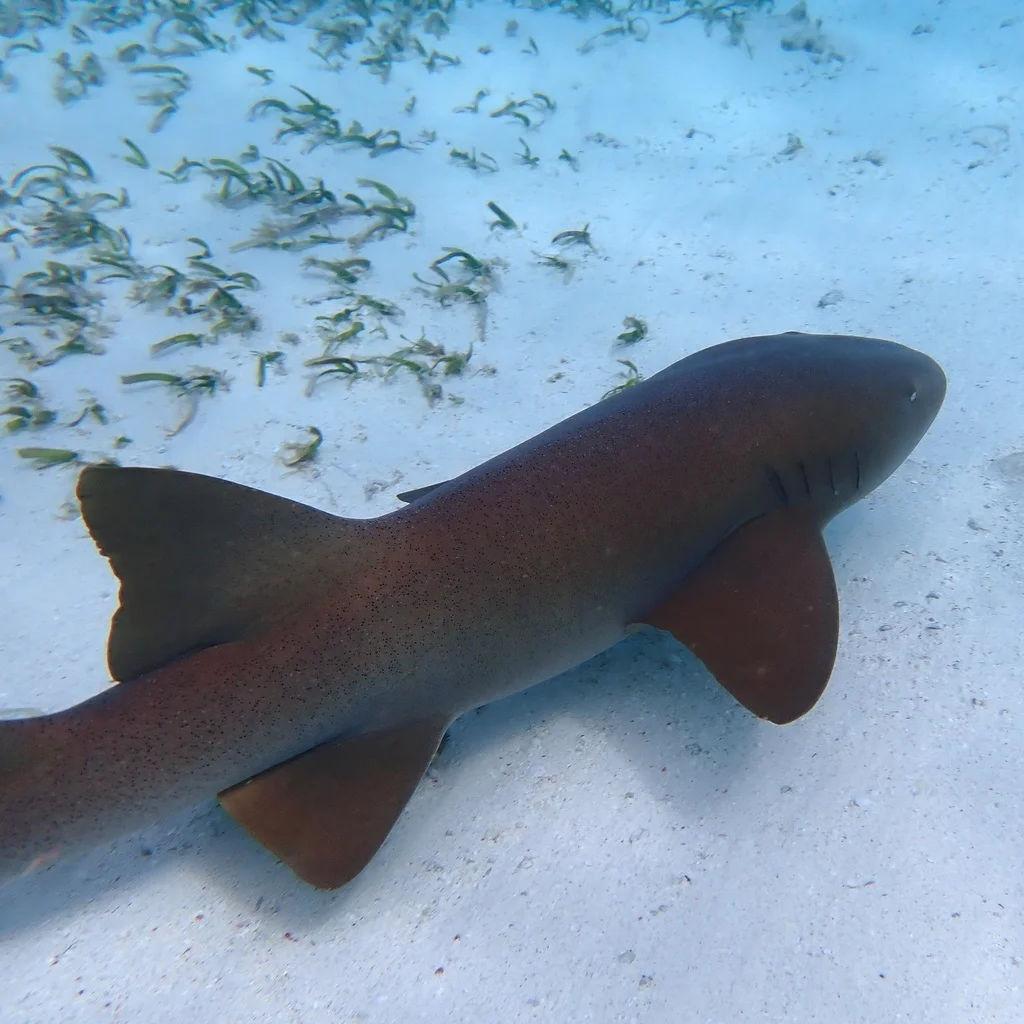
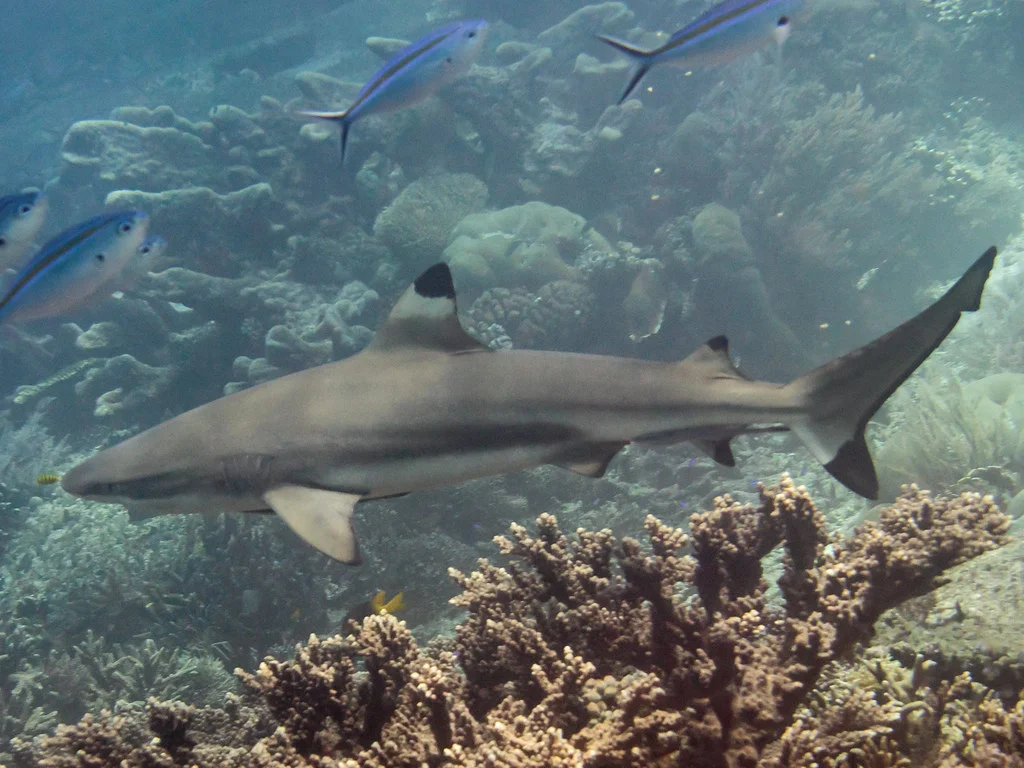
The region is known for its shark diversity, including hammerheads, blacktip reef sharks, nurse sharks, and seasonal aggregations of lemon sharks. Goliath groupers, including the notable 'Shadow,' are prominent, often interacting with divers.
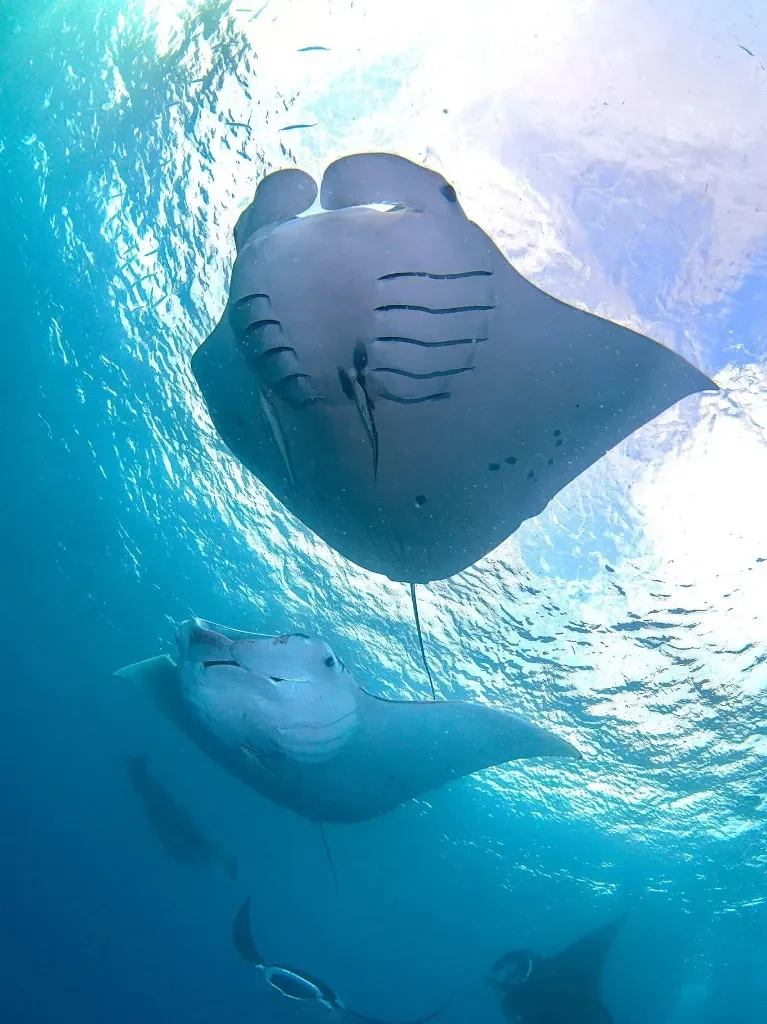
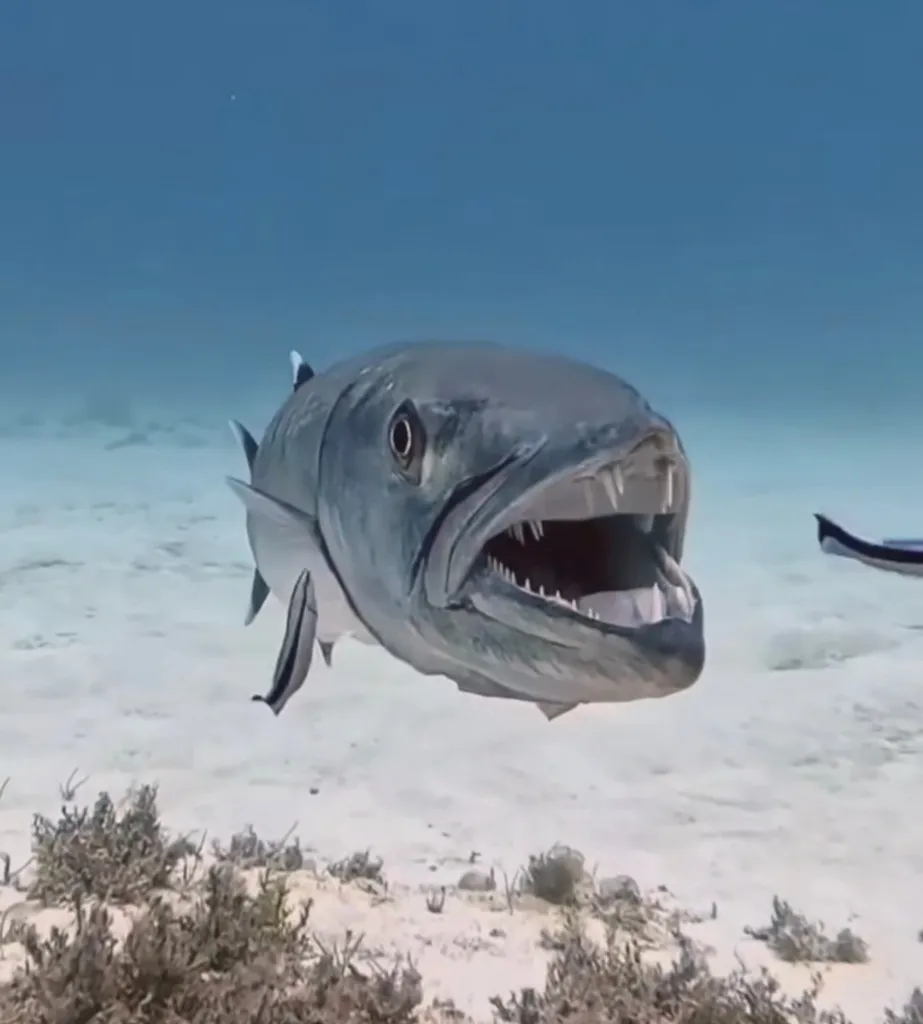
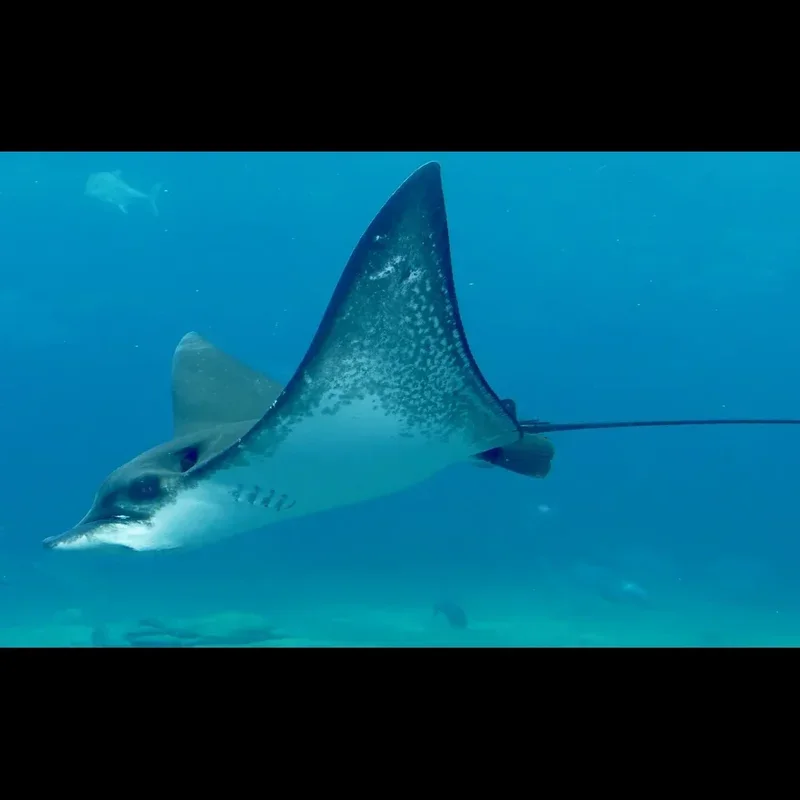
You'll also spot manta rays, eagle rays, and numerous reef fish like blue runners, parrotfish, angelfish, wrasse, and blennies. Schools of barracuda and horse-eye jacks frequently make appearances, complementing the vibrant coral formations, barrel sponges, sea whips, and fans.
Dive Centers Near WM-LB-13
Today: 08:00 - 17:00
Nearest Airports
Nearest airports to help plan travel to this dive area.
Search Flights
Check available flights and routes on Expedia, using the nearby airports listed in this section.
Search Flights on ExpediaFrequently Asked Questions
What kind of diving is most common in Palm Beach County?
Drift diving is very common due to the influence of the Gulf Stream currents. Divers are often dropped upstream and collected downstream, allowing for an effortless journey along the reefs and wrecks. Many operators specialize in this type of diving.
Are there many wreck diving opportunities?
Yes, Palm Beach County features a notable collection of wreck sites. The Mizpah, PC-1174, Princess Anne, and Atlantis are among the many sunken ships that provide interesting exploration and serve as artificial reefs, attracting diverse marine life.
What is the typical visibility like?
Visibility in these waters can be quite good, frequently reaching up to 30 m (100 ft). However, conditions can vary depending on currents, recent weather, and specific dive sites. Generally, the clarity is a significant draw for divers.
Can I see large marine animals here?
Absolutely. The area is known for regular sightings of large animals. Divers often encounter various sharks, including hammerheads and lemon sharks seasonally, along with manta rays, eagle rays, and a healthy population of loggerhead and green sea turtles.
Is the Blue Heron Bridge a good dive site?
The Blue Heron Bridge at Phil Foster Park is considered a premier macro site. It's known for its incredible diversity of smaller marine life and unique critters. Diving there requires specific timing around high slack tide and awareness of boat channels.
What are the water temperatures usually like?
Specific water temperature data is not consistently reported, but Florida's subtropical climate generally provides comfortable diving conditions year-round. A 3mm or 5mm wetsuit is typically suitable, depending on the season and individual preference.
Planning to dive WM-LB-13?
Send one inquiry and receive offers directly from the best verified local dive operators.
Conditions are Good
Optimal conditions expected
Current conditions near WM-LB-13 show 30° air, 30° sea temperature, 1.0 m waves, and 27 km/h wind. Forecast data is refreshed regularly to ensure accuracy.