
Diving at WM-LC-62 (United States)
Approaching the dive sites along the Gulf Coast, especially the colossal USS Oriskany, demands a prepared mindset. These waters offer a spectrum of experiences from shallow reefs to profound wreck exploration. Divers should be ready for significant depth variations and potential currents, ensuring their training aligns with the chosen dive profile. Successful exploration here hinges on meticulous planning and appropriate certifications for the target depths. It's an environment where skill and readiness are paramount.
Tonight's objective overview for WM-LC-62 shows an air temperature of 29.5°C. The measured surface conditions include wave heights around 0.5 m. This environmental data is logged for the close of the day.
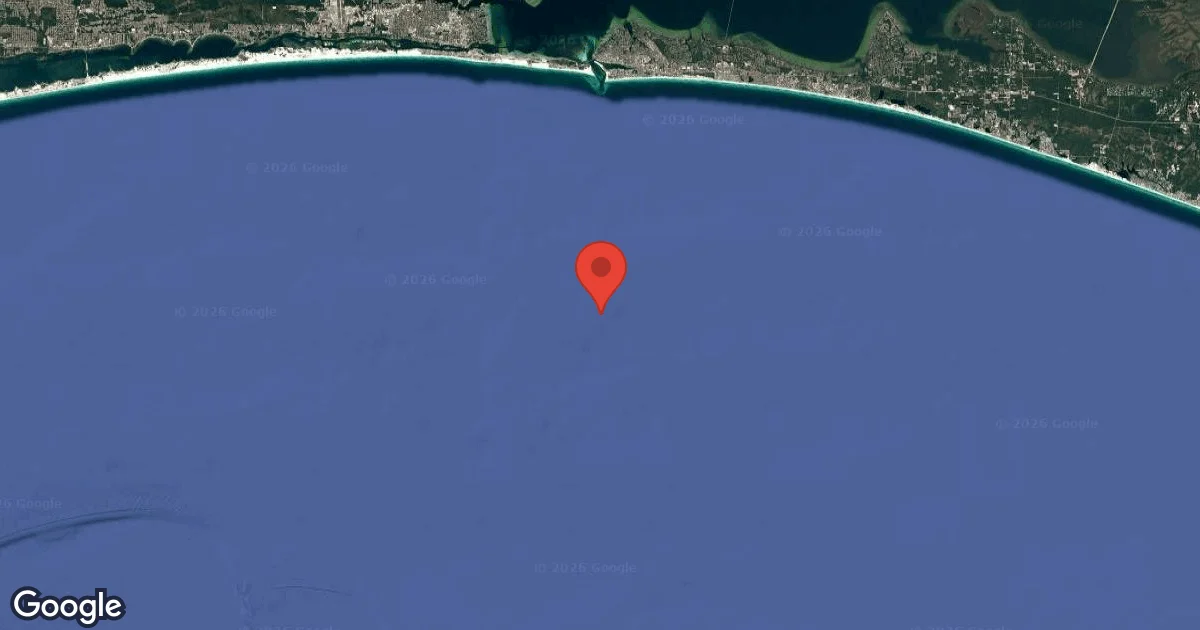
Dive Site Location & Key Facts
Dive Site Overview
The Gulf Coast diving scene, particularly around Pensacola, draws divers with its diverse underwater topography and extensive artificial reefs. At the forefront is the USS Oriskany, a sunken aircraft carrier often cited as the world's largest artificial reef, presenting a truly monumental dive.
Recreational divers typically explore its upper sections within the 24-40 m (80-130 ft) range, where the sheer scale of the wreck becomes apparent. For those with technical certifications, deeper penetrations extend to 40-67 m (130-220 ft), revealing more of the vessel's interior and structure. Beyond the Oriskany, the area hosts numerous other sites.
Near-shore trips, usually 5-6 hours, offer access to dozens of reefs and wrecks at depths ranging from 5 m to 30 m (15 ft to 100 ft), with an average depth of around 24 m (78 ft). Mid-shore excursions, extending 6-8 hours and up to 20 miles out, feature deeper sites like oil rigs, larger wrecks, and natural reefs, generally found between 27 m and 40 m (90 ft and 130 ft).
Night dives are also scheduled by request to some of the more popular sites, adding another dimension to the diving experience here.
Conditions are Excellent
07:00 - 14:00
Optimal conditions expected
Current conditions near WM-LC-62 show 29° air, 30° sea temperature, 0.4 m waves, and 18 km/h wind. Forecast data is refreshed regularly to ensure accuracy.
Best Time to Dive
Optimal diving conditions on the Gulf Coast are generally experienced from May through September, when visibility often improves and surface conditions are calmer. During these months, climate data indicates "Good" dive scores. Air temperatures are pleasantly warm, ranging from 24.5°C (76°F) in May to 29°C (84°F) in August, while wave heights tend to be lower, typically between 0.7 m and 0.9 m (3.0 ft)and 3.0 ft). Rainfall during this period is moderate, averaging around 3.4-4.7 mm per month, which typically doesn't significantly impair underwater visibility in deeper offshore sites. Conversely, the cooler months from October to April see "Moderate" dive scores due to increased wind speeds and higher wave heights, averaging 1.1 m to 1.3 m (3.5 ft to 4.4 ft). While diving is available year-round, these conditions can reduce comfort and clarity, particularly after storm events. Water temperature data is not consistently reported for this specific area, but generally correlates with air temperature trends, making the summer months more comfortable for most divers.
PEAK SEASON SCORE
Scores combine air & water temps, waves, wind & rainfall for overall conditions.
BEST MONTHS TO DIVE
Monthly records compiled from satellite and marine observation nodes over the last 3 years. Data provided by Open-Meteo and MET Norway.
Dive Experience & Conditions
Dropping into the waters off the Gulf Coast, divers will find themselves in environments that vary significantly from one site to another. Visibility, while often good during peak seasons, can fluctuate with weather patterns and tidal movements. Stronger currents may be encountered on certain wrecks or deeper sites, particularly the USS Oriskany, necessitating good buoyancy control and dive planning. Exploring this massive aircraft carrier feels like navigating an underwater city, with its vast decks and hangars. Shallower reefs offer a different experience, often with less current and more ambient light penetration. Air temperatures, particularly from May to September, are warm, typically between 24.5-29°C (76-84°F). While specific water temperature data isn't provided, divers should anticipate cooler conditions at depth, especially on the deeper sections of the Oriskany, compared to shallower near-shore sites. The dynamic nature of these dive environments makes each descent a unique encounter.
Dive Difficulty & Safety Guidelines
Diving the Gulf Coast, especially complex sites like the USS Oriskany, requires adherence to stringent safety protocols. Due to the varied depths, from 5 m (15 ft) up to 67 m (220 ft), divers must possess appropriate certifications for their chosen depth range; technical diving credentials are essential for deeper Oriskany sections. Always dive within your training and experience limits.
Charter operators emphasize safety, providing filtered drinking water and snacks on trips, but individual responsibility remains paramount. Pre-booking is crucial for all charters, allowing captains to arrange necessary rental gear and tank fills in advance.
Given the offshore nature of many dives, being physically fit and comfortable with boat diving is important. Familiarize yourself with the dive plan before entry and maintain communication with your dive buddy and boat crew.
Recommended Equipment
- Dive Computer
This gear list is based on verified equipment signals for WM-LC-62, United States. Always confirm final gear choices with your dive operator, guide, or liveaboard.
Recommended Dive Suit
With water temperatures around 30°C (86°F), many divers find a dive skin or rash guard provides comfortable protection.
Divers performing multiple dives may appreciate slightly warmer protection later in the day.
Forecast models indicate that diving conditions should remain largely unchanged.
Emergency & Medical Support
Essential information to help you plan your dive trip to WM-LC-62.

Hyperbaric chambers are a critical part of dive safety infrastructure. Availability varies significantly by region, and not all dive areas have immediate access.
Before diving, it's recommended to:
- confirm nearest medical facilities
- check emergency procedures with local dive operators
- ensure dive insurance covers evacuation if required
Divers Alert Network
Diving emergency assistance available through DAN World.
+1-919-684-9111- 24/7 emergency hotline
- Diving medical assistance
- Evacuation coordination
Emergency contacts are provided for reference. Always verify local emergency services before diving.
Marine Life at WM-LC-62
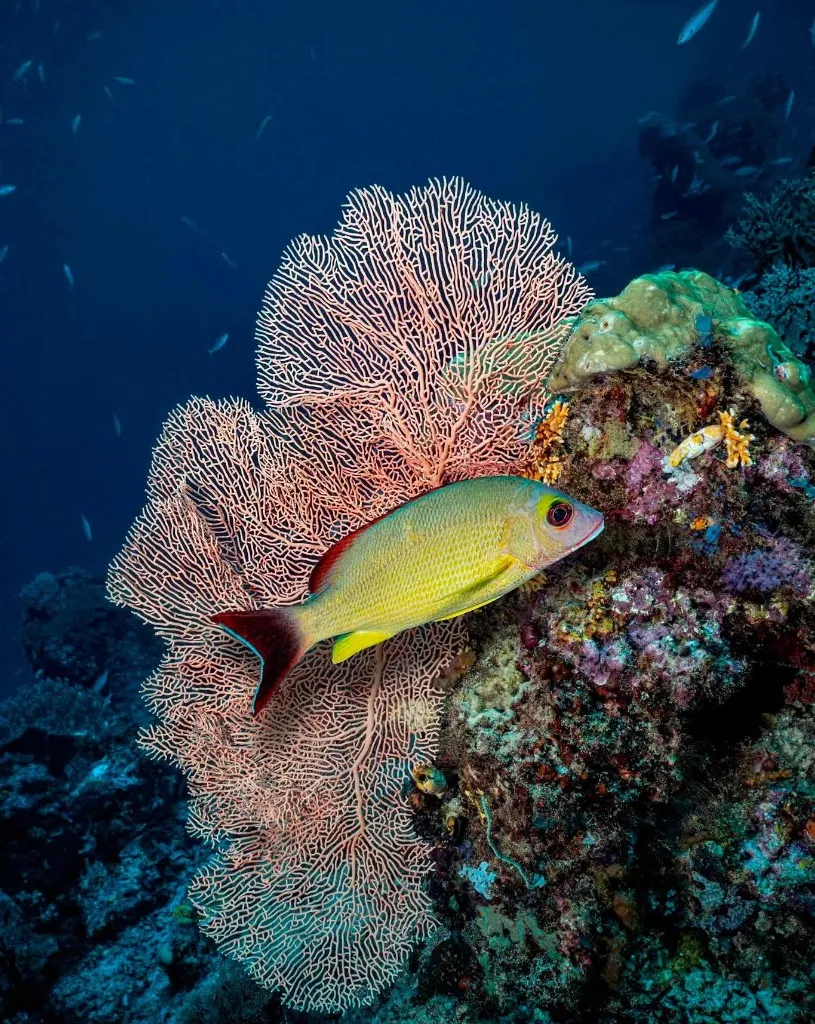
While specific marine life data for WM-LC-62 is limited, artificial reefs like the USS Oriskany and numerous other wrecks along the Gulf Coast typically become vibrant habitats. These structures naturally attract a variety of pelagic and reef fish.
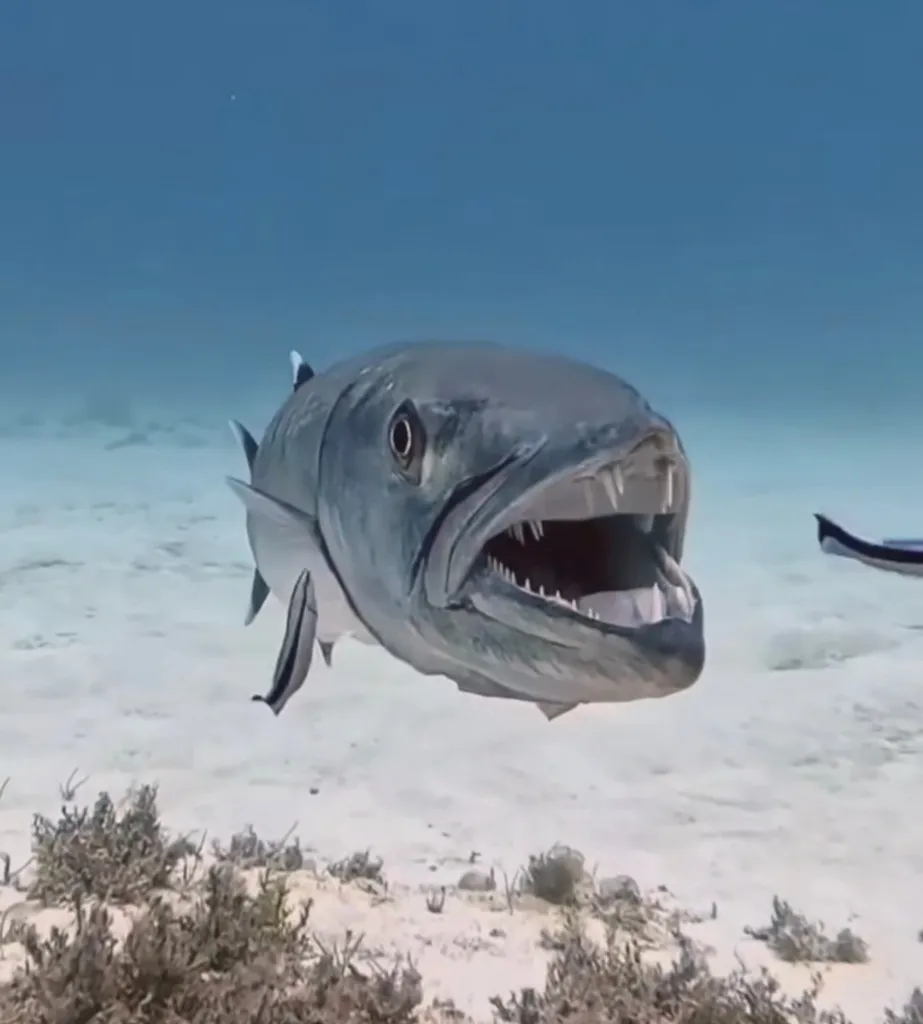
Visibility permitting, divers often observe schools of jacks, barracuda, and various snapper species congregating around the wreck superstructure. The sheer scale of the Oriskany allows for diverse micro-environments, from the sunlit decks to the darker, deeper interior sections, each potentially harboring different creatures.
Smaller invertebrates and hard corals may begin to colonize surfaces, slowly transforming the artificial structures into thriving ecosystems.
Dive Sites Near WM-LC-62
View all dive sites in United StatesDiscover more underwater gems in this area.
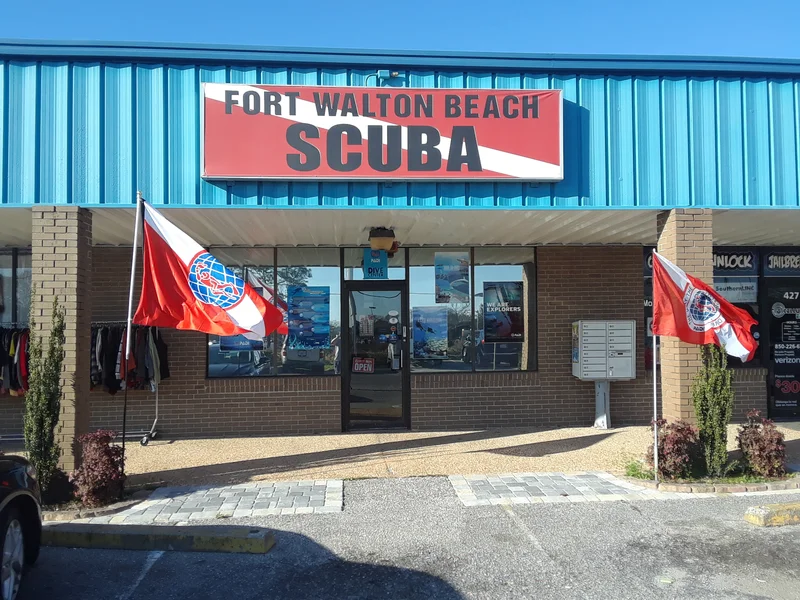
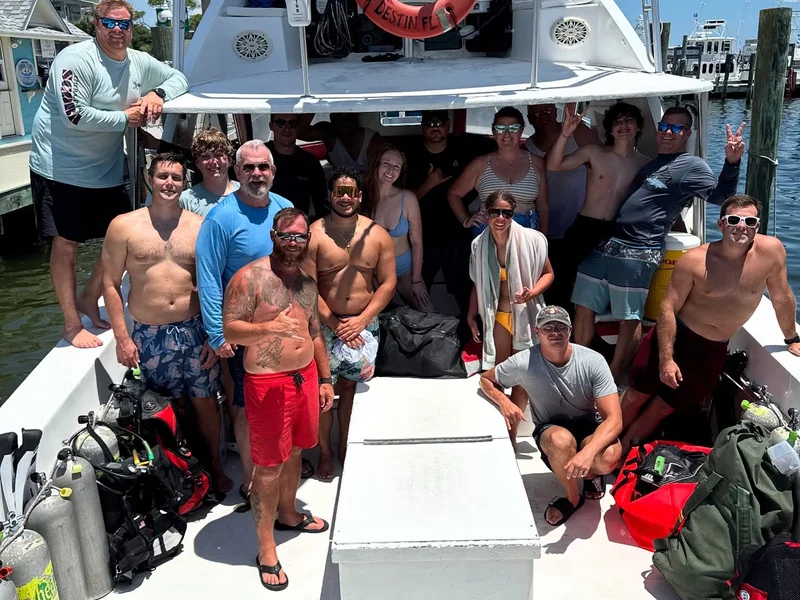
Dive Centers Near WM-LC-62
Today: 08:00 - 17:00
Nearest Airports
Nearest airports to help plan travel to this dive area.
Search Flights
Check available flights and routes on Expedia, using the nearby airports listed in this section.
Search Flights on ExpediaFrequently Asked Questions
What is the main dive attraction in this area?
The primary dive attraction is the USS Oriskany, an aircraft carrier often referred to as the largest artificial reef in the world. It offers extensive exploration opportunities for both recreational and technical divers.
What depths can I expect at the USS Oriskany?
Recreational divers typically explore the USS Oriskany between 24-40 m (80-130 ft). Technical divers can descend further, reaching depths of 40-67 m (130-220 ft).
Are there other dive sites besides the Oriskany?
Yes, the Pensacola area boasts hundreds of other scuba diving sites, including numerous reefs, wrecks, and even oil rigs. These sites are categorized into near-shore and mid-shore trips.
How long do dive trips usually last?
Near-shore two-tank trips are typically 5-6 hours. Mid-shore two-tank trips are longer, lasting 6-8 hours. Oriskany trips usually begin with a 7:00 am dock time.
Is rental gear available?
Yes, rental gear, equipment, tanks, and fills can be arranged through the Captain. It's recommended to call in advance to ensure availability and secure the best deals for your needs.
Can I do night dives?
Night dive trips, typically one or two tanks, are available to some popular wrecks and reefs. These are scheduled by request, usually departing around 6:00 pm.
What is the best time of year to dive?
May through September generally offers the best diving conditions, with "Good" dive scores, warmer air temperatures, and lower wave heights, contributing to better visibility and comfort.
Planning to dive WM-LC-62?
Send one inquiry and receive offers directly from the best verified local dive operators.
Conditions are Excellent
07:00 - 14:00
Optimal conditions expected
Current conditions near WM-LC-62 show 29° air, 30° sea temperature, 0.4 m waves, and 18 km/h wind. Forecast data is refreshed regularly to ensure accuracy.