
Diving at Wreck Alley (United States)
Wreck Alley, off Mission Beach in San Diego, California, presents a challenging artificial reef system for certified divers. Comprising several intentionally sunk ships and other structures, it's designed to attract marine life and offer diverse wreck diving experiences. Advanced divers comfortable with deeper profiles and potentially strong currents will find this a rewarding destination for exploring sizable submerged vessels.
At Wreck Alley, the ambient air temperature is currently recorded at 35°C. This dive site in United States is operating under normal seasonal weather patterns. Familiarize yourself with the local topography prior to navigating.
Dive Site Location & Key Facts
Dive Site Overview
Wreck Alley's establishment represents a deliberate effort to create artificial reefs for recreational diving off Mission Beach. An intentional project introduced several vessels, including the substantial 366-foot (111-meter) Canadian destroyer HMCS Yukon and the 165-foot (50-meter) Coast Guard cutter Ruby E, strategically sunk to foster new marine habitats.
A highlight for divers, the Yukon was purposely prepared by volunteers, featuring numerous cut access points throughout its hull; this makes internal exploration feasible and relatively safe for trained individuals. As the newest and most intact wreck in the alley, having been sunk in 2000, it offers extensive opportunities. Beyond these primary ships, the site also integrates remnants of the old Ingraham Street Bridge and a collapsed NOSC Tower.
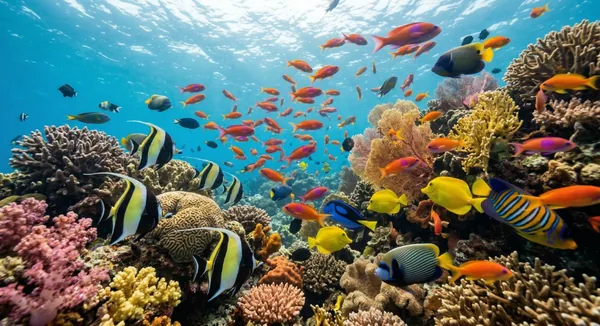
Diverse sunken elements now function as significant anchors for growing marine ecosystems, drawing in a variety of filter feeders, rockfish, and other ocean inhabitants. Such repurposed structures provide a compelling glimpse into how human intervention can successfully enhance underwater environments and create fascinating dive sites.
Conditions are Excellent
07:00 - 14:00
Optimal conditions expected
Current conditions near Wreck Alley show 35° air, --° sea temperature, N/A waves, and 19 km/h wind. Forecast data is refreshed regularly to ensure accuracy.
Best Time to Dive
Planning a dive at Wreck Alley is optimal during months with stable, favorable conditions, typically yielding "Excellent" dive scores. Air temperatures are comfortable year-round, ranging from 11°C (52°F) in January to peaks around 37°C (99°F) in July. Low rainfall is a consistent pattern, with many months seeing less than 1 mm, which generally supports better surface conditions and visibility. Dive scores are consistently excellent from January to May and then again from August to December. June and July are also "Good," maintaining high air temperatures but still offering viable dive opportunities. Divers should consider that despite good overall climate, localized factors like surge can still impact underwater visibility and current strength regardless of the season.
PEAK SEASON SCORE
Scores combine air & water temps, waves, wind & rainfall for overall conditions.
BEST MONTHS TO DIVE
Monthly records compiled from satellite and marine observation nodes over the last 3 years. Data provided by Open-Meteo and MET Norway.
Dive Experience & Conditions
Diving at Wreck Alley involves exploring a range of depths, with most wrecks positioned within the 18 to 32 meters (60 to 105 feet) range. HMCS Yukon's highest point sits about 21 meters (68 feet) at its stern, its bow descending to a maximum depth of 32 meters (105 feet). Comparatively, Ruby E is somewhat shallower, with its highest point at approximately 15 meters (50 feet), offering a distinct profile. Conditions here can vary significantly; strong surge is a frequent possibility, and visibility is not consistently reported—it depends heavily on the day's specific ocean dynamics and recent weather patterns. Divers will encounter cold water, making prior cold water diving experience highly beneficial given the consistent Pacific currents. Maintaining excellent buoyancy control is crucial, particularly when navigating inside wrecks or in close proximity to potentially fragile structures.
Dive Difficulty & Safety Guidelines
Wreck Alley is an advanced dive site requiring specific certifications and experience. Divers should hold at least an Advanced Open Water certification, with a wreck specialty highly advised for those planning penetrations. Proficiency in cold water diving and robust buoyancy control are essential due to variable conditions and the complex nature of wreck exploration.
It's crucial to plan dives carefully, especially for multi-wreck excursions, considering factors like potential strong currents and surge. For internal wreck exploration, understanding exit routes is paramount.
Carrying appropriate dive lights and safety gear is always recommended to mitigate risks in deeper or darker sections.
Recommended Equipment
- Dive Computer
This gear list is based on verified equipment signals for Wreck Alley, United States. Always confirm final gear choices with your dive operator, guide, or liveaboard.
Recommended Dive Suit
With water temperatures around 35°C (95°F), many divers find a light protection (dive skin or 3mm shorty) provides comfortable protection.
Local dive briefings can provide the most accurate guidance.
Weather patterns are currently shifting, so expect some variability in conditions. A significant temperature drop is forecast; strongly suggest bringing a backup warmer suit option. A warmer option can provide additional comfort if conditions shift.
Due to technical issues with our weather providers, data hasn't been fetched for over 48 hours. The data above reflects the conditions at the time of the last successful fetch.
Emergency & Medical Support
Essential information to help you plan your dive trip to Wreck Alley.

Hyperbaric chambers are a critical part of dive safety infrastructure. Availability varies significantly by region, and not all dive areas have immediate access.
Before diving, it's recommended to:
- confirm nearest medical facilities
- check emergency procedures with local dive operators
- ensure dive insurance covers evacuation if required
Divers Alert Network
Diving emergency assistance available through DAN World.
+1-919-684-9111- 24/7 emergency hotline
- Diving medical assistance
- Evacuation coordination
Emergency contacts are provided for reference. Always verify local emergency services before diving.
Marine Life at Wreck Alley
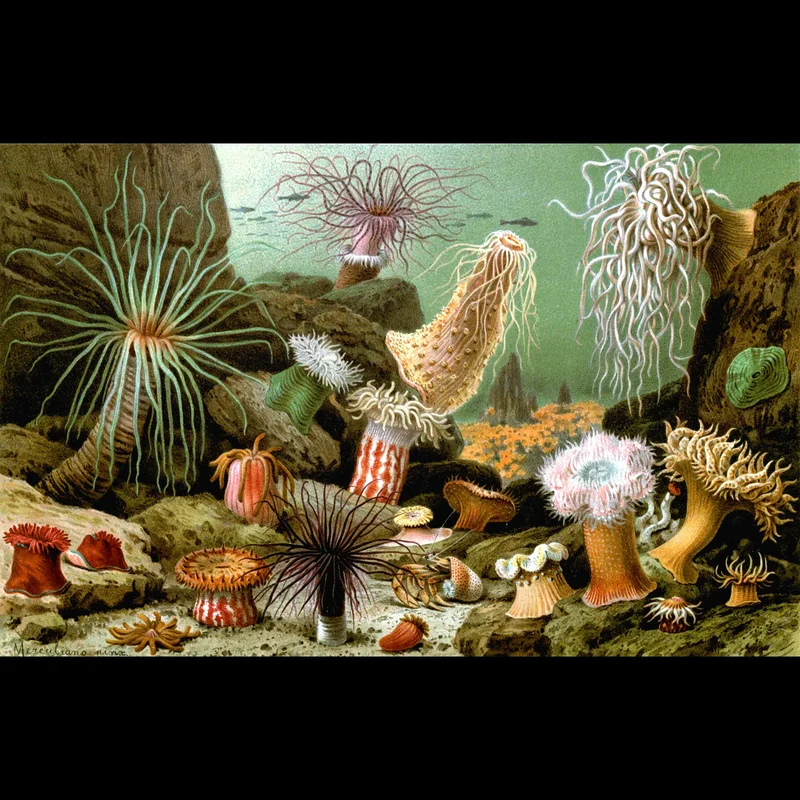
Wreck Alley's structures serve as vital habitats, fostering a diverse range of marine organisms. Filter feeders, like the abundant strawberry-colored Corynactis anemones and large, snow-white Metridium anemones, densely cover the wrecks.
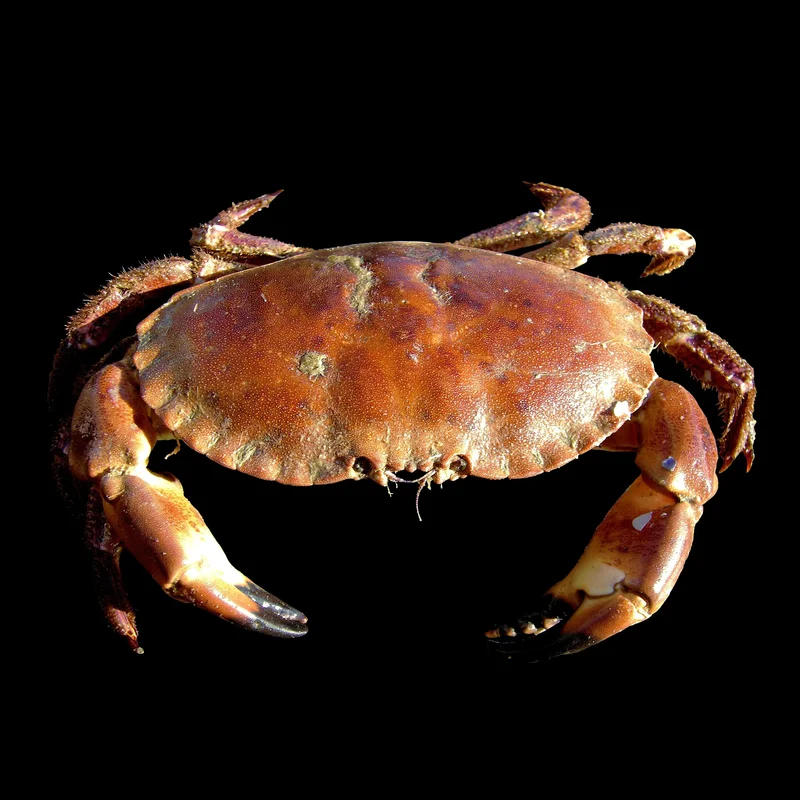
Pink and brown gorgonian sea fans grow thick on various surfaces, adding vibrant color. Beyond anemones, divers can observe scallops, barnacles, tunicates, and various crabs.
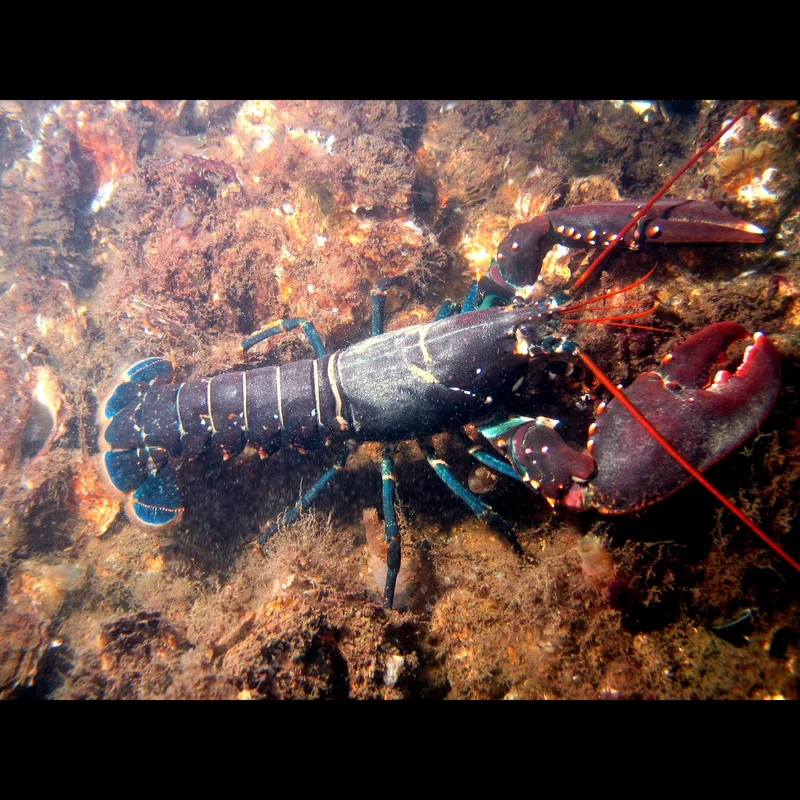
Ingraham Street Bridge section, with more cover, often hosts a greater density of fish. Lobster are also commonly sought in this area, particularly at the start of their season.
Dive Sites Near Wreck Alley
View all dive sites in United StatesDiscover more underwater gems in this area.
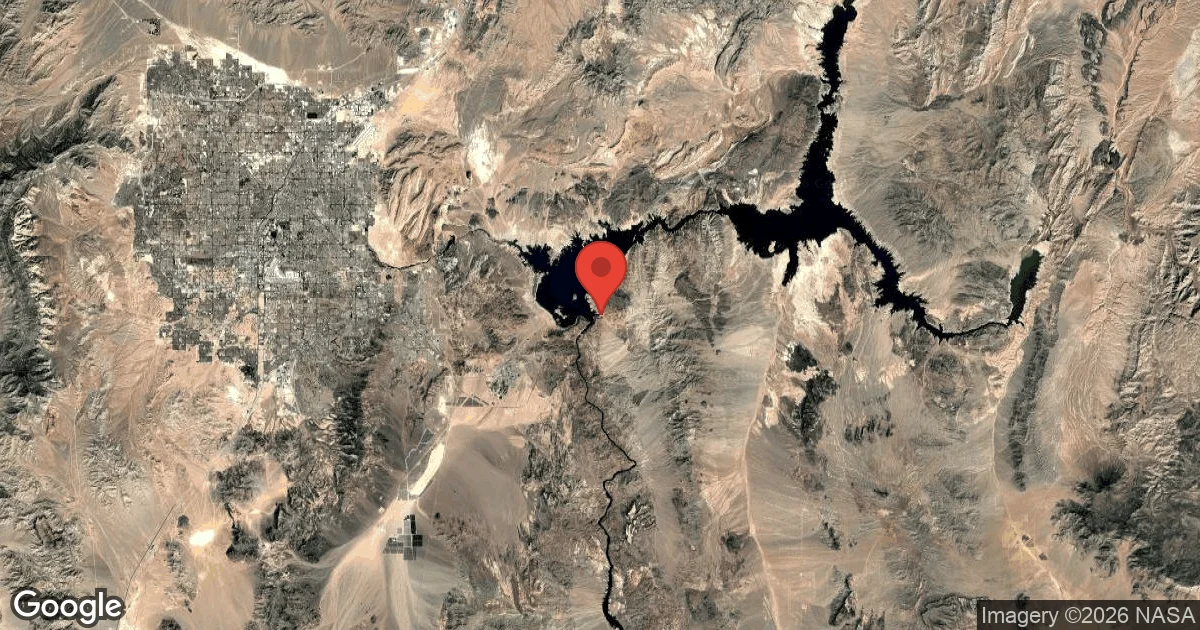
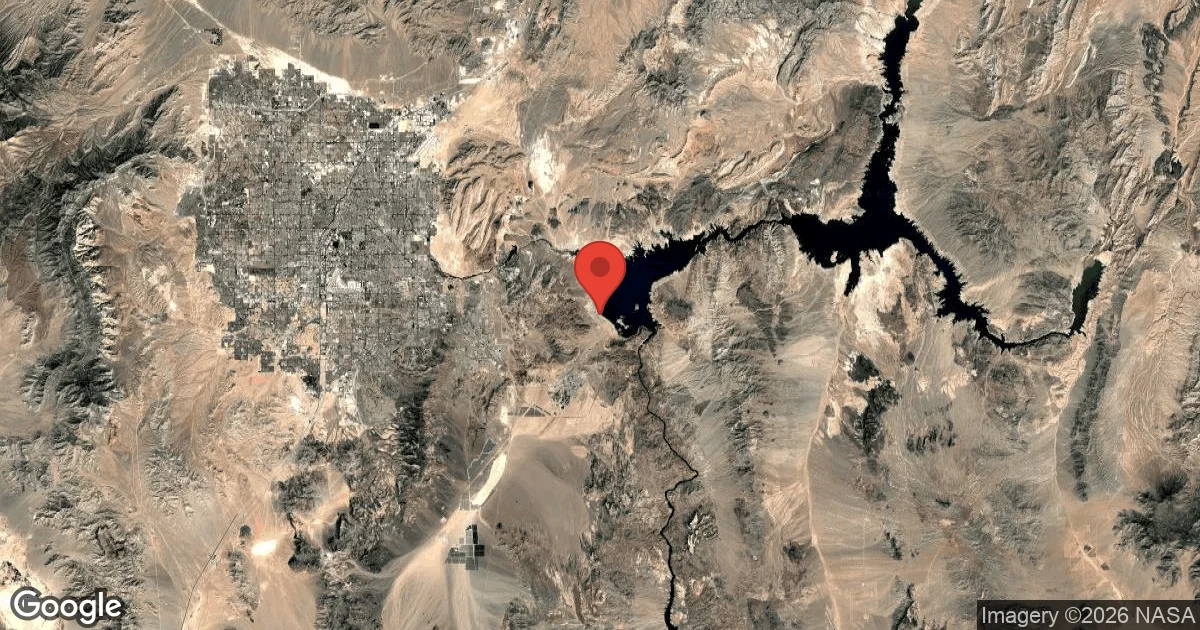
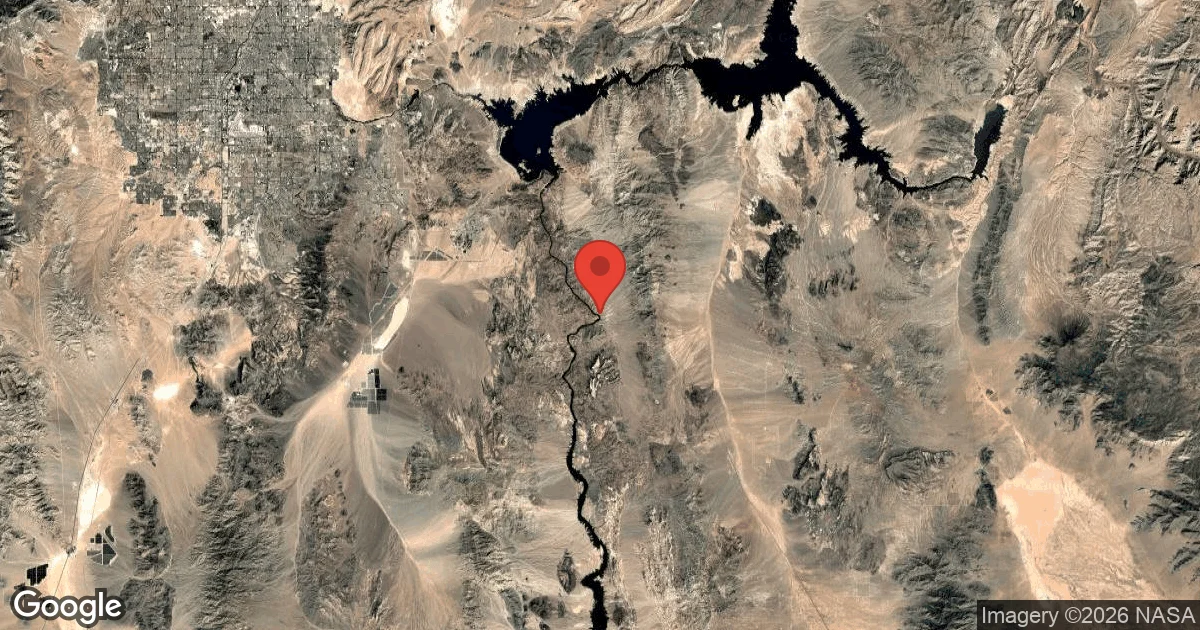
Dive Centers Near Wreck Alley
No Dive Centers Local To Wreck Alley
Are you a dive center visiting this location? Get listed to reach divers.
Nearest Airports
Nearest airports to help plan travel to this dive area.
Search Flights
Check available flights and routes on Expedia, using the nearby airports listed in this section.
Search Flights on Expedia
Plan Your Stay
Looking for a place to stay for your dive trip? Explore hotels, stays, and vacation rentals for dive groups near Boulder City.
Dive Navigator may earn a commission from these links at no extra cost to you.
Frequently Asked Questions
What is Wreck Alley?
Wreck Alley is an area off San Diego, California, featuring several ships and structures intentionally sunk to create artificial reefs. It's a popular destination for scuba divers seeking wreck exploration and marine life observation.
What are the main wrecks at Wreck Alley?
Primary wrecks include the HMCS Yukon, a 366-foot Canadian destroyer, and the Ruby E, a 165-foot Coast Guard cutter. Remnants of the Ingraham Street Bridge and a collapsed NOSC Tower are also part of the artificial reef system.
What are the typical depths for diving in Wreck Alley?
Dives typically range from 18 to 32 meters (60 to 105 feet). HMCS Yukon ranges from about 21 meters (68 feet) to 32 meters (105 feet), while the Ruby E is shallower, starting around 15 meters (50 feet).
What certification level is required to dive Wreck Alley?
Due to its depths and conditions, this site is considered advanced. An Advanced Open Water certification is generally required, and a wreck diving specialty is highly recommended for those interested in penetrating the wrecks.
What are the general dive conditions like?
Conditions vary but divers can expect cold water, requiring adequate thermal protection. Visibility is not consistently reported and can be affected by factors like surge. Strong currents can also be present.
What marine life can be seen at Wreck Alley?
Wrecks are covered in various anemones, including Corynactis and Metridium, as well as gorgonian sea fans. You might also spot scallops, crabs, nudibranchs, and different fish species. Lobster are sometimes found here early in their season.
When is the best time to dive Wreck Alley?
Most months of the year offer "Excellent" dive scores, particularly from January to May and August to December, thanks to favorable air temperatures and low rainfall. June and July are still considered "Good."
Is it possible to get certified for wreck diving at Wreck Alley?
Yes, some dive operators offer PADI Wreck Diver certification opportunities as part of dive trips to Wreck Alley. It's often bundled with packages that include multiple boat dives on the wrecks.
Planning to dive Wreck Alley?
Send one inquiry and receive offers directly from the best verified local dive operators.
Conditions are Excellent
07:00 - 14:00
Optimal conditions expected
Current conditions near Wreck Alley show 35° air, --° sea temperature, N/A waves, and 19 km/h wind. Forecast data is refreshed regularly to ensure accuracy.