
Diving atThe Lake (Venezuela)
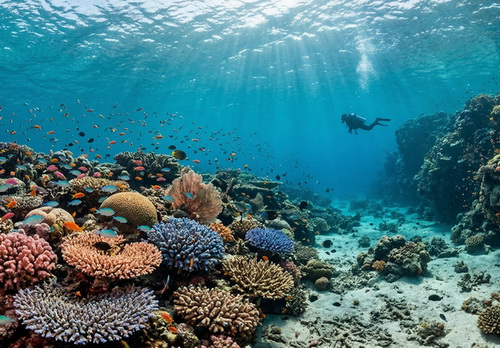
The Los Roques archipelago, serving as a primary dive area in Venezuela, features an extensive network of 350 islands, islets, and reefs. This vast marine park covers over 950 square miles of the Caribbean, offering a varied underwater topography. Divers encounter impressive pinnacles, enormous caves, and vibrant coral gardens. Walls of soft coral and sea whips descend, with some structures like the 'Tounge of the Ocean' plunging from 3 m (10 ft) down to 61 m (200 ft).
Midday environmental data at The Lake reports an ambient temperature of 26.9°C. Surface tracking indicates wave heights of approximately 0.64m. This summarizes the present water and weather conditions.
Dive Site Coordinates
12.1072, -68.2903
Dive Site Characteristics
Key Dive Site Facts
Dive Site Overview
Los Roques stands as Venezuela's oldest marine park, originally established to safeguard its rich aquatic environment. This protective designation has effectively preserved the vibrant coral reefs and intricate ecosystems throughout the archipelago.
A unique geological feature includes two expansive coral reef barriers, which successfully shield the inner waters from stronger ocean currents. Inside these calmer areas, divers discover flourishing "underwater forests" of sea grasses and diverse corals. Exploration also reveals intriguing wreck sites, some dating back to the 16th century, adding a layer of historical mystique to the underwater landscape.
Specific dive locations offer varied experiences. Boca del Cote features dynamic coral reefs, home to numerous lobsters and schools of reef fish.
Just a short distance away, Boca del Medio is recognized for its vividly colored corals, along with frequent sightings of barracuda schools and various rays. Further diversifying the dive experience, Nordisqui key presents spectacular coral stone formations and additional shipwrecks.
Dives here typically range from shallow reef explorations to more adventurous wall dives, accommodating different skill levels. Understanding the distinctive characteristics of each site enhances any dive plan within this extensive marine protected area.
Best Time to Dive
Planning a dive trip here means considering the seasonal shifts in conditions. Diving is accessible year-round, but summer months typically present the best diving conditions. Water temperatures during this period are often at their warmest, ranging from 25-30°C (77-86°F), making for comfortable extended dives. Air temperatures generally average between 27-30°C (81-86°F) throughout the year, with less fluctuation. The rainy season generally occurs from September through January; however, rainfall amounts are usually low, varying from 0.47 mm to 2.95 mm monthly. Consequently, even during these months, good diving days are frequent, but summer offers a higher probability of ideal weather and calm seas.
Climate Historical Averages
Monthly records compiled from satellite and marine observation nodes over the last 3 years. Data provided by Open-Meteo and MET Norway.
Dive Experience & Conditions
Entering the water here reveals remarkable clarity, with average visibility often extending up to 40 m (130 ft), providing expansive views of the underwater landscape. Water temperature maintains a comfortable range, typically between 25-30°C (77-86°F), though January and February might experience slightly cooler conditions, dipping to the mid-70s°F. Divers exploring the sites will find a mix of mild to moderate currents, depending on the specific location and daily weather patterns. Average wave heights generally fall between 0.9-1.3 m (3-4.3 ft), with winds averaging 23-33 km/h (14-20 mph). The diverse topography, from shallow reefs to deep walls exceeding 60m, caters to various skill levels, allowing for different dive profiles.
Dive Difficulty & Safety Guidelines
Divers of all experience levels can find suitable sites, though some deeper walls and more exposed areas will demand advanced certification and good buoyancy control. Always dive within your training and comfort limits. With no specific environmental hazards consistently reported, general safe diving practices are paramount. This includes thorough equipment checks, careful dive planning, and maintaining situational awareness, especially when exploring sites with varying depths or potential currents. A valid passport is essential for travel, and visitors should anticipate a departure tax.
Recommended Equipment
No verified equipment items yet.
Verified equipment recommendations for this dive site are being reviewed and may be added as additional source checks are completed.
Recommended Dive Suit
2-3mm shorty or light wetsuit is widely used for recreational dives in waters of this temperature. Consider warmer surface protection (like a boat coat) due to brisk winds. Those diving at The Lake today will likely encounter water temperatures in the region of 28°C (82°F). Surface air temperatures are resting at 27°C (80°F).
Short-term weather patterns suggest stable conditions for divers visiting the area.
Water temperatures can occasionally shift throughout the day depending on currents and depth layers.
Conditions last reviewed: 12:00 using the latest environmental data.
Dive Logistics & Preparation
Hyperbaric Chamber
Check local Venezuela medical facilities.
Entry Requirements
View Venezuela Visa Hub
Currency
VES
Nearest Airports
Nearest airports to help plan travel to this dive area.
Marine Life at The Lake
Submerging into the complex underwater ecosystem immediately reveals a thriving community built around extensive seagrass beds. Divers frequently encounter a wide array of fish species, including colorful parrotfish, imposing barracudas, and graceful nurse sharks. Various rays and mantas glide through the blue, while diverse mollusks, turtles, and snails navigate the reefs. Keep an eye out for queen conch, moray eels, and pipefish blending into the reef structure. The corals themselves host species like surgeonfish, angelfish, and spotfin butterflyfish, each contributing to the visual spectacle of the dive.
Gorgonian Corals
Moray Eel
Pipefish
Nurse Shark
Butterflyfish
Mantas
Barracuda
Angelfish
Parrotfish
Surgeonfish
Dive Centers Near The Lake
No Dive Centers Local To The Lake
Are you a dive center visiting this location? Get listed to reach divers.
Frequently Asked Questions
What is the typical visibility at Los Roques?
Expect excellent visibility. Average conditions often provide views up to 40 m (130 ft). Specific conditions can vary based on weather and recent rainfall, but clarity generally remains high.
When is the best time to dive in Los Roques?
Diving is possible year-round. Summer months, roughly from February to August, typically offer the calmest seas and warmest waters for optimal conditions. Rainfall increases from September to January, though good diving days are still frequent.
What are the water temperatures like?
Water temperatures are generally comfortable. They usually range from 25-30°C (77-86°F). Cooler temperatures, occasionally dipping into the mid-70s°F, might occur in January and February.
Are there dive sites suitable for beginners?
Yes, plenty of sites cater to all skill levels. Shallower reef dives within the protected inner lagoons are ideal for beginners and less experienced divers. Deeper walls and outer reef areas will require more advanced certification.
What type of marine life can I expect to see?
Dive into a rich ecosystem. You'll likely encounter parrotfish, barracudas, nurse sharks, various rays, turtles, and a diverse array of corals. Moray eels and colorful reef fish are also common.
Is a marine park fee required?
Yes, Los Roques is a protected national park. Visitors should anticipate paying an entrance fee upon arrival. Collected funds support conservation efforts for the archipelago's delicate marine environment.
Liveaboards Sailing to The Lake
Explore highly rated liveaboards visiting this dive site and discover the best routes in Venezuela.
Resorts & Accommodation
Find partner hotels and dive resorts directly accessing the reef.
Around This Area
Explore top-rated restaurants, activities, and attractions near The Lake reviewed by travelers.
Planning to dive The Lake?
Send one inquiry and receive offers directly from the best verified local dive operators.