
Diving at Playa Benge (Netherlands)
Generally calm conditions characterize Playa Benge, making it a favored dive site on Bonaire's western coast. Visibility typically ranges from 15 to 30 meters (50 to 100 ft), often with mild currents. The site's diverse reef structure descends to a maximum depth of 40 meters (130 ft). This location within the Washington Slangbaai National Park offers accessible shore diving with a rewarding experience for various certification levels.
Evening condition tracking at Playa Benge features an air temperature of 28.5°C. We have recorded wave heights measuring 1.3 m during this period. These figures outline the environmental parameters currently present.
Dive Site Location & Key Facts
Dive Site Overview
Playa Benge features a distinct dual-reef system, presenting a compelling underwater environment for certified divers. Access requires navigating the Washington Slangbaai National Park, followed by a swim to reach the initial drop-off point.
The journey rewards divers with observation of pristine corals and varied bottom compositions, encompassing sand, rocky outcrops, and vibrant coral formations. A flat section around 5 meters (16 ft) marks the beginning of the dive, before the first reef slopes down to approximately 18 meters (59 ft). Moving beyond this initial drop, a distinct rift leads into the deeper second reef.
Divers often find themselves navigating sandy grooves that crisscross through the entire reef structure, revealing various marine habitats within a relatively undisturbed setting. Identified as the second northernmost reef within the park boundaries, it demands a degree of commitment to reach, yet provides an extensive exploration opportunity.
For those venturing deeper, max depths can extend to 40 meters (130 ft). This allows for diverse dive profiles, from shallower recreational reef exploration of the first reef to deeper sections suitable for appropriately qualified divers, emphasizing careful air management.
Experienced divers appreciate the remote feel and the chance to witness less frequently visited coral communities.
Conditions are Moderate
Optimal conditions expected
Current conditions near Playa Benge show 29° air, 29° sea temperature, 1.2 m waves, and 40 km/h wind. Forecast data is refreshed regularly to ensure accuracy.
Best Time to Dive
Planning your dive trip to Playa Benge is best aligned with Bonaire's generally favorable conditions throughout most of the year. Historically, the best months for diving here are reported from December to April. During these periods, average air temperatures hover around 27°C (81°F) to 27.5°C (82°F), with minimal rainfall, typically less than 2 mm (0.08 inches) per month. Water temperatures in summer months, from May to November, range from 27-30°C (81-86°F). Winter temperatures, between December and April, are slightly cooler yet still comfortable, usually between 25-28°C (77-82°F). Dive scores consistently rate as 'Good' for most of the year, only dipping to 'Moderate' in June, primarily due to slightly increased wind speeds and wave heights.
PEAK SEASON SCORE
Scores combine air & water temps, waves, wind & rainfall for overall conditions.
BEST MONTHS TO DIVE
Monthly records compiled from satellite and marine observation nodes over the last 3 years. Data provided by Open-Meteo and MET Norway.
Dive Experience & Conditions
Currents at Playa Benge are typically mild, and surge is generally not an issue, contributing to its suitability for a range of diver proficiencies. Visibility is consistently good, often between 15 and 30 meters (50 and 100 ft), allowing clear views of the extensive coral formations and marine activity. The entry is from shore, requiring a bit of a swim to reach the first drop-off, where the first reef begins to descend. While the first reef section is within typical recreational dive limits, the second reef is notably deeper, demanding careful attention to air consumption and bottom time. This site offers different profiles, from shallower exploration of the first reef to deeper dives on the second for appropriately certified divers.
Dive Difficulty & Safety Guidelines
Careful planning is crucial for dives at Playa Benge, particularly due to the swim required to reach the initial drop-off and the potential for greater depths on the second reef. Divers should diligently monitor their air supply throughout the dive, especially when exploring deeper sections. While no permits are explicitly required for diving, adherence to general safe diving practices and national park regulations is expected.
Always verify local conditions with a dive operator or center before entering the water. Information gathered from various sources should always be cross-referenced with on-site knowledge to ensure the safest possible dive.
Recommended Equipment
- Dive Computer
This gear list is based on verified equipment signals for Playa Benge, Netherlands. Always confirm final gear choices with your dive operator, guide, or liveaboard.
Recommended Dive Suit
Divers planning deeper dives may feel cooler than those staying in shallower areas.
Many divers find that 2-3mm shorty or light wetsuit offers a comfortable balance between warmth and mobility. Consider warmer surface protection (like a boat coat) due to brisk winds. Conditions in the coming days are expected to stay within a similar temperature range.
Water temperatures across the dive area at Playa Benge are presently estimated to be around 29°C (84°F). Surface air temperatures are resting at 29°C (83°F).
Emergency & Medical Support
Essential information to help you plan your dive trip to Playa Benge.

Hyperbaric chambers are a critical part of dive safety infrastructure. Availability varies significantly by region, and not all dive areas have immediate access.
Before diving, it's recommended to:
- confirm nearest medical facilities
- check emergency procedures with local dive operators
- ensure dive insurance covers evacuation if required
Divers Alert Network
Diving emergency assistance available through DAN Europe.
+39 0642115685- 24/7 emergency hotline
- Diving medical assistance
- Evacuation coordination
Emergency contacts are provided for reference. Always verify local emergency services before diving.
Marine Life at Playa Benge
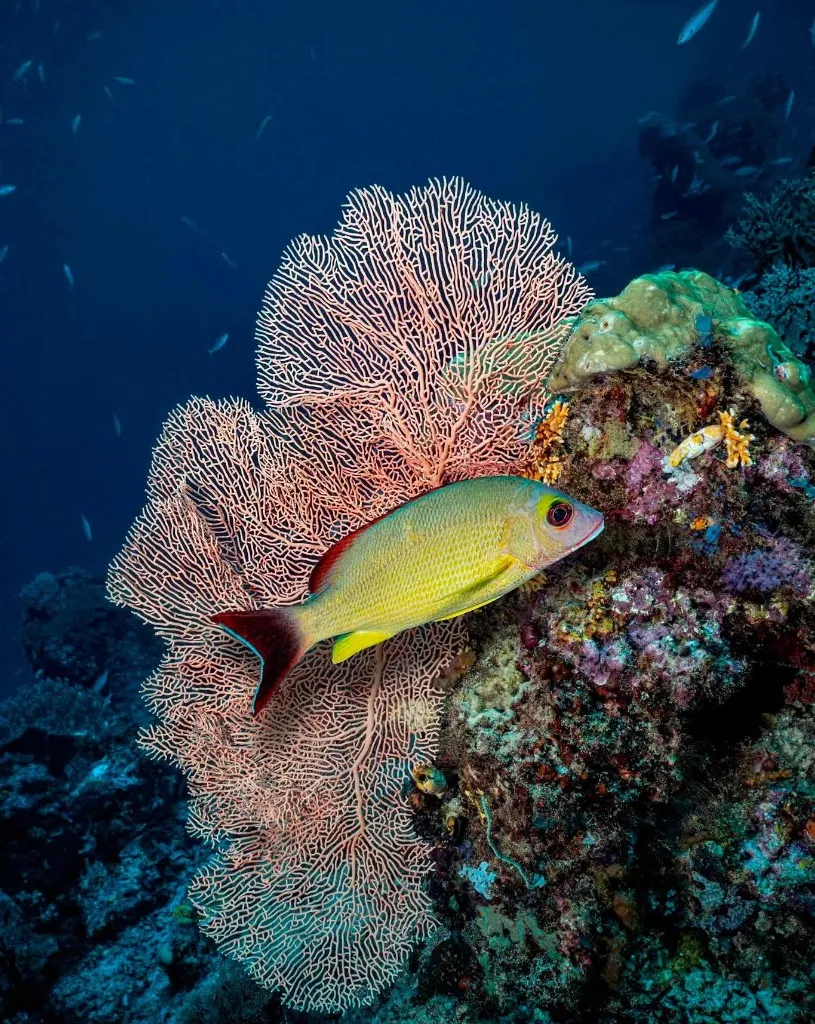
The diverse underwater landscape of Playa Benge supports a range of marine life, thriving among the sandy grooves, coral patches, and rocky outcrops. Divers frequently encounter typical Caribbean inhabitants such as various snapper, angelfish, grunts, and parrotfish.
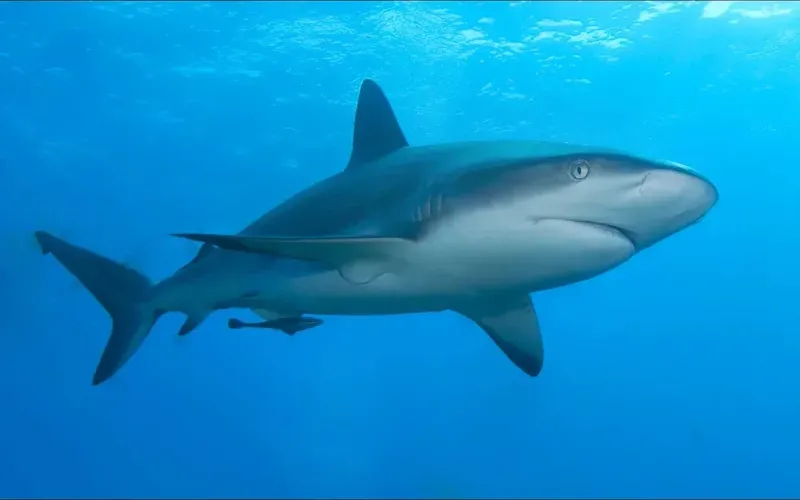
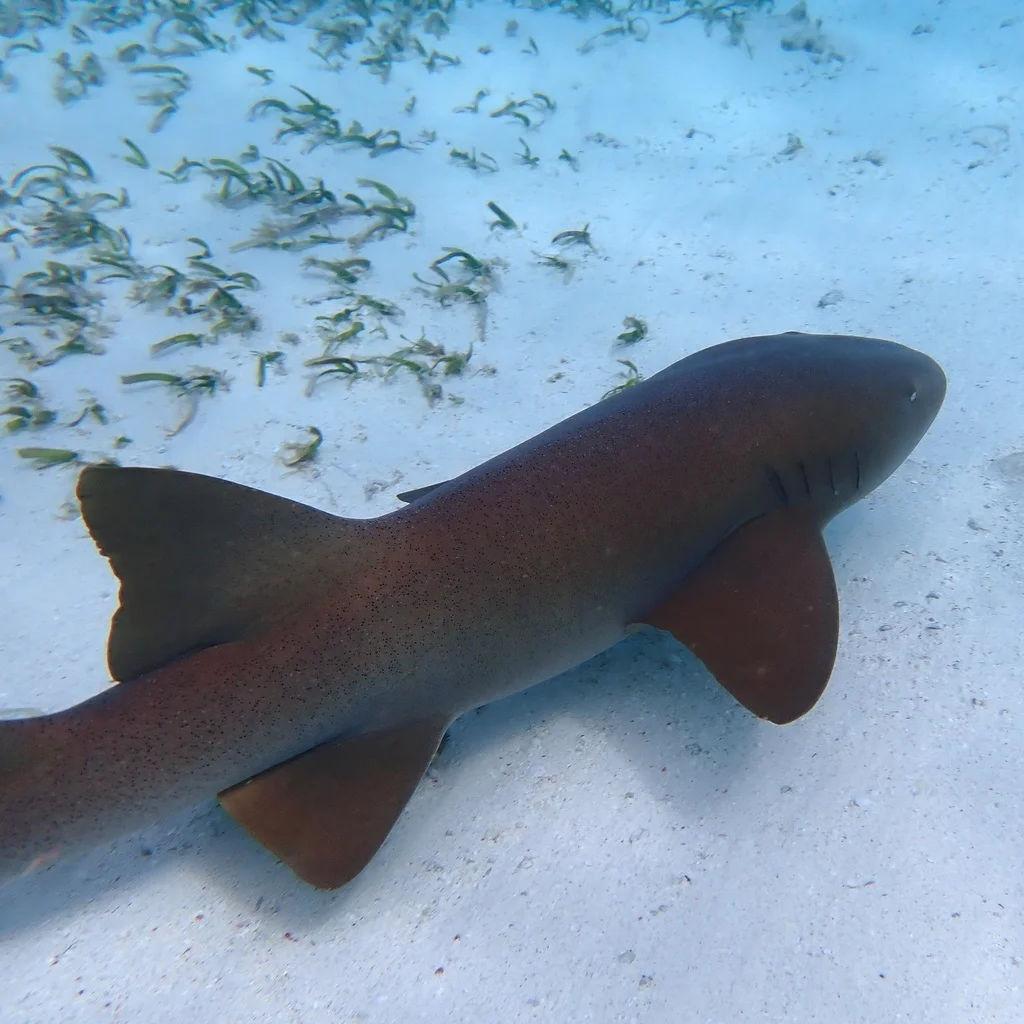
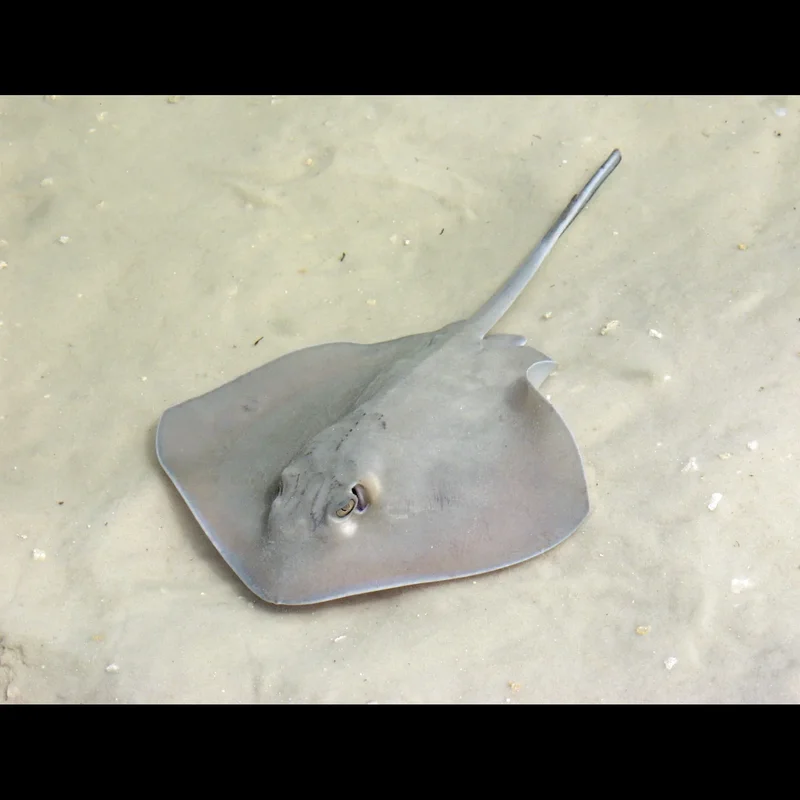
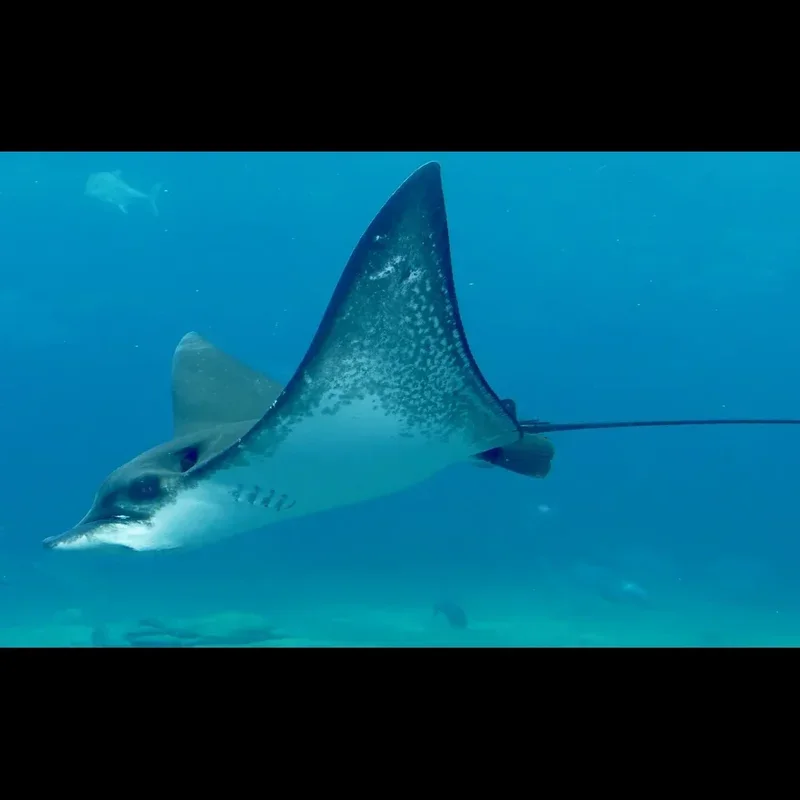
Sightings of nurse sharks and reef sharks are possible here. Additionally, lucky divers might spot majestic eagle rays or common stingrays gracefully navigating the sandy areas, adding to the richness of the underwater experience.
Dive Centers Near Playa Benge
Nearest Airports
Nearest airports to help plan travel to this dive area.
Search Flights
Check available flights and routes on Expedia, using the nearby airports listed in this section.
Search Flights on ExpediaFrequently Asked Questions
What is the maximum depth at Playa Benge?
Playa Benge features a reef that descends to a maximum site depth of 40 meters (130 ft). However, recreational dive limits or recommended certifications often target shallower sections, with the first reef extending to about 18 meters (59 ft).
Are there strong currents at Playa Benge?
Currents at Playa Benge are typically mild, and surge is generally absent. This makes it a comfortable dive site for divers of varying experience levels.
What kind of marine life can I expect to see?
Divers at Playa Benge can anticipate seeing a variety of Caribbean fish, including snapper, angelfish, grunts, and parrotfish. Encounters with nurse and reef sharks are possible, along with eagle rays and stingrays.
Is Playa Benge accessible from shore?
Yes, Playa Benge is a shore-accessible dive site. You'll need to reach it via the Washington Slangbaai National Park, and a swim is required to get to the first drop-off.
Do I need a permit to dive at Playa Benge?
No, there are no specific permits reported as required for diving at Playa Benge. However, always confirm any national park entry requirements or fees before your visit.
What are the water temperatures like?
Water temperatures at Playa Benge are warm year-round. Summer months (May-November) typically see temperatures between 27-30°C (81-86°F), while winter months (December-April) range from 25-28°C (77-82°F).
Planning to dive Playa Benge?
Send one inquiry and receive offers directly from the best verified local dive operators.
Conditions are Moderate
Optimal conditions expected
Current conditions near Playa Benge show 29° air, 29° sea temperature, 1.2 m waves, and 40 km/h wind. Forecast data is refreshed regularly to ensure accuracy.