
Diving at Magic Wall (New Zealand)
Conditions at Magic Wall in New Zealand vary, presenting a dynamic environment for divers. Air temperatures range from a cooler 13.5°C (56°F) in August to warmer highs around 20°C (68°F) in February, influencing surface comfort. Water temperatures generally stay between 14-20°C (57-68°F), requiring appropriate thermal protection. Moderate currents, typically between 1-3 knots, are common, particularly within the Labrid Channel.
Tonight's objective overview for Magic Wall shows an air temperature of 15.5°C. The measured surface conditions include wave heights around 1.4 m. This environmental data is logged for the close of the day.
Dive Site Location & Key Facts
Dive Site Overview
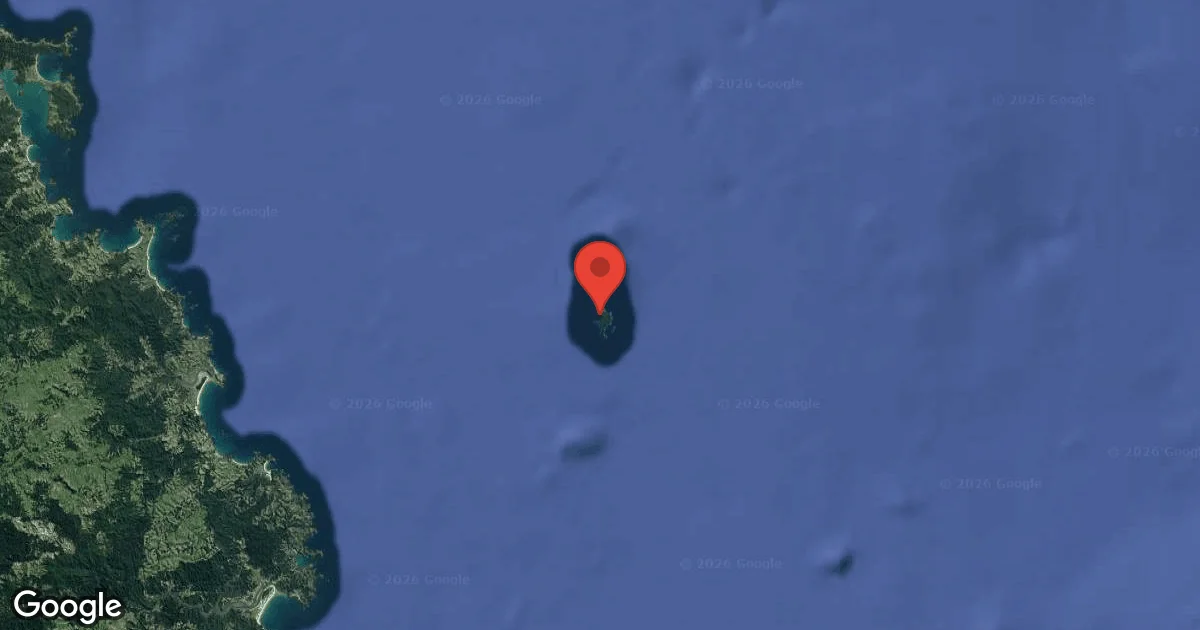
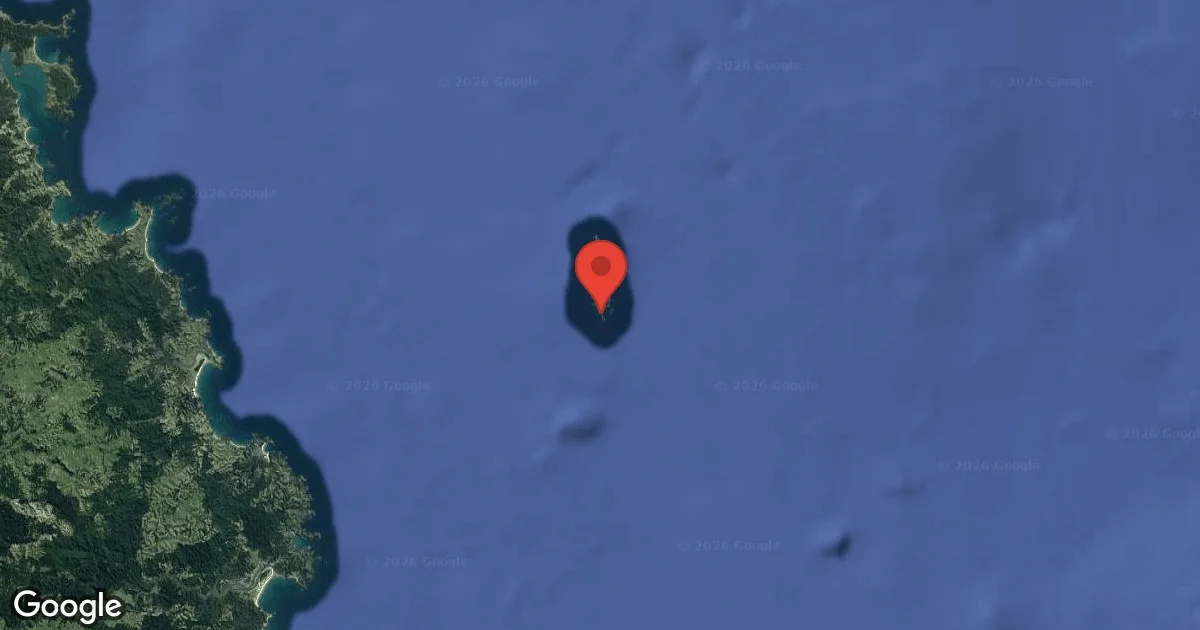
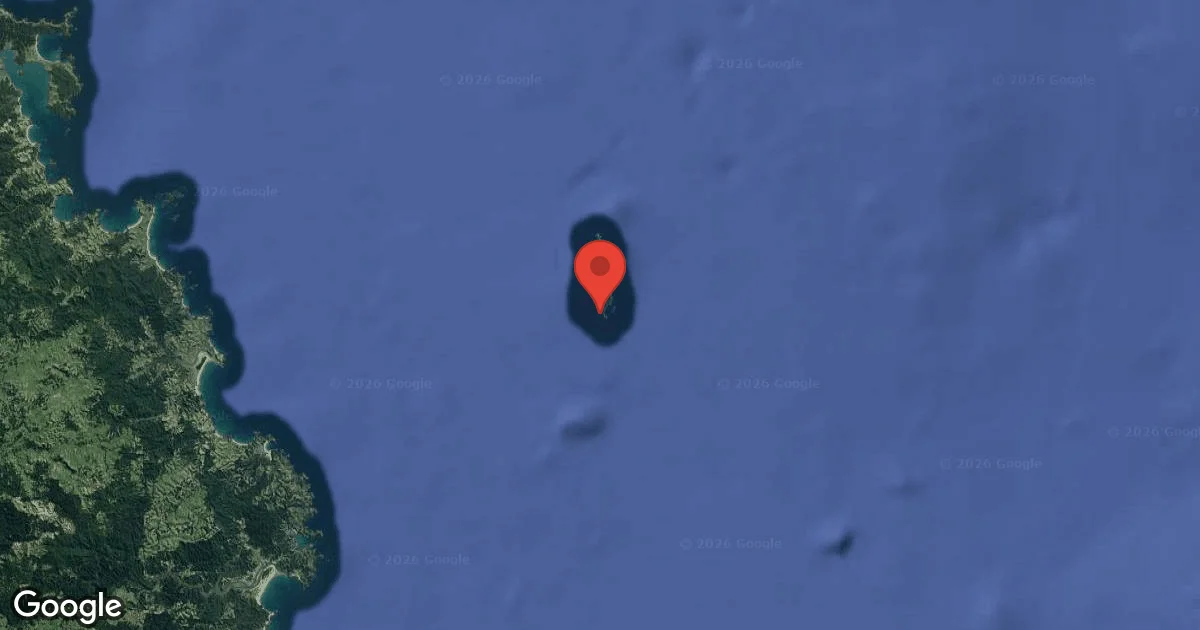
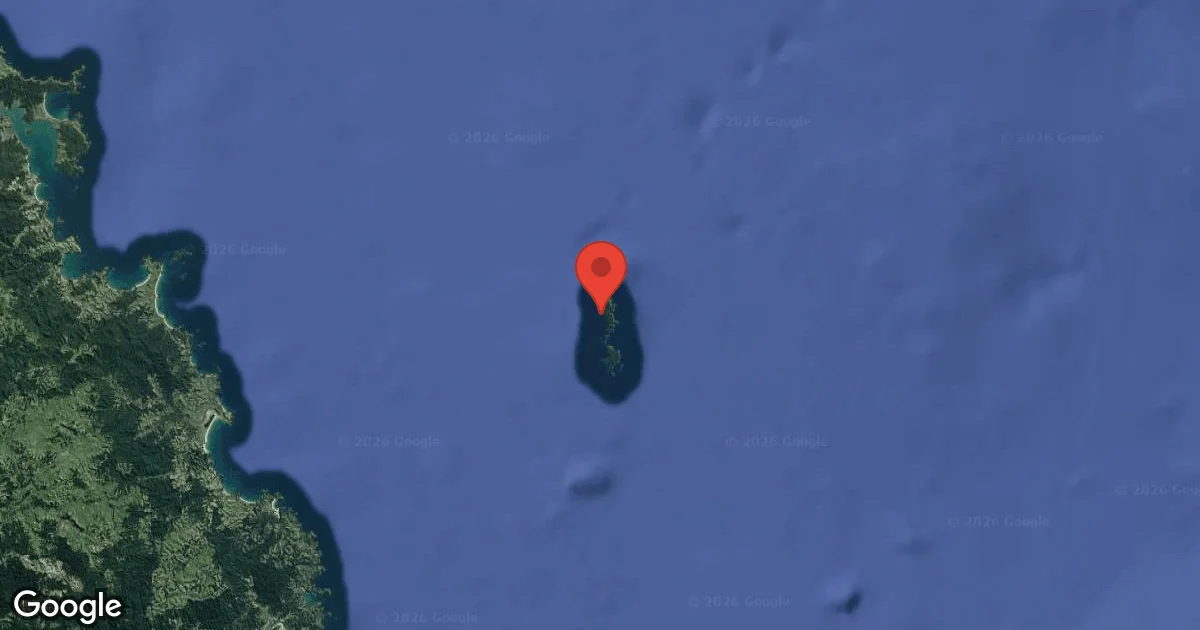
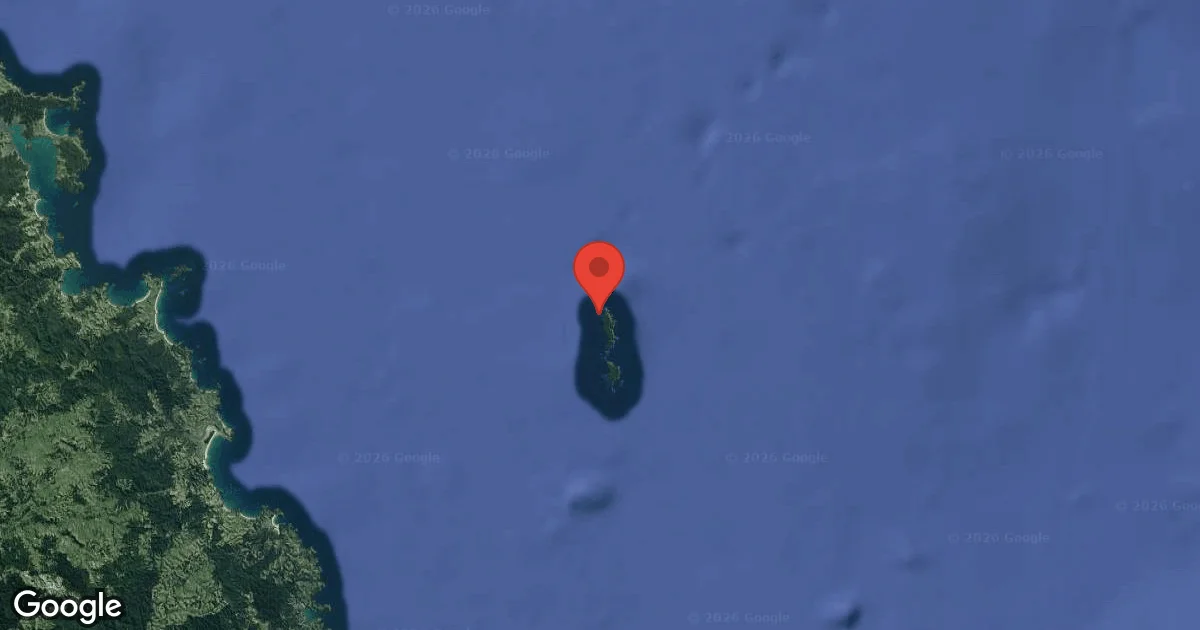
Magic Wall, positioned within the Poor Knights Islands, captivates divers with its intensely covered vertical reef structures, offering an immersive journey. The site presents a living tapestry, characterized by extensive, complex growth across its surfaces.
Here, a remarkable variety of invertebrates thrives, making it a key attraction for macro enthusiasts. Its diverse nudibranch population is particularly notable, becoming especially abundant from late winter through spring, adding vibrant detail to every inch of the reef. While the primary wall typically remains at depths of around 18 m (60 ft) and shallower, venturing past the sand line can lead divers into deeper areas towards Ngaio Rock and the adjacent reef, where depths reach about 20 m.
Small caves and other intricate reef formations also punctuate the wall, inviting closer inspection and discovery. Exploring this dynamic environment requires precise buoyancy and careful fin control to fully appreciate its vibrant micro-ecosystems without disturbing the delicate resident marine life.
Conditions are Moderate
High Wind Advisory (47km/h). Unsafe surface.
Current conditions near Magic Wall show 15° air, 16° sea temperature, 1.4 m waves, and 47 km/h wind. Forecast data is refreshed regularly to ensure accuracy.
Best Time to Dive
Planning your dive at Magic Wall largely depends on your interest in macro life and overall conditions. Late winter into early spring (August to October) is particularly good for observing Clown Nudibranchs, with other species emerging throughout the spring months. Historically, November and February show 'Good' dive scores, coinciding with warmer air temperatures; February often sees averages around 20°C (68°F). Rainfall is typically lower in February, around 0.9 mm, contributing to better surface conditions. For those preferring clearer waters, visibility can be excellent, sometimes reaching up to 25 m (82 ft) between April and June, though it can drop to 10 m (33 ft) in November, suggesting variability. Current conditions are also a factor; calmer days enhance the experience along the wall.
PEAK SEASON SCORE
Scores combine air & water temps, waves, wind & rainfall for overall conditions.
BEST MONTHS TO DIVE
Monthly records compiled from satellite and marine observation nodes over the last 3 years. Data provided by Open-Meteo and MET Norway.
Dive Experience & Conditions
Approaching Magic Wall, divers are greeted by a shallow, kelp-covered bay at around 5 m (16 ft), which transitions into the main vertical reef. The sensation is one of descending alongside a living tapestry, densely populated with bryozoans, filter feeders, and gorgonian fans. Visibility can be quite variable, with reports ranging from an average 10 m (33 ft) up to 25 m (82 ft), depending on the season and recent weather patterns. Water temperatures generally hover between 14-20°C (57-68°F). Currents are often present, especially within the Labrid Channel, where they can reach 1-3 knots. Maintaining precise buoyancy and employing controlled finning techniques, such as a frog kick, becomes essential to navigate the wall's intricate features and avoid inadvertent contact with the abundant marine growth.
Dive Difficulty & Safety Guidelines
Diving at Magic Wall is suitable for Open Water certified divers and above, but it requires a solid understanding of buoyancy and fin control. This helps prevent accidental contact with the richly encrusted wall, which can damage delicate organisms. Awareness of your depth is crucial; while the wall provides shallower opportunities, straying from it towards the sand line or Ngaio Rock can lead to deeper water quickly, typically remaining above 20 m (66 ft).
Pay close attention to currents, particularly when near the Labrid Channel, as they can be strong. Staying close to the reef structure can help mitigate the effects of current, but always be mindful of your proximity to the wall itself.
Recommended Equipment
- Dive Computer
- DSMB
This gear list is based on verified equipment signals for Magic Wall, New Zealand. Always confirm final gear choices with your dive operator, guide, or liveaboard.
Recommended Dive Suit
Divers who spend more time observing marine life often prefer slightly warmer gear.
The water around Magic Wall is currently holding at approximately 16°C (61°F), setting the tone for today's dives. Surface air temperatures are resting at 15°C (60°F). Water temperatures in this range are often well suited to diving with 5-7mm wetsuit. A thermal robe or jacket is recommended between dives.
Environmental conditions appear stable for the near future.
Emergency & Medical Support
Essential information to help you plan your dive trip to Magic Wall.

Hyperbaric chambers are a critical part of dive safety infrastructure. Availability varies significantly by region, and not all dive areas have immediate access.
Before diving, it's recommended to:
- confirm nearest medical facilities
- check emergency procedures with local dive operators
- ensure dive insurance covers evacuation if required
Divers Alert Network
Diving emergency assistance available through DAN World.
+1-919-684-9111- 24/7 emergency hotline
- Diving medical assistance
- Evacuation coordination
Emergency contacts are provided for reference. Always verify local emergency services before diving.
Marine Life at Magic Wall
The underwater landscape of Magic Wall is a vibrant display, particularly appealing to those with an eye for smaller creatures. Nudibranchs are a consistent highlight, with numerous species present, including the noticeable Clown Nudibranchs during late winter and early spring.
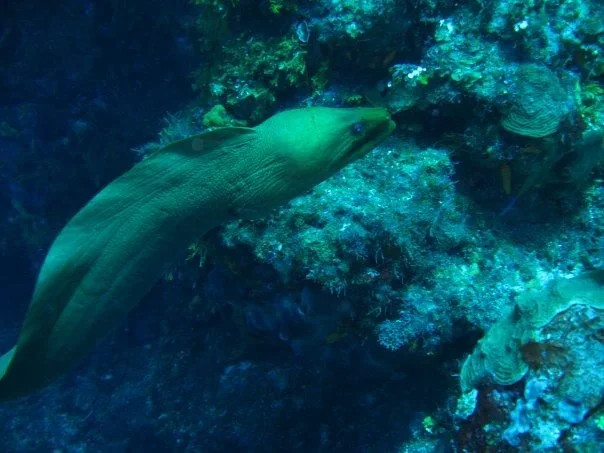
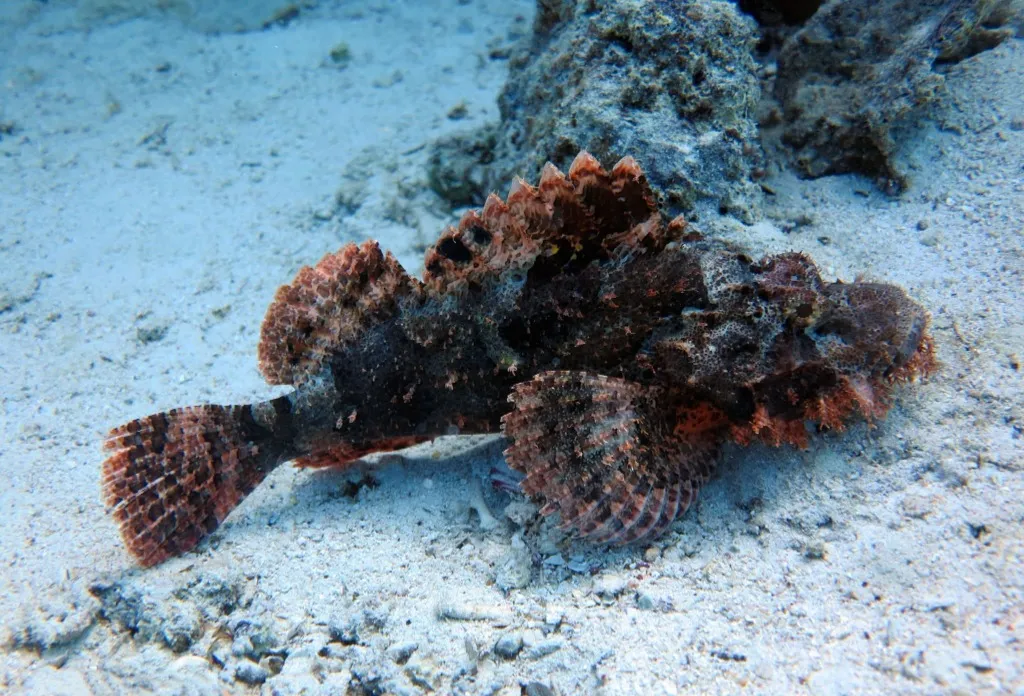
Moray eels, such as the Mosaic Moray, often inhabit the cracks and crevices along the wall. Divers frequently encounter various fish species, including juvenile wrasse, demoiselles, and scorpionfish nestled among the growth.
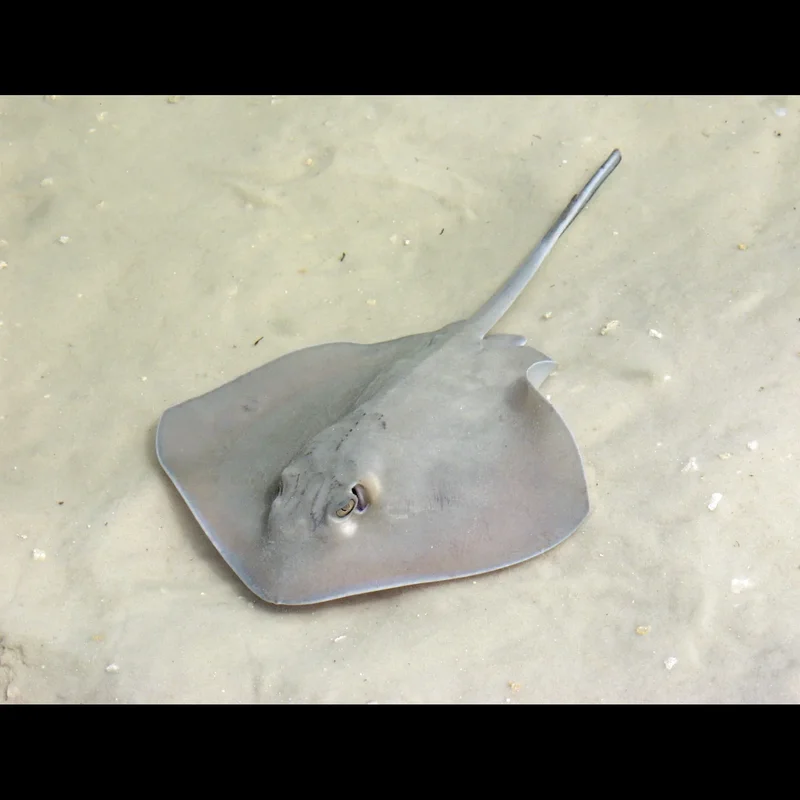
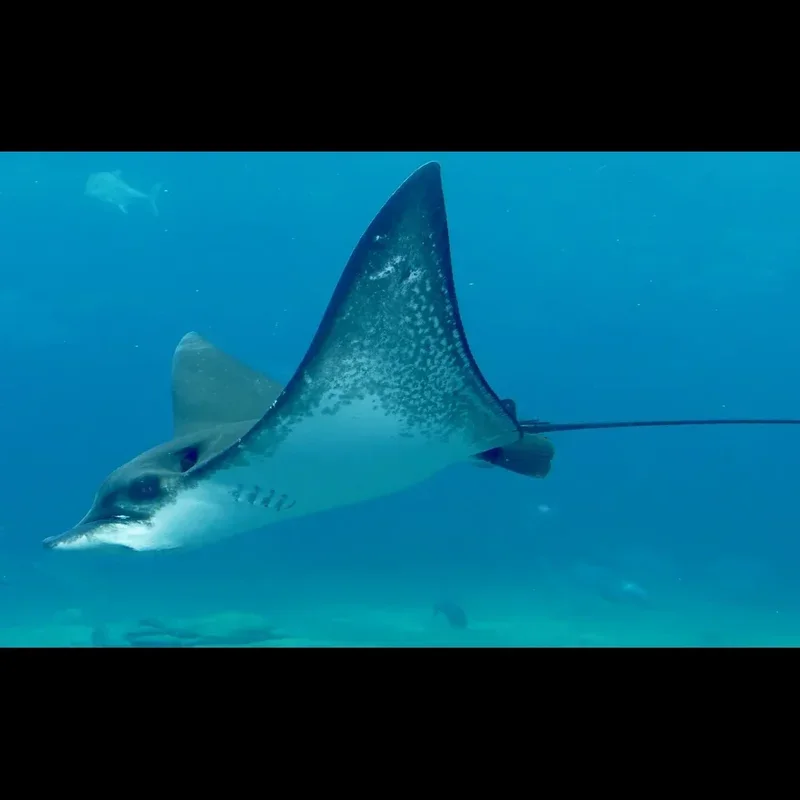
Out in the blue, schooling fish can be observed, sometimes attracting patrolling kingfish. Stingrays and eagle rays are also occasional sightings over the sandy areas near the wall's base.
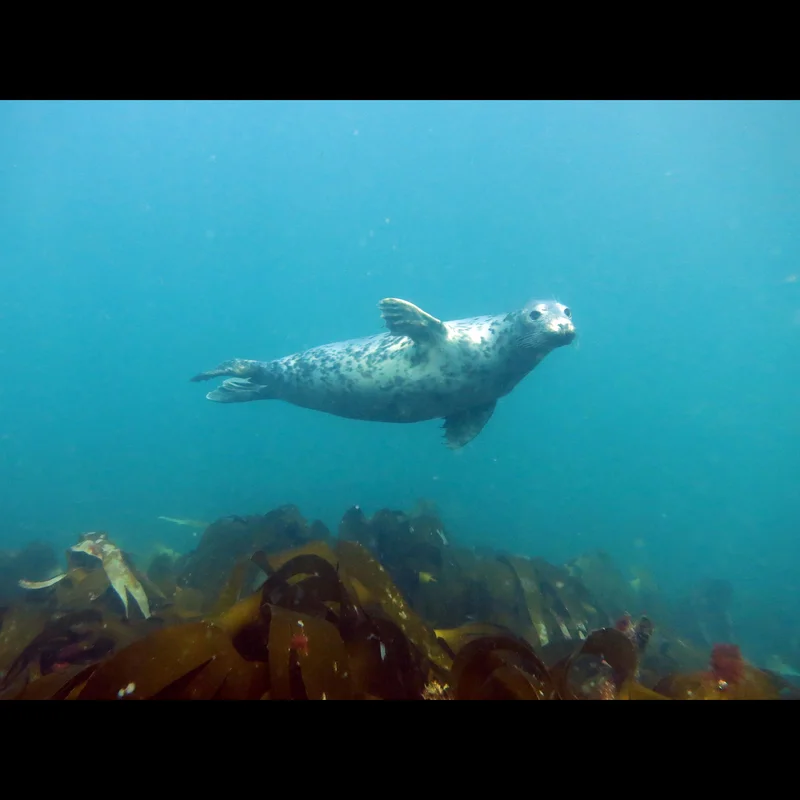
Dive Sites Near Magic Wall
View all dive sites in New ZealandDiscover more underwater gems in this area.
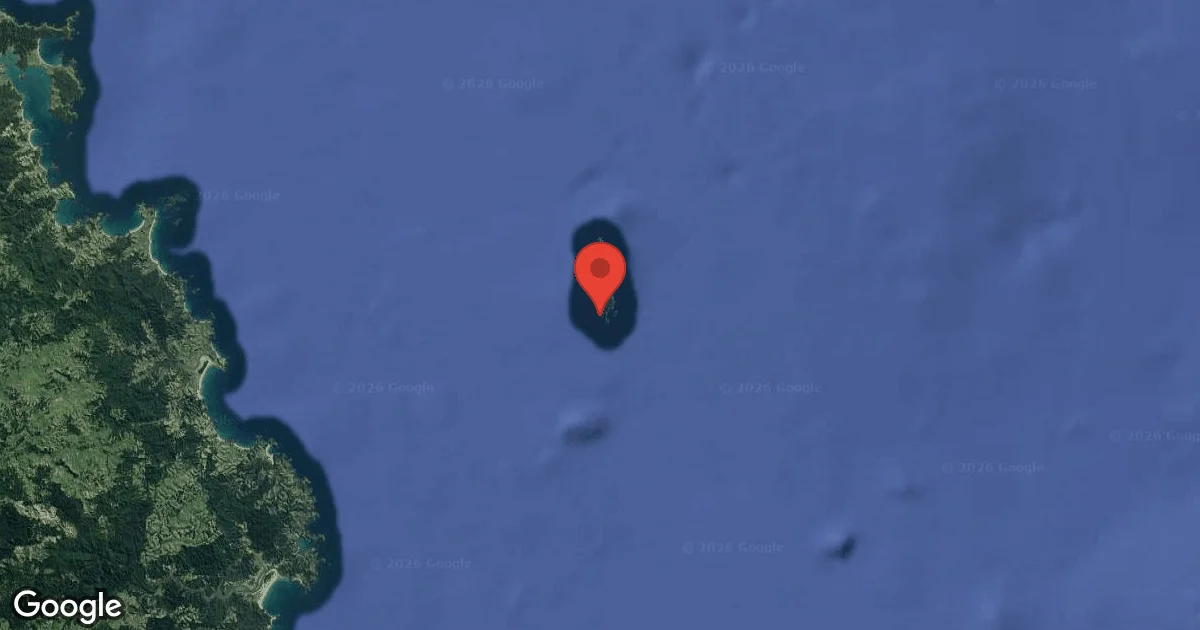
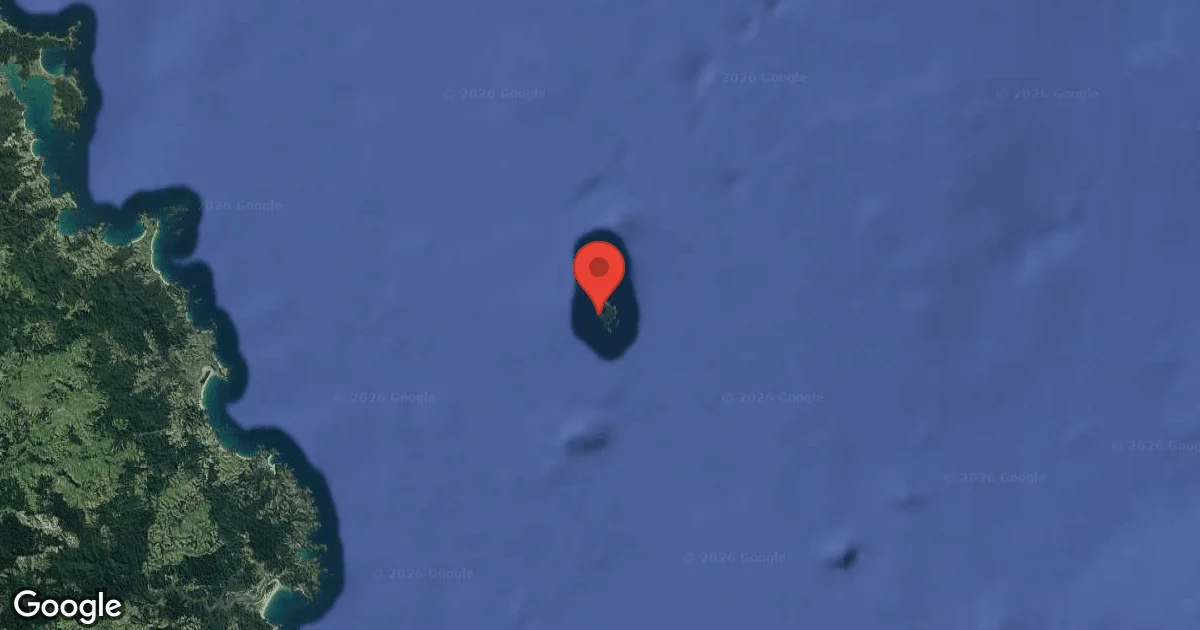
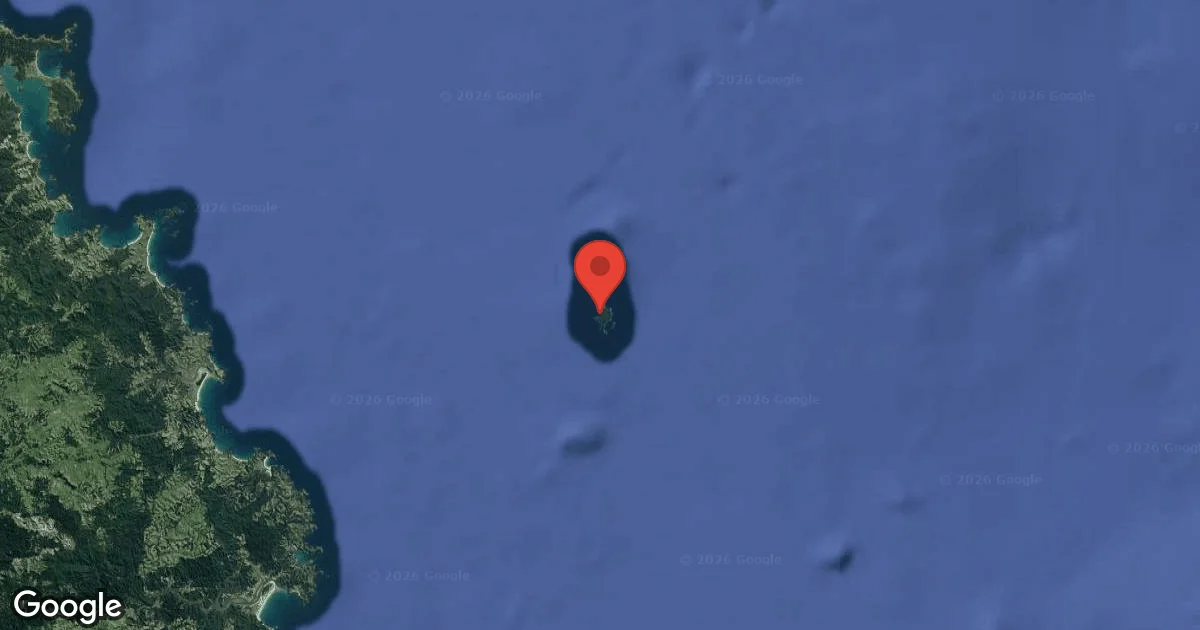
Dive Centers Near Magic Wall
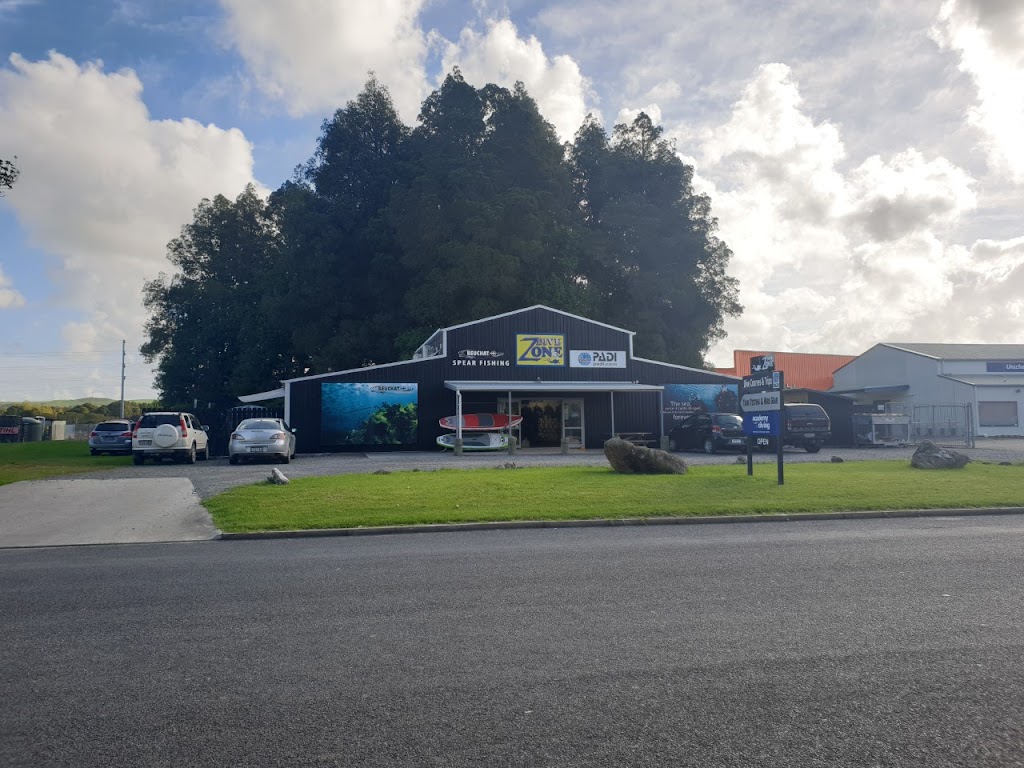
Today: 08:00 - 17:00
Nearest Airports
Nearest airports to help plan travel to this dive area.
Search Flights
Check available flights and routes on Expedia, using the nearby airports listed in this section.
Search Flights on ExpediaFrequently Asked Questions
What is the typical depth range for a dive at Magic Wall?
The wall itself offers diving opportunities starting from shallow kelp-covered areas, extending to about 18 meters (60 ft). However, exploring away from the main wall towards Ngaio Rock can lead to deeper zones, with a maximum reported depth around 20 meters.
Are there strong currents at Magic Wall?
Currents can vary, generally ranging from 1-3 knots. Divers should be particularly aware of stronger currents that can occur within the Labrid Channel. Good current awareness and control are beneficial for this site.
What kind of marine life can I expect to see?
Magic Wall features a diverse nudibranch population, particularly vibrant from late winter through spring. Divers also frequently encounter moray eels, various wrasse and snapper, and schooling fish. Additionally, expect to see stingrays and a colorful array of corals and invertebrates across the wall.
Is this dive site suitable for Open Water divers?
Yes, Magic Wall is suitable for Open Water divers and above. However, due to the intricate wall structure and potential currents, good buoyancy control and finning techniques are essential to fully enjoy the site and protect its delicate ecosystem.
What is the water temperature like?
Water temperatures at Magic Wall typically range between 14-20°C (57-68°F). Thermal protection, such as a 5mm or 7mm wetsuit, is generally recommended for comfort during dives.
What is the best way to navigate the wall?
It's recommended to follow the wall clockwise, admiring the intense coverage. If you find yourself over a sand line, you're heading towards deeper water and should turn back towards the wall. Using fin techniques like the frog kick helps avoid disturbing the reef.
Planning to dive Magic Wall?
Send one inquiry and receive offers directly from the best verified local dive operators.
Conditions are Moderate
High Wind Advisory (47km/h). Unsafe surface.
Current conditions near Magic Wall show 15° air, 16° sea temperature, 1.4 m waves, and 47 km/h wind. Forecast data is refreshed regularly to ensure accuracy.