
Diving at Matherson Bay (New Zealand)
At Matherson Bay, the underwater landscape gradually unfolds from the shoreline, a characteristic of many beach dives in New Zealand. A sandy entry typically gives way to more structured environments further out, where rocky outcrops and scattered reef sections might emerge. While specific underwater features aren't consistently detailed for this exact bay, it generally reflects the varied coastal topography of the region, providing a foundation for diverse marine interactions. This progressive depth profile offers opportunities for exploration across different zones.
As evening covers Matherson Bay, the local air temperature is measured at 16.5°C. The current wave height at the surface is recorded at 1 m. These late-day readings characterize the surface conditions for the night.
Dive Site Location & Key Facts
Dive Site Overview
For divers seeking straightforward coastal access, Matherson Bay presents itself as a practical beach dive in New Zealand's North Island. As a shore-entry site, it facilitates ease of access for local divers and training purposes.
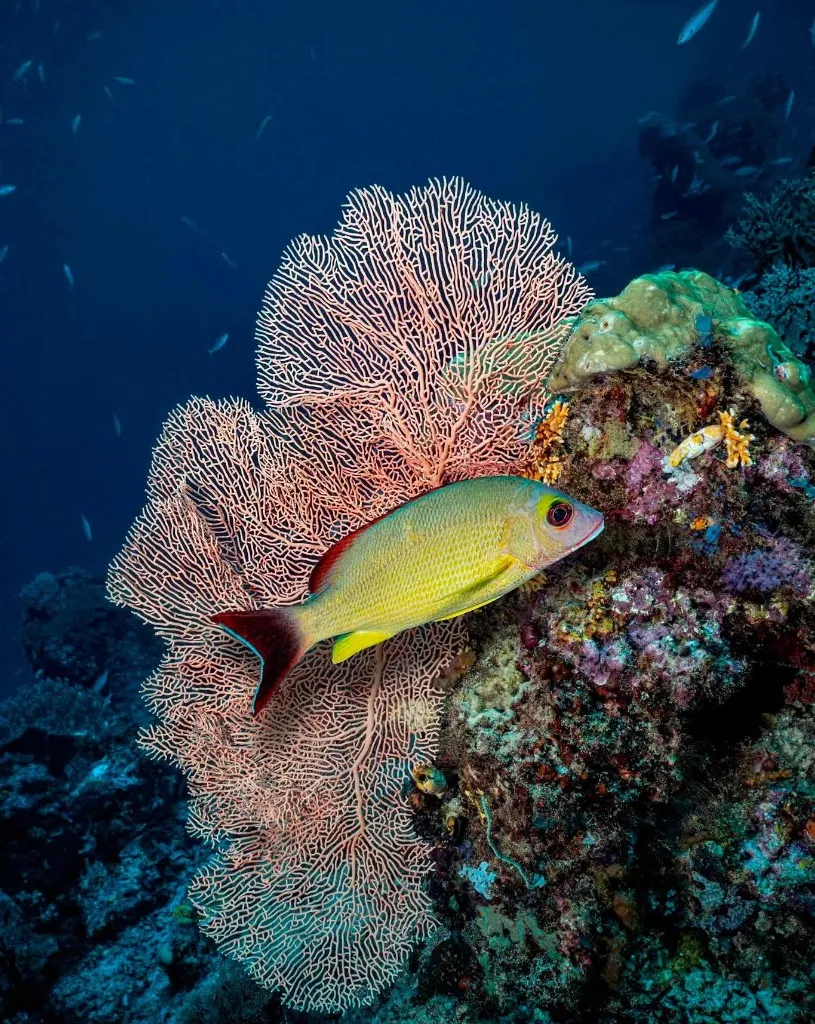
The bay is recognized for potential encounters with a range of marine life, from smaller reef inhabitants to larger pelagics. Reports indicate possible sightings of species such as snapper, goatfish, octopus, and various wrasse.
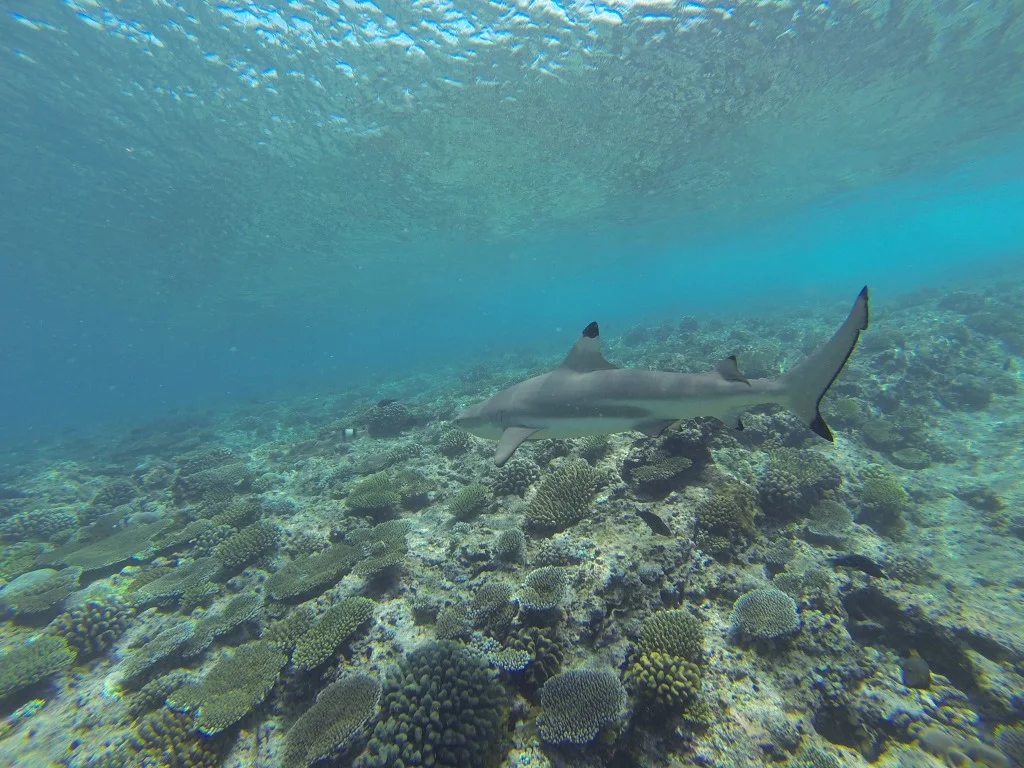
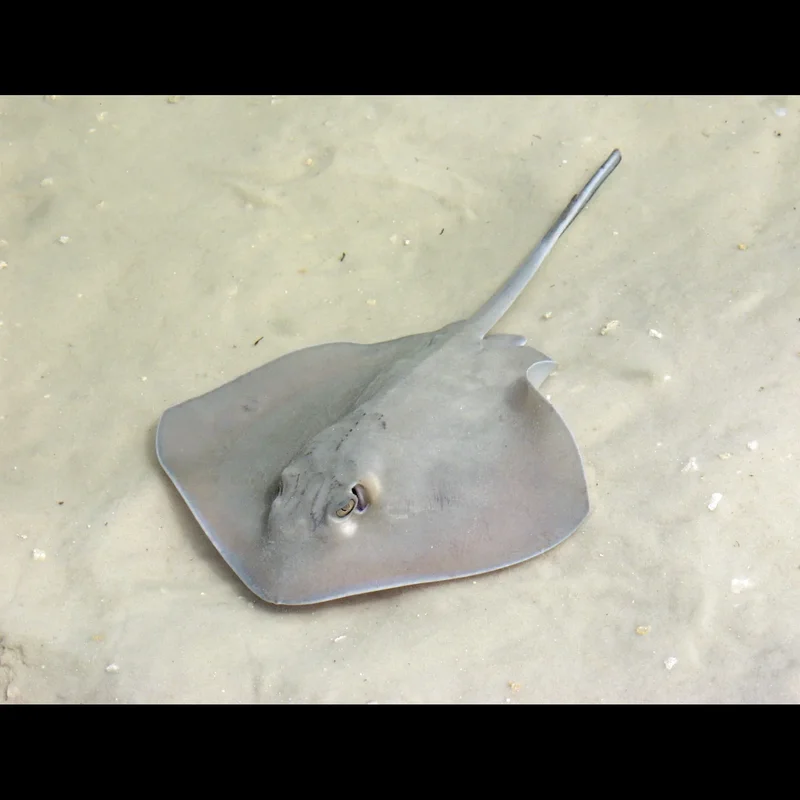
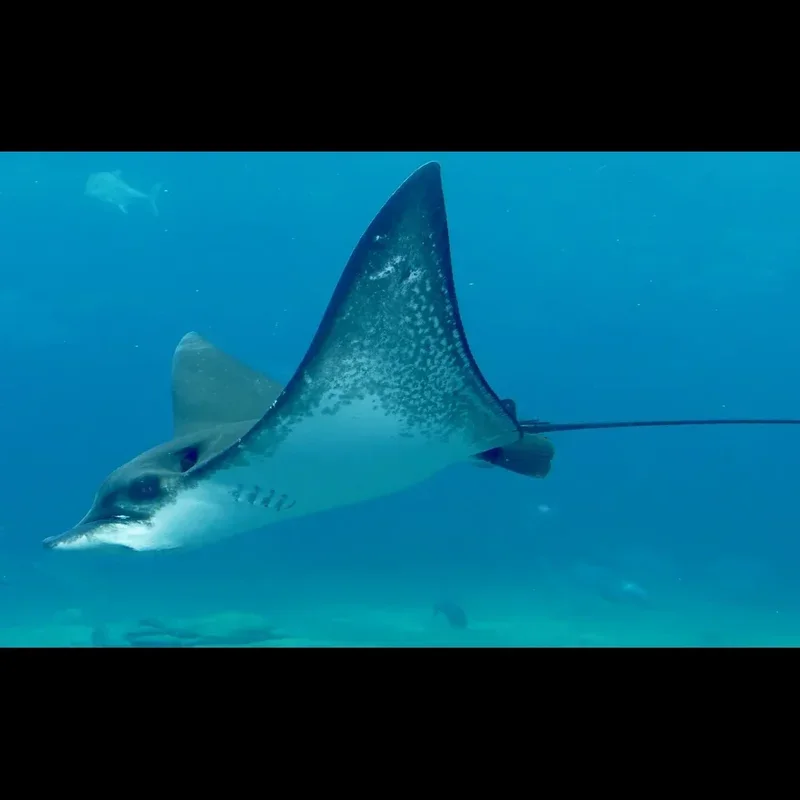
More notably, there are occasional observations of eagle rays, stingrays, and even the larger visitors like sharks, whales, dolphins, and turtles, though such sightings often depend on seasonal migrations and prevailing conditions. The nature of a beach dive means a gradual slope from the shallows, allowing divers to choose their preferred depth profile without the complexities of boat logistics.
While specific maximum depths for Matherson Bay aren't widely documented, nearby coastal sites often descend to 20-25 meters (65-80 ft), suggesting similar potential for exploration offshore. This accessible profile makes it appealing for various certification levels, from introductory dives to more advanced explorations along its underwater contours.
Conditions are Moderate
Optimal conditions expected
Current conditions near Matherson Bay show 17° air, 15° sea temperature, 0.9 m waves, and 40 km/h wind. Forecast data is refreshed regularly to ensure accuracy.
Best Time to Dive
Optimal diving conditions at Matherson Bay generally align with periods of calmer seas and reduced rainfall, which significantly influence underwater visibility. The months from January to March, and again from July through December, tend to offer "Good" dive scores based on climate averages. During these periods, average wave heights typically range between 0.7-0.9 meters (2.3-3 ft), contributing to clearer water. Rainfall is also generally lower, averaging 1.7-4.8 mm (0.07-0.19 inches) in good-score months, which helps maintain better visibility by limiting runoff. Air temperatures during these favorable months hover between 12-20°C (54-68°F), providing a comfortable surface environment. However, for those prioritizing maximum visibility, monitoring local weather forecasts is crucial, as any significant wind or swell, particularly from April to June when wave heights average around 1.0-1.2 meters (3.3-3.9 ft) and dive scores are "Moderate," can noticeably diminish underwater clarity.
PEAK SEASON SCORE
Scores combine air & water temps, waves, wind & rainfall for overall conditions.
BEST MONTHS TO DIVE
Monthly records compiled from satellite and marine observation nodes over the last 3 years. Data provided by Open-Meteo and MET Norway.
Dive Experience & Conditions
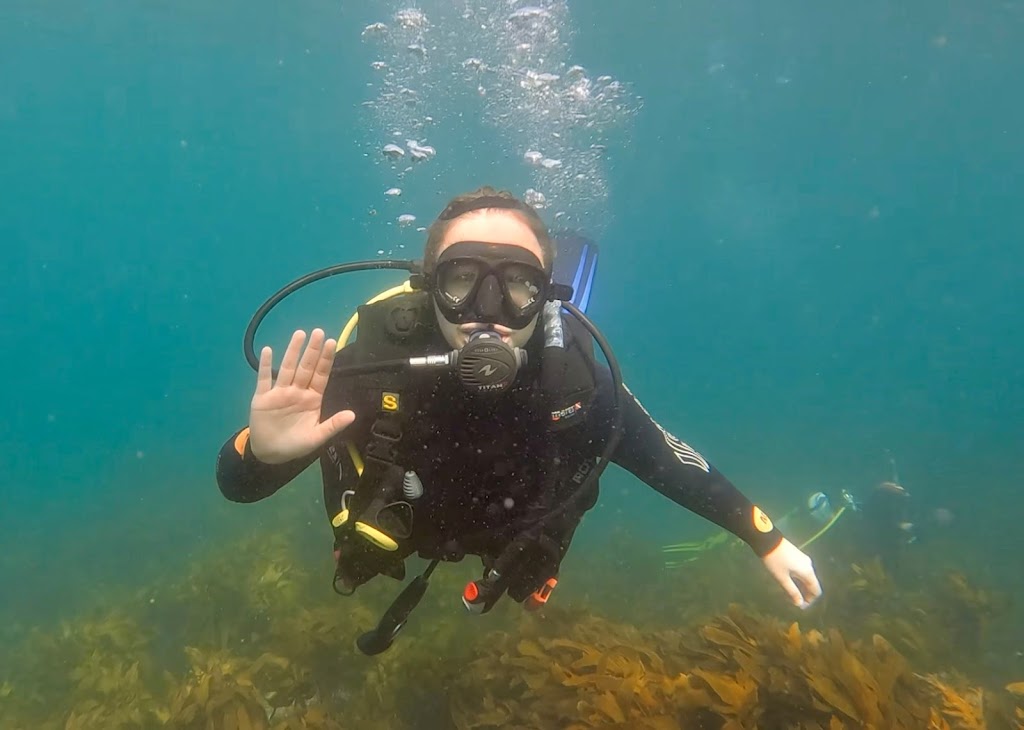
Descending into Matherson Bay's waters, divers typically find a gently sloping sandy bottom near the shore, characteristic of a beach entry. As one progresses further offshore, the substrate often transitions, potentially revealing rocky formations or patches of reef. Water temperatures for the bay are not consistently reported; however, coastal New Zealand waters in this region typically experience seasonal variations, feeling cooler in winter and warming during summer. Given average air temperatures ranging from 12-20°C (54-68°F) throughout the year, appropriate thermal protection is a practical consideration for comfort. While significant currents are not consistently reported for Matherson Bay specifically, some nearby sites can experience changeable currents. Divers should always assess local conditions before and during the dive. Visibility here varies depending on recent weather, especially after heavy rainfall or during periods of higher wave activity, which can stir up sediment.
Dive Difficulty & Safety Guidelines
Navigating Matherson Bay's environment, like any coastal dive site, requires adherence to standard safety protocols. As a beach dive, entry and exit procedures are typically straightforward, though divers should always scout for optimal points and assess surf conditions. While specific hazards for Matherson Bay aren't detailed, boat traffic is a common consideration in popular coastal areas, particularly during warmer months.
Remaining aware of surface vessels and deploying a surface marker buoy are practical precautions. Although strong currents are not consistently reported for the bay, conditions can change, and divers should be prepared to manage potential water movement, especially if exploring further offshore.
Planning dives with a buddy, checking local tides, and having appropriate emergency procedures in place are fundamental for a safe and enjoyable experience at this accessible site.
Recommended Equipment
- Dive Computer
This gear list is based on verified equipment signals for Matherson Bay, New Zealand. Always confirm final gear choices with your dive operator, guide, or liveaboard.
Recommended Dive Suit
Comfort levels can also depend on how active a diver is during the dive.
Divers exploring Matherson Bay today will likely encounter water temperatures close to 15°C (60°F). Surface air temperatures are resting at 17°C (62°F). When water temperatures fall within this range, many divers dive comfortably with 5-7mm wetsuit. Consider warmer surface protection (like a boat coat) due to brisk winds. A thermal robe or jacket is recommended between dives.
Environmental conditions may feel slightly cooler as the week progresses. A significant temperature drop is forecast; strongly suggest bringing a backup warmer suit option. A thicker wetsuit may be worth considering for extended dives.
Due to technical issues with our weather providers, live updates are temporarily delayed. The data above reflects the conditions at the time of the last successful fetch.
Emergency & Medical Support
Essential information to help you plan your dive trip to Matherson Bay.

Hyperbaric chambers are a critical part of dive safety infrastructure. Availability varies significantly by region, and not all dive areas have immediate access.
Before diving, it's recommended to:
- confirm nearest medical facilities
- check emergency procedures with local dive operators
- ensure dive insurance covers evacuation if required
Divers Alert Network
Diving emergency assistance available through DAN World.
+1-919-684-9111- 24/7 emergency hotline
- Diving medical assistance
- Evacuation coordination
Emergency contacts are provided for reference. Always verify local emergency services before diving.
Marine Life at Matherson Bay
An exploration of Matherson Bay's subaquatic terrain can reveal a variety of marine inhabitants, complementing its characteristic beach dive profile. The sandy and rocky areas provide habitat for numerous species, including snapper, goatfish, and various wrasse, which are frequently observed.
Octopus are also known to frequent these waters, often found camouflaged among the rocks. Divers might encounter eagle rays and stingrays gliding over the seafloor.
While less frequent, broader sightings reported for the area include triggerfish and nudibranchs, adding to the diversity. The bay is also noted for the potential, albeit rare, presence of larger pelagic species like sharks, whales, dolphins, and turtles, which would represent a remarkable encounter in this coastal setting.
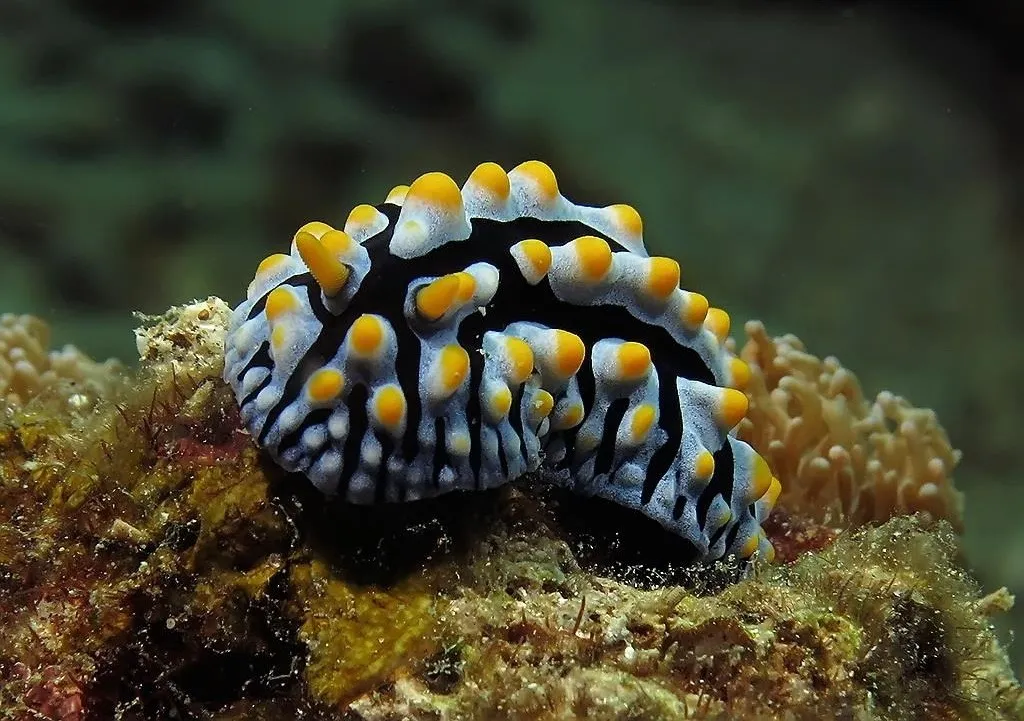
Dive Sites Near Matherson Bay
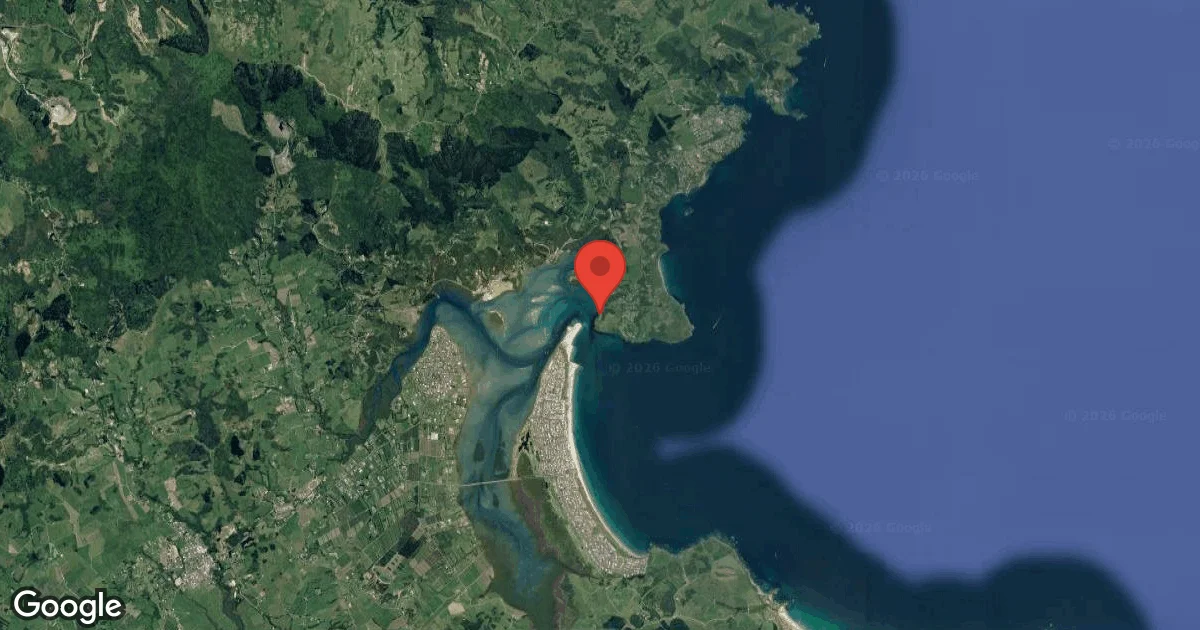
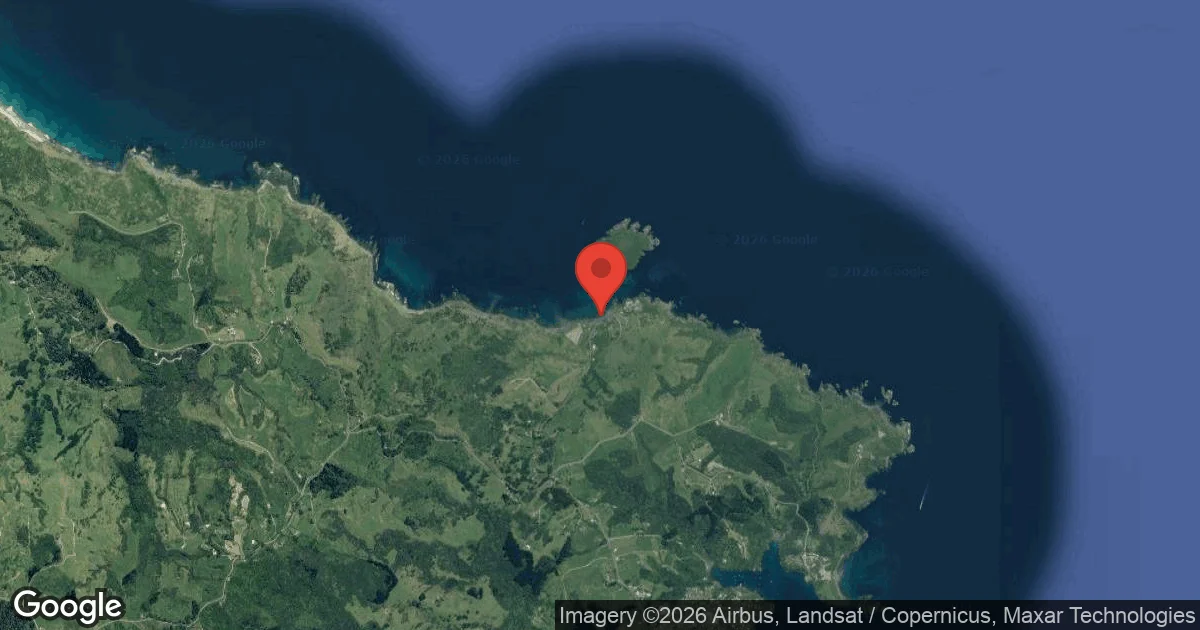
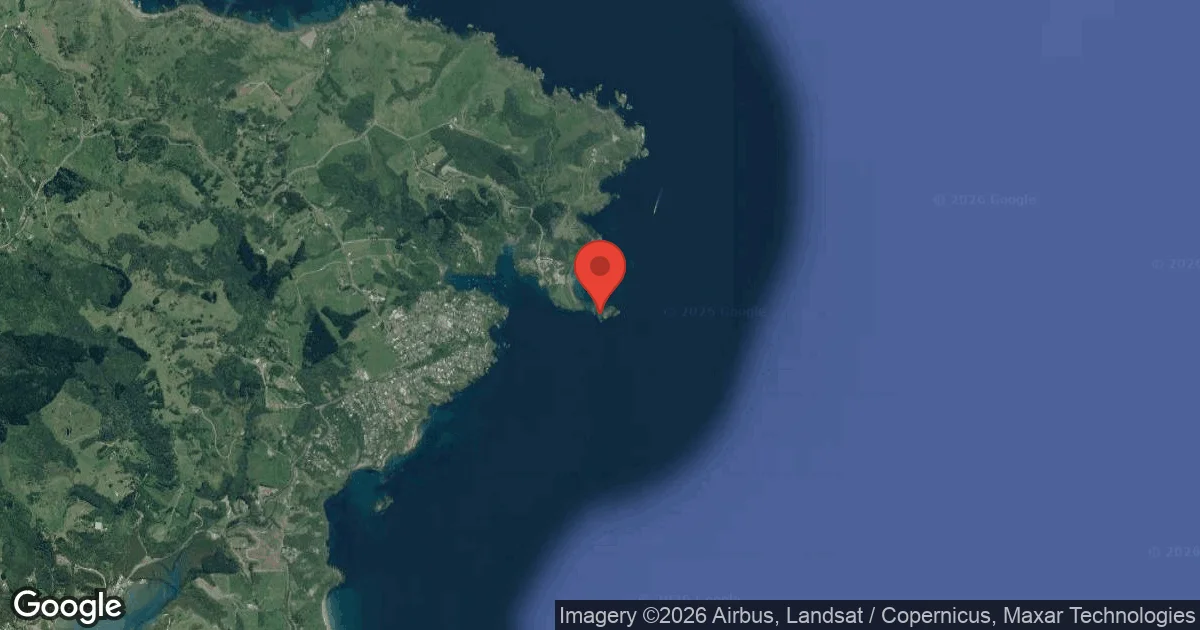
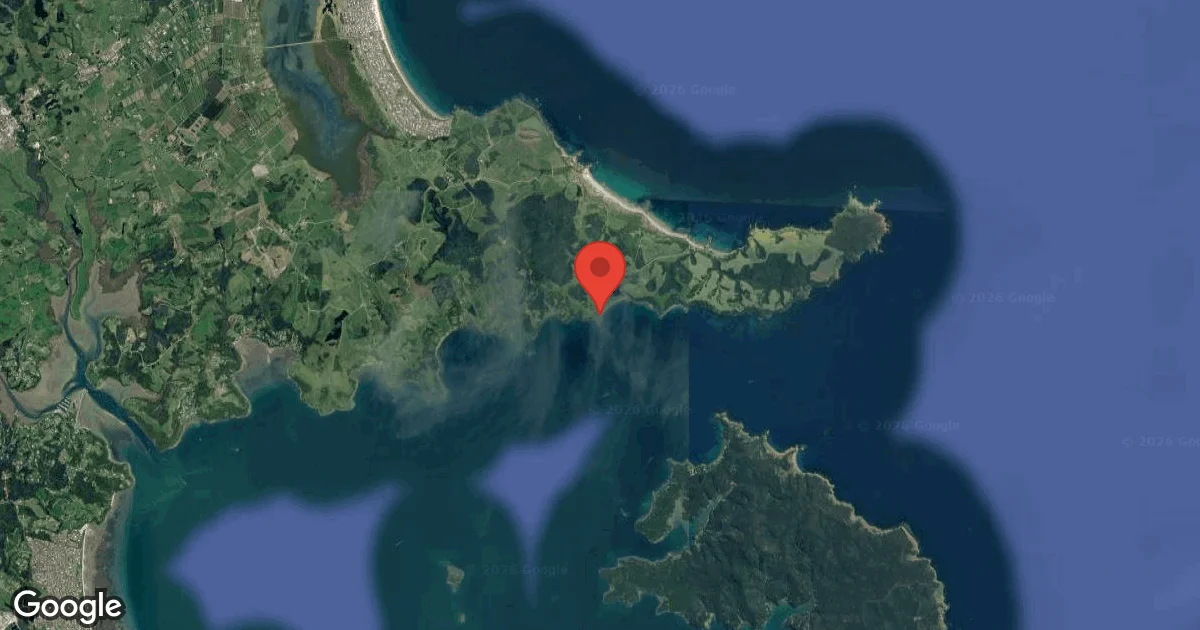
View all dive sites in New ZealandDiscover more underwater gems in this area.
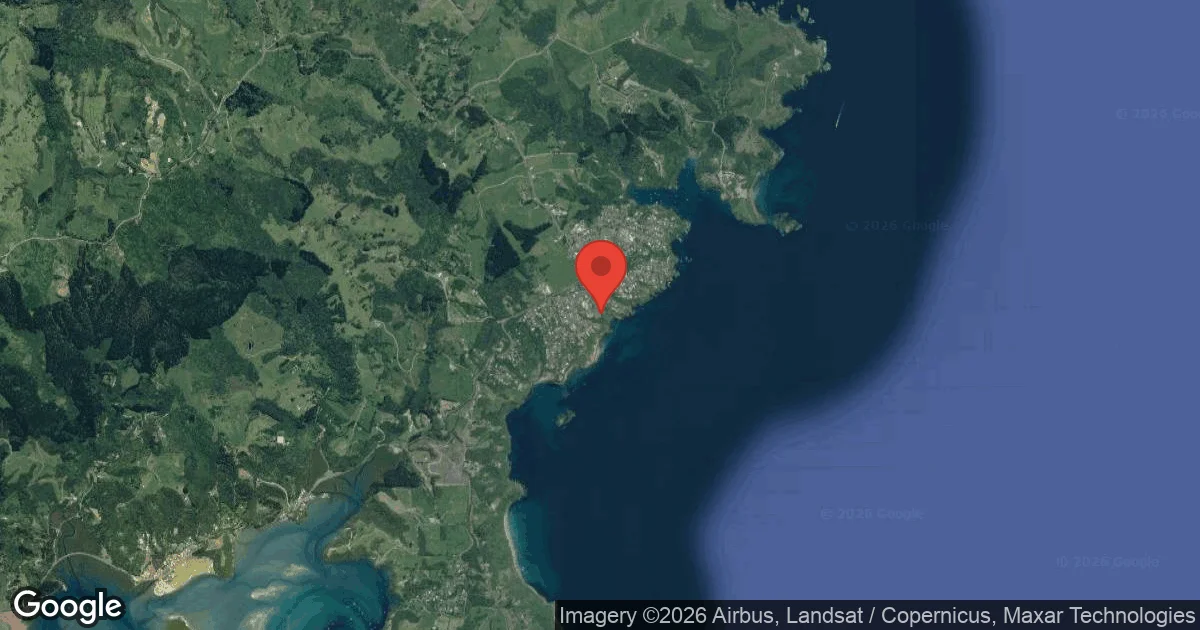
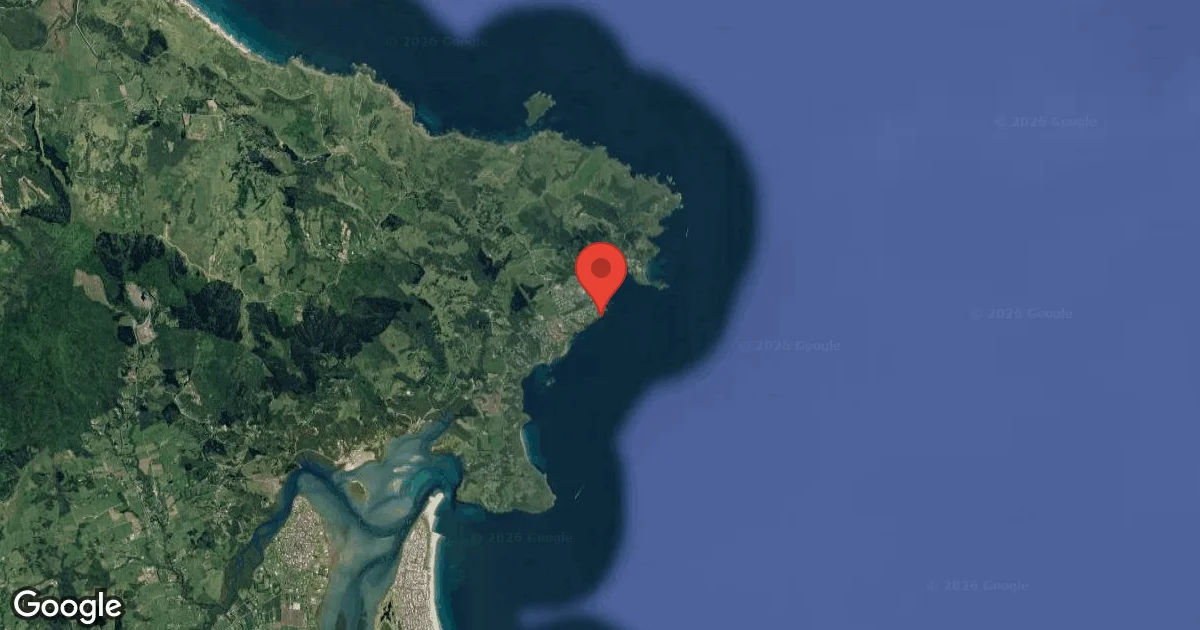
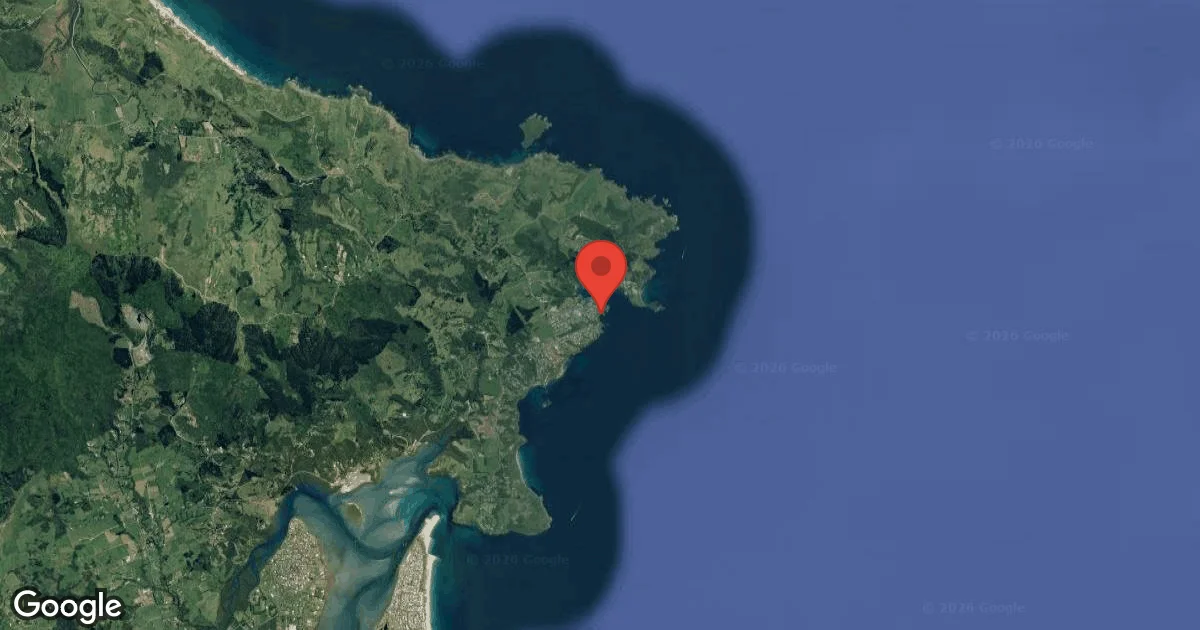
Dive Centers Near Matherson Bay
Today: 08:30 - 16:00
Nearest Airports
Nearest airports to help plan travel to this dive area.
Search Flights
Check available flights and routes on Expedia, using the nearby airports listed in this section.
Search Flights on ExpediaFrequently Asked Questions
Is Matherson Bay suitable for beginner divers?
Yes, Matherson Bay is generally considered suitable for beginners due to its beach entry and gradually sloping bottom. The accessible nature of the site makes it a practical location for training dives and gaining experience in coastal environments.
What kind of entry and exit can I expect at Matherson Bay?
Entry and exit at Matherson Bay are typically beach-style. Common methods include a seated backroll or donning gear in the water, offering a straightforward approach to accessing the dive site.
What is the typical visibility like?
Visibility at Matherson Bay can vary significantly, largely dependent on recent weather and sea conditions. Periods of calm weather and less rainfall generally lead to better underwater clarity compared to times with strong winds or heavy precipitation.
Are there strong currents at Matherson Bay?
Strong currents are not consistently reported for Matherson Bay itself. However, as with any coastal site, local conditions can change, so divers should always assess water movement prior to and during their dive.
What marine life might I see?
Divers might observe snapper, goatfish, octopus, and various wrasse species. There's also potential to spot eagle rays, stingrays, and less commonly, larger pelagic animals like sharks, whales, dolphins, and turtles.
What thermal protection is recommended for diving here?
Given the temperate New Zealand waters, which experience seasonal temperature variations, a thick wetsuit or drysuit is generally recommended for diving at Matherson Bay. This ensures comfort throughout the dive, especially in cooler months.
Planning to dive Matherson Bay?
Send one inquiry and receive offers directly from the best verified local dive operators.
Conditions are Moderate
Optimal conditions expected
Current conditions near Matherson Bay show 17° air, 15° sea temperature, 0.9 m waves, and 40 km/h wind. Forecast data is refreshed regularly to ensure accuracy.