
Diving atBlocks (Puerto Rico)
Blocks offers a compelling contrast to Puerto Rico's more heavily dived sites, presenting a different facet of the island's underwater character. While specific details on this site are not consistently reported, it's approached as a part of the vibrant marine ecosystems found across the region, where varying conditions shape each dive experience. Expect an authentic encounter with the island's dynamic coastal environments.
As evening covers Blocks, the local air temperature is measured at 26.6°C. The current wave height at the surface is recorded at 0.9m. These late-day readings characterize the surface conditions for the night.
Dive Site Coordinates
17.4627, -62.9818
Key Dive Site Facts
Dive Site Overview
Exploring Blocks positions divers within Puerto Rico's diverse reef systems, which generally feature formations of coral across different depths. While specific depths for this particular site aren't consistently reported, many of Puerto Rico's dive sites span a range, from shallower reef sections found around 6-12 m (20-40 ft) to deeper areas often reaching 30 m (100 ft).
This dynamic profile is typical for local diving, offering varied topography. The island's geography allows for a mix of experiences, encompassing both vibrant coastal reefs and more dramatic wall dives further afield in the region. Visibility across Puerto Rico's waters can be quite good, frequently exceeding 30 m (100 ft) in certain offshore areas like Culebra or Mona Island.
However, coastal visibility closer to hubs like San Juan sometimes settles around 6 m (20 ft), particularly after rainfall or strong winds. Expect conditions at Blocks to fall within this broader spectrum, depending significantly on local currents, recent weather, and sediment dispersal.
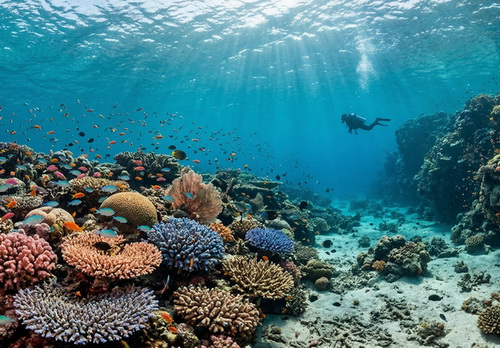
Diving here provides a representative glimpse into the Caribbean's underwater topography, often characterized by thriving coral structures and reef fish.
Best Time to Dive
Planning a dive at Blocks benefits from understanding the seasonal weather patterns in Puerto Rico. The 'Good' dive score months typically fall in April, May, September, and November, often characterized by more favorable surface conditions. Air temperatures remain warm throughout the year, ranging from approximately 26.0°C (79°F) in February to around 28.8°C (84°F) in September. Rainfall varies, with October seeing the highest average at about 4.69 mm, while drier periods occur in months like January or March. Generally, calmer seas and reduced rainfall during these 'Good' periods tend to enhance the overall diving experience.
Climate Historical Averages
Monthly records compiled from satellite and marine observation nodes over the last 3 years. Data provided by Open-Meteo and MET Norway.
Dive Experience & Conditions
Beginning the descent at Blocks introduces divers to the typical underwater environment of Puerto Rico's reefs. Waters are generally warm, though specific water temperatures for this site are not consistently reported. Expect an average current flow; conditions here vary depending on the specific location and daily weather, with some areas along the Puerto Rican coast experiencing stronger currents. Most sites in the region are suitable for certified divers, with many locations accommodating advanced divers seeking deeper profiles or drift dives. Visibility can be quite good across many of the island's dive sites, though localized conditions, particularly after rainfall or strong winds, can occasionally affect clarity.
Dive Difficulty & Safety Guidelines
Approaching any dive site in Puerto Rico, including Blocks, requires adherence to standard safety protocols. Divers should always plan their dive within the limits of their certification and experience level. While no specific hazards for Blocks are consistently reported, general ocean safety dictates being aware of potential strong currents, particularly around points and channels. Always dive with a buddy and ensure all equipment is in good working order. Consulting with local dive operators for the most current site conditions is highly recommended before entering the water, as they possess real-time environmental insights.
Recommended Equipment
No verified equipment items yet.
Verified equipment recommendations for this dive site are being reviewed and may be added as additional source checks are completed.
Recommended Dive Suit
For relaxed exploration dives, 2-3mm shorty or light wetsuit generally provides adequate warmth. Those diving at Blocks today will likely encounter water temperatures in the region of 28°C (83°F). Surface air temperatures are resting at 27°C (80°F).
Forecast trends indicate similar diving conditions over the next few days.
A diver's personal tolerance to cold water can play a large role in suit selection.
Conditions last reviewed: 18:00 using the latest environmental data.
Dive Logistics & Preparation
Hyperbaric Chamber
Check local Puerto Rico medical facilities.
Entry Requirements
View Puerto Rico Visa Hub
Currency
USD
Nearest Airports
Nearest airports to help plan travel to this dive area.
Marine Life at Blocks
The underwater landscape at Blocks, like many Puerto Rican reefs, supports a diverse array of marine life. Divers can anticipate encountering various tropical fish species. Along the general reef structures, sightings of sea horses and octopuses are not uncommon in the area. Further out, depending on depth and topography, encounters might include turtles and different species of crustaceans. While not guaranteed, the possibility of seeing rays or even dolphins exists in the broader waters surrounding Puerto Rico, making each dive an opportunity for varied observations.
Dive Sites Near Blocks
View all dive sites in Puerto RicoDiscover more underwater gems in this area.

Dive Centers Near Blocks
No Dive Centers Local To Blocks
Are you a dive center visiting this location? Get listed to reach divers.
Frequently Asked Questions
What kind of dive site is Blocks?
Blocks provides a representative experience of Puerto Rico's reef systems. While specific details for this site are not consistently reported, it generally aligns with the island's diverse underwater topography, which often includes coral formations. Expect an authentic encounter with the dynamic coastal environments typical of the region.
What are the typical depths at Blocks?
Depths at Blocks are not consistently reported, however, many sites in Puerto Rico accommodate a range of diving. Divers can anticipate profiles suitable for recreational limits, moving from shallower sections to deeper areas. Always confirm current site conditions and specific depth ranges with a local dive operator.
What visibility can I expect when diving Blocks?
Visibility at Blocks varies depending on local currents and recent weather events. Offshore, the clarity can often be excellent, while coastal areas might experience reduced visibility in certain situations. Expect conditions at Blocks to fall within this broader range, influenced by environmental factors.
Are strong currents common at this dive site?
Current conditions at Blocks are not consistently reported. However, current flow across Puerto Rico's dive sites can vary, with some coastal areas and channels experiencing stronger currents. Divers should anticipate average currents and be prepared for potential variations depending on daily weather and specific site location.
What certification level is recommended for diving Blocks?
Blocks is generally suitable for certified divers, aligning with most recreational sites in Puerto Rico. Deeper profiles or drift dives, if applicable to the site, might accommodate advanced divers. Always consult with a local dive operator to confirm the specific requirements based on current conditions.
What marine life might I see at Blocks?
The reef structures at Blocks support a variety of tropical fish species, typical of Puerto Rico's marine ecosystems. Divers might encounter sea horses and octopuses among the corals. Further out, depending on depth, turtles and various crustaceans are possible sightings.
When is the best time to dive Blocks?
Optimal diving at Blocks, like much of Puerto Rico, often occurs during months with calmer seas and reduced rainfall. 'Good' dive score months are typically April, May, September, and November. During these periods, surface conditions generally enhance the overall diving experience.
Liveaboards Sailing to Blocks
Explore highly rated liveaboards visiting this dive site and discover the best routes in Puerto Rico.
Resorts & Accommodation
Find partner hotels and dive resorts directly accessing the reef.
Around This Area
Explore top-rated restaurants, activities, and attractions near Blocks reviewed by travelers.
Planning to dive Blocks?
Send one inquiry and receive offers directly from the best verified local dive operators.