
Diving at Observatory (Australia)
Approaching the Busselton Jetty for a dive at the Underwater Observatory involves preparing to explore beneath the Southern Hemisphere’s longest wooden piled jetty. Divers navigate down to the structure, immersing themselves in the waters surrounding a significant artificial reef system. This descent offers a perspective on the jetty piles themselves, which form the core habitat for a vibrant marine ecosystem.
Evening condition tracking at Observatory features an air temperature of 21.5°C. We have recorded wave heights measuring 0.2 m during this period. These figures outline the environmental parameters currently present.
Dive Site Location & Key Facts
Dive Site Overview
This site stands out in Western Australia due to its unique integration with the Busselton Jetty and its Underwater Observatory. The jetty, stretching 1.8 kilometers / 1.1 miles, forms Australia's largest artificial reef, drawing divers and snorkelers to explore its submerged structures.
Below the surface, the environment transitions from sandy bottom near the shore to the complex, pile-driven reef habitat at the jetty's far end. An extensive man-made structure, the jetty provides critical shelter and sustenance for an abundant range of marine species, transforming the area into a thriving ecosystem. While specific water temperatures are not consistently reported, the presence of tropical and sub-tropical corals suggests conditions often conducive to vibrant growth, likely ranging from 20-25°C / 68-77°F depending on the season.
Divers can explore around the jetty piles, which descend to depths of up to 8 meters / 26 feet, observing the intricate interplay between the wooden structures and their inhabitants. Visibility can vary with local conditions, but generally permits clear views of the diverse ecosystem, creating a distinctive underwater experience unlike typical natural reefs.
Conditions are Excellent
07:00 - 14:00
Optimal conditions expected
Current conditions near Observatory show 22° air, 22° sea temperature, 0.7 m waves, and 17 km/h wind. Forecast data is refreshed regularly to ensure accuracy.
Best Time to Dive
Optimal diving conditions near the Observatory are typically experienced from June through November, with June standing out for excellent ratings. During this period, wave heights average around 0.4-0.7 meters, accompanied by lighter winds averaging 24-29 km/h. Rainfall is minimal, with June recording only 1.57 mm and September as low as 0.52 mm. Air temperatures during these prime months range from cooler averages of 19.5°C / 67°F in June and 18.5°C / 65°F in July, gradually warming to 25°C / 77°F by November. Summer months from December to February also offer good diving, with higher air temperatures around 26-27°C / 79-81°F, though accompanied by slightly increased wave activity and rainfall compared to the mid-year peak season. Dive scores remain good through most of the year, with March being a moderate month, suggesting consistently favorable conditions overall outside of extreme weather events.
PEAK SEASON SCORE
Scores combine air & water temps, waves, wind & rainfall for overall conditions.
BEST MONTHS TO DIVE
Monthly records compiled from satellite and marine observation nodes over the last 3 years. Data provided by Open-Meteo and MET Norway.
Dive Experience & Conditions
Divers descend into a protected marine sanctuary beneath the Busselton Jetty, where the primary attraction is the extensive artificial reef formed by the jetty's timber piles. This unique environment allows for exploration along the length of the structure, observing how different sections support varied marine communities. Maximum depth for recreational diving around the observatory is approximately 8 meters / 26 feet, making it accessible for a wide range of certified divers. Conditions generally involve mild currents, though these can increase with tidal movements. Visibility is often good, though it can be affected by plankton blooms or strong winds stirring up the sandy bottom. Water temperatures are not consistently reported but generally remain comfortable for diving, particularly during warmer months, supporting the growth of both tropical and sub-tropical corals. Comfortable immersion is typical. The site is characterized by relatively calm surface conditions, making entry and exit straightforward.
Dive Difficulty & Safety Guidelines
Navigating the waters near the Observatory requires divers to adhere to local guidelines, particularly concerning the protected marine sanctuary status of the area. No specific hazards are consistently reported for the site; however, divers should always assess current weather and tide conditions before entering the water. Strong currents are possible at times, varying with tidal flows, so proper planning is essential.
Advance booking of dive tours or access arrangements is advisable, as the Underwater Observatory area often involves structured visits. Divers should maintain appropriate buoyancy control to avoid contact with fragile coral formations and the jetty's wooden piles, preserving this important artificial reef.
Following safe diving practices ensures a responsible and enjoyable experience while supporting marine conservation efforts.
Recommended Equipment
- Dive Computer
- DSMB
This gear list is based on verified equipment signals for Observatory, Australia. Always confirm final gear choices with your dive operator, guide, or liveaboard.
Recommended Dive Suit
For many recreational divers, 3-5mm wetsuit provides a practical level of insulation in these conditions. A hood or vest is suggested for sensitive divers due to surface winds. Surface intervals may feel cooler. Divers who tend to get cold easily may prefer slightly thicker exposure protection.
At the moment, divers exploring Observatory will likely experience water temperatures near 22°C (72°F). Surface air temperatures are resting at 22°C (71°F).
Current forecasts indicate relatively stable conditions for the coming days.
Due to technical issues with our weather providers, data hasn't been fetched for over 48 hours. The data above reflects the conditions at the time of the last successful fetch.
Emergency & Medical Support
Essential information to help you plan your dive trip to Observatory.

Hyperbaric chambers are a critical part of dive safety infrastructure. Availability varies significantly by region, and not all dive areas have immediate access.
Before diving, it's recommended to:
- confirm nearest medical facilities
- check emergency procedures with local dive operators
- ensure dive insurance covers evacuation if required
Divers Alert Network
Diving emergency assistance available through DAN World.
+1-919-684-9111- 24/7 emergency hotline
- Diving medical assistance
- Evacuation coordination
Emergency contacts are provided for reference. Always verify local emergency services before diving.
Marine Life at Observatory
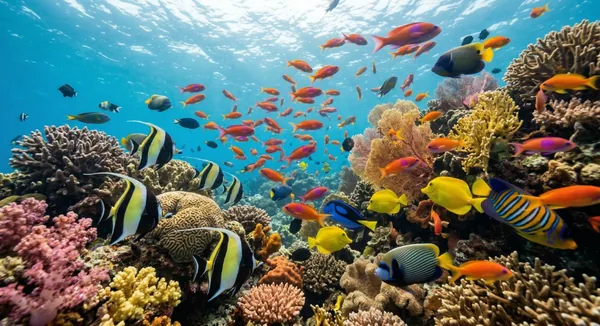
Below the Busselton Jetty, a diverse array of life is immediately apparent, with over 300 species of fish making the artificial reef their home. Divers frequently observe vibrant coral formations and various sponges clinging to the jetty piles.
Schools of fish weave through the timber structures, providing constant activity. Keep an eye out for interesting invertebrates and smaller crustaceans within the crevices.
Occasionally, divers might encounter friendly resident dolphins in the wider bay area, and the more observant could spot elusive creatures such as leafy seadragons or the intriguing blue ringed octopus amidst the ecosystem.
Dive Sites Near Observatory
View all dive sites in AustraliaDiscover more underwater gems in this area.
Dive Centers Near Observatory
No Dive Centers Local To Observatory
Are you a dive center visiting this location? Get listed to reach divers.
Nearest Airports
Nearest airports to help plan travel to this dive area.
Search Flights
Check available flights and routes on Expedia, using the nearby airports listed in this section.
Search Flights on ExpediaFrequently Asked Questions
What is the Busselton Jetty's significance?
The Busselton Jetty is the longest wooden piled jetty in the Southern Hemisphere, extending 1.8 kilometers / 1.1 miles into Geographe Bay. Its submerged piles create Australia's largest artificial reef, supporting a wide array of marine life.
Can certified divers explore the area near the Underwater Observatory?
Yes, the waters around the Busselton Jetty, particularly near the Underwater Observatory, are a protected marine sanctuary open to certified divers and snorkelers. It's advisable to check access requirements and potentially book a guided dive if available.
How deep are the dives around the Observatory?
Dives around the Underwater Observatory primarily involve exploring the jetty piles, reaching depths of approximately 8 meters. This makes it a relatively shallow dive accessible to many recreational divers.
What kind of marine life can I expect to see?
The site hosts over 300 species of fish, along with vibrant tropical and sub-tropical corals, sponges, and various invertebrates on the jetty piles. Lucky divers might also spot resident dolphins, leafy seadragons, or blue ringed octopuses.
Is the Underwater Observatory itself accessible for divers?
No, the Underwater Observatory is designed for visitors to descend 8 meters / 26 feet below the surface and view marine life through windows without getting wet. Entry for divers is into the surrounding waters, not the observatory chamber itself.
Are there any special conditions or hazards to be aware of?
The area is a protected sanctuary, and generally experiences mild conditions. However, divers should always assess current weather and tide conditions, as currents can vary. No specific hazards are consistently reported.
Planning to dive Observatory?
Send one inquiry and receive offers directly from the best verified local dive operators.
Conditions are Excellent
07:00 - 14:00
Optimal conditions expected
Current conditions near Observatory show 22° air, 22° sea temperature, 0.7 m waves, and 17 km/h wind. Forecast data is refreshed regularly to ensure accuracy.