
Diving at Coral Gardens (Australia)
Coral Gardens unveils a spectacular underwater panorama, where vibrant reef structures unfold across diverse depth profiles. Divers encounter an intricate tapestry of hard and soft corals, extending from a shallow reef edge down to deeper sandy expanses. It's a site defined by its impressive scale and the visual density of its coral formations, offering expansive views into a dynamic marine habitat.
As evening covers Coral Gardens, the local air temperature is measured at 22°C. The current wave height at the surface is recorded at 1.7 m. These late-day readings characterize the surface conditions for the night.
Dive Site Location & Key Facts
Dive Site Overview
Descending into Coral Gardens immediately immerses divers into an incredibly rich and varied ecosystem, a true spectacle of reef architecture. Mooring points are commonly found on a sandy bottom at 8 m / 26 ft, establishing the initial dive depth and marking the beginning of exploration along a vibrant reef edge.
From this shallower entry point, an impressive wall rises majestically towards the surface, creating an interesting backdrop. Expanding from this structure, superb coral gardens — the site's primary attraction — gracefully extend back onto an expansive plateau. Here, divers witness a captivating interspersion of towering stands of staghorn coral with broad terraces of table corals, large boulder heads forming intricate nooks, and gracefully swaying soft corals.
Beyond this teeming plateau, a terracing slope continues the spectacular coral display, gradually descending from approximately 10 to 20 meters. Further into the depths, this slope remains richly covered, featuring robust coral stands, impressive giant clams intermingled with the formations, and delicate fan corals, alongside more extensive staghorn thickets across the sandy areas.
Overall, a dive at Coral Gardens allows exploration to a maximum depth of 30 m / 98 ft, making it an excellent location suitable for a wide range of certification levels, from Open Water to Advanced divers.
Conditions are Moderate
Optimal conditions expected
Current conditions near Coral Gardens show 22° air, 24° sea temperature, N/A waves, and 36 km/h wind. Forecast data is refreshed regularly to ensure accuracy.
Best Time to Dive
Planning a dive to Coral Gardens involves considering the seasonal shifts in conditions, which influence overall dive suitability. Optimal conditions are frequently encountered in November, boasting "Good" dive scores and lower average wave heights around 1.0 m / 3.3 ft, paired with moderate winds averaging 24.9 km/h / 15.5 mph. October also presents a "Good" rating, with similarly pleasant air temperatures averaging 25.5°C / 78°F and minimal rain. In contrast, months like May, July, August, and September often register "Moderate" or "Poor" scores due to higher average wave heights, sometimes exceeding 1.8 m / 5.9 ft, and increased wind speeds, reaching over 40 km/h / 25 mph. While air temperatures generally remain warm, ranging from 23-28°C / 73-82°F year-round, rainfall sees a notable increase from December through March, potentially impacting visibility.
PEAK SEASON SCORE
Scores combine air & water temps, waves, wind & rainfall for overall conditions.
BEST MONTHS TO DIVE
Monthly records compiled from satellite and marine observation nodes over the last 3 years. Data provided by Open-Meteo and MET Norway.
Dive Experience & Conditions
From the 8-meter mooring, the vibrant reef environment of Coral Gardens unfolds, leading divers directly into its dynamic conditions. Immediately in front, a wall ascends towards the surface, providing an impressive backdrop. Extending from this wall, primary 'coral gardens' unfold across a plateau, showcasing diverse formations like staghorn, table, and boulder corals, interspersed with swaying soft corals. Continuing the descent, a terracing slope gradually drops from around 10 meters down to 20 meters and beyond. Rich coral coverage persists on this slope, revealing further stands and giant clams. Deeper sections of the site, extending to the maximum 30 meters, feature fan corals and more extensive staghorn thickets against a sandy bottom, offering a varied deep dive perspective. The site's expansive layout also makes it suitable for drift diving, allowing divers to cover more ground along the extensive reef.
Dive Difficulty & Safety Guidelines
Navigating Coral Gardens' delicate ecosystem demands a high degree of environmental awareness and precise buoyancy control. Practicing strict no-touch diving is mandatory here to protect the extensive staghorn, table, and soft coral formations. Terracing slopes and varied reef structures require divers to maintain excellent trim, preventing accidental contact with sensitive coral stands.
Given the potential for drift diving along this site, divers should be proficient in current management and group communication. For those planning to explore deeper sections down to 30 meters, a PADI Advanced Open Water Diver certification or equivalent is highly recommended to safely manage increased depth and potentially longer bottom times.
Recommended Equipment
Current and surface separation risk. Local briefing strongly recommended.
- Dive Computer
- DSMB
- Reel / Spool
This gear list is based on verified equipment signals for Coral Gardens, Australia. Always confirm final gear choices with your dive operator, guide, or liveaboard.
Recommended Dive Suit
Divers visiting Coral Gardens today can expect water conditions around 24°C (75°F). Surface air temperatures are resting at 22°C (72°F).
For the majority of recreational dives here, 3-5mm wetsuit should provide suitable protection. Consider warmer surface protection (like a boat coat) due to brisk winds. Surface intervals may feel cooler.
Weather models currently point toward consistent diving conditions over the next several days.
Emergency & Medical Support
Essential information to help you plan your dive trip to Coral Gardens.

Hyperbaric chambers are a critical part of dive safety infrastructure. Availability varies significantly by region, and not all dive areas have immediate access.
Before diving, it's recommended to:
- confirm nearest medical facilities
- check emergency procedures with local dive operators
- ensure dive insurance covers evacuation if required
Divers Alert Network
Diving emergency assistance available through DAN World.
+1-919-684-9111- 24/7 emergency hotline
- Diving medical assistance
- Evacuation coordination
Emergency contacts are provided for reference. Always verify local emergency services before diving.
Marine Life at Coral Gardens
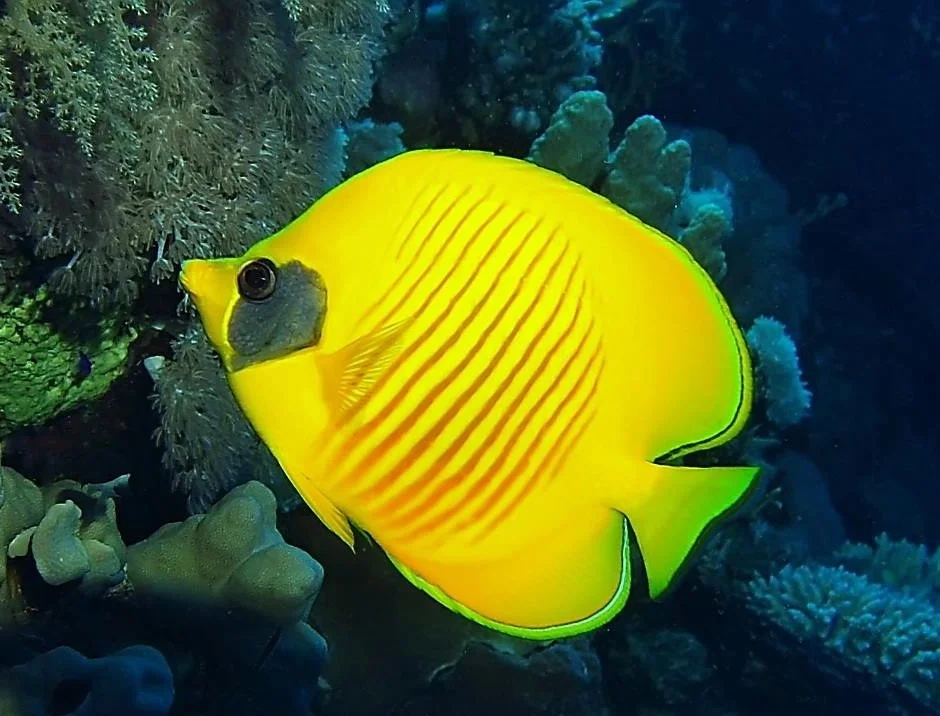
Coral Gardens' rich coral landscape provides habitat for a remarkable array of marine life, blending seamlessly with the reef's structure. Within extensive staghorn and table coral thickets, divers often encounter schools of clownfish, butterflyfish, and various basslets, darting among the shelter.
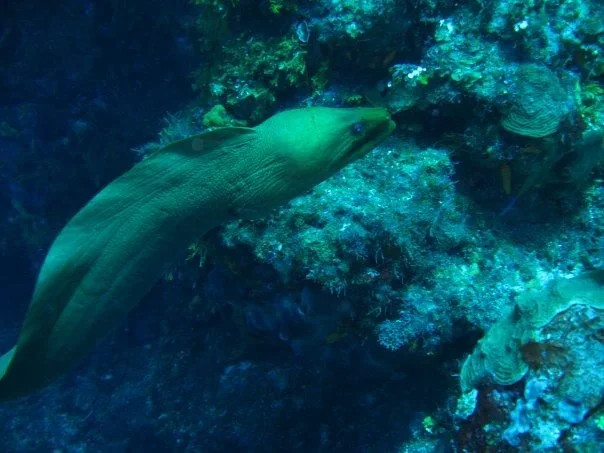
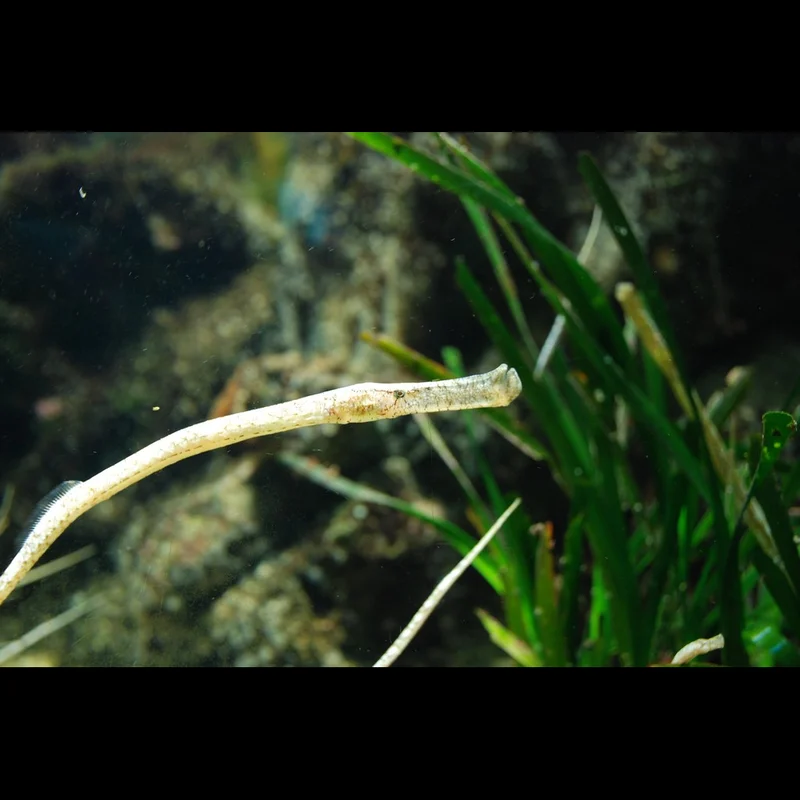
Moray eels and pipefish can be spotted tucked into crevices, hidden within boulder coral heads. Deeper sections, especially along the terracing slope and beyond, bring opportunities to observe larger visitors such as tuna and barracuda passing by.
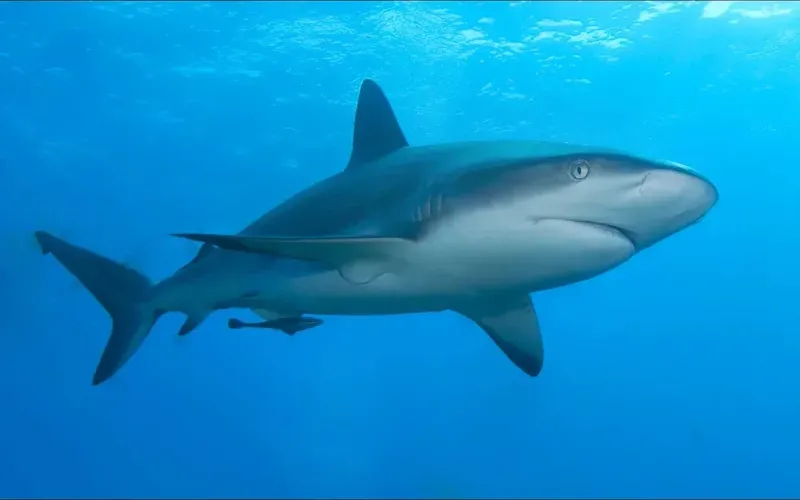
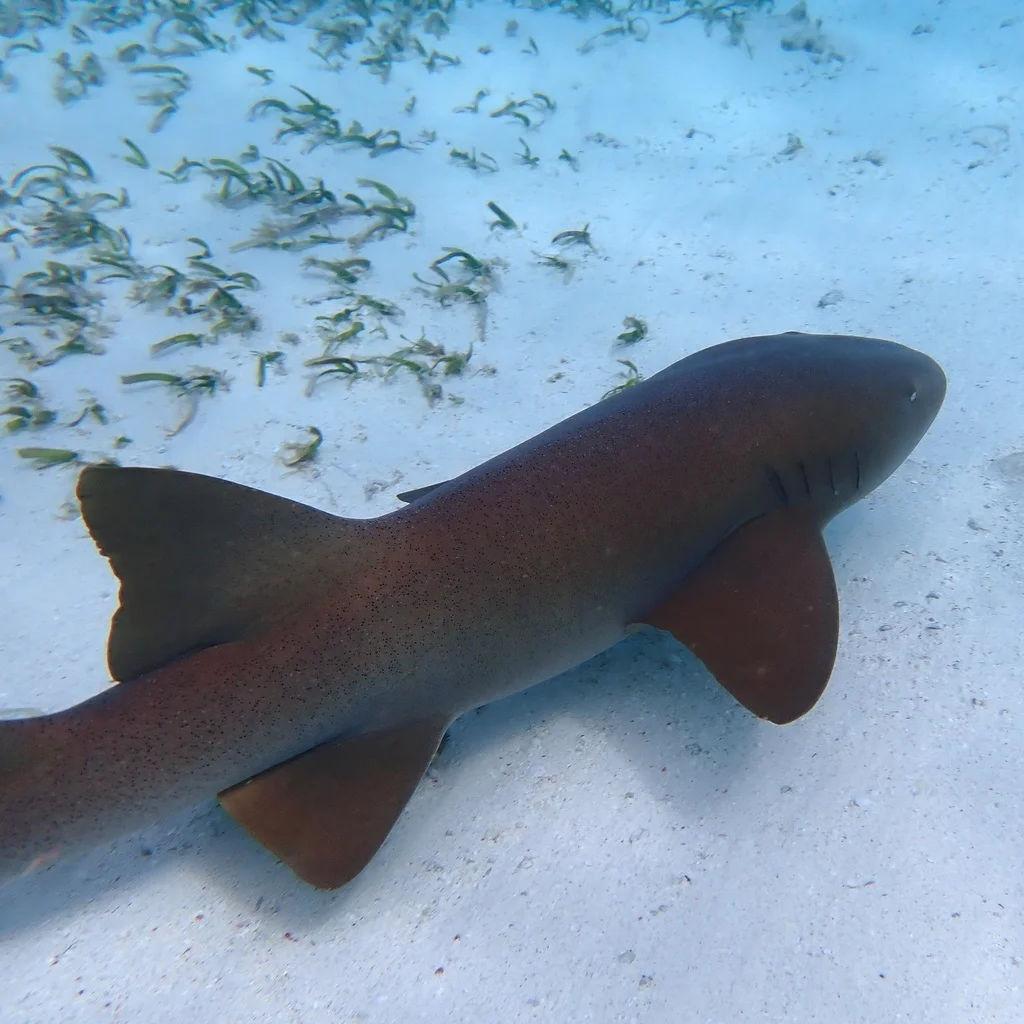
Lucky divers might also spot nurse sharks resting, or glimpse a fleeting grey reef shark, adding an exciting dimension to the underwater experience.
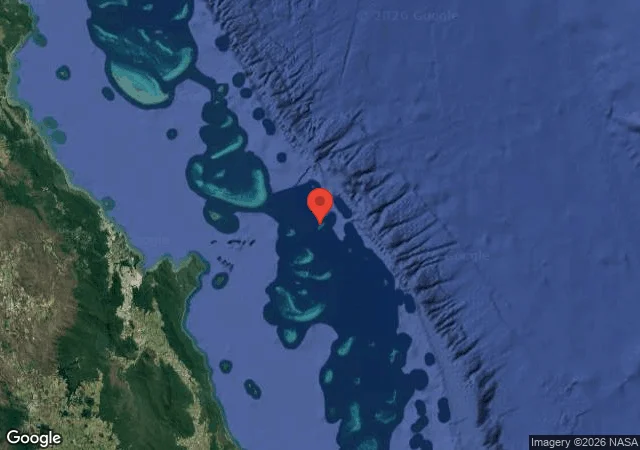
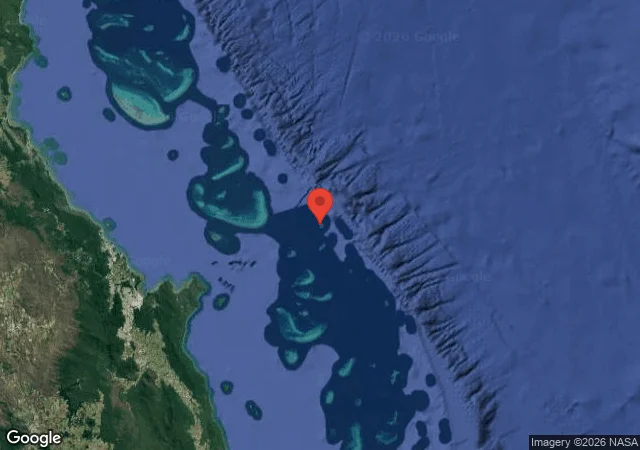
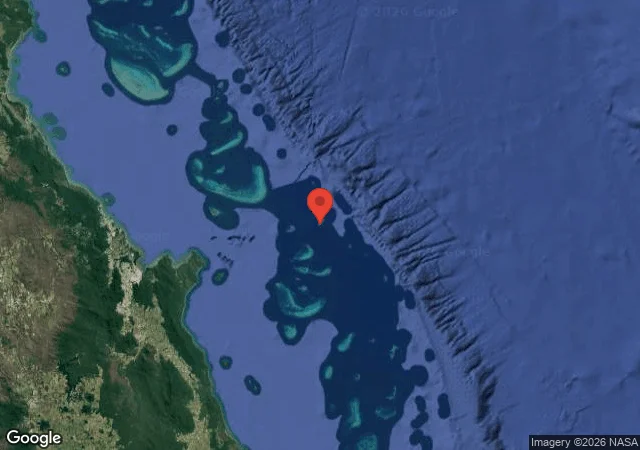
Dive Sites Near Coral Gardens
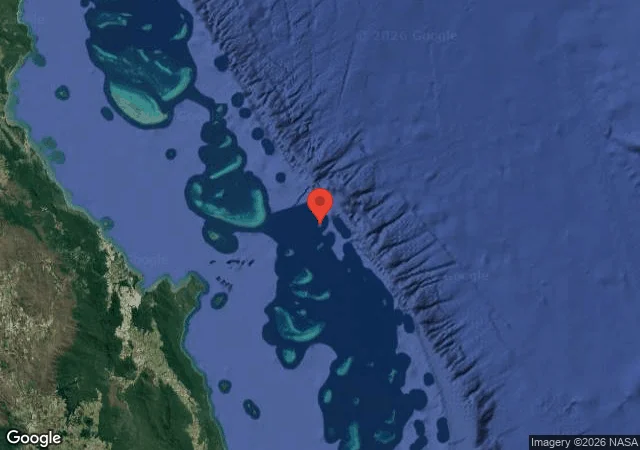
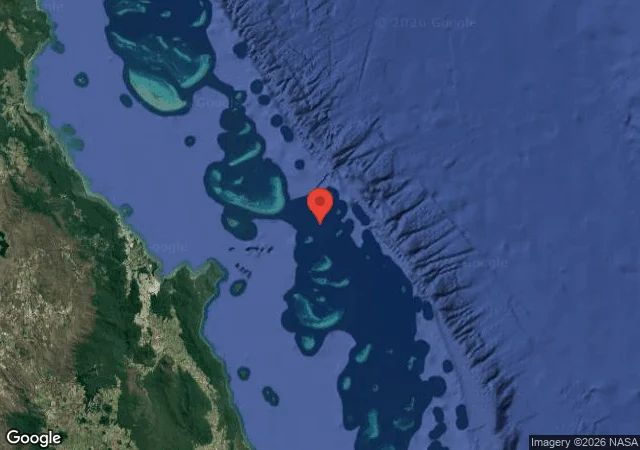
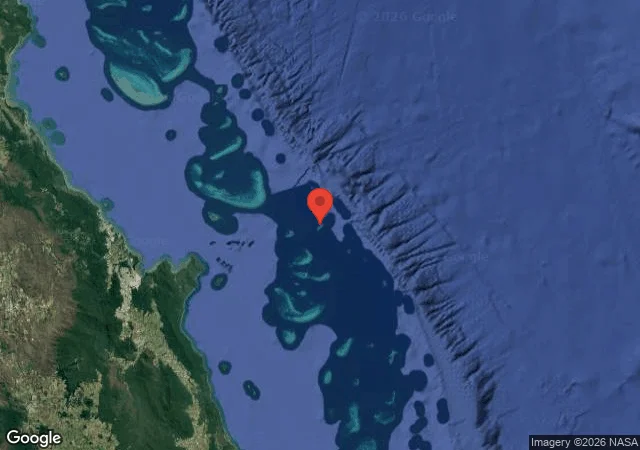
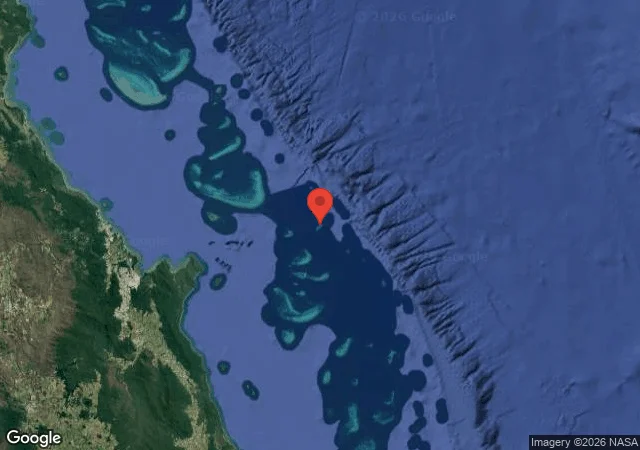
View all dive sites in AustraliaDiscover more underwater gems in this area.
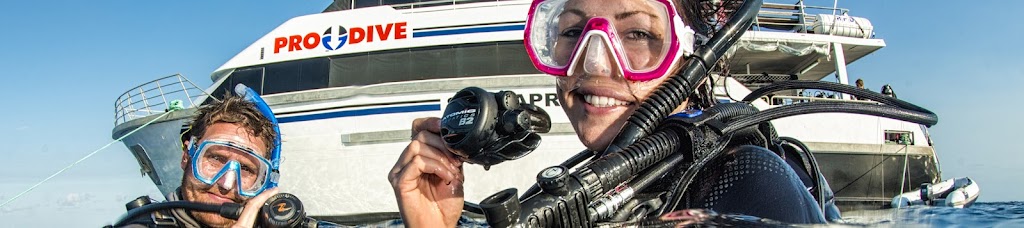
Dive Centers Near Coral Gardens
Today: 07:30 - 17:30
Nearest Airports
Nearest airports to help plan travel to this dive area.
Search Flights
Check available flights and routes on Expedia, using the nearby airports listed in this section.
Search Flights on ExpediaFrequently Asked Questions
What is the depth of the Coral Gardens mooring?
The Coral Gardens mooring sits in 8m of water.
What type of coral can be found at Coral Gardens?
You can find staghorn coral, table corals, boulder coral heads, and soft corals.
Is touching the coral allowed at this dive site?
No, you need to practice no-touch diving here.
What is the maximum depth at Coral Gardens?
The site accommodates dives down to 30 m / 98 ft, offering exploration for various certification levels.
What marine life is commonly seen at Coral Gardens?
Divers frequently encounter clownfish, butterflyfish, moray eels, and pipefish within the reef. Larger species like tuna, barracuda, and nurse sharks are also possible sightings.
When is the best time to dive Coral Gardens?
Optimal conditions for diving are typically from October to November, with lower rainfall and moderate winds. The dive scores are generally "Good" during these months.
Planning to dive Coral Gardens?
Send one inquiry and receive offers directly from the best verified local dive operators.
Conditions are Moderate
Optimal conditions expected
Current conditions near Coral Gardens show 22° air, 24° sea temperature, N/A waves, and 36 km/h wind. Forecast data is refreshed regularly to ensure accuracy.