
Diving at The Wild Side (Australia)
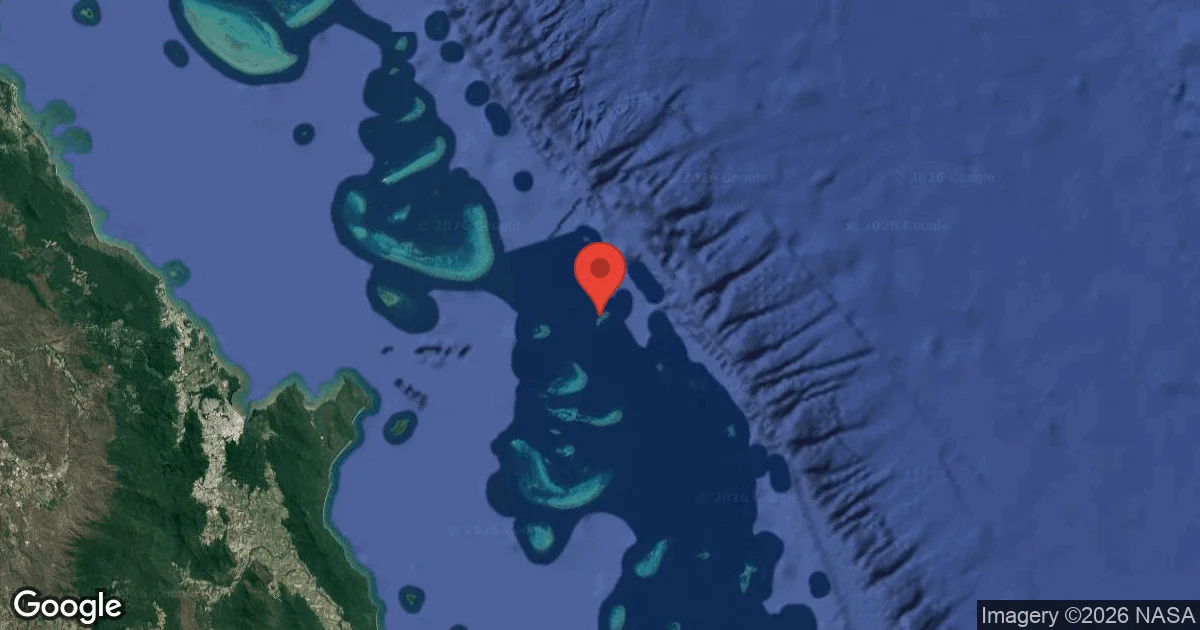
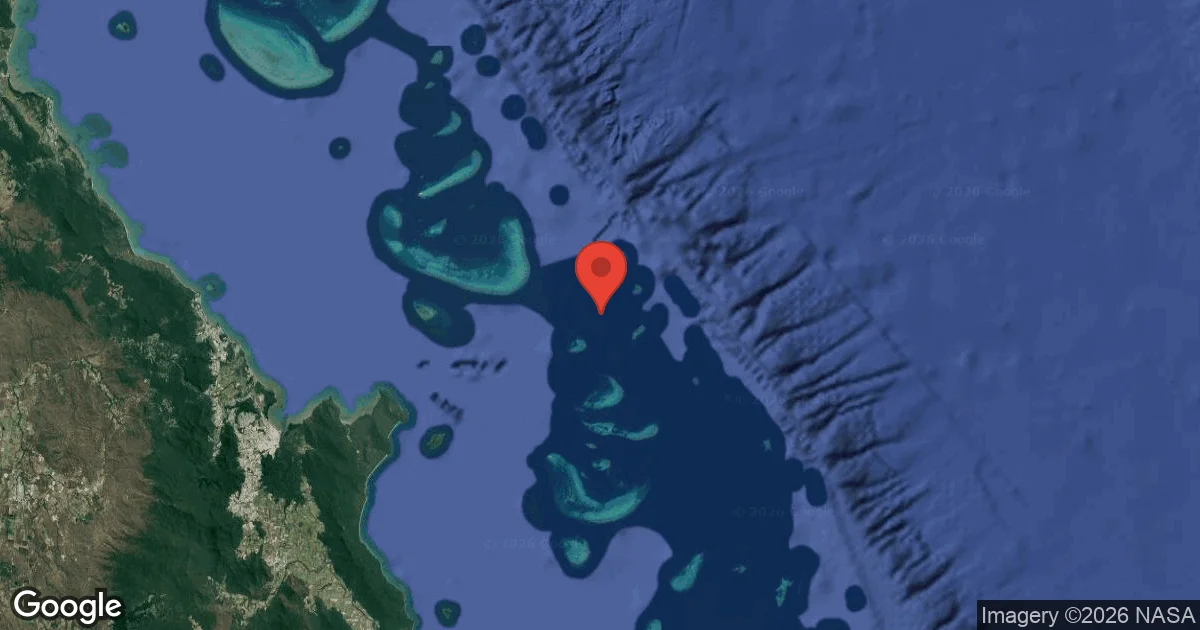
Approaching The Wild Side, divers are delivered by boat to a vibrant reef system off Cairns, Australia. This site earns its name because it's typically only accessible when light northerly winds prevail, dictating the conditions for entry. Below the surface, the dive unfolds across expansive hard coral formations, offering a rich environment that extends to a maximum depth of 30 m / 98 ft, with minimal sandy patches.
Evening condition tracking at The Wild Side features an air temperature of 22°C. We have recorded wave heights measuring 1.9 m during this period. These figures outline the environmental parameters currently present.
Dive Site Location & Key Facts
Dive Site Overview
Diving at The Wild Side reveals a singularly preserved hard coral landscape, reflecting its unique accessibility under light northerly winds. An almost complete coral cover, with few open sand patches, defines the topography, fostering a thriving, intricate ecosystem.
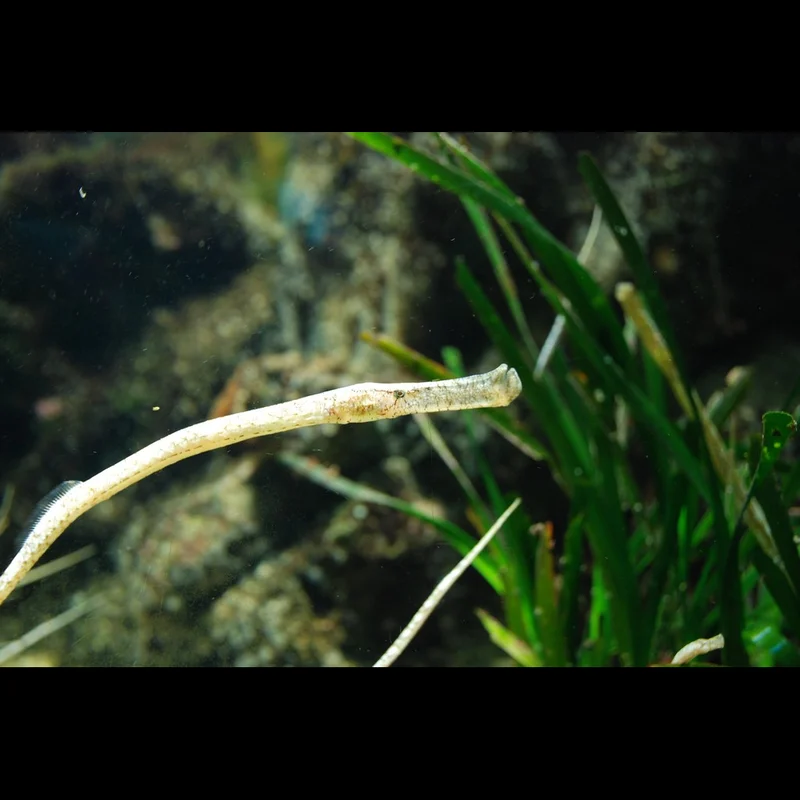
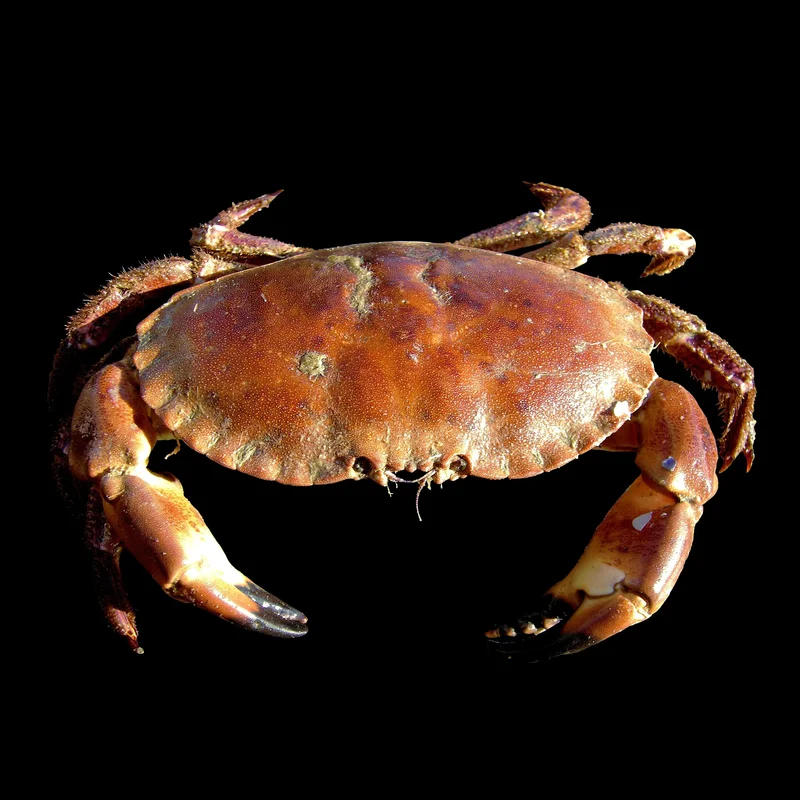
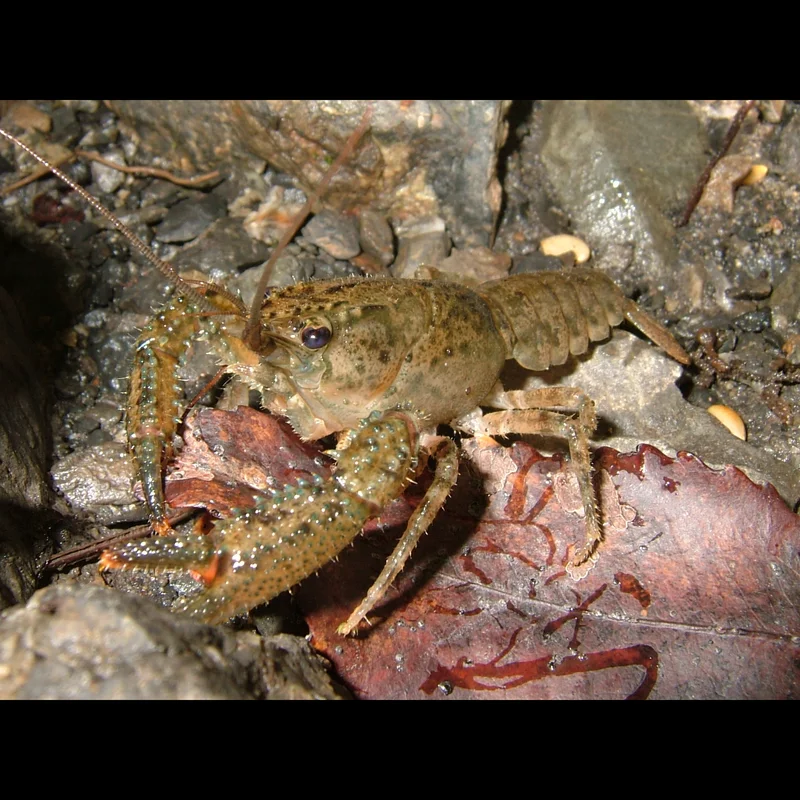
Exploring these robust formations, divers encounter a diverse range of marine life. Crustaceans like crabs, shrimp, and crayfish are commonly seen, alongside various nudibranchs and pipefish found among the coral branches.
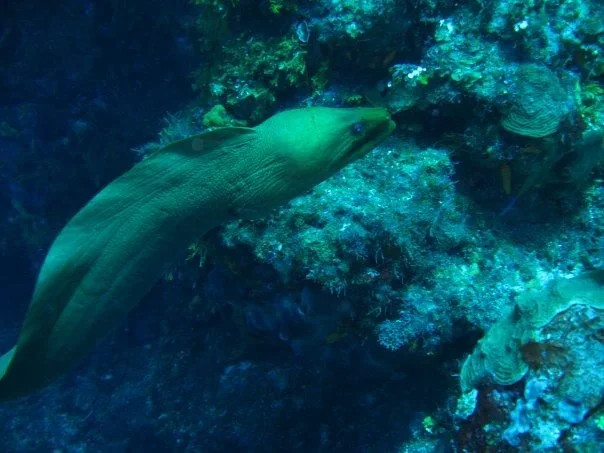
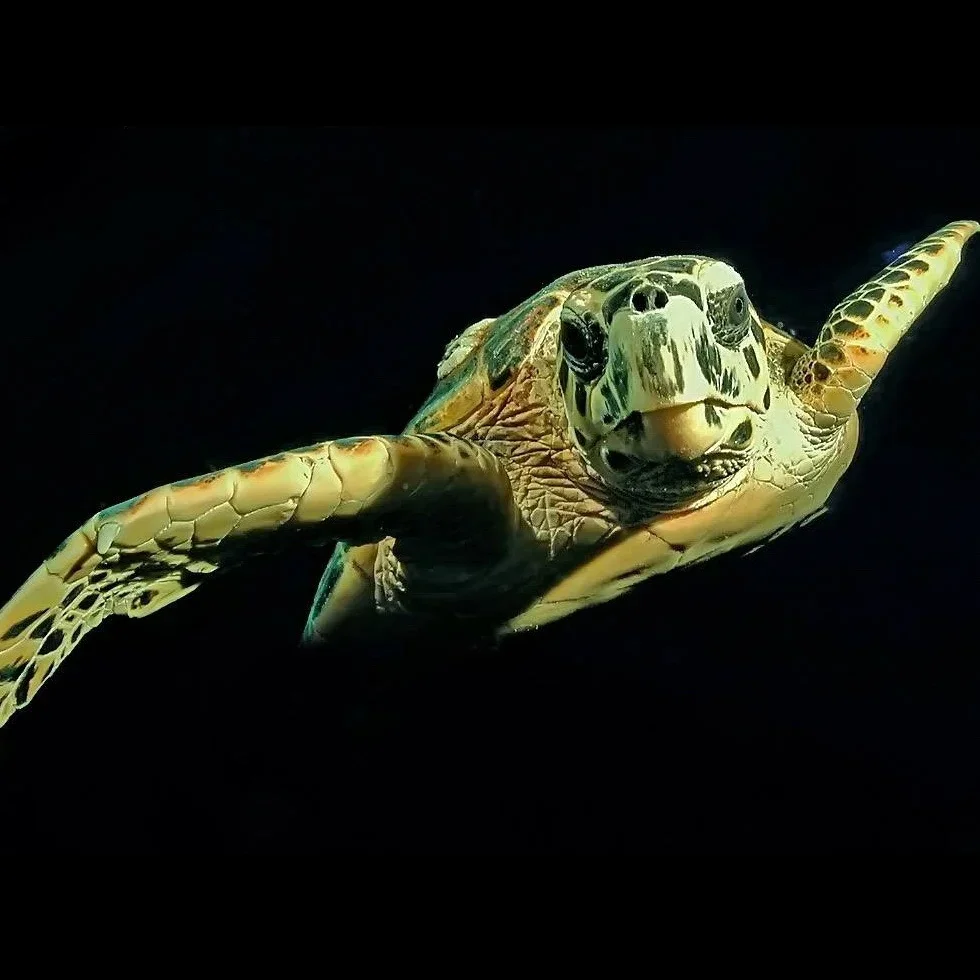
During day dives, keen eyes frequently spot hawksbill turtles gliding past, moray eels peering from crevices, and schools of parrotfish, trumpetfish, angelfish, and triggerfish moving across the reef. Encounters with cownose rays or whitetip reef sharks are also a possibility.
When darkness descends, the environment shifts dramatically; The Wild Side transforms into a nocturnal spectacle. Nasau mud snails become active, and giant cuttlefish emerge, enhancing the already increased activity of numerous crustaceans and nudibranchs.
Maximum depths at this site reach 30 m / 98 ft, accommodating a broad spectrum of certified diver experience levels.
Conditions are Moderate
High Wind Advisory (41km/h). Unsafe surface.
Current conditions near The Wild Side show 22° air, 24° sea temperature, 1.9 m waves, and 41 km/h wind. Forecast data is refreshed regularly to ensure accuracy.
Best Time to Dive
Planning an optimal dive experience at The Wild Side hinges significantly on weather conditions, as the site is primarily accessible during periods of light northerly winds. Reviewing climate patterns, the months of November and October often present ideal conditions with generally lower wind speeds, averaging around 24.9-28.7 km/h, and high dive scores. January and February also rate well, with wind speeds typically around 29.5 km/h, though rainfall is higher, averaging 12-14 mm. Air temperatures during these favorable periods range from 26.5-28°C / 80-82°F. Conversely, May experiences higher average wind speeds of 40.6 km/h, which might reduce accessibility. The site remains moderately diveable through much of the year, but prioritizing periods with calmer winds will enhance the overall experience.
PEAK SEASON SCORE
Scores combine air & water temps, waves, wind & rainfall for overall conditions.
BEST MONTHS TO DIVE
Monthly records compiled from satellite and marine observation nodes over the last 3 years. Data provided by Open-Meteo and MET Norway.
Dive Experience & Conditions
Upon entering the water, typically via boat, divers at The Wild Side are immediately immersed in a world dominated by extensive hard coral formations. The absence of widespread sandy areas means the dive offers continuous interaction with intricate reef structures. Depths reach up to 30 m / 98 ft, allowing for exploration of different reef zones. While specific current reports are not consistently available, the site's name implies that surface conditions, particularly wind direction and strength, are a key factor for safe access. Divers should anticipate conditions that align with the required 'light northerly winds' for entry, meaning calmer surface waters on dive days. Underwater, the coral gardens create varied micro-environments, suitable for observing both larger reef inhabitants and smaller, cryptic species.
Dive Difficulty & Safety Guidelines
Prioritizing dive safety at The Wild Side requires close attention to weather conditions, as the site's accessibility is explicitly dependent on light northerly winds. Divers should always consult local dive operators for current conditions before planning an excursion. While no specific inherent hazards are consistently reported, general safe diving practices are paramount, including monitoring depth and no-decompression limits, especially when exploring the maximum depth of 30 m / 98 ft.
This location is appropriate for certified PADI Open Water Divers, but PADI Advanced Open Water Diver training is recommended for those looking to fully explore its deeper sections and potentially engage in night diving. Always dive within your training and experience level.
Recommended Equipment
- Dive Computer
- DSMB
This gear list is based on verified equipment signals for The Wild Side, Australia. Always confirm final gear choices with your dive operator, guide, or liveaboard.
Recommended Dive Suit
Forecast trends indicate little change in overall diving conditions during the next few days.
Divers who prefer a balanced level of warmth often select 3mm wetsuit in water temperatures like this. Strong winds are present; please take strong precautions against rapid cooling during surface intervals. Surface intervals may feel cooler.
At The Wild Side, the water is currently sitting around 24°C (75°F). Surface air temperatures are resting at 22°C (71°F).
Emergency & Medical Support
Essential information to help you plan your dive trip to The Wild Side.

Hyperbaric chambers are a critical part of dive safety infrastructure. Availability varies significantly by region, and not all dive areas have immediate access.
Before diving, it's recommended to:
- confirm nearest medical facilities
- check emergency procedures with local dive operators
- ensure dive insurance covers evacuation if required
Divers Alert Network
Diving emergency assistance available through DAN World.
+1-919-684-9111- 24/7 emergency hotline
- Diving medical assistance
- Evacuation coordination
Emergency contacts are provided for reference. Always verify local emergency services before diving.
Marine Life at The Wild Side
The immediate visual impact at The Wild Side often includes the abundant hard coral formations, which serve as a habitat for a rich array of creatures. Divers frequently notice hawksbill turtles gracefully navigating the reef during the day.
As light fades, the night dive reveals distinct highlights such as numerous Nasau mud snails, alongside an active cast of crustaceans like crabs, shrimp, and crayfish. Throughout both day and night, moray eels are commonly sighted, peering from their coral crevices.
The intricate reef also supports various pipefish, nudibranchs, parrotfish, trumpetfish, angelfish, and triggerfish, with occasional appearances by cownose rays and whitetip reef sharks.
Dive Sites Near The Wild Side
View all dive sites in AustraliaDiscover more underwater gems in this area.
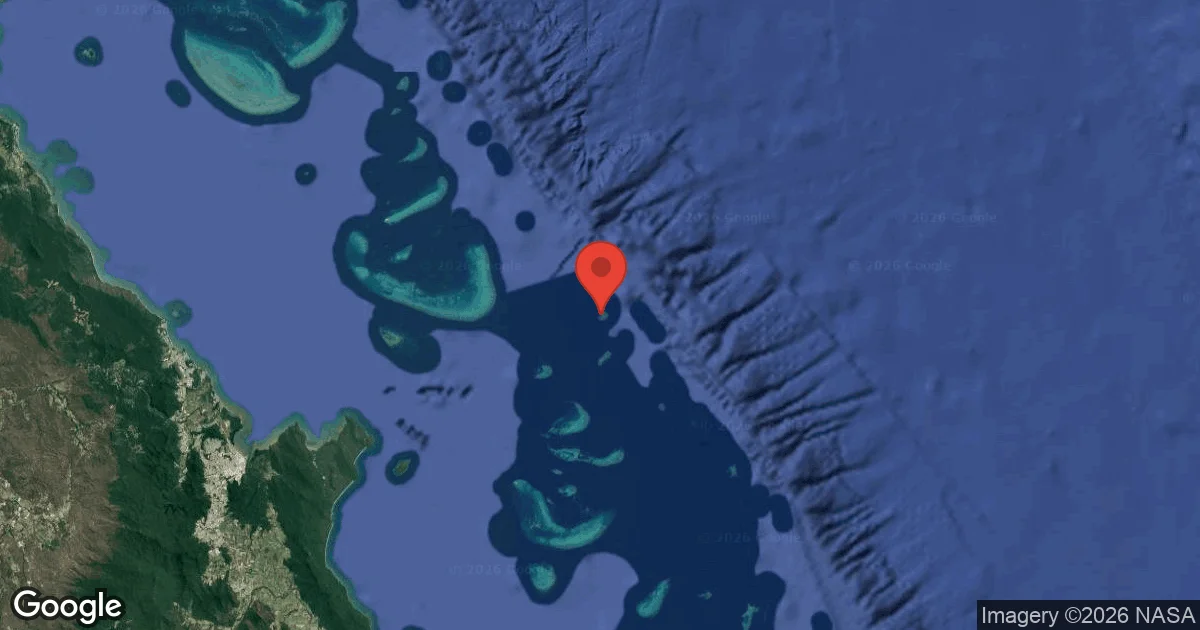
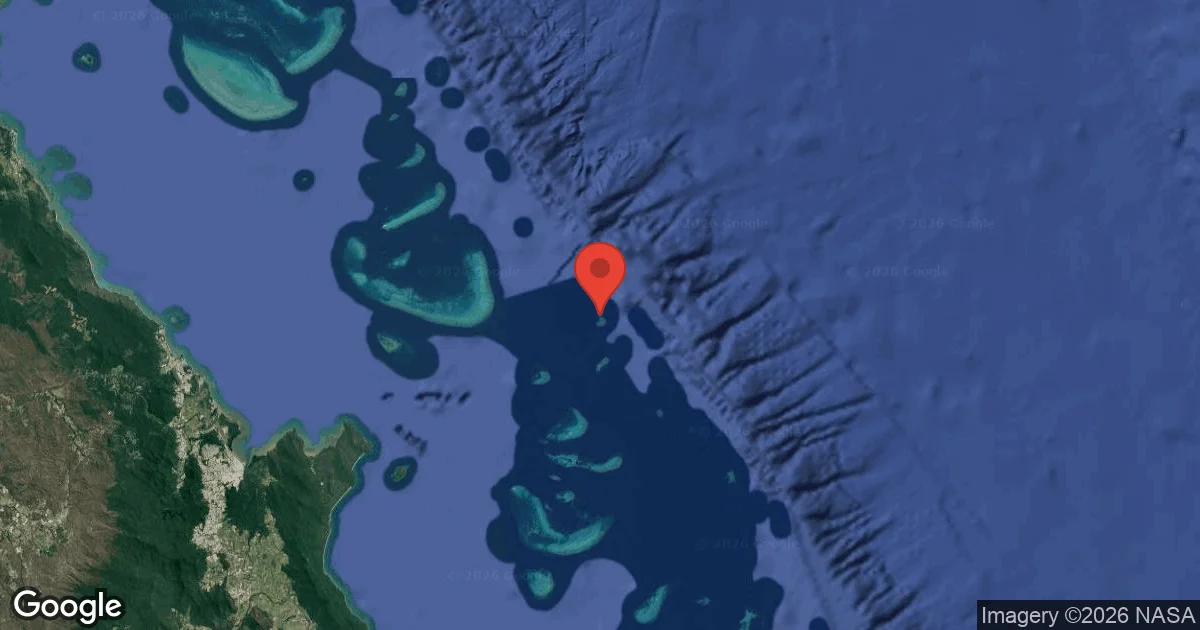
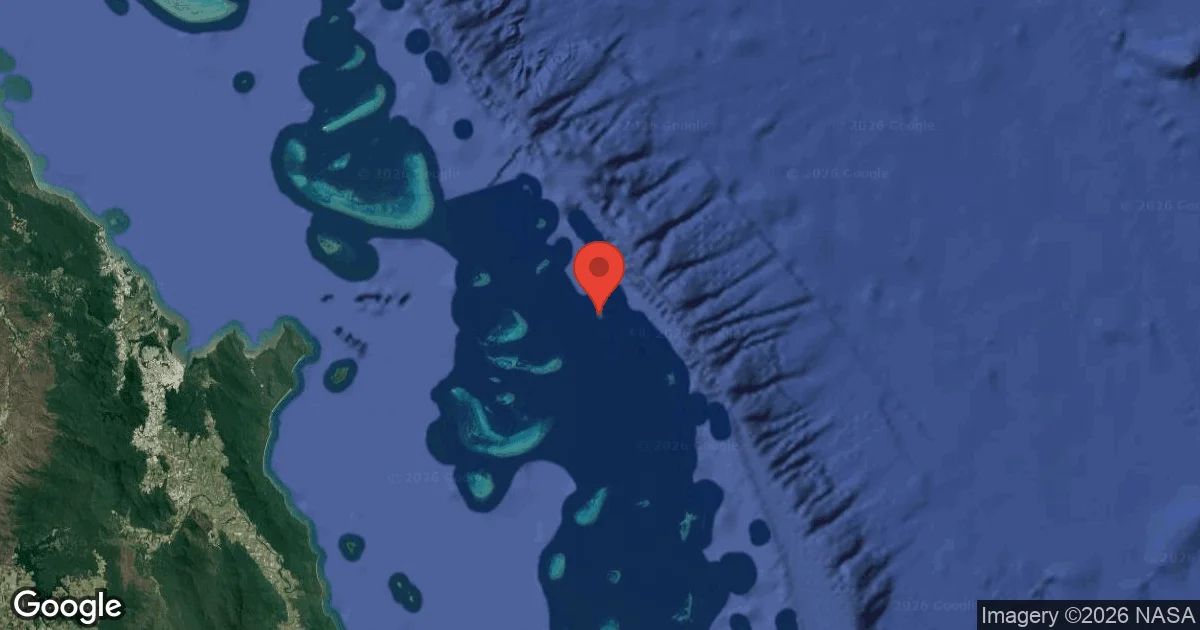
Dive Centers Near The Wild Side
Today: Closed
Nearest Airports
Nearest airports to help plan travel to this dive area.
Search Flights
Check available flights and routes on Expedia, using the nearby airports listed in this section.
Search Flights on ExpediaFrequently Asked Questions
Why is it called 'The Wild Side'?
The site earns its name due to its specific accessibility requirements. It is primarily diveable only when there are light northerly winds, which ensures safer and more favorable conditions for boat entry and diving.
What is the maximum depth at The Wild Side?
The maximum depth recorded for diving at The Wild Side is 30 m / 98 ft. This depth allows for exploration of a significant portion of the reef system.
What dive certifications are recommended for this site?
PADI Open Water Diver certification is suitable for this site. However, a PADI Advanced Open Water Diver certification is recommended to explore the full depth range and for specialized dives like night diving.
What marine life can I expect to see during a day dive?
During the day, you're likely to encounter many hawksbill turtles, moray eels, and a variety of reef fish such as parrotfish, angelfish, and triggerfish. Keep an eye out for pipefish and crustaceans hidden among the corals.
What makes night diving special at The Wild Side?
Night diving here is considered spectacular due to the emergence of nocturnal creatures. You can spot active Nasau mud snails, a greater abundance of crustaceans like crabs and shrimp, and various nudibranchs that are less visible during the day.
When is the best time of year to dive The Wild Side?
The best times typically align with periods of light northerly winds. Generally, October and November show favorable conditions with lower wind speeds and good dive scores, as do January and February, though they have slightly more rain.
Is shore entry possible at The Wild Side?
No, access to The Wild Side is exclusively by boat. Divers are transported directly to the site's entry point by local dive operators.
Planning to dive The Wild Side?
Send one inquiry and receive offers directly from the best verified local dive operators.
Conditions are Moderate
High Wind Advisory (41km/h). Unsafe surface.
Current conditions near The Wild Side show 22° air, 24° sea temperature, 1.9 m waves, and 41 km/h wind. Forecast data is refreshed regularly to ensure accuracy.