
Diving at Cathederals (Australia)
Navigating the varied underwater topography known as 'Cathedrals' across Australia presents distinct challenges for certified divers. Whether exploring Tasmania's extensive sea cave system or Queensland's grand coral formations, these sites demand skillful buoyancy control and an appreciation for intricate environments. Each location promises unique visual rewards for those prepared to explore its depths.
Evening condition tracking at Cathederals features an air temperature of 23.5°C. We have recorded wave heights measuring 1.9 m during this period. These figures outline the environmental parameters currently present.
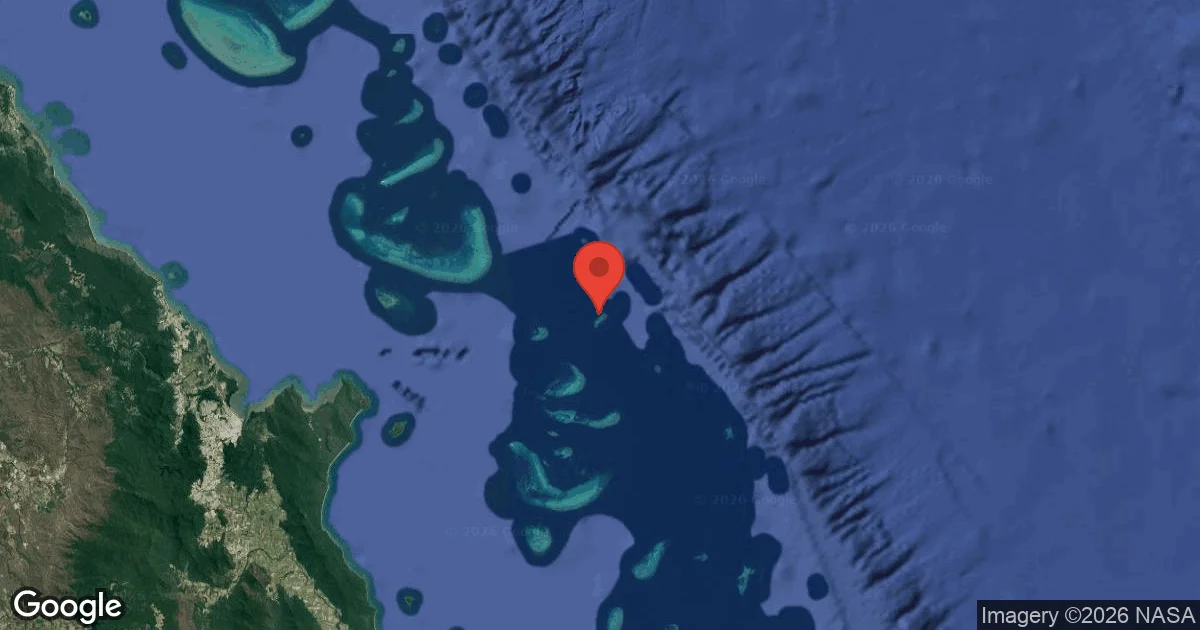
Dive Site Location & Key Facts
Dive Site Overview
Australia's 'Cathedrals' encompass a collection of evocative dive sites, each offering distinct experiences beneath the waves. One notable site, Cathedral Cave on the Tasman Peninsula in Tasmania, features Australia's largest sea cave system.
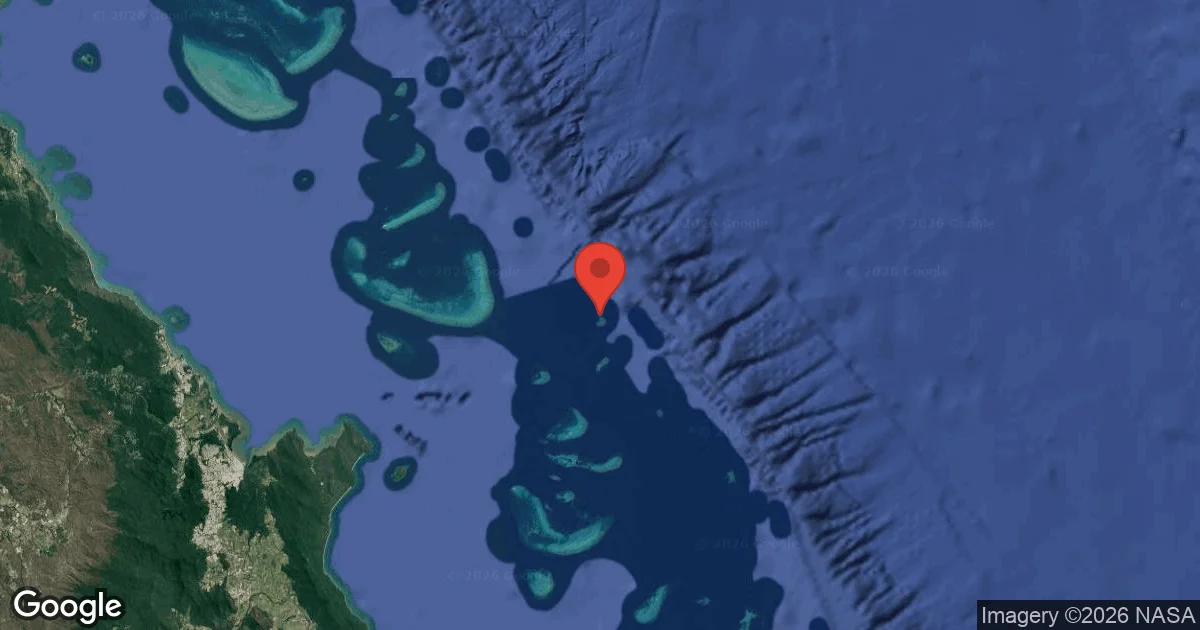
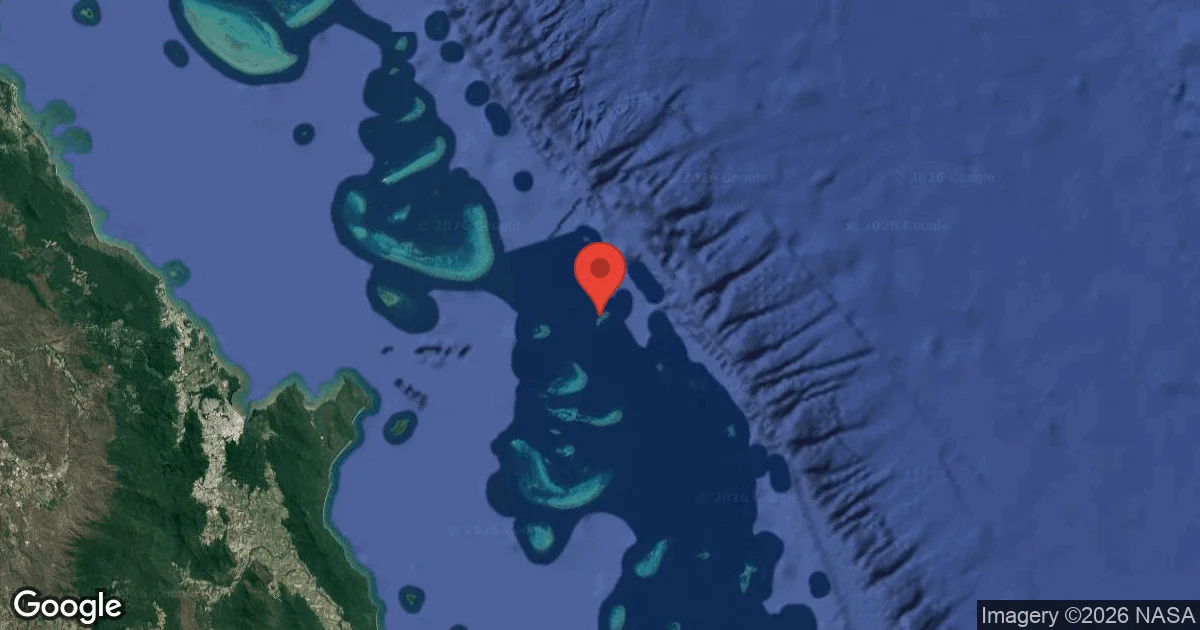
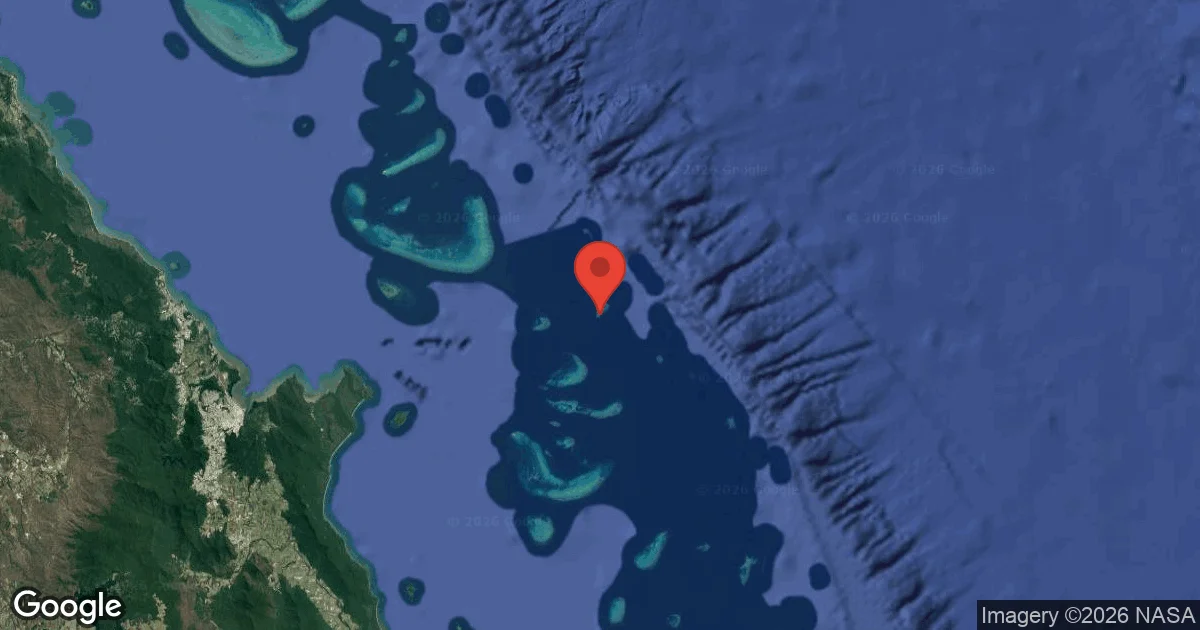
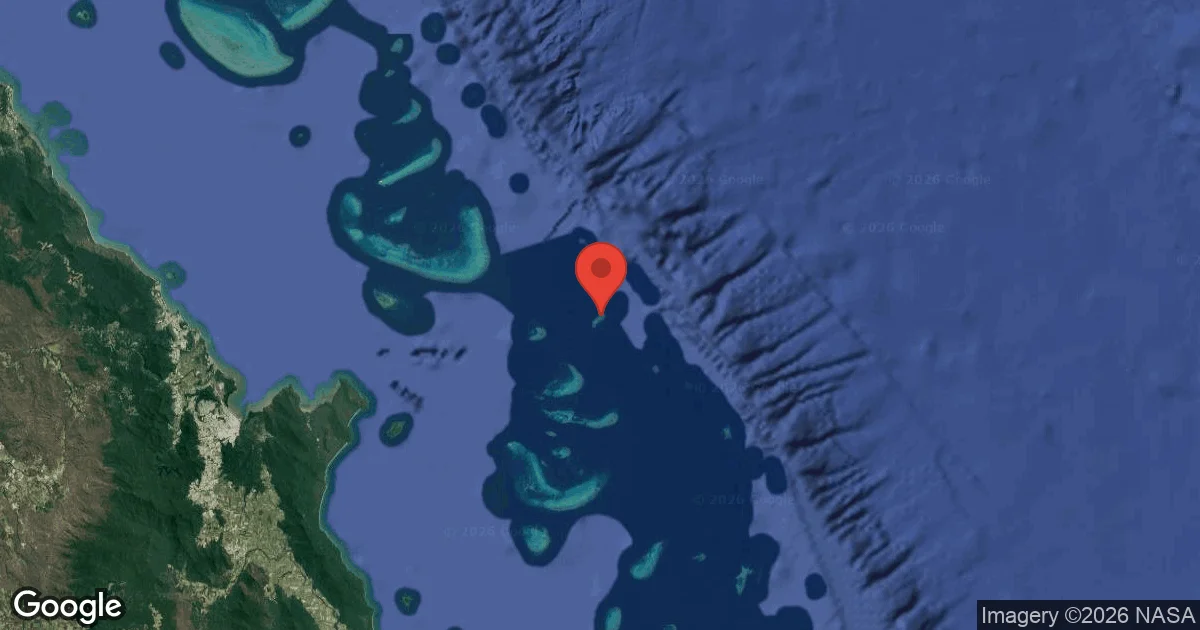
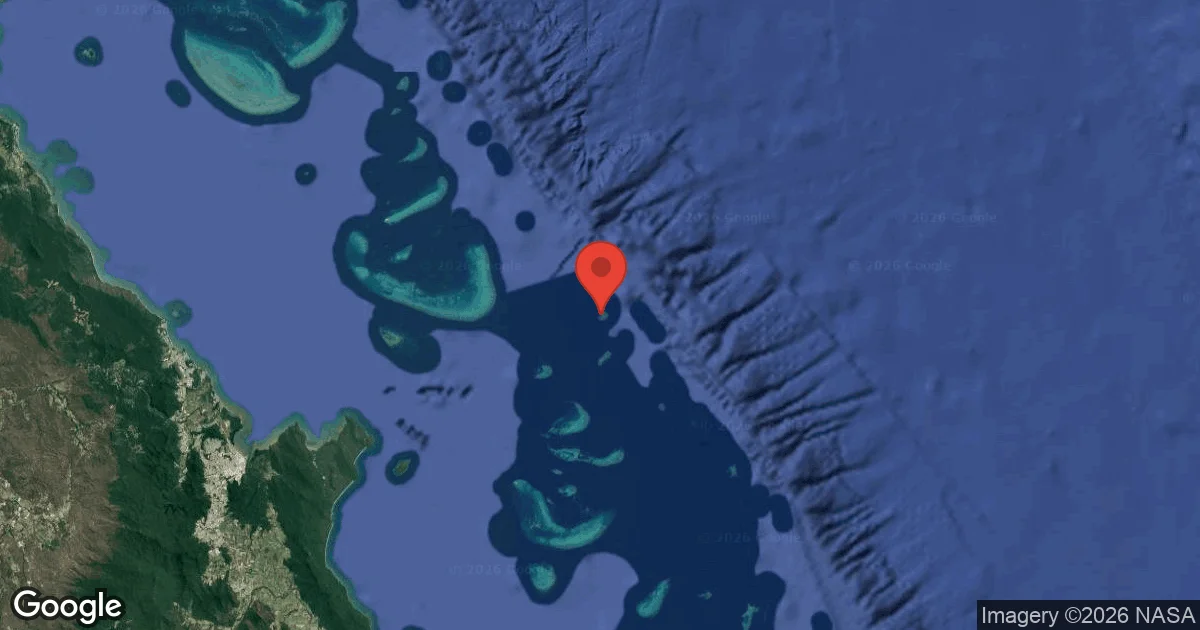
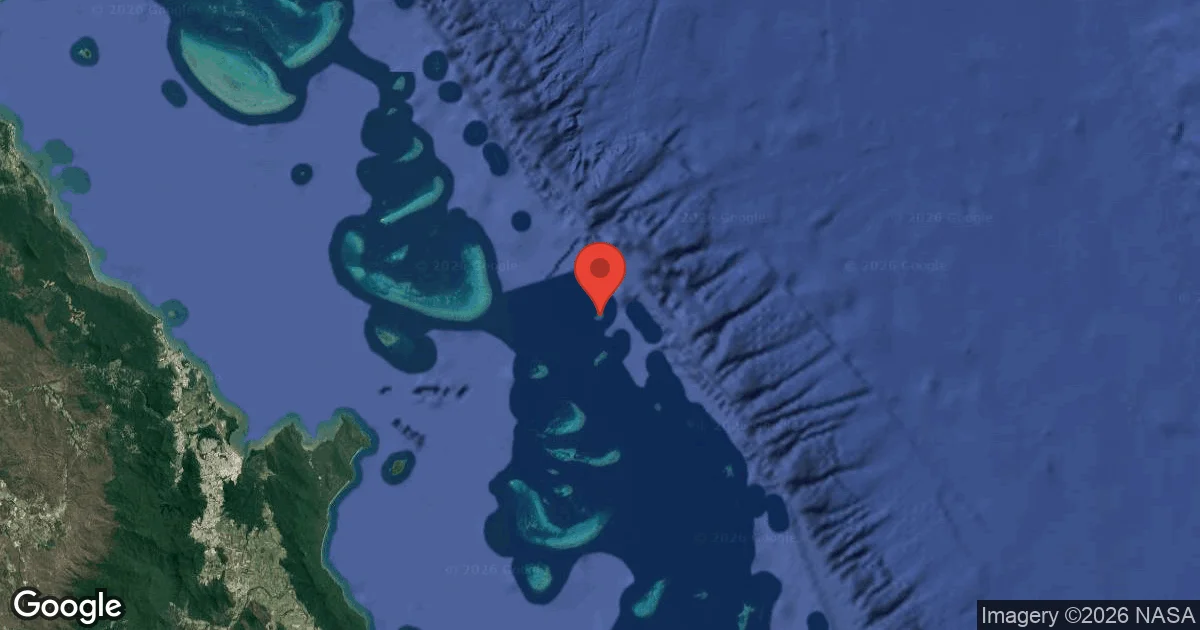
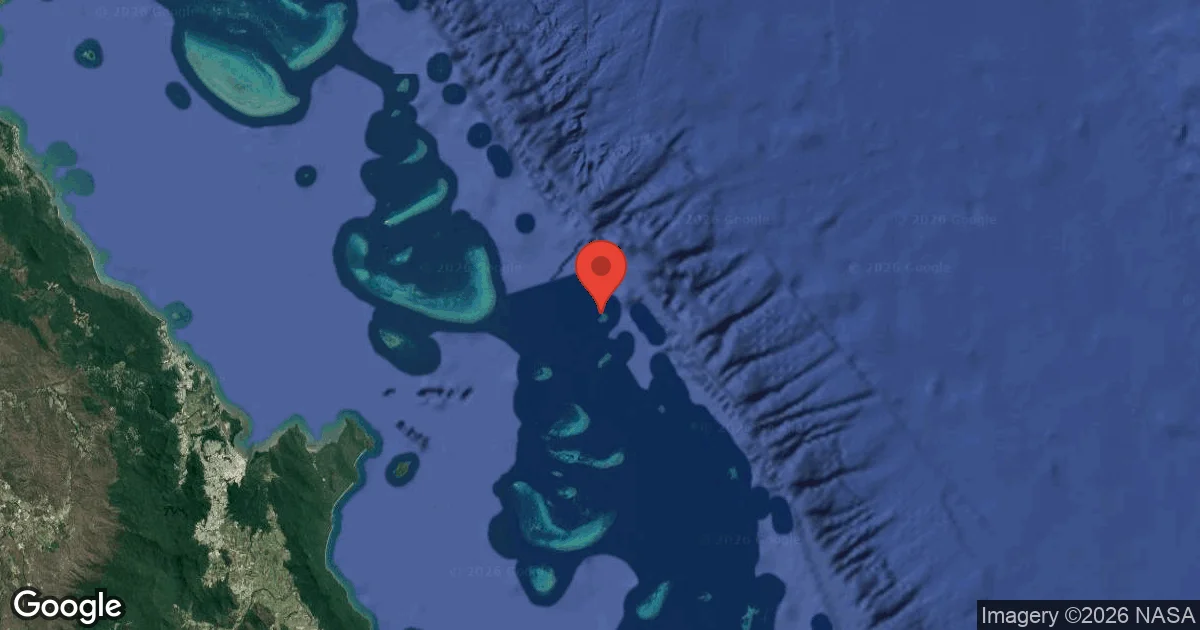
Divers here encounter a huge entrance giving way to smaller caverns, intricate cross-passageways, and tunnels adorned with colorful invertebrates and fallen boulders. This temperate water dive, accessible by a short boat ride from Eaglehawk Neck, reaches depths of approximately 21 m (69 ft). Meanwhile, 'The Cathedral' in Queensland's Whitsunday Region showcases impressive underwater topography, with large coral formations and overhangs that truly resemble a grand architectural space.
This site, with a maximum depth of 30 m (100 ft), is known for vibrant reef ecosystems and typically offers mild currents and surge. Both locations ultimately offer a compelling exploration of underwater structures, from pinnacles and walls to elaborate cave and reef systems.
Conditions are Poor
High Wind Advisory (43km/h). Unsafe surface.
Current conditions near Cathederals show 24° air, 24° sea temperature, 2.0 m waves, and 43 km/h wind. Forecast data is refreshed regularly to ensure accuracy.
Best Time to Dive
Achieving optimal visibility and sea conditions for diving at the 'Cathedrals' sites often depends on the specific Australian region. For the Tasman Peninsula's Cathedral Cave, December to February is frequently cited as the ideal period, bringing the best sea conditions and warmer waters, averaging 20-24°C (68-75°F). In contrast, 'The Cathedral' in Queensland's Whitsunday Region is typically best from April to October. Across the broader regions where these sites are found, air temperatures are warmest from December to February, ranging around 27-28°C (81-82°F), with increased but moderate rainfall. During the cooler months from April to October, air temperatures drop to around 24-26°C (75-79°F), and rainfall is significantly lower, often below 2 mm (0.1 inches), which can contribute to clearer underwater conditions and better overall visibility.
PEAK SEASON SCORE
Scores combine air & water temps, waves, wind & rainfall for overall conditions.
BEST MONTHS TO DIVE
Monthly records compiled from satellite and marine observation nodes over the last 3 years. Data provided by Open-Meteo and MET Norway.
Dive Experience & Conditions
Descending into these underwater structures reveals varied conditions depending on the specific 'Cathedrals' location. The Cathedral Caves dive on the Tasman Peninsula involves navigating a complex sea cave system, with its large entrance opening into smaller caverns, tunnels, and cross-passageways. This site generally requires an experienced diver level and features depths of approximately 21 m (69 ft). For 'The Cathedral' in Queensland, the dive takes divers among impressive coral formations and overhangs, with exploration possible down to 30 m (100 ft). Visibility across these sites typically ranges from 15 m (49 ft) to 30 m (98 ft), but can vary depending on local weather and marine activity. Currents and surge are often reported as mild, but conditions can fluctuate, requiring attentiveness from divers. Water temperatures can range from 20-24°C (68-75°F) in cooler periods to 24-29°C (75-84°F) in warmer months, reflecting the diverse climates.
Dive Difficulty & Safety Guidelines
Approaching any 'Cathedrals' dive requires an awareness of the site's unique characteristics and a commitment to safe diving practices. The Cathedral Cave in Tasmania is best suited for experienced divers due to its intricate cave system, demanding excellent buoyancy control and navigation skills. Although the site welcomes open water certified divers and above, familiarity with overhead environments is beneficial.
For 'The Cathedral' in Queensland, an intermediate difficulty is noted, suggesting competence in managing reef environments. Entry to both sites is typically by boat, requiring reliance on local operators for up-to-date briefings on specific conditions and potential variables like currents. No special permits are consistently reported as required for these dives.
Recommended Equipment
- Dive Computer
- DSMB
This gear list is based on verified equipment signals for Cathederals, Australia. Always confirm final gear choices with your dive operator, guide, or liveaboard.
Recommended Dive Suit
In conditions like these, many divers prefer diving with 3mm wetsuit. Strong winds are present; please take strong precautions against rapid cooling during surface intervals.
Divers planning a dive at Cathederals today will likely encounter water temperatures close to 24°C (75°F). Surface air temperatures are resting at 24°C (74°F).
Environmental conditions appear stable for the near future.
Due to technical issues with our weather providers, live updates are temporarily delayed. The data above reflects the conditions at the time of the last successful fetch.
Emergency & Medical Support
Essential information to help you plan your dive trip to Cathederals.

Hyperbaric chambers are a critical part of dive safety infrastructure. Availability varies significantly by region, and not all dive areas have immediate access.
Before diving, it's recommended to:
- confirm nearest medical facilities
- check emergency procedures with local dive operators
- ensure dive insurance covers evacuation if required
Divers Alert Network
Diving emergency assistance available through DAN World.
+1-919-684-9111- 24/7 emergency hotline
- Diving medical assistance
- Evacuation coordination
Emergency contacts are provided for reference. Always verify local emergency services before diving.
Marine Life at Cathederals
The initial impression diving at these sites often involves the striking underwater topography itself, but diverse marine life quickly captivates attention. At Cathedral Cave on the Tasman Peninsula, you might first notice the towering Giant Kelp forests leading to the cave entrance.
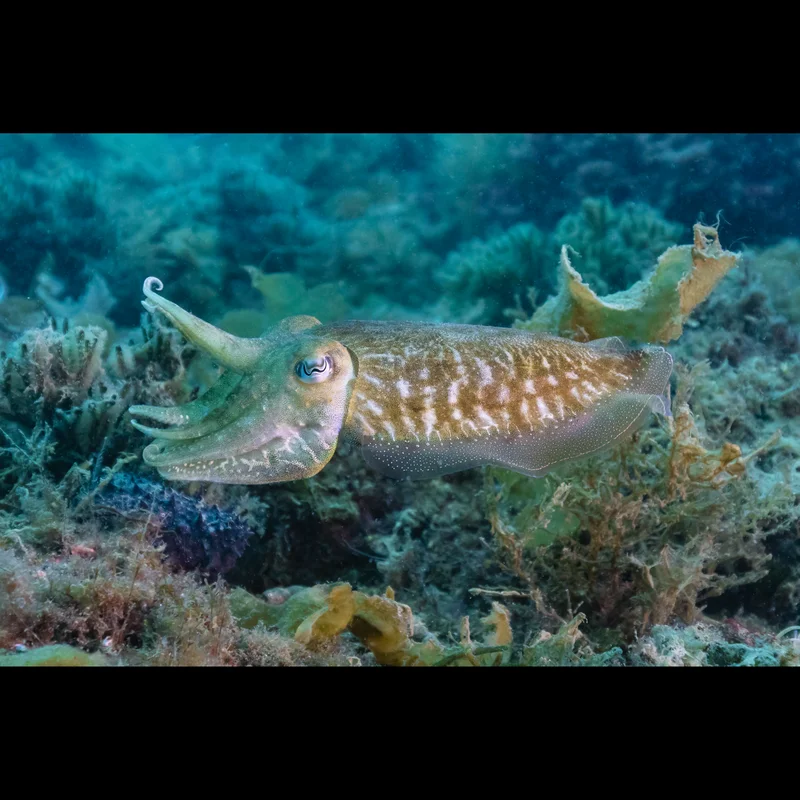
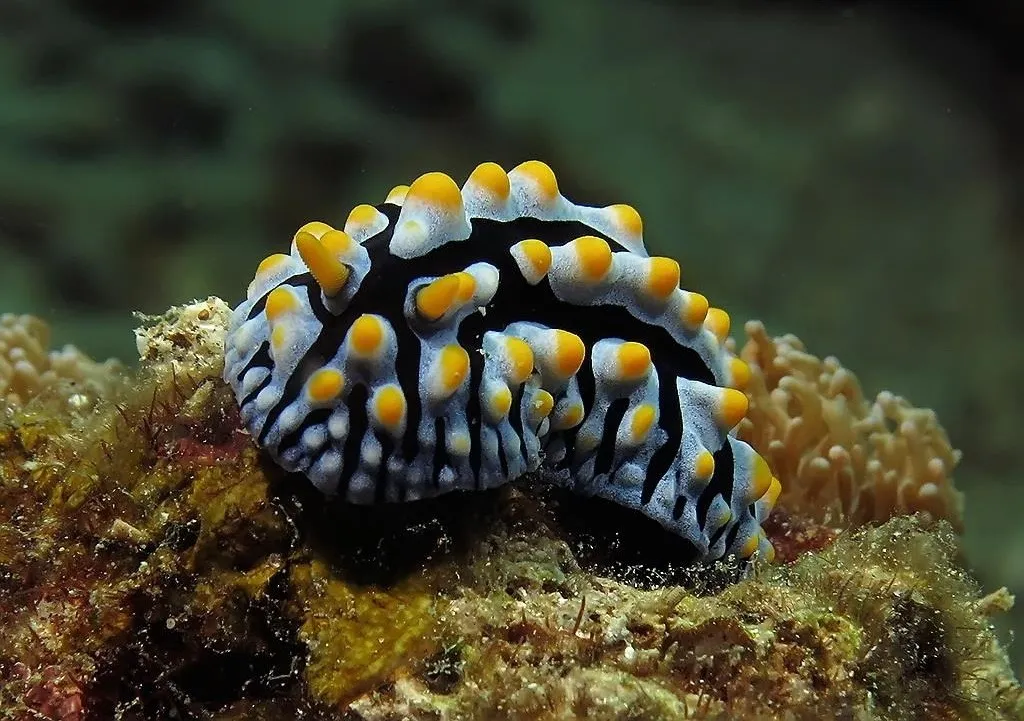
Inside and around, look for unique weedy seadragons, elusive cuttlefish, and various nudibranchs. Sea spiders, kelpfish, wrasses, and occasional sightings of draghtboard sharks add to the temperate water biodiversity.
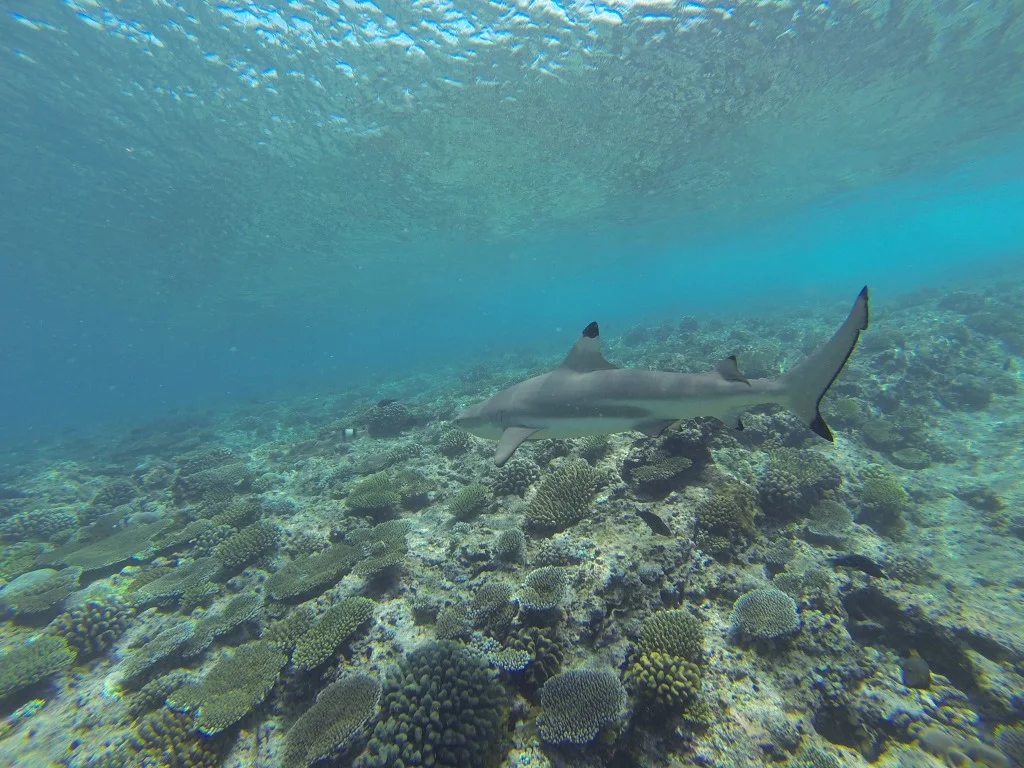
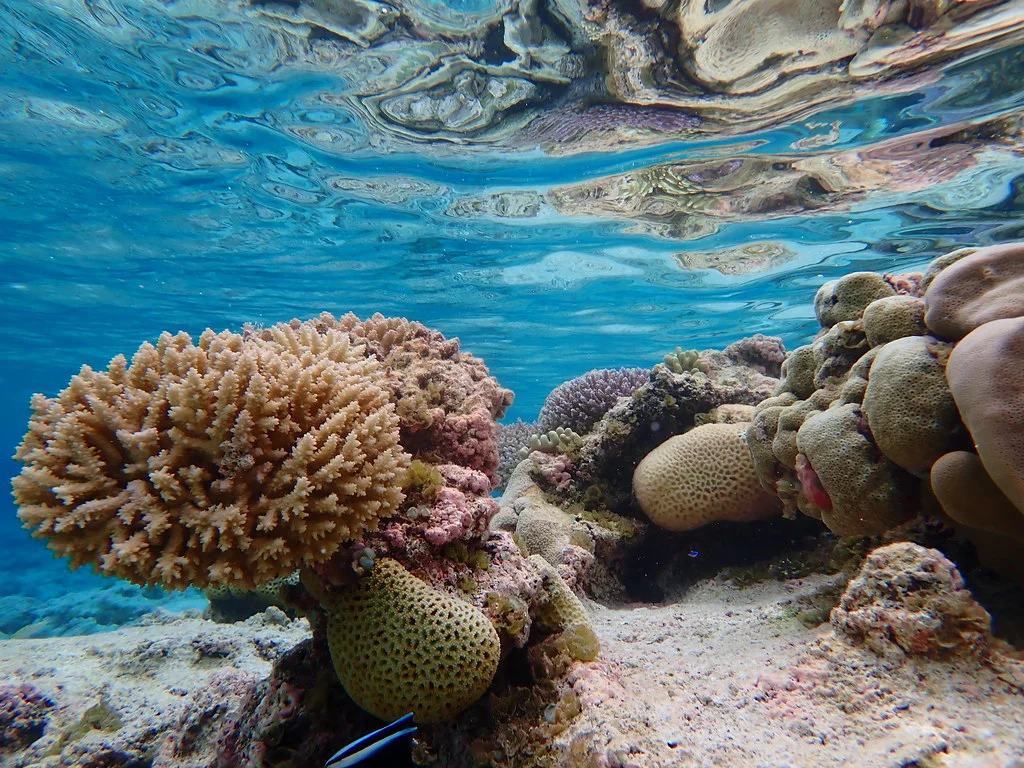
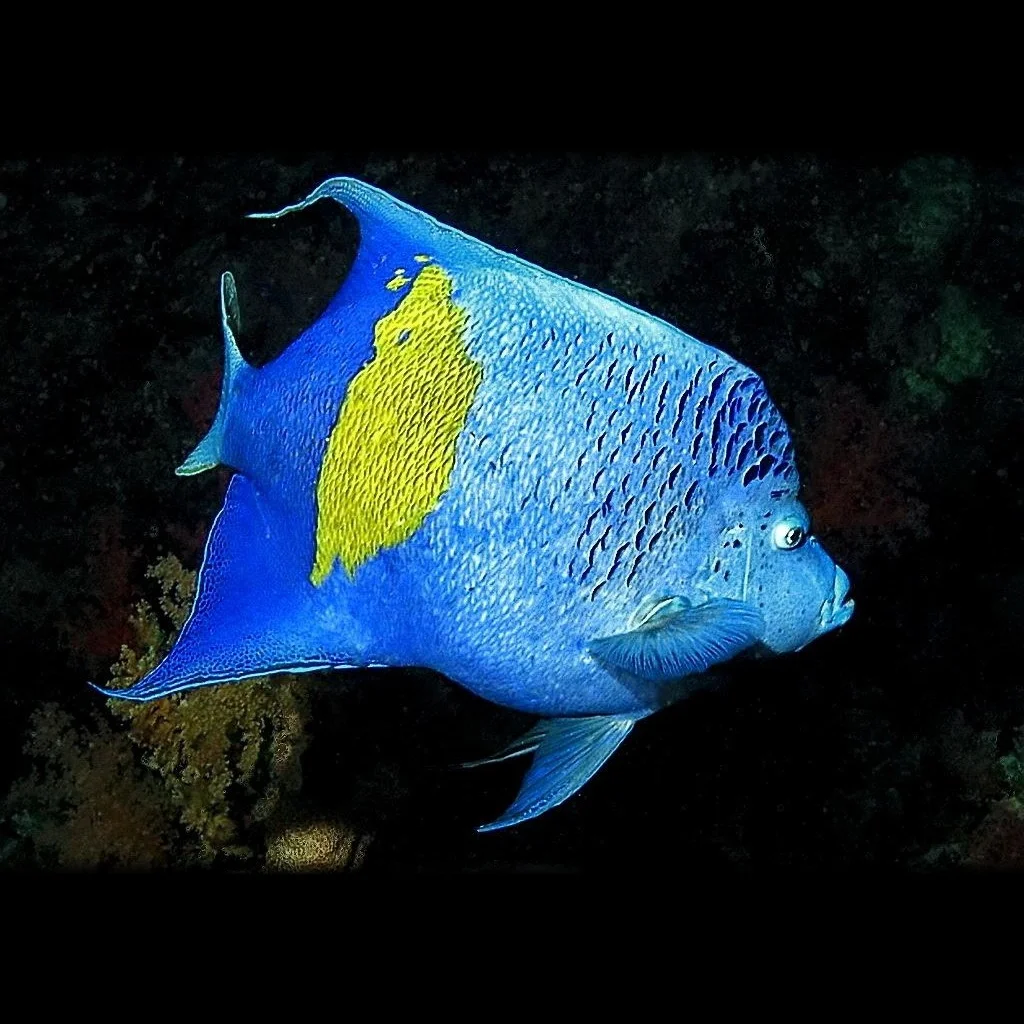
For 'The Cathedral' in Queensland, the vibrant corals immediately draw the eye, bustling with colorful reef fish, and it's common to spot turtles gliding by. Occasionally, larger pelagic species can also be observed in the surrounding waters.
Dive Sites Near Cathederals
View all dive sites in AustraliaDiscover more underwater gems in this area.
Dive Centers Near Cathederals
Today: Closed
Nearest Airports
Nearest airports to help plan travel to this dive area.
Search Flights
Check available flights and routes on Expedia, using the nearby airports listed in this section.
Search Flights on ExpediaFrequently Asked Questions
What kind of dive site are the 'Cathedrals'?
The 'Cathedrals' refer to two distinct dive sites in Australia: Cathedral Cave in Tasmania, a large sea cave system with tunnels and caverns, and 'The Cathedral' in Queensland, characterized by impressive coral formations and overhangs on a reef.
What marine life can I expect to see?
In Tasmania's Cathedral Cave, you might spot weedy seadragons, cuttlefish, and kelpfish among giant kelp. Queensland's 'The Cathedral' is home to colorful reef fish, turtles, and sometimes larger pelagic species near its vibrant coral structures.
What is the typical depth range for these dives?
Diving at Cathedral Cave on the Tasman Peninsula typically reaches depths of approximately 21 m (69 ft). For 'The Cathedral' in Queensland, divers can explore down to 30 m (100 ft).
When is the best time of year to dive these sites?
The best time varies by location. December to February is recommended for Cathedral Cave in Tasmania. For 'The Cathedral' in Queensland, April to October generally offers optimal conditions and good visibility.
Are permits required to dive at these sites?
Based on available information, permits are not consistently reported as being required to dive at either Cathedral Cave in Tasmania or 'The Cathedral' in Queensland. However, always confirm with local dive operators before your dive.
What is the recommended diver experience level?
Cathedral Cave in Tasmania is often recommended for experienced divers due to its cave system. 'The Cathedral' in Queensland is generally considered intermediate difficulty. Open water certified divers and above are typically welcome at both.
Planning to dive Cathederals?
Send one inquiry and receive offers directly from the best verified local dive operators.
Conditions are Poor
High Wind Advisory (43km/h). Unsafe surface.
Current conditions near Cathederals show 24° air, 24° sea temperature, 2.0 m waves, and 43 km/h wind. Forecast data is refreshed regularly to ensure accuracy.