
Diving at Flynn Reef (Australia)
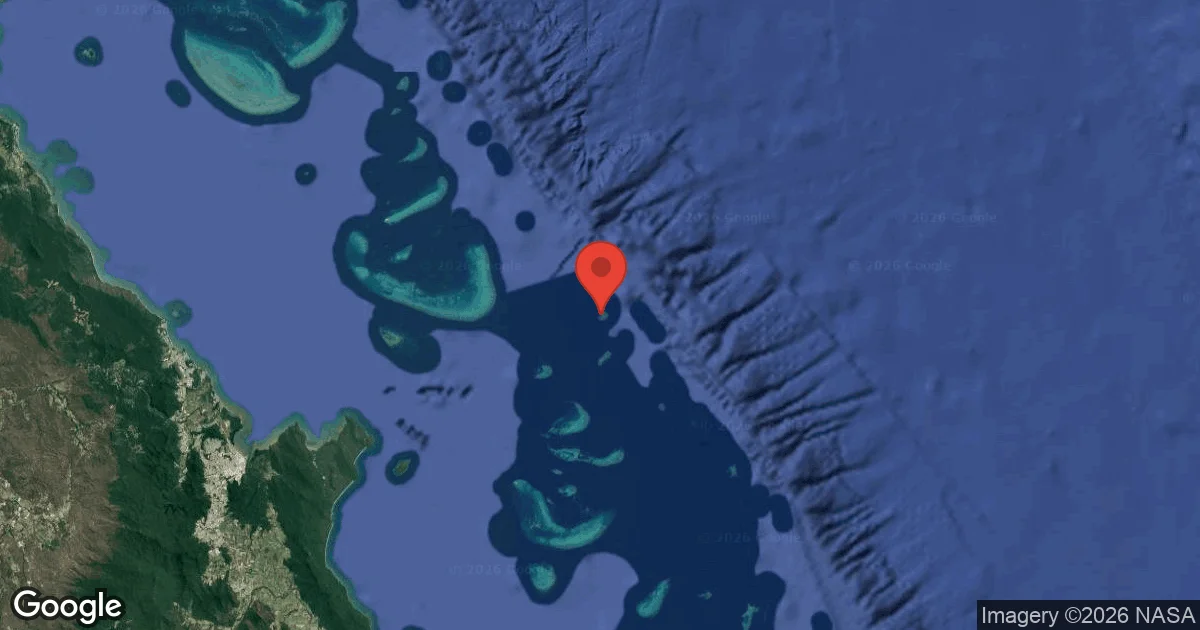
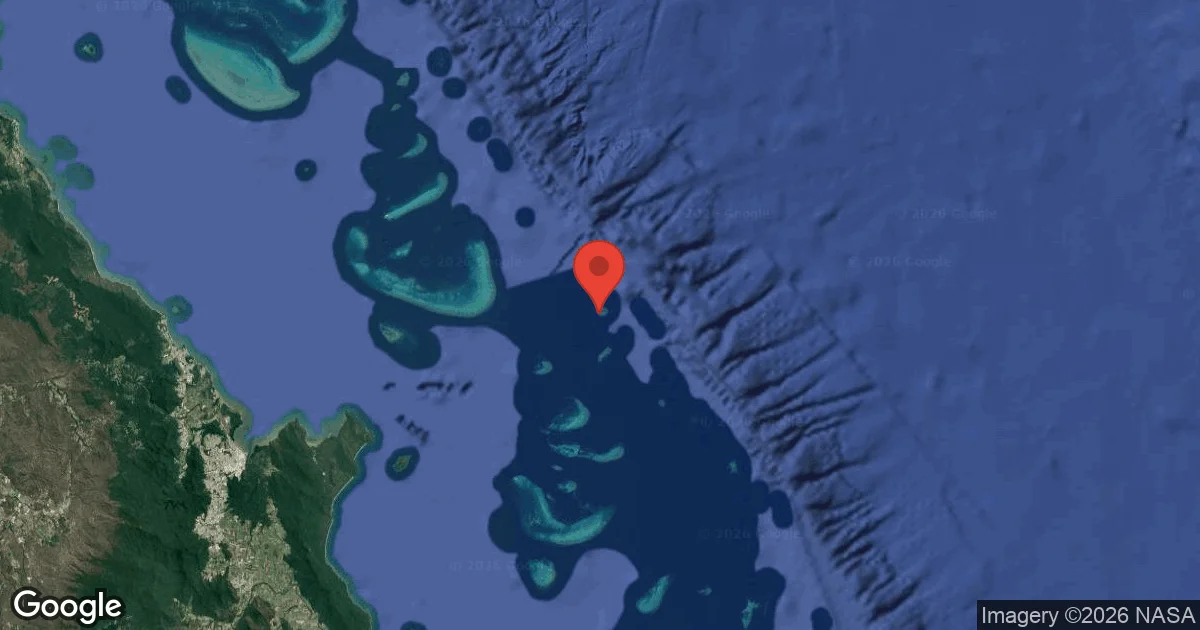
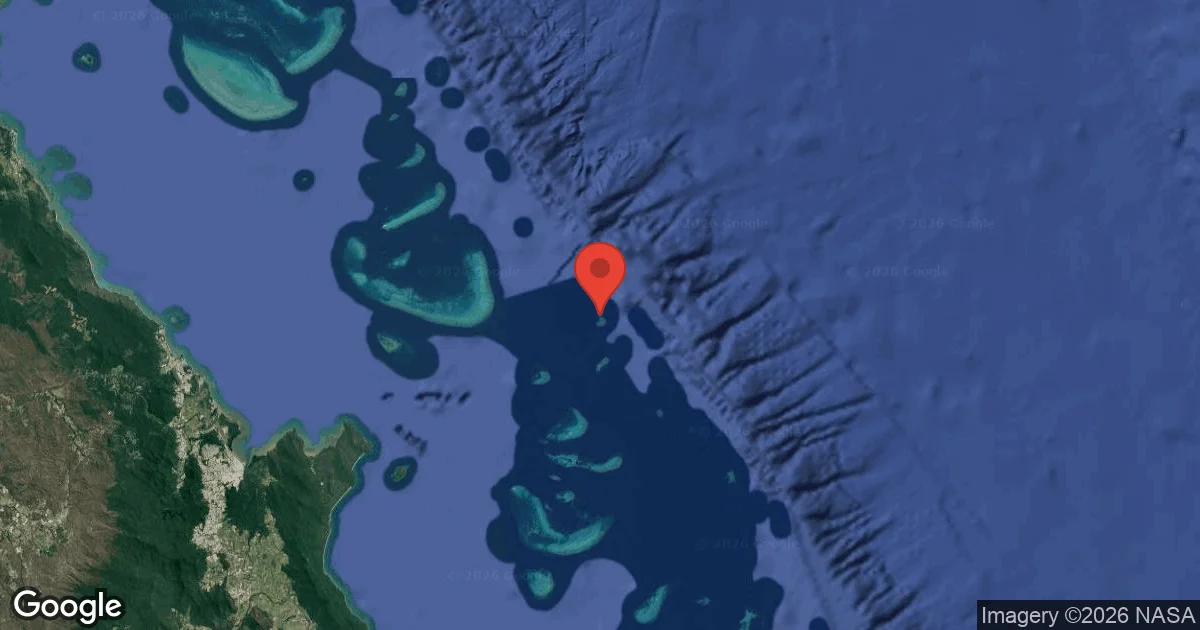
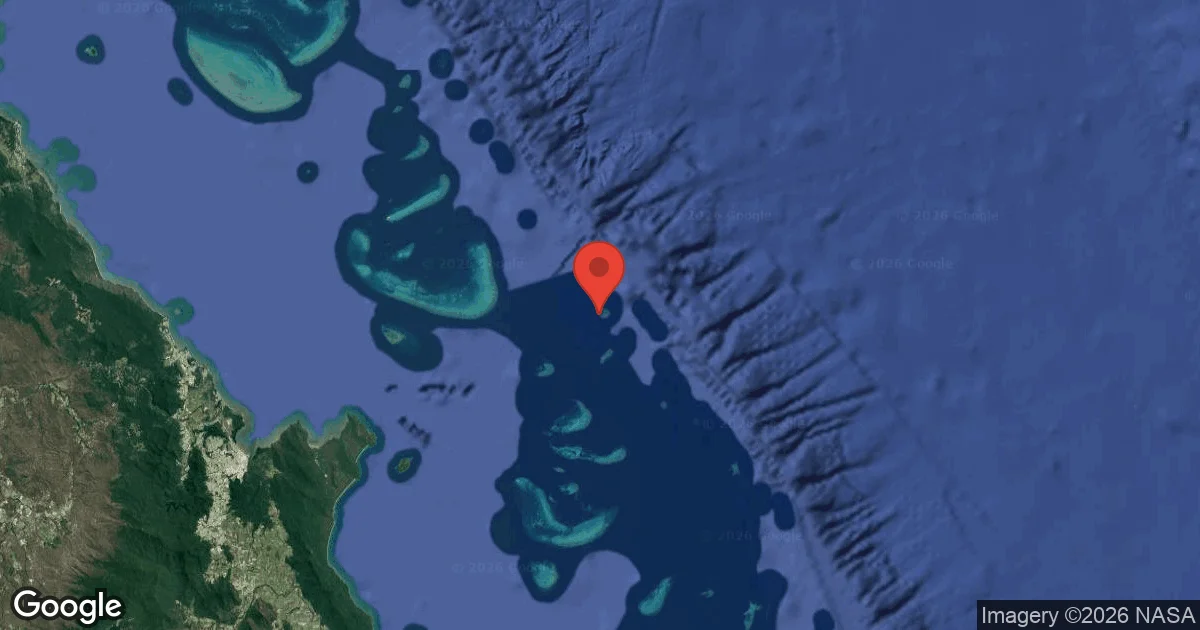
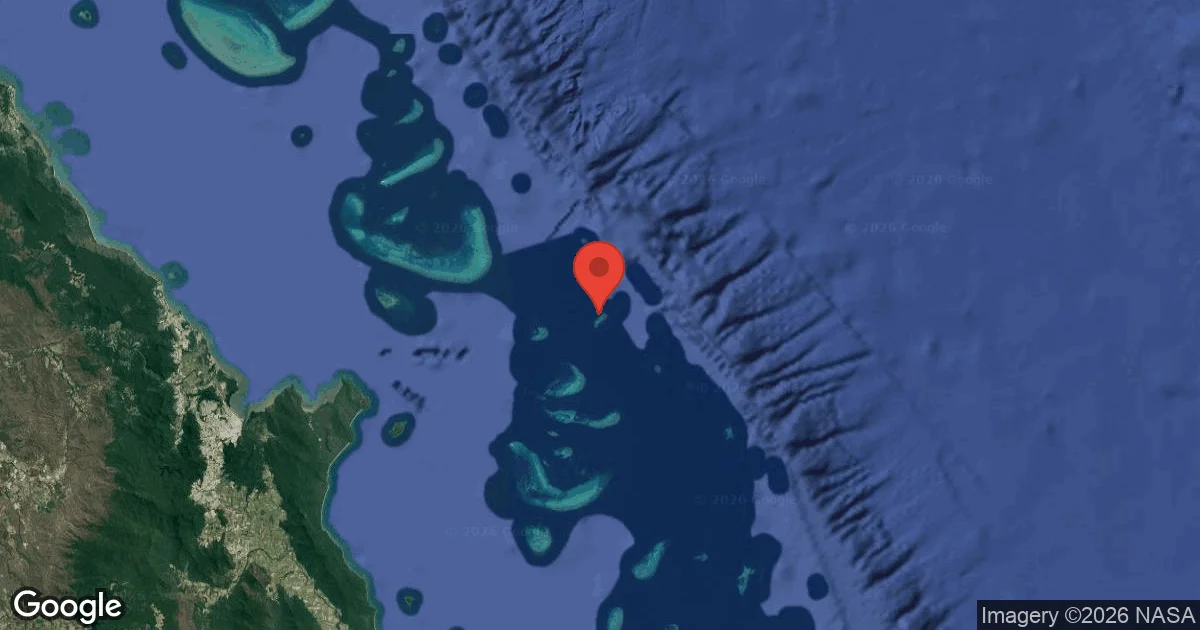
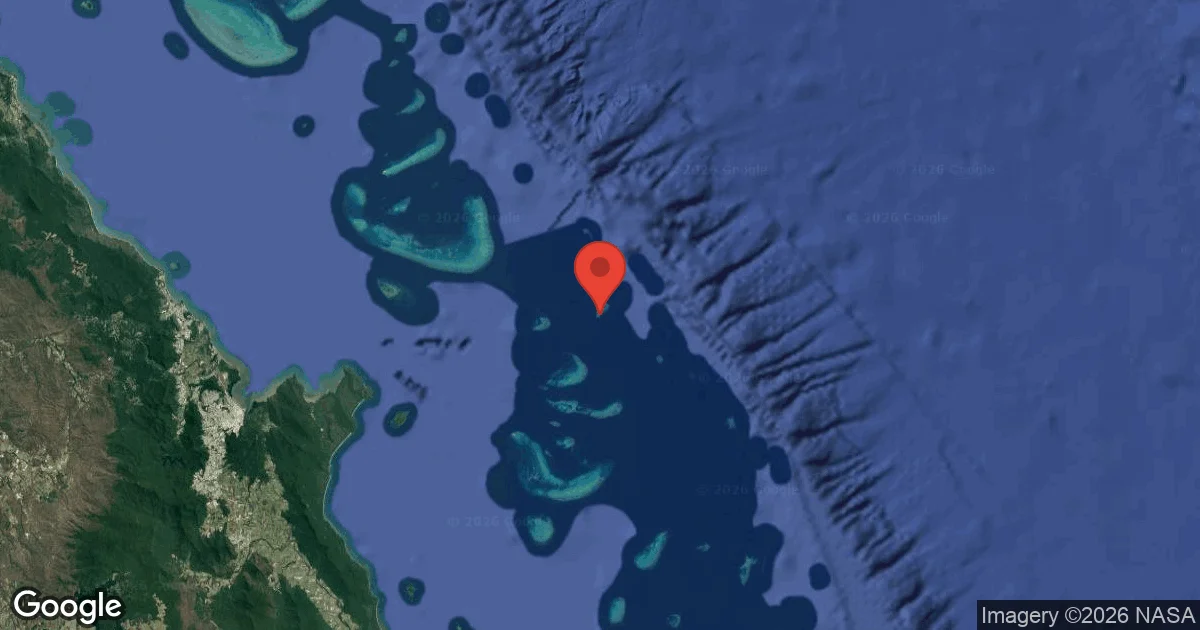
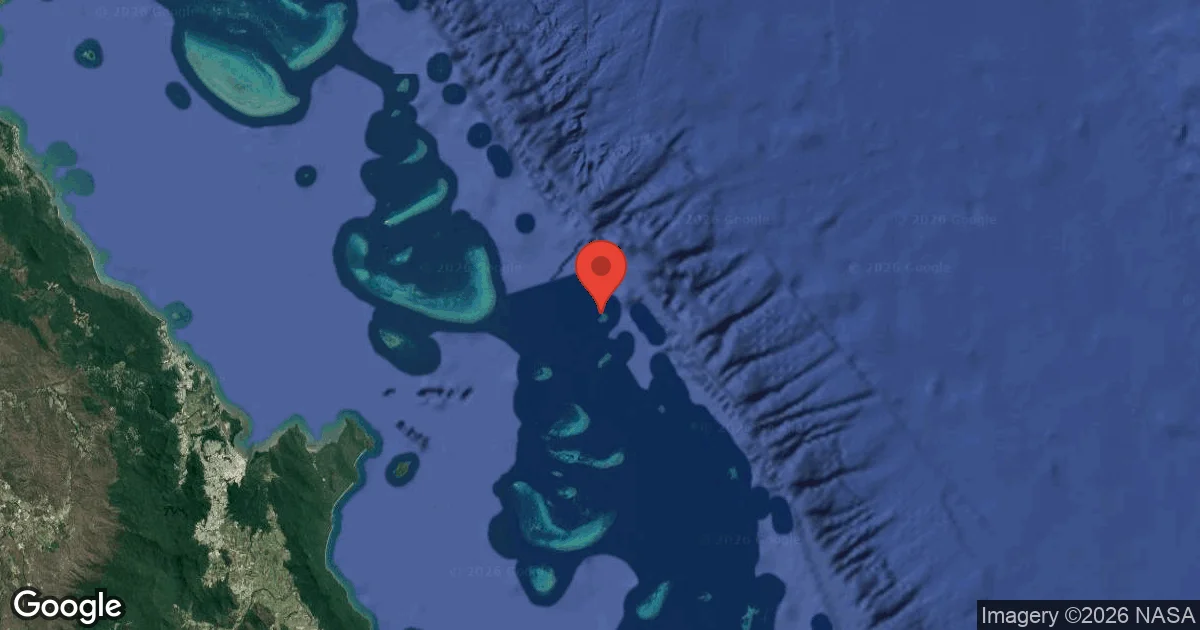
Reaching Flynn Reef entails a journey to the Great Barrier Reef's outer edge, approximately 60 km offshore from Cairns. This expansive system hosts numerous individual sites like Coral Gardens, Gordon's Mooring, Ski Slope, Tennis Court, and Tracy's Bommie. Each of these sub-reefs offers distinct dive experiences, from bommie swim-throughs and reef walls to terraced slopes and shallow coral gardens. Day trips provide a glimpse, while liveaboards unlock deeper exploration across its diverse underwater terrain.
Tonight's objective overview for Flynn Reef shows an air temperature of 23.5°C. The measured surface conditions include wave heights around 2.4 m. This environmental data is logged for the close of the day.
Dive Site Location & Key Facts
Dive Site Overview
Flynn Reef truly sets itself apart with its remarkable and consistent blend of varied underwater topography and year-round accessibility, making it a highly regarded destination on the Outer Great Barrier Reef. Within its expansive boundaries, divers can explore an impressive array of reef types.
You'll navigate through intricate canyons and natural swim-throughs, discover dramatic reef walls, and glide over vast coral flats. Depths here range comfortably from 5 to 30 m / 16 to 100 ft, accommodating a wide spectrum of certification levels. The reef's structural layout provides natural shelter, ensuring generally mild and manageable currents, which makes it particularly inviting for novice divers and snorkellers.
Many visitors describe the underwater scenery as genuinely captivating, with vibrant hard and soft coral formations creating a rich ecosystem. It’s a site that frequently reveals new perspectives, whether experienced during a day trip or an extended liveaboard, which grants access to a larger variety of specific locations such as Gordon's Mooring or Tracy's Bommie.
Its reputation for coming alive after dusk also positions it as a premier location for night dives, offering a different view of its vibrant inhabitants. This combination of ease of access, diverse structures, and consistent marine activity creates a dynamic and rewarding dive experience.
Conditions are Poor
High Swell Advisory. Not recommended.
Current conditions near Flynn Reef show 24° air, 25° sea temperature, 2.4 m waves, and 42 km/h wind. Forecast data is refreshed regularly to ensure accuracy.
Best Time to Dive
Optimal diving at Flynn Reef is generally possible throughout the year, with conditions experiencing seasonal shifts. The late spring months, particularly October and November, often present highly favorable conditions, boasting average air temperatures around 25-26.5°C / 77-80°F. These months typically see notably lower rainfall, often less than 1 mm, which contributes to excellent dive scores. Even during the tropical wet season, from January to March, air temperatures remain warm, averaging 27.5-28°C / 82°F, though rainfall does increase to 12-16 mm. Despite higher precipitation, good visibility is frequently reported, even in these wetter periods. Winter months, extending from June through September, feature cooler average air temperatures, ranging from 23-24°C / 73-75°F, and similarly low rainfall. While trade winds can become more prominent during winter, potentially increasing wave height on the surface, currents at Flynn Reef usually remain mild and manageable underwater, contributing to its consistent appeal for divers.
PEAK SEASON SCORE
Scores combine air & water temps, waves, wind & rainfall for overall conditions.
BEST MONTHS TO DIVE
Monthly records compiled from satellite and marine observation nodes over the last 3 years. Data provided by Open-Meteo and MET Norway.
Dive Experience & Conditions
Upon descending into Flynn Reef, divers are frequently greeted by impressive visibility, often ranging between 15-25 meters / 50-82 feet, and sometimes even exceeding this in certain areas. The underwater environment typically feels protected and calm, with generally mild currents that facilitate straightforward navigation for divers of varying skill levels. You'll traverse a complex and colorful tapestry of reef types, from the dramatic drop-offs of outer reef walls to the sheltered passages found within bommie swim-throughs. Exploring sites like Coral Gardens might unveil extensive stands of delicate staghorn coral, terraced formations of table corals, and large, solid boulder coral heads, all interspersed with the gentle sway of soft corals. The prevailing impression is that of a vibrant, thriving ecosystem, offering both intricate details for macro enthusiasts and larger spectacles for those seeking pelagic encounters.
Dive Difficulty & Safety Guidelines
When preparing for a dive at Flynn Reef, adopting a proactive approach to safety, even within its typically calm environment, is always recommended. While conditions are generally known for mild currents, localized variations can occur, so always verify the day's specific outlook with your chosen dive operator. Adhering strictly to your certification limits and following your dive guide's instructions is paramount, particularly when exploring areas with overhangs or confined swim-throughs.
The reef's maximum depth is around 30 meters. As a vital part of the Great Barrier Reef Marine Park, practicing responsible diving — such as maintaining excellent buoyancy control and avoiding any contact with the delicate coral structures — is essential for its long-term preservation.
Always dive with a qualified buddy, and consider carrying an audible surface signaling device, especially if any possibility of a drift dive is anticipated, to enhance your personal safety.
Recommended Equipment
- Dive Computer
- DSMB
This gear list is based on verified equipment signals for Flynn Reef, Australia. Always confirm final gear choices with your dive operator, guide, or liveaboard.
Recommended Dive Suit
In these water temperatures, 3mm wetsuit is a common choice for recreational diving. Strong winds are present; please take strong precautions against rapid cooling during surface intervals. Longer dive profiles can make thermal protection more important than short exploratory dives.
Conditions at Flynn Reef currently place the water temperature near 25°C (76°F). Surface air temperatures are resting at 24°C (74°F).
Forecast models indicate that diving conditions should remain largely unchanged.
Emergency & Medical Support
Essential information to help you plan your dive trip to Flynn Reef.

Hyperbaric chambers are a critical part of dive safety infrastructure. Availability varies significantly by region, and not all dive areas have immediate access.
Before diving, it's recommended to:
- confirm nearest medical facilities
- check emergency procedures with local dive operators
- ensure dive insurance covers evacuation if required
Divers Alert Network
Diving emergency assistance available through DAN World.
+1-919-684-9111- 24/7 emergency hotline
- Diving medical assistance
- Evacuation coordination
Emergency contacts are provided for reference. Always verify local emergency services before diving.
Marine Life at Flynn Reef
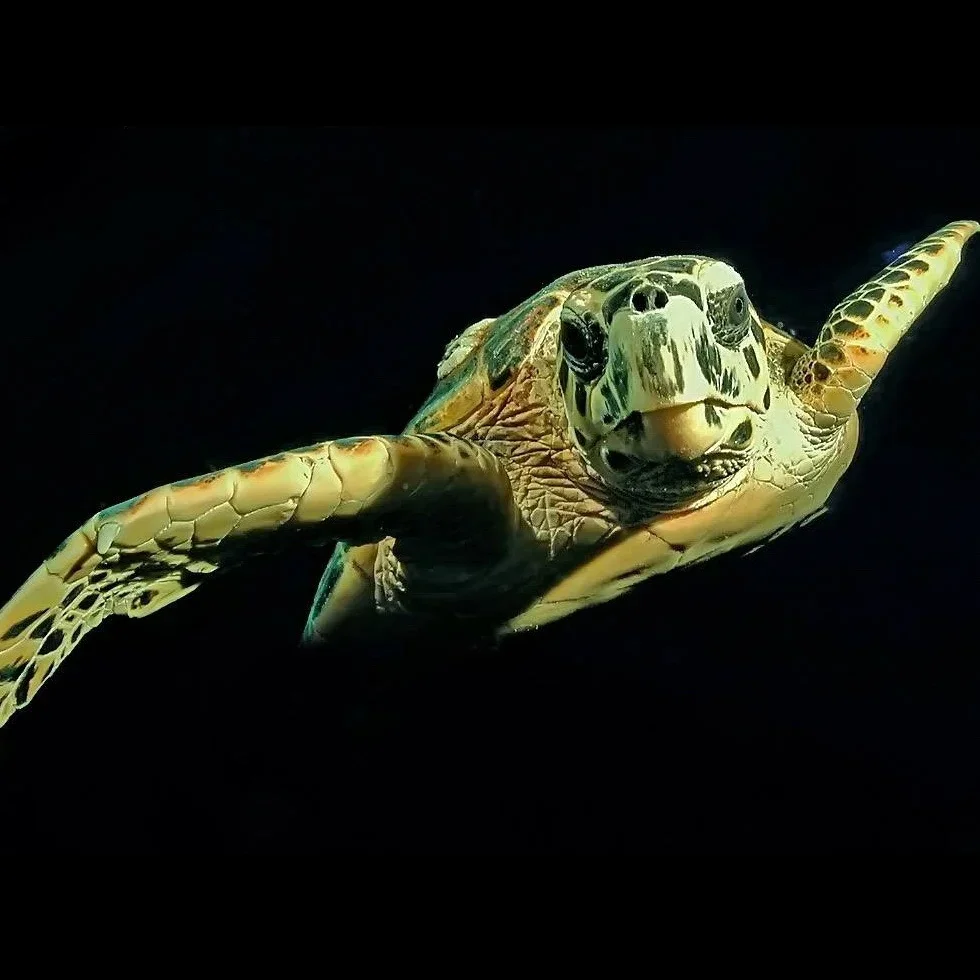
Encounters with the diverse marine inhabitants are a significant highlight at Flynn Reef, showcasing a rich cross-section of Great Barrier Reef species. Divers frequently observe several types of sea turtles, including Loggerhead and Hawksbill turtles, often found grazing on coral or simply resting.
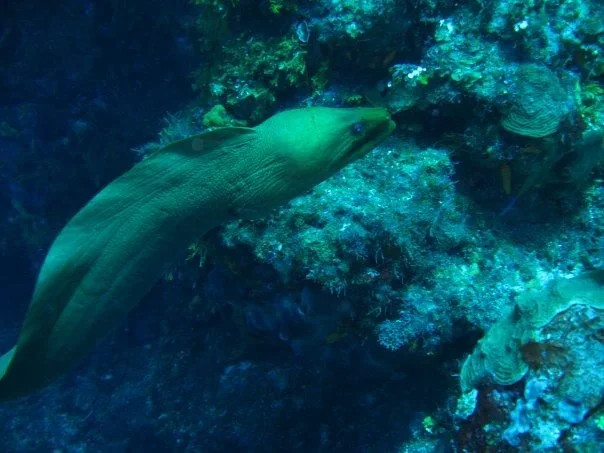
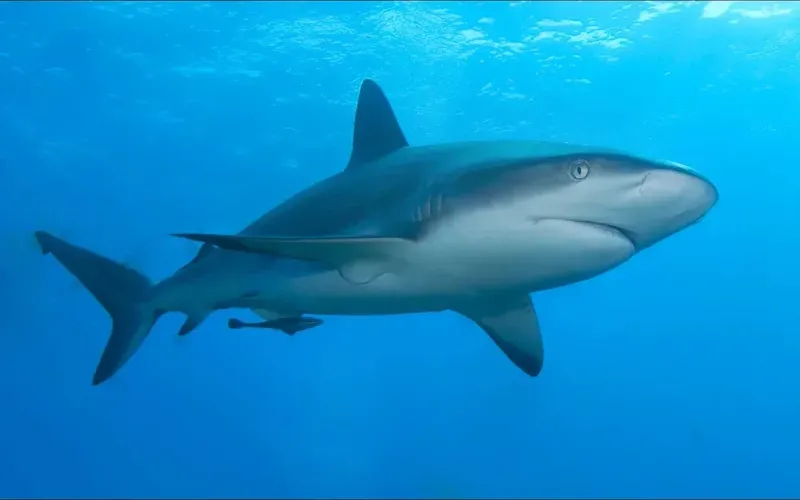
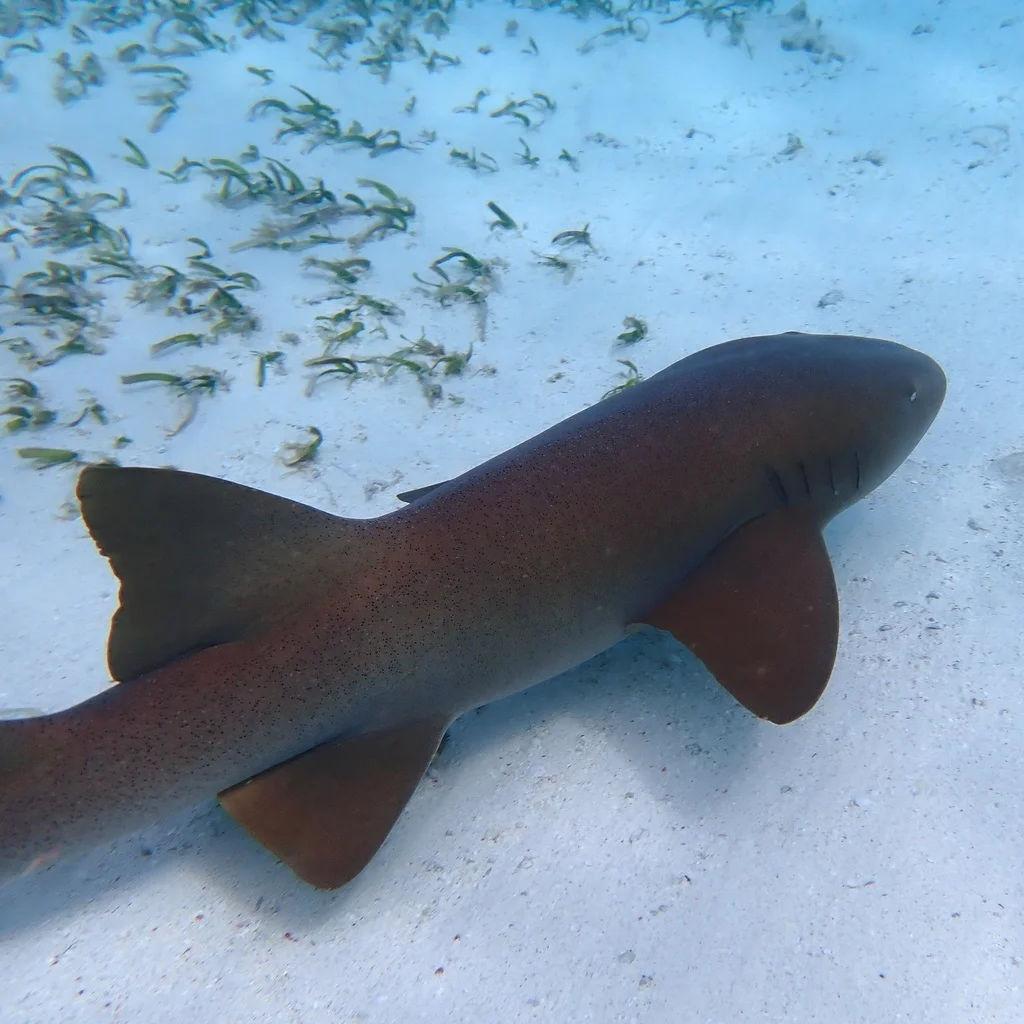
Nurse sharks and other smaller reef shark species are present, occasionally even juveniles, which adds an exciting dynamic to the dive. Moray eels can often be spotted peering from their rocky hideaways, while schools of large trevallys patrol the deeper sections.
Keep a keen eye out for vibrant nudibranchs, typically camouflaged among the corals, and schools of parrotfish actively feeding across the reef. Night dives here also provide a unique opportunity to witness different nocturnal behaviors, sometimes including encounters with very large turtles.

Dive Sites Near Flynn Reef
View all dive sites in AustraliaDiscover more underwater gems in this area.
Dive Centers Near Flynn Reef
Today: Closed
Nearest Airports
Nearest airports to help plan travel to this dive area.
Search Flights
Check available flights and routes on Expedia, using the nearby airports listed in this section.
Search Flights on ExpediaFrequently Asked Questions
How deep are the dives at Flynn Reef?
Depths generally range from 5 to 30 meters (16 to 100 feet), catering to both novice and more experienced divers. Specific dive sites within Flynn Reef offer varying depths and topography to explore.
What is the visibility typically like at Flynn Reef?
Visibility at Flynn Reef is often good, averaging between 15-20 meters (50-65 feet). Under optimal conditions, especially with calm weather, visibility can frequently extend beyond 25 meters (82 feet).
Are the currents strong at Flynn Reef?
Flynn Reef is recognized for its mild and manageable currents, making it a popular and accessible site for divers of all experience levels. However, local conditions can vary, so always check with your dive operator on the day.
What kind of marine life can I expect to see at Flynn Reef?
You can encounter a diverse array of marine life, including several species of sea turtles, nurse sharks, other reef sharks, moray eels, large trevallys, nudibranchs, and schools of parrotfish. The extensive coral gardens also host numerous smaller reef fish.
Is Flynn Reef suitable for beginner divers?
Yes, Flynn Reef is considered a popular choice for novice divers and snorkellers due to its accessibility, generally good visibility, and natural protection from strong currents. Many sites are well-suited for introductory or training dives.
Can I experience night diving at Flynn Reef?
Yes, Flynn Reef is an excellent site for night diving. As dusk falls, the reef comes alive with nocturnal creatures, offering a unique perspective and sometimes including memorable encounters with large turtles.
How is Flynn Reef typically accessed?
Flynn Reef is usually accessed via day trips or multi-day liveaboard excursions departing from Cairns, Queensland. Cairns provides a convenient hub with an international airport and numerous tour operators.
Planning to dive Flynn Reef?
Send one inquiry and receive offers directly from the best verified local dive operators.
Conditions are Poor
High Swell Advisory. Not recommended.
Current conditions near Flynn Reef show 24° air, 25° sea temperature, 2.4 m waves, and 42 km/h wind. Forecast data is refreshed regularly to ensure accuracy.