
Diving at Little Tracey's (Australia)
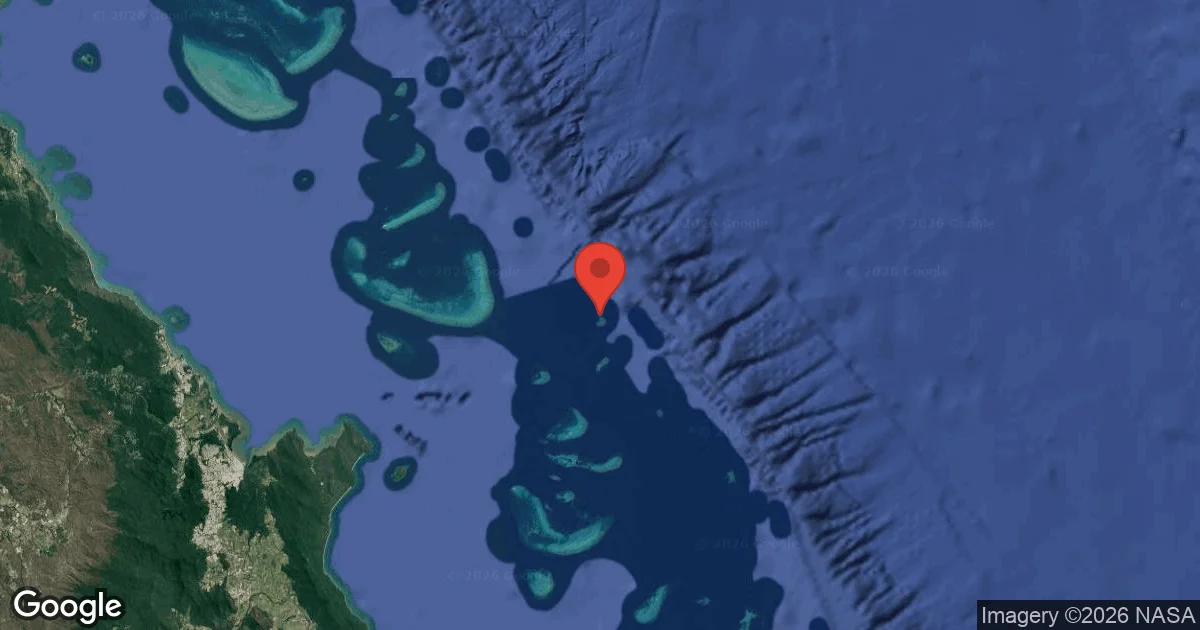
Approaching Little Tracy's requires careful planning due to its outer-reef location and boat-only access. Divers should be prepared for varying surface conditions that can shift more rapidly here compared to more sheltered inshore reefs. Its reputation for excellent visibility and healthy coral rewards those ready for an intermediate boat dive, making it a staple on many Cairns itineraries.
Evening condition tracking at Little Tracey's features an air temperature of 23°C. We have recorded wave heights measuring 2 m during this period. These figures outline the environmental parameters currently present.
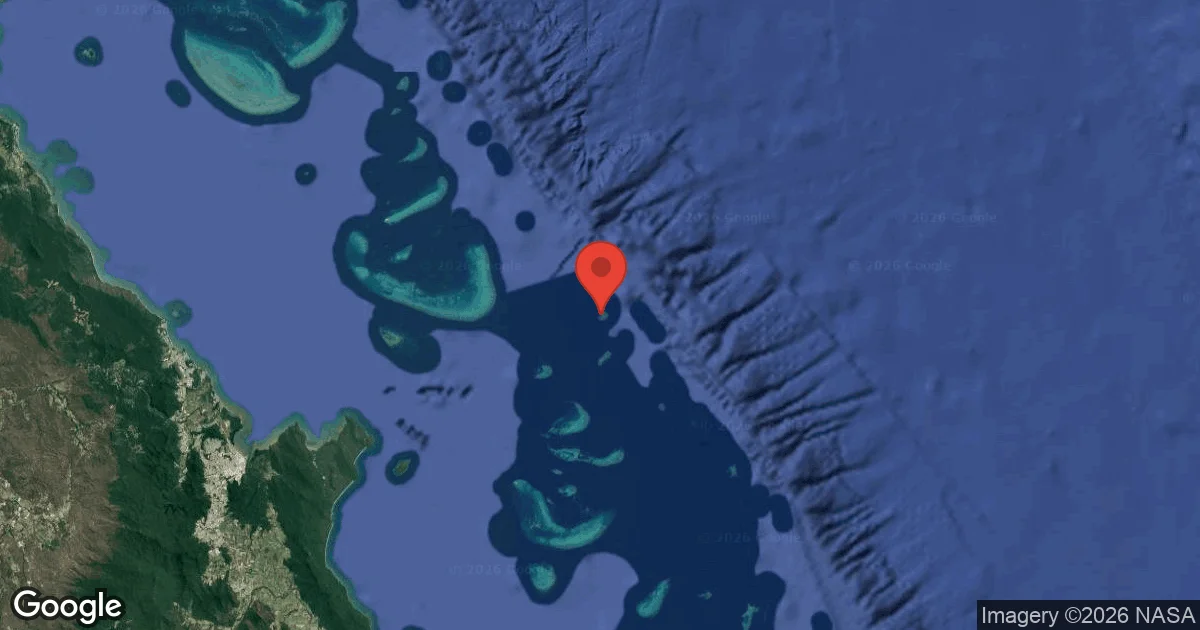
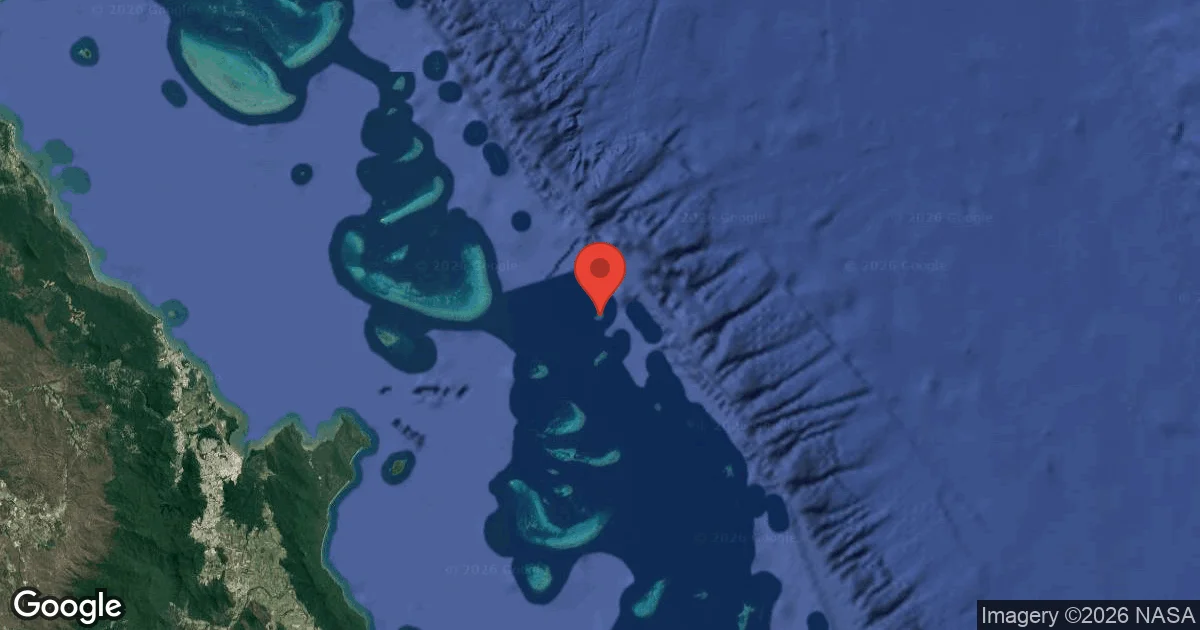
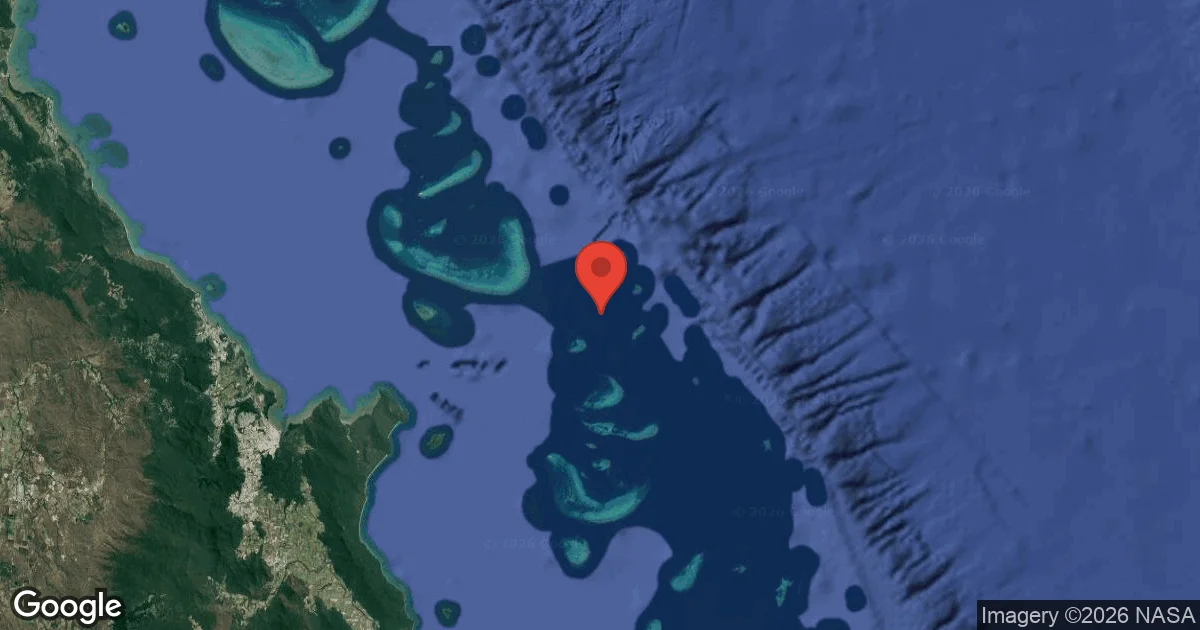
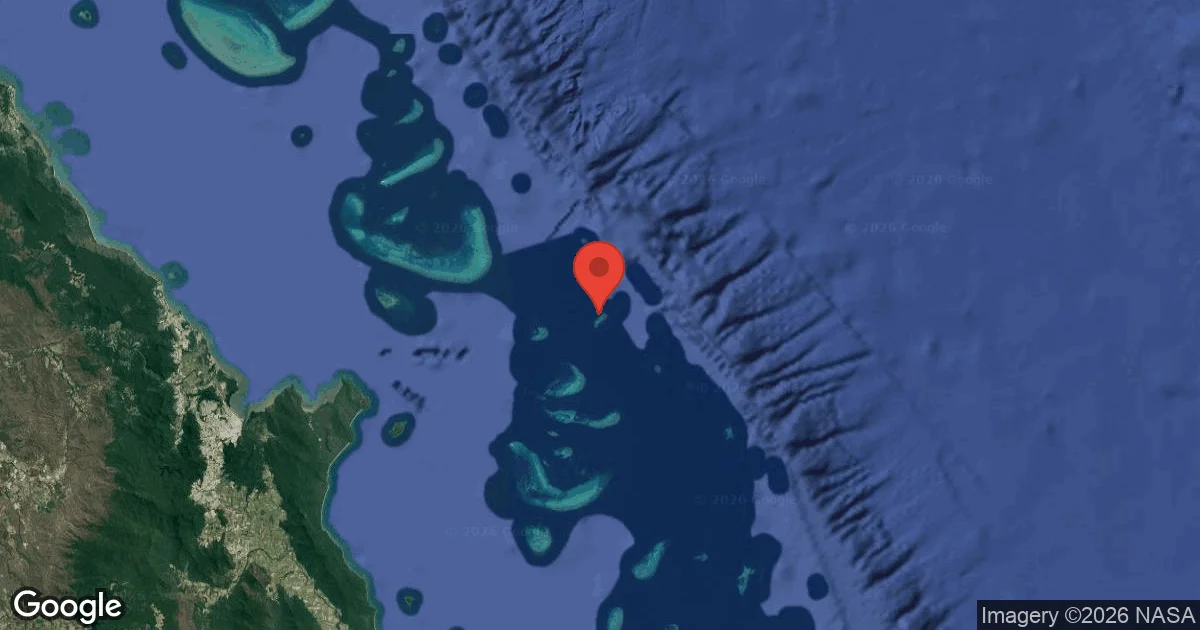
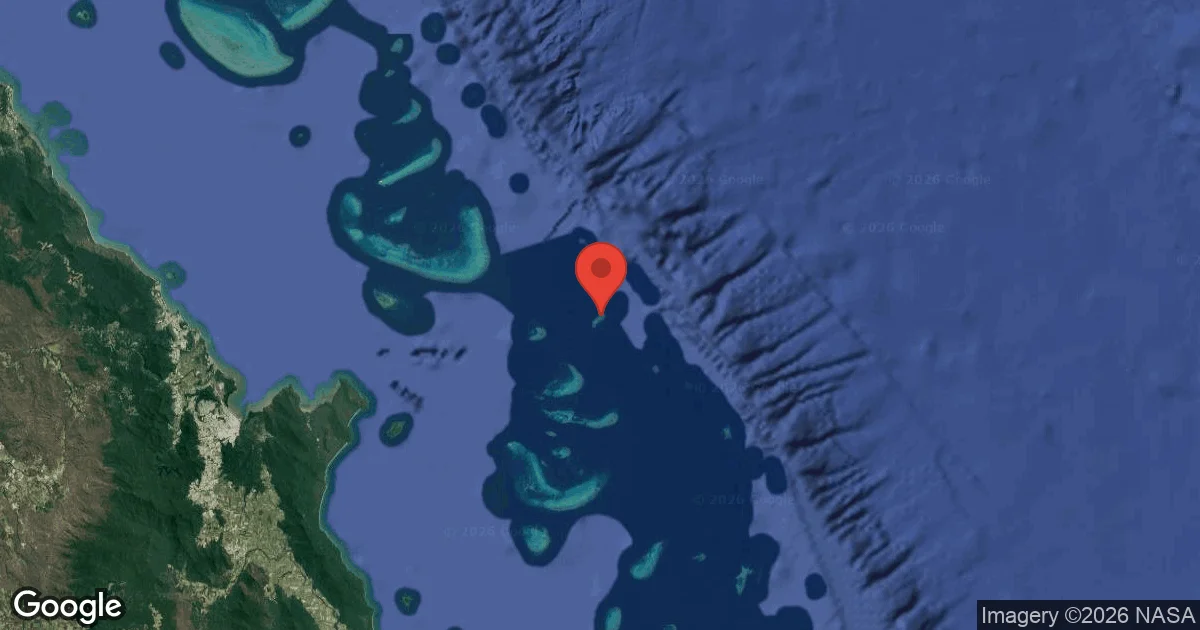
Dive Site Location & Key Facts
Dive Site Overview
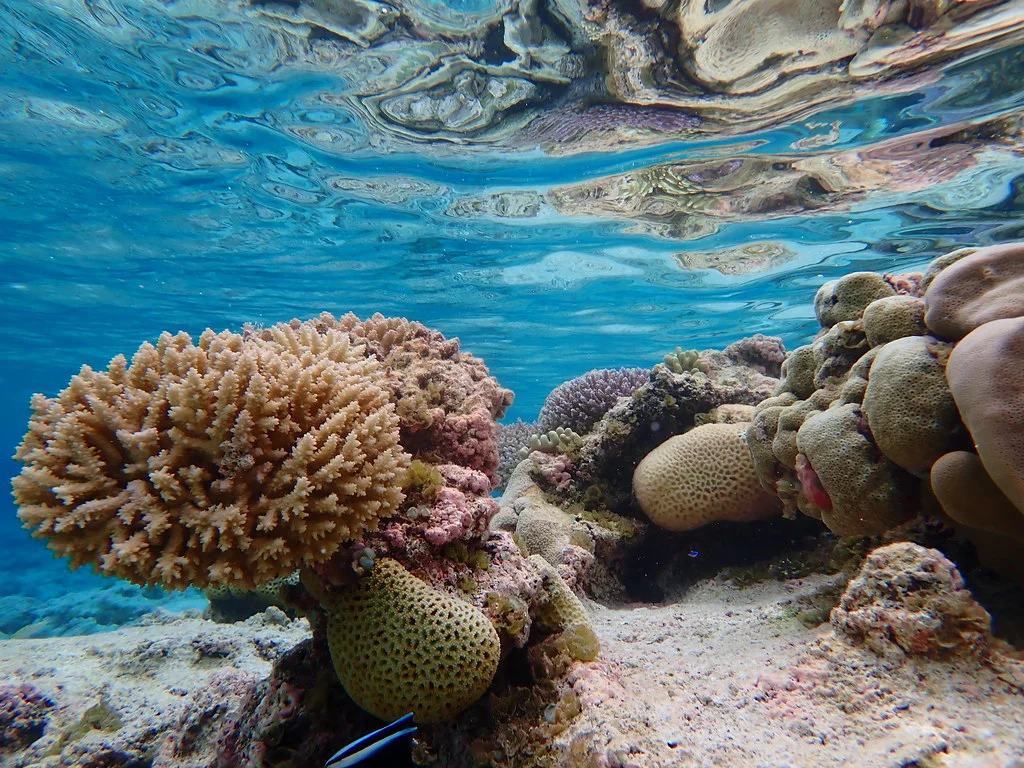
Little Tracy's unfolds as a vibrant outer-reef dive, presenting a dynamic underwater topography. Divers encounter distinct wall edges, expansive sloping coral gardens, and scattered sandy lagoon pockets throughout the site.
Exploring this unique environment reveals a rich tapestry of marine structures, where massive plate corals dominate some sections, alongside delicate stands of staghorn coral, robust boulder coral heads, and intricate terraces of table corals. Down deeper on the reef, particularly where the slope meets the sandy bottom, swaying soft corals and impressive fan corals emerge, adding to the visual appeal.
Giant clams are frequently observed, nestled among these healthy coral formations across the reef. The site provides a compelling blend of classic reef diving and more dramatic wall diving opportunities, with maximum depths recorded up to 25 m (82 ft).
This depth range comfortably accommodates advanced open water divers, offering ample exploration space within recreational limits. Varying reef formations create numerous ledges and overhangs, inviting closer inspection for smaller macro life.
Observing the transition from shallower, sun-drenched coral gardens to deeper, fan-coral-adorned slopes is a key feature here.
Conditions are Poor
High Swell Advisory. Not recommended.
Current conditions near Little Tracey's show 23° air, 25° sea temperature, 2.3 m waves, and 42 km/h wind. Forecast data is refreshed regularly to ensure accuracy.
Best Time to Dive
Considering the optimal conditions for diving, Little Tracy's is generally accessible year-round, though specific seasons offer calmer seas and enhanced visibility. From June to October, divers typically encounter the most settled surface conditions and clearer outer-reef visibility. During these months, average air temperatures range from 23.5°C to 25°C (74°F to 77°F), with rainfall consistently low, often less than 2.3 mm per month. Conversely, the summer months, such as January to March, see higher air temperatures around 27.5°C to 28°C (81°F to 82°F) and increased rainfall, sometimes exceeding 16 mm. While water temperature is not consistently reported, the tropical climate ensures generally warm diving conditions throughout the year.
PEAK SEASON SCORE
Scores combine air & water temps, waves, wind & rainfall for overall conditions.
BEST MONTHS TO DIVE
Monthly records compiled from satellite and marine observation nodes over the last 3 years. Data provided by Open-Meteo and MET Norway.
Dive Experience & Conditions
Conditions at Little Tracy's generally reveal excellent visibility, often averaging 17 m (56 ft) during a dive. Starting over a plateau of vibrant coral gardens, the route quickly transitions to a terracing slope, reaching depths between 10 to 20 m (33 to 66 ft). Currents here are usually described as moderate, requiring attention to buoyancy and precise positioning, particularly when navigating along the distinct wall edges. Light surge can also be present, especially near the surface and shallower sections of the reef. As an outer-reef location, conditions can be more exposed, necessitating careful entry and exit procedures from the dive boat. Varied terrain and consistently clear waters provide an engaging experience for intermediate-level divers, rewarding those prepared for dynamic open-water environments.
Dive Difficulty & Safety Guidelines
Navigating Little Tracy's involves adhering to specific safety protocols inherent to outer-reef diving. Access to the site is restricted to boat operators, so divers must follow all briefings concerning entry and pickup procedures. Surface conditions can be dynamic, changing faster than what divers might encounter at more sheltered inshore locations, which requires situational awareness.
Little Tracy's is within the Great Barrier Reef Marine Park; consequently, observing all marine park zoning and wildlife-interaction rules is mandatory. This includes avoiding touching or collecting any coral, shells, or marine life to preserve the healthy ecosystem. There are no specific hazards reported beyond general outer-reef exposure.
Recommended Equipment
- Dive Computer
This gear list is based on verified equipment signals for Little Tracey's, Australia. Always confirm final gear choices with your dive operator, guide, or liveaboard.
Recommended Dive Suit
For many recreational divers, 3mm wetsuit provides a practical level of insulation in these conditions. Strong winds are present; please take strong precautions against rapid cooling during surface intervals. Surface intervals may feel cooler. Divers who tend to get cold easily may prefer slightly thicker exposure protection.
At the moment, divers exploring Little Tracey's will likely experience water temperatures near 25°C (76°F). Surface air temperatures are resting at 23°C (73°F).
Current forecasts indicate relatively stable conditions for the coming days.
Emergency & Medical Support
Essential information to help you plan your dive trip to Little Tracey's.

Hyperbaric chambers are a critical part of dive safety infrastructure. Availability varies significantly by region, and not all dive areas have immediate access.
Before diving, it's recommended to:
- confirm nearest medical facilities
- check emergency procedures with local dive operators
- ensure dive insurance covers evacuation if required
Divers Alert Network
Diving emergency assistance available through DAN World.
+1-919-684-9111- 24/7 emergency hotline
- Diving medical assistance
- Evacuation coordination
Emergency contacts are provided for reference. Always verify local emergency services before diving.
Marine Life at Little Tracey's
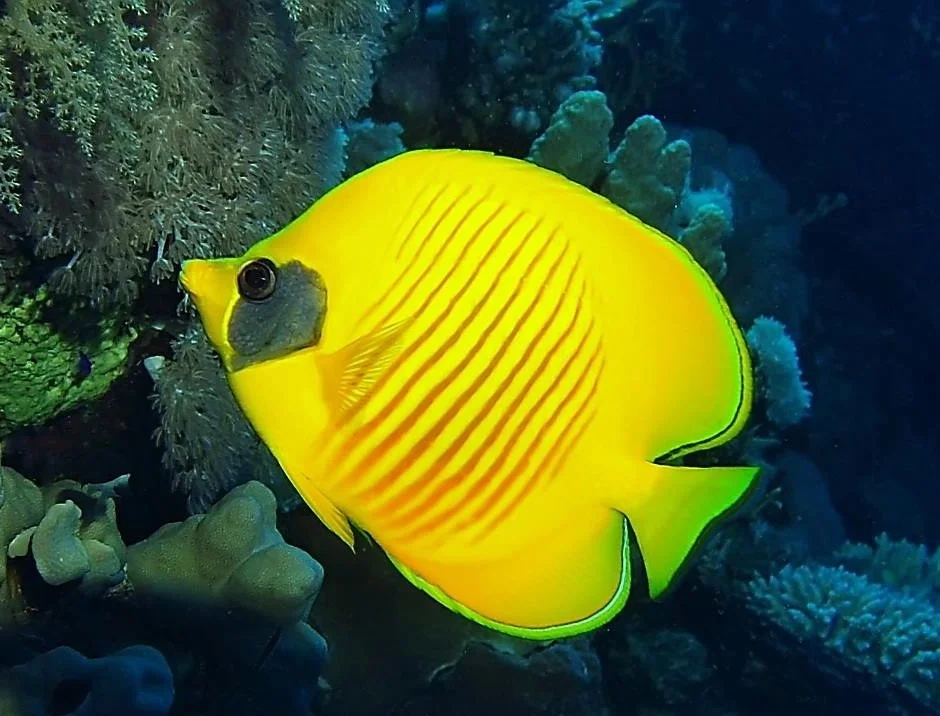
The underwater landscape at Little Tracy's teems with diverse marine life, integrating seamlessly with the healthy coral structures. Among the dense coral gardens, divers frequently encounter vibrant clownfish, several species of butterflyfish, and angelfish.
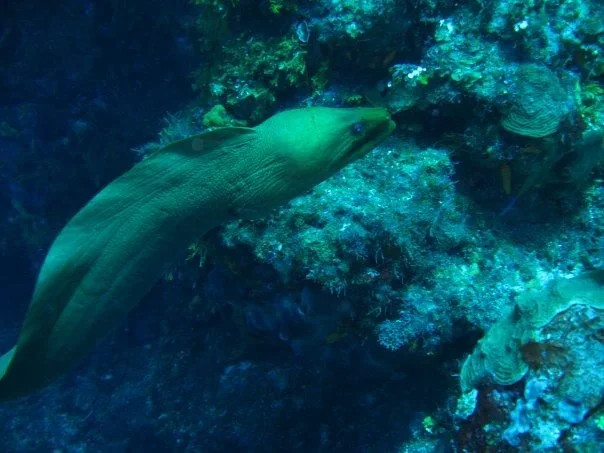
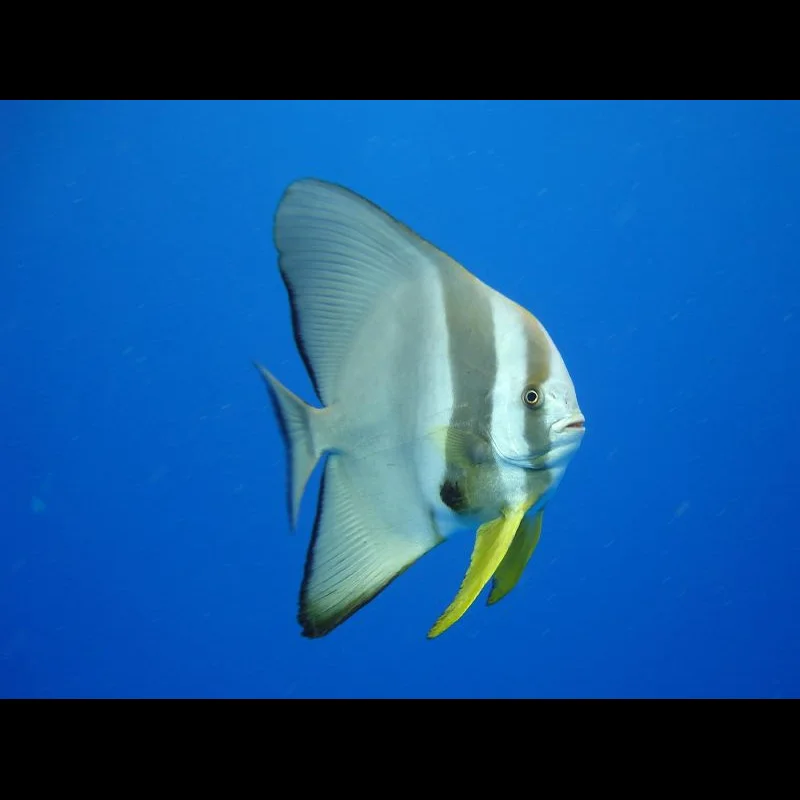
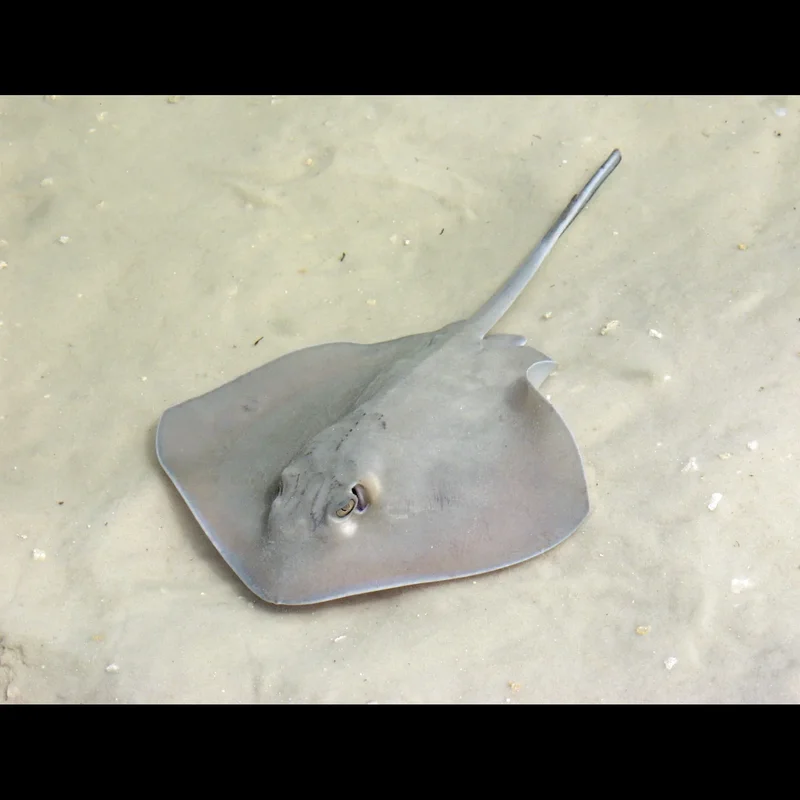
Along the reef slopes and deeper sections, common sightings include batfish, trout, and fusiliers. Moray eels often peek from crevices, while stingrays are occasionally observed gliding over the sandy bottom.
Whitetip reef sharks are regular visitors to the deeper reef, contributing to the site's lively feel. Lucky divers might also spot green turtles, triggerfish, and various nudibranchs.
Dive Sites Near Little Tracey's
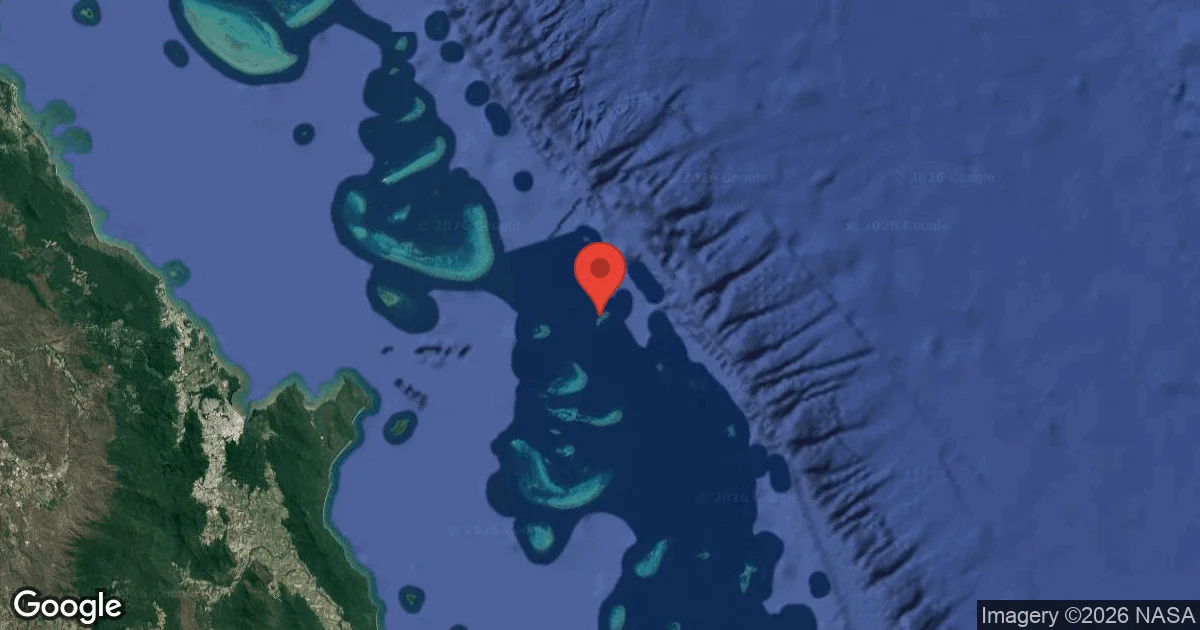
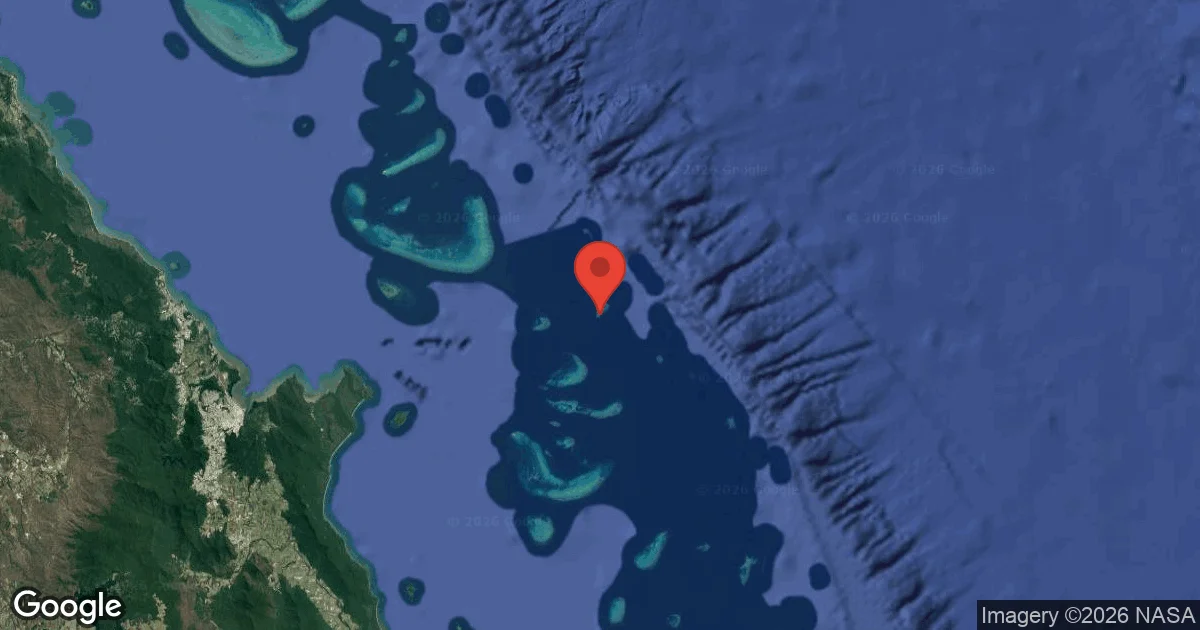
View all dive sites in AustraliaDiscover more underwater gems in this area.
Dive Centers Near Little Tracey's
Today: Closed
Nearest Airports
Nearest airports to help plan travel to this dive area.
Search Flights
Check available flights and routes on Expedia, using the nearby airports listed in this section.
Search Flights on ExpediaFrequently Asked Questions
How deep is Little Tracy's usually described?
Public dive listings commonly describe Little Tracy's with recreational depths up to 16 m (52 ft). However, the maximum recorded depth for this site is 25 m (82 ft), offering deeper exploration opportunities for appropriately certified divers.
How do divers reach Little Tracy's?
Little Tracy's is an outer-reef site, accessible exclusively by boat. Divers typically visit as part of operator itineraries departing from Cairns, often included in day trips or liveaboard schedules.
Is Little Tracy's suitable for newer divers?
The site is generally considered suitable for intermediate divers. While excellent visibility is common, the outer-reef exposure and potential for moderate currents mean it's best approached by those with Open Water Diver certification and some experience.
When is Little Tracy's usually at its easiest?
The easiest conditions for diving Little Tracy's typically occur from June to October. During these months, divers generally find the calmest seas and clearest outer-reef visibility, which contributes to a more comfortable experience.
What marine life is common at Little Tracy's?
Divers frequently observe clownfish, batfish, trout, and various species of butterflyfish and angelfish. Other common sightings include moray eels, stingrays, and whitetip reef sharks. Green turtles and triggerfish are also regularly seen.
What rules matter most at Little Tracy's?
Being within the Great Barrier Reef Marine Park, divers must adhere to all marine park zoning and wildlife-interaction rules. It's crucial to avoid touching or collecting any coral, shells, or marine life to protect the ecosystem.
Planning to dive Little Tracey's?
Send one inquiry and receive offers directly from the best verified local dive operators.
Conditions are Poor
High Swell Advisory. Not recommended.
Current conditions near Little Tracey's show 23° air, 25° sea temperature, 2.3 m waves, and 42 km/h wind. Forecast data is refreshed regularly to ensure accuracy.