
Diving at The Whale (Australia)
To truly immerse yourself at The Whale, plan your expedition during the peak Minke whale migration in June and July. This window offers the highest probability for close in-water interactions. Dive itineraries are meticulously designed around these magnificent creatures, prioritizing responsible encounters over rigid dive schedules. Prepare for extended surface time if the whales engage.
As evening covers The Whale, the local air temperature is measured at 22.5°C. The current wave height at the surface is recorded at 1.7 m. These late-day readings characterize the surface conditions for the night.
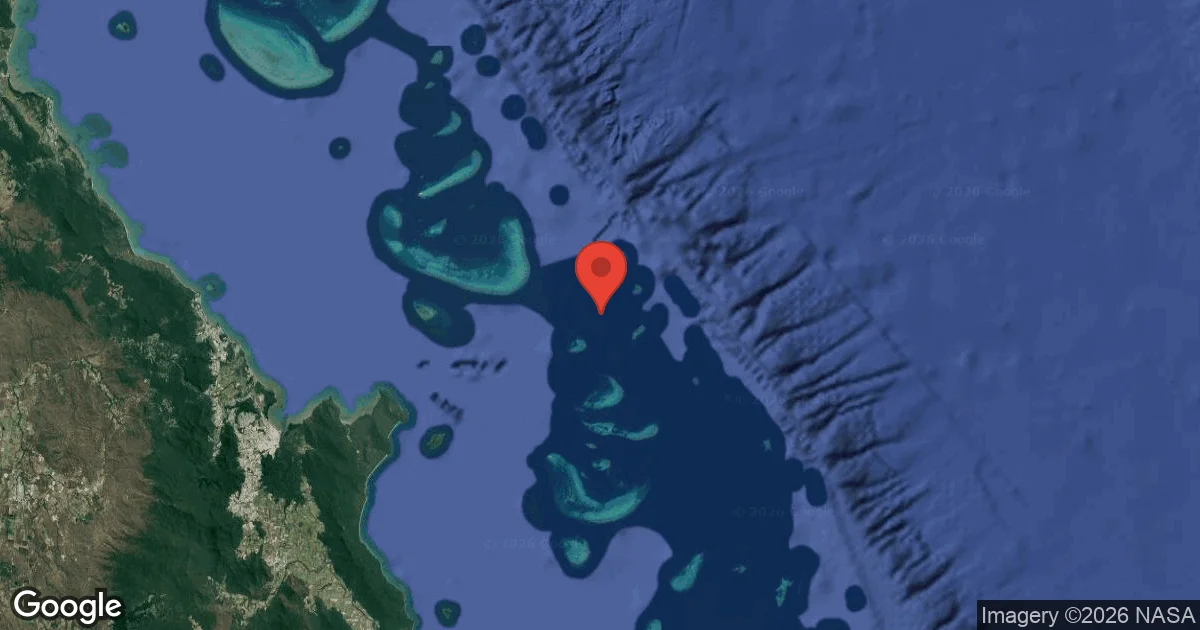
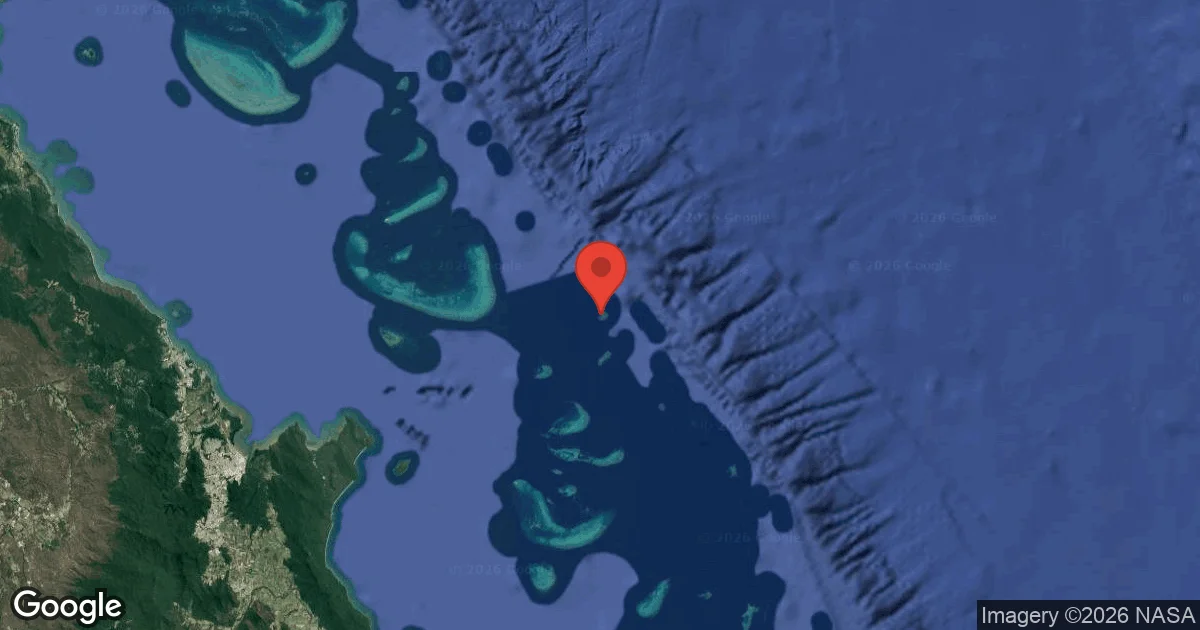
Dive Site Location & Key Facts
Dive Site Overview
An expedition to The Whale centers around extraordinary encounters with Dwarf Minke whales, a unique highlight of the Great Barrier Reef experience. These majestic creatures, reaching up to 8 meters (26 feet) in length, migrate to the Ribbon Reefs area annually, making these remote waters their temporary home during June and July.
Divers and snorkelers embark on liveaboard trips from Cairns to access this remote region, where visibility commonly ranges from 30 to 100 meters (100 to 330 ft) in the Coral Sea. While the whales are the primary attraction, the area also features dramatic underwater landscapes. Expect to explore sheer walls, bommies, and vibrant coral formations characteristic of the Outer Great Barrier Reef.
The number of dives often adjusts to maximize in-water time with the Minke whales, making each trip a dynamic, experience-driven adventure where wildlife dictates the pace.
Conditions are Moderate
High Wind Advisory (42km/h). Unsafe surface.
Current conditions near The Whale show 23° air, 24° sea temperature, 1.8 m waves, and 42 km/h wind. Forecast data is refreshed regularly to ensure accuracy.
Best Time to Dive
Optimal visibility and the highest chance of Minke whale encounters align during Australia's winter months, specifically June and July. During this period, the Coral Sea frequently offers excellent visibility, often extending between 30 to 100 meters (100 to 330 ft), making whale sightings exceptional. Air temperatures during June average around 24°C (75°F), with July seeing a slight dip to approximately 23.5°C (74°F). Rainfall is minimal in these months, averaging just 1.7 mm in June and 2.3 mm in July, contributing to clearer surface conditions and calmer seas. While wind speeds average around 34-35 km/h (21-22 mph), the overall conditions are conducive to liveaboard operations and prolonged in-water experiences.
PEAK SEASON SCORE
Scores combine air & water temps, waves, wind & rainfall for overall conditions.
BEST MONTHS TO DIVE
Monthly records compiled from satellite and marine observation nodes over the last 3 years. Data provided by Open-Meteo and MET Norway.
Dive Experience & Conditions
The dive sites around The Whale offer a dramatic underwater topography, often characterized by sheer walls that drop to significant depths. These structures are adorned with a diverse array of gorgonians, sea whips, and bright yellow soft corals, creating a vibrant backdrop to the Minke whale interactions. Conditions vary depending on the specific site and daily weather, but the Coral Sea is generally known for its clear waters. Surface waves average around 1.1 to 1.3 meters (3.6 to 4.3 ft) during the Minke season, which can influence tender operations. Divers typically navigate pinnacles and reef structures, exploring diverse marine habitats within recreational depth limits, though the deep walls suggest an awareness of buoyancy control.
Dive Difficulty & Safety Guidelines
Diving at The Whale, especially during Minke whale season, necessitates strict adherence to established safety protocols. Minke whale interactions are highly regulated to ensure the well-being of both divers and whales. It's crucial for all participants, whether snorkeling or diving, to follow crew instructions at all times regarding approach and behavior in the water.
Liveaboard expeditions, by nature, require self-sufficiency and awareness of remote area diving procedures. While no specific hazards are consistently reported for this site beyond general ocean conditions, maintaining excellent buoyancy and situational awareness is always advised, particularly when observing large marine life.
Recommended Equipment
- Dive Computer
- DSMB
This gear list is based on verified equipment signals for The Whale, Australia. Always confirm final gear choices with your dive operator, guide, or liveaboard.
Recommended Dive Suit
Forecast trends indicate little change in overall diving conditions during the next few days.
Divers who prefer a balanced level of warmth often select 3mm wetsuit in water temperatures like this. Consider warmer surface protection (like a boat coat) due to brisk winds. Surface intervals may feel cooler.
Recent environmental data from The Whale indicates water temperatures near 24°C (75°F). Surface air temperatures are resting at 23°C (73°F).
Emergency & Medical Support
Essential information to help you plan your dive trip to The Whale.

Hyperbaric chambers are a critical part of dive safety infrastructure. Availability varies significantly by region, and not all dive areas have immediate access.
Before diving, it's recommended to:
- confirm nearest medical facilities
- check emergency procedures with local dive operators
- ensure dive insurance covers evacuation if required
Divers Alert Network
Diving emergency assistance available through DAN World.
+1-919-684-9111- 24/7 emergency hotline
- Diving medical assistance
- Evacuation coordination
Emergency contacts are provided for reference. Always verify local emergency services before diving.
Marine Life at The Whale
The immediate focus at The Whale is undoubtedly the Dwarf Minke whales, which frequently approach divers and snorkelers for extended periods. Beyond these gentle giants, the reefs hold a fascinating array of smaller inhabitants.
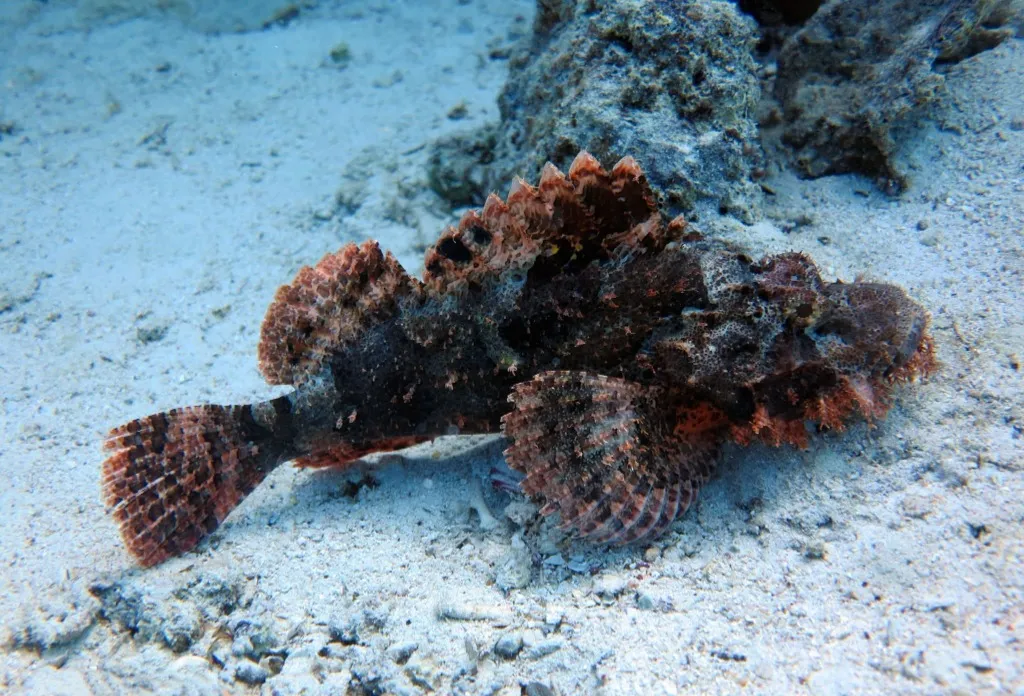
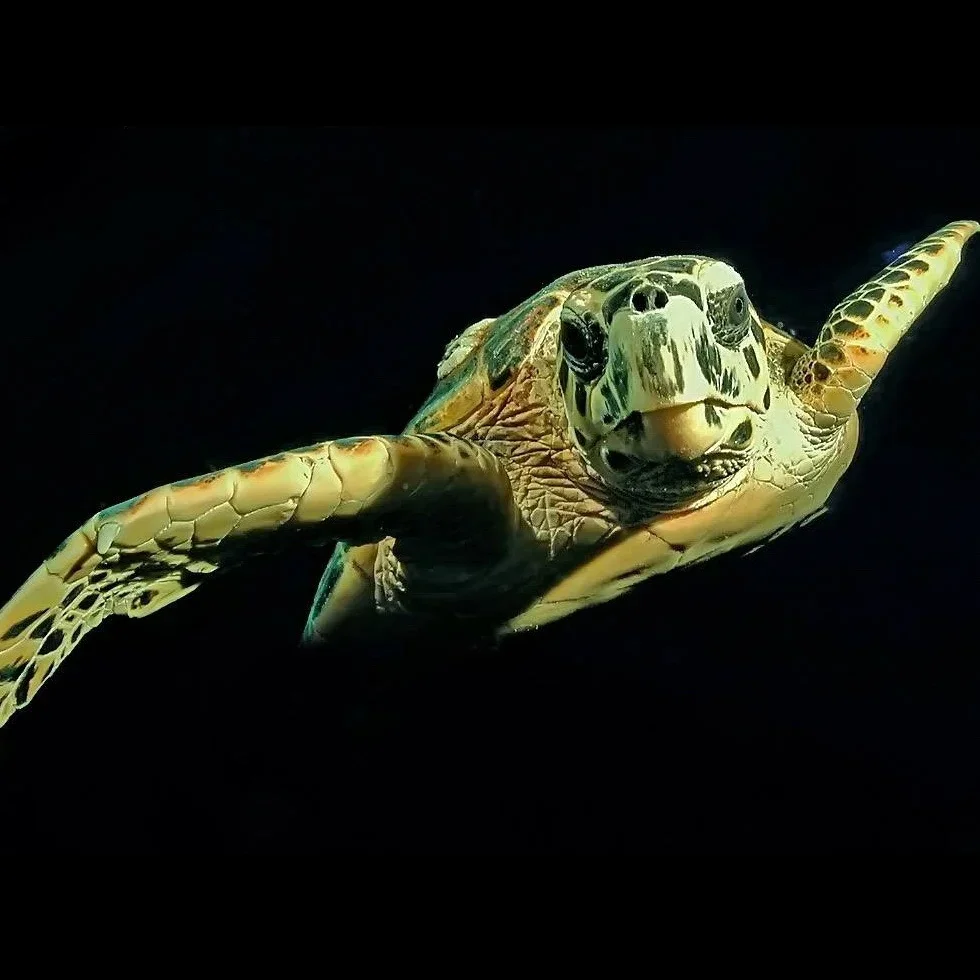
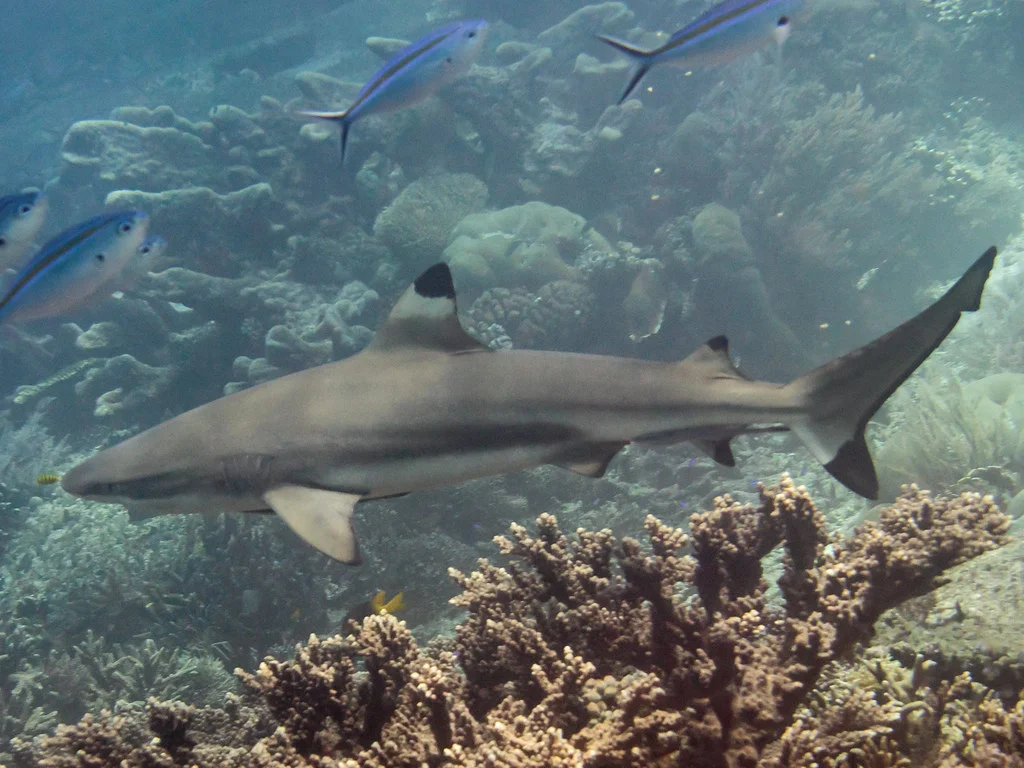
Keep an eye out for Blacktip reef sharks patrolling the reef edges. Divers may also spot Hawksbill turtles gracefully navigating the corals, or encounter the camouflaged Scorpionfish blending into the rocky formations.
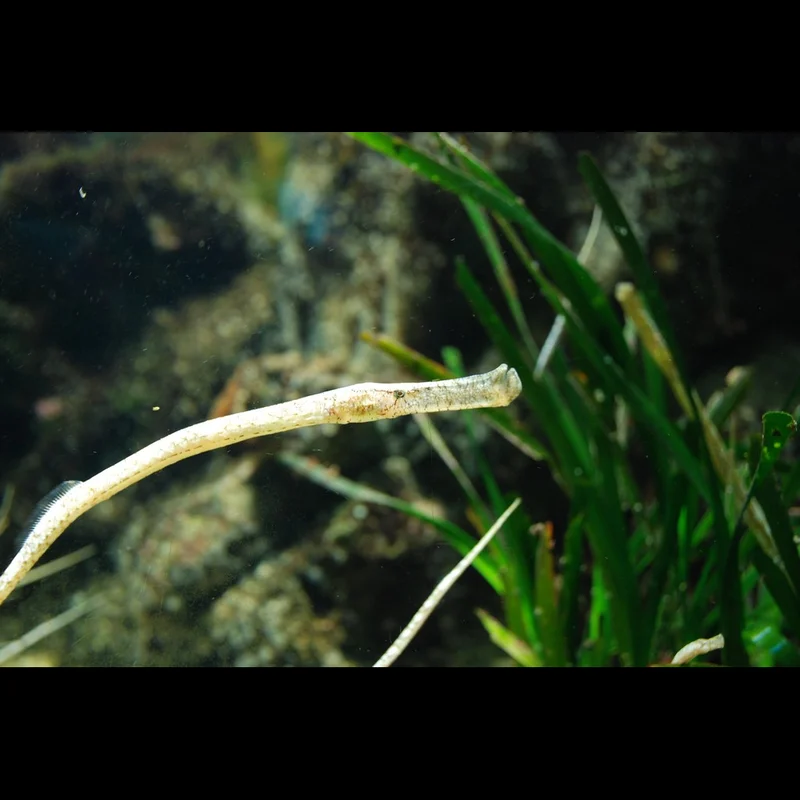
Smaller, more elusive creatures like Pipefish are also present, often found tucked within the coral gardens.
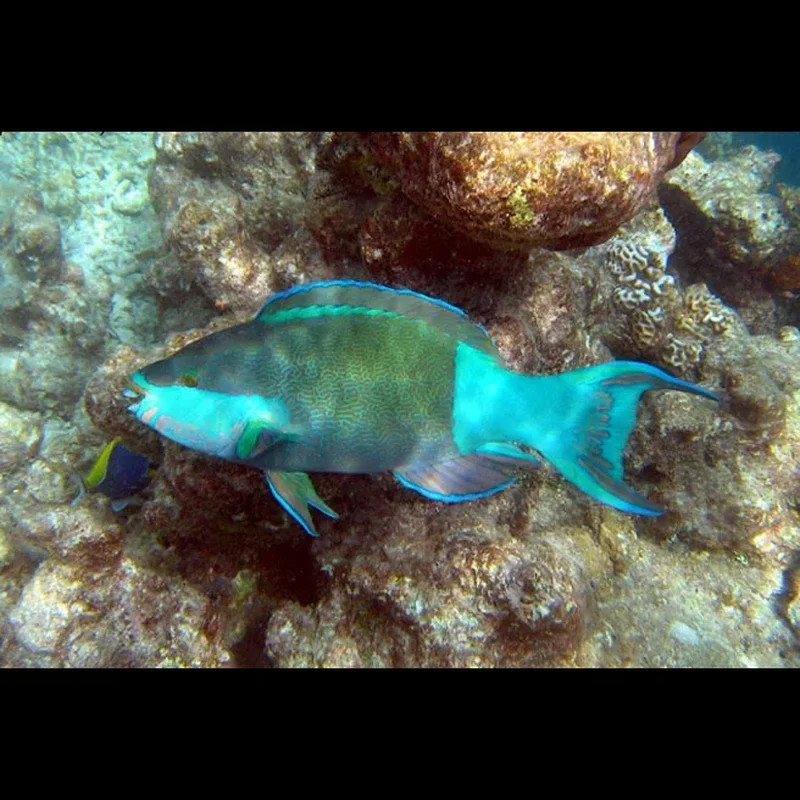
Dive Sites Near The Whale
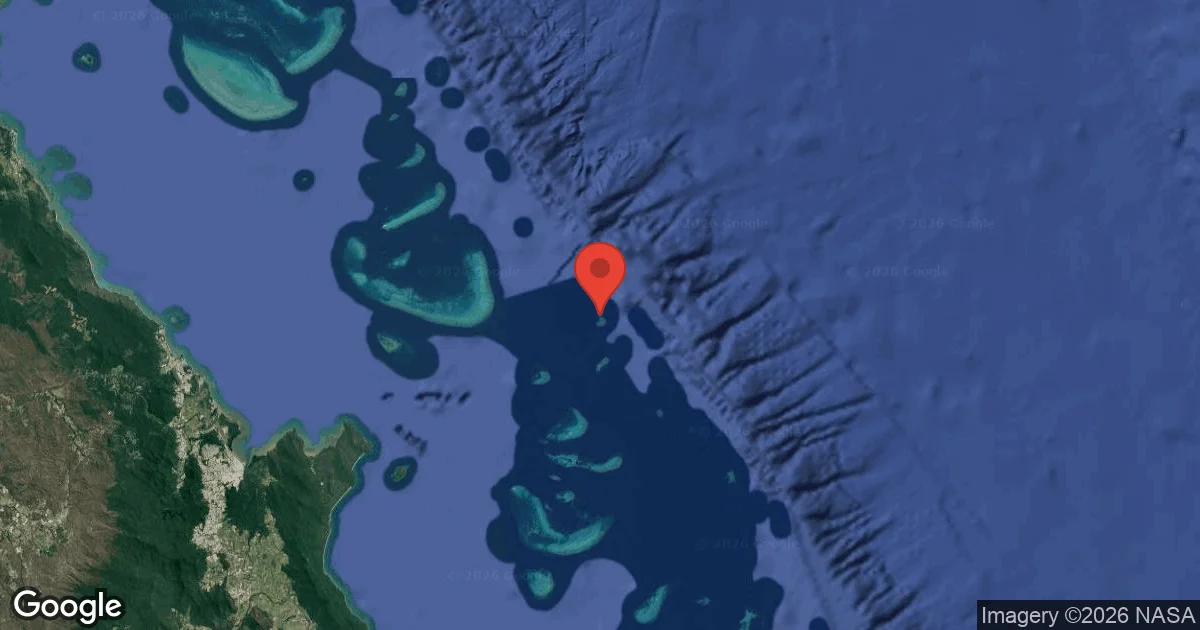
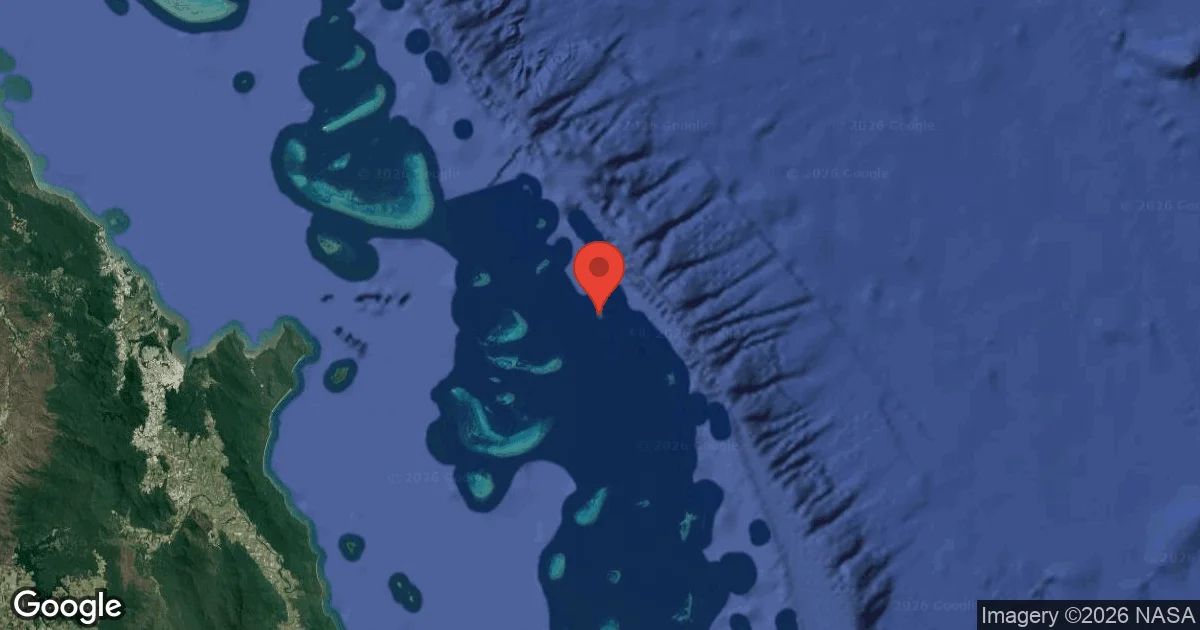
View all dive sites in AustraliaDiscover more underwater gems in this area.
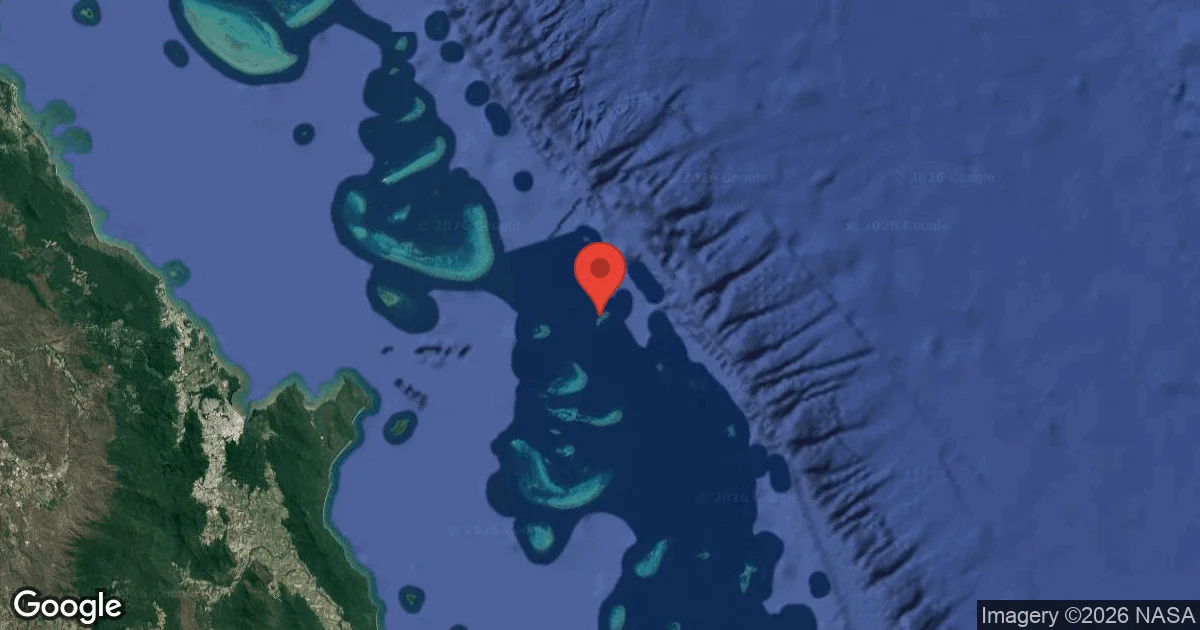
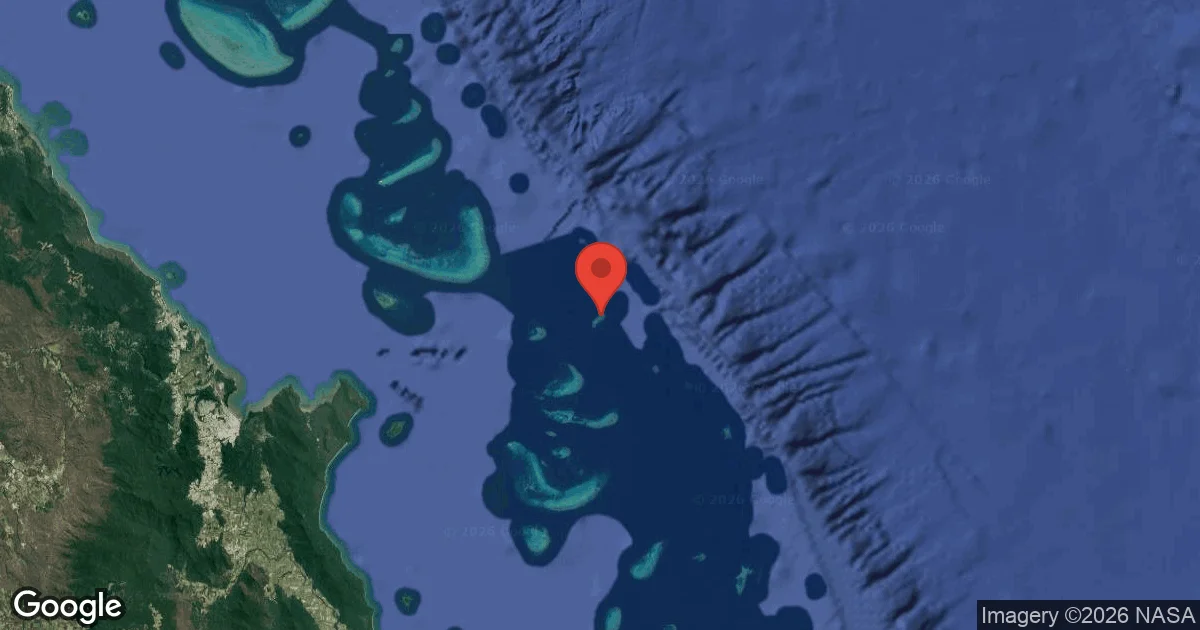
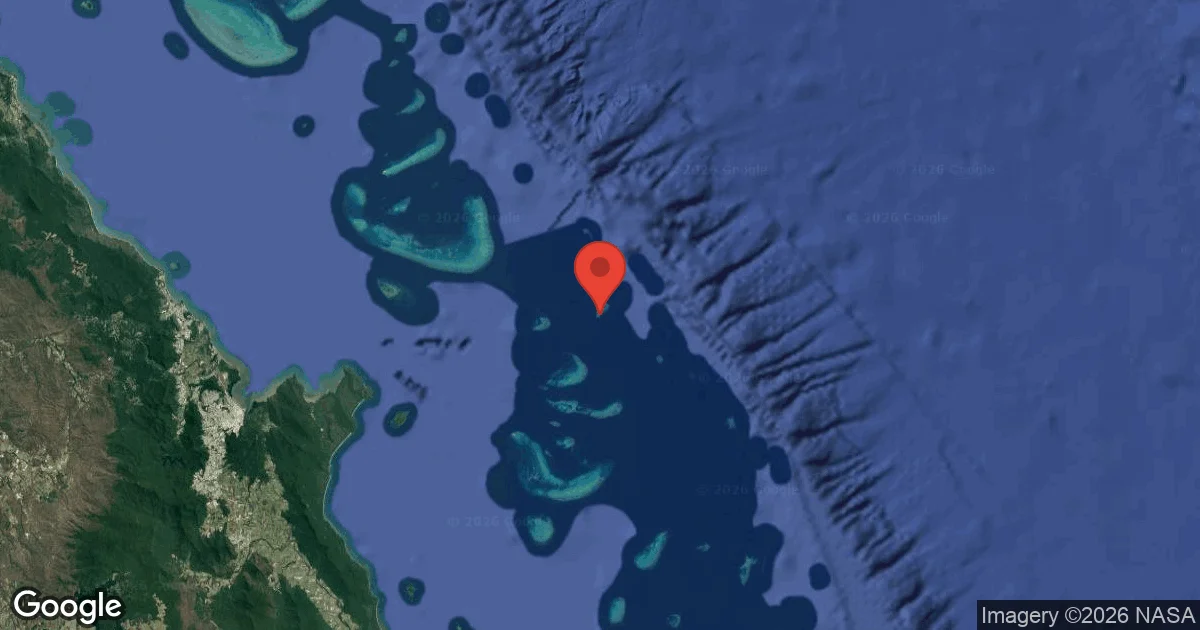
Dive Centers Near The Whale
Today: Closed
Nearest Airports
Nearest airports to help plan travel to this dive area.
Search Flights
Check available flights and routes on Expedia, using the nearby airports listed in this section.
Search Flights on ExpediaFrequently Asked Questions
When is the best time to dive with Minke whales at The Whale?
The peak season for Minke whale encounters is during Australia's winter, specifically from June to July. This is when the whales migrate to the Ribbon Reefs and offer the highest success rate for close interactions.
What is the typical water visibility at The Whale?
The Coral Sea, where The Whale is located, is known for its exceptional clarity. Visibility often ranges from 30 to 100 meters (100 to 330 ft), particularly during the Minke whale season.
Can snorkelers participate in Minke whale encounters?
Yes, Minke whale expeditions are open to both certified divers and snorkelers. Many of the most intimate interactions with the whales occur while snorkeling on the surface, as the whales often approach closely.
What kind of dive sites can be expected?
Dive sites in the area, including The Whale, often feature dramatic sheer walls, pinnacles, and vibrant coral reefs. These structures rise from the deep ocean floor, providing diverse habitats for marine life.
Are Minke whale interactions strictly regulated?
Yes, swimming and interacting with Minke whales are strictly controlled activities. All participants must follow crew instructions at all times to ensure the safety and well-being of both the whales and the divers.
What are the air temperatures like during the Minke whale season?
During June and July, air temperatures average around 23.5-24°C (74-75°F). This period generally sees minimal rainfall, contributing to comfortable conditions for liveaboard trips.
What other marine life might I see besides Minke whales?
Beyond the Minke whales, divers commonly encounter Blacktip reef sharks, Hawksbill turtles, and various reef fish. Scorpionfish and Pipefish are also present, often blending into the coral environment.
Planning to dive The Whale?
Send one inquiry and receive offers directly from the best verified local dive operators.
Conditions are Moderate
High Wind Advisory (42km/h). Unsafe surface.
Current conditions near The Whale show 23° air, 24° sea temperature, 1.8 m waves, and 42 km/h wind. Forecast data is refreshed regularly to ensure accuracy.