
Diving at Boulders (Australia)
Divers at Boulders encounter a site defined by its topographical contrasts, presenting options for various skill levels. Shallow coral gardens transition into a dramatic eastern wall, plunging to 30 m / 98 ft. Such a rich environment offers experienced divers deep exploration. Newer enthusiasts can comfortably navigate the vibrant reef top and gentler western slopes, creating an engaging location for appreciating the Great Barrier Reef's diverse underwater architecture.
Tonight's objective overview for Boulders shows an air temperature of 23.5°C. The measured surface conditions include wave heights around 2.2 m. This environmental data is logged for the close of the day.
Dive Site Location & Key Facts
Dive Site Overview
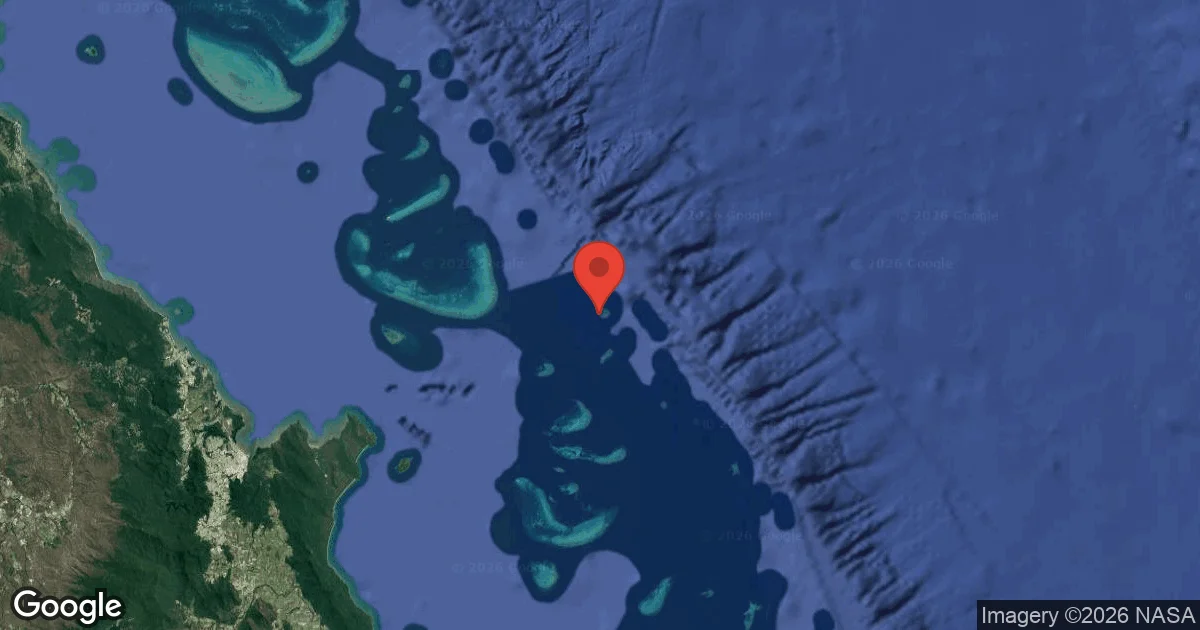
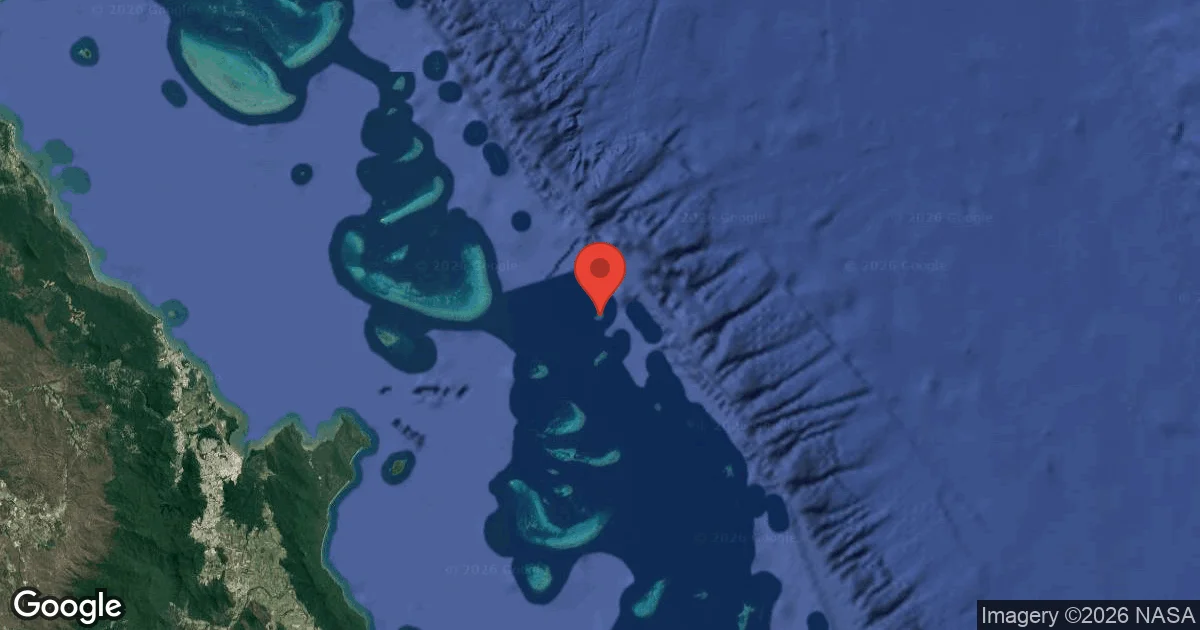
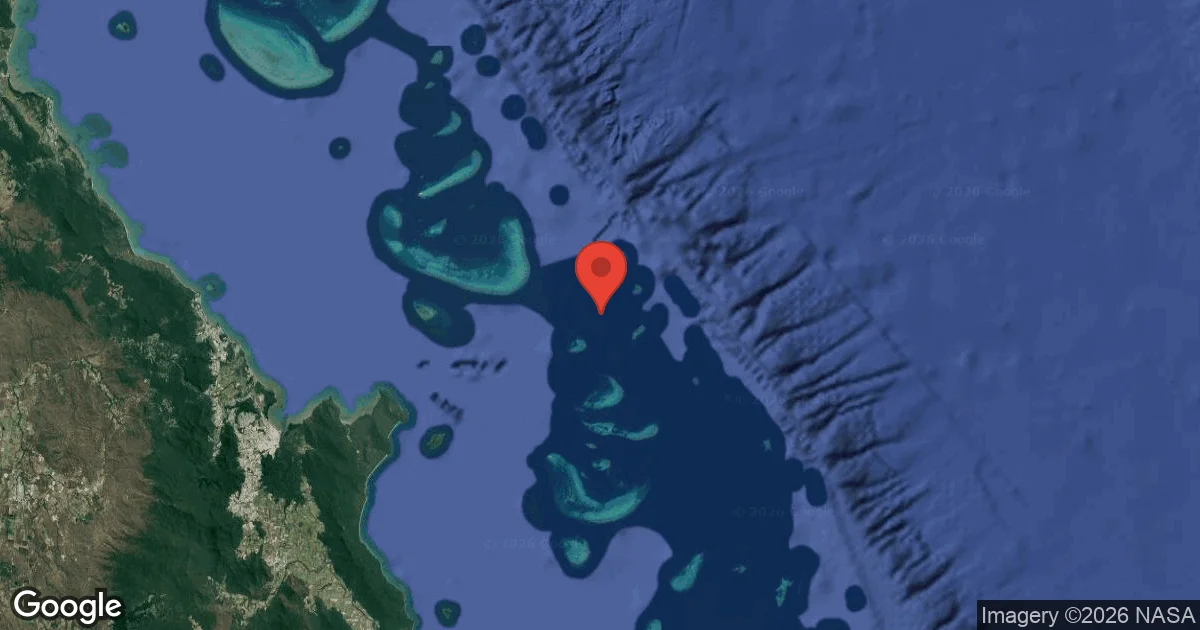
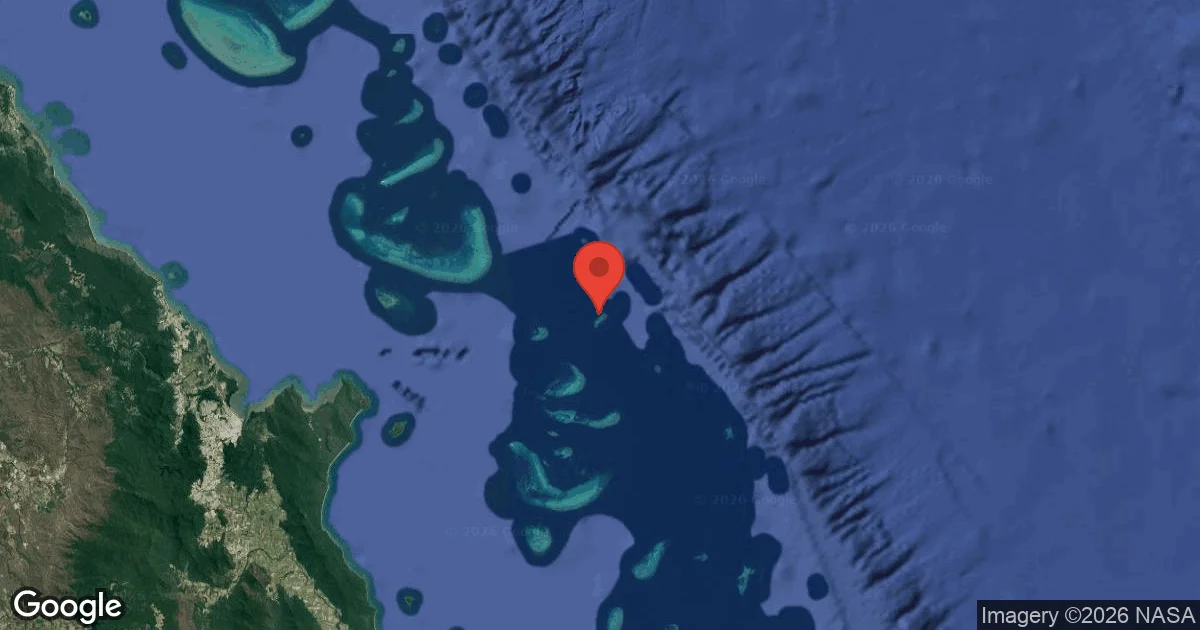
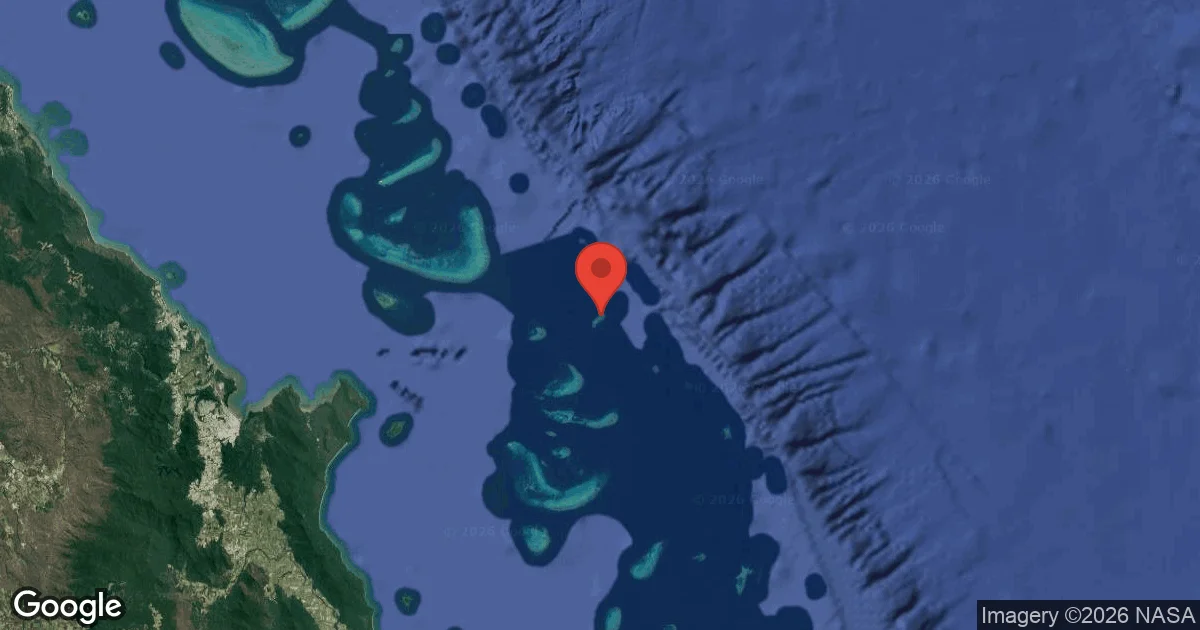
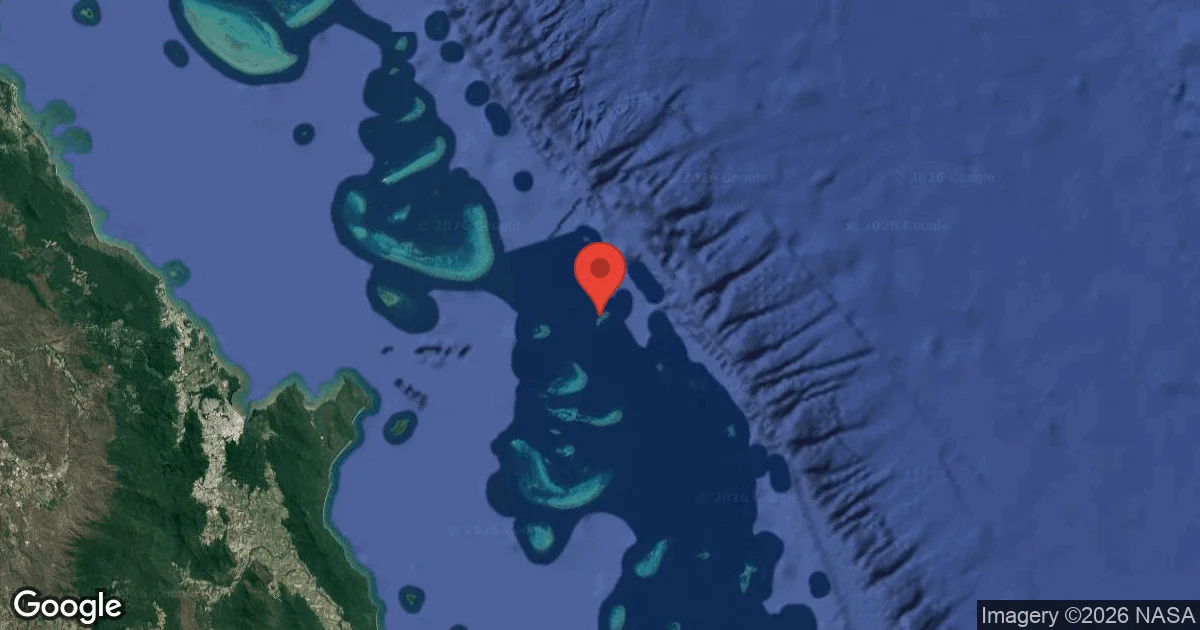
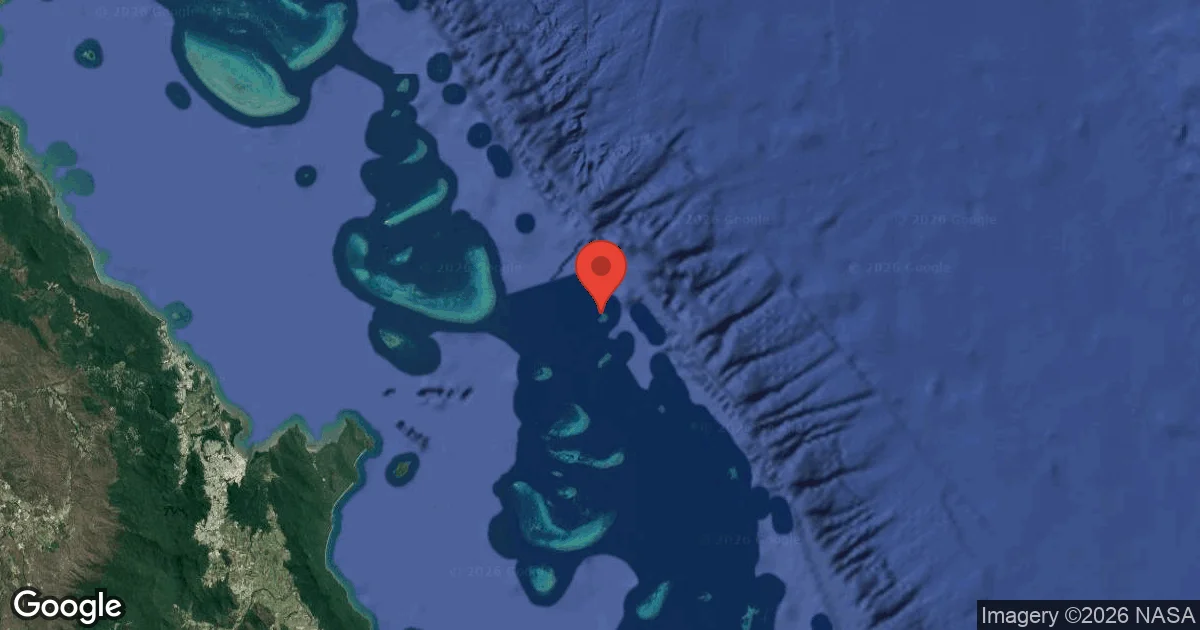
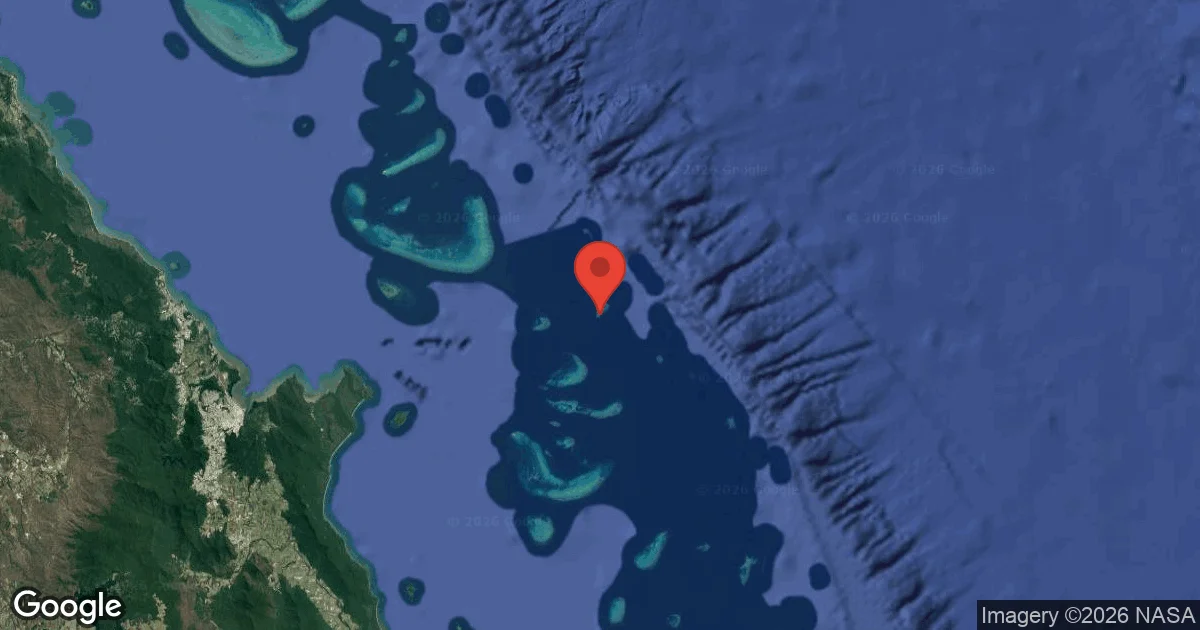
Boulders presents a striking topographical layout, anchoring the southern reach of Flynn Reef with distinct zones. Near the surface, reef crests give way to expansive, sunlit coral gardens, forming a rich plateau teeming with smaller reef fish and intricate invertebrate life.
Moving westward, the site transitions into a gradual sandy slope, often marked by Garden Eels and rays, providing a stark contrast to the dramatic eastern flank. Here, a significant wall descends from approximately 8 meters / 26 ft, plunging to a maximum depth of 30 m / 98 ft. A sheer drop-off, it is deeply fissured, creating ledges and overhangs that shelter larger organisms and offer exciting swim-throughs for those with appropriate training.
Structural variety across Boulders is a key feature; it supports both vibrant macro habitats within reef crevices and a dynamic open-water environment where pelagic species are frequently observed. Combining shallow, intricate reef systems with deep, dramatic wall diving ensures a varied and engaging experience, making multiple dives at this site rewarding.
Conditions are Poor
High Swell Advisory. Not recommended.
Current conditions near Boulders show 23° air, 25° sea temperature, 2.4 m waves, and 43 km/h wind. Forecast data is refreshed regularly to ensure accuracy.
Best Time to Dive
Optimizing a dive trip to Boulders often involves weighing seasonal contrasts in weather patterns. October and November generally present the most favorable conditions for diving, indicated by consistently higher dive scores. During this period, divers typically experience comfortably warm air temperatures, ranging from 25-27°C / 77-81°F, coupled with minimal rainfall, usually less than 1 mm. Favorable weather often translates to calmer seas and excellent visibility, enhancing the overall dive experience, especially on the deeper wall sections. Conversely, conditions can be more challenging during May. This month frequently sees an increase in wave heights and stronger wind speeds, which can lead to choppier surface conditions and reduced visibility, often resulting in a "Poor" dive score. Planning around these seasonal tendencies helps ensure a more enjoyable and safer dive. Other months offer moderate conditions, with air temperatures staying above 23°C / 73°F even in cooler periods, meaning year-round diving is plausible, just with varying comfort levels.
PEAK SEASON SCORE
Scores combine air & water temps, waves, wind & rainfall for overall conditions.
BEST MONTHS TO DIVE
Monthly records compiled from satellite and marine observation nodes over the last 3 years. Data provided by Open-Meteo and MET Norway.
Dive Experience & Conditions
Experiencing Boulders often means encountering typically good visibility, allowing divers to appreciate the wall's intricate details and the expansive blue beyond. An underwater environment feels lively, with the experience shifting from exploring sunlit, shallow coral gardens at the reef's top to tracing the deeper contours of its eastern wall. Divers can expect water temperatures to generally remain suitable for tropical diving, often hovering between 22-27°C / 72-81°F, though exact figures vary depending on the time of year and specific thermoclines. Gentle to moderate currents can sweep past the site, bringing nutrient-rich waters and attracting pelagic life into view, particularly near areas identified as potential cleaning stations for larger species like mantas or reef sharks. Such currents enhance drift dive opportunities along the wall but require careful planning. A combination of clear water, comfortable temperatures, and dynamic currents contributes to Boulders' reputation as an engaging dive.
Dive Difficulty & Safety Guidelines
Approaching Boulders requires specific attention to standard dive safety protocols, particularly given the site's wall topography and potential current variability. Divers should maintain keen awareness of their depth and air consumption, especially when exploring the deeper sections of the eastern drop-off where nitrogen narcosis can become a factor. Current conditions vary and can shift during a dive; therefore, it's prudent to check with local operators regarding prevailing flow before entry and plan the dive path accordingly.
Always dive within your certification limits, ensuring you possess the necessary experience for wall diving or deeper explorations. Planning ascents carefully is crucial, especially considering potential boat traffic if surfacing away from the designated entry point or the main mooring.
A safety stop is always recommended, and deploying a surface marker buoy is a good practice upon ascent to enhance visibility for surface vessels.
Recommended Equipment
Overhead / entanglement risk. Wreck penetration requires proper training.
- Dive Computer
- DSMB
- Primary & Backup Lights
- Wreck Reel
- Cutting Tool
This gear list is based on verified equipment signals for Boulders, Australia. Always confirm final gear choices with your dive operator, guide, or liveaboard.
Recommended Dive Suit
Forecast trends indicate similar diving conditions over the next few days.
Many experienced divers would consider 3mm wetsuit an appropriate choice here. Strong winds are present; please take strong precautions against rapid cooling during surface intervals.
Current dive conditions indicate that water temperatures around Boulders are sitting at roughly 25°C (77°F). Surface air temperatures are resting at 23°C (74°F).
Due to technical issues with our weather providers, live updates are temporarily delayed. The data above reflects the conditions at the time of the last successful fetch.
Emergency & Medical Support
Essential information to help you plan your dive trip to Boulders.

Hyperbaric chambers are a critical part of dive safety infrastructure. Availability varies significantly by region, and not all dive areas have immediate access.
Before diving, it's recommended to:
- confirm nearest medical facilities
- check emergency procedures with local dive operators
- ensure dive insurance covers evacuation if required
Divers Alert Network
Diving emergency assistance available through DAN World.
+1-919-684-9111- 24/7 emergency hotline
- Diving medical assistance
- Evacuation coordination
Emergency contacts are provided for reference. Always verify local emergency services before diving.
Marine Life at Boulders
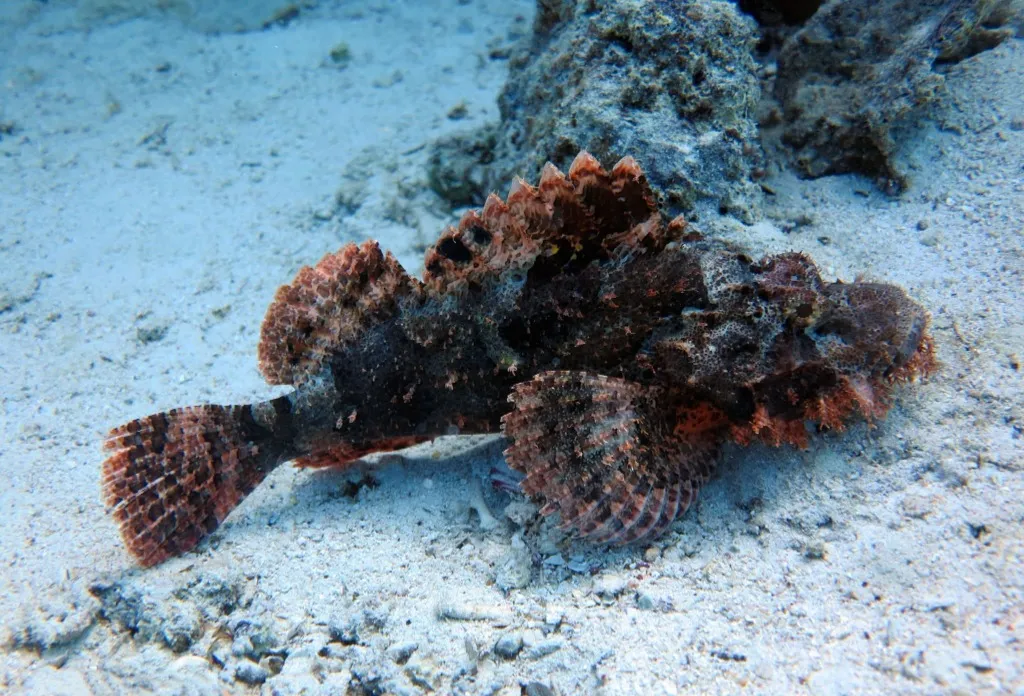
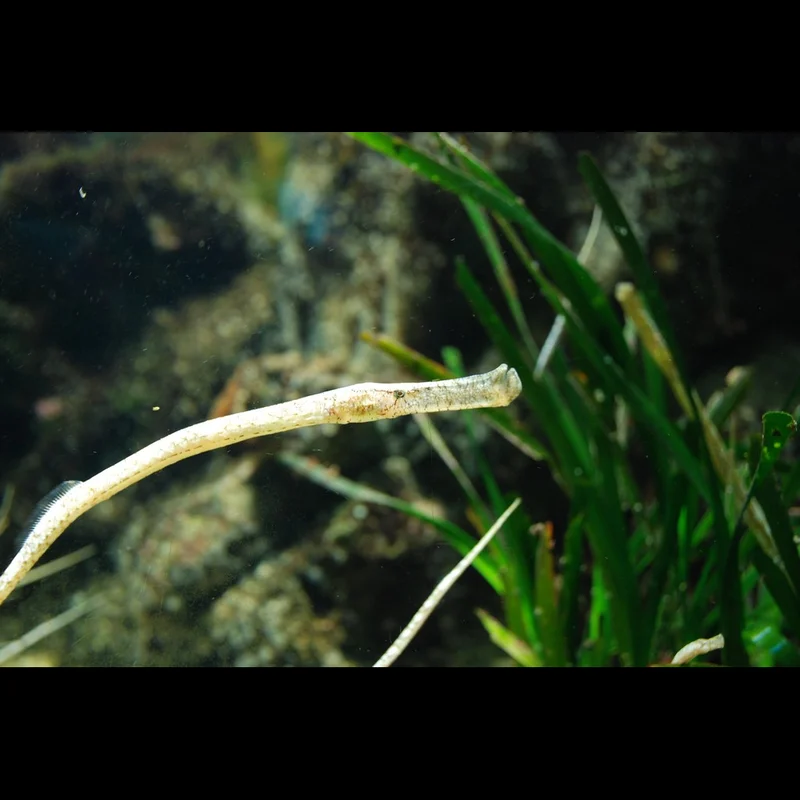
Upon arrival at Boulders, divers are often immediately struck by the diversity of marine life. Macro enthusiasts will quickly spot creatures like Pipefish, Frogfish, and various Scorpionfish tucked into the reef structures.
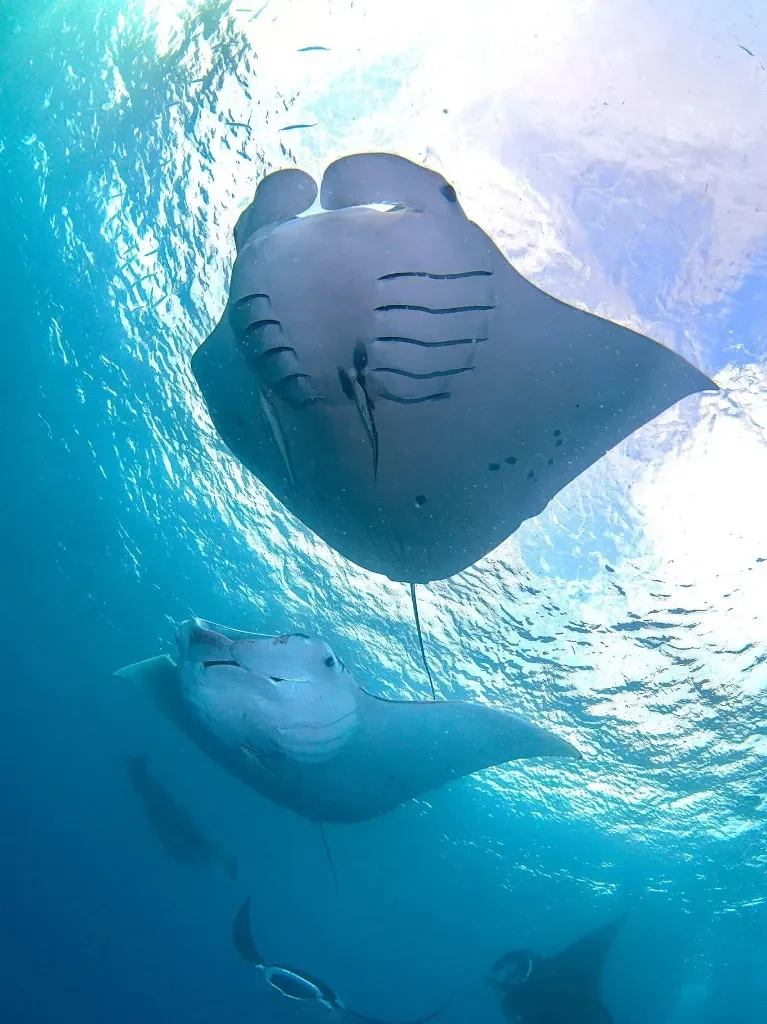
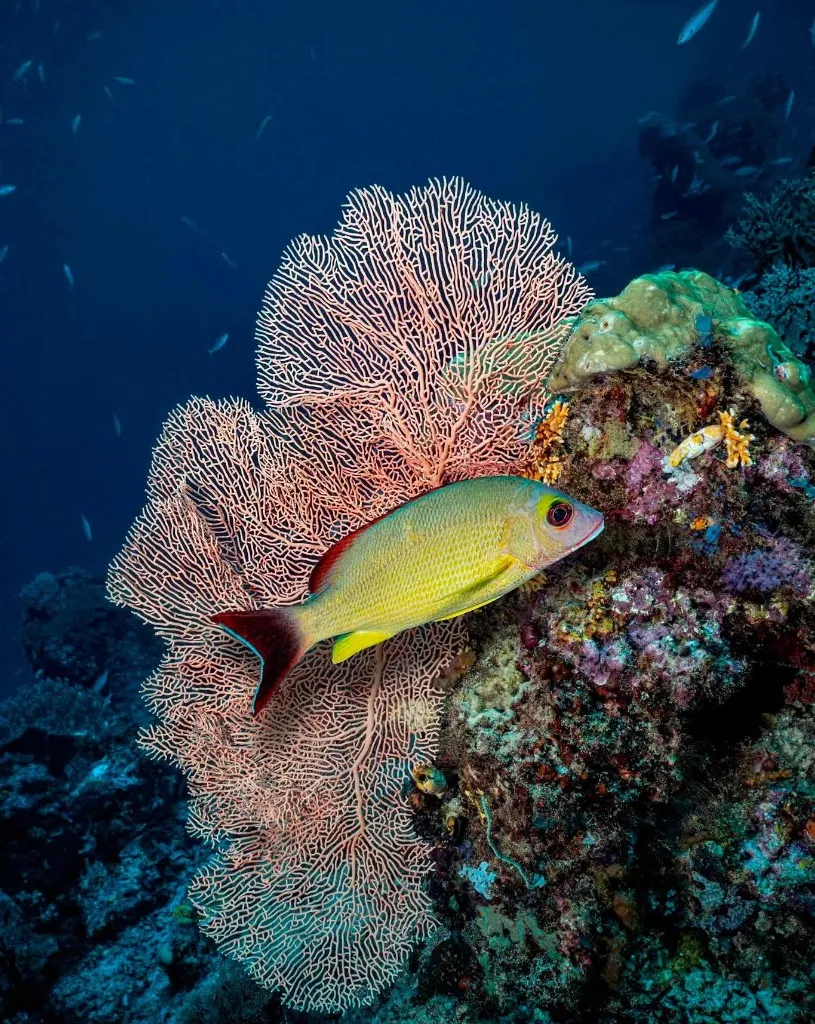
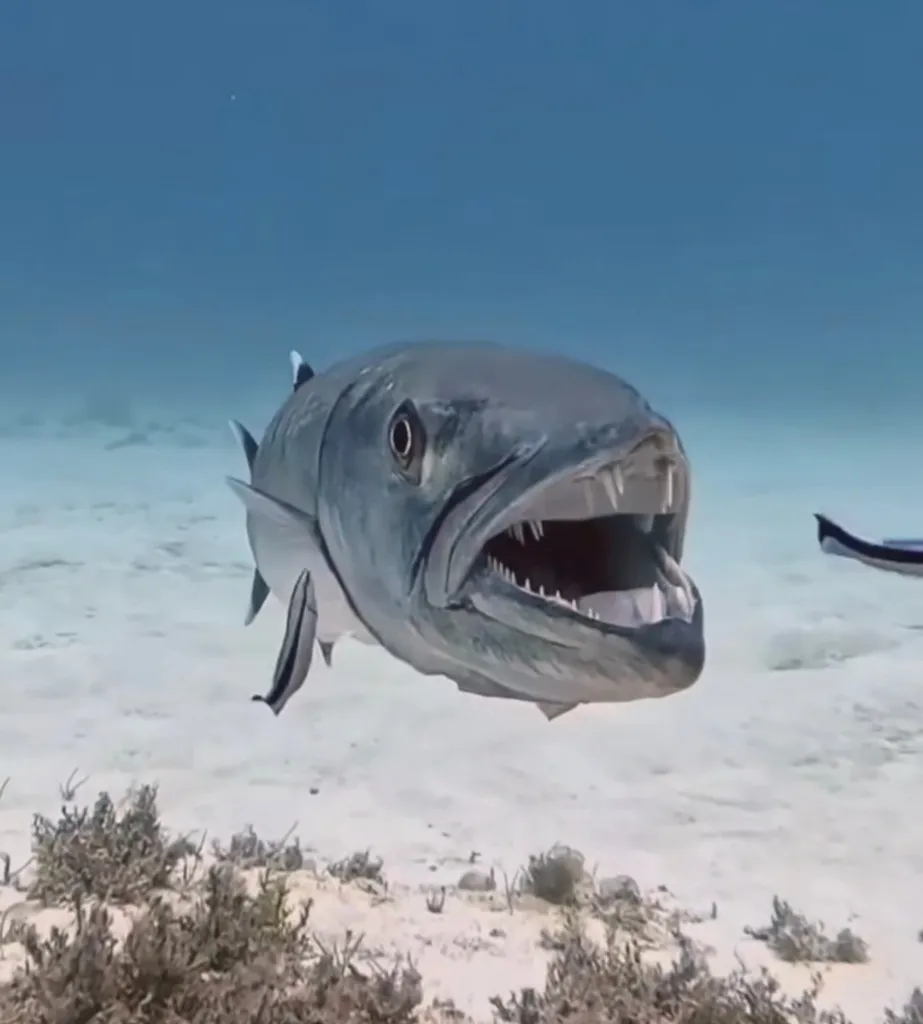
Keep an eye out for Cuttlefish demonstrating their remarkable camouflage. In the wider blue, schools of Snapper and Barracuda move with purpose, while more iconic pelagics such as Manta rays, Eagle rays, Silvertip sharks, and Whitetip reef sharks are frequent visitors, especially near known cleaning stations.
The corals also host numerous Lionfish, Triggerfish, and Parrotfish, adding vibrant color to the reef.
Dive Sites Near Boulders
View all dive sites in AustraliaDiscover more underwater gems in this area.
Dive Centers Near Boulders
Today: Closed
Nearest Airports
Nearest airports to help plan travel to this dive area.
Search Flights
Check available flights and routes on Expedia, using the nearby airports listed in this section.
Search Flights on ExpediaFrequently Asked Questions
What type of diving is Boulders best for?
Boulders is primarily known for its reef and wall diving opportunities. It features both shallow coral gardens and a dramatic drop-off, offering diverse exploration for different skill levels.
What is the maximum depth at Boulders?
The eastern side of the dive site features a wall that descends to a maximum depth of 30 meters. Divers can explore a significant range from the surface down to this depth.
Is Boulders suitable for beginners?
PADI Open Water Diver certification is considered useful training for this site, suggesting that beginners, particularly with supervision or guided tours, can explore the shallower reef sections.
How do divers access the Boulders dive site?
Access to Boulders is exclusively by boat. Dive operators typically transport divers directly to the site's mooring points at Flynn Reef.
What kind of marine life can be seen at Boulders?
Divers frequently encounter both macro and pelagic species. Common sightings include Pipefish, Frogfish, Scorpionfish, Cuttlefish, Snapper, Barracuda, Manta rays, Eagle rays, and various reef sharks.
Are there any notable unique features of the dive site?
Boulders is distinguished by its 'spectacular walls' and the combination of shallow coral gardens leading to a sandy slope. It's also known for manta ray cleaning stations, adding to its appeal for spotting larger marine life.
Is Boulders part of the Great Barrier Reef?
Yes, Boulders sits at the southern end of Flynn Reef, an integral part of Australia's Great Barrier Reef system.
Planning to dive Boulders?
Send one inquiry and receive offers directly from the best verified local dive operators.
Conditions are Poor
High Swell Advisory. Not recommended.
Current conditions near Boulders show 23° air, 25° sea temperature, 2.4 m waves, and 43 km/h wind. Forecast data is refreshed regularly to ensure accuracy.