
Diving at Stanley Reef (Australia)
Stanley Reef welcomes divers of varying skill levels, presenting an accessible gateway to the Great Barrier Reef's vibrant ecosystems. This site offers an array of dives, from shallower sections suitable for beginners to more complex routes for experienced certified divers. Its protected nature often provides calm entry conditions, making it a comfortable experience for many.
Evening condition tracking at Stanley Reef features an air temperature of 22°C. We have recorded wave heights measuring 1 m during this period. These figures outline the environmental parameters currently present.
Dive Site Location & Key Facts
Dive Site Overview
An untouched and healthy jewel on the Great Barrier Reef, Stanley Reef stands as a pristine underwater environment, showcasing spectacular marine life and a wealth of colored corals. Located approximately 1.5 hours from Alva Beach, it's a rare find that retains much of its natural beauty.
Divers exploring this site will encounter a diverse coral reef system, known for its vitality and lack of bleaching. Various dive profiles are available, allowing for exploration of different sections of the reef. While specific depths aren't universally listed for all areas of Stanley Reef, the nearby SS Yongala wreck offers diving from 14 m (46 ft) down to 28 m (92 ft) on the sand, indicating the potential for recreational depths in the vicinity.
This site provides a comprehensive experience, from observing macro life amongst the corals to spotting larger pelagic species in the blue.
Conditions are Good
Optimal conditions expected
Current conditions near Stanley Reef show 22° air, 22° sea temperature, 1.1 m waves, and 36 km/h wind. Forecast data is refreshed regularly to ensure accuracy.
Best Time to Dive
Considering optimal conditions, the period from April through November generally offers the best diving at Stanley Reef. During these months, particularly from June to September, dive scores are consistently rated as 'Good,' with lower average wave heights and more favorable air temperatures. For instance, in July, average air temperatures hover around 22°C (72°F), with minimal rainfall, averaging less than 1 mm. Similarly, November presents excellent conditions, often receiving a 'Good' dive score, with air temperatures around 26°C (79°F) and very low rainfall. While tropical wet season months (December-March) see higher rainfall and moderate dive scores, conditions can still be favorable, though they are less consistent.
PEAK SEASON SCORE
Scores combine air & water temps, waves, wind & rainfall for overall conditions.
BEST MONTHS TO DIVE
Monthly records compiled from satellite and marine observation nodes over the last 3 years. Data provided by Open-Meteo and MET Norway.
Dive Experience & Conditions
Approaching Stanley Reef, divers will find conditions often calm, thanks to the site's natural protection from prevailing winds. This contributes to generally clear visibility, enhancing the overall dive experience. Many describe the deeper pinnacle dive sections as an "oasis in the desert" due to their abundant marine life and vibrant, unbleached corals. The site presents a range of underwater topography, from shallow reef crests to deeper reef slopes, accommodating various interests and skill levels. While specific current details vary depending on the exact dive spot and tidal movements, the general calm allows for relaxed exploration of the coral formations and resident marine populations.
Dive Difficulty & Safety Guidelines
Prioritizing a thorough dive plan is essential when exploring Stanley Reef, as with any Great Barrier Reef location. Always verify local conditions with your dive operator, paying close attention to current strength and sea state, even though the reef often experiences calm conditions. Maintaining neutral buoyancy helps protect the pristine corals, which are sensitive to accidental contact.
Furthermore, adhering to established depth limits and dive times ensures a safe ascent profile. For any dive in this region, carrying appropriate safety equipment and diving within your certification limits is standard practice.
Recommended Equipment
- Dive Computer
This gear list is based on verified equipment signals for Stanley Reef, Australia. Always confirm final gear choices with your dive operator, guide, or liveaboard.
Recommended Dive Suit
3-5mm wetsuit is widely used for recreational dives in waters of this temperature. Consider warmer surface protection (like a boat coat) due to brisk winds. Surface intervals may feel cooler. For divers entering the water at Stanley Reef, temperatures are currently hovering around 22°C (72°F). Surface air temperatures are resting at 22°C (72°F).
Forecast models show minimal temperature variation in the coming days.
Water temperatures can occasionally shift throughout the day depending on currents and depth layers.
Emergency & Medical Support
Essential information to help you plan your dive trip to Stanley Reef.

Hyperbaric chambers are a critical part of dive safety infrastructure. Availability varies significantly by region, and not all dive areas have immediate access.
Before diving, it's recommended to:
- confirm nearest medical facilities
- check emergency procedures with local dive operators
- ensure dive insurance covers evacuation if required
Divers Alert Network
Diving emergency assistance available through DAN World.
+1-919-684-9111- 24/7 emergency hotline
- Diving medical assistance
- Evacuation coordination
Emergency contacts are provided for reference. Always verify local emergency services before diving.
Marine Life at Stanley Reef
Encounters with diverse marine life are a significant draw at Stanley Reef. Divers frequently observe various tropical fish darting among the corals.
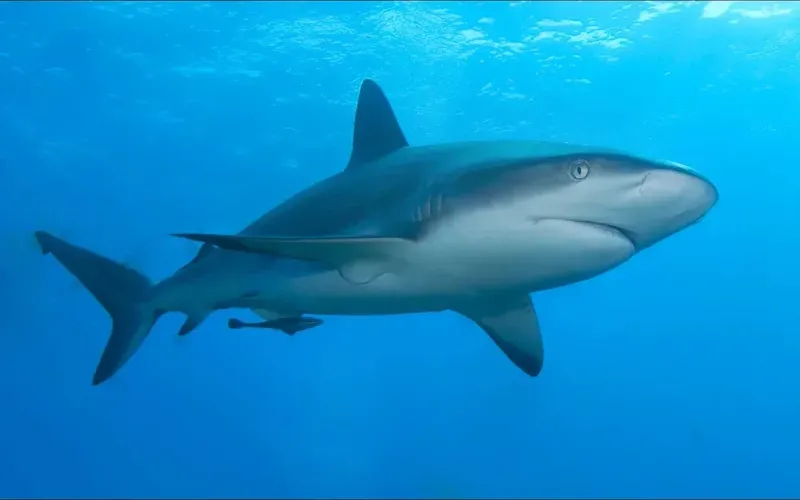
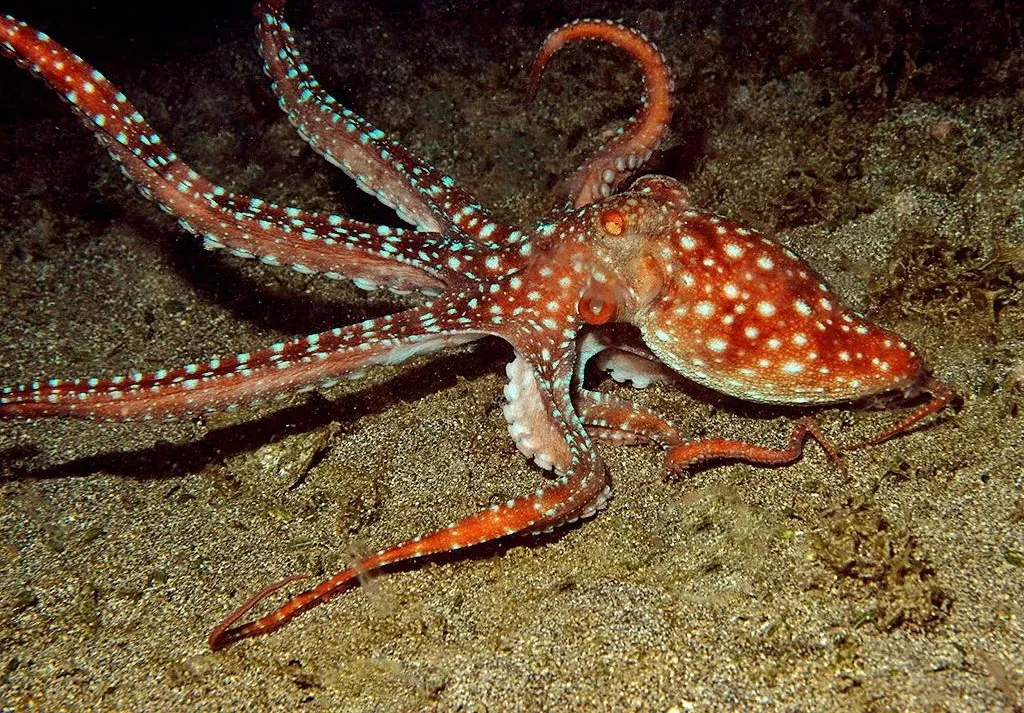
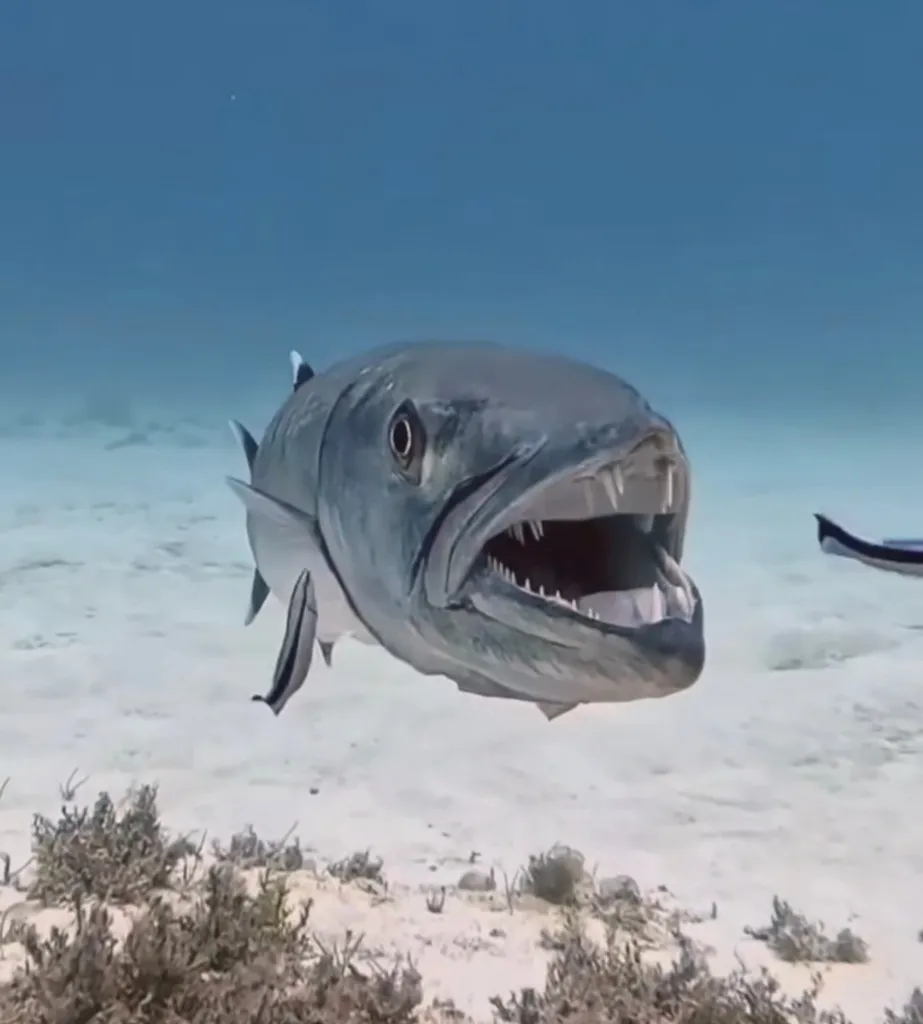
Keep an eye out for grey reef sharks patrolling the outer reef, alongside barracuda in schools. Octopuses often reveal themselves from their hiding spots, offering fascinating photographic opportunities.
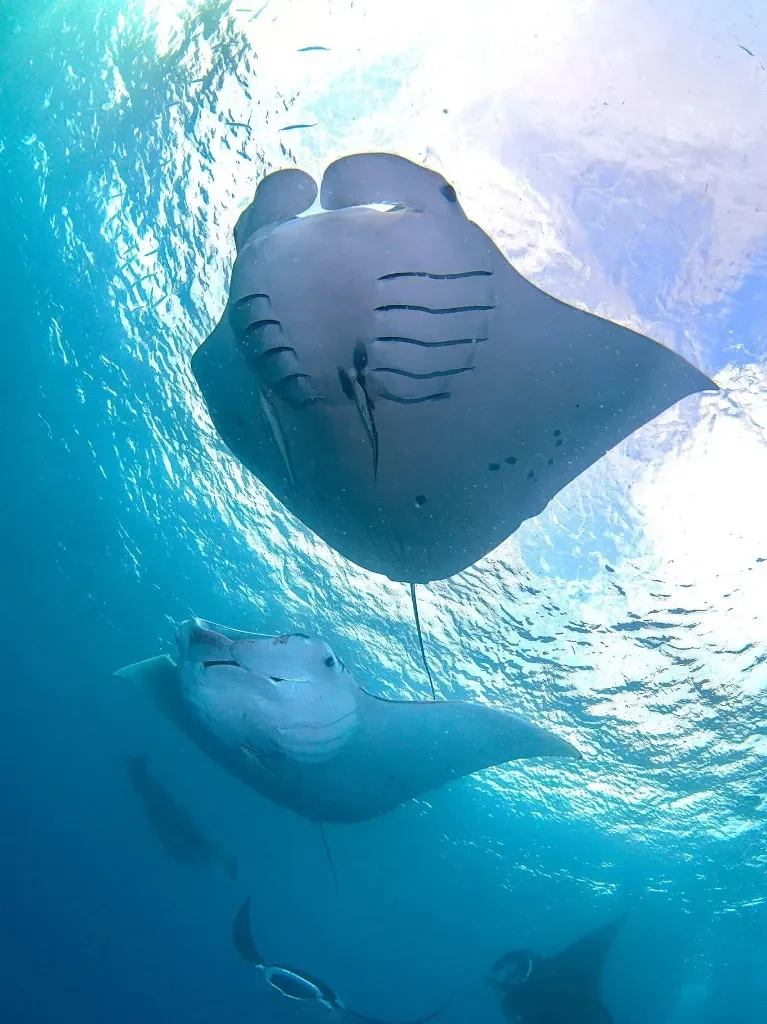
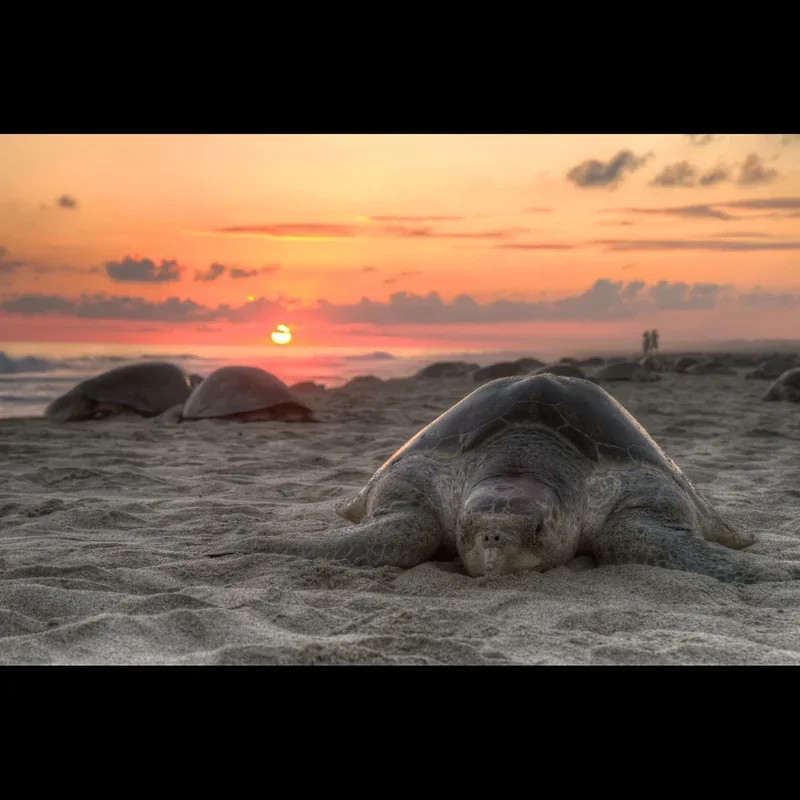
Larger pelagic sightings include both whales and dolphins, particularly during their migratory seasons, adding an element of grand scale. Sea turtles are common, gracefully navigating the reef, and manta rays can also be spotted gliding through the waters, making for memorable interactions.
Dive Centers Near Stanley Reef
No Dive Centers Local To Stanley Reef
Are you a dive center visiting this location? Get listed to reach divers.
Nearest Airports
Nearest airports to help plan travel to this dive area.
Search Flights
Check available flights and routes on Expedia, using the nearby airports listed in this section.
Search Flights on ExpediaFrequently Asked Questions
What is the typical visibility at Stanley Reef?
Visibility at Stanley Reef can vary but is generally considered good due to the reef's protected nature and distance from coastal runoff. Calm conditions contribute to clear water, enhancing the diving experience.
Is Stanley Reef suitable for beginner divers?
Yes, Stanley Reef offers an array of dives suitable for different skill levels, including shallower, more protected sections that are appropriate for beginner divers. Always consult with your dive operator about specific site conditions.
What kind of marine life can I expect to see?
You can expect to see a variety of tropical fish, grey reef sharks, octopuses, and barracuda. Manta rays, sea turtles, and whales are also commonly sighted, adding to the rich biodiversity of the reef.
How far is Stanley Reef from the mainland?
Stanley Reef is located approximately 1.5 hours by boat from Alva Beach. Its offshore position contributes to its pristine and untouched condition within the Great Barrier Reef system.
Are there specific depths to consider at Stanley Reef?
While Stanley Reef offers a range of depths for various dive profiles, specific site depths are not uniformly published. The nearby SS Yongala wreck is found between 14 m (46 ft) and 28 m (92 ft) on the sand, indicating recreational dive depths in the general area.
Are there strong currents at Stanley Reef?
Stanley Reef is known for being well protected from the wind, providing generally calm conditions. While specific currents can vary with tides and exact location, the overall environment is often considered more tranquil than exposed reef systems.
Planning to dive Stanley Reef?
Send one inquiry and receive offers directly from the best verified local dive operators.
Conditions are Good
Optimal conditions expected
Current conditions near Stanley Reef show 22° air, 22° sea temperature, 1.1 m waves, and 36 km/h wind. Forecast data is refreshed regularly to ensure accuracy.