
Diving at Pellowe Reef (Australia)
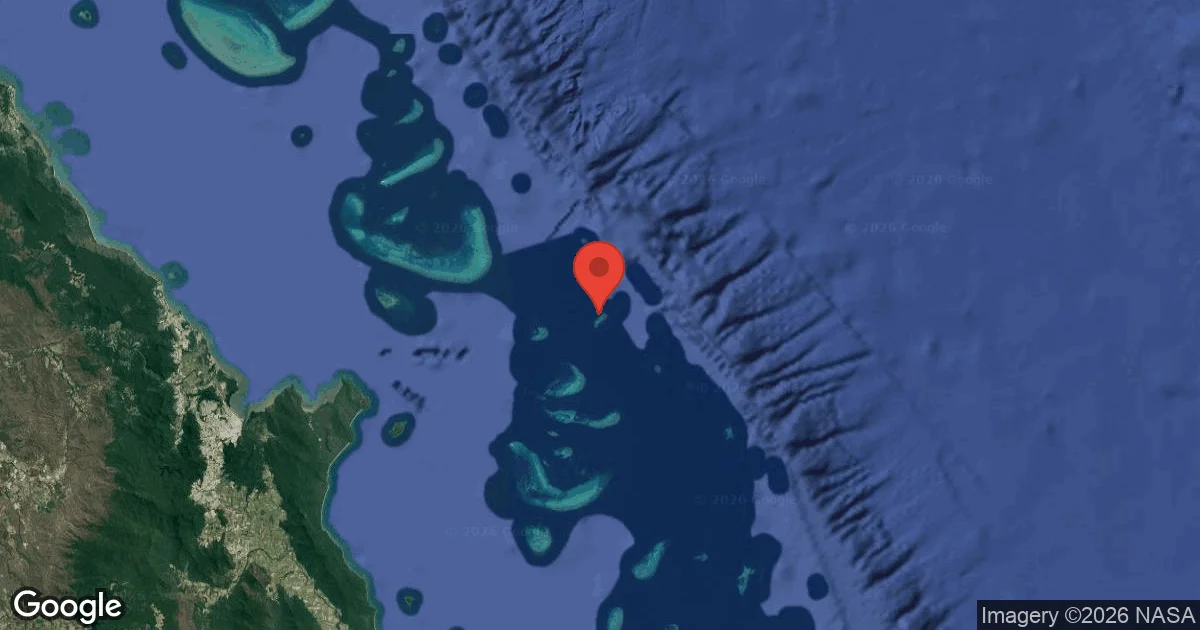
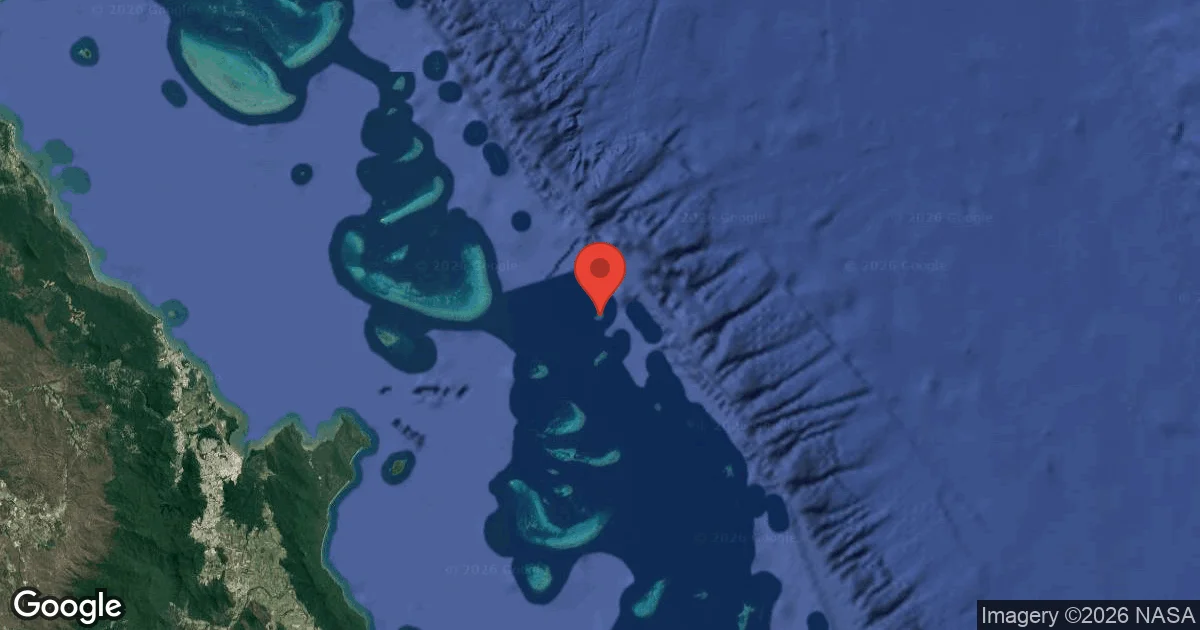
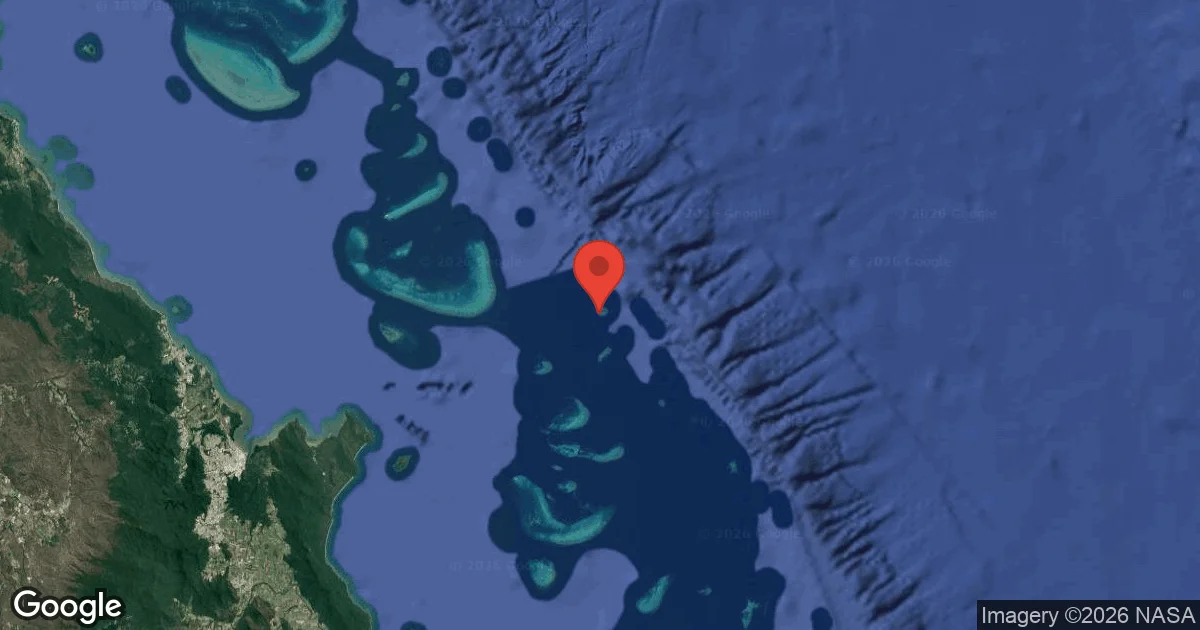
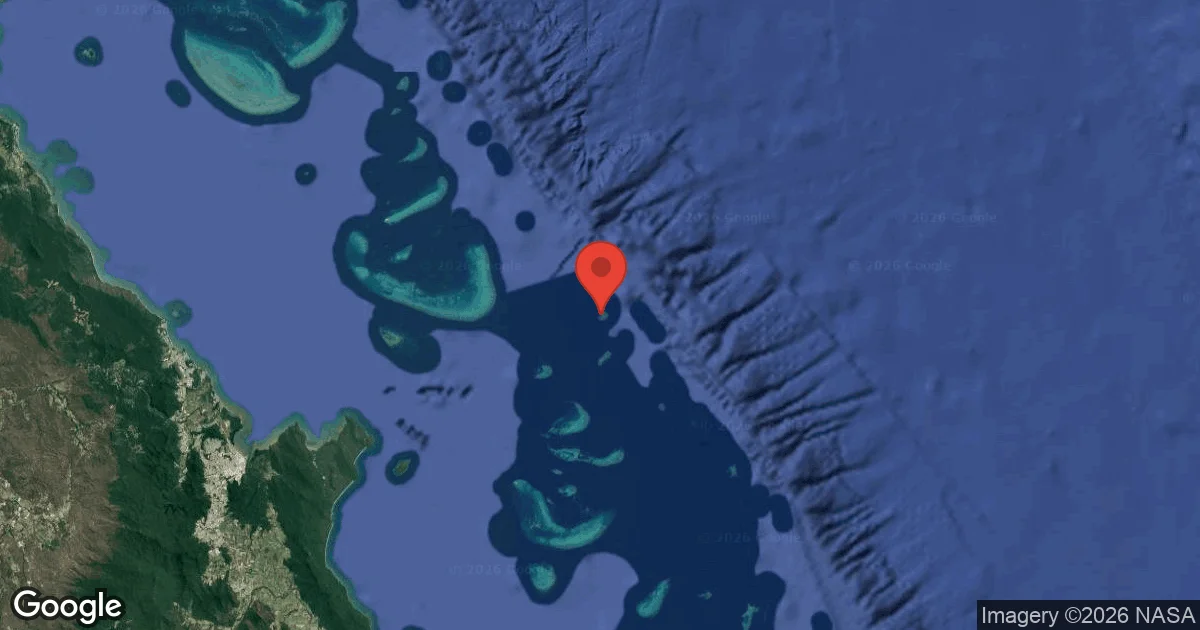
Pellowe Reef, a distinct outer reef system site, presents divers with a route along its vertical walls and through its maze-like structures. Its proximity to the continental shelf means conditions can be variable, requiring boat access and good weather for the best experience. This isolated reef offers an exploration focused on its unique topography.
As evening covers Pellowe Reef, the local air temperature is measured at 23.5°C. The current wave height at the surface is recorded at 1.6 m. These late-day readings characterize the surface conditions for the night.
Dive Site Location & Key Facts
Dive Site Overview
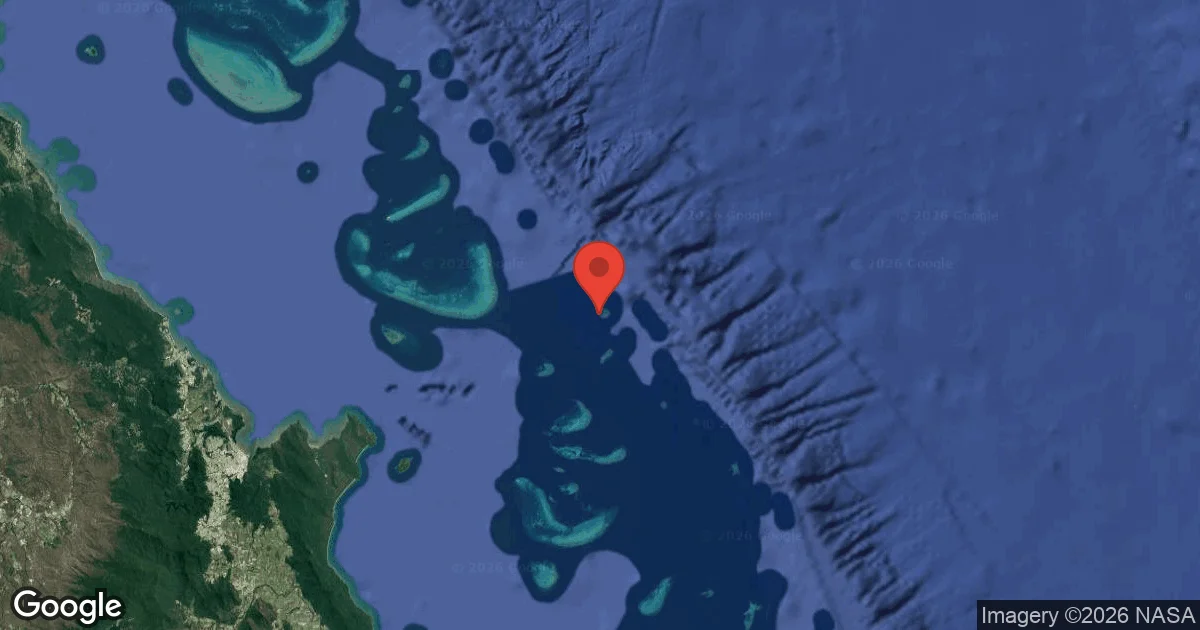
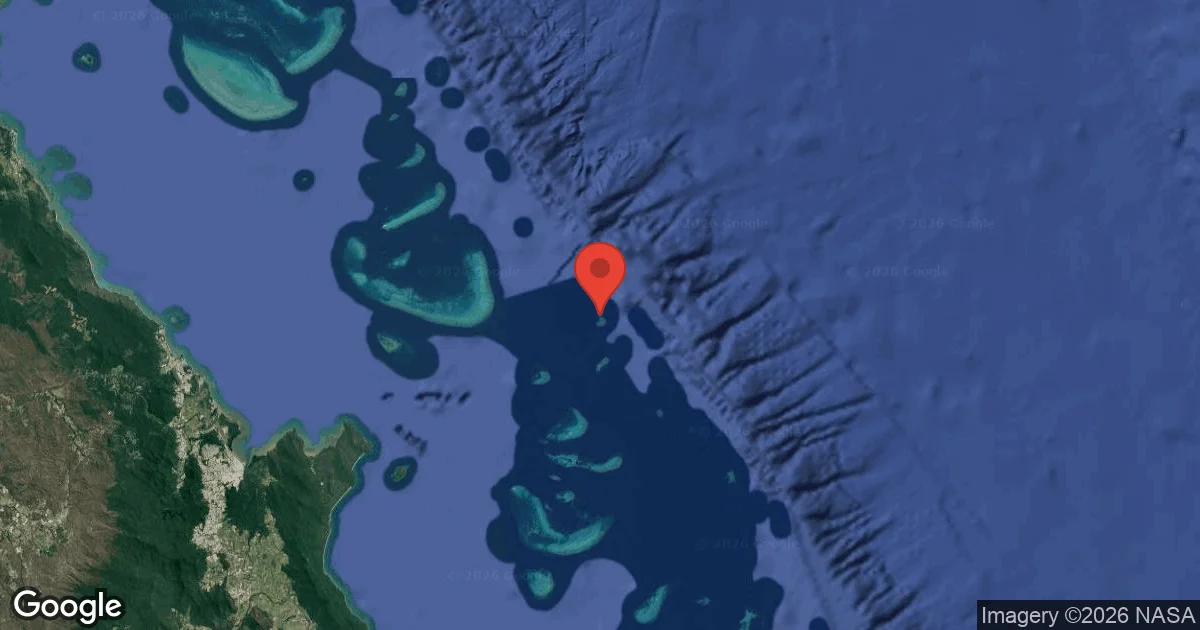
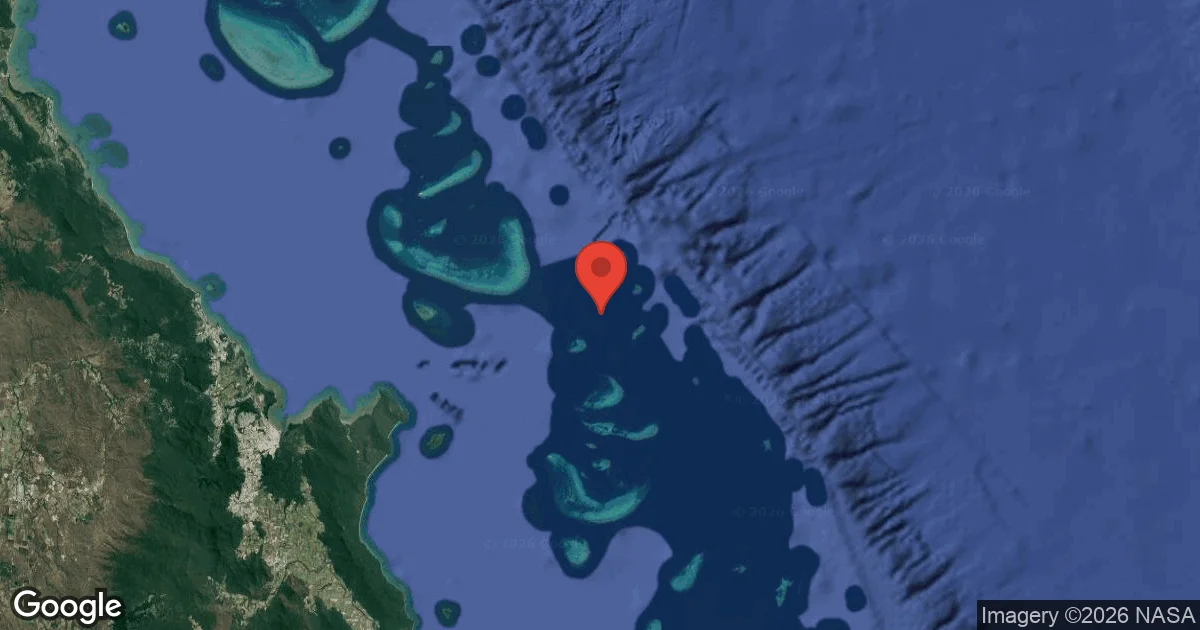
Pellowe Reef offers an engaging dive experience, defined by its structure as a small, isolated reef positioned near the continental shelf's edge. This distinct setting contributes to a greater likelihood of encountering larger pelagic species, making each descent potentially thrilling.
Divers here frequently encounter exhilarating wall dives and various swim-throughs, which form a significant part of the site's unique appeal. The reef's structure drops away rapidly in certain areas, with its walls descending to approximately 30 m / 100 ft. Most dives are typically conducted within the 5 to 30 m / 16 to 100 ft depth range.
Its striking topography features vertical walls on three sides, creating dramatic drop-offs, while a gradual sandy slope characterizes the remaining side. This diverse foundation supports an impressive array of hard and soft corals, including robust boulder, intricate plate, and delicate finger corals that blanket the reef faces.
Despite featuring only one mooring, the extensive and varied terrain of Pellowe Reef truly invites multiple dives to fully appreciate and explore its comprehensive system. The isolation ensures a pristine environment, relatively untouched, providing a raw, natural underwater exploration.
Conditions are Moderate
High Wind Advisory (41km/h). Unsafe surface.
Current conditions near Pellowe Reef show 23° air, 24° sea temperature, 1.7 m waves, and 41 km/h wind. Forecast data is refreshed regularly to ensure accuracy.
Best Time to Dive
Planning a dive to Pellowe Reef is highly dependent on favorable weather conditions, given its exposed location near the continental shelf. "Good" dive conditions are frequently reported from October through February, as well as in April. During these periods, average monthly air temperatures generally range between 25.5-28°C / 78-82°F, and rainfall tends to be lower, particularly from October to January, which averages 0.77-13.65 mm. While water temperature data isn't consistently reported, stable air temperatures usually indicate comfortable diving. Conversely, the months of May through September, and March, are typically rated as "Moderate" for diving, often due to increased wind speeds and wave heights, which can impact accessibility and underwater comfort.
PEAK SEASON SCORE
Scores combine air & water temps, waves, wind & rainfall for overall conditions.
BEST MONTHS TO DIVE
Monthly records compiled from satellite and marine observation nodes over the last 3 years. Data provided by Open-Meteo and MET Norway.
Dive Experience & Conditions
This reef is suitable for divers with Novice to Intermediate certifications, making it accessible for PADI Open Water and Advanced Open Water Divers. Conditions typically feature moderate currents, which are part of what attracts pelagic marine life to the site. Visibility commonly ranges from 15 to 20 meters / 50 to 65 feet, allowing for clear views of the extensive coral formations and marine inhabitants. Entry to the site is exclusively by boat. Divers should be prepared for wall dives that quickly descend to depths around 30 meters / 100 feet, where the reef structure transitions from vibrant coral faces to a sandy bottom.
Dive Difficulty & Safety Guidelines
Approaching Pellowe Reef safely requires careful consideration of its exposed location. Being a small, isolated reef near the continental shelf, access is highly weather-dependent; prioritizing fine weather days is crucial for a smooth and enjoyable dive. No specific hazards are consistently reported for this site, however, moderate currents are common and should always be assessed prior to entry.
Divers should be comfortable with wall dives and varying depths between 5 and 30 meters / 16 and 100 feet. Always conduct a thorough pre-dive check and brief with your dive professional, especially when navigating areas with rapid depth changes or potential swim-throughs. Maintaining appropriate buoyancy control is essential to protect the delicate coral structures.
Recommended Equipment
- Dive Computer
- DSMB
This gear list is based on verified equipment signals for Pellowe Reef, Australia. Always confirm final gear choices with your dive operator, guide, or liveaboard.
Recommended Dive Suit
Subtle variations in currents or depth can sometimes influence perceived water temperature.
3mm wetsuit tends to perform well in water temperatures like those currently observed here. Strong winds are present; please take strong precautions against rapid cooling during surface intervals. Short-term weather patterns suggest stable conditions for divers visiting the area.
Divers heading to Pellowe Reef today should expect water temperatures around 24°C (75°F). Surface air temperatures are resting at 23°C (74°F).
Due to technical issues with our weather providers, live updates are temporarily delayed. The data above reflects the conditions at the time of the last successful fetch.
Emergency & Medical Support
Essential information to help you plan your dive trip to Pellowe Reef.

Hyperbaric chambers are a critical part of dive safety infrastructure. Availability varies significantly by region, and not all dive areas have immediate access.
Before diving, it's recommended to:
- confirm nearest medical facilities
- check emergency procedures with local dive operators
- ensure dive insurance covers evacuation if required
Divers Alert Network
Diving emergency assistance available through DAN World.
+1-919-684-9111- 24/7 emergency hotline
- Diving medical assistance
- Evacuation coordination
Emergency contacts are provided for reference. Always verify local emergency services before diving.
Marine Life at Pellowe Reef
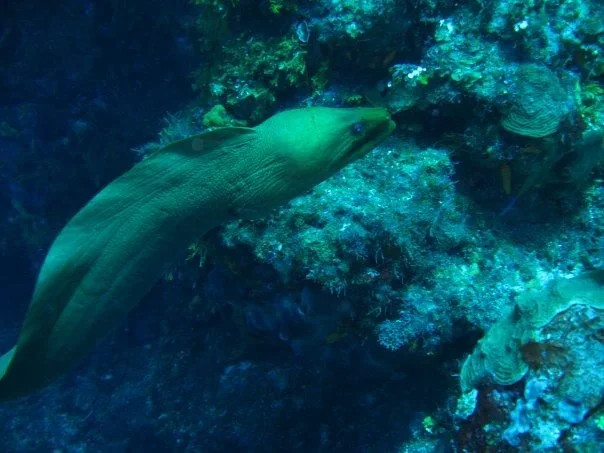
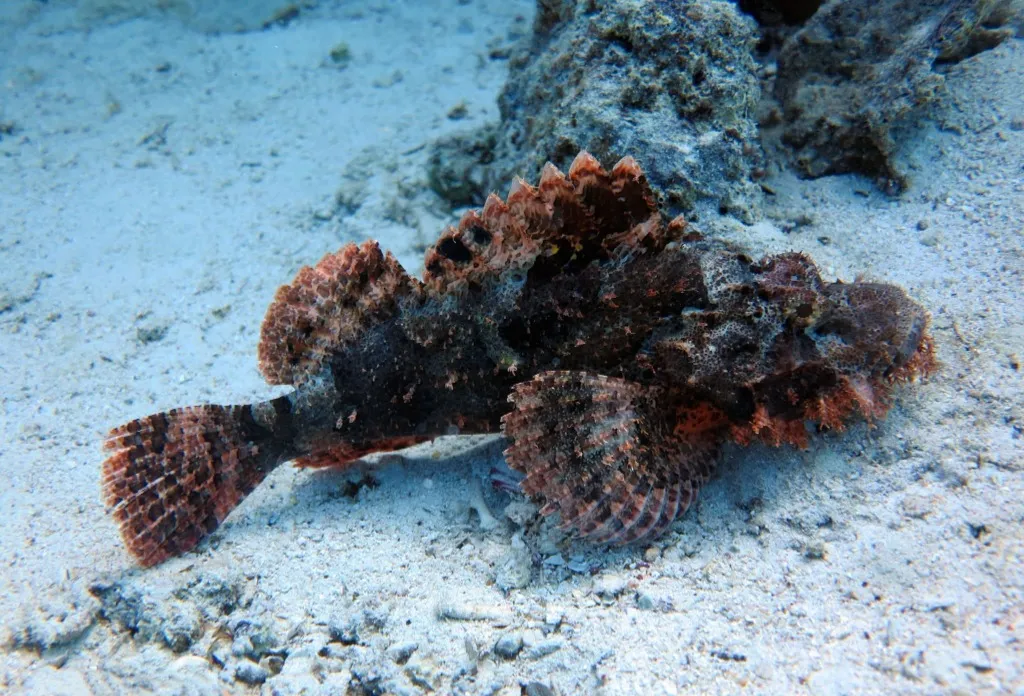
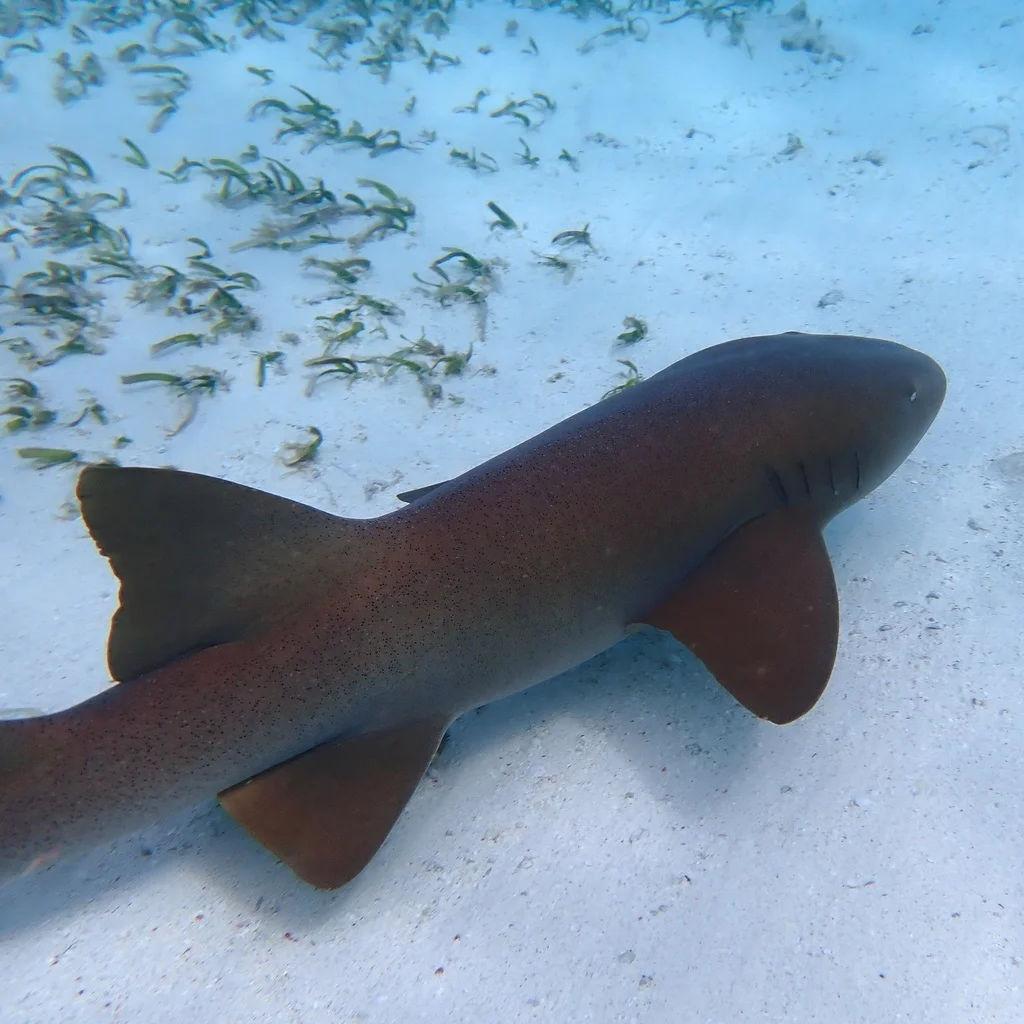
The diverse underwater landscape of Pellowe Reef supports a broad spectrum of marine life, including both reef dwellers and larger pelagic species attracted by the open ocean currents. Common sightings include Moray Eels, Scorpionfish, Tuna, and Nurse Sharks inhabiting the reef's structure.
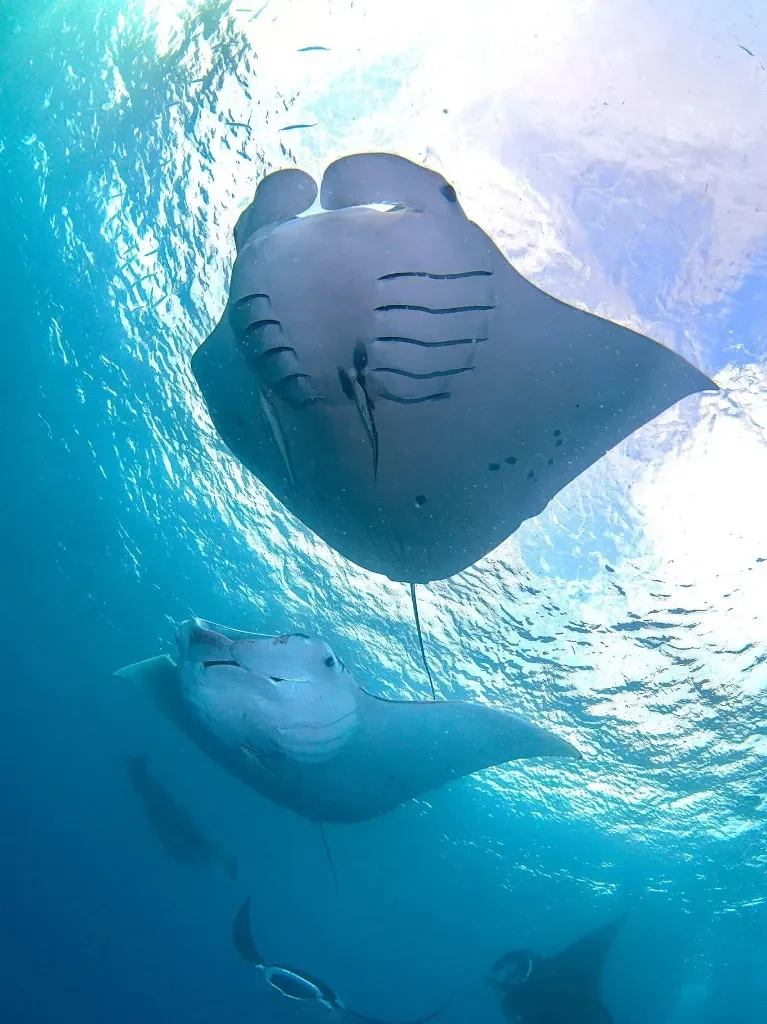
Divers may also encounter Parrotfish, Lionfish, Angelfish, Barracuda, and Clownfish among the corals. The site’s proximity to the continental shelf increases the possibility of spotting pelagic fish, and occasionally larger visitors such as Whale sharks, Leopard sharks, Manta rays, and various other shark species. Sea turtles and clams are also present, adding to the rich biodiversity of the reef environment.
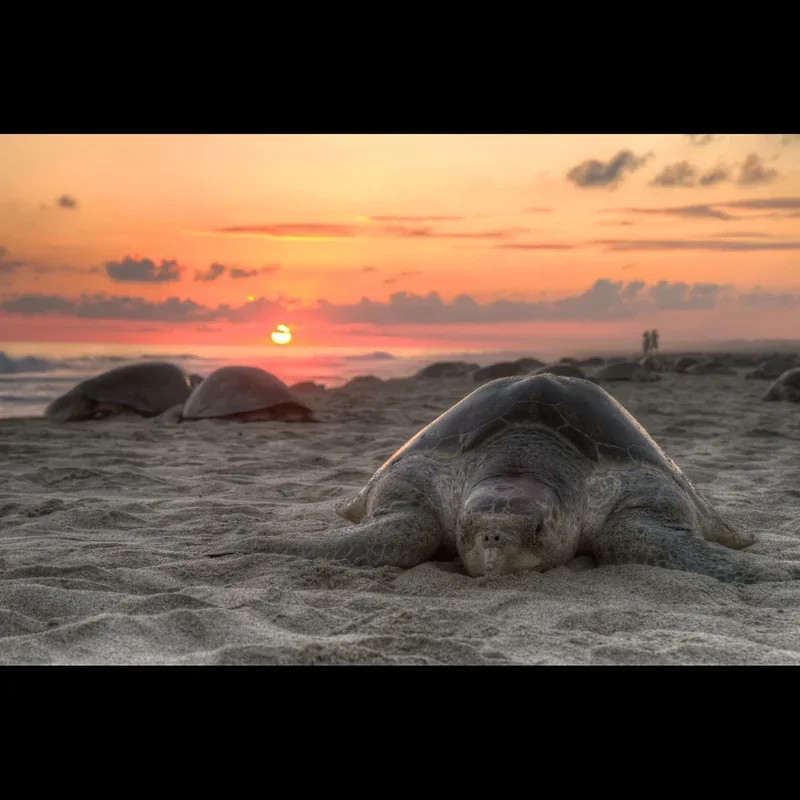
Dive Sites Near Pellowe Reef
View all dive sites in AustraliaDiscover more underwater gems in this area.
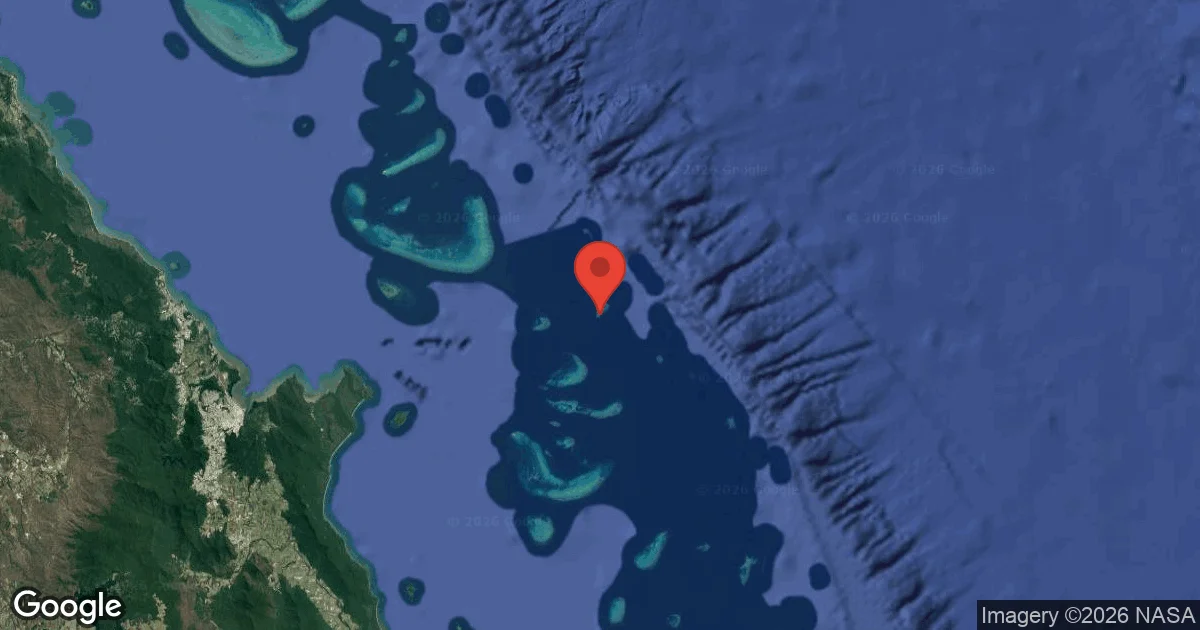
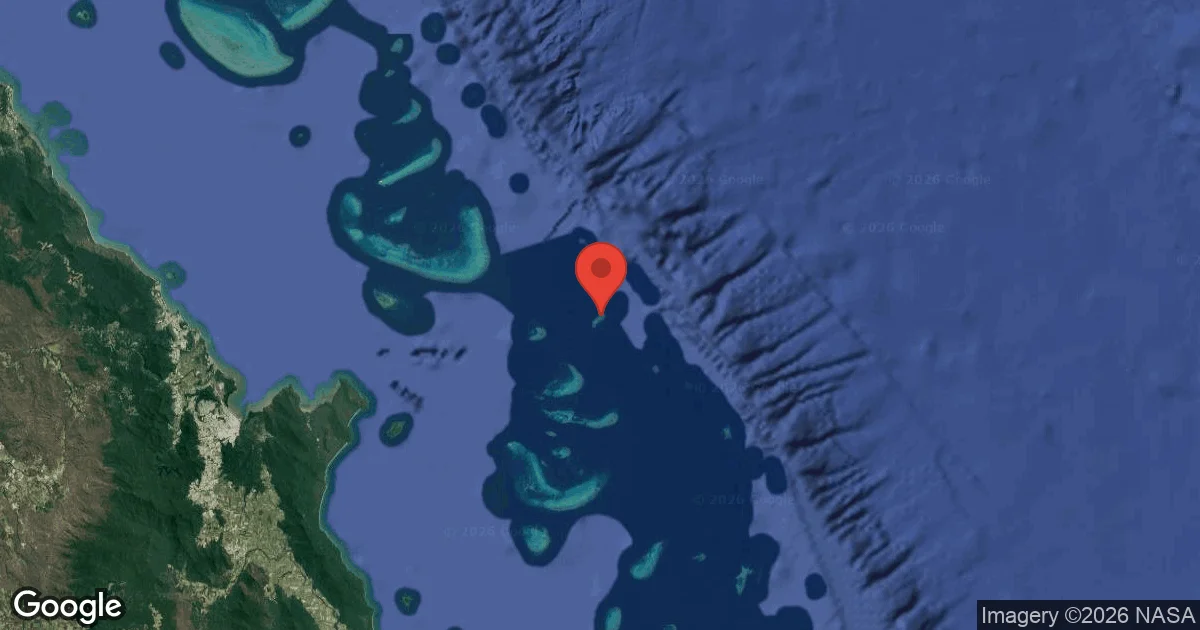
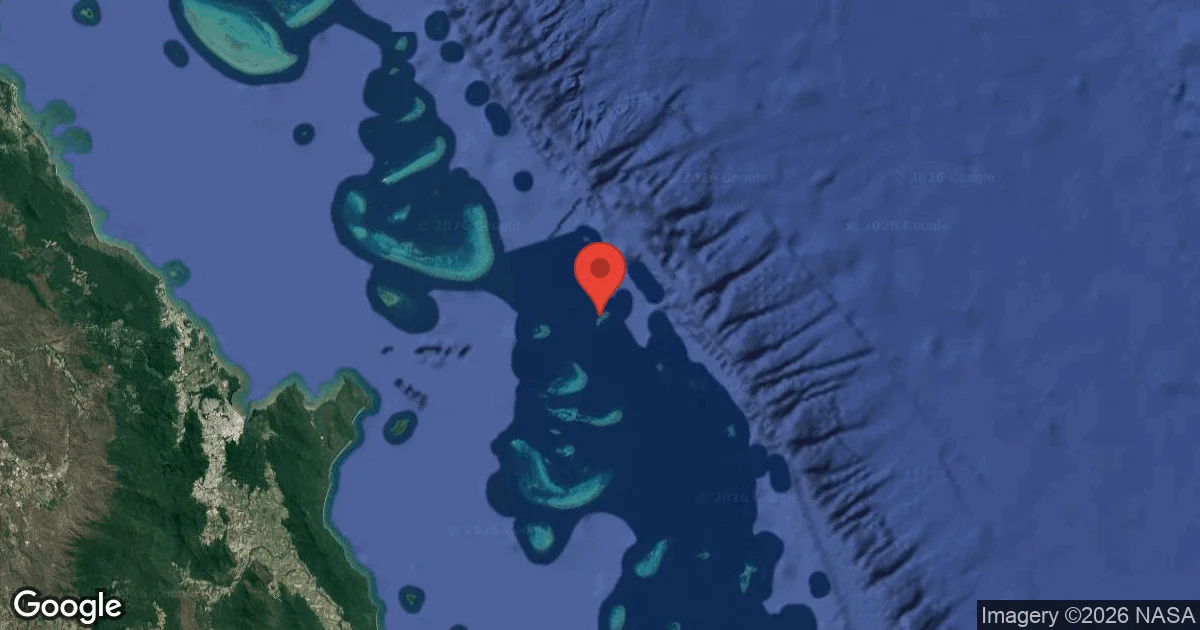
Dive Centers Near Pellowe Reef
Today: Closed
Nearest Airports
Nearest airports to help plan travel to this dive area.
Search Flights
Check available flights and routes on Expedia, using the nearby airports listed in this section.
Search Flights on ExpediaFrequently Asked Questions
What is the typical depth range for diving at Pellowe Reef?
Diving at Pellowe Reef usually occurs between 5 to 30 meters / 16 to 100 feet. The reef features sections that drop away quickly to its maximum depths, offering dynamic wall dive experiences.
What kind of currents can be expected at Pellowe Reef?
Pellowe Reef is known to have moderate currents. These currents are often a factor in attracting the diverse marine life, especially pelagic species, to the area.
Is Pellowe Reef suitable for beginner divers?
Pellowe Reef is rated for Novice to Intermediate divers. While PADI Open Water certification is a good start, Advanced Open Water Diver training is beneficial given the site's characteristics, including wall dives and variable depths.
What kind of coral formations will I see?
The reef boasts a variety of hard and soft corals. You can expect to see boulder, plate, and finger corals, among many other species that thrive on the reef's walls and slopes.
How is visibility at Pellowe Reef?
Visibility at Pellowe Reef generally ranges from 15 to 20 meters / 50 to 65 feet. This allows for good views of the reef's topography and its numerous inhabitants.
What types of marine life are frequently encountered?
Divers often spot Moray Eels, Scorpionfish, Tuna, Nurse Sharks, and barracuda. Due to its location, there's an increased chance of seeing larger pelagic fish, and sometimes even Whale sharks or Manta rays.
Planning to dive Pellowe Reef?
Send one inquiry and receive offers directly from the best verified local dive operators.
Conditions are Moderate
High Wind Advisory (41km/h). Unsafe surface.
Current conditions near Pellowe Reef show 23° air, 24° sea temperature, 1.7 m waves, and 41 km/h wind. Forecast data is refreshed regularly to ensure accuracy.