
Diving at Mill Cove Beach (Canada)
Mill Cove Beach in Nova Scotia presents a versatile shore diving opportunity, distinguished by its dual entry points and status as an adopted Project Aware cleanup site. This spot caters to all certification levels, offering divers a convenient beach access point alongside a nearby working fishing wharf. Its blend of natural seabed and human interaction creates a dynamic underwater landscape for exploration.
As evening covers Mill Cove Beach, the local air temperature is measured at 14.5°C. The current wave height at the surface is recorded at 0.7 m. These late-day readings characterize the surface conditions for the night.
Dive Site Location & Key Facts
Dive Site Overview
Mill Cove Beach's character encompasses both a natural cove and an active fishing wharf. Divers have two distinct entry options here: a convenient beach access or a nearby jetty.
From the beach, one initially encounters mostly sandy areas before the bottom transitions to silt near the protected cove's center. Depths gradually increase, starting from as shallow as 1.5 m (5 ft) and potentially exceeding 24.8 m (80 ft) further out, though depth gain can be slow. A jetty entry offers a different bottom profile, beginning with sand, rocks, and some minor kelp growth, eventually progressing towards more sand and silt.
Gaining further depth from the jetty's end requires a sustained swim straight out. Diving here suits any certification level.
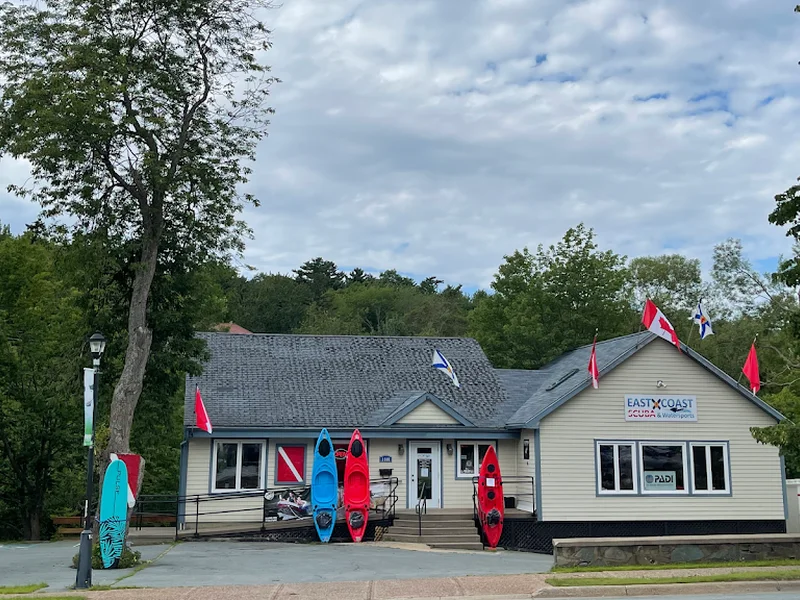
East Coast Scuba & Watersports' adoption of the site for Project Aware monthly cleanups highlights a community commitment to preserving its underwater integrity, as various discarded fishing items like gloves, hooks, bottles, and tires are often found. The blend of natural and human elements makes Mill Cove an interesting year-round exploration site.
Conditions are Good
07:00 - 14:00
Optimal conditions expected
Current conditions near Mill Cove Beach show 15° air, 16° sea temperature, 0.7 m waves, and 30 km/h wind. Forecast data is refreshed regularly to ensure accuracy.
Best Time to Dive
Optimal diving conditions at Mill Cove Beach are typically dictated by the warmer months, aligning with lower wave activity and more favorable air temperatures. The period from May through September generally offers the best opportunities, with July and August consistently receiving "Good" dive scores. Air temperatures during these prime months range from approximately 10°C (50°F) in May to highs around 19°C (66°F) in July, before gradually cooling. Wave heights tend to be lowest in the summer, averaging around 0.9 to 1.0 meters (3.0 to 3.3 ft), reducing surface chop. While visibility varies depending on factors like rain runoff, wind, and tides, improved clarity may often be experienced during slack high tide. Rainfall is generally moderate year-round, but summer months see slightly lower precipitation, contributing to better overall conditions. Diving during winter months is possible but presents more challenging conditions, with air temperatures often below freezing and higher average wave heights.
PEAK SEASON SCORE
Scores combine air & water temps, waves, wind & rainfall for overall conditions.
BEST MONTHS TO DIVE
Monthly records compiled from satellite and marine observation nodes over the last 3 years. Data provided by Open-Meteo and MET Norway.
Dive Experience & Conditions
Gaining access to Mill Cove Beach for a dive is straightforward due to its easy beach entry, which primarily consists of sand initially. As divers proceed further into the protected cove, the bottom composition gradually shifts to silt near the center. From the jetty, the composition starts with sand, rocks, and some minor kelp, eventually transitioning to sand and silt. The depth increases slowly from shore, reaching a recreational depth of around 18.3 m (60 ft) and potentially deeper in certain areas. Visibility at the site is not consistently reported with exact values but is commonly observed between 9 m to 12 m (30 ft to 40 ft), varying significantly with weather, tides, and day. There may be a mild current at this site, necessitating awareness from divers. On-site facilities are limited; there are no restrooms directly at the beach, though stores along Highway 329 offer amenities. Parking is available on the side of the road, requiring respectful consideration for local residents.
Dive Difficulty & Safety Guidelines
Divers planning an excursion to Mill Cove Beach should prioritize an awareness of several site-specific considerations. Boat, kayak, and paddleboard traffic are common hazards, particularly near the working fishing wharf.
It's advisable to inform local fishermen of your dive plans and always deploy a dive float for visibility. The presence of active fishing operations means nets, lines, hooks, and lobster traps can be encountered; carrying a dive knife is strongly recommended for entanglement prevention.
If a lobster trap is found and appears dislodged or problematic, marking it with a float can alert fishermen. Furthermore, divers participating in site cleanups should exercise caution with rigging lift bags and avoid attempting to retrieve items that are too heavy.
A mild current may occasionally be present, so assessing conditions before and during the dive is prudent.
Recommended Equipment
- Dive Computer
This gear list is based on verified equipment signals for Mill Cove Beach, Canada. Always confirm final gear choices with your dive operator, guide, or liveaboard.
Recommended Dive Suit
Current diving conditions indicate water temperatures around 16°C (61°F) at Mill Cove Beach. Surface air temperatures are resting at 15°C (58°F).
Environmental conditions appear stable for the near future.
In water temperatures like these, 5-7mm wetsuit typically offers sufficient warmth for most recreational dives. Consider warmer surface protection (like a boat coat) due to brisk winds. A thermal robe or jacket is recommended between dives. Some divers naturally tolerate cooler water better than others. Stronger winds may also make surface intervals feel cooler than usual. Surface intervals may feel noticeably cooler once you exit the water.
Emergency & Medical Support
Essential information to help you plan your dive trip to Mill Cove Beach.

Hyperbaric chambers are a critical part of dive safety infrastructure. Availability varies significantly by region, and not all dive areas have immediate access.
Before diving, it's recommended to:
- confirm nearest medical facilities
- check emergency procedures with local dive operators
- ensure dive insurance covers evacuation if required
Divers Alert Network
Diving emergency assistance available through DAN World.
+1-919-684-9111- 24/7 emergency hotline
- Diving medical assistance
- Evacuation coordination
Emergency contacts are provided for reference. Always verify local emergency services before diving.
Marine Life at Mill Cove Beach
The first encounters underwater at Mill Cove Beach frequently involve numerous lobsters, especially in the shallower sections during warmer months. Beyond these crustaceans, the area around the wharf often teems with smaller fish like cunner.
Divers can also expect to see various seasonal fish that are common to Nova Scotia's coastal waters. While broader marine life reports mention sightings of sharks, whales, dolphins, and turtles, these are not typical for a shallow beach dive and are generally sighted in offshore contexts.
The overall diversity provides ample opportunity for observation, from the sand and silt bottoms to the rocky and kelp-covered areas.
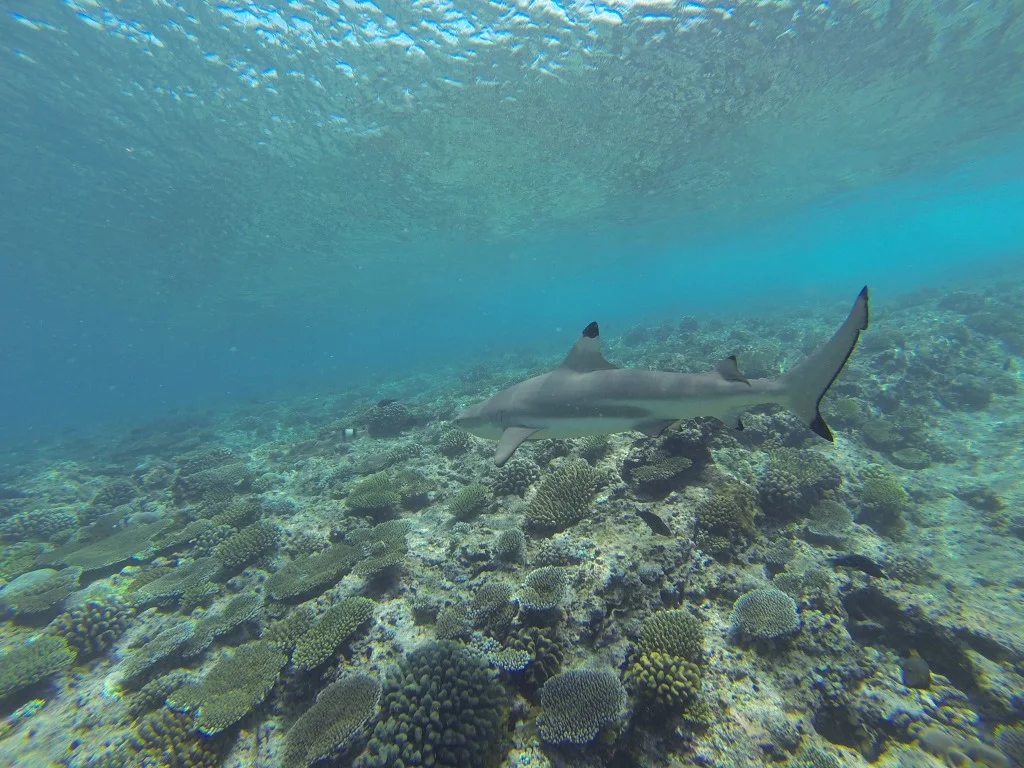
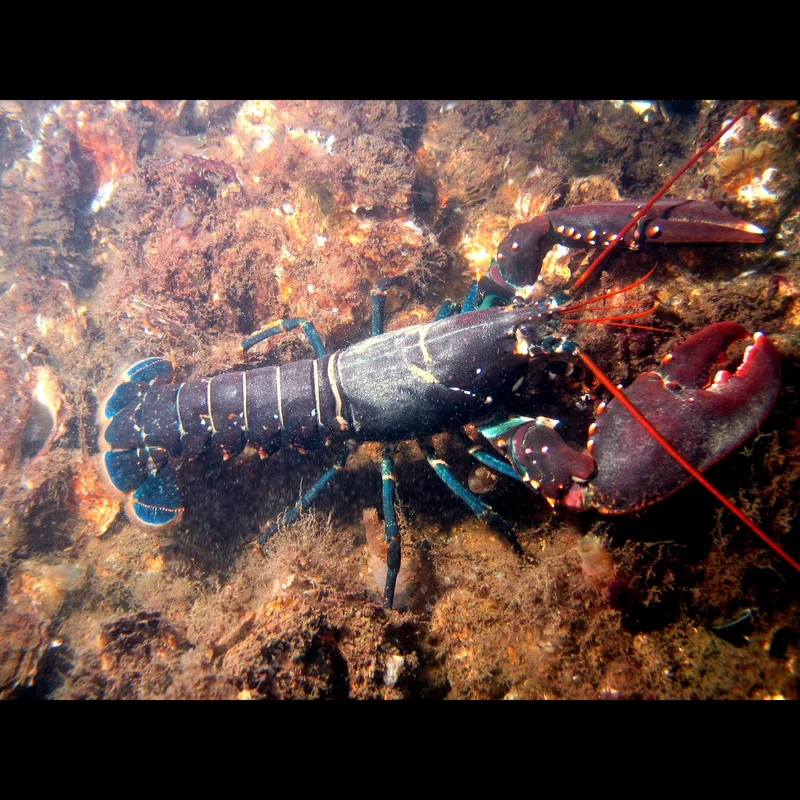
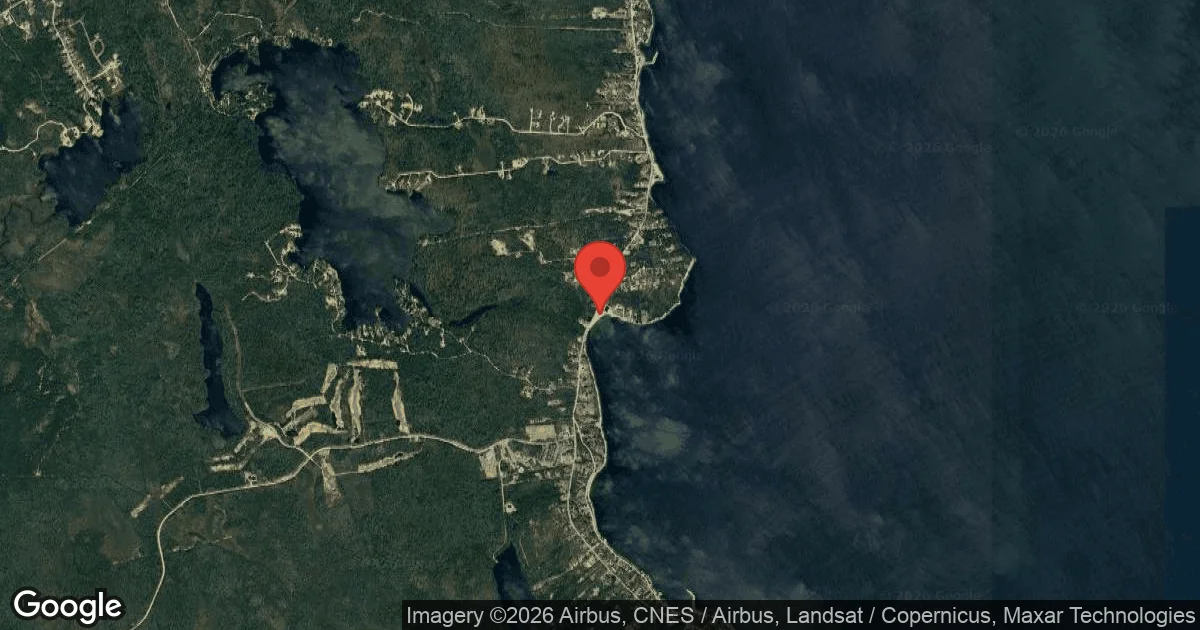
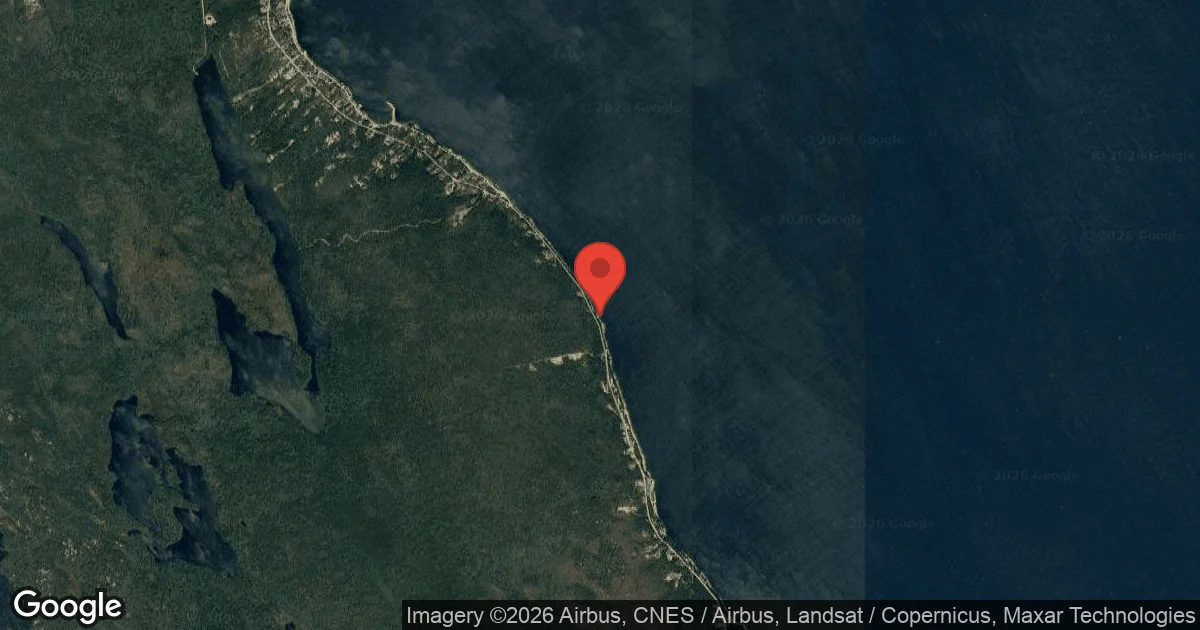
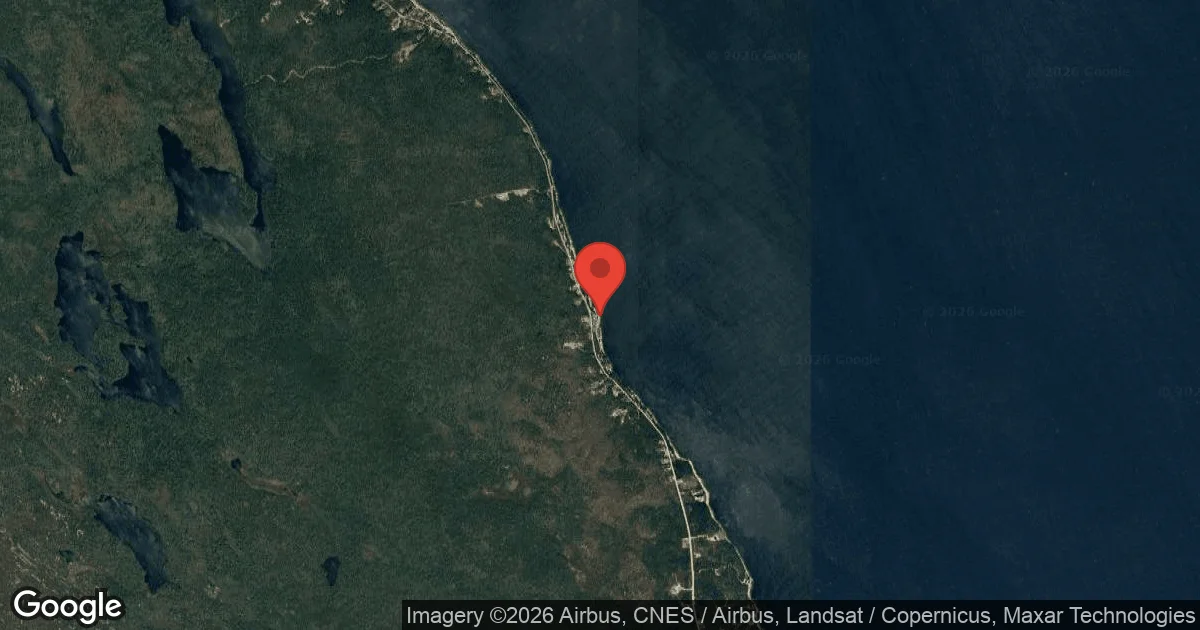
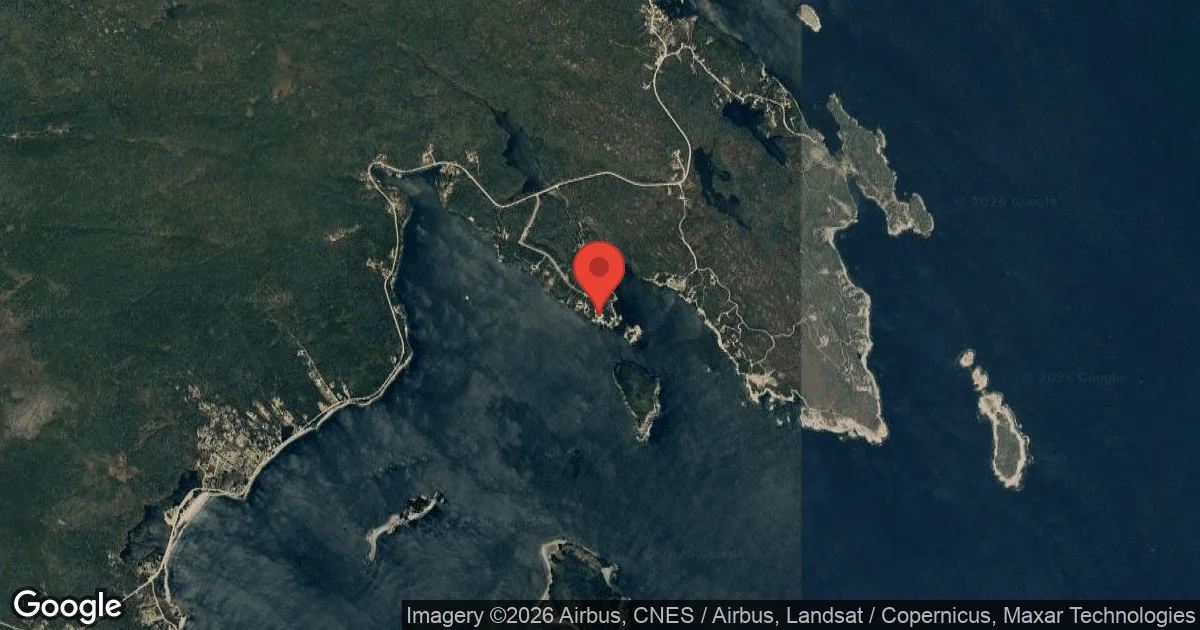
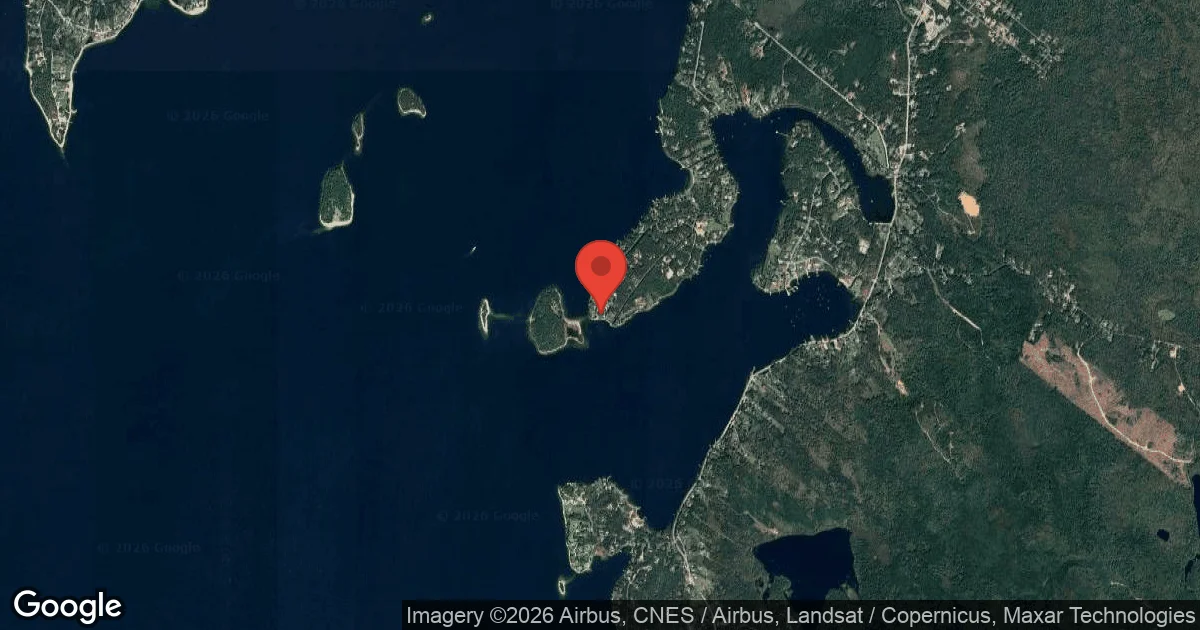
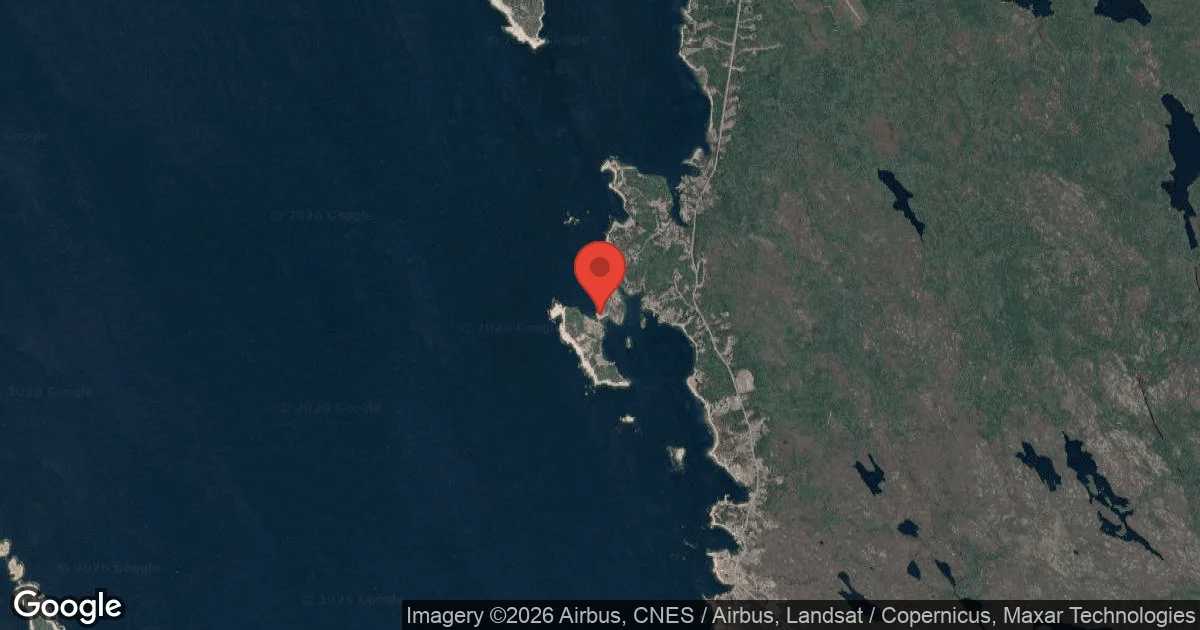
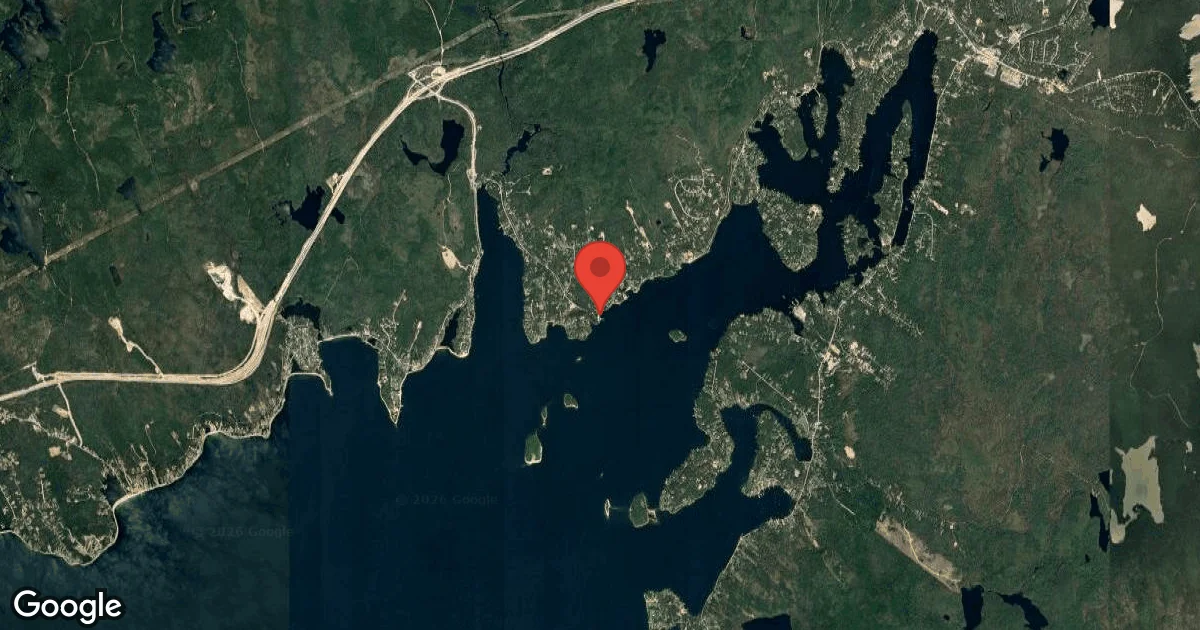
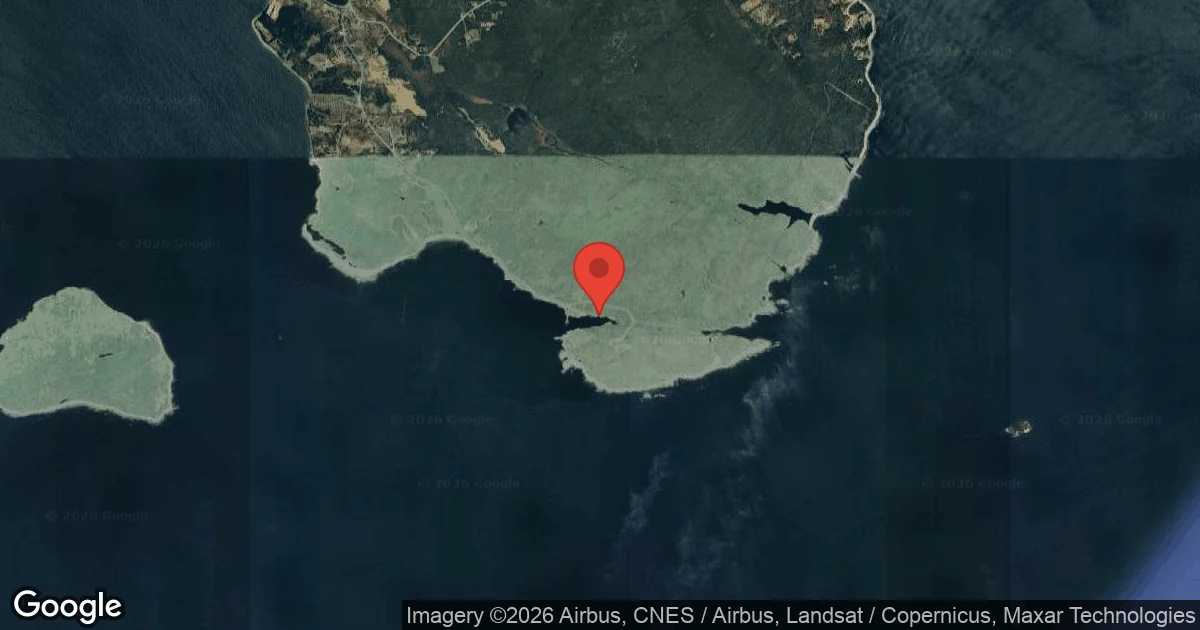
Dive Sites Near Mill Cove Beach
View all dive sites in CanadaDiscover more underwater gems in this area.
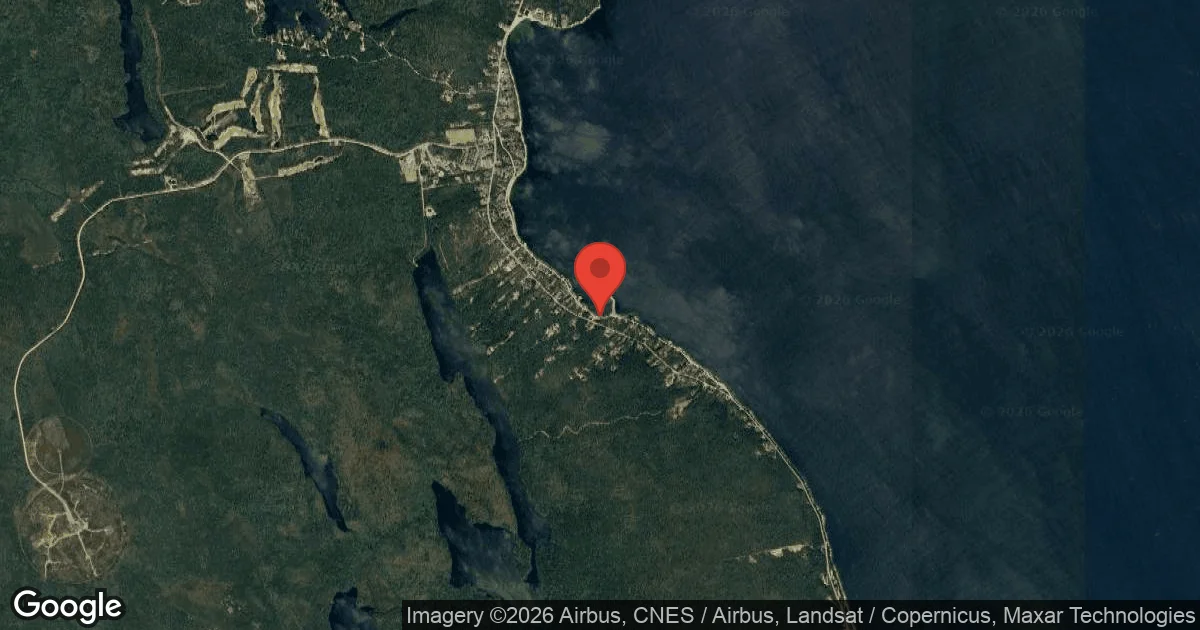
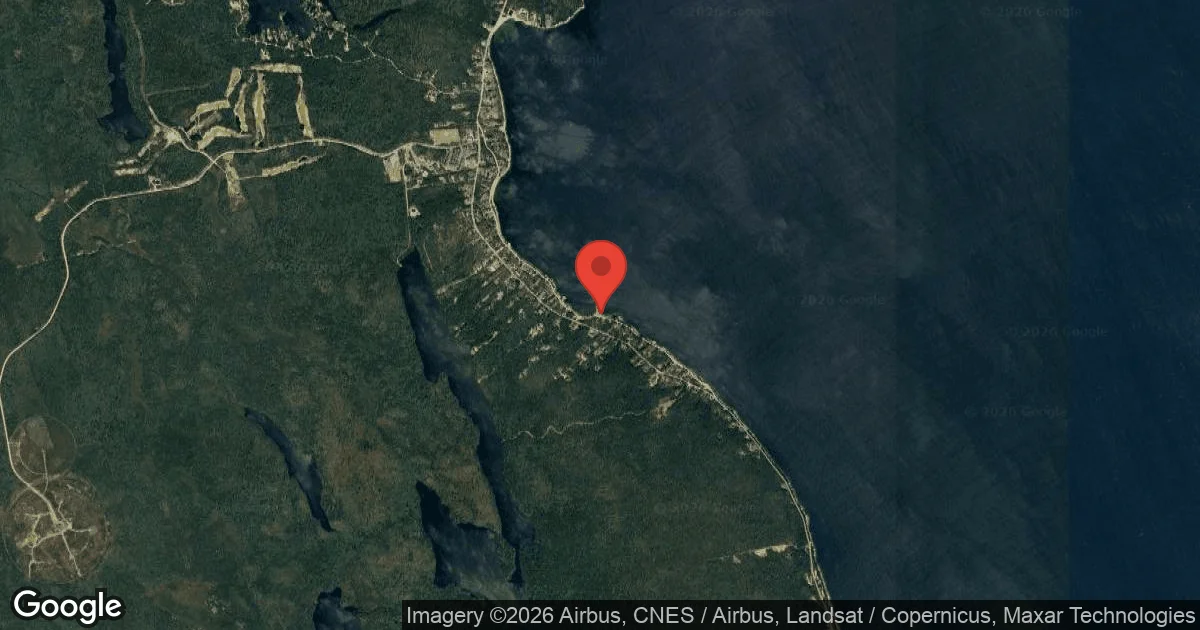
Dive Centers Near Mill Cove Beach
Today: 09:00 - 17:00
Nearest Airports
Nearest airports to help plan travel to this dive area.
Search Flights
Check available flights and routes on Expedia, using the nearby airports listed in this section.
Search Flights on ExpediaFrequently Asked Questions
What certification level is required for diving at Mill Cove Beach?
This site is suitable for divers of any certification level. Its varied depths and accessible entry points make it welcoming for both novice and experienced divers.
Are there facilities available at Mill Cove Beach?
No, there are no restroom facilities directly on-site at Mill Cove Beach. Divers will find amenities and stores along Highway 329 if needed.
What are the primary entry points for diving here?
Mill Cove Beach offers two main entry points: a direct entry from the sandy beach area, or a nearby jetty. Both provide access to different bottom compositions and depth profiles.
How deep can divers expect to go at Mill Cove Beach?
Depths at this site begin very shallow near the shore, gradually extending to the typical recreational limits and potentially beyond in deeper sections.
What is the typical underwater visibility?
Visibility here generally ranges from about nine to twelve meters. However, it can fluctuate significantly based on local weather and tidal influences.
Are there any specific hazards to be aware of?
Key hazards include boat, kayak, and paddleboard traffic, especially near the wharf. Divers should also be cautious of active fishing gear like lobster traps, nets, lines, and hooks. Mild currents may also be present.
What kind of marine life can I expect to see?
Divers frequently encounter lobsters in the shallower areas, particularly during warmer months. Cunner and various seasonal fish species common to Nova Scotia are also regular sightings.
Planning to dive Mill Cove Beach?
Send one inquiry and receive offers directly from the best verified local dive operators.
Conditions are Good
07:00 - 14:00
Optimal conditions expected
Current conditions near Mill Cove Beach show 15° air, 16° sea temperature, 0.7 m waves, and 30 km/h wind. Forecast data is refreshed regularly to ensure accuracy.