
Diving at The Lodge (Canada)
A gateway to rugged coastal environments, diving at The Lodge immerses certified divers in Canadian cold-water conditions. Situated within a temperate rainforest, the site provides a chance to experience raw, unfiltered nature. Its location fosters encounters with diverse marine biodiversity.
Evening condition tracking at The Lodge features an air temperature of 16°C. We have recorded wave heights measuring 0.5 m during this period. These figures outline the environmental parameters currently present.
Dive Site Location & Key Facts
Dive Site Overview
Diving at The Lodge introduces certified divers to the distinctive conditions of Canadian cold water. Entry to this particular site, especially near Halifax, proves difficult due to a rocky shore and potentially slippery rocks.
Tidal movements also play a significant role in entry and exit, requiring careful timing. Divers often encounter rocks coated in green seaweed during certain months, which adds to the challenging conditions underfoot. Despite the demanding entry, the underwater environment quickly transitions into a vibrant cold-water ecosystem.
Further afield, other lodge-based diving experiences in British Columbia highlight dazzling reefs with brilliant red soft corals, bright yellow sponges, and extensive fields of giant white fluffy anemones. Towering kelp forests characterize many of these areas, supporting a diverse array of fish life.
Canadian waters here are home to larger species too, including wolf-eels, Giant Pacific octopus, sea lions, and even sixgill sharks, particularly in areas like Browning Pass. An immersive experience unfolds, blending a challenging entry with rich, biodiverse marine landscapes.
Conditions are Good
07:00 - 14:00
Optimal conditions expected
Current conditions near The Lodge show 16° air, 17° sea temperature, 0.7 m waves, and 30 km/h wind. Forecast data is refreshed regularly to ensure accuracy.
Best Time to Dive
Planning a dive at The Lodge is best undertaken during the warmer months, specifically from May through September, when dive scores are consistently rated 'Good'. Air temperatures are more comfortable then, ranging from 10°C (50°F) in May to a peak of 19.5°C (67°F) in July, then gradually cooling to 17°C (63°F) by September. Rain levels are generally lower, averaging around 2.55-5.03 mm (0.1-0.2 inches) per month, which contributes to more favorable surface conditions. Wave heights tend to be lower during these months, improving boat access or making shore entries less strenuous, though localized conditions always vary. While specific visibility data isn't consistently reported, generally calmer weather patterns of late spring and summer can improve underwater clarity in these colder waters.
PEAK SEASON SCORE
Scores combine air & water temps, waves, wind & rainfall for overall conditions.
BEST MONTHS TO DIVE
Monthly records compiled from satellite and marine observation nodes over the last 3 years. Data provided by Open-Meteo and MET Norway.
Dive Experience & Conditions
Advanced Open Water certification is a prerequisite for diving at The Lodge, primarily due to challenging entries and variable conditions. Entry points, especially around Halifax, are characterized by a rocky shore and slippery rocks, compounded by the dynamics of incoming or outgoing tides. Divers should anticipate green seaweed coating rocks at certain times of the year. An easier entry point is often found staying fairly close to a specific long rock, approximately 1 m (3 ft) away, offering a more manageable route regardless of tide level. While no specific maximum depth is consistently reported, recreational depth ranges are common in Canadian cold waters. Water temperatures are not consistently reported but necessitate appropriate exposure protection for cold-water diving. Conditions can vary, so local guidance is important for navigating entries and understanding current patterns.
Dive Difficulty & Safety Guidelines
Approaching diving at The Lodge requires careful consideration of its inherent challenges. A primary concern revolves around difficult entry conditions, marked by rocky terrain, slippery surfaces, and the influence of strong tides.
Divers must time their entries and exits with the tides and exercise extreme caution on seaweed-covered rocks, which can be particularly treacherous. Due to these variables, seeking local advice or diving with experienced guides familiar with the site is crucial for mitigating risks.
Additionally, cold-water diving demands robust exposure protection to prevent hypothermia, as water temperatures in Canada are typically cool. Maintaining awareness of your buddy and having a clear emergency plan is always prudent, especially in remote or challenging environments.
Recommended Equipment
- Dive Computer
This gear list is based on verified equipment signals for The Lodge, Canada. Always confirm final gear choices with your dive operator, guide, or liveaboard.
Recommended Dive Suit
With water temperatures around 17°C (62°F), many divers find a 5-7mm wetsuit provides comfortable protection.
Local conditions can vary slightly across different parts of the same dive site.
Weather models indicate a small drop in surface temperatures later this week. Cooler days are ahead; you might want a warmer option for later in the week. A warmer option can provide additional comfort if conditions shift.
Emergency & Medical Support
Essential information to help you plan your dive trip to The Lodge.

Hyperbaric chambers are a critical part of dive safety infrastructure. Availability varies significantly by region, and not all dive areas have immediate access.
Before diving, it's recommended to:
- confirm nearest medical facilities
- check emergency procedures with local dive operators
- ensure dive insurance covers evacuation if required
Divers Alert Network
Diving emergency assistance available through DAN World.
+1-919-684-9111- 24/7 emergency hotline
- Diving medical assistance
- Evacuation coordination
Emergency contacts are provided for reference. Always verify local emergency services before diving.
Marine Life at The Lodge
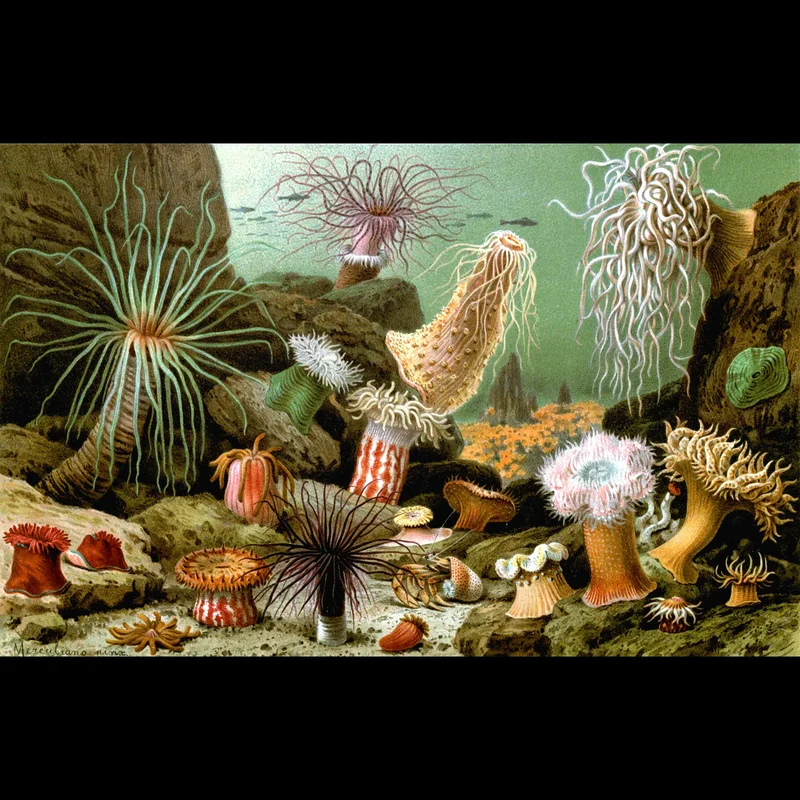
An astonishing diversity defines the underwater landscape around The Lodge, drawing from broader Canadian cold-water experiences. Vibrant reefs are common, often adorned with brilliant red soft corals and bright yellow sponges that add splashes of color to cooler depths.
Fields of giant white fluffy anemones sway gently with subtle water movements. Towering kelp forests create dramatic underwater cathedrals, providing shelter and sustenance for numerous species.
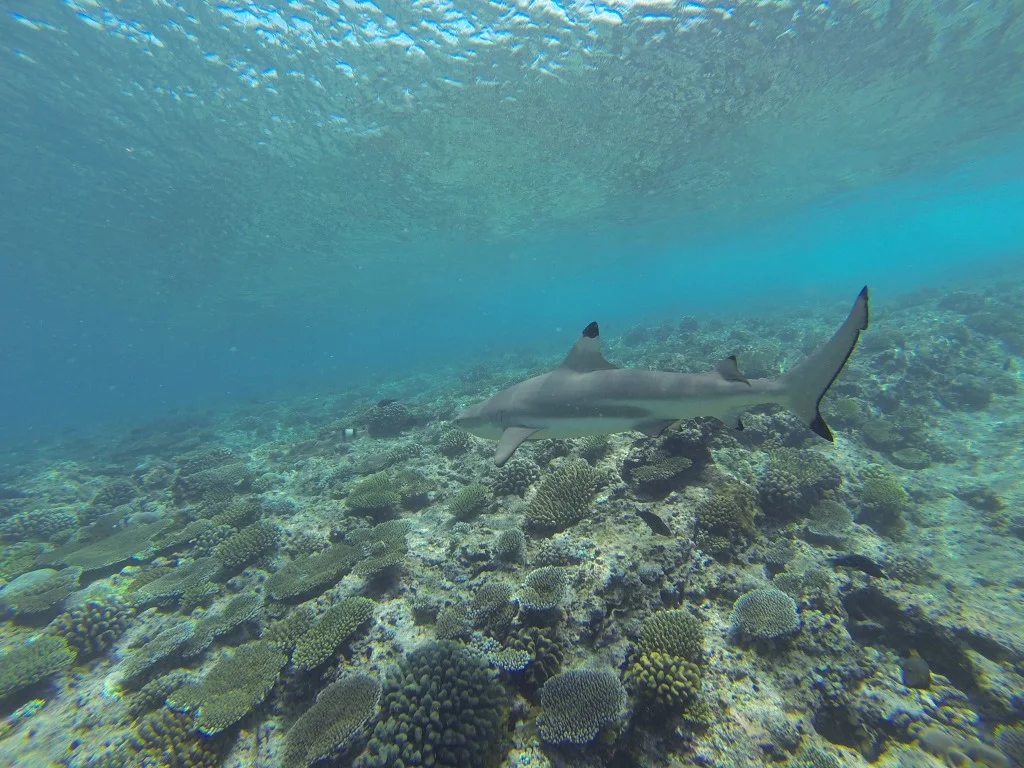
Fish life here is plentiful and varied. Divers may encounter formidable wolf-eels, observe intelligent movements of Giant Pacific octopus, watch sea lions gracefully navigate currents, and potentially spot elusive sixgill sharks in deeper sections.

Dive Sites Near The Lodge
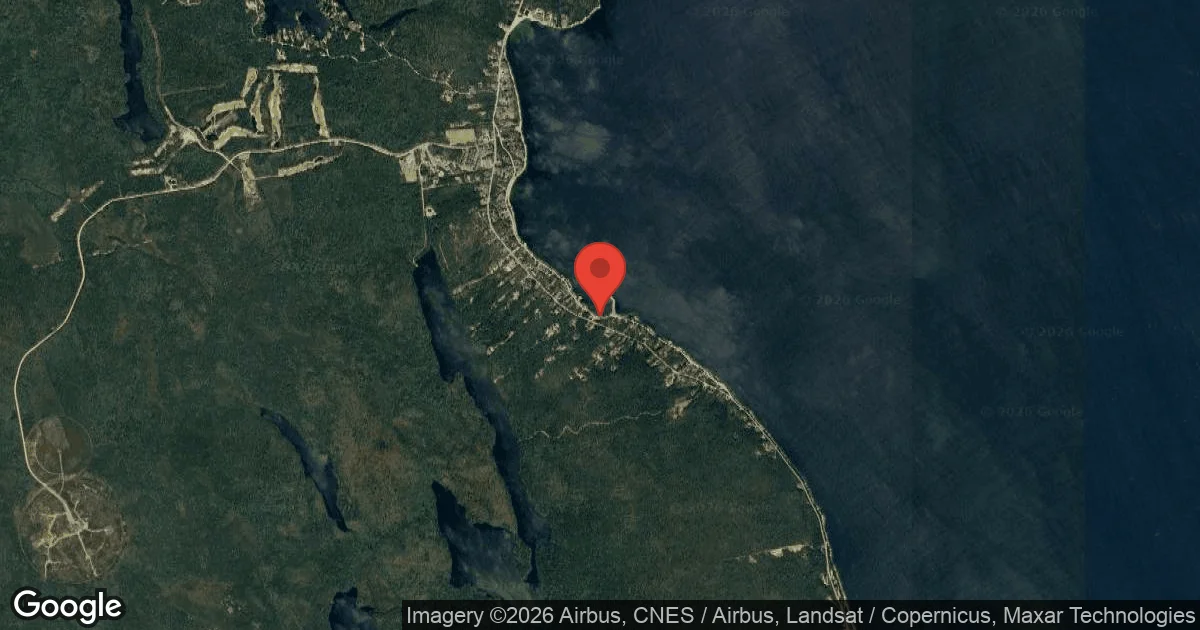
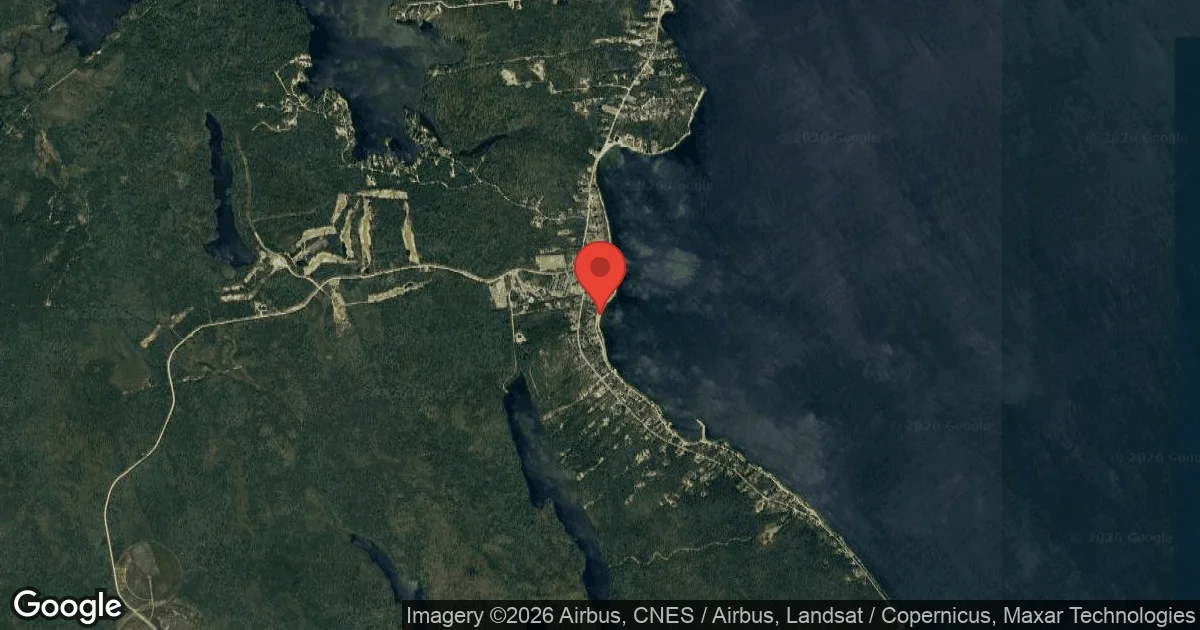
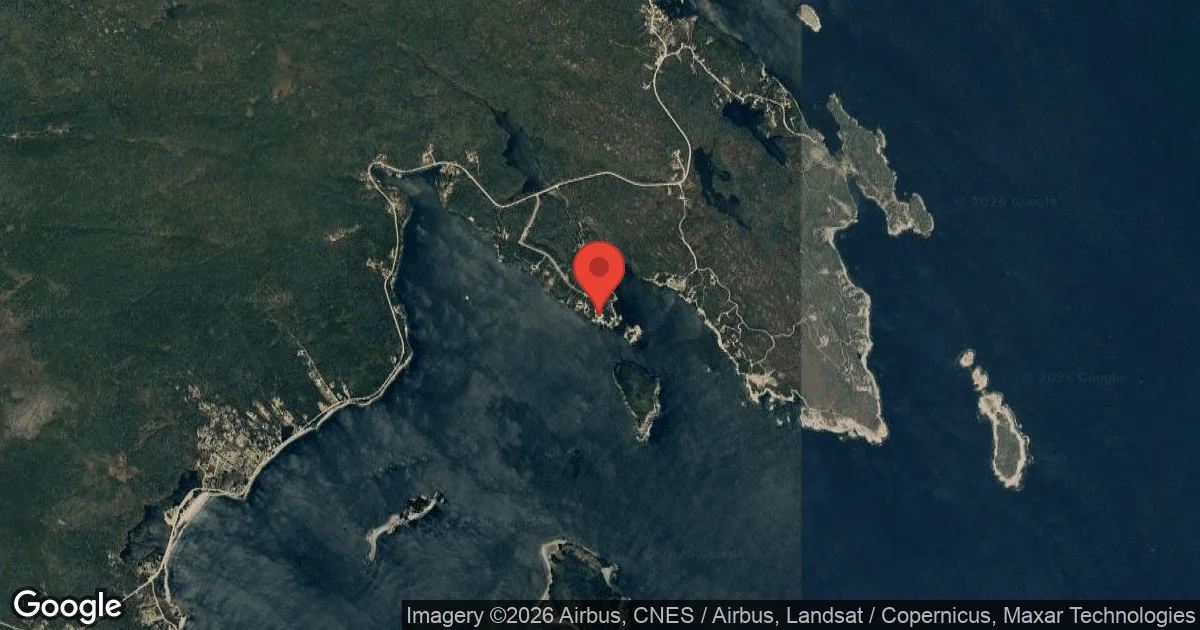
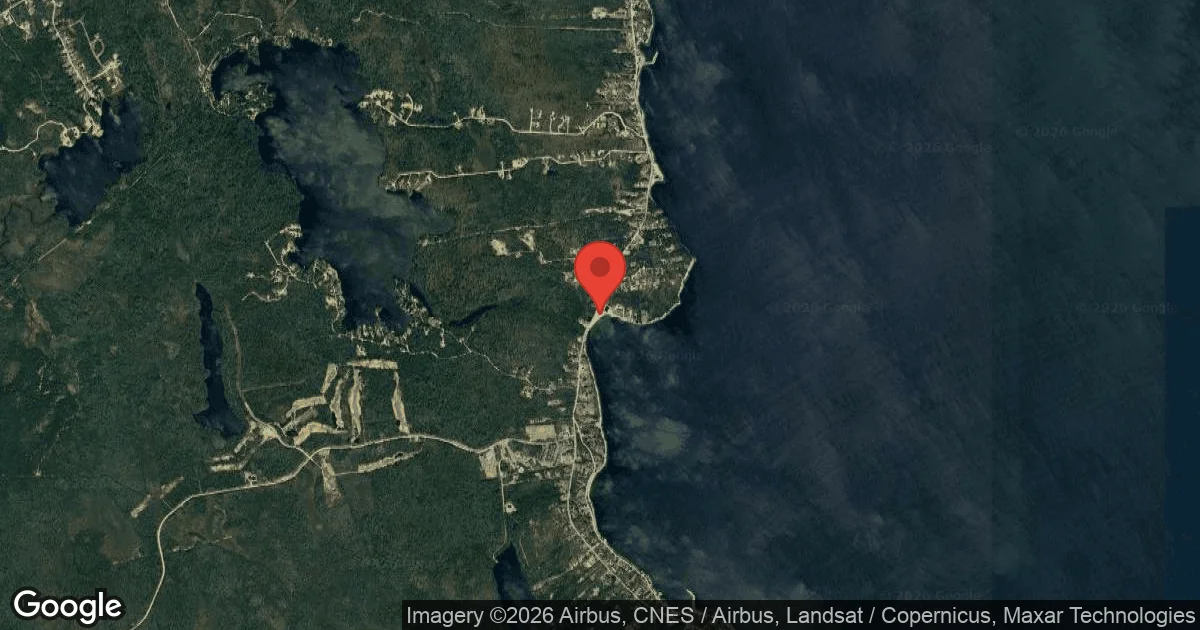
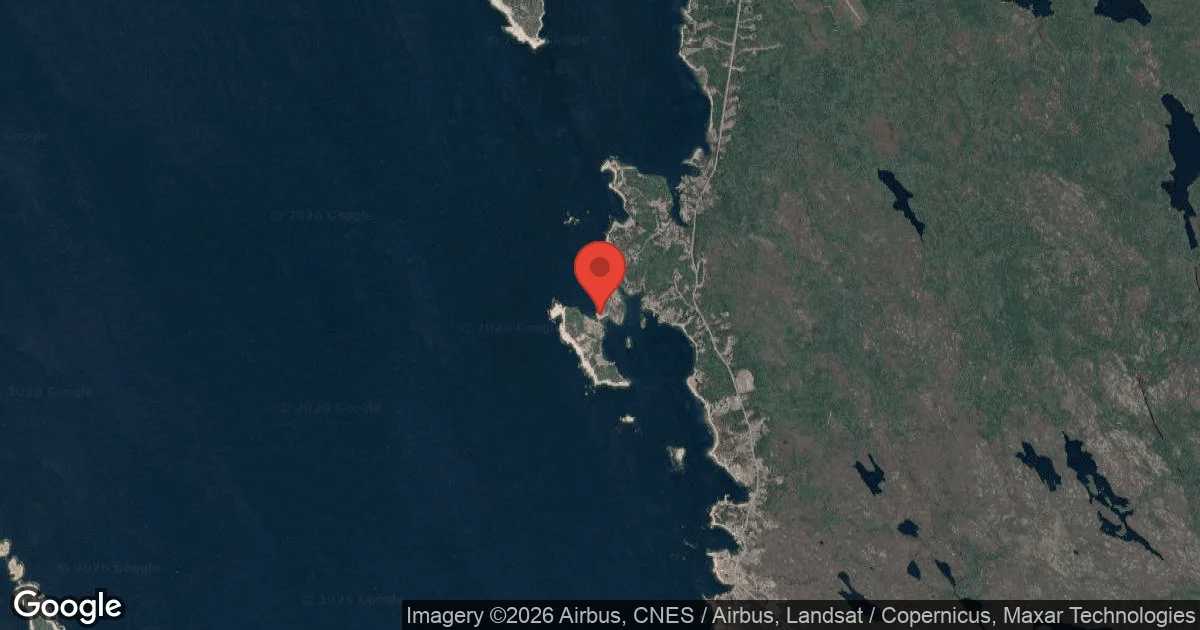
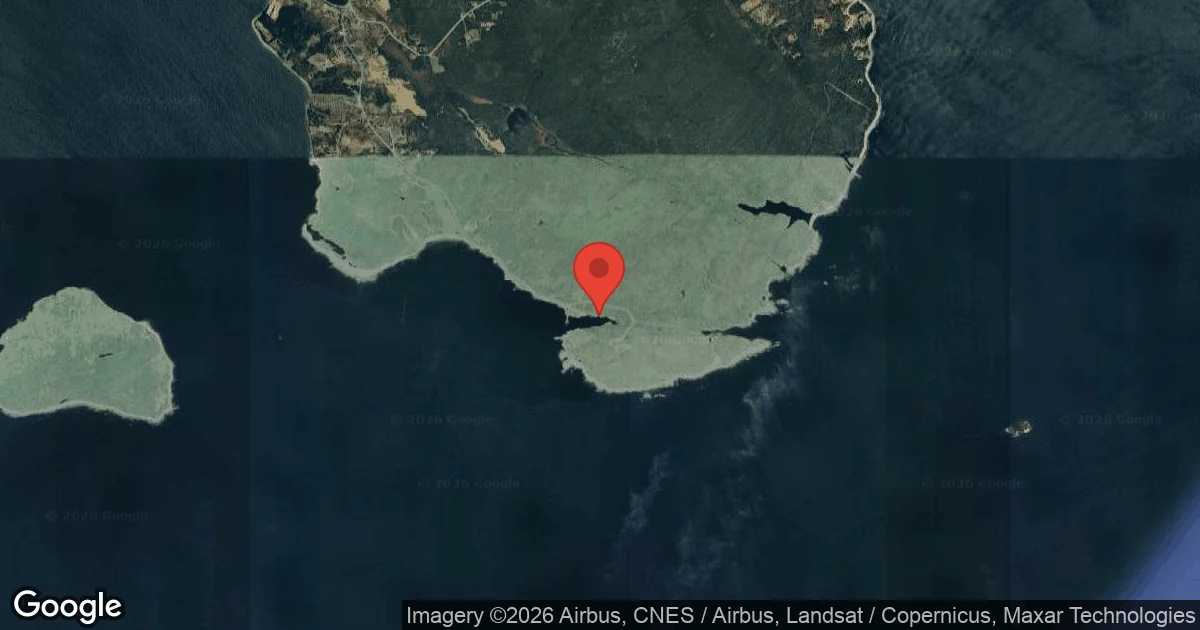
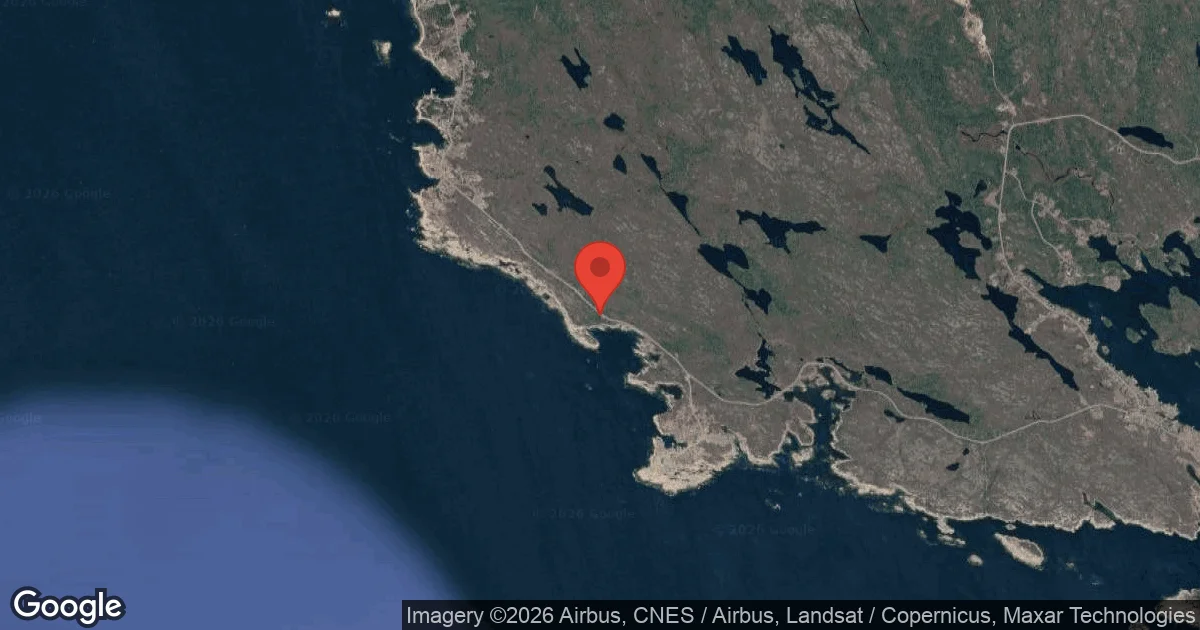
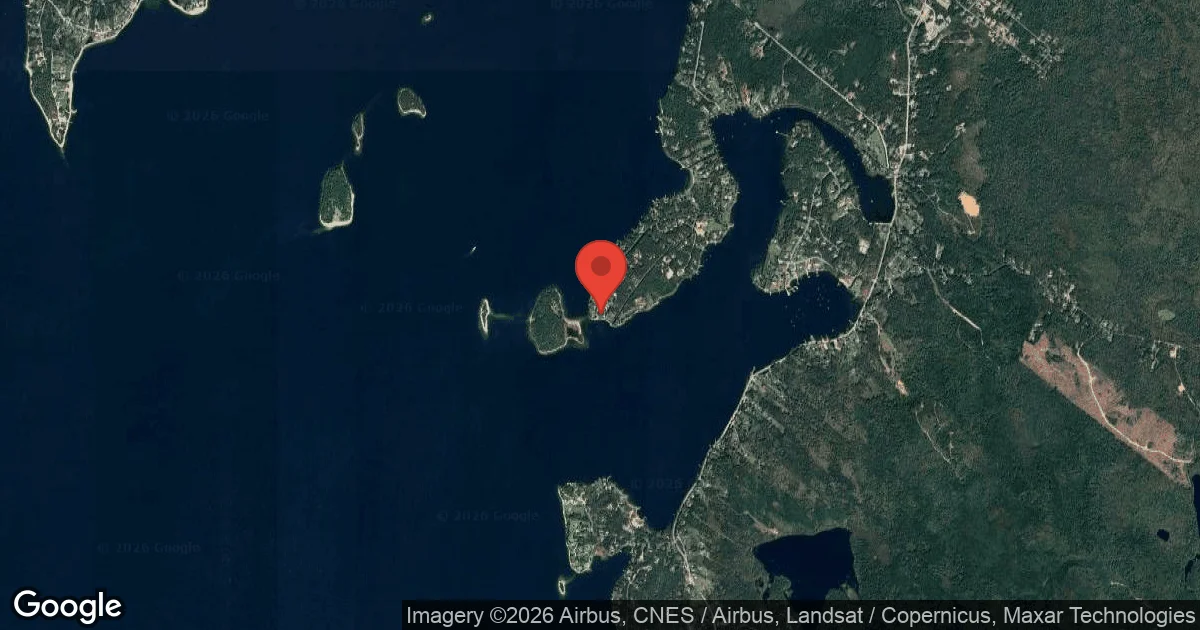
View all dive sites in CanadaDiscover more underwater gems in this area.
Dive Centers Near The Lodge
Today: 09:00 - 17:00
Nearest Airports
Nearest airports to help plan travel to this dive area.
Search Flights
Check available flights and routes on Expedia, using the nearby airports listed in this section.
Search Flights on ExpediaFrequently Asked Questions
What skill level is required for diving at The Lodge?
Diving at The Lodge, particularly the Halifax site, requires an Advanced Open Water certification. This is primarily due to the challenging shore entry conditions, which involve rocky and potentially slippery terrain, and the influence of tidal currents.
What are the typical water temperatures?
Specific water temperatures for The Lodge are not consistently reported. However, as a Canadian cold-water dive site, divers should expect cool to cold conditions year-round, necessitating appropriate thermal protection such as a drysuit or a thick wetsuit.
When is the best time of year to dive?
The optimal time for diving at The Lodge is generally from May through September. During these months, air temperatures are milder, and rainfall tends to be lower, contributing to more favorable overall surface conditions for divers.
What are the entry conditions like?
Entry at The Lodge involves navigating a rocky shore with potentially slippery rocks. Incoming and outgoing tides can also affect entry and exit, and green seaweed may cover the rocks during certain periods. Local knowledge is recommended for the easiest entry points.
What kind of marine life can I expect to see?
The marine environment is biodiverse, featuring vibrant soft corals, yellow sponges, and large white anemones. Kelp forests are common, supporting diverse fish species. Encounters with animals like wolf-eels, Giant Pacific octopus, and sea lions are possible.
Are there accommodations available directly at The Lodge?
The Lodge refers to dive operations often associated with remote, off-grid lodges in Canada. While the Halifax reference is to a dive site, other 'Lodge' experiences like God's Pocket or Rendezvous Dive Adventures provide rustic accommodations as a base for exploring surrounding dive sites.
Planning to dive The Lodge?
Send one inquiry and receive offers directly from the best verified local dive operators.
Conditions are Good
07:00 - 14:00
Optimal conditions expected
Current conditions near The Lodge show 16° air, 17° sea temperature, 0.7 m waves, and 30 km/h wind. Forecast data is refreshed regularly to ensure accuracy.