
Diving at Birchy Head Dive Site (Canada)
Birchy Head presents a challenging but rewarding technical profile, with depths extending to 43 m (140 ft) in a secluded coastal setting. This site caters to advanced open water and experienced divers due to its currents, complex underwater topography, and demanding entry. It also serves as an excellent location for technical dive training, offering varied conditions to test diver proficiency.
As evening covers Birchy Head Dive Site, the local air temperature is measured at 16°C. The current wave height at the surface is recorded at 0.6 m. These late-day readings characterize the surface conditions for the night.
Dive Site Location & Key Facts
Dive Site Overview
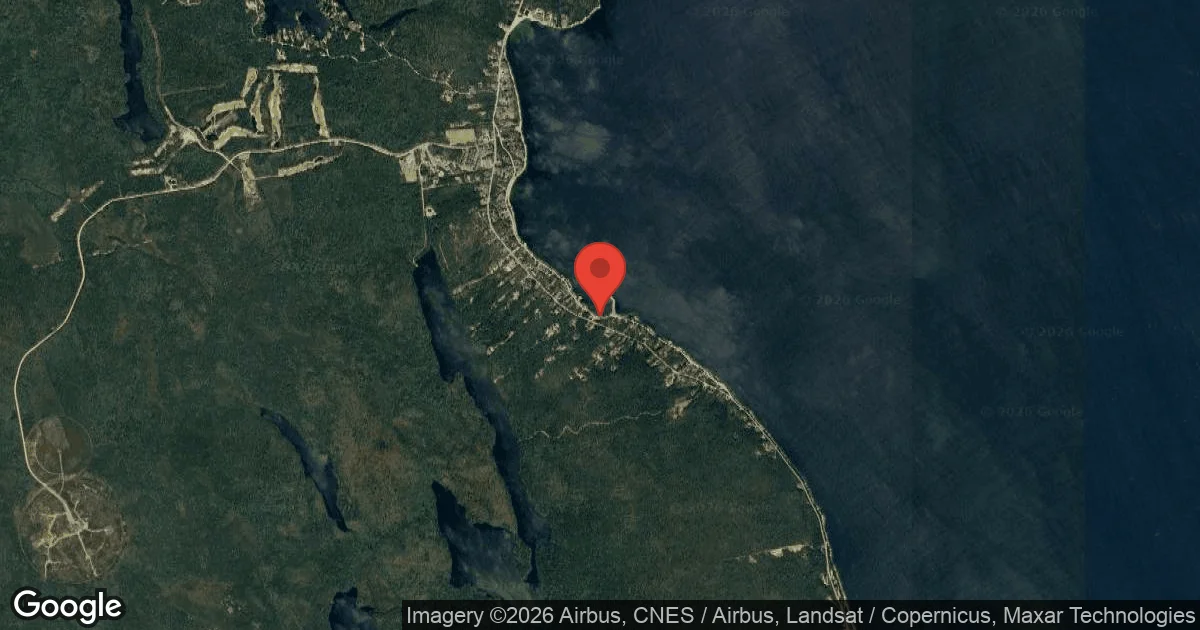
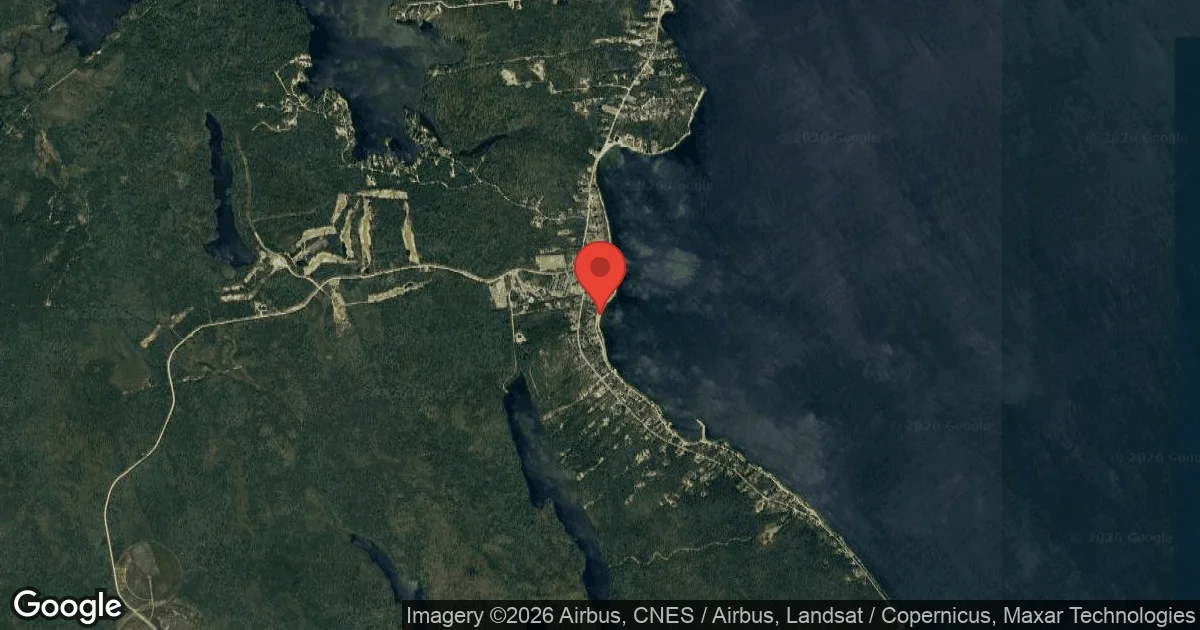
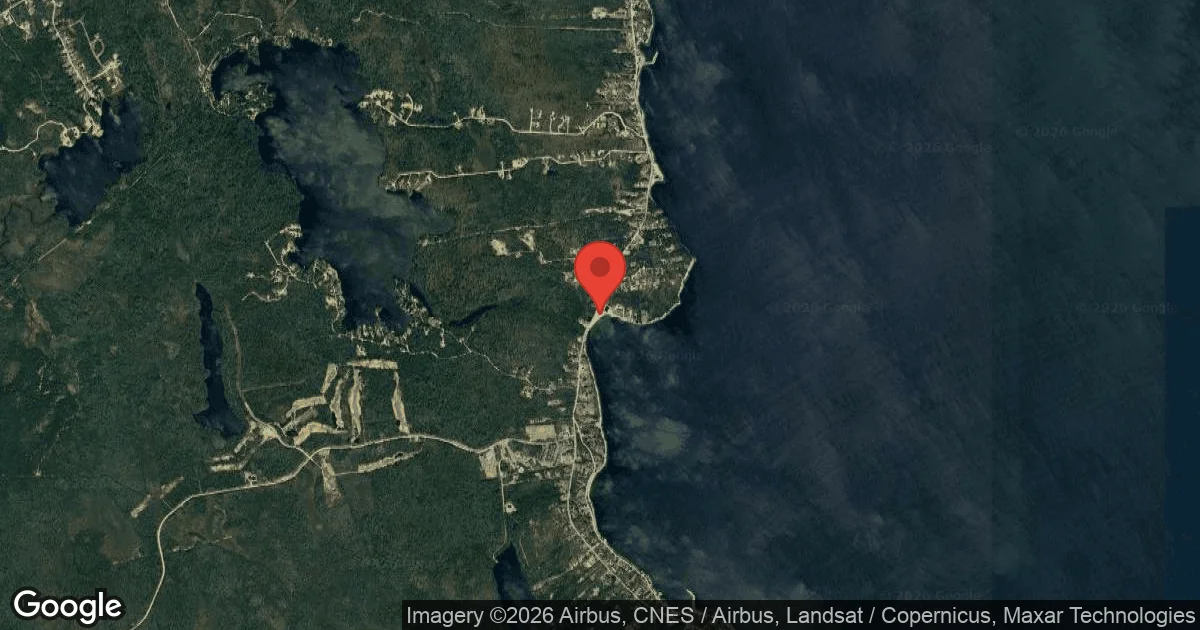
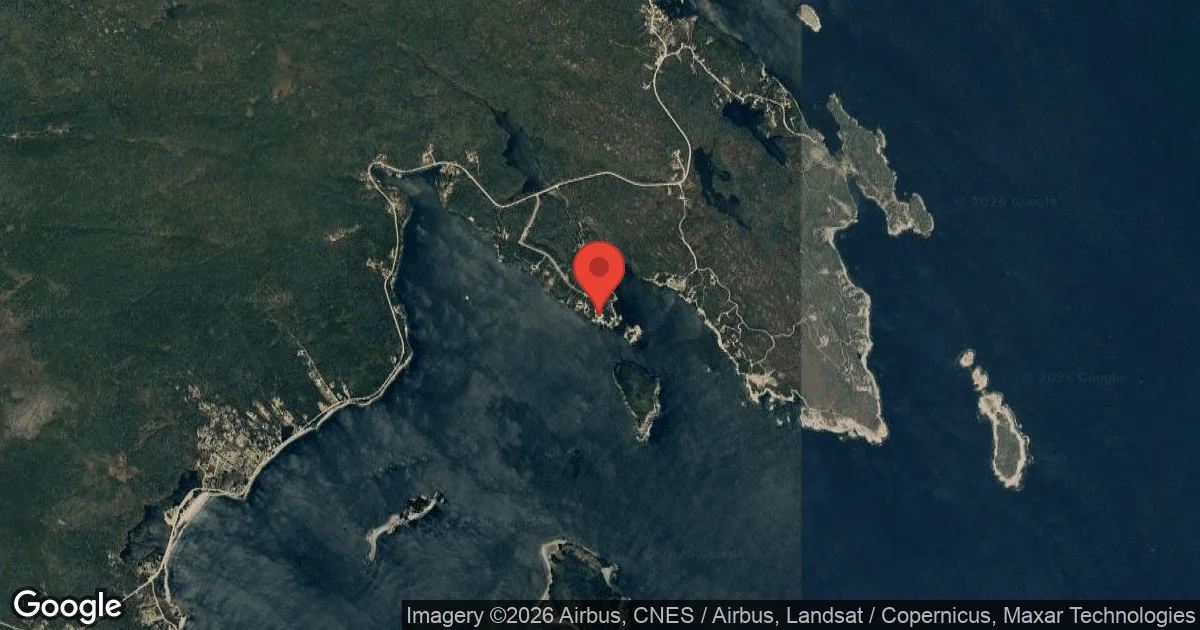
Navigating Birchy Head offers an exploration of extensive underwater landscapes, beginning with a challenging entry from its small beach area. Divers often require a rope assist to navigate the steep path down to the water, a prelude to the significant depths and intricate rock formations below.
Once submerged, the bottom drops dramatically, quickly descending beyond typical recreational limits. This deep profile, resembling a natural canyon in places, features massive boulders and ledges creating a fascinating terrain. Numerous nooks and crannies invite close inspection.
Variable plant life thrives on these structures, providing crucial habitat for diverse macro-organisms. Interspersed among the rocky zones, sections of sandy bottom can be observed, adding to the varied topography.
Divers must maintain sharp navigational skills, as the complex layout makes disorientation a possibility, particularly for those unfamiliar with its features. It's a location that rewards attentive diving, appealing to both night divers and those undertaking technical training due to its demanding conditions.
Weather Error: fetch failed
Best Time to Dive
For optimal conditions at Birchy Head, divers generally find the summer months most favorable, particularly July and August, when dive scores peak. Air temperatures during this period average between 18-19°C (64-66°F), accompanied by minimal rain runoff and lighter winds, typically around 18 km/h (11 mph). Wave heights are also at their calmest, averaging around 0.9 m (3.0 ft). While cold water diving in Nova Scotia is possible year-round, spring and fall months, such as May, June, and September, still offer good diving conditions with average air temperatures ranging from 10-17°C (50-63°F). Water temperature is not consistently reported but remains cool, necessitating appropriate exposure protection. Winter months, despite colder air and higher winds, can offer stunning visibility due to the lack of rain runoff from the frozen ground.
PEAK SEASON SCORE
Scores combine air & water temps, waves, wind & rainfall for overall conditions.
BEST MONTHS TO DIVE
Monthly records compiled from satellite and marine observation nodes over the last 3 years. Data provided by Open-Meteo and MET Norway.
Dive Experience & Conditions
Navigating the Birchy Head site begins with its notable current and challenging entry, typically marked by a rope tied to a tree leading down a steep, often slippery path. Divers carrying full gear should approach this descent with caution. Underwater, the site drops off significantly, providing a diverse environment of boulders and ledges. Maximum depths can reach 43 m (140 ft), providing ample space for exploration for those prepared for deeper dives. The site's layout, with its numerous rock formations and crevices, means maintaining orientation is crucial; some divers report it can be easy to get lost without careful navigation. Visibility, while generally good, can vary with conditions and season, tending to be clearer in colder months. Divers should expect cool water, typical for the North Atlantic, and plan their thermal protection accordingly.
Dive Difficulty & Safety Guidelines
Birchy Head is explicitly recommended for advanced or experienced open water divers due to its inherent challenges. The entry itself is a significant consideration; a steep, potentially slippery path requires careful footing, particularly when carrying dive gear. Divers must be prepared for the presence of currents and the potential for disorientation underwater given the complex rock formations.
Planning your dive, being aware of your gas consumption, and having a reliable dive computer are essential. Divers Alert Network (DAN) can be reached at 1-919-684-4DAN (4326) for emergencies.
In the region, emergency services (Police and Ambulance) are 911, and a recompression chamber is located at the Dickson Building of The Victoria General (473-7998). Pay close attention to your footing on shore, especially at low tide, as conditions can be unstable.
Recommended Equipment
- Dive Computer
This gear list is based on verified equipment signals for Birchy Head Dive Site, Canada. Always confirm final gear choices with your dive operator, guide, or liveaboard.
Recommended Dive Suit
With water temperatures around 17°C (62°F), many divers find a 5-7mm wetsuit provides comfortable protection.
Being prepared with flexible exposure options is a common approach among experienced divers.
Environmental conditions may feel slightly cooler as the week progresses. Cooler days are ahead; you might want a warmer option for later in the week. A warmer option can provide additional comfort if conditions shift.
Emergency & Medical Support
Essential information to help you plan your dive trip to Birchy Head Dive Site.

Hyperbaric chambers are a critical part of dive safety infrastructure. Availability varies significantly by region, and not all dive areas have immediate access.
Before diving, it's recommended to:
- confirm nearest medical facilities
- check emergency procedures with local dive operators
- ensure dive insurance covers evacuation if required
Divers Alert Network
Diving emergency assistance available through DAN World.
+1-919-684-9111- 24/7 emergency hotline
- Diving medical assistance
- Evacuation coordination
Emergency contacts are provided for reference. Always verify local emergency services before diving.
Marine Life at Birchy Head Dive Site
Diving into Birchy Head's rich underwater landscape, the first thing one notices is the variable plant life covering the boulders and ledges. Peering into the cracks and crevices of these rock formations reveals a community of fascinating macro-life.
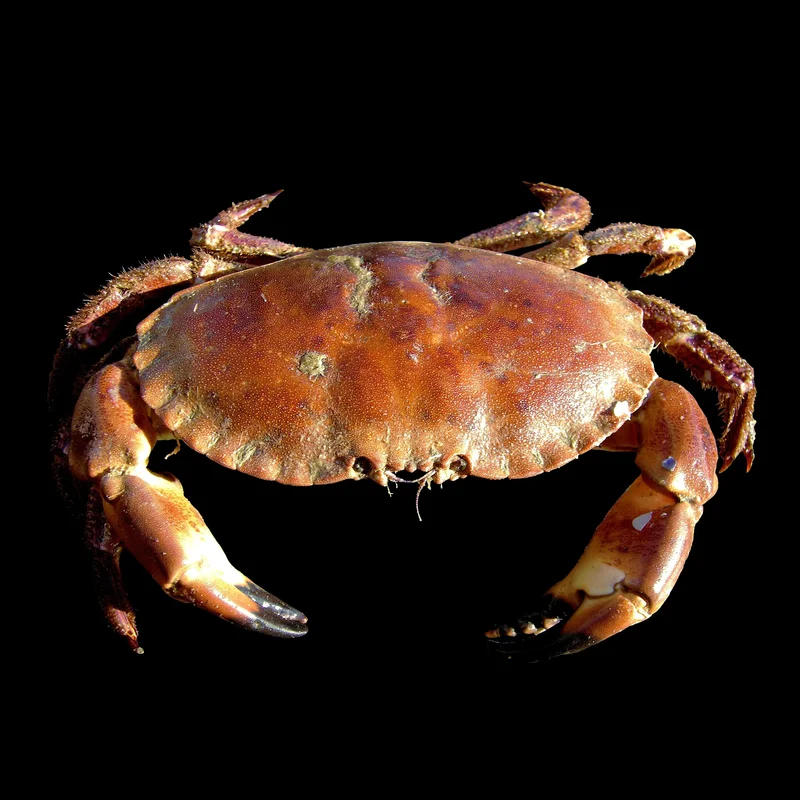
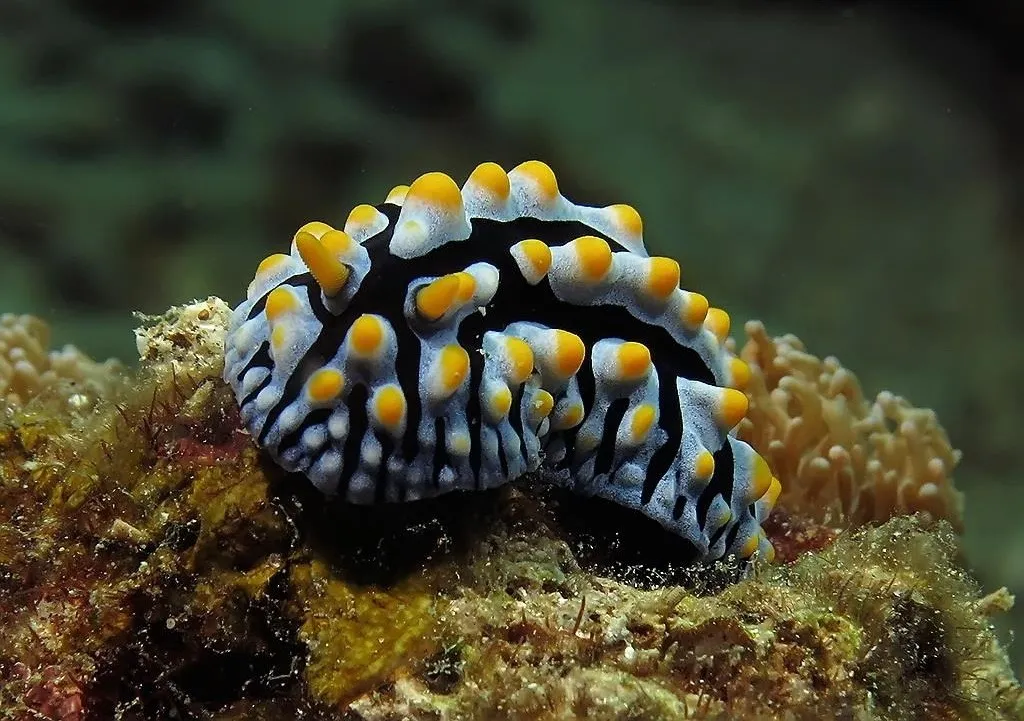
Divers can expect to encounter various crabs, snails, and sea stars. Look closely, and you might spot the elusive gunnels darting between the rocks or discover the delicate forms of nudibranchs.
The intricate structures of the site serve as a haven for these smaller creatures, offering a rewarding hunt for those with a keen eye.

Dive Sites Near Birchy Head Dive Site
View all dive sites in CanadaDiscover more underwater gems in this area.
Dive Centers Near Birchy Head Dive Site
Today: 09:00 - 17:00

Nearest Airports
Nearest airports to help plan travel to this dive area.
Search Flights
Check available flights and routes on Expedia, using the nearby airports listed in this section.
Search Flights on ExpediaFrequently Asked Questions
How deep is Birchy Head Dive Site?
Birchy Head offers significant depth, with the bottom dropping down to 43 meters (140 feet). This makes it suitable for advanced divers and technical training.
Is Birchy Head suitable for beginner divers?
No, Birchy Head is recommended for advanced or experienced open water divers. The site features currents, a challenging entry, and a topography where it can be easy to get disoriented underwater.
What are the entry conditions like at Birchy Head?
Entry at Birchy Head is challenging. It involves parking alongside the road, hopping a guard rail, and walking down a steep, often slippery path to the water. A rope tied to a tree is typically used to assist with the descent.
What kind of marine life can be seen at Birchy Head?
The site is home to a variety of marine life, particularly within its rock formations, cracks, and crevices. Divers can find crabs, snails, sea stars, gunnels, and nudibranchs among the variable plant life.
Is Birchy Head a good site for night diving?
Yes, Birchy Head is considered a great site for night diving. Its secluded nature and interesting underwater features make for an engaging experience after dark.
Are there any specific safety guidelines for diving Birchy Head?
Divers should be aware of currents and the potential to get lost underwater. Careful navigation and dive planning are crucial. Additionally, watch your footing during the challenging entry and exit, especially at low tide.
Can I conduct technical dive training at Birchy Head?
Yes, Birchy Head is identified as a great site for technical dive training. Its significant depths and varied underwater conditions provide an excellent environment for developing advanced diving skills.