
Diving at Mill Cove Wharf Jetty Side (Canada)
Bustling activity of a working fishing wharf is often the first impression at Mill Cove Wharf Jetty Side. Convenient access via a public boat launch serves divers here. Appreciating the distinct transition from a shore entry to deeper sections along the jetty is common. It's a shore dive, immediately introducing you to a functional marine environment and a clear path for exploration.
Tonight's objective overview for Mill Cove Wharf Jetty Side shows an air temperature of 13.5°C. The measured surface conditions include wave heights around 0.7 m. This environmental data is logged for the close of the day.
Dive Site Location & Key Facts
Dive Site Overview
Mill Cove Wharf Jetty Side, a functional fishing wharf, has evolved into a popular dive destination. Reflecting ongoing maritime activity, marine life thrives amidst man-made structures and occasional debris.
Well-regarded for its year-round appeal and diverse underwater topography, the site is regularly explored. Divers access the water using a public boat launch ramp situated next to the wharf. This entrance provides a relatively easy start, leading quickly to the jetty's structure.
Beneath the surface, bottom composition shifts from rocky near the jetty to predominantly silt further away. Depths typically range, depending on tide, along the wharf from about 6 m (20 ft) to 9 m (30 ft).
A notable point of interest includes a large canvas, possibly a sail, often found in the deeper recreational sections, alongside various items like tires, traps, and discarded fishing gear that have become integrated into reef structure. Local community efforts, including East Coast Scuba & Watersports, actively maintain the site through Project Aware cleanups.
Despite urban proximity, Mill Cove provides a substantial recreational dive experience, appealing to a range of certification levels. Serving as a dynamic underwater landscape, it offers consistent points of interest.
Conditions are Good
07:00 - 14:00
Optimal conditions expected
Current conditions near Mill Cove Wharf Jetty Side show 13° air, 16° sea temperature, 0.7 m waves, and 30 km/h wind. Forecast data is refreshed regularly to ensure accuracy.
Best Time to Dive
Optimal diving conditions at Mill Cove Wharf Jetty Side typically align with warmer months. From May through September, the dive score is generally rated 'Good', peaking in July and August. Air temperatures are most comfortable during this period, averaging around 10°C (50°F) in May, rising to 19°C (66°F) in July, then settling back to 16°C (61°F) by September. Wave heights also tend to be lower during summer, averaging under 1 meter (3 feet), contributing to calmer surface conditions. While specific water temperature data isn't consistently reported, divers should expect cooler Atlantic waters year-round. Less wind activity during these months, averaging 18-21 km/h (11-13 mph), further enhances the diving experience. Rainfall can occur, but allowing two tide cycles after heavy precipitation generally restores visibility. Winter months present colder air temperatures, often below freezing, and higher winds, making conditions more challenging despite potentially improved water clarity. May to September therefore offers the most favourable balance of weather and ocean conditions for visiting the site.
PEAK SEASON SCORE
Scores combine air & water temps, waves, wind & rainfall for overall conditions.
BEST MONTHS TO DIVE
Monthly records compiled from satellite and marine observation nodes over the last 3 years. Data provided by Open-Meteo and MET Norway.
Dive Experience & Conditions
Upon entering from the public boat launch ramp, divers find the ramp's end in shallower sections, depth varying with tidal fluctuations. A distinct drop-off then leads down a rock wall, establishing the deeper profile of the dive. Following the wharf, depths generally settle in the recreational range, offering ample time for exploration. Navigation here is straightforward; divers can largely follow the wharf structure. However, compasses may become unreliable close to the jetty due to its iron content, so visual cues are important. Visibility varies considerably and can diminish rapidly if silty bottom is disturbed. Effective buoyancy control is therefore critical to maintain clarity and avoid stirring up sediment. Divers might notice a change in current at the far end of the wharf, though it usually subsides once you round the corner to the opposite side, making the dive manageable. A gradual ascent allows for a convenient rock wall at the exit ramp, providing solid handhold for a safety stop.
Dive Difficulty & Safety Guidelines
An essential tip for diving Mill Cove Wharf Jetty Side is to master buoyancy. Bottom here is notably silty; any disturbance can quickly reduce visibility to zero. Always be aware of the pronounced drop-off at the end of the boat launch ramp, clearly indicated by wharf signage.
Currents may increase at the far end of the wharf, so divers should be prepared for a potential change in flow. During colder periods, particularly in winter, be mindful that the unpaved parking lot and boat launch ramp can become icy and slippery.
After any significant rain or storm, waiting for two full tide cycles before diving is advisable to allow runoff to clear and visibility to improve. Maintain buddy contact, especially given variable visibility and potential for navigation challenges near the iron-rich jetty where compass function is compromised. Furthermore, remember a ban on harvesting all bivalve shellfish from Halifax Harbour is in effect.
Recommended Equipment
- Dive Computer
This gear list is based on verified equipment signals for Mill Cove Wharf Jetty Side, Canada. Always confirm final gear choices with your dive operator, guide, or liveaboard.
Recommended Dive Suit
For many recreational divers, 5-7mm wetsuit provides a practical level of insulation in these conditions. Consider warmer surface protection (like a boat coat) due to brisk winds. A thermal robe or jacket is recommended between dives. Divers who tend to get cold easily may prefer slightly thicker exposure protection.
Conditions at Mill Cove Wharf Jetty Side currently place the water temperature near 16°C (61°F). Surface air temperatures are resting at 13°C (56°F).
The next few days appear likely to bring similar environmental conditions.
Emergency & Medical Support
Essential information to help you plan your dive trip to Mill Cove Wharf Jetty Side.

Hyperbaric chambers are a critical part of dive safety infrastructure. Availability varies significantly by region, and not all dive areas have immediate access.
Before diving, it's recommended to:
- confirm nearest medical facilities
- check emergency procedures with local dive operators
- ensure dive insurance covers evacuation if required
Divers Alert Network
Diving emergency assistance available through DAN World.
+1-919-684-9111- 24/7 emergency hotline
- Diving medical assistance
- Evacuation coordination
Emergency contacts are provided for reference. Always verify local emergency services before diving.
Marine Life at Mill Cove Wharf Jetty Side
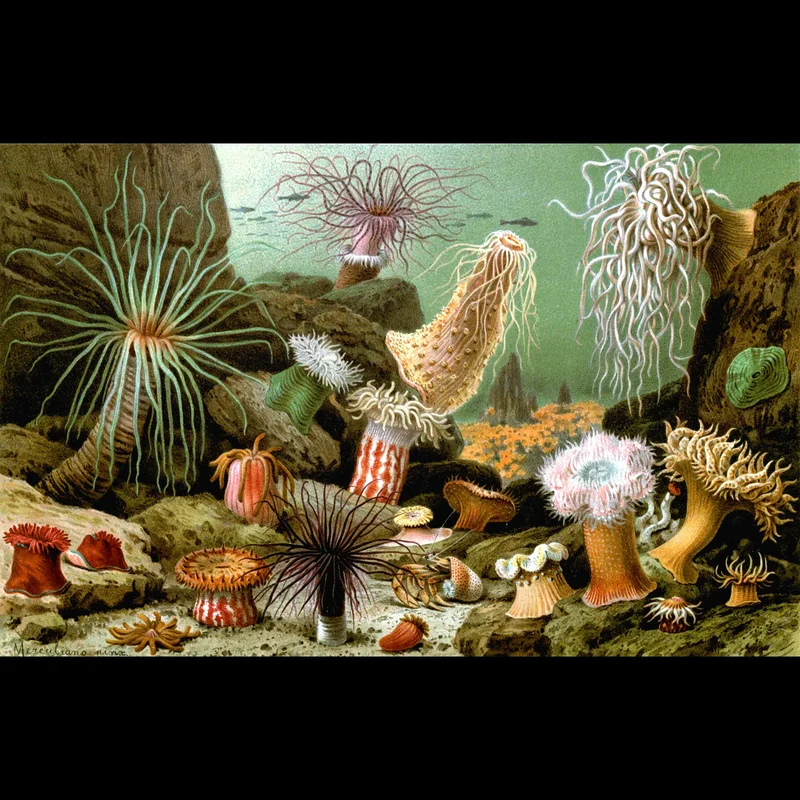
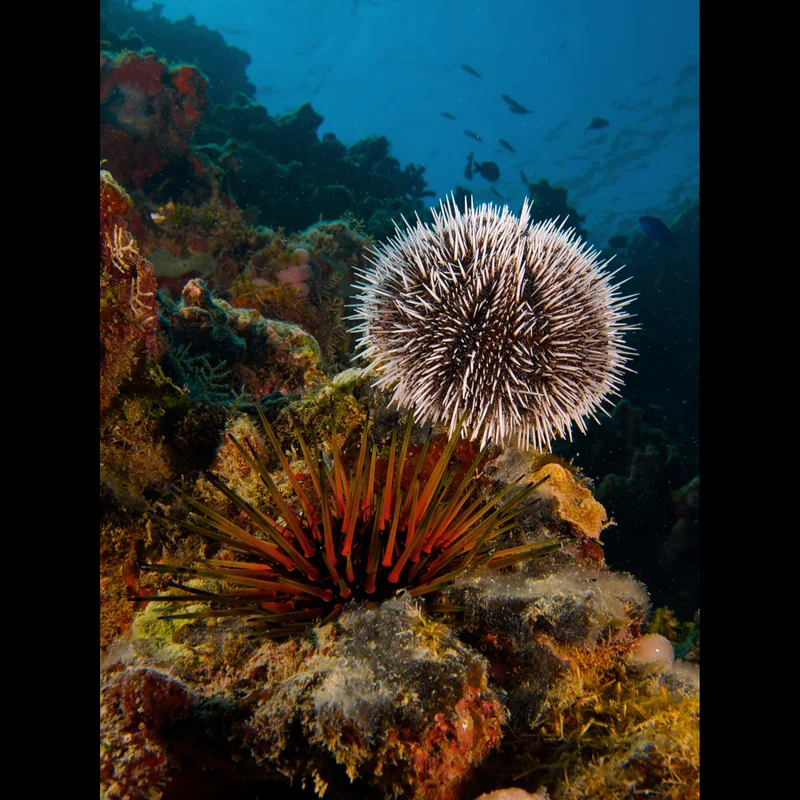
First, divers often notice the sheer density of invertebrates clinging to wharf structures and scattered across the bottom. A diverse population of sea stars and sea urchins is present, along with various species of sea anemones.
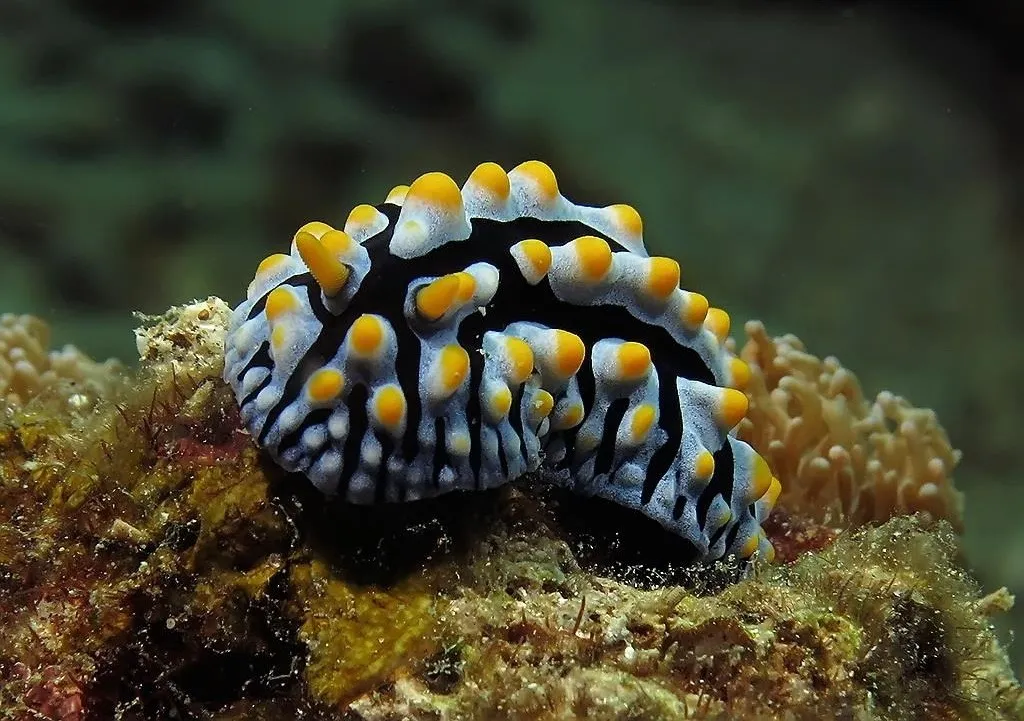
Look for numerous nudibranchs, often camouflaged among abundant marine growth. Mussels and scallops are common, and gooseberry jellyfish can be spotted drifting in the water column.
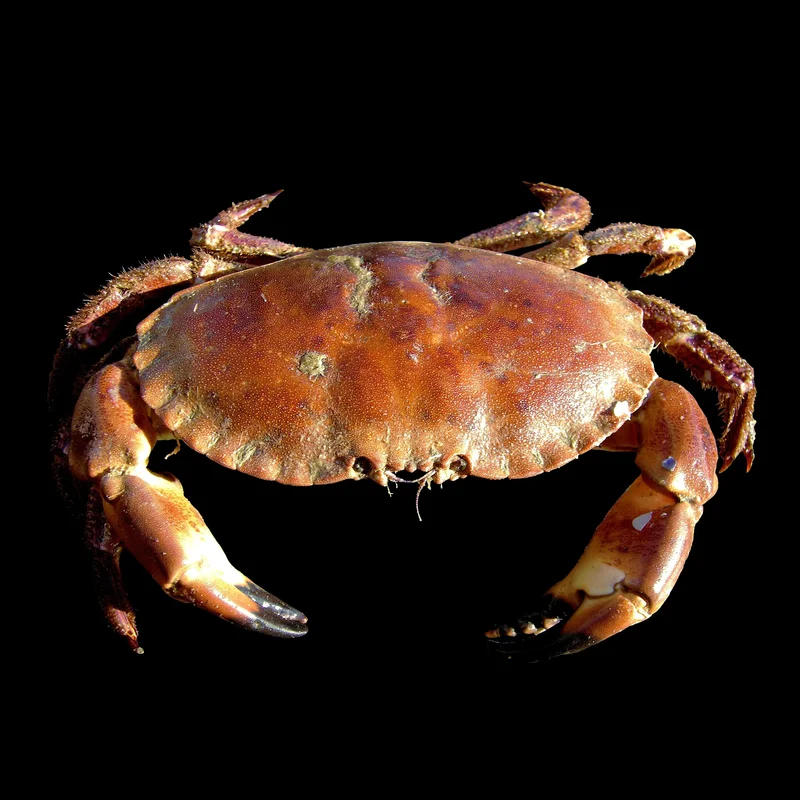
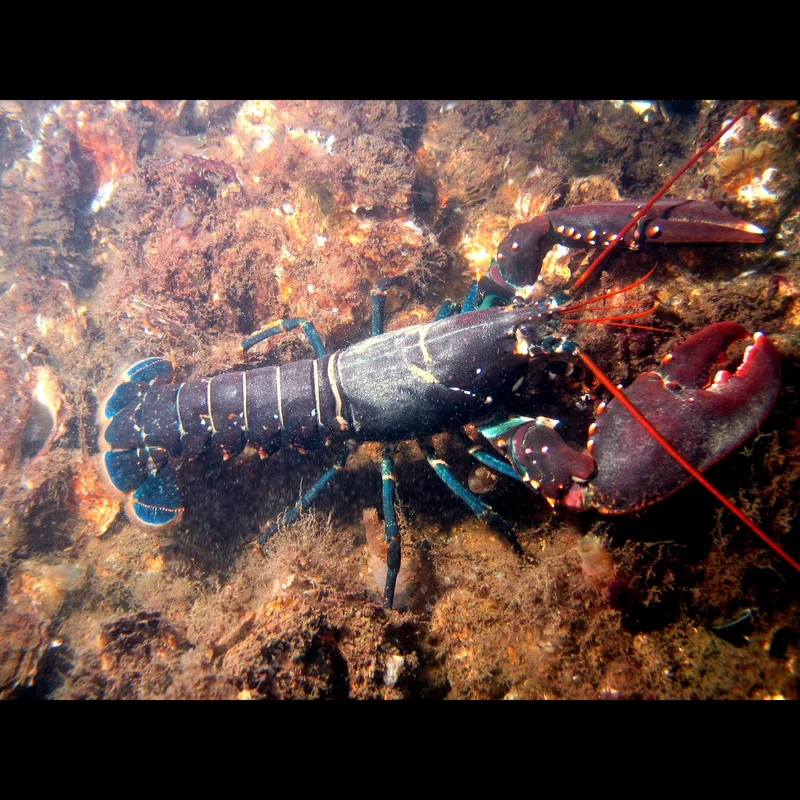
While exploring, keep an eye out for different types of crabs and occasional lobsters inhabiting crevices and under debris. Site serves as a consistent habitat for a wide array of smaller marine organisms, providing continuous discovery for observant divers throughout the year.
Dive Sites Near Mill Cove Wharf Jetty Side
View all dive sites in CanadaDiscover more underwater gems in this area.
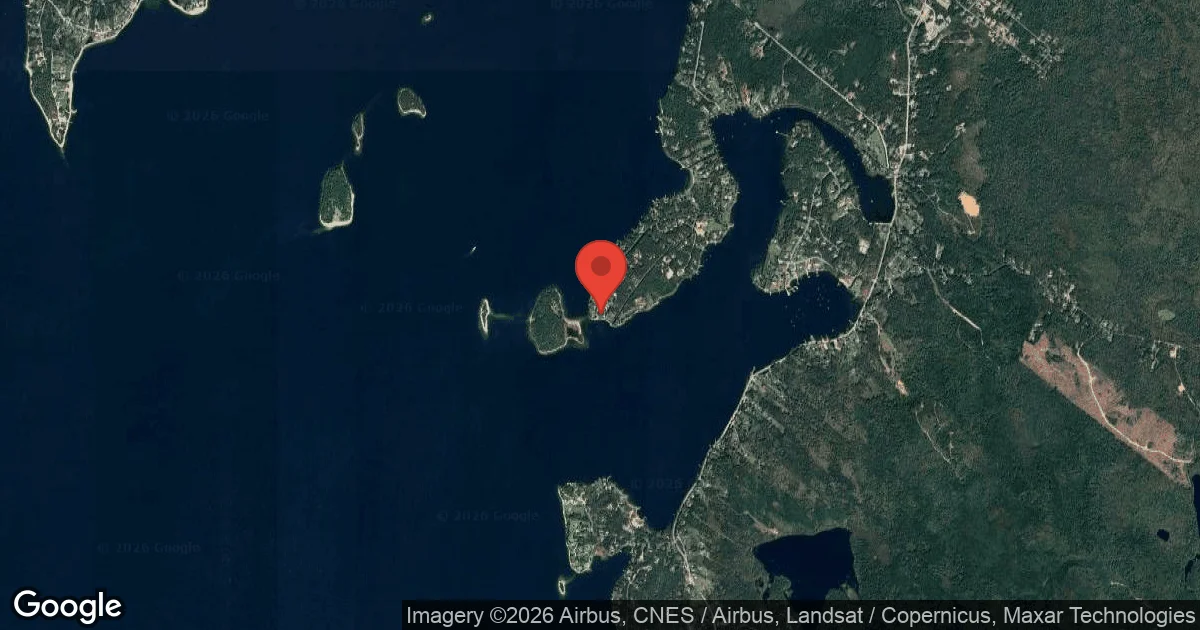
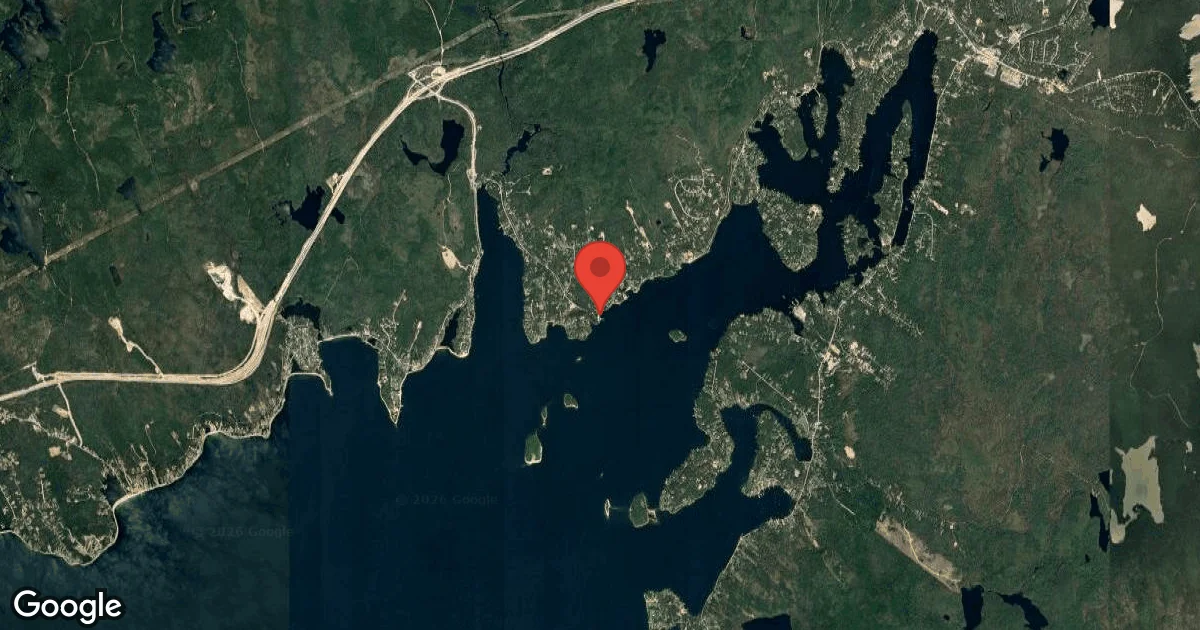
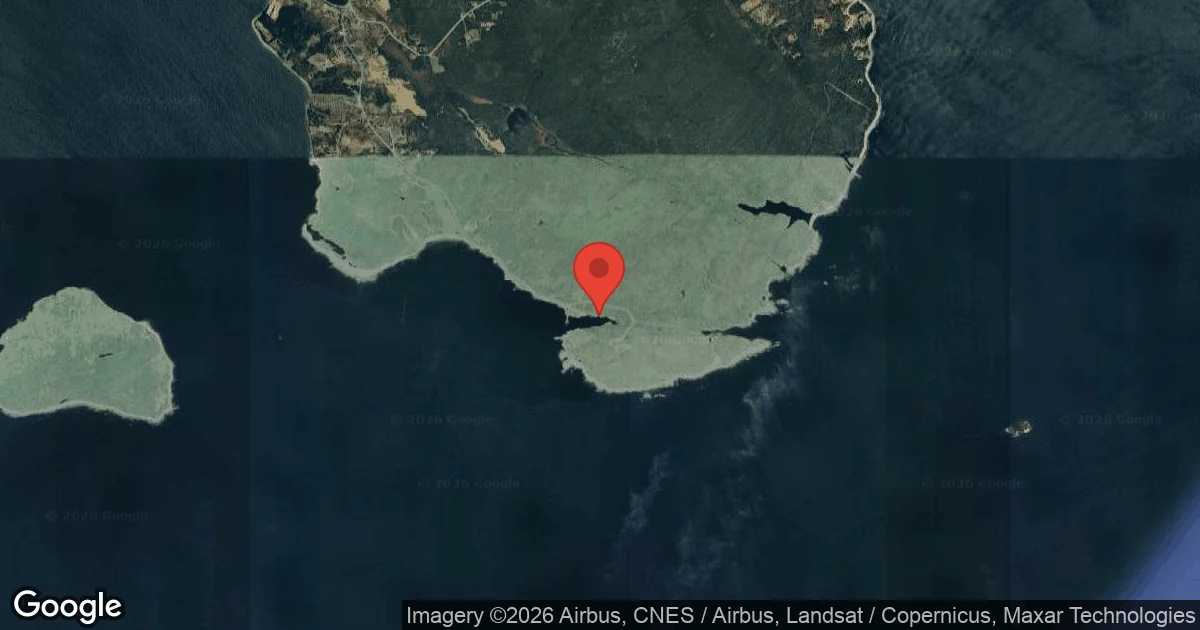
Dive Centers Near Mill Cove Wharf Jetty Side
Today: 09:00 - 17:00

Nearest Airports
Nearest airports to help plan travel to this dive area.
Search Flights
Check available flights and routes on Expedia, using the nearby airports listed in this section.
Search Flights on ExpediaFrequently Asked Questions
What is the typical depth at Mill Cove Wharf Jetty Side?
Depths vary with the tide. The entry ramp ends in shallower sections, then drops. Along the wharf, divers generally explore the main recreational depths, typically ranging between 6 and 9 meters.
What are the main hazards at this dive site?
Key hazards include a silty bottom that reduces visibility when disturbed, strong currents at the end of the wharf, and a sharp drop-off at the end of the boat launch. Winter conditions can also make the parking lot and ramp icy.
Can I use a compass for navigation near the jetty?
Compasses may not function reliably close to the jetty due to the iron in its structure. It's recommended to use the wharf itself as a primary navigation aid.
Is there marine life to see at Mill Cove Wharf Jetty Side?
Yes, the site hosts a variety of invertebrates such as sea stars, sea urchins, mussels, nudibranchs, and sea anemones. Crabs, scallops, and occasional lobsters are also commonly encountered.
Are there facilities available at the dive site?
No restroom facilities are available directly at the site. Divers can find stores along Highway 329 for convenience before or after their dive.
How does rain affect diving conditions?
Heavy rainfall or storms can cause runoff, significantly affecting visibility. It's best to wait for at least two full tide cycles to pass for the water to clear before diving again.
Planning to dive Mill Cove Wharf Jetty Side?
Send one inquiry and receive offers directly from the best verified local dive operators.
Conditions are Good
07:00 - 14:00
Optimal conditions expected
Current conditions near Mill Cove Wharf Jetty Side show 13° air, 16° sea temperature, 0.7 m waves, and 30 km/h wind. Forecast data is refreshed regularly to ensure accuracy.