
Diving at Mill Cove Marina (Canada)
Mill Cove Marina provides an accessible shore diving experience right within Halifax's urban core. It's a versatile site, allowing divers to explore various underwater topographies and encounter diverse marine life along its wharves and seabed. Suitable for a range of certification levels, this location serves as a valuable spot for both training and regular exploration, especially during the off-peak seasons when conditions are often clearer. This site provides a straightforward entry into Nova Scotia's unique underwater environment.
Tonight's objective overview for Mill Cove Marina shows an air temperature of 14°C. The measured surface conditions include wave heights around 0.3 m. This environmental data is logged for the close of the day.
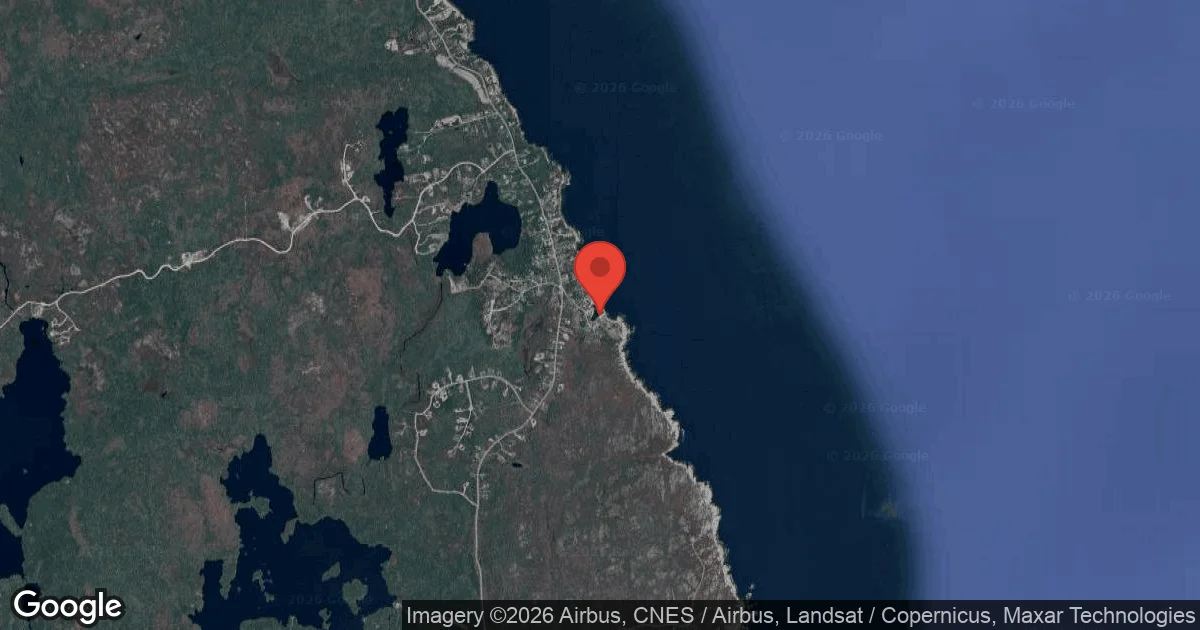
Dive Site Location & Key Facts
Dive Site Overview
The dive site at Mill Cove Marina unfolds across a protected cove, offering multiple exploration avenues for divers. Starting from either the jetty or beach entry points, the bottom composition transitions from sand and rocks, sometimes accented by minor kelp, to a predominantly silty terrain deeper within the cove.
Depths here typically range from 1.5 meters / 5 feet near the shore, extending to over 24.8 meters / 80 feet in the outer areas of the cove. A key feature includes the wharf walls, often described as 'pink' and vibrant with growth. These structures quickly fall off into a wall descent, providing a dynamic vertical element to the dive.
Divers also have the option to explore around the primary wharf, where an old shopping cart has become an artificial reef, or cross to the longer wharf on the other side of the marina for extended exploration. Buoyancy control becomes crucial as you move into the siltier sections to maintain visibility and avoid stirring sediment.
Conditions are Excellent
07:00 - 14:00
Optimal conditions expected
Current conditions near Mill Cove Marina show 14° air, 17° sea temperature, 0.4 m waves, and 22 km/h wind. Forecast data is refreshed regularly to ensure accuracy.
Best Time to Dive
Choosing the optimal time to dive at Mill Cove Marina often involves balancing surface comfort with underwater clarity and boat traffic. While summer months bring warmer average air temperatures, peaking around 20°C / 68°F in July, they also coincide with increased boat activity which can disrupt the dive experience. Many local divers prefer late fall and winter seasons, when air temperatures are considerably colder, ranging from 4.5°C / 40°F in November down to -4°C / 39°F in February. These colder periods typically yield improved water clarity and significantly less boat traffic, despite average rain levels remaining relatively consistent, between 2.5 mm and 6.7 mm monthly across the year. Planning for these off-peak months can enhance the overall dive quality, offering calmer conditions beneath the surface.
PEAK SEASON SCORE
Scores combine air & water temps, waves, wind & rainfall for overall conditions.
BEST MONTHS TO DIVE
Monthly records compiled from satellite and marine observation nodes over the last 3 years. Data provided by Open-Meteo and MET Norway.
Dive Experience & Conditions
Descending into Mill Cove, divers often feel the immediate impact of Nova Scotia's cool waters, necessitating appropriate thermal protection. Visibility here can be quite variable, shifting based on recent weather events like rain runoff, wind, waves, and tidal movements. While some days might present clearer conditions, particularly during slack high tide, visibility of 9 to 12 meters / 30 to 40 feet is frequently observed. As you explore the bottom, a heavy silt composition near the cove's center demands precise buoyancy control. Stirring this sediment can quickly reduce visibility, transforming the environment. Close to the wharves and jetty, the underwater landscape feels more structured, with rocky foundations giving way to softer silt further afield.
Dive Difficulty & Safety Guidelines
The primary safety consideration at Mill Cove Marina is the potential for boat traffic, especially during warmer months. Divers should always be vigilant, using a dive float to mark their presence and, if fishermen are present, communicating intentions to them.
This site, being a working fishing wharf, also presents hazards from various fishing gear. Nets, lines, hooks, and traps can be encountered underwater.
Carrying a dive knife is strongly recommended to address potential entanglements. Should you find a trap, it's customary to float it for retrieval by local fishermen, highlighting the active nature of this marine environment.
Recommended Equipment
- Dive Computer
- Hard-soled Dive Boots
This gear list is based on verified equipment signals for Mill Cove Marina, Canada. Always confirm final gear choices with your dive operator, guide, or liveaboard.
Recommended Dive Suit
Forecast trends indicate little change in overall diving conditions during the next few days.
Divers who prefer a balanced level of warmth often select 5-7mm wetsuit in water temperatures like this. A hood or vest is suggested for sensitive divers due to surface winds. A thermal robe or jacket is recommended between dives.
Current dive conditions indicate that water temperatures around Mill Cove Marina are sitting at roughly 17°C (62°F). Surface air temperatures are resting at 14°C (57°F).
Emergency & Medical Support
Essential information to help you plan your dive trip to Mill Cove Marina.

Hyperbaric chambers are a critical part of dive safety infrastructure. Availability varies significantly by region, and not all dive areas have immediate access.
Before diving, it's recommended to:
- confirm nearest medical facilities
- check emergency procedures with local dive operators
- ensure dive insurance covers evacuation if required
Divers Alert Network
Diving emergency assistance available through DAN World.
+1-919-684-9111- 24/7 emergency hotline
- Diving medical assistance
- Evacuation coordination
Emergency contacts are provided for reference. Always verify local emergency services before diving.
Marine Life at Mill Cove Marina
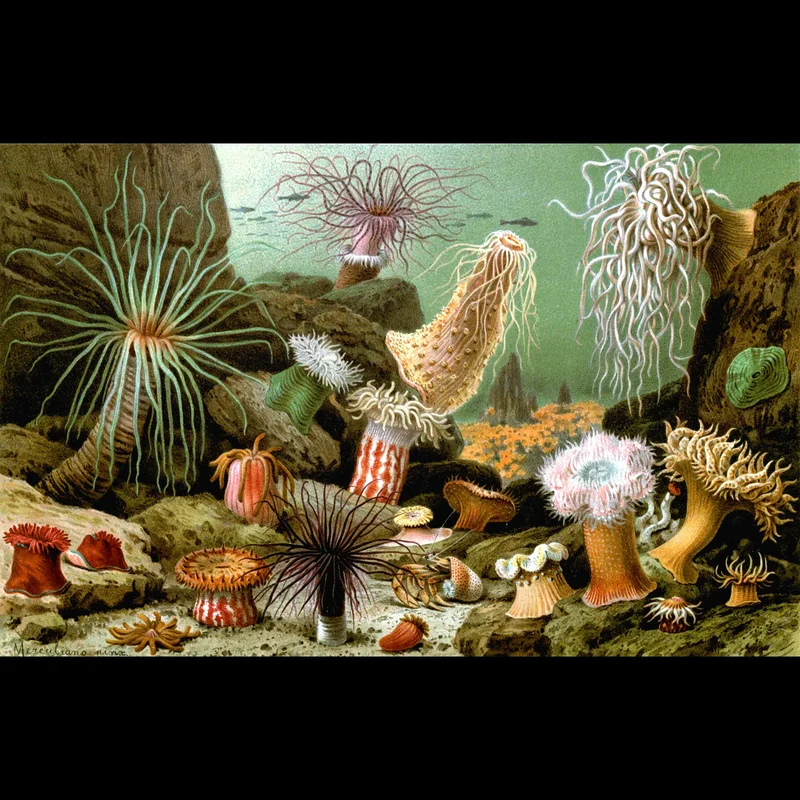
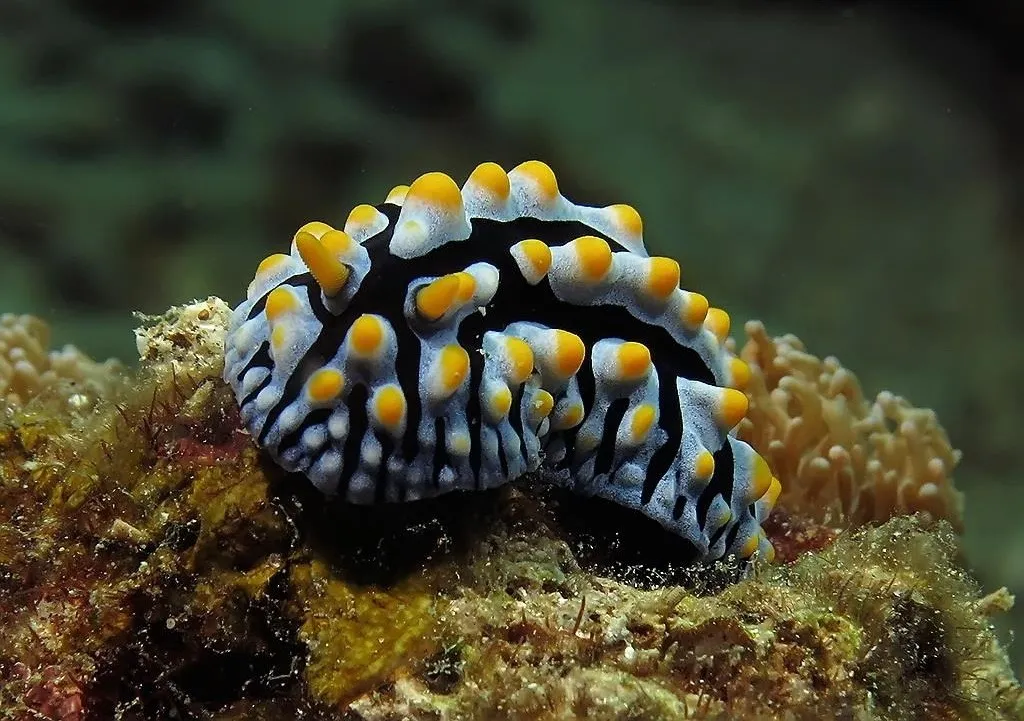
The underwater landscape at Mill Cove Marina reveals a surprising array of life, particularly clinging to the structures. The "pink" wharf walls serve as vibrant canvases for abundant sea stars, various species of anemones, and a variety of colorful nudibranchs.
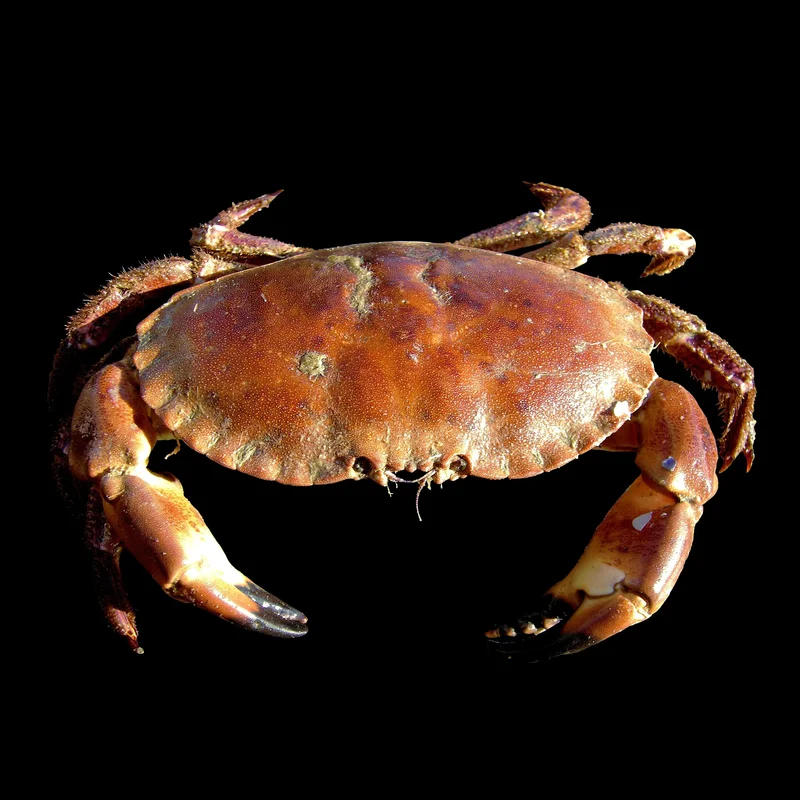
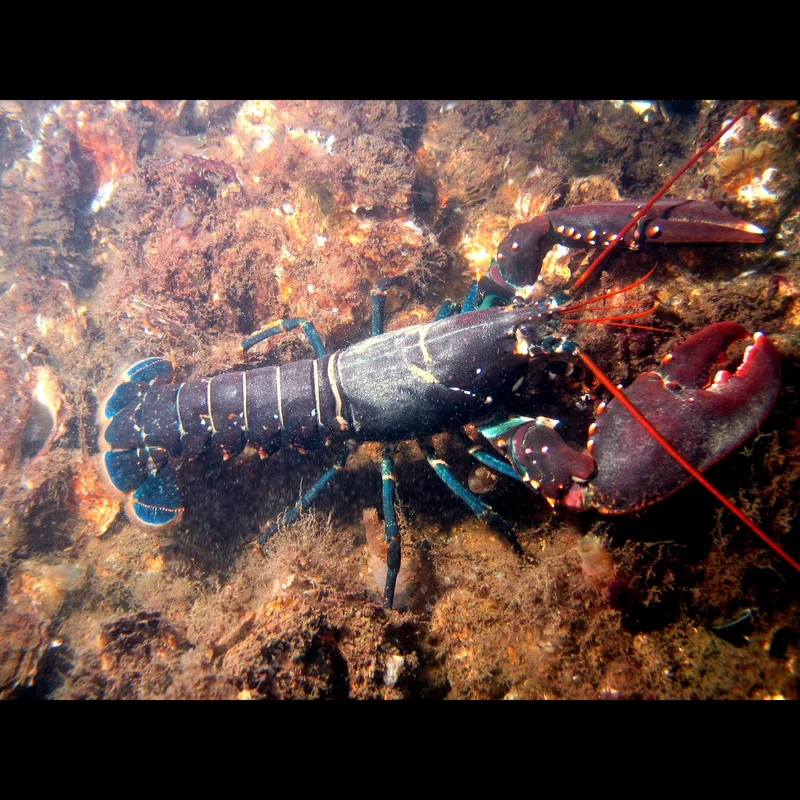
Along the rocky foundations and sandy patches, divers frequently spot rock crabs, toad crabs, and lobsters. The site also hosts cunner and other seasonal fish, making each dive a chance to observe the local temperate marine ecosystem thriving amidst artificial structures.

Dive Sites Near Mill Cove Marina
View all dive sites in CanadaDiscover more underwater gems in this area.
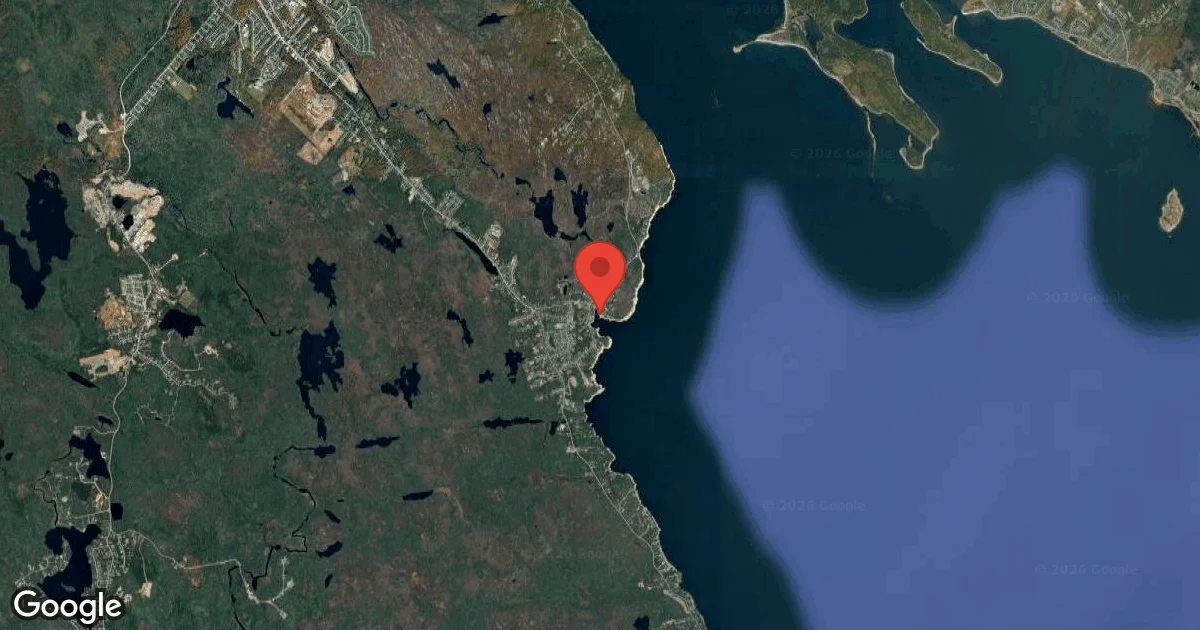
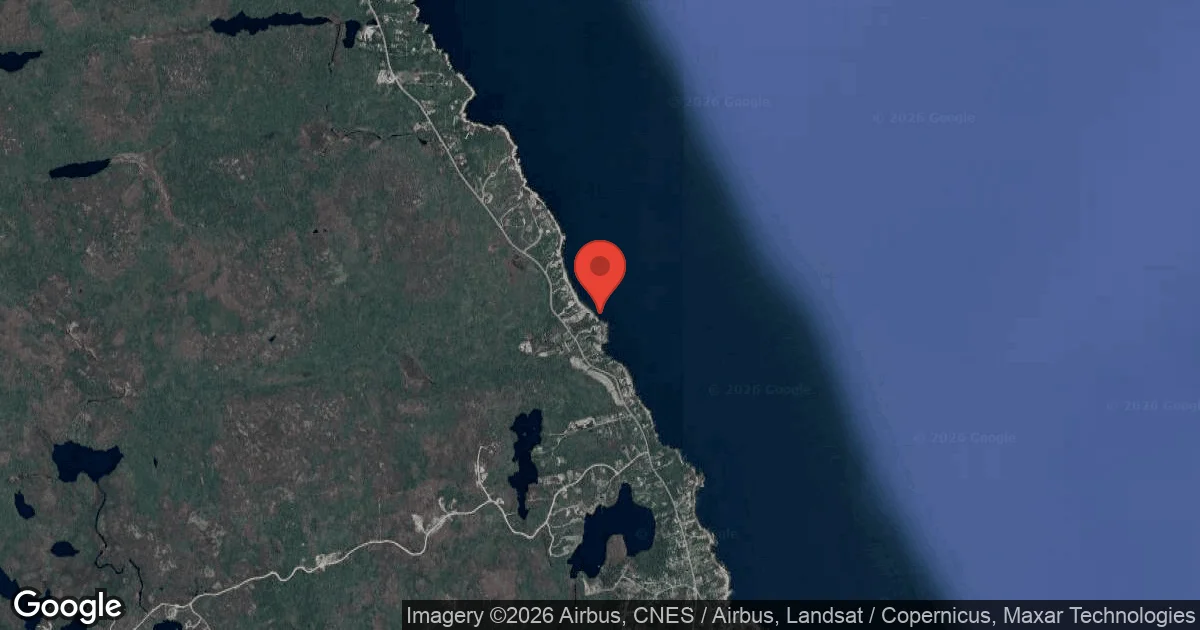
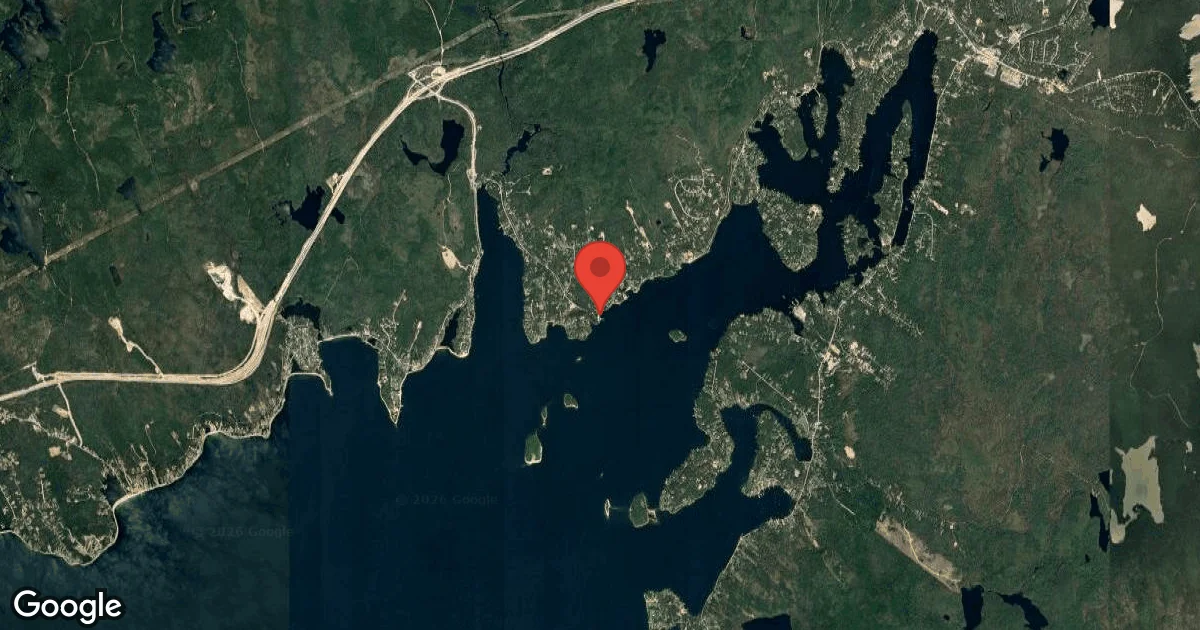
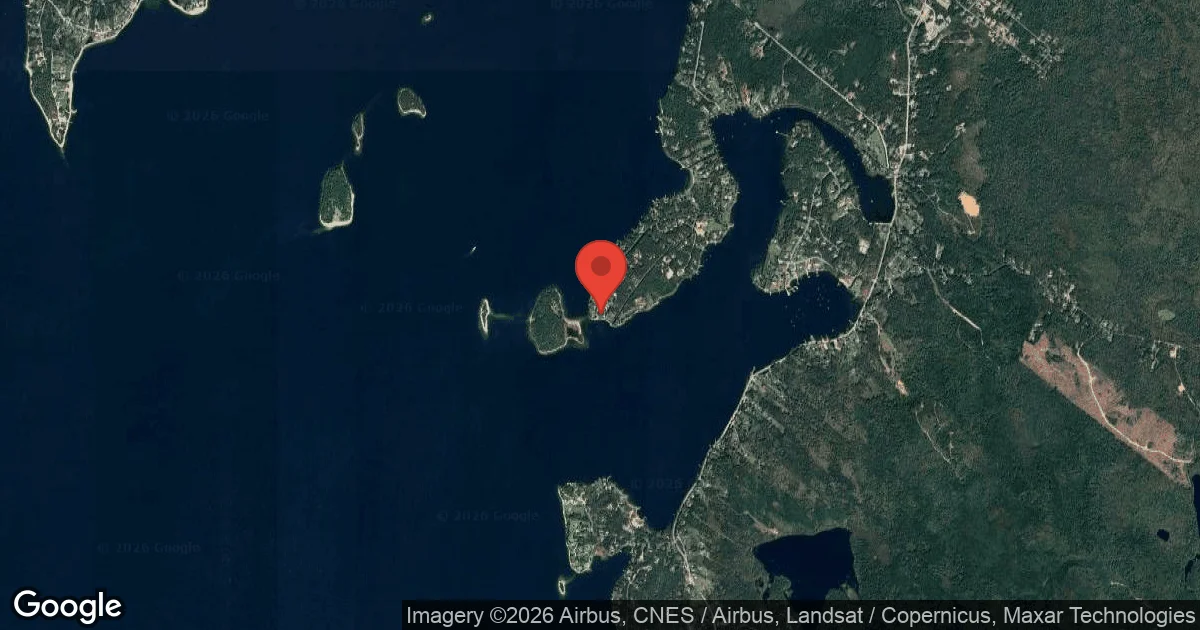
Dive Centers Near Mill Cove Marina
Today: 09:00 - 17:00
Nearest Airports
Nearest airports to help plan travel to this dive area.
Search Flights
Check available flights and routes on Expedia, using the nearby airports listed in this section.
Search Flights on ExpediaFrequently Asked Questions
What are the typical depths encountered at this dive site?
The site offers significant depth variation, from very shallow areas near entry points to deeper sections of the cove that exceed 24.8 m / 80 ft. Most dives typically explore mid-depth ranges, often focusing on the wharves which quickly descend.
Are there facilities available at the dive site?
There are no restroom facilities directly at the dive site. However, several stores are available along Highway 329 nearby for conveniences if needed before or after your dive.
What is the best time of year to dive Mill Cove Marina?
Many divers prefer late fall and winter for improved water clarity and significantly less boat traffic. While colder, these months often provide a calmer underwater experience. Summer brings warmer air temperatures but also increased boat activity.
What kind of visibility can I expect?
Visibility at Mill Cove Marina can be quite variable, influenced by recent weather and tidal movements. While some days offer clearer conditions, especially at slack high tide, visibility of 9 to 12 m / 30 to 40 ft is frequently observed. Good buoyancy control is essential to avoid stirring up the heavy silt.
What are the main safety considerations here?
The primary safety concern is boat traffic, particularly in warmer months; using a dive float is crucial. Also, as an active fishing wharf, divers may encounter fishing gear like nets, lines, and traps. Carrying a dive knife is strongly recommended for potential entanglements.
What marine life can I expect to see?
The wharf walls are vibrant with sea stars, anemones, and nudibranchs. Along the bottom and rocky areas, divers frequently spot rock crabs, toad crabs, lobsters, and various seasonal fish. It's a rich temperate ecosystem thriving around human-made structures.
Is this site suitable for new divers?
Mill Cove Marina is versatile for various certification levels, including training. Its protected nature allows for controlled descents, but new divers should be mindful of buoyancy in siltier areas and potential boat traffic. It's an excellent site for building experience in diverse conditions.
Planning to dive Mill Cove Marina?
Send one inquiry and receive offers directly from the best verified local dive operators.
Conditions are Excellent
07:00 - 14:00
Optimal conditions expected
Current conditions near Mill Cove Marina show 14° air, 17° sea temperature, 0.4 m waves, and 22 km/h wind. Forecast data is refreshed regularly to ensure accuracy.