
Diving at Indian Point (Canada)
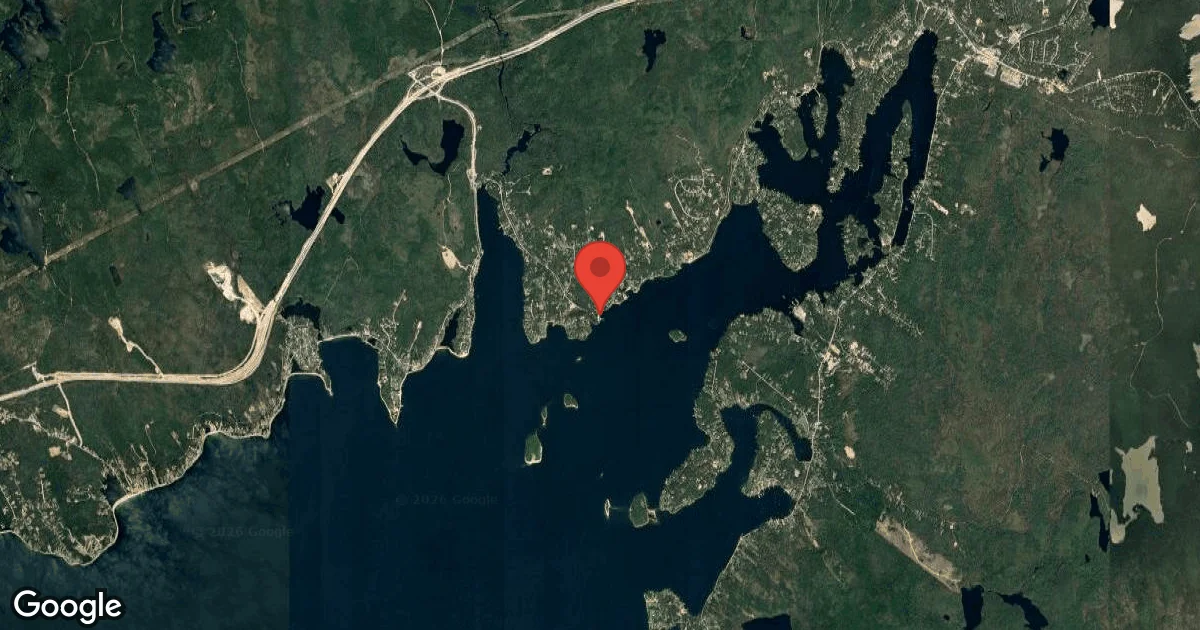
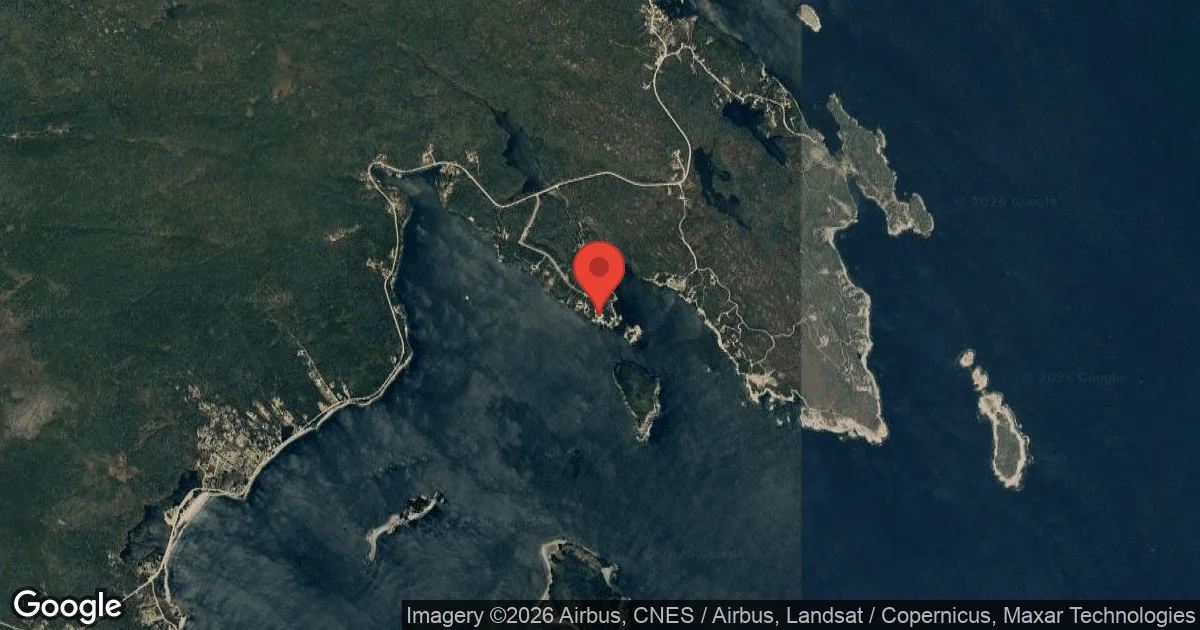
Indian Point, a prominent natural feature along St. Margaret's Bay in Nova Scotia, Canada, derives its name from its historical significance and geographical characteristics. It forms a long, narrow landmass extending into the bay, providing sheltered waters that have historically made it an attractive coastal area. Today, this location offers an accessible shoreline dive, protected from common wind directions.
As evening covers Indian Point, the local air temperature is measured at 15°C. The current wave height at the surface is recorded at 0.3 m. These late-day readings characterize the surface conditions for the night.
Dive Site Location & Key Facts
Dive Site Overview
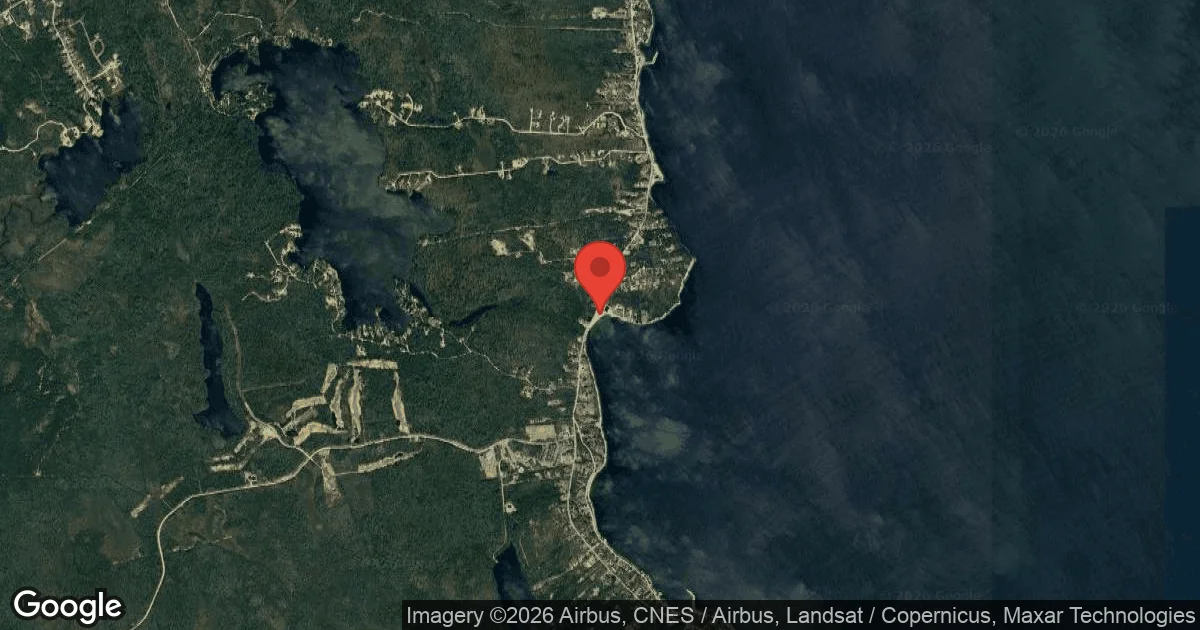
The topography of Indian Point centers around a long, narrow projection of land, with two islands off its tip; the first island is connected by a berm, creating a well-sheltered dive area. Divers can explore either the calm inside of this berm or venture across to the more exposed bay side, depending on conditions and experience level.
Entry is typically from a gently sloping rocky beach, consisting of small rocks, crushed stone, and scattered boulders, directly accessible from a limited parking area. The dive is generally shallow, ranging from about 1.2 m (4 ft) to 9.1 m (30 ft) for most recreational activity, though experienced divers can find deeper sections reaching up to 18 m (60 ft) with a longer swim or by traversing to the point of the island. Bottom composition shifts from rocky reefs and kelp beds to areas of coarse sand and silt, offering varied habitats.
Conditions are Excellent
07:00 - 14:00
Optimal conditions expected
Current conditions near Indian Point show 15° air, 17° sea temperature, 0.4 m waves, and 28 km/h wind. Forecast data is refreshed regularly to ensure accuracy.
Best Time to Dive
Diving at Indian Point is feasible year-round, though conditions vary significantly, contrasting sharply between seasons. The most favorable period typically spans from June to September, when average air temperatures range from 15°C (59°F) to 18.5°C (65°F), offering a more comfortable surface interval. Rainfall during these warmer months is generally moderate, averaging 2.5 to 5.4 mm monthly, which can influence visibility. During the colder months, from October to May, air temperatures drop considerably, often hovering around 0°C (32°F) to 10°C (50°F). Divers opting for these periods should anticipate colder water conditions, ranging from 0-5°C (32-41°F) in winter and 12-18°C (54-64°F) in summer, necessitating appropriate thermal protection. Moderate wave heights are present year-round, with slightly higher values in winter months, suggesting that protected entry points are beneficial.
PEAK SEASON SCORE
Scores combine air & water temps, waves, wind & rainfall for overall conditions.
BEST MONTHS TO DIVE
Monthly records compiled from satellite and marine observation nodes over the last 3 years. Data provided by Open-Meteo and MET Norway.
Dive Experience & Conditions
When descending into the waters of Indian Point, divers encounter a generally mild to moderate current, which typically remains manageable but can increase with water movement into the cove. Moderate surge might be present, especially on the more open bay side of the site. Visibility is quite variable, influenced by factors such as weather, rain runoff, wind, waves, and tidal movements. Divers can expect visibility often ranging from 5.0 m (16 ft) up to 15.0 m, with improved clarity sometimes occurring during slack high tide. The site provides a sense of protection from eastern, western, and northern winds, making it a reliable option when other sites are too rough. Shallow depths make it a good location for longer bottom times.
Dive Difficulty & Safety Guidelines
Divers visiting Indian Point must remain vigilant for boat traffic, especially when surfacing or transiting to and from the shore. While currents are generally mild, a very mild current can occur, requiring awareness and good buoyancy control. The site's entry is a gently sloping rocky beach, so proper footwear is essential for shore access.
Since this area also functions as an active walking trail for locals, maintain respect for other users and ensure dive gear does not obstruct public pathways. There are no restroom facilities directly at the site, so divers should plan accordingly.
If engaging in environmental clean-up, avoid removing items heavier than what a life bag can safely support.
Recommended Equipment
- Dive Computer
This gear list is based on verified equipment signals for Indian Point, Canada. Always confirm final gear choices with your dive operator, guide, or liveaboard.
Recommended Dive Suit
Forecast trends indicate similar diving conditions over the next few days.
Many experienced divers would consider 5-7mm wetsuit an appropriate choice here. A hood or vest is suggested for sensitive divers due to surface winds. A thermal robe or jacket is recommended between dives.
Recent environmental data from Indian Point indicates water temperatures near 17°C (62°F). Surface air temperatures are resting at 15°C (59°F).
Due to technical issues with our weather providers, data hasn't been fetched for over 48 hours. The data above reflects the conditions at the time of the last successful fetch.
Emergency & Medical Support
Essential information to help you plan your dive trip to Indian Point.

Hyperbaric chambers are a critical part of dive safety infrastructure. Availability varies significantly by region, and not all dive areas have immediate access.
Before diving, it's recommended to:
- confirm nearest medical facilities
- check emergency procedures with local dive operators
- ensure dive insurance covers evacuation if required
Divers Alert Network
Diving emergency assistance available through DAN World.
+1-919-684-9111- 24/7 emergency hotline
- Diving medical assistance
- Evacuation coordination
Emergency contacts are provided for reference. Always verify local emergency services before diving.
Marine Life at Indian Point
The underwater landscape here supports a range of marine species, making it a suitable spot for macro photography. Divers frequently observe various fish species navigating through the rocky reefs and kelp forests.
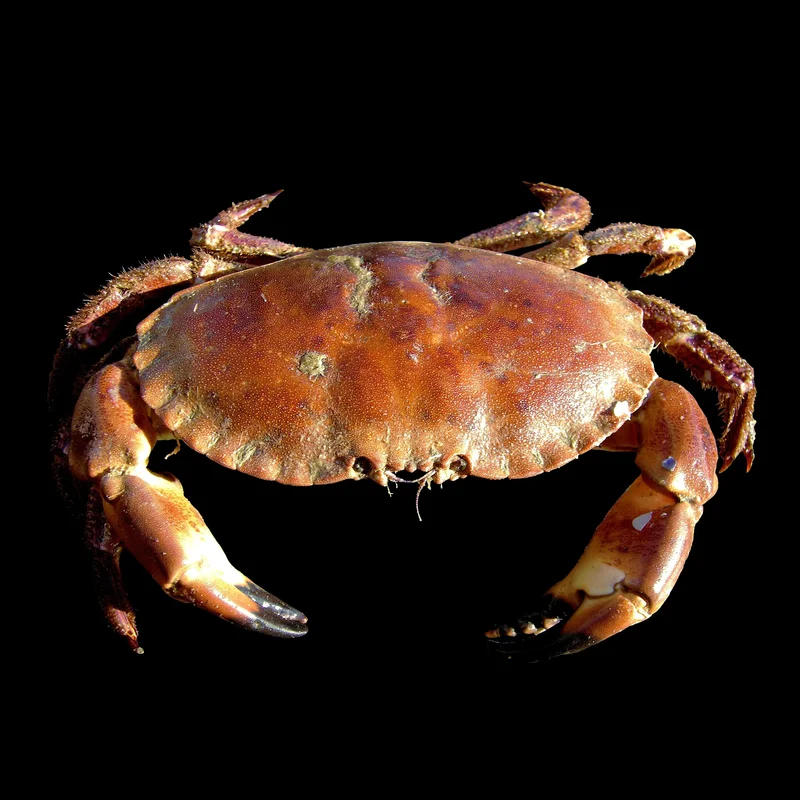
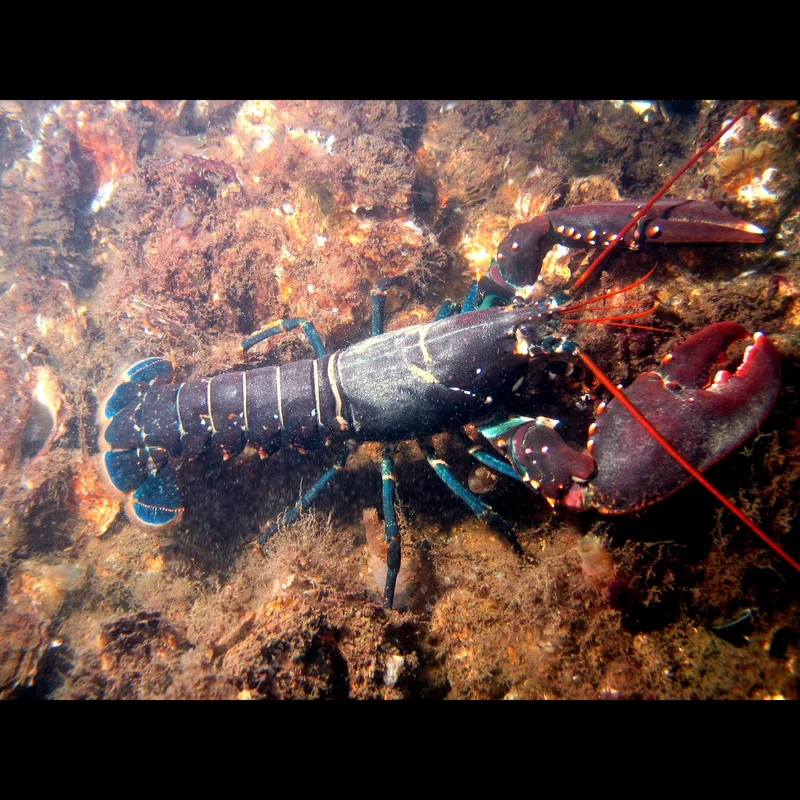
Many invertebrates are present, including lobsters and crabs, often found sheltering among the rocks. Colorful sea stars are a common sight, adding vibrancy to the substrate.
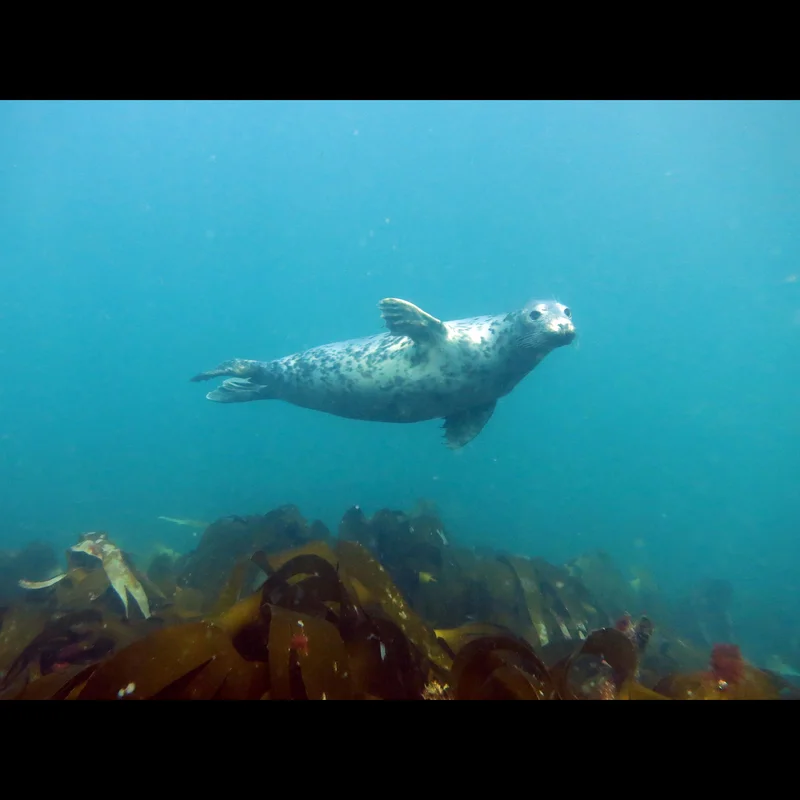
Occasionally, lucky divers might even spot a flounder or the unexpected presence of a seal in the area, contributing to the site's appeal for observing coastal marine ecosystems.

Dive Sites Near Indian Point
View all dive sites in CanadaDiscover more underwater gems in this area.
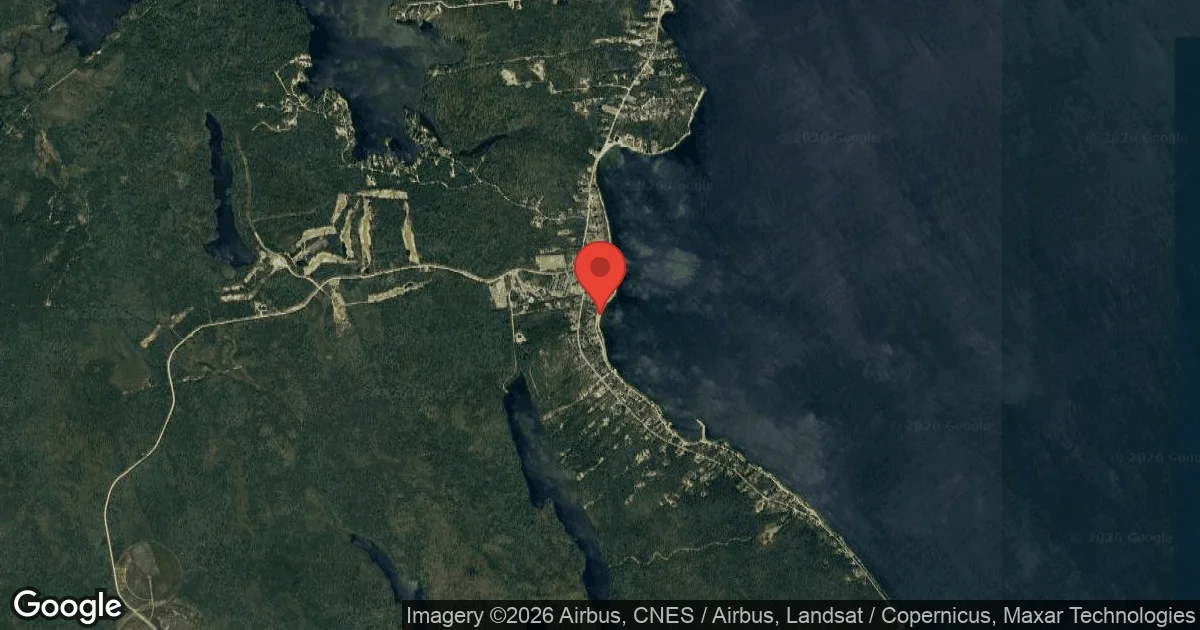
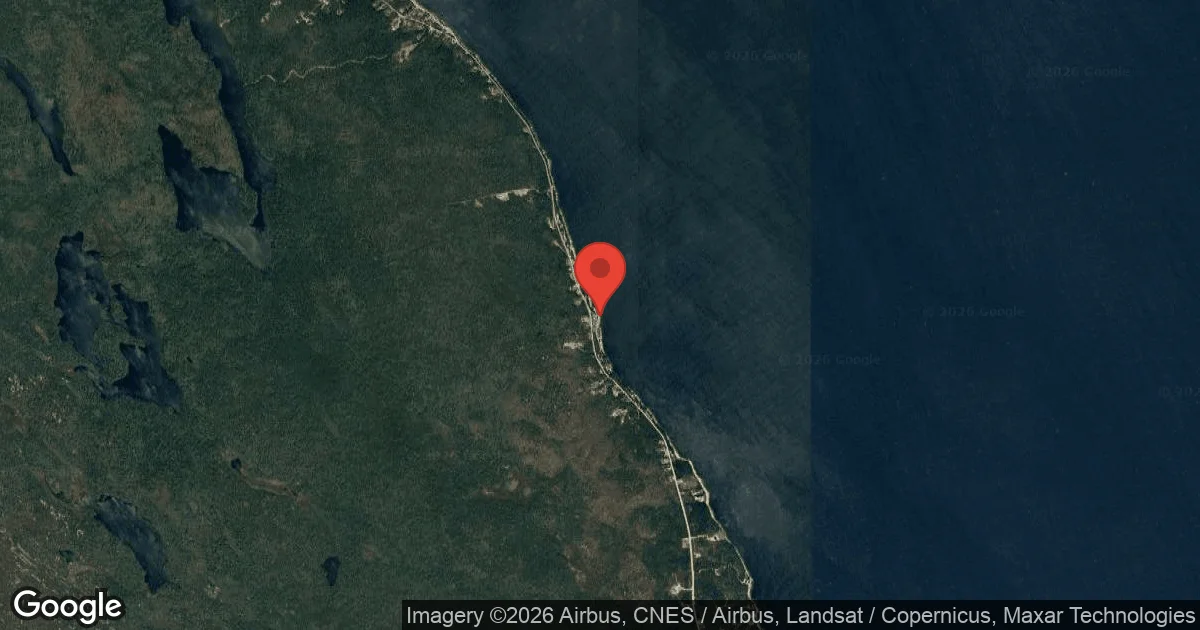
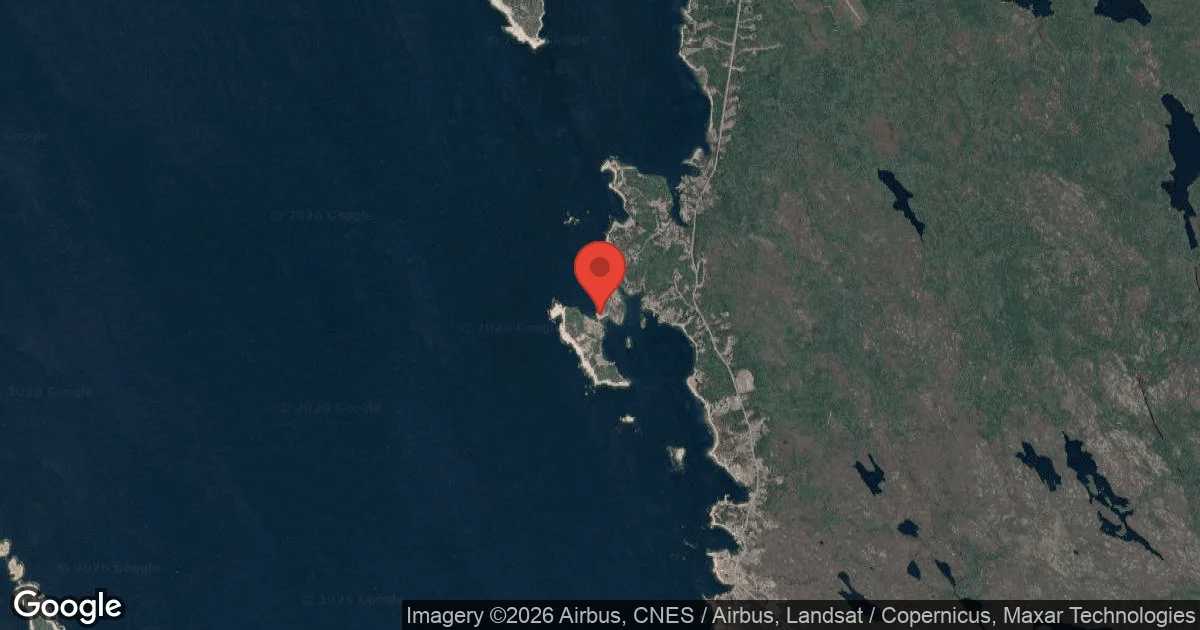
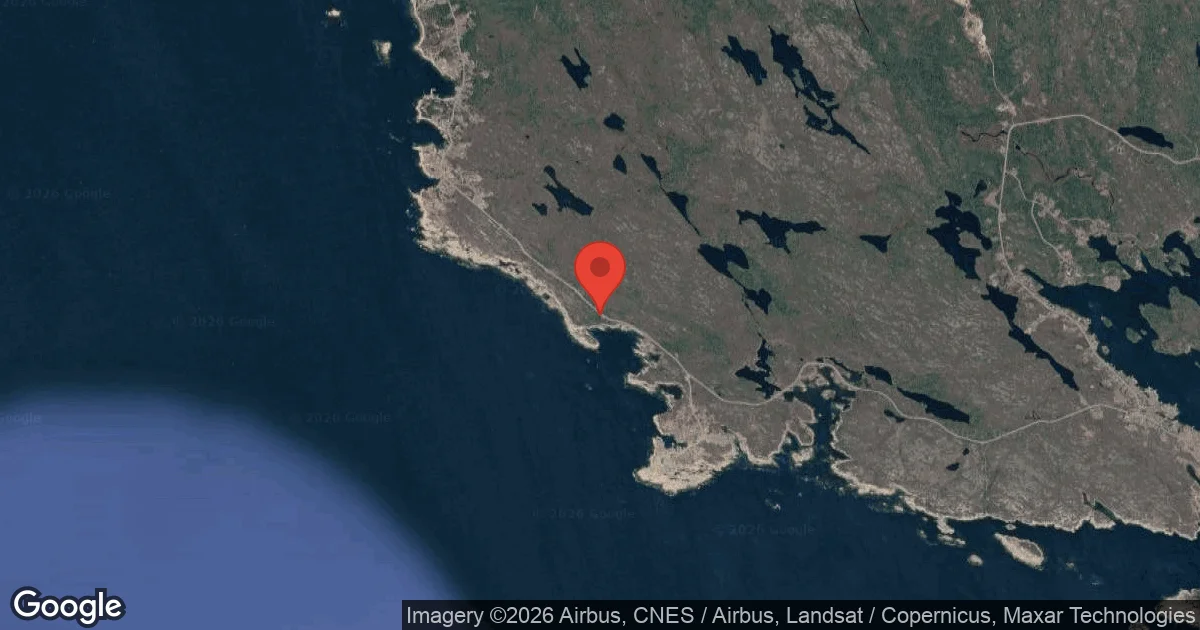
Dive Centers Near Indian Point
Today: 09:00 - 17:00

Nearest Airports
Nearest airports to help plan travel to this dive area.
Search Flights
Check available flights and routes on Expedia, using the nearby airports listed in this section.
Search Flights on ExpediaFrequently Asked Questions
What skill level is recommended for diving at Indian Point?
Accommodating a range of skill levels, the site's shallower, sheltered sections are suitable for beginner and intermediate divers. More experienced divers can explore deeper areas or the exposed bay side, which may present stronger currents or surge.
How do divers access the water at Indian Point?
Access is via a gently sloping rocky beach. Divers should be prepared for walking over small rocks, crushed stone, and scattered boulders. Sturdy footwear like dive boots is essential for a safe entry and exit.
What are the typical water temperatures?
Water temperatures at Indian Point vary significantly with the seasons. Expect colder conditions from 0-5°C (32-41°F) in winter months. Summer temperatures are milder, ranging from 12-18°C (54-64°F).
What kind of marine life can I expect to see?
Divers often encounter various fish species and numerous invertebrates like lobsters, crabs, and colorful sea stars among the rocky reefs and kelp beds. Occasionally, flounder or even seals might be observed.
Are there any facilities available at the dive site?
There are no dedicated facilities such as restrooms or changing areas directly at Indian Point. Divers should plan their visit accordingly, utilizing nearby amenities before arriving at the site.
What are the best conditions to dive Indian Point?
Most comfortable diving typically occurs from June to September due to warmer air and water temperatures. Slack high tide can sometimes improve visibility. The site offers protection from eastern, western, and northern winds, making it a good option on windier days from other directions.
Planning to dive Indian Point?
Send one inquiry and receive offers directly from the best verified local dive operators.
Conditions are Excellent
07:00 - 14:00
Optimal conditions expected
Current conditions near Indian Point show 15° air, 17° sea temperature, 0.4 m waves, and 28 km/h wind. Forecast data is refreshed regularly to ensure accuracy.