
Diving at Boutiliers Point (Canada)
Successfully navigating Boutiliers Point requires divers to adapt to varied conditions. This shore-accessed site in Nova Scotia presents a rewarding challenge, blending straightforward entry with dynamic underwater topography. Prepare for a dive that tests observation skills amidst rocky reefs and sandy expanses, offering views of Atlantic marine life.
Tonight's objective overview for Boutiliers Point shows an air temperature of 14°C. The measured surface conditions include wave heights around 0.4 m. This environmental data is logged for the close of the day.
Dive Site Location & Key Facts
Dive Site Overview
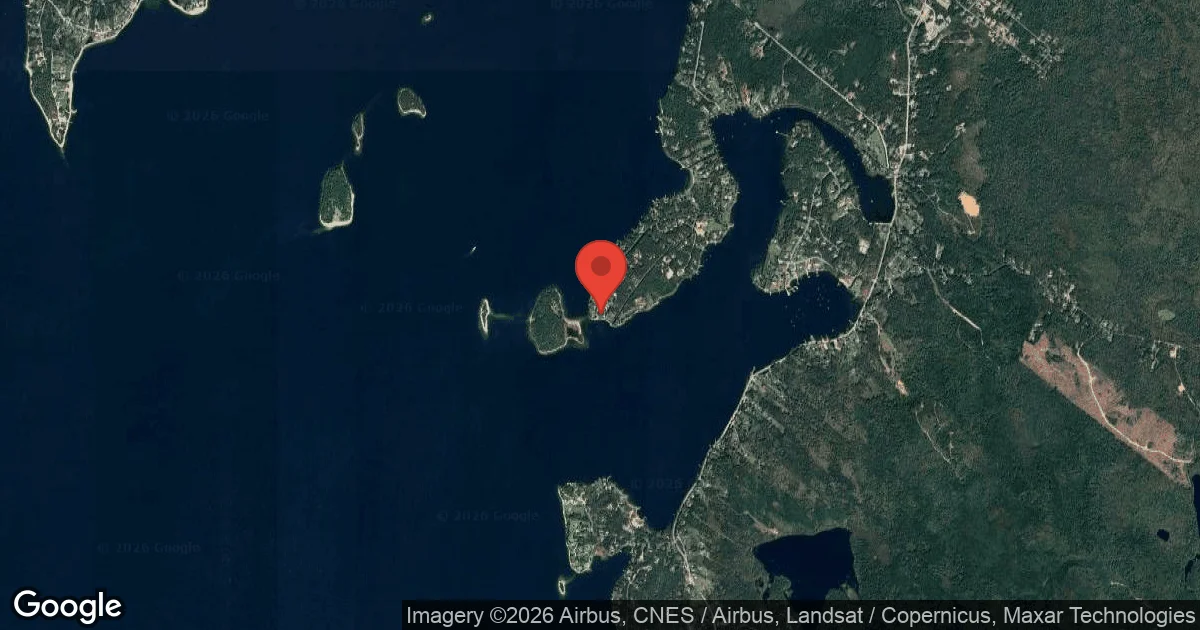
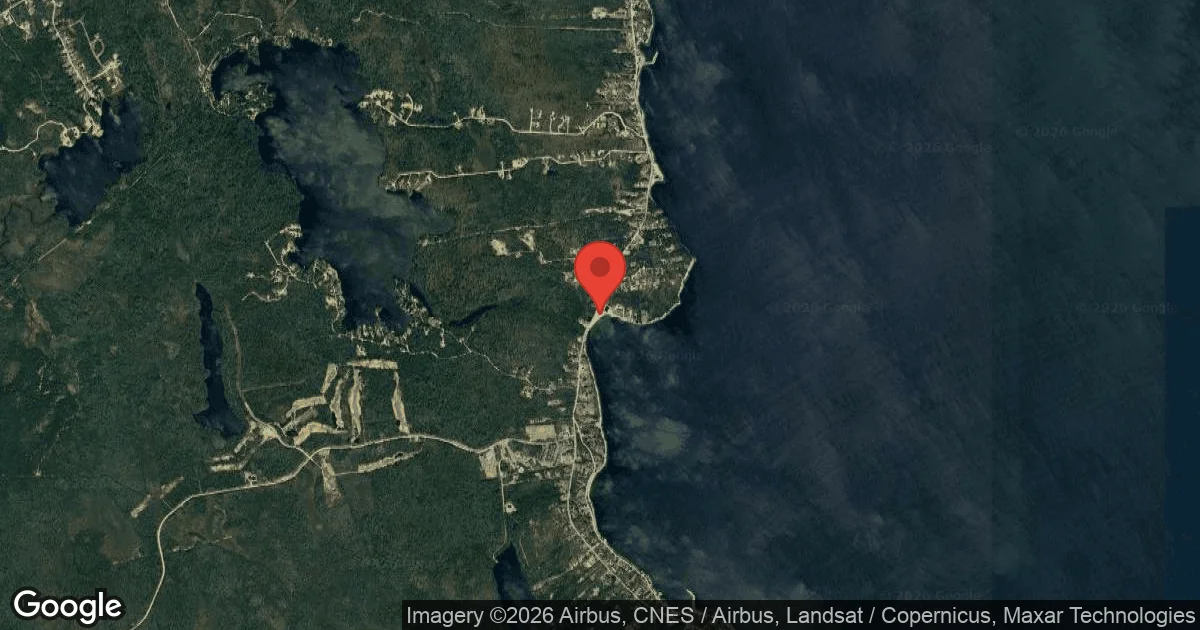
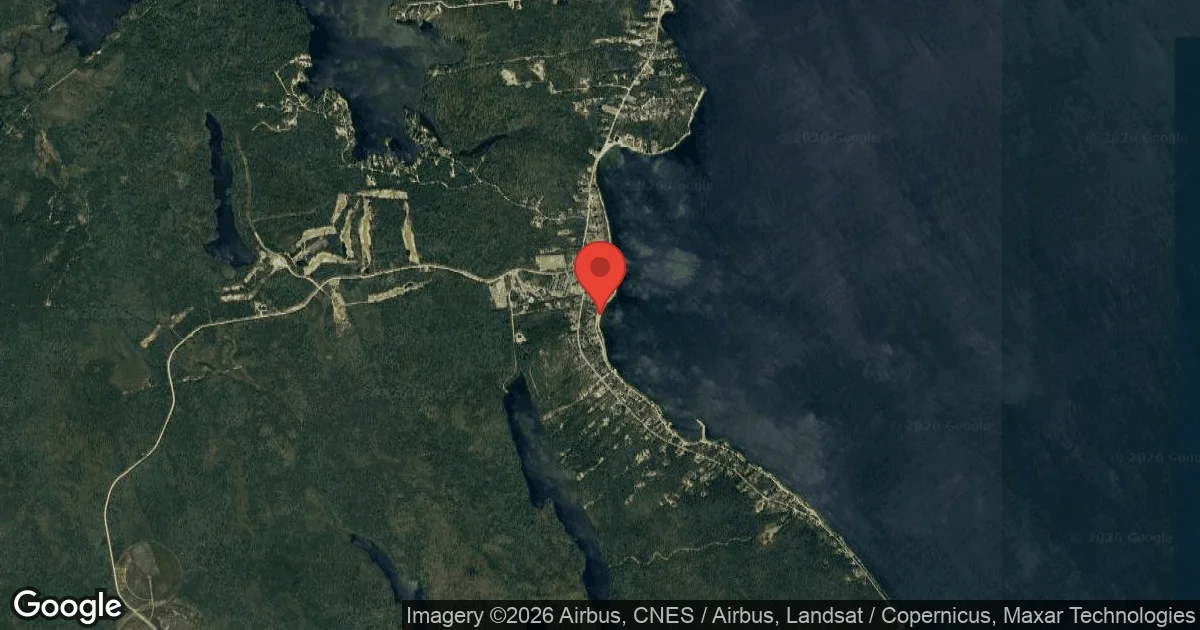
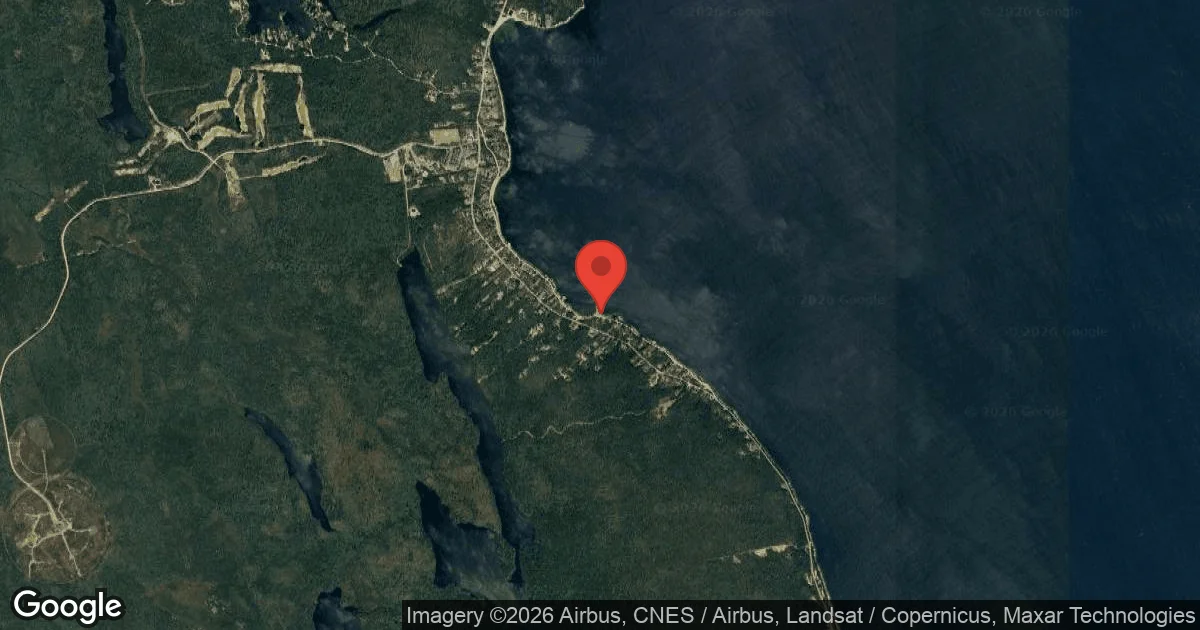
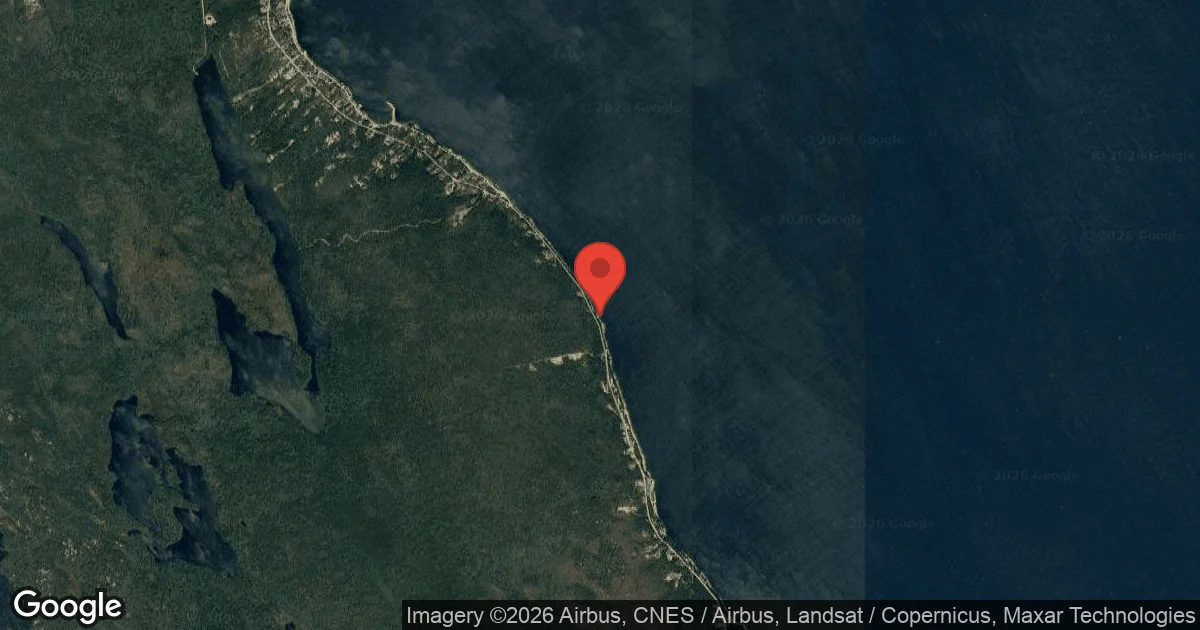
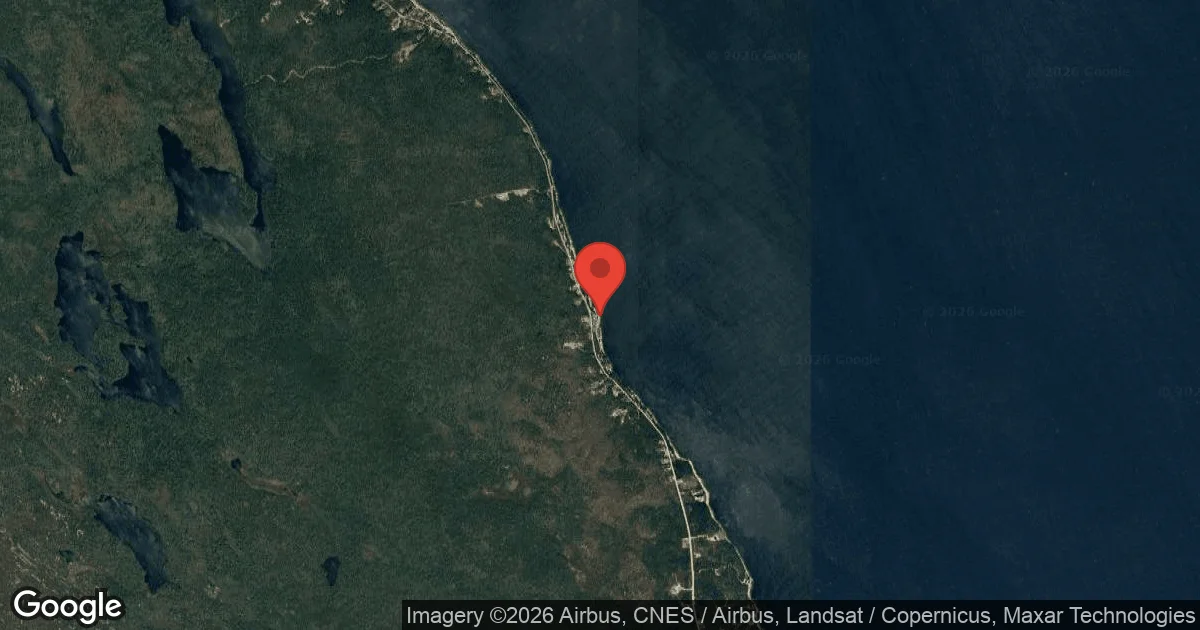
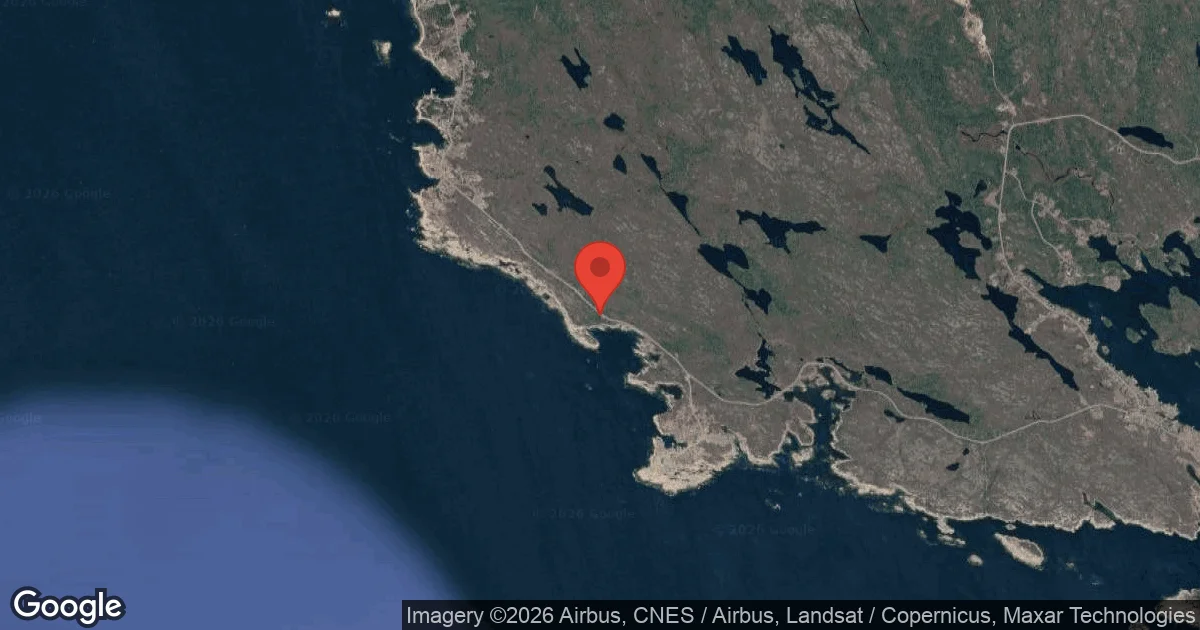
West of Halifax in Nova Scotia, Canada, Boutiliers Point is identified as Boutiliers Point Lookout Provincial Park, serving as a shore-accessed dive destination. Divers typically gain entry from the shoreline, with a convenient ramp situated east of the active fishing wharf frequently recommended for its ease of use.
Underwater, divers encounter a rich tapestry of environments, combining rugged rocky terrain, expansive sandy bottoms, and dense kelp forests, which together foster diverse habitats for local marine life. While maximum dive depth is reported to be around 30 m (100 ft), many sections are considerably shallower, making the site approachable for Open Water certified divers.
However, those comfortable with intermediate conditions will find the varied topography and potential for deeper exploration particularly rewarding. An average dive duration of 40 minutes allows ample time for thorough inspection of the site's distinct features, from intricate rock formations to swaying kelp.
Currents generally remain mild, but moderate surge is a consistent factor, particularly noticeable in shallower areas or during significant tidal movements, requiring divers to manage their buoyancy and awareness. Such conditions lend a dynamic feel to the dive.
Accessible entry and a supporting range of marine life are consistent draws for local and visiting divers.
Conditions are Excellent
07:00 - 14:00
Optimal conditions expected
Current conditions near Boutiliers Point show 14° air, 16° sea temperature, 0.4 m waves, and 22 km/h wind. Forecast data is refreshed regularly to ensure accuracy.
Best Time to Dive
Optimizing visibility for your dive at Boutiliers Point often means planning for the warmer months, specifically from June to September. During this period, the average air temperatures are pleasant, ranging from approximately 15°C (59°F) in June to 19°C (66°F) in July, with rainfall generally lower, averaging 2.5-4.6 mm. Water temperatures are also at their highest, typically between 10-18°C (50-64°F). Conversely, winter diving between December and February sees air temperatures drop to -3°C (27°F) to 0°C (32°F) and water temperatures fall significantly, often between 0-5°C (32-41°F). While visibility can reach up to 15 m (49 ft) in ideal conditions, it more commonly ranges from 5-15 m (16-49 ft) and varies considerably with seasonal plankton blooms or recent weather events. Less wave activity and lower wind speeds, around 0.5 meters and 16-18 km/h respectively, are generally observed during the recommended summer months, contributing to better diving conditions.
PEAK SEASON SCORE
Scores combine air & water temps, waves, wind & rainfall for overall conditions.
BEST MONTHS TO DIVE
Monthly records compiled from satellite and marine observation nodes over the last 3 years. Data provided by Open-Meteo and MET Norway.
Dive Experience & Conditions
Entering the water at Boutiliers Point is a shore-based experience, frequently utilizing a ramp east of the local fishing wharf. This straightforward access point makes the site manageable for recreational divers. Once submerged, divers will encounter a varied bottom composition, featuring distinct rocky terrain, soft sandy expanses, and vibrant kelp forests. Conditions here are characterized by generally mild currents, which allow for relaxed exploration, but moderate surge is consistently present and should be anticipated, especially closer to the surface or near rock formations. Visibility typically ranges from 5 to 15 meters (16-49 ft), fluctuating based on recent weather and tidal movements. Water temperatures vary widely from a chilly 0-5°C (32-41°F) in winter to a more temperate 10-18°C (50-64°F) during the summer season. Considering the site's maximum depth potential of 30 m (100 ft), along with the moderate surge and varying visibility, an intermediate certification is often recommended.
Dive Difficulty & Safety Guidelines
Diving at Boutiliers Point requires attention to prevailing conditions, especially the moderate surge. While mild currents are generally reported, divers should assess the surge level upon entry and plan their dive trajectory accordingly. Shore entries, particularly from the ramp, are common and generally straightforward, but awareness of footing and equipment stability is important.
As a provincial park, the area is publicly accessible, and no specific diving permits are required. Always dive within your certification limits; an Open Water certification is a prerequisite, with an intermediate rating often advised given the site's characteristics.
Regularly checking local tide reports and recent weather forecasts is crucial for optimal planning, as these factors directly impact surge, visibility, and overall comfort.
Recommended Equipment
- Dive Computer
This gear list is based on verified equipment signals for Boutiliers Point, Canada. Always confirm final gear choices with your dive operator, guide, or liveaboard.
Recommended Dive Suit
With water temperatures around 16°C (61°F), many divers find a 5-7mm wetsuit provides comfortable protection.
Local conditions can vary slightly across different parts of the same dive site.
Conditions are expected to stay fairly consistent in the days ahead.
Emergency & Medical Support
Essential information to help you plan your dive trip to Boutiliers Point.

Hyperbaric chambers are a critical part of dive safety infrastructure. Availability varies significantly by region, and not all dive areas have immediate access.
Before diving, it's recommended to:
- confirm nearest medical facilities
- check emergency procedures with local dive operators
- ensure dive insurance covers evacuation if required
Divers Alert Network
Diving emergency assistance available through DAN World.
+1-919-684-9111- 24/7 emergency hotline
- Diving medical assistance
- Evacuation coordination
Emergency contacts are provided for reference. Always verify local emergency services before diving.
Marine Life at Boutiliers Point
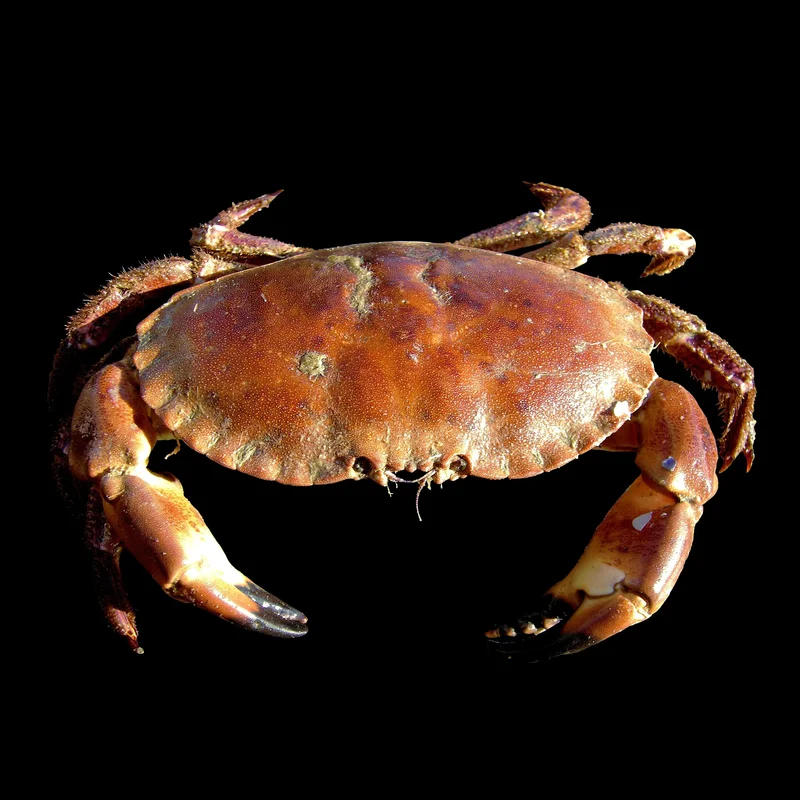
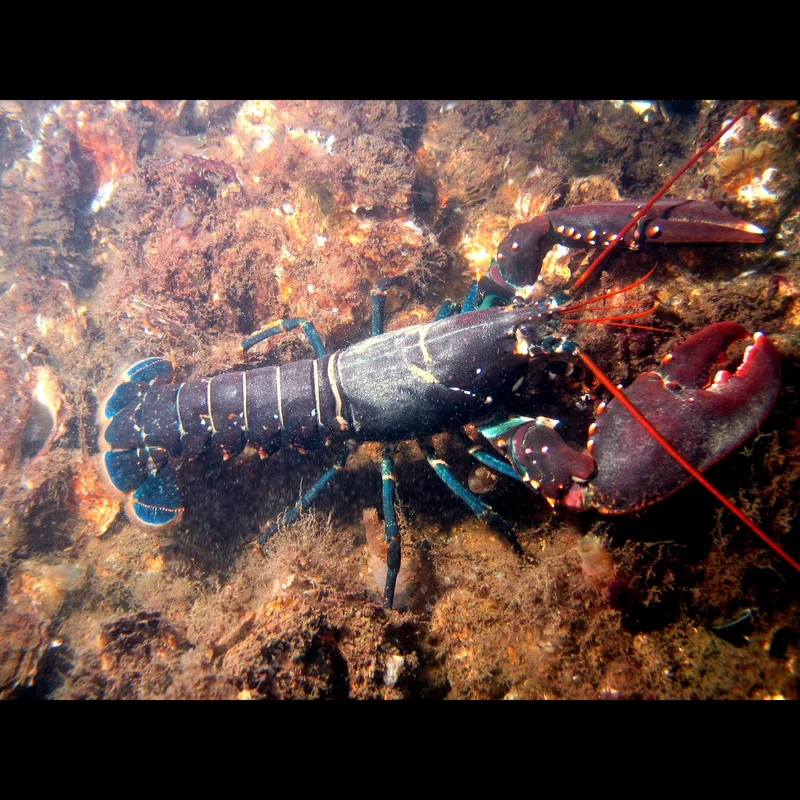
What you'll notice first are the Atlantic lobsters, often tucked into crevices within the rocky terrain. Crabs are also common, scuttling across both the rocky and sandy seafloor.
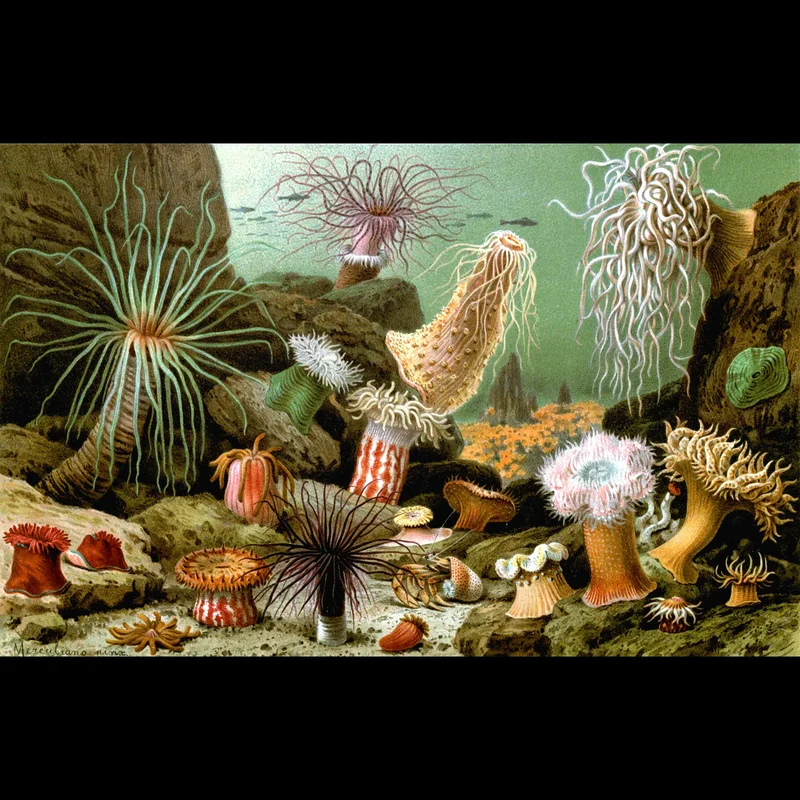
Numerous fish species inhabit the kelp forests and open water, adapting to the coastal environment. Divers exploring the soft bottom areas might observe various colored tube sea anemones, adding bursts of color to the sandy expanses. Keep an eye out for these creatures, as they are a consistent presence.
Dive Sites Near Boutiliers Point
View all dive sites in CanadaDiscover more underwater gems in this area.
Dive Centers Near Boutiliers Point
Today: 09:00 - 17:00
Nearest Airports
Nearest airports to help plan travel to this dive area.
Search Flights
Check available flights and routes on Expedia, using the nearby airports listed in this section.
Search Flights on ExpediaFrequently Asked Questions
What is the recommended certification level for Boutiliers Point?
An Open Water certification is the minimum requirement. However, due to moderate surge and potential maximum depths around 30 m (100 ft), an intermediate certification is often recommended for a more comfortable and safer experience.
What kind of marine life can I expect to see?
Divers often encounter lobsters, crabs, and various fish species. On the softer bottom areas, you may also find colorful tube sea anemones. The kelp forests provide shelter for much of the local aquatic life.
Are there any permits required to dive here?
No, permits are not required to dive at Boutiliers Point. It is part of a provincial park, offering public access for recreational activities.
What are the typical water temperatures?
Water temperatures vary significantly by season. In summer, they range from 10-18°C (50-64°F), while winter temperatures can be much colder, typically between 0-5°C (32-41°F).
How are the currents and surge at the site?
Currents are generally mild, making navigation manageable. However, divers should be prepared for moderate surge, which can be more noticeable in shallower areas or during strong tides.
What are the best months for diving at Boutiliers Point?
The best months for diving are typically from June to September. During this period, water temperatures are higher, and conditions like wave height and wind speed are generally more favorable.
Planning to dive Boutiliers Point?
Send one inquiry and receive offers directly from the best verified local dive operators.
Conditions are Excellent
07:00 - 14:00
Optimal conditions expected
Current conditions near Boutiliers Point show 14° air, 16° sea temperature, 0.4 m waves, and 22 km/h wind. Forecast data is refreshed regularly to ensure accuracy.