
Diving at Cacique (Costa Rica)
Cacique diving on Costa Rica's Pacific coast often involves descending into areas where volcanic topography meets sandy expanses. These dives typically start with boat entry, transitioning quickly to the underwater environment. Divers encounter varying depths and currents that shape the dive profile, dictating how an exploration unfolds. Expect gradual descents to explore rocky formations and potential pelagic encounters, offering an immersive experience shaped by the dynamic ocean.
As evening covers Cacique, the local air temperature is measured at 28.5°C. The current wave height at the surface is recorded at 0.9 m. These late-day readings characterize the surface conditions for the night.
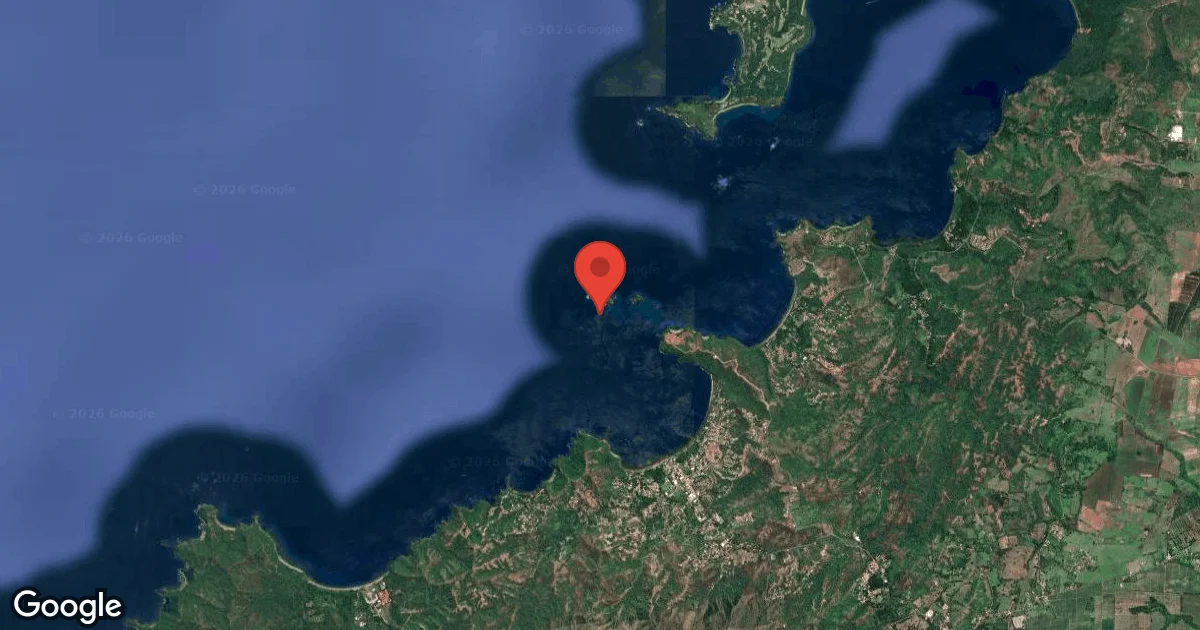
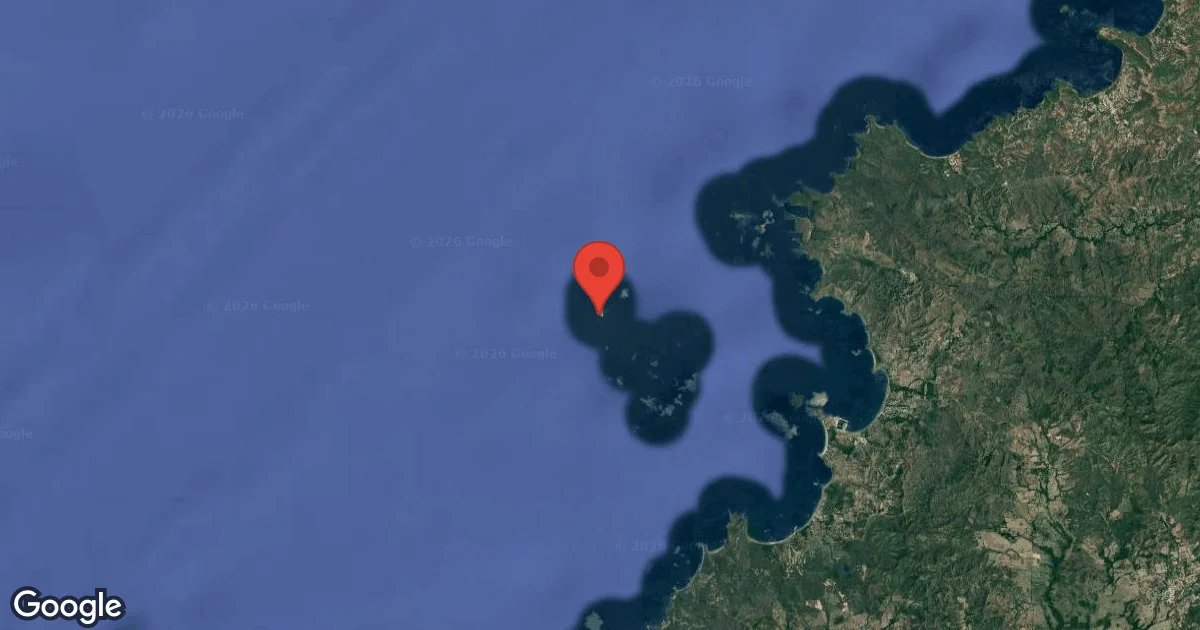
Dive Site Location & Key Facts
Dive Site Overview
Exploring the underwater terrain at Cacique reveals a distinct blend of rocky structures and expansive sandy bottoms, a common characteristic of Costa Rica's Pacific coast. Volcanic rock formations dominate many dive sites here, often forming substantial outcroppings and occasional small pinnacles.
These structures create natural ledges and crevices, serving as crucial shelter and aggregation points for numerous species of marine life. Depths across the various sites are quite variable; some areas offer gentle slopes accessible to less experienced divers seeking shallower explorations. Conversely, other sections descend beyond 30 m / 100 ft, appealing to advanced divers interested in deeper profiles and potentially encountering larger species.
Current conditions play a significant role in shaping each dive, presenting a spectrum from mild drifts to potentially strong flows, which directly influence both underwater visibility and the likelihood of observing pelagic species. While extensive, vibrant coral gardens are not consistently reported as the primary draw, the inherent structural complexity of these volcanic rocks provides a robust habitat.
This fosters a diverse array of reef fish and various invertebrates. Divers should anticipate navigating through zones where dramatic rock formations give way to open, undulating sandy flats, creating a truly dynamic and engaging underwater environment for exploration.
Conditions are Good
Optimal conditions expected
Current conditions near Cacique show 29° air, 30° sea temperature, 0.8 m waves, and 24 km/h wind. Forecast data is refreshed regularly to ensure accuracy.
Best Time to Dive
Focusing on optimal visibility, the dry season from December to April generally provides the best conditions for diving around Cacique. During these months, rainfall is minimal, averaging 0.3 to 1.9 mm, which helps maintain clearer waters. Air temperatures are pleasantly warm, ranging from 27°C to 29.5°C (81-85°F), contributing to comfortable topside conditions. While specific water temperature data isn't consistently available, the Pacific typically experiences cooler upwellings but generally remains warm enough for most divers. Wave heights are generally lower, between 0.8 and 0.9 meters, and wind speeds moderate during this period. The wet season, from May to November, sees increased rainfall, particularly from June to October, with averages reaching up to 17.35 mm. This can lead to reduced visibility due to runoff and increased wave activity, with average wave heights peaking around 1.1 meters. Dive scores indicate "Good" conditions during the dry season, shifting to "Moderate" during the wet season.
PEAK SEASON SCORE
Scores combine air & water temps, waves, wind & rainfall for overall conditions.
BEST MONTHS TO DIVE
Monthly records compiled from satellite and marine observation nodes over the last 3 years. Data provided by Open-Meteo and MET Norway.
Dive Experience & Conditions
Entering the water at Cacique often involves boat dives, typical for exploring offshore Pacific sites in Costa Rica. Divers should be prepared for conditions that can vary, especially with currents that might range from gentle drifts to more assertive flows. While specific site data is limited, the region can present moderate to strong currents, which can be an exhilarating experience for advanced divers or require careful planning for newer divers. Visibility fluctuates, influenced by seasonal changes, plankton blooms, and wave action; it's not consistently reported but can be excellent on good days. Water temperatures are typically warm, but upwellings can introduce cooler thermoclines. Air temperatures remain warm year-round, from approximately 26°C to 29.5°C (79-85°F). This area often presents an "ocean" environment, requiring divers to be comfortable with variable conditions.
Dive Difficulty & Safety Guidelines
While no specific hazards are reported for Cacique, general Pacific Costa Rica diving warrants awareness of potential strong currents and surge, especially near rocky outcroppings or during tidal changes. Always dive with a reputable local operator who understands the specific site conditions for the day. Maintain appropriate buoyancy control, particularly when navigating near sensitive marine environments or volcanic structures.
It's crucial to stay within your certified depth limits and to ascend slowly, conducting a safety stop. Given the potential for pelagic encounters, divers should maintain respectful distances from all marine life.
Additionally, divers exploring deeper areas, such as the described 30 m / 100 ft sites elsewhere in the region, should possess appropriate certifications and experience.
Recommended Equipment
- Dive Computer
- DSMB
This gear list is based on verified equipment signals for Cacique, Costa Rica. Always confirm final gear choices with your dive operator, guide, or liveaboard.
Recommended Dive Suit
Current diving conditions indicate water temperatures around 30°C (87°F) at Cacique. Surface air temperatures are resting at 29°C (83°F).
Environmental conditions may feel slightly cooler as the week progresses. Cooler days are ahead; you might want a warmer option for later in the week. A neoprene vest or hood can add flexibility if temperatures feel cooler underwater.
Most divers exploring waters at this temperature rely on dive skin or rash guard for effective insulation. A hood or vest is suggested for sensitive divers due to surface winds. Water temperature is only one factor influencing overall comfort during a dive.
Due to technical issues with our weather providers, live updates are temporarily delayed. The data above reflects the conditions at the time of the last successful fetch.
Emergency & Medical Support
Essential information to help you plan your dive trip to Cacique.

Hyperbaric chambers are a critical part of dive safety infrastructure. Availability varies significantly by region, and not all dive areas have immediate access.
Before diving, it's recommended to:
- confirm nearest medical facilities
- check emergency procedures with local dive operators
- ensure dive insurance covers evacuation if required
Divers Alert Network
Diving emergency assistance available through DAN World.
+1-919-684-9111- 24/7 emergency hotline
- Diving medical assistance
- Evacuation coordination
Emergency contacts are provided for reference. Always verify local emergency services before diving.
Marine Life at Cacique
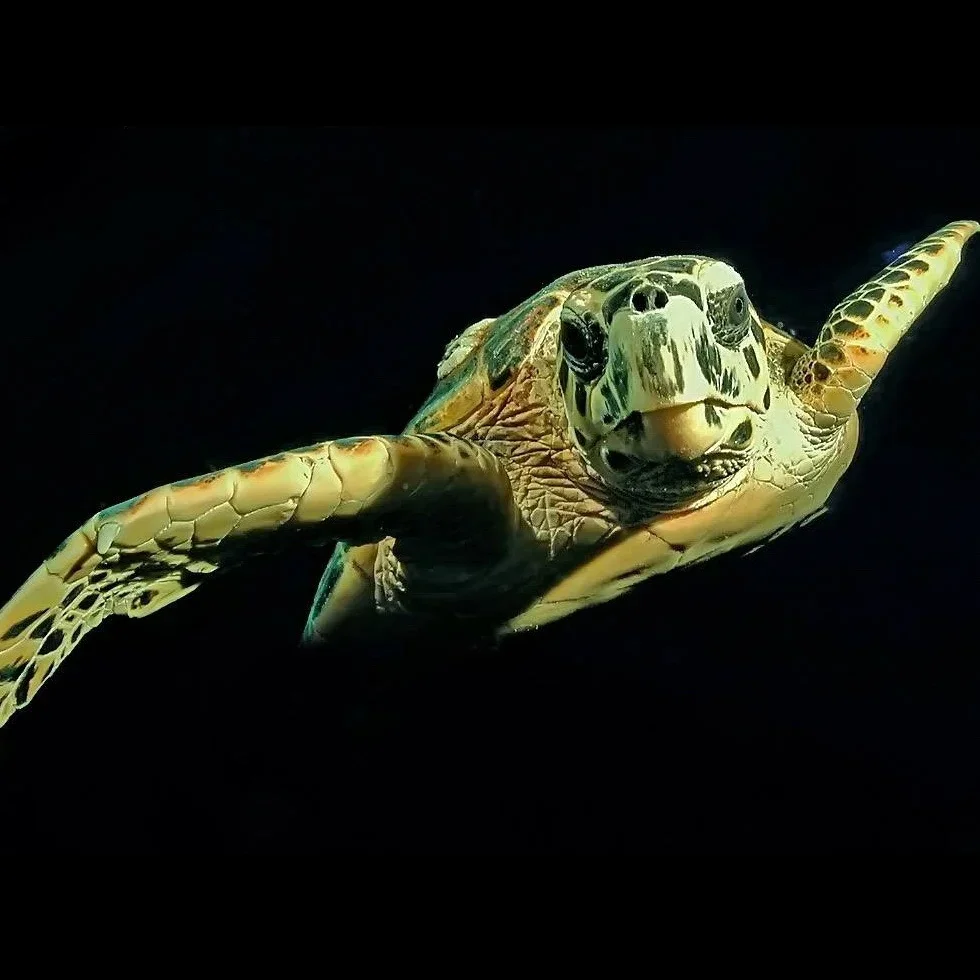
Exploring the underwater landscape near Cacique often brings encounters with a variety of marine species associated with rocky reefs and sandy bottoms. The presence of hawksbill turtles is noted, suggesting these graceful creatures are a potential sight.
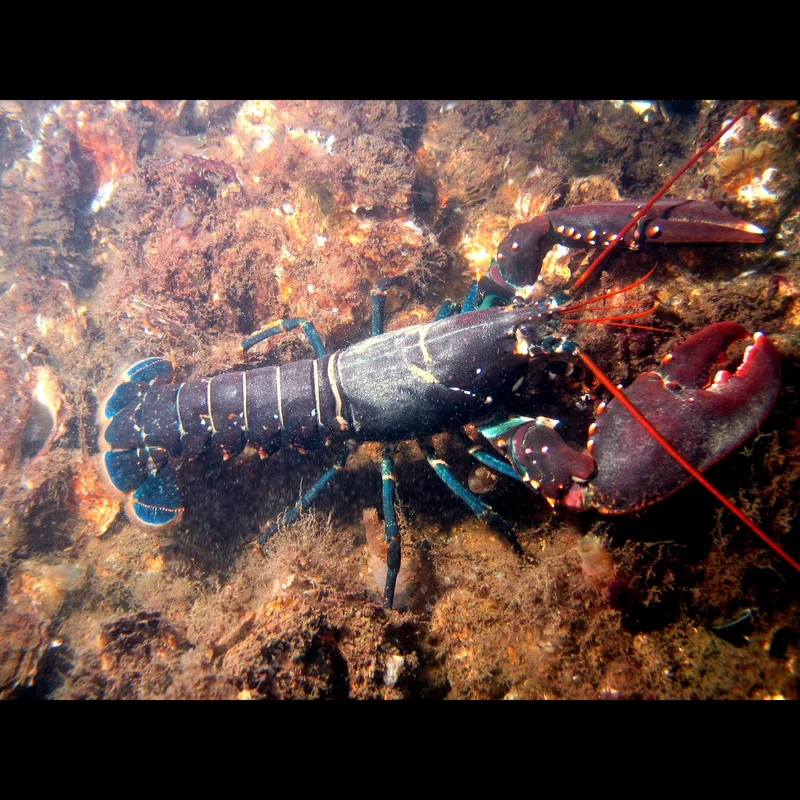
While colorful corals might not be the dominant feature, the volcanic structures provide habitat for numerous reef fish. On sandy patches, divers might observe rays resting or various invertebrates.
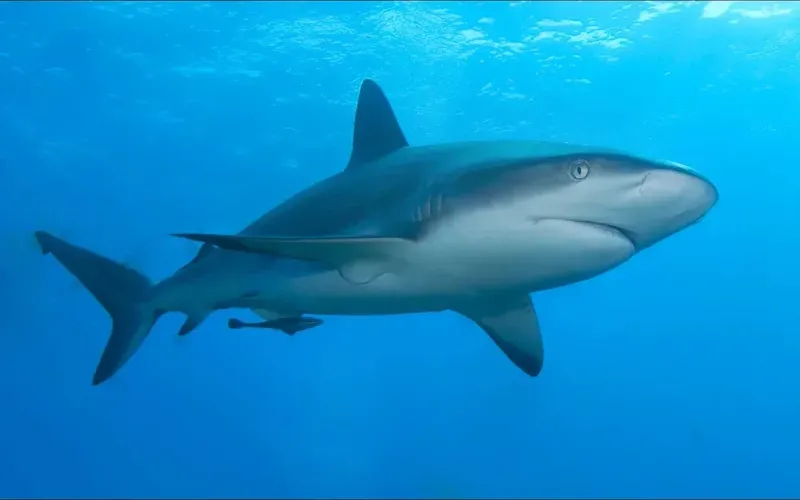
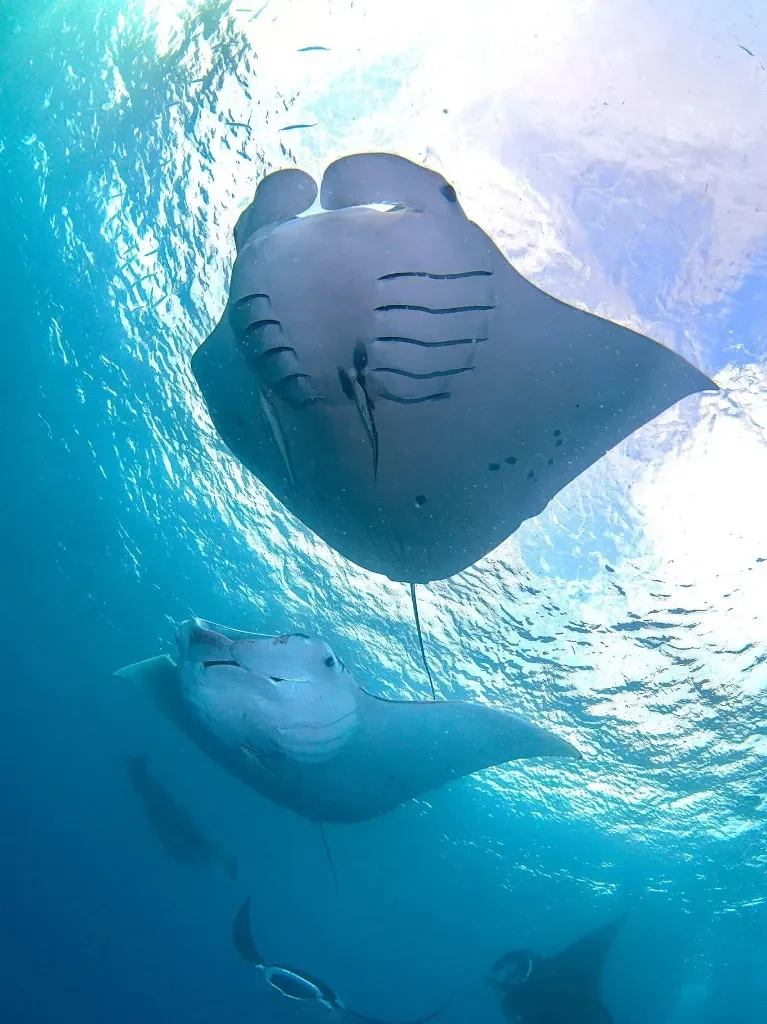
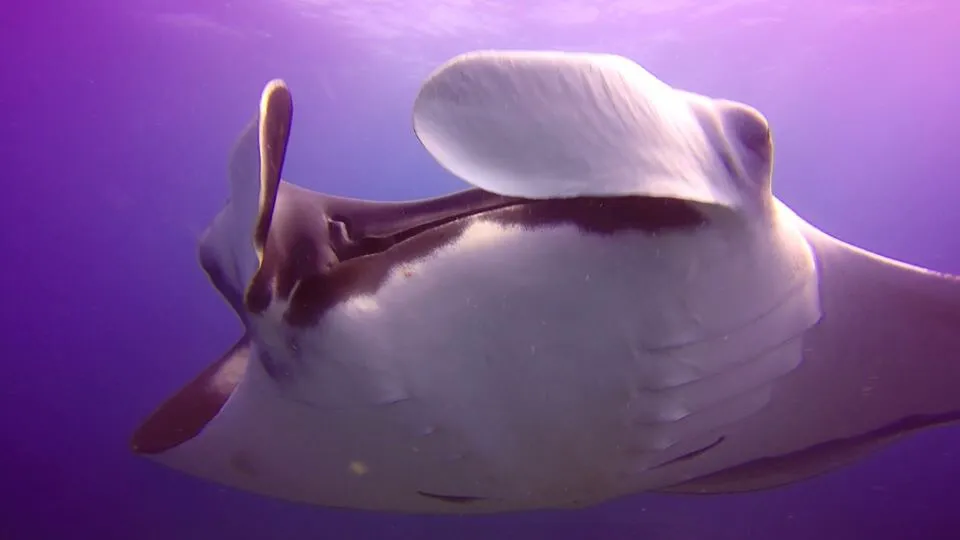
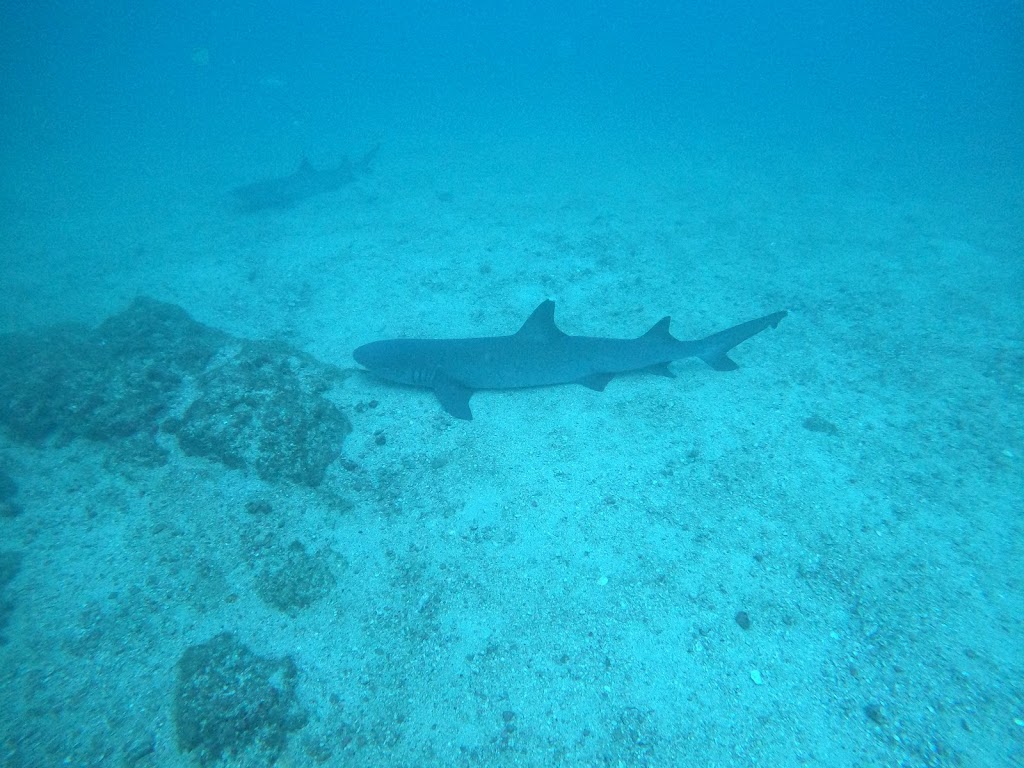
The broader Pacific region of Costa Rica, which includes sites like Catalina, is known for pelagic encounters such as manta rays, reef sharks, and schooling fish, suggesting similar possibilities here depending on the season and specific site.
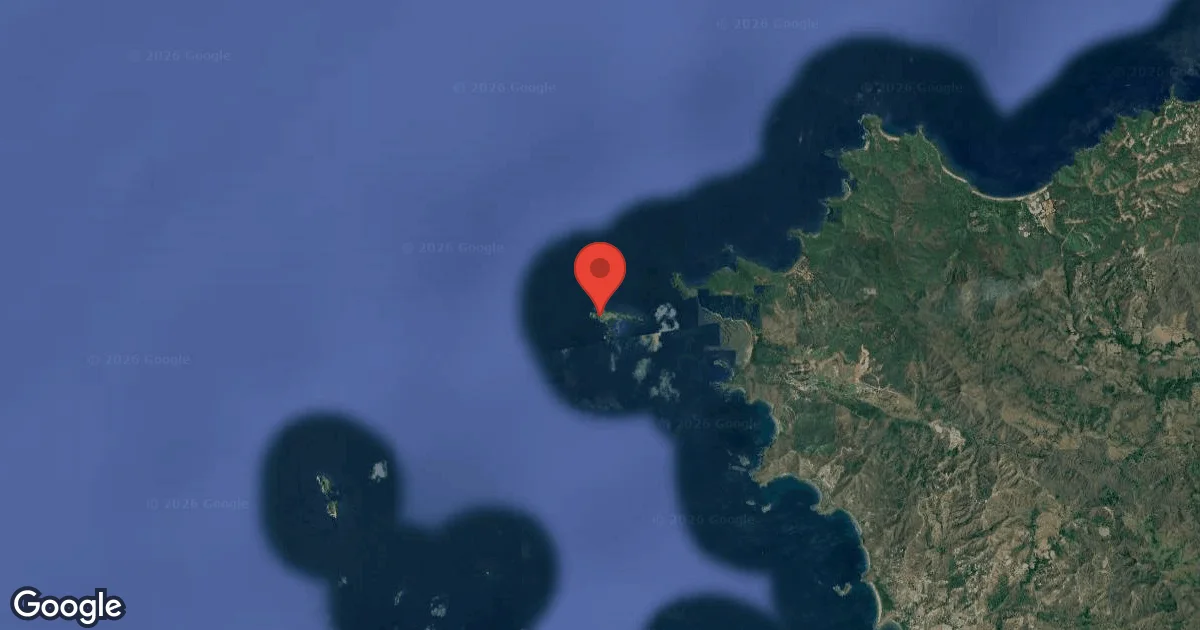
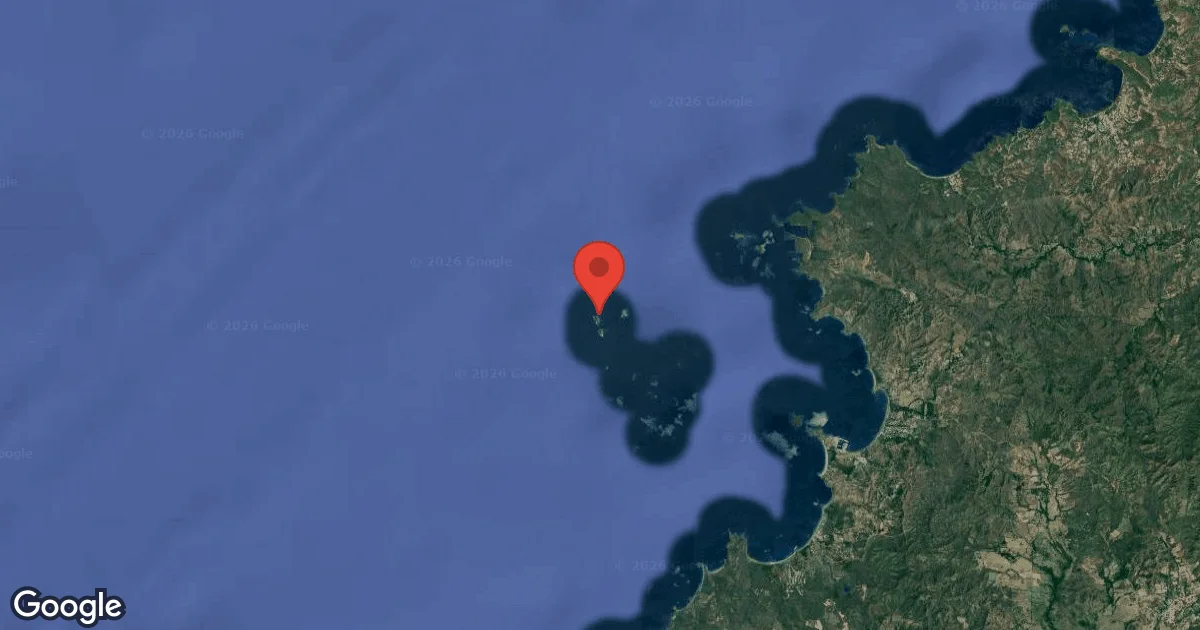
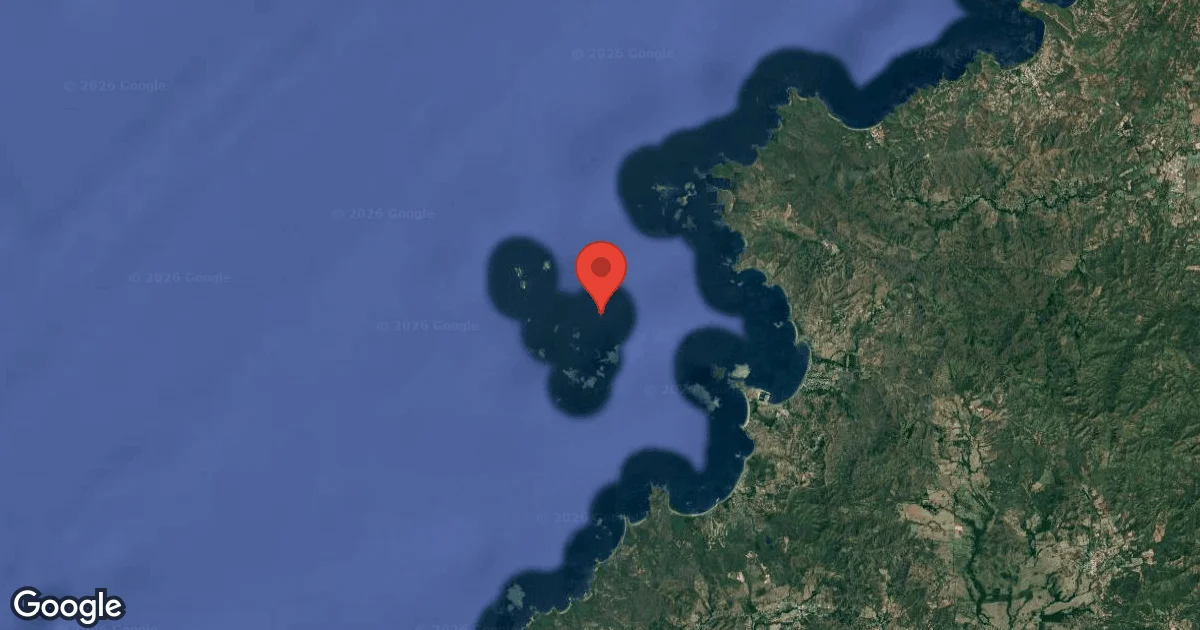
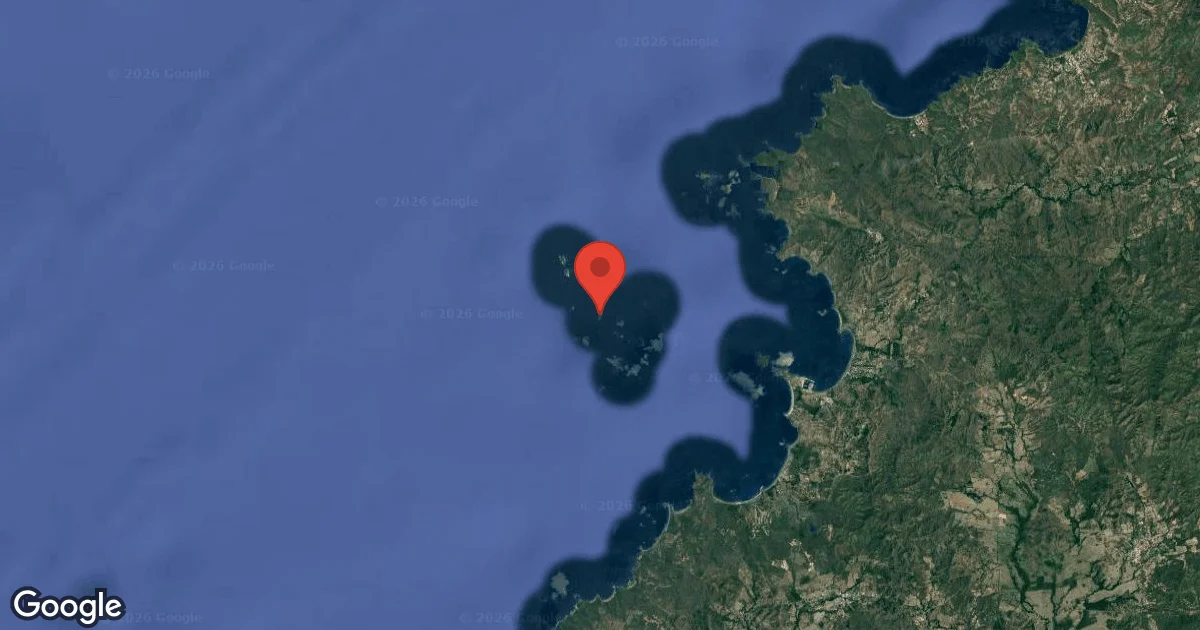
Dive Sites Near Cacique
View all dive sites in Costa RicaDiscover more underwater gems in this area.
Dive Centers Near Cacique
Today: Open 24 hours

Nearest Airports
Nearest airports to help plan travel to this dive area.
Search Flights
Check available flights and routes on Expedia, using the nearby airports listed in this section.
Search Flights on ExpediaFrequently Asked Questions
What types of underwater topography can I expect at Cacique?
Cacique typically features volcanic rock formations interspersed with sandy bottom areas. You'll find a blend of rocky ledges, small pinnacles, and sloping sand flats, which create diverse habitats.
What are the typical water temperatures?
Specific water temperature data for Cacique is not consistently reported. However, Pacific Costa Rica waters generally range from 22-27°C / 72-81°F, though cooler thermoclines can occur due to upwellings.
Are there strong currents at Cacique?
Currents in this Pacific region can vary from mild to strong. Divers should be prepared for potential drifts, especially around exposed sites or during tidal changes.
What kind of marine life might I see?
You're likely to encounter reef fish inhabiting the rocky structures and possibly rays on the sandy bottoms. Hawksbill turtles are noted in the area, and depending on conditions, larger pelagics common to the Pacific coast may also pass through.
What is the best time of year for diving?
The dry season, from December to April, offers the best conditions with minimal rainfall and clearer waters. Visibility tends to be better during these months, though good diving can be found year-round.
Is Cacique suitable for beginner divers?
Some areas with shallower depths and milder currents may be suitable for beginners. However, given the potential for stronger currents and deeper sections, divers should assess their comfort and skill level with local guides.
What kind of visibility can I expect?
Visibility varies depending on the season and local conditions, from good to excellent during the dry season to potentially reduced during the wet season due to runoff and plankton. It's not consistently reported, so it's best to check with local operators.
Planning to dive Cacique?
Send one inquiry and receive offers directly from the best verified local dive operators.
Conditions are Good
Optimal conditions expected
Current conditions near Cacique show 29° air, 30° sea temperature, 0.8 m waves, and 24 km/h wind. Forecast data is refreshed regularly to ensure accuracy.