
Diving at Virador (Costa Rica)
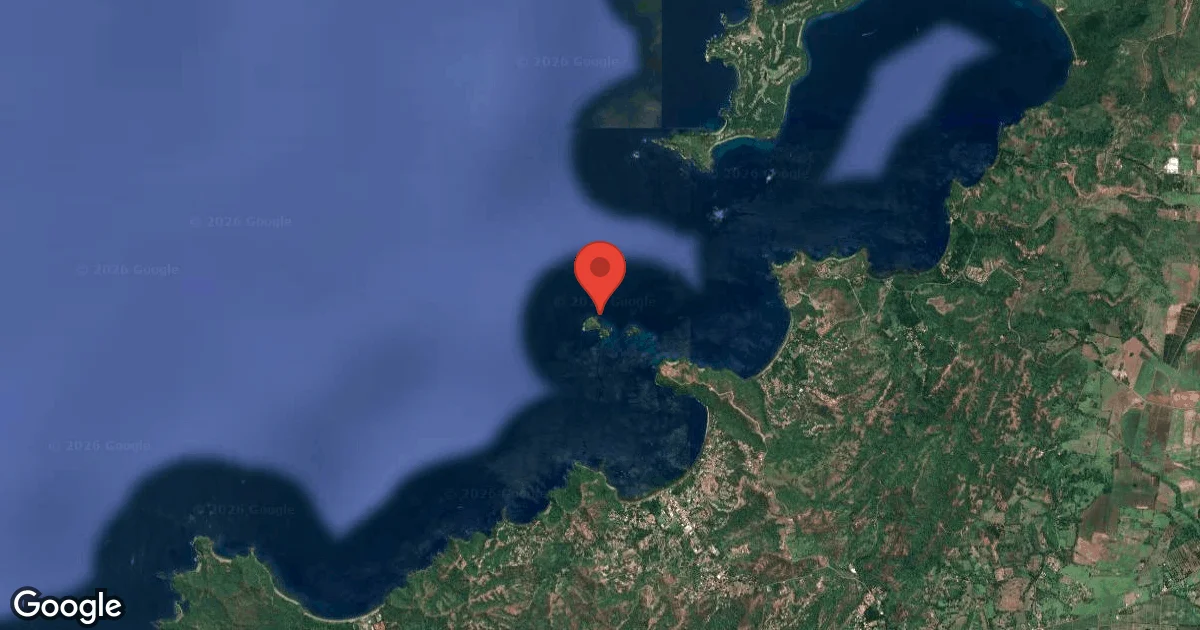
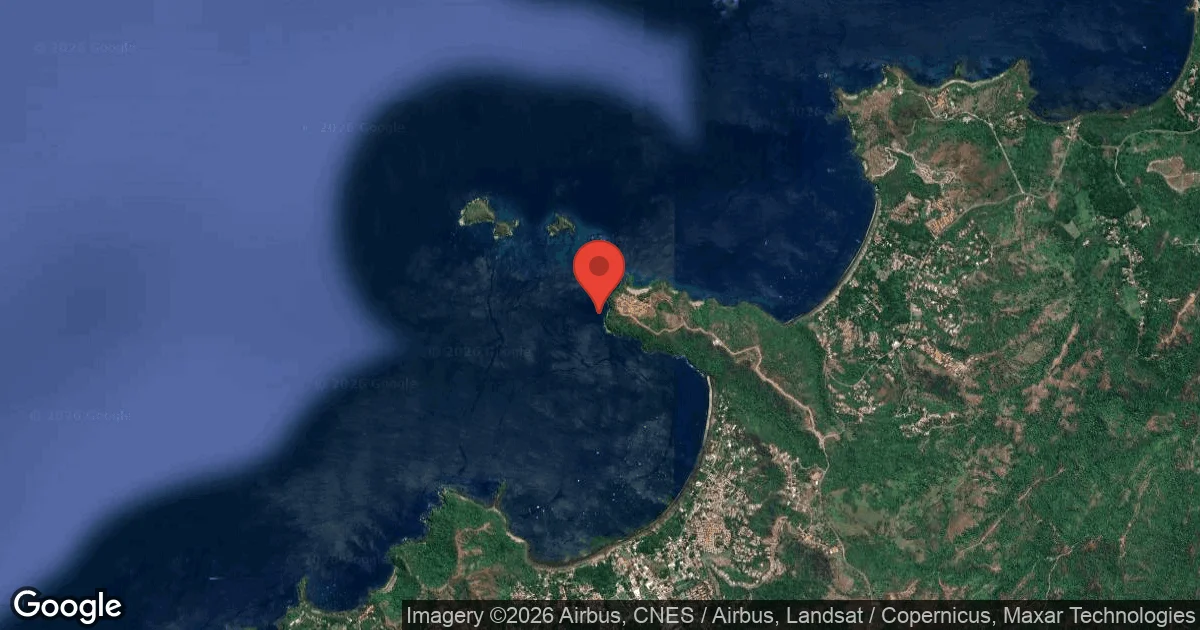
Dropping into Virador means descending upon a vibrant pinnacle structure, situated off Costa Rica's Pacific coast within the Gulf of Papagayo. Divers frequently experience an easy drift around its central rock, offering an immediate sense of exploration. As you make your initial descent to a maximum depth of 30 m (100 ft), expect to enter a dynamic underwater environment, often alive with schools of fish and the presence of larger pelagic species.
As evening covers Virador, the local air temperature is measured at 33.5°C. The current wave height at the surface is recorded at 0.9 m. These late-day readings characterize the surface conditions for the night.
Dive Site Location & Key Facts
Dive Site Overview
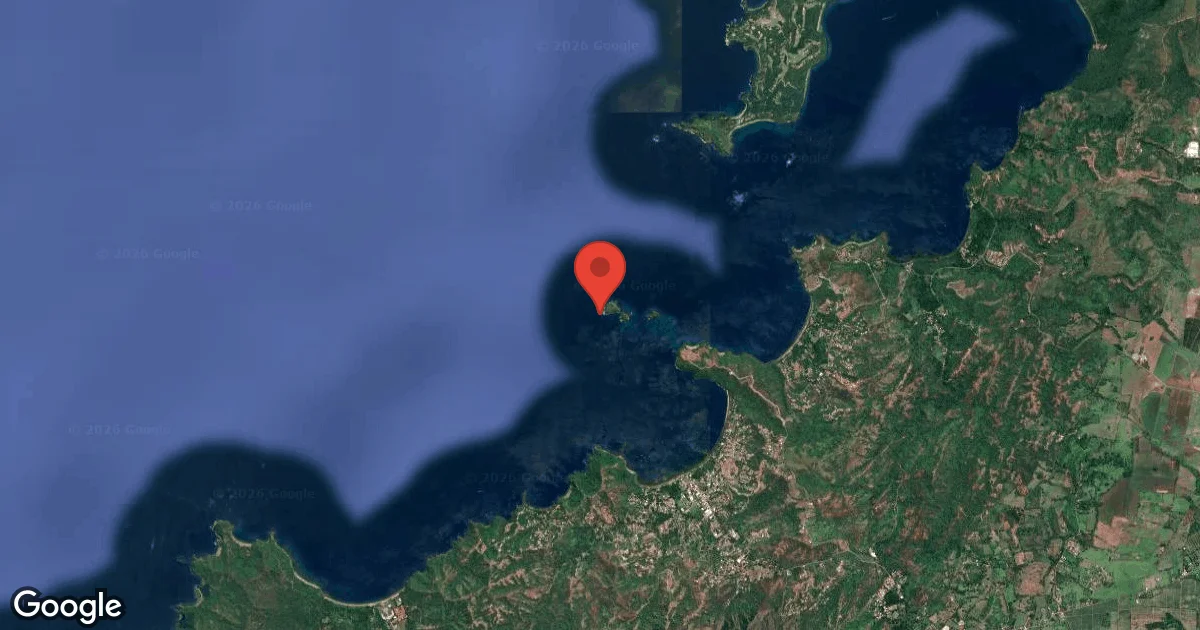
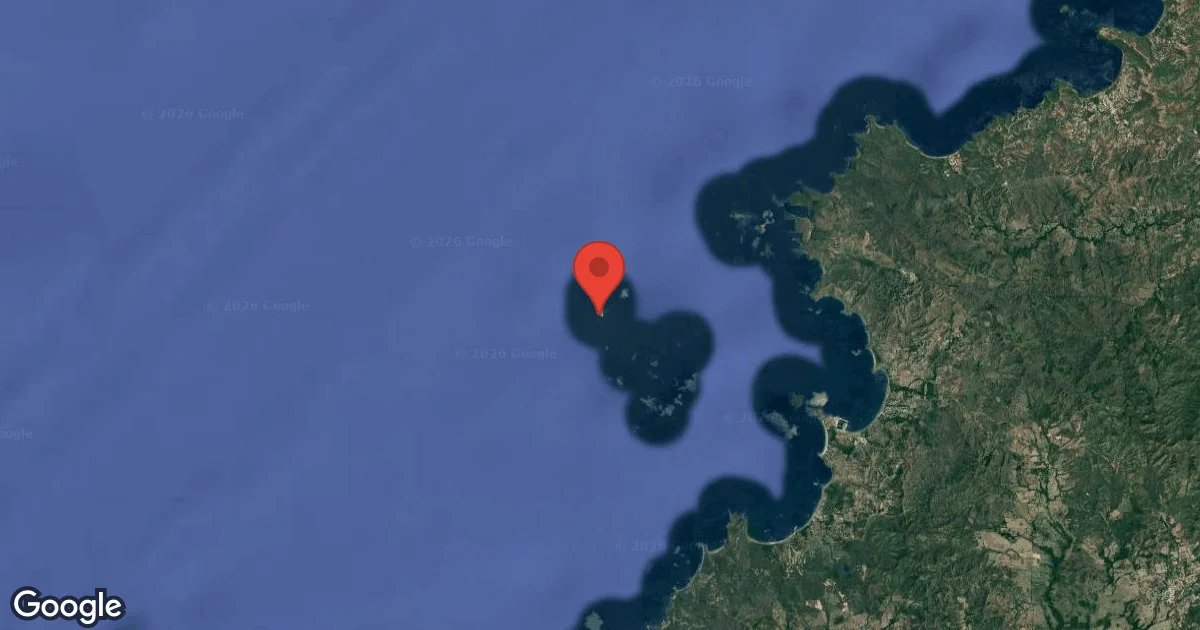
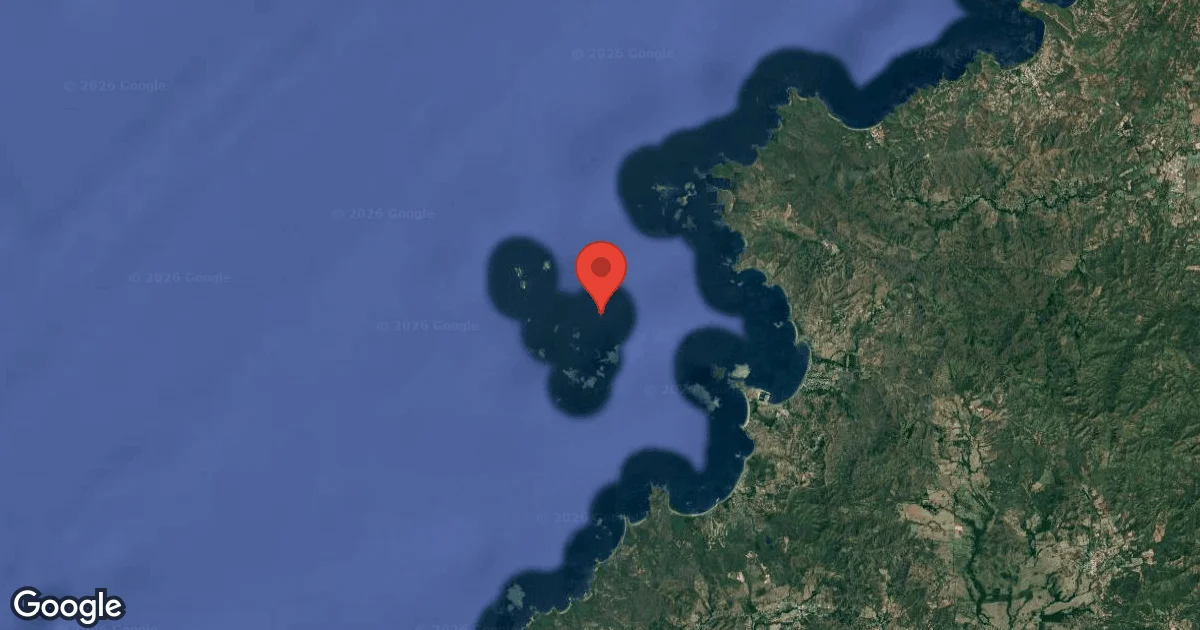
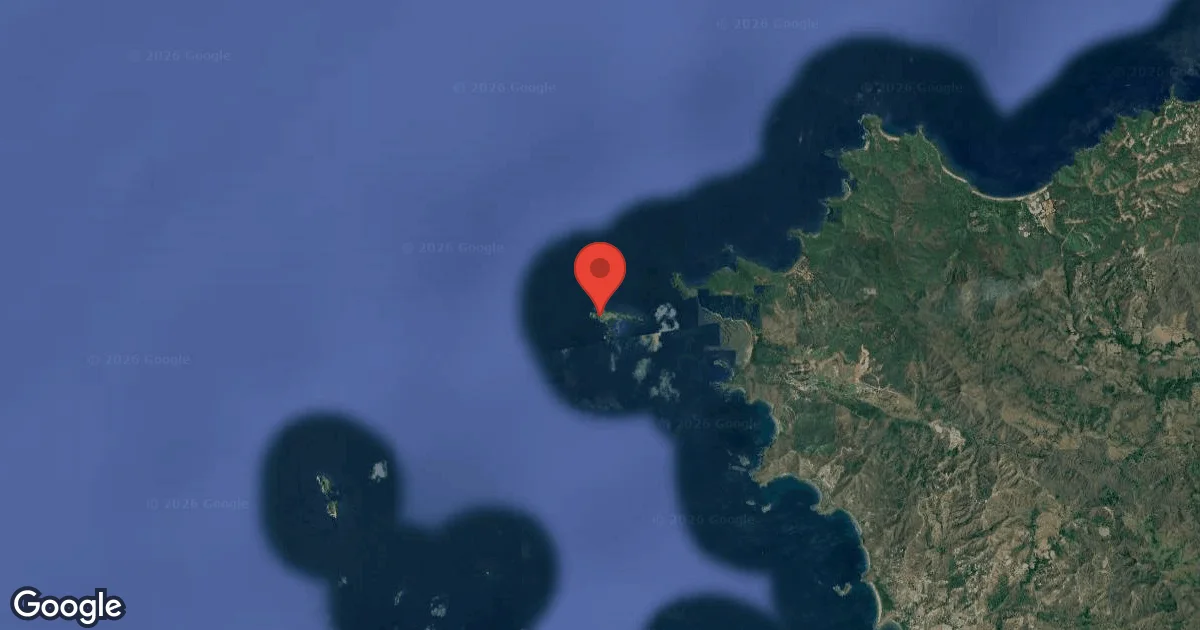
Virador's distinctive pinnacle formation rises from deeper waters, creating a varied topography for divers to explore. Located approximately 20 minutes from Playas del Coco, it's a favored spot in the Gulf of Papagayo for its accessible structure.
Dive planning here centers around an easy drift, typically lasting about 50 minutes to an hour, which allows for tracing the contours of the central rock. This method provides comprehensive observation of the site's rich biodiversity and changing landscapes. Divers can expect to find a diverse environment featuring sand channels, rocky outcrops, and vibrant coral sections covering the pinnacle's walls.
Shallower areas offer colorful coral formations and active schooling fish, while deeper sections, extending towards 30 m (100 ft), provide opportunities to encounter different species, including pelagics. The site supports both open water certified divers exploring the upper reaches and advanced divers keen on greater depths, with a maximum recreational dive depth consistently reported at 30 m (100 ft).
Conditions are Good
Optimal conditions expected
Current conditions near Virador show 34° air, 30° sea temperature, 0.8 m waves, and 20 km/h wind. Forecast data is refreshed regularly to ensure accuracy.
Best Time to Dive
Seasonal changes significantly influence the diving conditions at Virador, with the period from December to April generally considered the most favorable. During these months, the average air temperatures are warmer, ranging from 27°C (81°F) in December to 29.5°C (85°F) in April, and rainfall is minimal, often less than 1.5 mm (0.06 in) per month. In contrast, the wet season, particularly from June to October, experiences higher rainfall, peaking at around 15.9 mm (0.63 in) in June and 15.0 mm (0.59 in) in October. Average wave heights during the preferred diving season tend to be around 0.8-0.9 m (2.6-3 ft), increasing slightly to 1.0-1.1 m (3.3-3.6 ft) during the wetter months. Winds are also stronger from January to April, averaging 16-17 km/h (10-11 mph), contributing to drier conditions.
PEAK SEASON SCORE
Scores combine air & water temps, waves, wind & rainfall for overall conditions.
BEST MONTHS TO DIVE
Monthly records compiled from satellite and marine observation nodes over the last 3 years. Data provided by Open-Meteo and MET Norway.
Dive Experience & Conditions
Accessing Virador is consistently by boat, with dive operations frequently departing from nearby coastal towns. The site is generally categorized as intermediate difficulty, but its varied depths make it suitable for divers holding PADI Open Water Diver certification for shallower sections, and PADI Advanced Open Water Diver for exploring deeper areas. Visibility at Virador can range significantly, reported between 10.0 and 30.0 m (33-100 ft), varying with seasonal conditions and plankton blooms. Divers should be prepared for moderate currents and occasional moderate surge, which are common characteristics of this pinnacle dive. Water temperatures typically range from 26–30°C (79-86°F) during the warmer summer months and 24–28°C (75-82°F) in winter, ensuring comfortable diving conditions year-round.
Dive Difficulty & Safety Guidelines
Moderate currents and surge often characterize Virador, necessitating careful dive planning and good buoyancy control. Divers should always follow their dive guide's instructions, especially concerning drift dive procedures, which are common here. It's recommended that divers hold at least a PADI Open Water Diver certification, with an Advanced Open Water Diver certification beneficial for exploring the site's deeper reaches.
Maintaining a safe distance from marine life, particularly in areas like the shark cave, is crucial to avoid disturbance. The site has no reported specific hazards beyond typical open water conditions, but situational awareness is key to a safe dive experience.
Recommended Equipment
- Dive Computer
- DSMB
This gear list is based on verified equipment signals for Virador, Costa Rica. Always confirm final gear choices with your dive operator, guide, or liveaboard.
Recommended Dive Suit
Current diving conditions indicate water temperatures around 30°C (87°F) at Virador. Surface air temperatures are resting at 34°C (92°F).
Environmental conditions may feel slightly cooler as the week progresses. A significant temperature drop is forecast; strongly suggest bringing a backup warmer suit option. A neoprene vest or hood can add flexibility if temperatures feel cooler underwater.
In water temperatures like these, dive skin or rash guard typically offers sufficient warmth for most recreational dives. A hood or vest is suggested for sensitive divers due to surface winds. Some divers naturally tolerate cooler water better than others. Divers planning trips later in the week may want to consider bringing a slightly warmer suit.
Due to technical issues with our weather providers, data hasn't been fetched for over 48 hours. The data above reflects the conditions at the time of the last successful fetch.
Emergency & Medical Support
Essential information to help you plan your dive trip to Virador.

Hyperbaric chambers are a critical part of dive safety infrastructure. Availability varies significantly by region, and not all dive areas have immediate access.
Before diving, it's recommended to:
- confirm nearest medical facilities
- check emergency procedures with local dive operators
- ensure dive insurance covers evacuation if required
Divers Alert Network
Diving emergency assistance available through DAN World.
+1-919-684-9111- 24/7 emergency hotline
- Diving medical assistance
- Evacuation coordination
Emergency contacts are provided for reference. Always verify local emergency services before diving.
Marine Life at Virador
The waters surrounding Virador pulsate with diverse marine activity, making every dive a dynamic experience. Schools of tropical fish and large aggregations of jacks frequently move around the pinnacle.
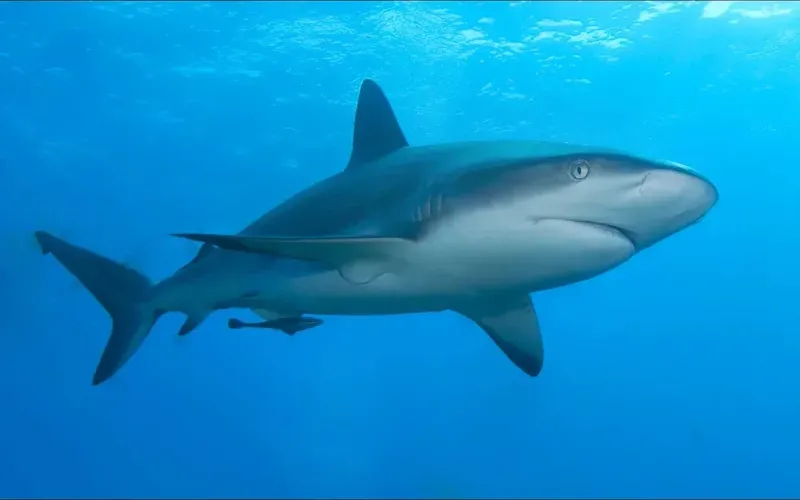
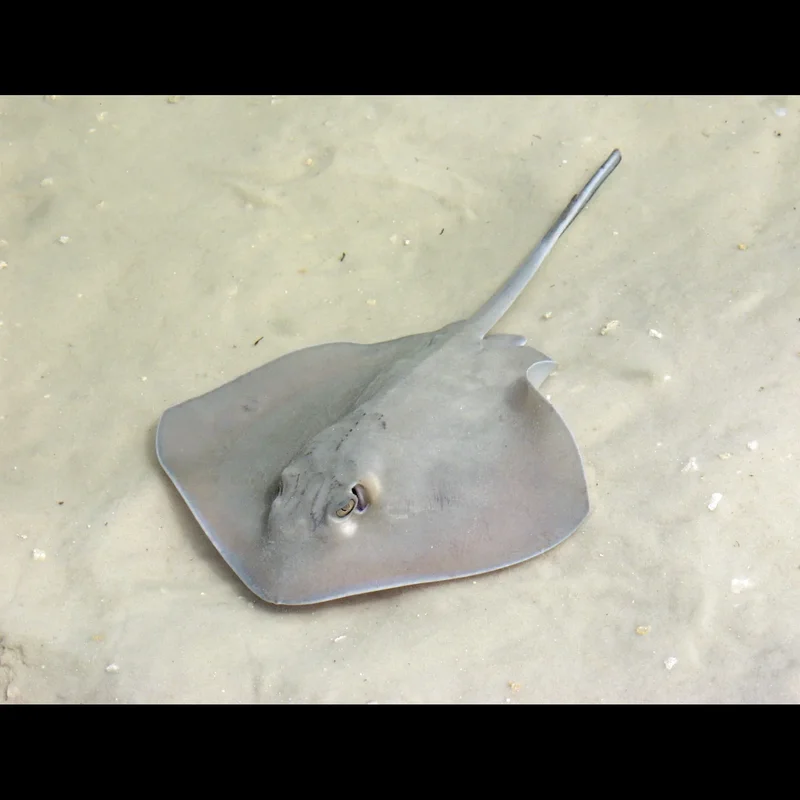
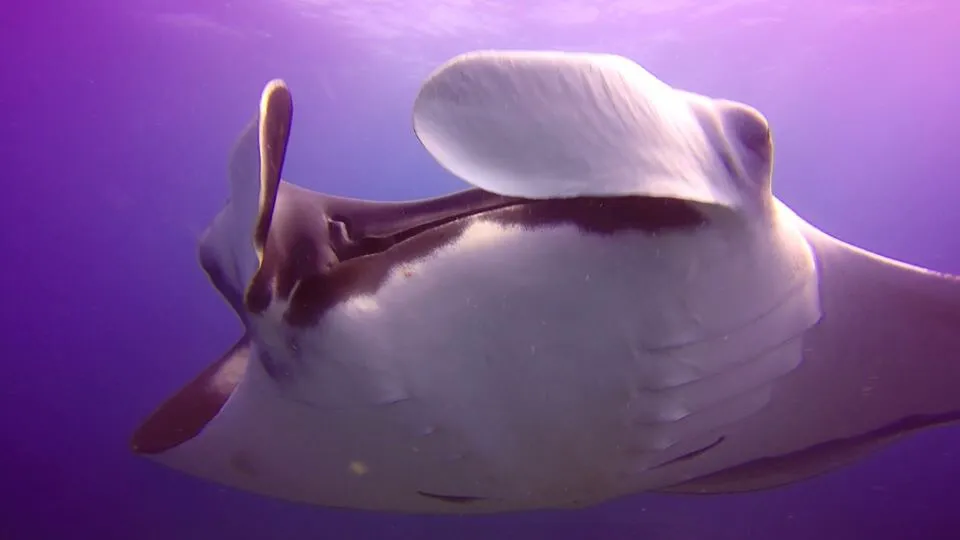
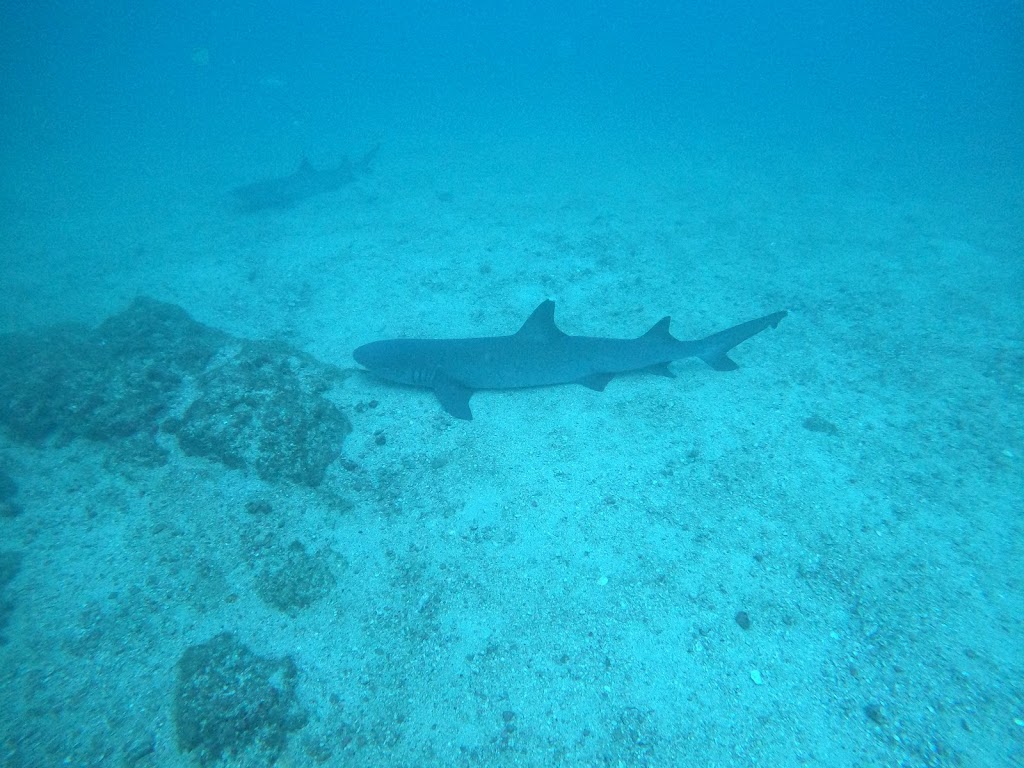
White tip reef sharks are a common sight, often observed resting in deeper sandy areas or within the notable shark cave at approximately 10 m (33 ft). Divers also regularly encounter various types of rays, adding to the rich biodiversity. This site provides excellent opportunities for observing a cross-section of Pacific marine species.

Dive Sites Near Virador
View all dive sites in Costa RicaDiscover more underwater gems in this area.
Dive Centers Near Virador
Today: Open 24 hours
Nearest Airports
Nearest airports to help plan travel to this dive area.
Search Flights
Check available flights and routes on Expedia, using the nearby airports listed in this section.
Search Flights on ExpediaFrequently Asked Questions
What is the typical depth range for diving at Virador?
Virador caters to a range of experience levels, with depths varying from shallow coral formations to a maximum depth of 30 m (100 ft). Recreational divers can enjoy the full range this pinnacle offers.
What kind of marine life can I expect to see?
Divers often encounter white tip reef sharks, various rays, and large schools of tropical fish, including jacks. The site is known for its active underwater ecosystem.
Is Virador suitable for beginner divers?
While Virador is rated intermediate due to moderate currents, its shallower sections are accessible for PADI Open Water divers. Beginners should always dive with an experienced guide and be comfortable with drift diving.
What are the water temperatures like at Virador?
Water temperatures are generally warm, ranging from 26–30°C (79-86°F) in summer and 24–28°C (75-82°F) in winter. A 3mm or 5mm wetsuit is typically comfortable.
How long is an average dive at Virador?
An average dive at Virador typically lasts around 50 minutes to an hour. This allows ample time to explore the pinnacle via a comfortable drift.
Are there strong currents at Virador?
Virador often features moderate currents and occasional surge. Dive operators typically plan drift dives to navigate these conditions effectively, ensuring a relaxed experience.
Planning to dive Virador?
Send one inquiry and receive offers directly from the best verified local dive operators.
Conditions are Good
Optimal conditions expected
Current conditions near Virador show 34° air, 30° sea temperature, 0.8 m waves, and 20 km/h wind. Forecast data is refreshed regularly to ensure accuracy.