
Diving at Tortuga (Costa Rica)
Tortuga Island dive sites distinguish themselves in Costa Rica's Central Pacific by offering a blend of volcanic reef structures and a small wreck. It's an accessible local dive just a short boat ride away. Divers can expect to find a diverse ecosystem, featuring both macro life and larger pelagic encounters depending on the day. This area provides a contrast to the region's broader coral formations.
Tonight's objective overview for Tortuga shows an air temperature of 28.5°C. The measured surface conditions include wave heights around 0.8 m. This environmental data is logged for the close of the day.
Dive Site Location & Key Facts
Dive Site Overview
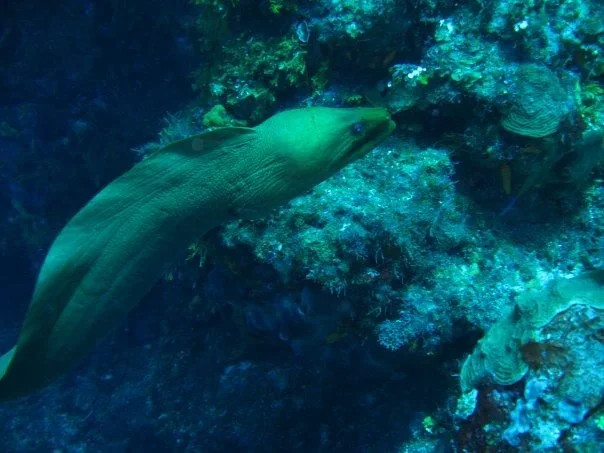
Diving at Tortuga introduces you to a varied underwater topography, primarily characterized by volcanic rock formations. These rocky reefs provide shelter for a range of macro life, including numerous nudibranchs, and serve as a hiding ground for various moray eels and puffer fish.
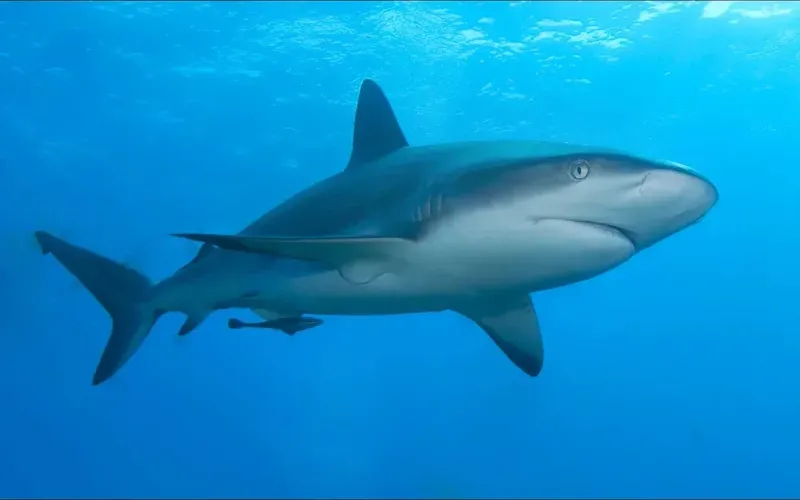
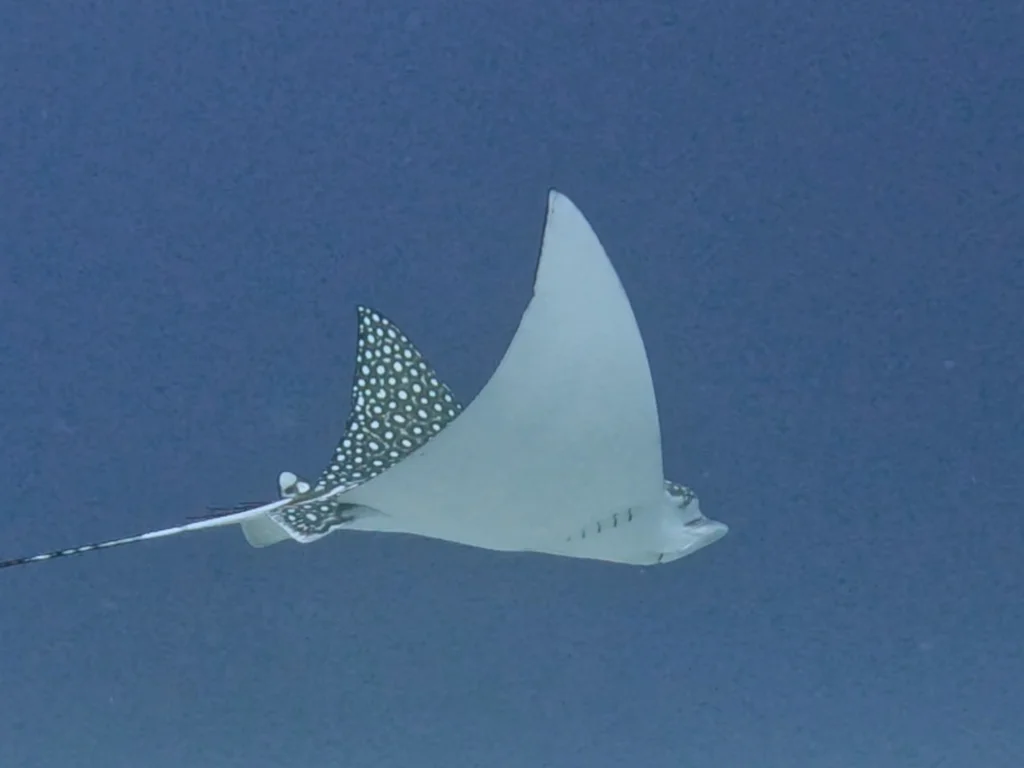
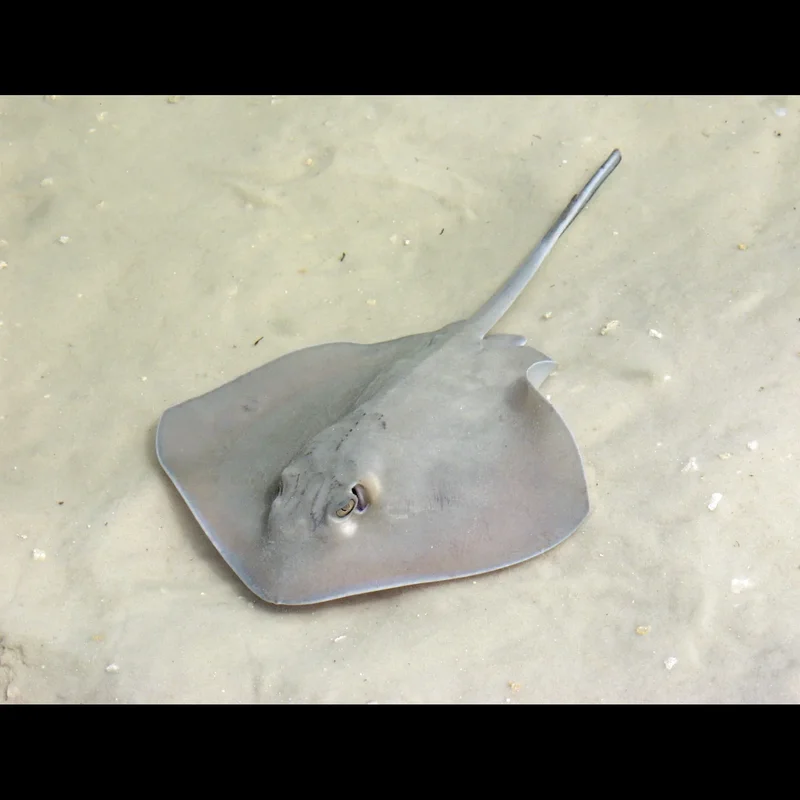
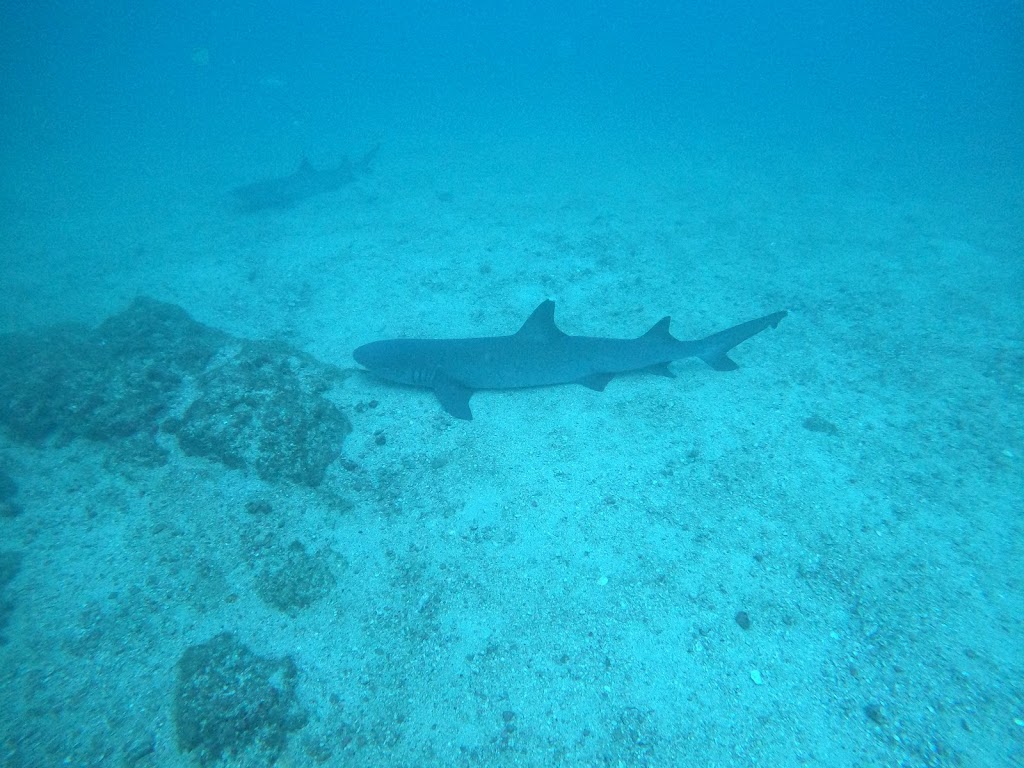
A small wreck is integrated into the site, often attracting white-tip reef sharks. Beyond the reef, sandy bottoms stretch out, where stingrays are frequently observed gliding low. Keep an eye upwards for spotted eagle rays traversing the water column.
Maximum depths at these sites generally range between 8 to 35 m (25 to 115 ft), though a common maximum depth reported is 24 m (78 ft).
Additionally, a channel offers further exploration, with possibilities of encountering juvenile sharks in a dedicated cave. The diversity across pinnacles, reefs, and sandy-bottomed areas makes for a dynamic dive.
Conditions are Good
Optimal conditions expected
Current conditions near Tortuga show 28° air, 31° sea temperature, 0.8 m waves, and 23 km/h wind. Forecast data is refreshed regularly to ensure accuracy.
Best Time to Dive
Optimal diving conditions at Tortuga are largely influenced by visibility, which generally ranges from 5 to 30 m (16 to 100 ft) depending on the season. The clearest water typically occurs during the dry season, from December through April, when rainfall is minimal, averaging under 2.25 mm. These months also see comfortable air temperatures, generally above 28°C (82°F), and consistent 'Good' dive scores. As the region transitions into the wetter months from May to November, increased rainfall, which can climb to over 18 mm in October, may impact underwater clarity and surface conditions. Water temperatures remain inviting year-round, typically varying between 24 and 26°C (75-79°F). Despite seasonal changes, opportunities for excellent diving can still arise, especially during July and August, which often experience a brief respite from heavy rains.
PEAK SEASON SCORE
Scores combine air & water temps, waves, wind & rainfall for overall conditions.
BEST MONTHS TO DIVE
Monthly records compiled from satellite and marine observation nodes over the last 3 years. Data provided by Open-Meteo and MET Norway.
Dive Experience & Conditions
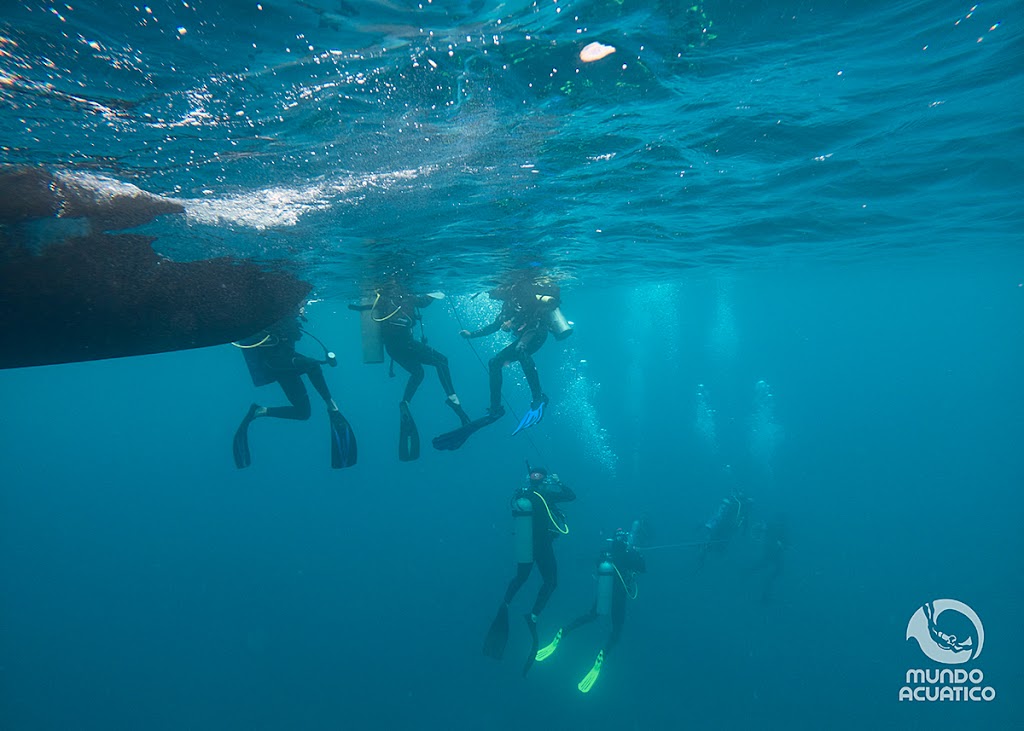
Accessing Tortuga Island's dive sites is exclusively by boat, typically a short 10-minute ride from the nearest dock. Upon arrival, the specific dive spot chosen will be determined by prevailing currents and visibility, ensuring the best possible experience on any given day. Divers descend into water that maintains a comfortable temperature range of 24 to 26°C (75-79°F), allowing for extended bottom times. The area's reefs, primarily volcanic rock and coral formations, descend to depths ranging from 8 to 35 m (25 to 115 ft), accommodating both recreational and slightly deeper certifications. While often calm, conditions can vary, so being prepared for moderate currents is advisable. Tour operators frequently offer comprehensive packages, including all necessary equipment and guidance from PADI-certified instructors, suitable for both certified divers and those new to the sport.
Dive Difficulty & Safety Guidelines
While Tortuga Island offers generally safe diving, adherence to standard dive practices is essential. Always dive within your certification limits and follow the instructions of your PADI-certified instructor or dive guide. Given that dive site selection can depend on currents and visibility, staying close to your buddy and being aware of your surroundings are crucial.
There are no consistently reported unique hazards for this location, but general marine safety principles apply. Respect the marine environment by avoiding contact with delicate reef structures and marine life.
If participating in a tour, transportation and guided dives are typically included, ensuring a structured and supervised experience.
Recommended Equipment
Overhead / entanglement risk. Wreck penetration requires proper training.
- Dive Computer
- DSMB
- Primary & Backup Lights
- Wreck Reel
- Cutting Tool
This gear list is based on verified equipment signals for Tortuga, Costa Rica. Always confirm final gear choices with your dive operator, guide, or liveaboard.
Recommended Dive Suit
The coming days appear slightly cooler according to the latest forecast. Cooler days are ahead; you might want a warmer option for later in the week. A hood or vest can noticeably improve warmth during longer dives.
Divers who prefer a balanced level of warmth often select dive skin or rash guard in water temperatures like this. A hood or vest is suggested for sensitive divers due to surface winds.
Current dive conditions indicate that water temperatures around Tortuga are sitting at roughly 31°C (87°F). Surface air temperatures are resting at 28°C (83°F).
Emergency & Medical Support
Essential information to help you plan your dive trip to Tortuga.

Hyperbaric chambers are a critical part of dive safety infrastructure. Availability varies significantly by region, and not all dive areas have immediate access.
Before diving, it's recommended to:
- confirm nearest medical facilities
- check emergency procedures with local dive operators
- ensure dive insurance covers evacuation if required
Divers Alert Network
Diving emergency assistance available through DAN World.
+1-919-684-9111- 24/7 emergency hotline
- Diving medical assistance
- Evacuation coordination
Emergency contacts are provided for reference. Always verify local emergency services before diving.
Marine Life at Tortuga
What you'll likely notice first are the resident white-tip reef sharks, frequently found near the small wreck and along the volcanic reef structures. As you explore the nooks and crannies, a variety of moray eels and puffer fish are often observed seeking shelter.
Keep an eye peeled for the smaller, intricate details of nudibranchs and other macro life hidden on the rocky surfaces. Moving over the sandy bottom, stingrays regularly pass by.
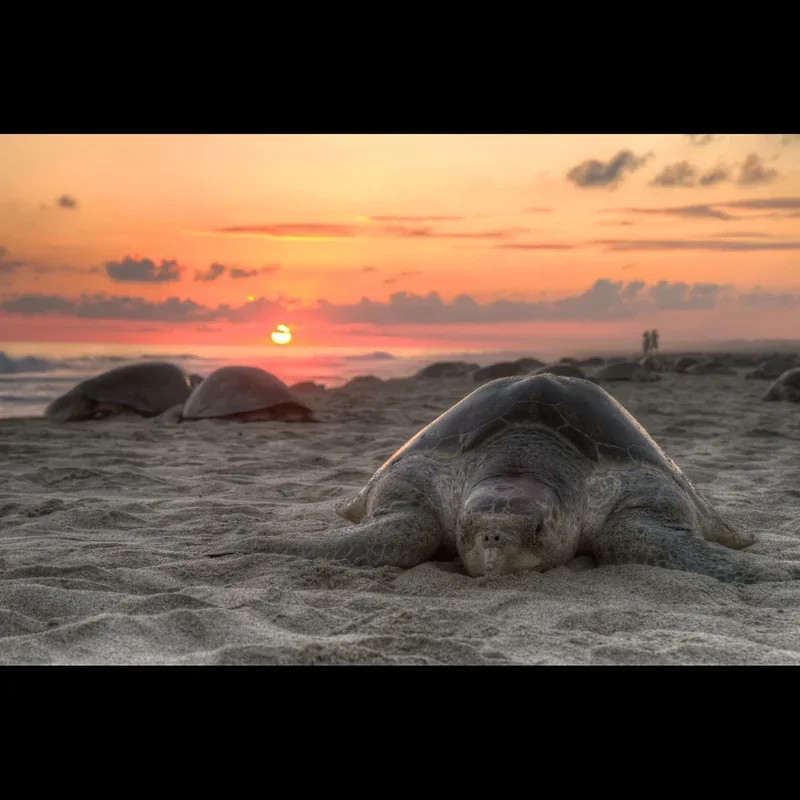
Looking into the blue, divers often spot majestic spotted eagle rays. On particularly fortunate days, encounters with sea turtles are possible, and during specific seasons, there's even a chance to see a whale shark.
Dive Sites Near Tortuga
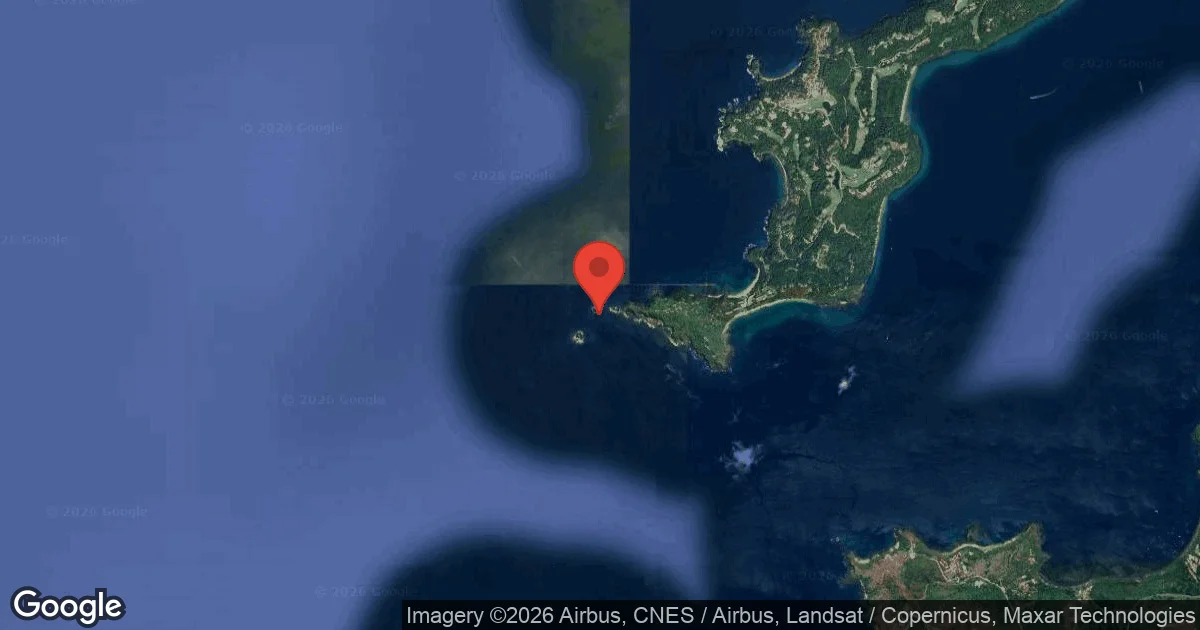
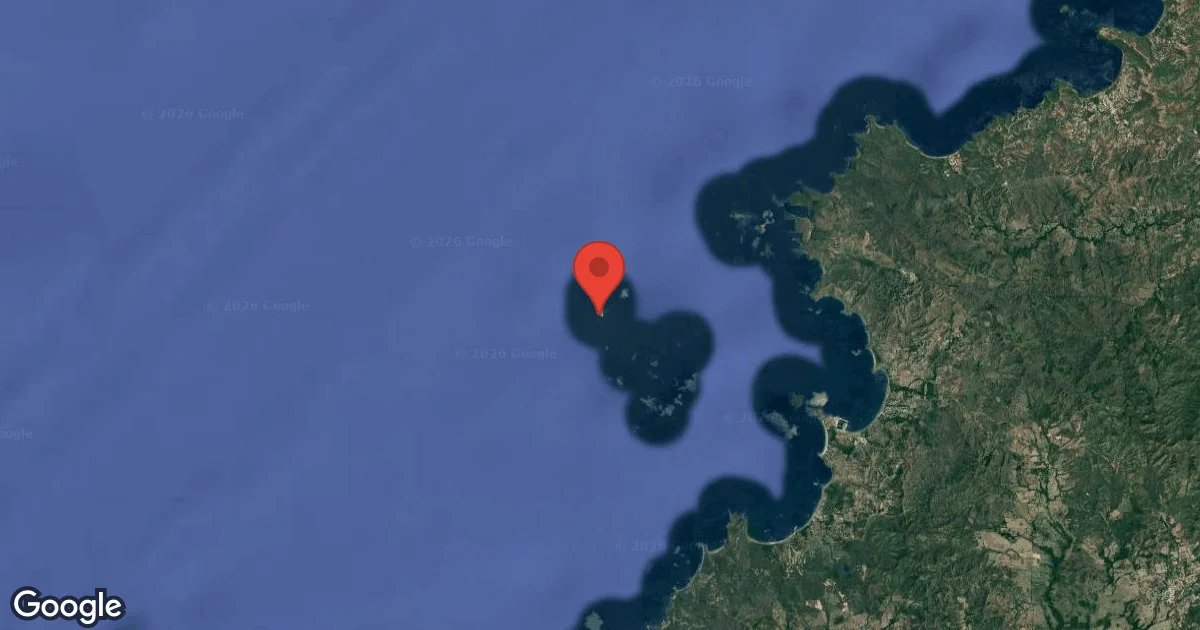
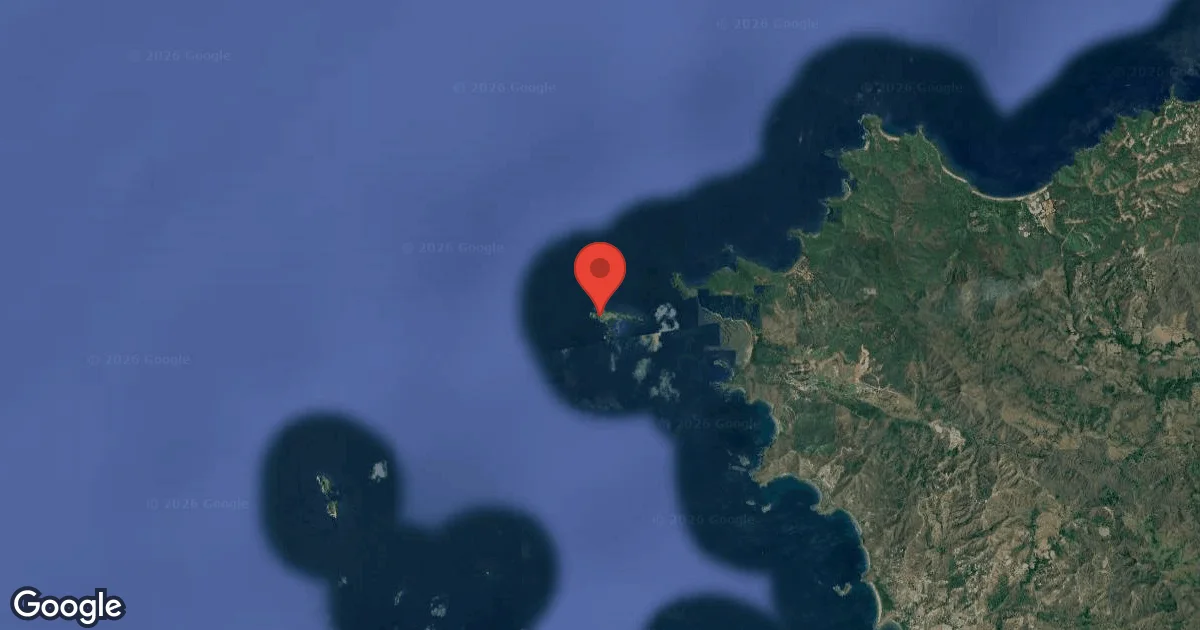
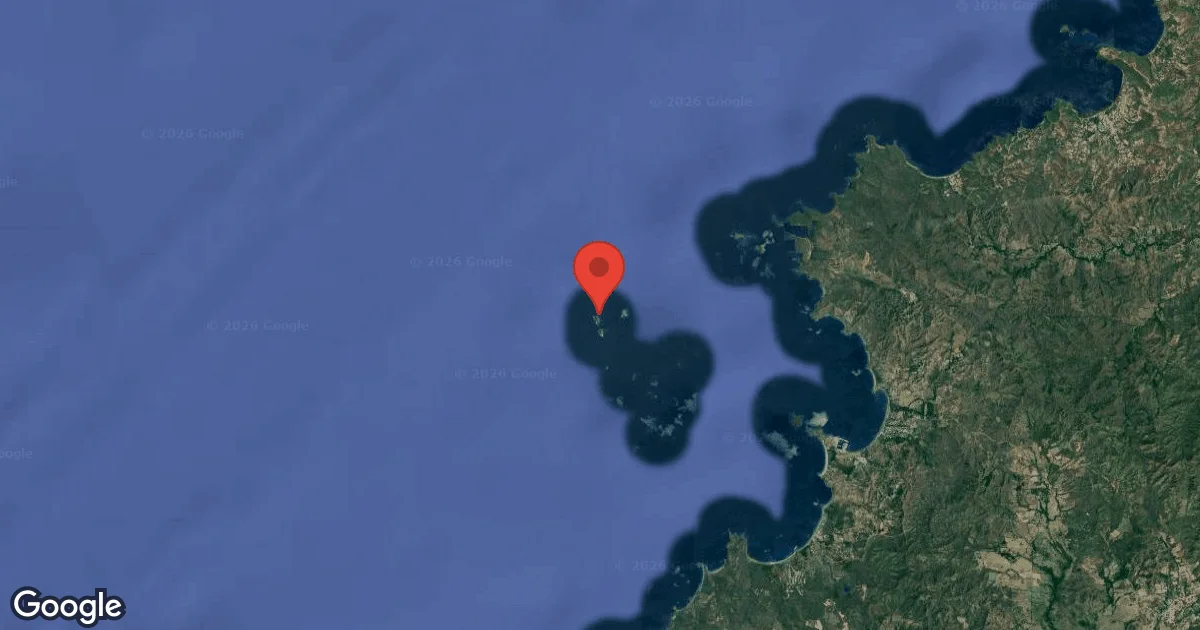
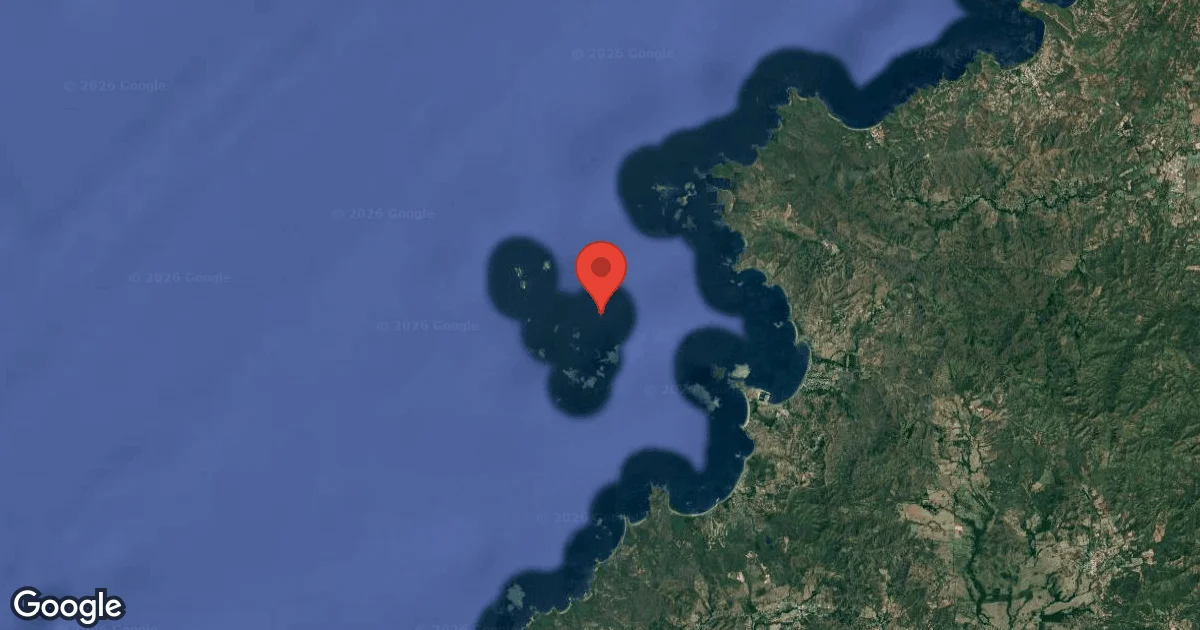
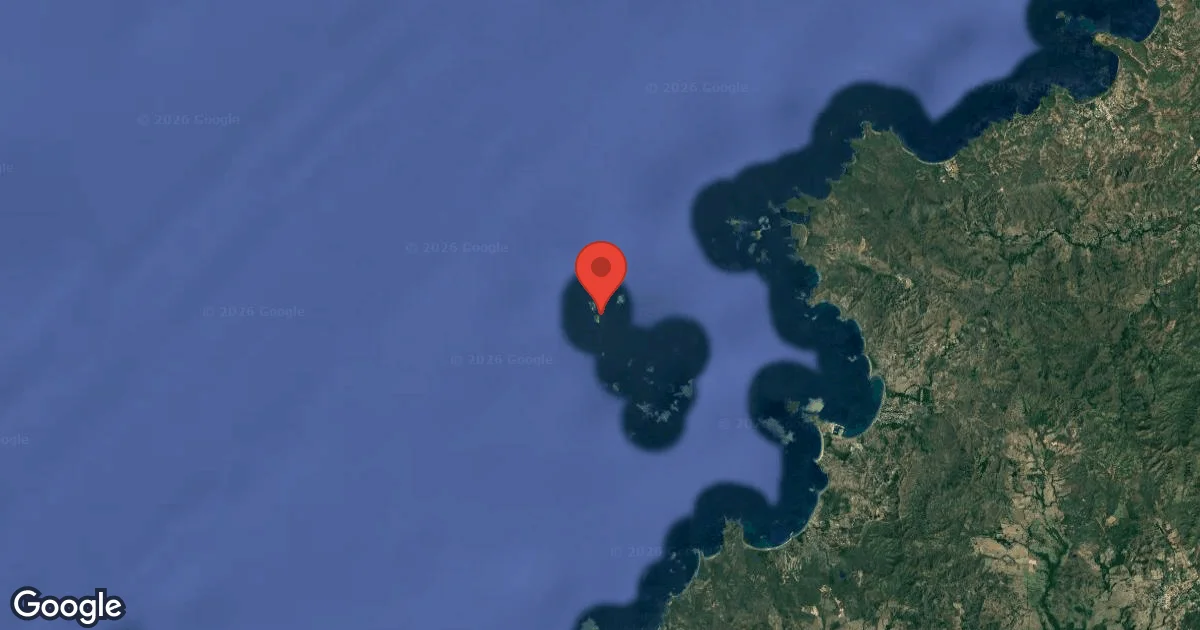
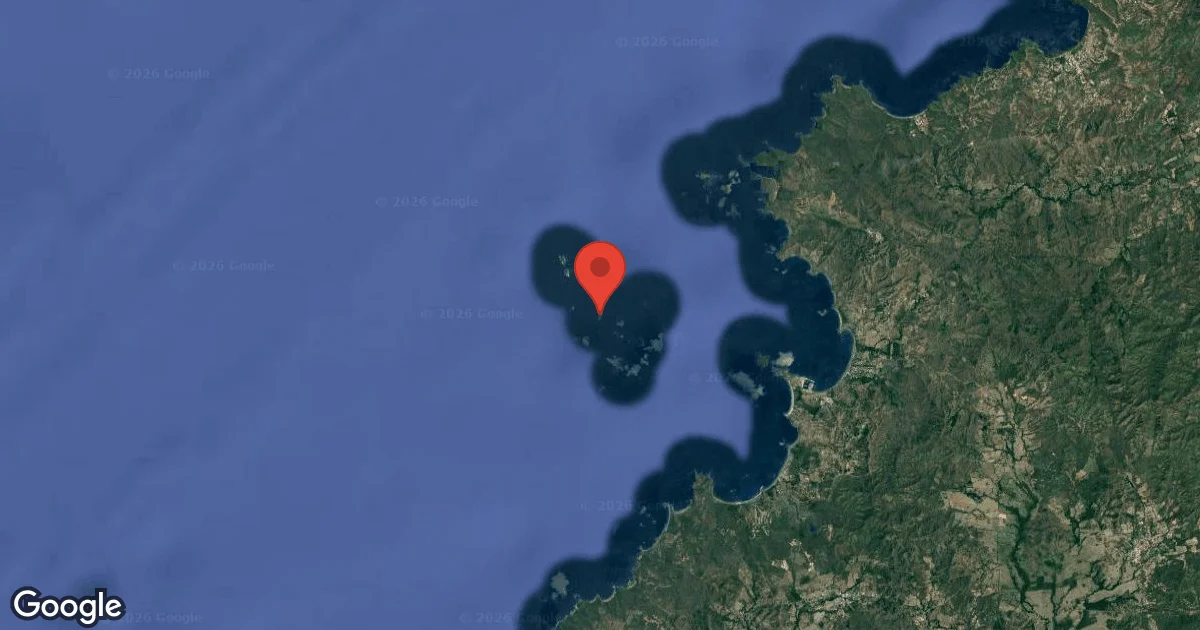
View all dive sites in Costa RicaDiscover more underwater gems in this area.
Dive Centers Near Tortuga
Today: Open 24 hours
Nearest Airports
Nearest airports to help plan travel to this dive area.
Search Flights
Check available flights and routes on Expedia, using the nearby airports listed in this section.
Search Flights on ExpediaFrequently Asked Questions
What is the typical water temperature at Tortuga Island?
The water temperature around Tortuga Island generally ranges between 24 and 26 degrees Celsius (75-79°F) throughout the year. This makes for comfortable diving conditions, although a light wetsuit is often preferred for extended dives.
What is the maximum depth for diving around Tortuga Island?
Dive sites near Tortuga Island typically feature depths ranging from 8 to 35 meters (25 to 115 feet). A commonly reported maximum depth for recreational dives here is 24 meters (78 feet).
What kind of marine life can I expect to see?
Divers often encounter white-tip reef sharks, various moray eels, puffer fish, stingrays, and spotted eagle rays. Macro life such as nudibranchs are also present on the volcanic reefs. Lucky divers may spot turtles or, seasonally, whale sharks.
Is Tortuga Island suitable for beginner divers?
Yes, Tortuga Island is suitable for various skill levels. Discover Scuba Diving programs are available for uncertified individuals, and certified divers can enjoy guided one-tank dives with all equipment provided, led by PADI-certified instructors.
How do I get to the dive sites at Tortuga Island?
Access to the dive sites around Tortuga Island is exclusively by boat. Many tours offer transportation from major hubs like San José, Jacó, or Manuel Antonio to Puntarenas, where you then board a catamaran or yacht for a cruise to the island and its dive spots.
When is the best time of year to dive at Tortuga Island?
The dry season, from December to April, often offers the best visibility due to minimal rainfall. However, good diving conditions, including clear waters and comfortable temperatures, can be found year-round, with a brief mid-rainy season dry spell in July and August.
Planning to dive Tortuga?
Send one inquiry and receive offers directly from the best verified local dive operators.
Conditions are Good
Optimal conditions expected
Current conditions near Tortuga show 28° air, 31° sea temperature, 0.8 m waves, and 23 km/h wind. Forecast data is refreshed regularly to ensure accuracy.