Loading...

Diving at Fenoliga Island (Croatia)
Published
A high-energy advanced dive off dinosaur-tracked Fenoliga Islet where strong Adriatic currents sweep a 30-meter fissured cliff holding pelagics and petrified Roman amphorae.
Current morning readings from Fenoliga Island indicate an air temperature of 15.5°C. Surface wave heights are averaging around 1.4 m at this time. These local measurements provide a baseline for your daily dive planning.
Dive Site Location & Key Facts
Site Characteristics
Max Depth30m / 98ft
Entry Typeboat
Water Typesalt
Dive Types
ArchaeologicalDriftWall
Dive Site Overview
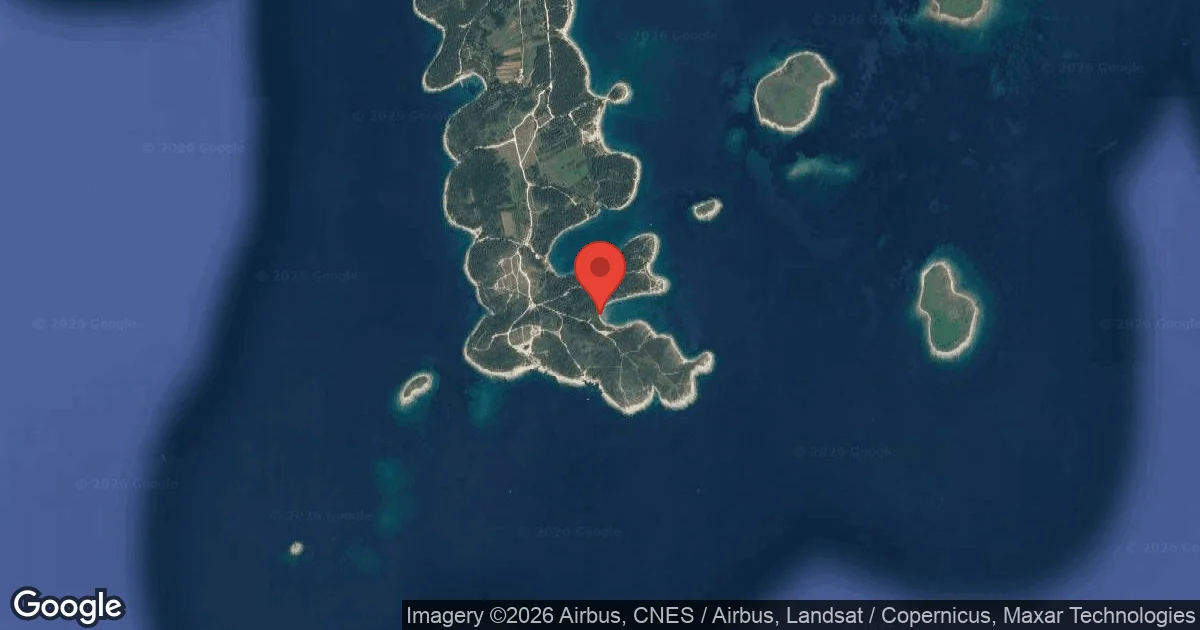
Just off the southwestern point of Lower Kamenjak, tiny uninhabited Fenoliga Island is celebrated across Europe for the more than one hundred Cretaceous sauropod and theropod dinosaur footprints preserved across its flat coastal limestone slabs. Underwater, its exposed western shoreline delivers one of southern Istria's most dynamic, current-charged reef profiles.
Unlike the gentle eastern shallows facing Porer channel, Fenoliga's western flank drops abruptly down a rugged limestone slope to 30 meters. Centuries of wave energy and karstic erosion have honeycombed this steep face with deep holes, overhangs, and narrow vertical crevices that shelter heavy-bodied crustaceans and ambush predators.
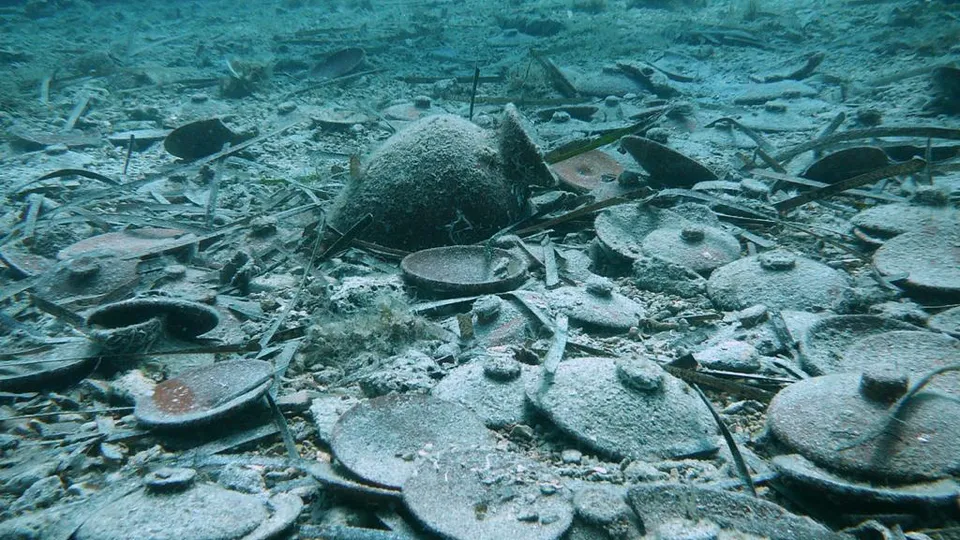
Adding historic intrigue to the geology, seasoned local dive guides know specific pockets along the reef where petrified necks and body shards of ancient Roman amphorae lie fused into the calcareous rock crust—lasting testimony to ancient vessels caught in the treacherous currents rounding Cape Kamenjak.
Fenoliga Island
Conditions are Moderate
5/10
Confidence: 8/10
Indicates meteorological model agreement and data availability.
DIVE WARNING
High Wind Advisory (47km/h). Unsafe surface.
06:12
18:45
H: 10:45
L: 16:20
Air / Sea Temp
15° / 17°
Wave Height
1.5 m
Wind Speed
47 km/h NE
Rain Chance
50%
Current conditions near Fenoliga Island show 15° air, 17° sea temperature, 1.5 m waves, and 47 km/h wind. Forecast data is refreshed regularly to ensure accuracy.
Radius: ~12km
Updated: Nov 22, 2026, 19:26 local timeMARINE: OPEN-METEOWEATHER: YR.NO
Best Time to Dive
The diving season runs from May through October, with June through September offering the highest probability of manageable sea states around the exposed Porer–Fenoliga passage. Even in midsummer, constant open-water circulation keeps visibility crisp—often 20 to 25 meters—and refreshes nutrient levels along the western drop-off.
Timing slack water and calm wind windows is critical here. Both westerly Maestral chop and southerly Jugo swells strike the western face of Fenoliga directly, while tidal exchanges around the tip of Istria can accelerate currents rapidly, so local skippers select settled mornings for deployment.
PEAK SEASON SCORE
92/100
ExcellentScores combine air & water temps, waves, wind & rainfall for overall conditions.
BEST MONTHS TO DIVE
JUN
JUL
AUG
DIVE SCORE GUIDE (0–100)
Excellent (90–100)
Very Good (80–89)
Good (70–79)
Moderate (50–69)
Poor (30–49)
Not Recommended (0–29)
Monthly records compiled from satellite and marine observation nodes over the last 3 years. Data provided by Open-Meteo and MET Norway.
Dive Experience & Conditions
Boats drop divers tightly coordinated on the upstream edge of the western slope—or anchor in the islet's calmer lee so teams can work around the shoulder into the current and drift back. Descend promptly out of surface flow to hug the boundary layer along the fractured limestone face between 12 and 30 meters, where rocky contours break the main force of the water.
A noticeable thermocline often sits around 18 to 20 meters, bringing cool 16°C water up from the surrounding channel. Streamlined hose routing, confident fin propulsion, and a bright torch let divers inspect the deep crevices and encrusted amphora fragments without fighting open-water drag.
Dive Difficulty & Safety Guidelines
Very strong currents can develop with little warning along Fenoliga's outer slope, making this site strictly off-limits to novices. Agree on drift versus return-to-anchor procedures with the boat captain before splashing, stay together as a compact buddy team, and carry a personal delayed surface marker buoy on a finger spool for immediate live-boat pickup if swept clear of the islet.
All petrified amphora shards on the reef are protected Croatian underwater cultural heritage; photograph or observe them in situ and never pry, chip, or disturb archaeological remains.
Recommended Equipment
Current and surface separation risk. Local briefing strongly recommended.
- Dive Computer
- DSMB
- Reel / Spool
This gear list is based on verified equipment signals for Fenoliga Island, Croatia. Always confirm final gear choices with your dive operator, guide, or liveaboard.
Recommended Dive Suit
Individual comfort in the water can vary significantly from diver to diver, even under the same conditions.
For most recreational dives, 5-7mm wetsuit should provide comfortable protection. Strong winds are present; please take strong precautions against rapid cooling during surface intervals. A thermal robe or jacket is recommended between dives. Surface temperatures may decrease slightly later in the week. Cooler days are ahead; you might want a warmer option for later in the week. Carrying a secondary suit is common practice among experienced divers.
Divers heading to Fenoliga Island today should expect water temperatures around 17°C (62°F). Surface air temperatures are resting at 15°C (60°F).
Fenoliga Island conditions last reviewed: 19:26 local time (UTC+1), Nov 22, 2026
Emergency & Medical Support
Essential information to help you plan your dive trip to Fenoliga Island.

Hyperbaric chambers are a critical part of dive safety infrastructure. Availability varies significantly by region, and not all dive areas have immediate access.
Before diving, it's recommended to:
- confirm nearest medical facilities
- check emergency procedures with local dive operators
- ensure dive insurance covers evacuation if required
24/7 Available
Divers Alert Network
Diving emergency assistance available through DAN Europe.
+39 0642115685- 24/7 emergency hotline
- Diving medical assistance
- Evacuation coordination
Emergency contacts are provided for reference. Always verify local emergency services before diving.
Closest Listed Hyperbaric Chambers (≤ 200 km)
Approximate straight-line distances from this dive site — emergency travel times may vary.
11 km11 kmPoliklinika za baromedicinu OXY – Podružnica Pula
Pula, Croatia+385 52 215 663Details11 kmPoliklinika za baromedicinu OXY – Podružnica Pula
Pula, Croatia · Multiplace
Hours: Mon–Fri 07:30–15:30Facility: Opća bolnica PulaICU On-Site: Not reportedSource: KBC Rijeka / Poliklinika OXYOfficial website
11 km
Poliklinika za baromedicinu OXY – Podružnica Pula
Pula, Croatia+385 52 215 663Details
11 km
Poliklinika za baromedicinu OXY – Podružnica Pula
Pula, Croatia · Multiplace
Hours: Mon–Fri 07:30–15:30
Facility: Opća bolnica Pula
ICU On-Site: Not reported
Source: KBC Rijeka / Poliklinika OXY
Official website76 km76 kmZavod za podvodnu i hiperbaričnu medicinu – KBC Rijeka
Rijeka, Croatia24/7ICU+385 51 407 435Details76 kmZavod za podvodnu i hiperbaričnu medicinu – KBC Rijeka
24/7 ListedICU CapableRijeka, Croatia · Multiplace (8 seated / 2 stretcher ICU)
Hours: 24/7 EmergencyFacility: Klinički bolnički centar Rijeka (Lokalitet Sušak)ICU On-Site: YesSource: KBC Rijeka / Poliklinika OXYOfficial website
76 km
Zavod za podvodnu i hiperbaričnu medicinu – KBC Rijeka
Rijeka, Croatia24/7ICU+385 51 407 435Details
76 km
Zavod za podvodnu i hiperbaričnu medicinu – KBC Rijeka
24/7 ListedICU CapableRijeka, Croatia · Multiplace (8 seated / 2 stretcher ICU)
Hours: 24/7 Emergency
Facility: Klinički bolnički centar Rijeka (Lokalitet Sušak)
ICU On-Site: Yes
Source: KBC Rijeka / Poliklinika OXY
Official website77 km77 kmPoliklinika za baromedicinu OXY – Poslovna jedinica Crikvenica
Crikvenica, Croatia+385 51 785 229Details77 kmPoliklinika za baromedicinu OXY – Poslovna jedinica Crikvenica
Crikvenica, Croatia · Multiplace
Hours: Mon–Fri 07:30–15:30Facility: Thalassotherapia CrikvenicaICU On-Site: Not reportedSource: KBC Rijeka / Poliklinika OXYOfficial website
77 km
Poliklinika za baromedicinu OXY – Poslovna jedinica Crikvenica
Crikvenica, Croatia+385 51 785 229Details
77 km
Poliklinika za baromedicinu OXY – Poslovna jedinica Crikvenica
Crikvenica, Croatia · Multiplace
Hours: Mon–Fri 07:30–15:30
Facility: Thalassotherapia Crikvenica
ICU On-Site: Not reported
Source: KBC Rijeka / Poliklinika OXY
Official websiteChamber data is sourced from official Croatian hospital and baromedicine facility records and has not been independently verified by Dive Navigator. Always contact local emergency services, DAN, your dive operator, or the facility directly before travelling.
Reference onlyMarine Life at Fenoliga Island
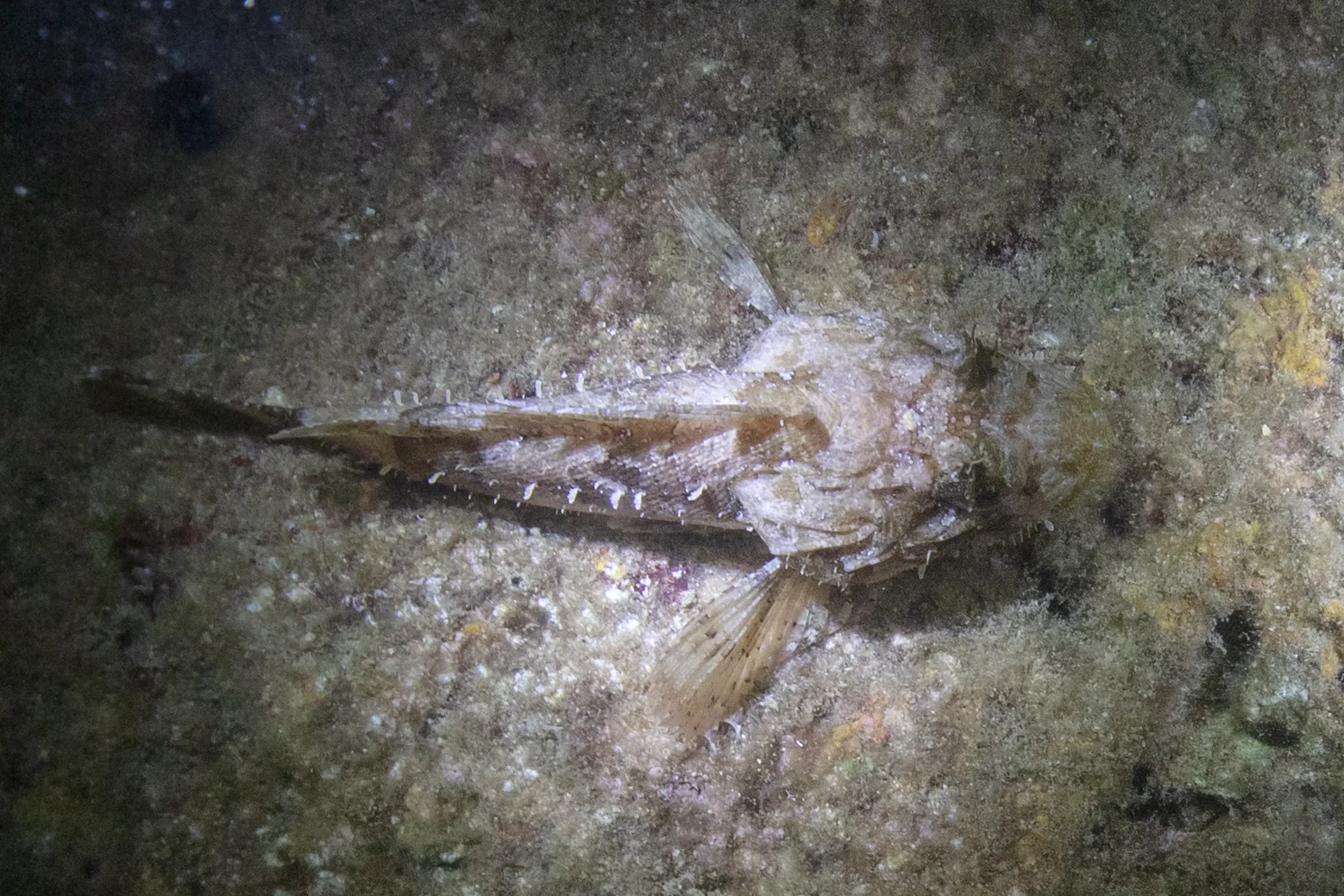
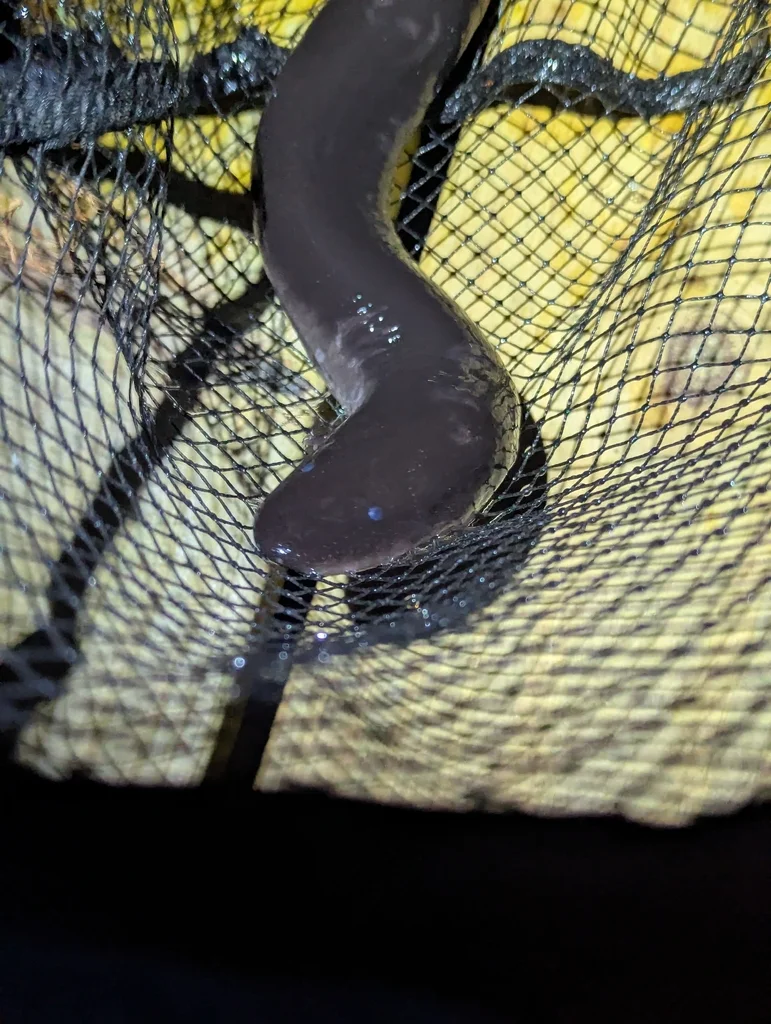
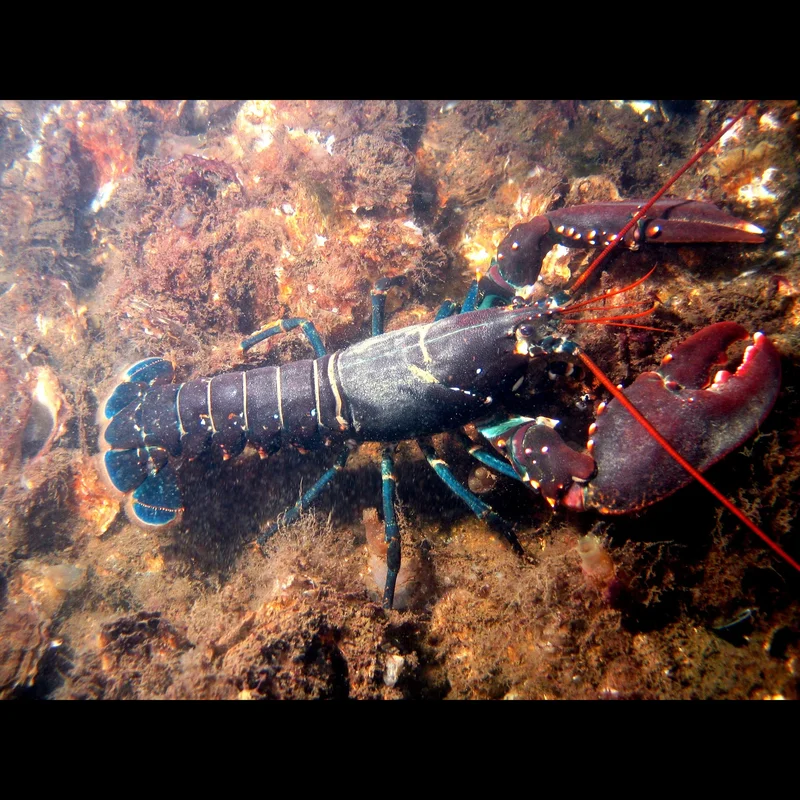
Swift, oxygenated currents turn Fenoliga's western drop-off into a magnet for both large crevice dwellers and hunting pelagics. Peering into the abundant holes between 18 and 30 meters regularly reveals European lobsters (Homarus gammarus), thick European conger eels, large red scorpionfish, and cautious dusky groupers.
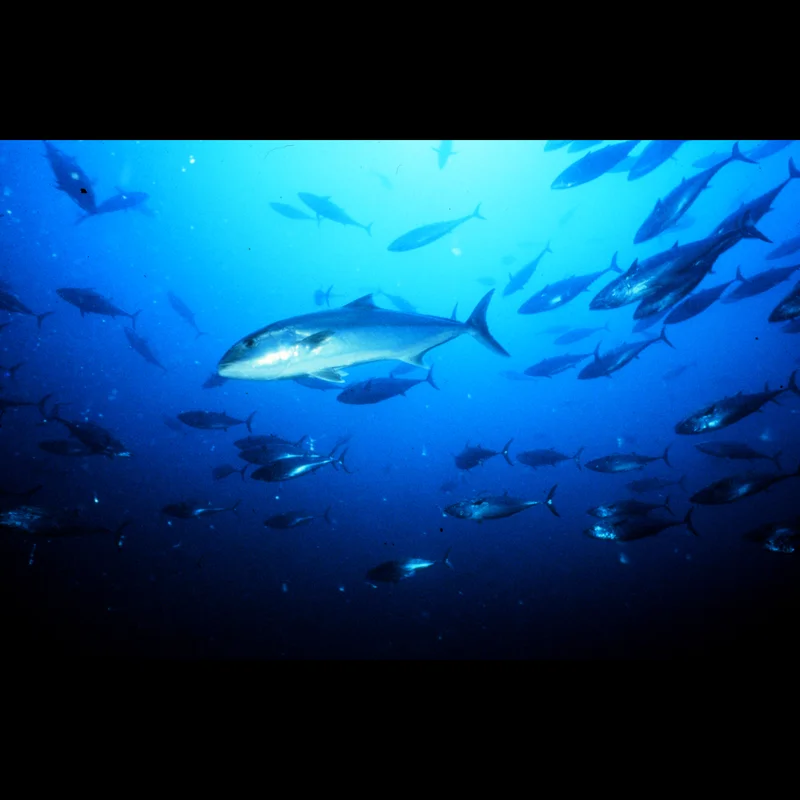
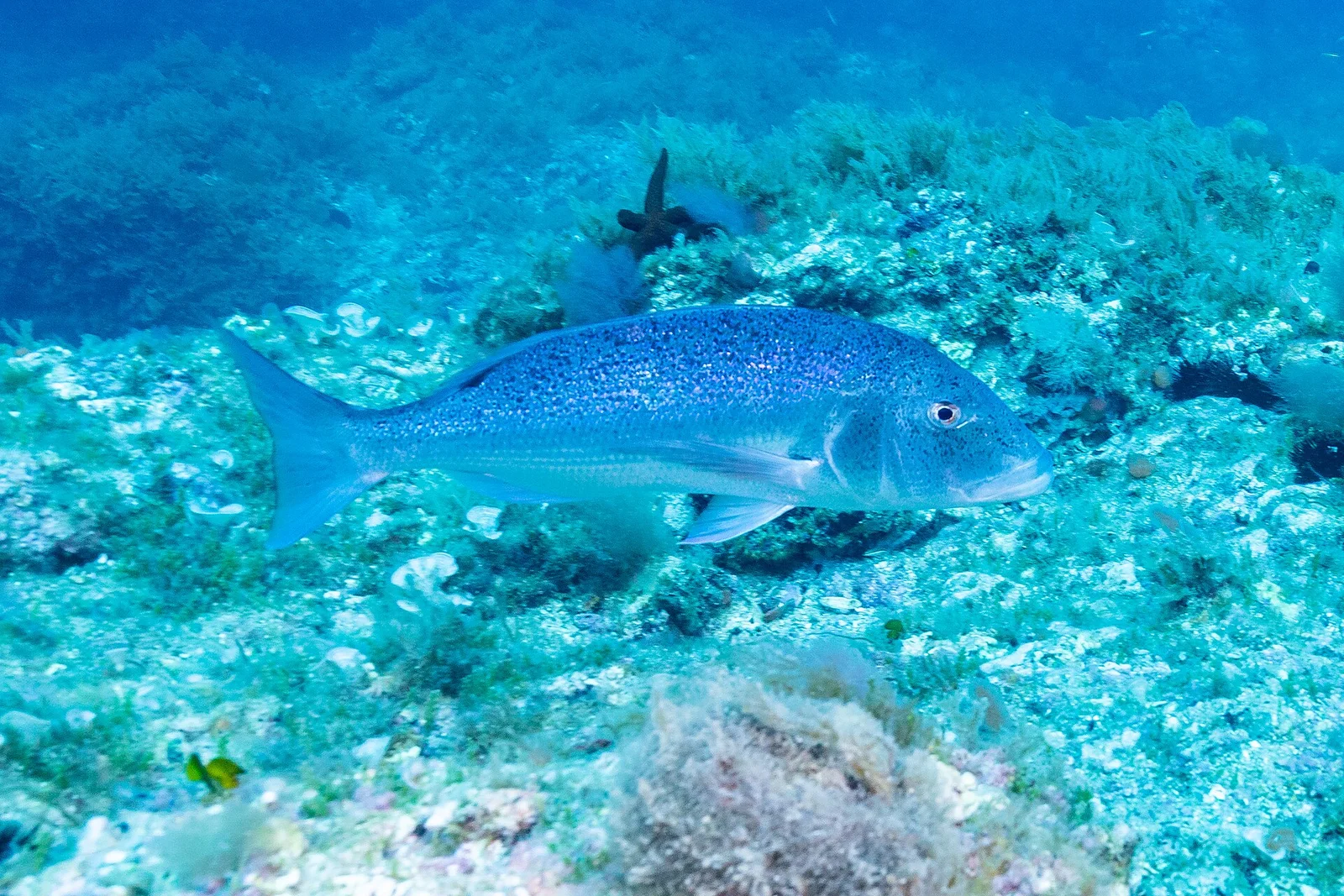
Out in the blue along the drop-off edge, dense clouds of damselfish and bogues draw slashing patrols of common dentex (Dentex dentex) and seasonal greater amberjack (Seriola dumerili), while filter-feeding sponges, yellow cluster anemones, and bryozoans thrive in the nutrient-rich flow.
1 / 2
Image contributors:Diego Delso, A. Hulbert + 1 more
Want to contribute photos or local dive knowledge? Learn how to contributeDive Sites Near Fenoliga Island
View all dive sites in CroatiaDiscover more underwater gems in this area.
Max 42 m
6 km
advancedSubmarine U-81
ArchaeologicalBoat
Max 38 m
7.2 km
advancedŠeka Levanić
BoatDown Line
Max 45 m
8.9 km
advancedTB 26 Flamingo
ArchaeologicalBoat
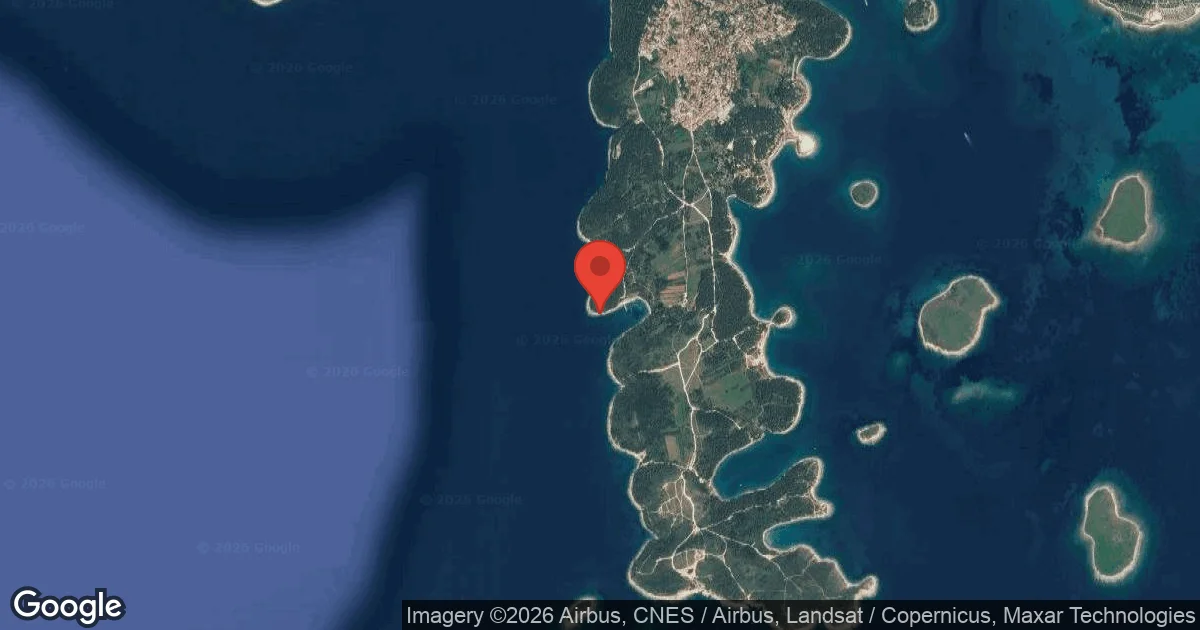
Max 38 m
1.9 km
360°intermediatePolje Cove
BoatOcean
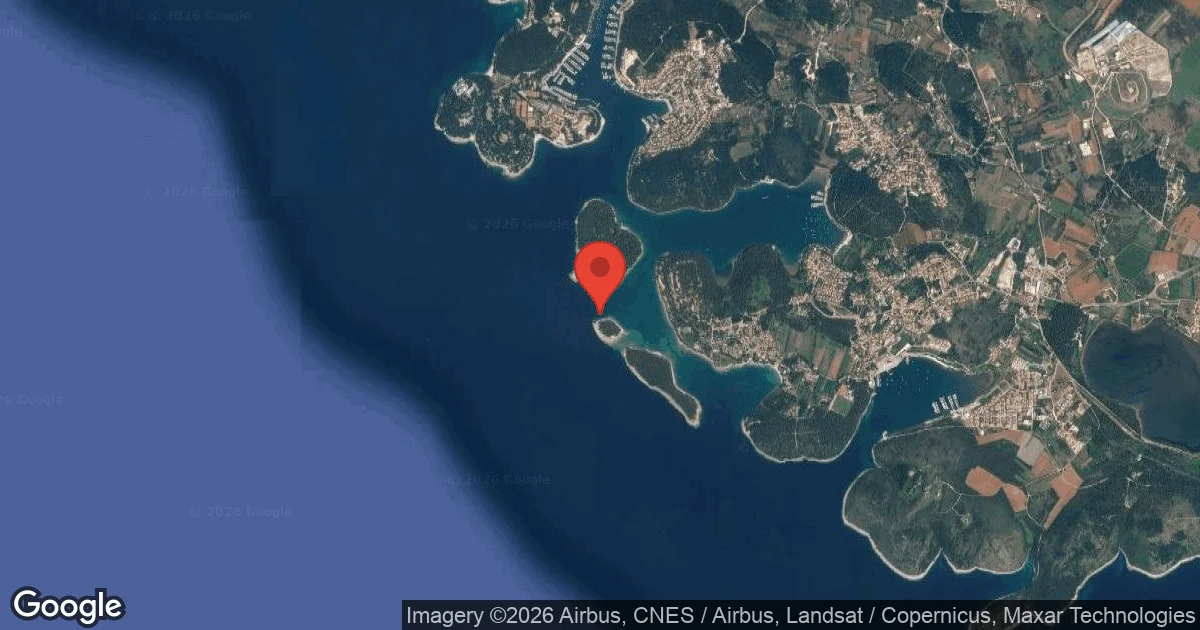
Max 35 m
7.8 km
beginnerFraškerić Island
Anchor DiveBoat
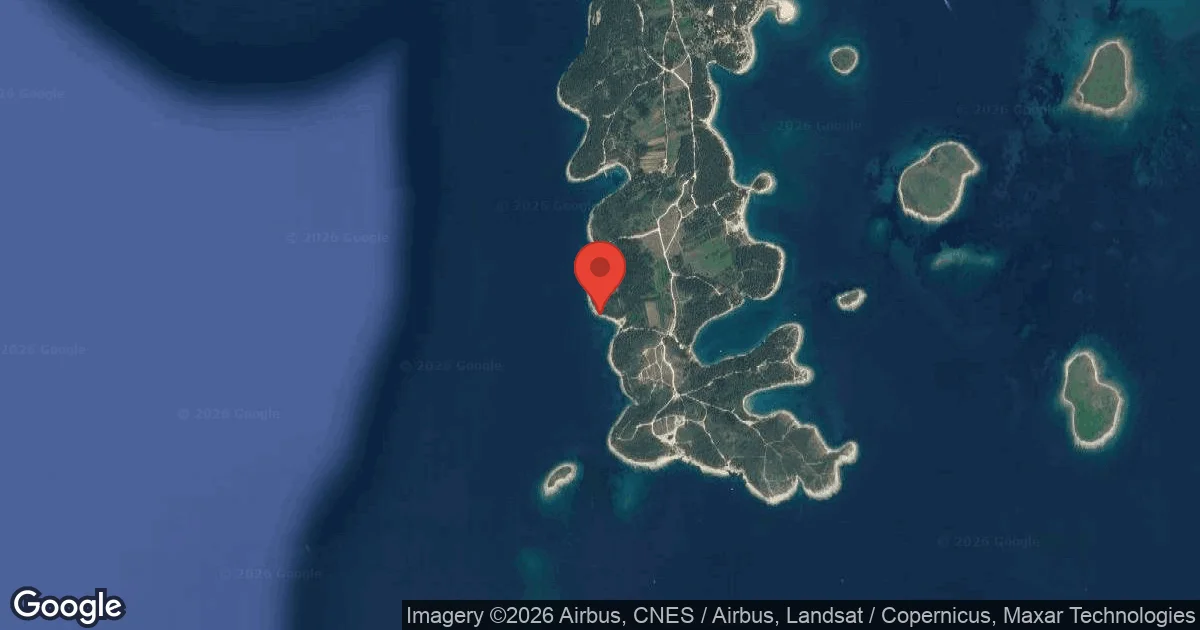
Max 20 m
1 km
360°beginnerNjive Cove
BeachBoat
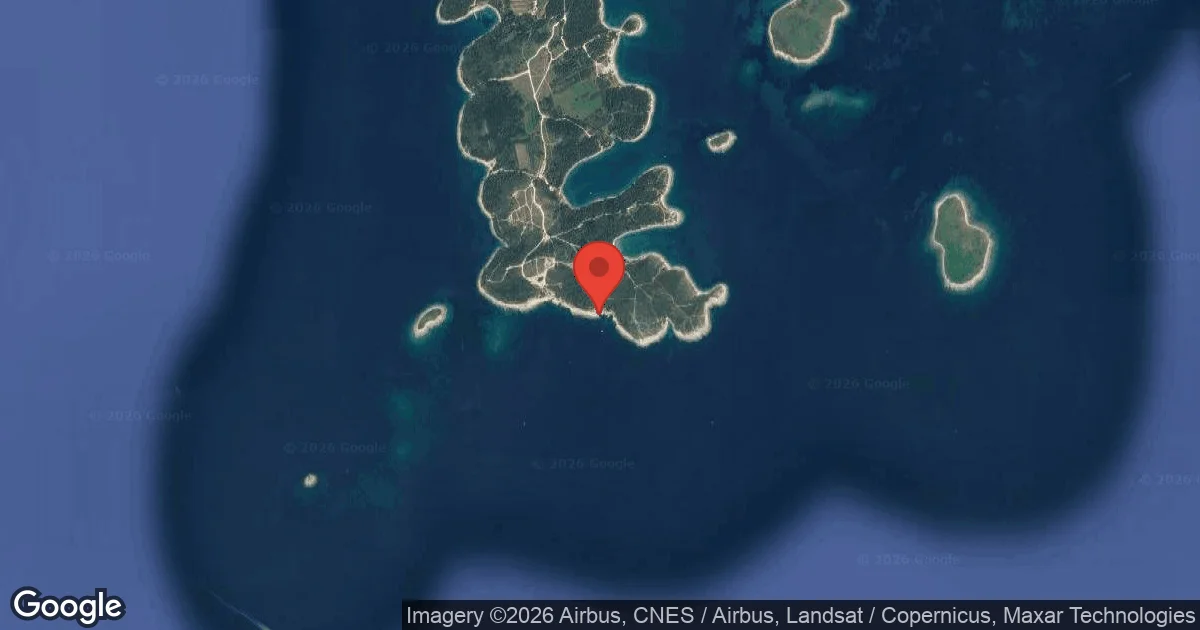
Max 18 m
1.1 km
360°beginnerVelika Kolumbarica
BoatCanyon
Max 16 m
1.3 km
360°beginnerDebeljak Cove
BeachBoat
Max 42 m
6 km
advancedSubmarine U-81
ArchaeologicalBoat
Max 38 m
7.2 km
advancedŠeka Levanić
BoatDown Line
Max 45 m
8.9 km
advancedTB 26 Flamingo
ArchaeologicalBoat
Max 38 m
1.9 km
360°intermediatePolje Cove
BoatOcean
Max 35 m
7.8 km
beginnerFraškerić Island
Anchor DiveBoat
Max 20 m
1 km
360°beginnerNjive Cove
BeachBoat
Max 18 m
1.1 km
360°beginnerVelika Kolumbarica
BoatCanyon
Max 16 m
1.3 km
360°beginnerDebeljak Cove
BeachBoat
Max 50 m
11.4 km
advancedCesare Rossarol
ArchaeologicalBoat
Max 35 m
9 km
360°beginnerVerudela Lighthouse
BoatCanyon
1 / 2
Dive Centers Near Fenoliga Island
Working Hours
Sun09:30 - 19:00
Mon09:30 - 19:00
Tue09:30 - 19:00
Wed09:30 - 19:00
Thu09:30 - 19:00
Fri09:30 - 19:00
Sat09:30 - 19:00
Today: 09:30 - 19:00
Sun09:30 - 19:00
Mon09:30 - 19:00
Tue09:30 - 19:00
Wed09:30 - 19:00
Thu09:30 - 19:00
Fri09:30 - 19:00
Sat09:30 - 19:00
4.7| 211 reviews
7.8 km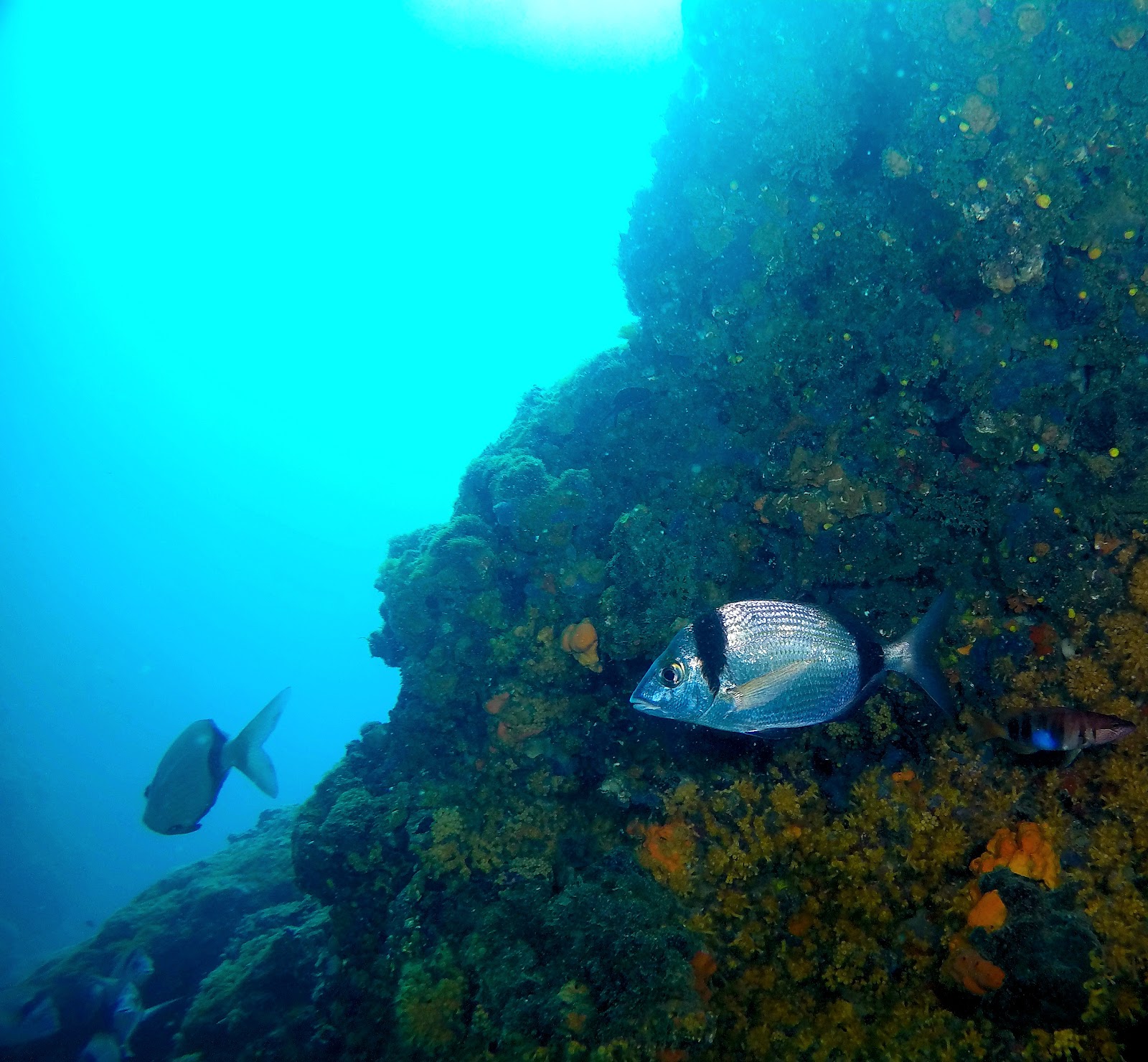
4.7| 129 reviews
9 km
4.6| 244 reviews
4.8 km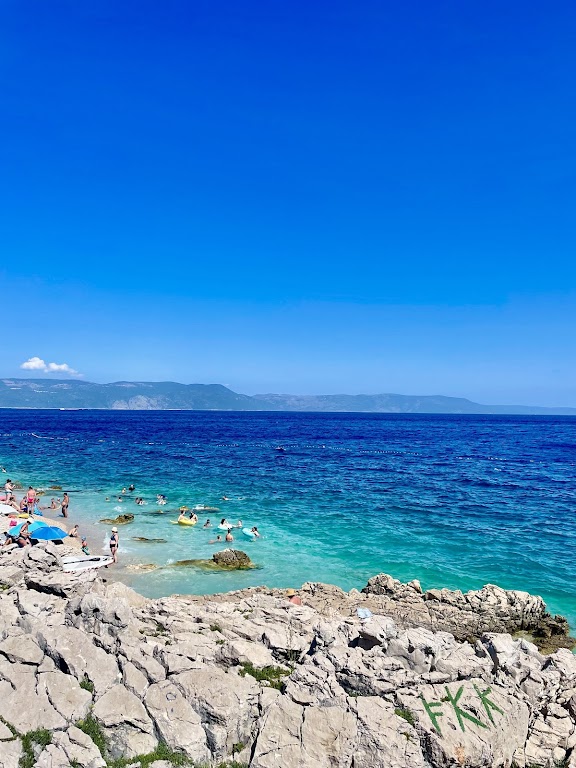
Girandella Diving Centre
4.8(231)• 40.7 km
Triton Diving
4.8(132)• 48.9 km
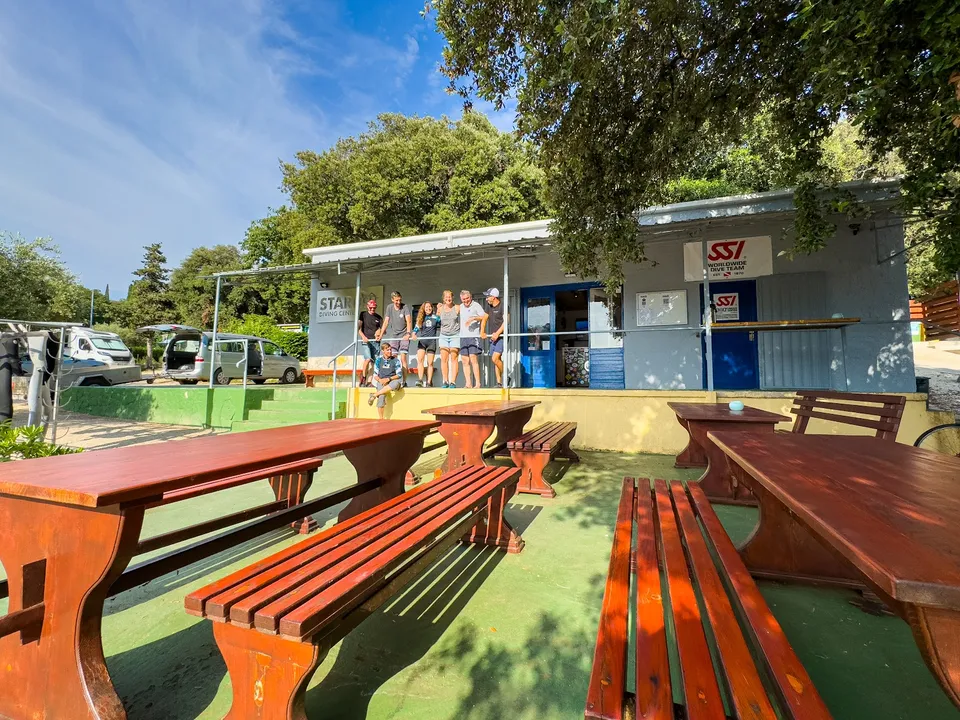
Starfish Diving Center
4.7(240)• 47.9 km
Nearest Airports
Nearest airports to help plan travel to this dive area.
Pula Airport PUY
14 km
Rijeka Airport RJK
73 km
Trieste Airport TRS
122 km
💵 Currency: EUR
Search Flights
Check available flights and routes on Expedia, using the nearby airports listed in this section.
Search Flights on ExpediaAffiliate link · Dive Navigator may earn a commission at no extra cost to you.
Frequently Asked Questions
Why is Fenoliga Island reserved for advanced divers?
The western 30-meter drop-off sits directly in the exposed current corridor off Cape Kamenjak, where strong, fast-changing currents require experienced buoyancy, gas, and drift management.
Can you see Roman amphora remains underwater at Fenoliga?
Yes. Experienced local guides can point out petrified Roman amphora fragments cemented naturally into the limestone reef—protected heritage strictly for viewing and photography.
Is this the same island famous for dinosaur footprints?
Yes. Above water, Fenoliga's flat southern limestone ledges preserve over a hundred 90-million-year-old Cretaceous dinosaur footprints, making it a geological landmark above and below the sea.
Which side of Fenoliga Island do scuba divers explore?
Scuba dives focus on the western side of the islet, where the seabed drops abruptly to 30 meters across rock faces riddled with holes and crevices.
Are pelagic fish common off Fenoliga?
Yes. Strong currents feeding baitfish schools off the western slope frequently attract hunting common dentex, amberjack, and large sea breams.
Do divers need a delayed surface marker buoy here?
Absolutely. Every diver should carry an individual delayed surface marker buoy and reel in case strong current requires an open-water live-boat ascent.
Trip Inquiry
Planning to dive Fenoliga Island?
Tell us your dates and diving needs. We'll review your request and seek offers from relevant local dive centers.
Request Dive Offers Free request for offers • No booking obligation
Fenoliga Island
Conditions are Moderate
5/10
Confidence: 8/10
Indicates meteorological model agreement and data availability.
DIVE WARNING
High Wind Advisory (47km/h). Unsafe surface.
06:12
18:45
H: 10:45
L: 16:20
Air / Sea Temp
15° / 17°
Wave Height
1.5 m
Wind Speed
47 km/h NE
Rain Chance
50%
Current conditions near Fenoliga Island show 15° air, 17° sea temperature, 1.5 m waves, and 47 km/h wind. Forecast data is refreshed regularly to ensure accuracy.
Radius: ~12km
Updated: Nov 22, 2026, 19:26 local timeMARINE: OPEN-METEOWEATHER: YR.NO


