Loading...

Diving at Mrkan Island (Croatia)
Published
Last updated
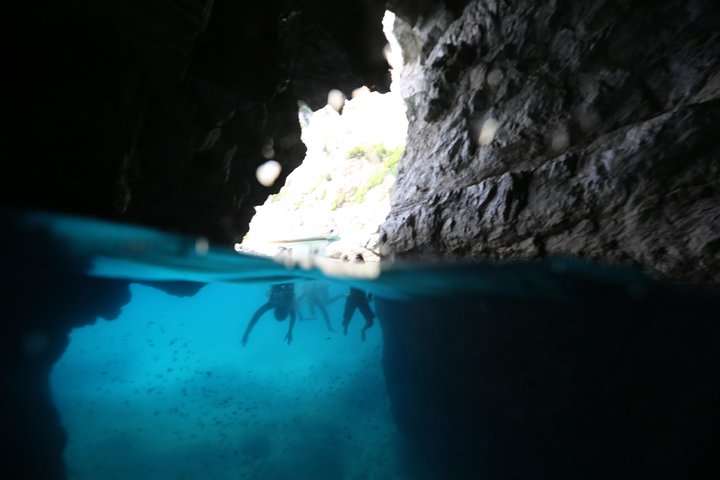
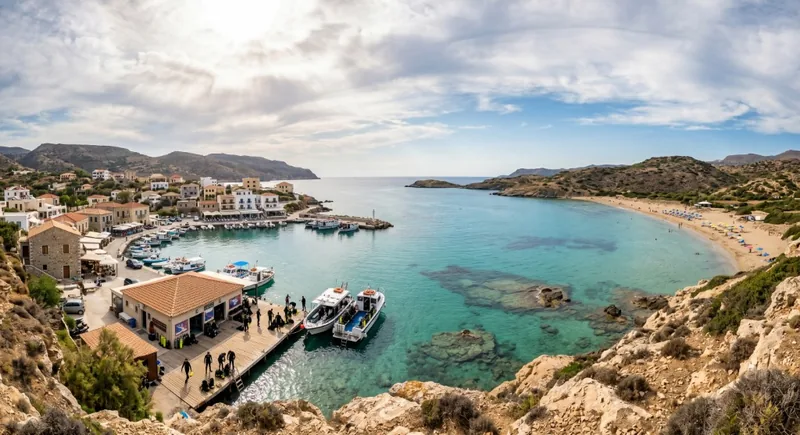
Rising 65 m / 213 ft above the South Adriatic 20 minutes by boat southwest of Cavtat harbor, Mrkan Island is the largest island of the Cavtat archipelago and the historic site where Dubrovnik enacted the world's first statutory thirty-day plague quarantine in 1377. Underwater, its broad limestone coast splits into two distinct worlds: a current-sheltered 7 to 20 m / 23 to 66 ft rocky and seagrass plateau ideal for Open Water divers, and a steep southwestern cliff plunging from 10 m / 33 ft past 40 m / 131 ft. Down at 38 m / 125 ft along that outer gorgonian wall, a narrow rock fissure leads 10 m / 33 ft inside the cliff to a pitch-dark cave chamber big enough for fifteen divers and carpeted with translucent cave shrimp. Protected since 1975 as a Special Ornithological Reserve and inside a Natura 2000 marine zone detailed in the Konavle Marine Management Plan, Mrkan pairs gentle reef cruising with demanding deep-wall exploration.
Current morning readings from Mrkan Island indicate an air temperature of 15°C. Surface wave heights are averaging around 1.1 m at this time. These local measurements provide a baseline for your daily dive planning.
Dive Site Location & Key Facts
Site Characteristics
Max Depth40m / 131ft
Entry Typeboat
Water Typesalt
Dive Types
CaveReefWall
Dive Site Overview
Spanning 0.197 sq km / 48.7 acres with 3,262 m / 10,702 ft of indented Upper Cretaceous limestone shoreline profiled in the Official Encyclopedia of Croatia and Geoadria's Adriatic island survey, Mrkan Island anchors the southern end of the Cavtat archipelago and marks an official straight baseline point of Croatia's territorial sea under Croatia's Maritime Code. Dense Mediterranean macchia hosting 179 vascular plant taxa recorded in Acta Botanica Croatica surrounds the hilltop ruins of eleventh-century Benedictine St. Michael's Monastery, while on 27 July 1377 the Great Council of Ragusa designated Mrkan for history's first state-mandated thirty-day maritime plague isolation documented in Croatian medical-history archives and by Dubrovnik Museums.
Beneath the waves, Mrkan's 3.26 km / 2 mi perimeter explains why dive catalogs list a gentle 7 to 20 m / 23 to 66 ft depth range on summary cards while describing a deep 40 m / 131 ft wall and cave in the site narrative. Along the sheltered sublittoral terrace, sunlit limestone boulders alternate with healthy Neptune grass meadows between 7 and 20 m / 23 and 66 ft out of the main channel current.
Further offshore along the southwestern cliff, a shallow 10 m / 33 ft rock shoulder breaks into a sheer vertical escarpment descending to Croatia's 40 m / 131 ft recreational limit and beyond, draped in yellow and red sea fans mapped in the Konavle Marine Management Plan. Cut into the cliff face at 38 m / 125 ft sits a narrow rock crevice whose floor holds fine silt, opening after a 10 m / 33 ft entry corridor into a dark interior cavern chamber spacious enough to hold fifteen divers.
Designated since 1975 as a Special Ornithological Reserve overseen by the Dubrovnik-Neretva County Nature Protection Institution and surrounded by Natura 2000 marine site HR3000170, the island prohibits landing ashore near nesting yellow-legged gulls. Wider Cavtat archipelago waters also contain more than 1,800 cataloged ancient amphorae and Roman storage jars documented in the Municipality of Konavle Spatial Plan, all strictly protected on the seabed under Croatian heritage law.
Mrkan Island
Conditions are Poor
3/10
Confidence: 8/10
Indicates meteorological model agreement and data availability.
DIVE WARNING
High Wind Advisory (49km/h). Unsafe surface.
06:12
18:45
H: 10:45
L: 16:20
Air / Sea Temp
15° / 19°
Wave Height
1.9 m
Wind Speed
49 km/h N
Rain Chance
100%
Current conditions near Mrkan Island show 15° air, 19° sea temperature, 1.9 m waves, and 49 km/h wind. Forecast data is refreshed regularly to ensure accuracy.
Radius: ~12km
Updated: Nov 22, 2026, 17:37 local timeMARINE: OPEN-METEOWEATHER: YR.NO
Best Time to Dive
May through October brings the calmest seas and brightest underwater light to Mrkan Island, with the island's 65 m / 213 ft ridge shielding leeward moorings better than smaller neighboring rocks. Regional climate data in the Dubrovnik meteorological normals and the Konavle Marine Management Plan pair sunny summer skies with surface water warming from 18°C / 64°F in May to 22 to 26°C / 72 to 79°F in July and August per Croatian Meteorological Service sea reports. Below a pronounced summer thermocline at 18 to 20 m / 59 to 66 ft, water along the 38 m / 125 ft cave entrance and lower gorgonian wall stays cool at 14 to 16°C / 57 to 61°F all summer. Boat crews keep noise low under the cliffs from April through June while yellow-legged gulls raise chicks on shore, and morning departures in July and August beat afternoon northwesterly breezes. September and early October deliver warm shallow reef profiles down to 20 m / 66 ft and 30 m / 98 ft clarity before November through March southeasterly gales bring 3 m / 10 ft open-sea swells against the southwestern cliffs.
PEAK SEASON SCORE
93/100
ExcellentScores combine air & water temps, waves, wind & rainfall for overall conditions.
BEST MONTHS TO DIVE
JUN
JUL
AUG
DIVE SCORE GUIDE (0–100)
Excellent (90–100)
Very Good (80–89)
Good (70–79)
Moderate (50–69)
Poor (30–49)
Not Recommended (0–29)
Monthly records compiled from satellite and marine observation nodes over the last 3 years. Data provided by Open-Meteo and MET Norway.
Dive Experience & Conditions
Departing Cavtat harbor for a 20-minute boat ride of roughly 1.8 nautical miles / 3.3 km, dive boats moor in calm turquoise water over Mrkan's current-sheltered sublittoral terrace. Open Water teams descend smoothly onto sunlit boulders and undulating Neptune grass meadows between 7 and 20 m / 23 and 66 ft, enjoying relaxed trim and minimal current of 0 to 0.5 knots. Clear offshore South Adriatic water provides horizontal visibility of 20 to 30 m / 66 to 98 ft, occasionally reaching 50 m / 164 ft on calm days noted by the Croatian National Tourist Board. Experienced deep-certified groups swim over the 10 m / 33 ft cliff sill and drop down the vertical southwestern wall across the 18 m / 59 ft thermocline, passing vibrant yellow and red gorgonian fans down to 38 to 40 m / 125 to 131 ft. Overhead-qualified divers who enter the narrow 38 m / 125 ft fissure glide high above the silty floor along a 10 m / 33 ft passage into a silent, pitch-dark chamber where torch beams sparkle across thousands of tiny cave shrimp on the walls. Because the chamber sits right near 40 m / 131 ft, bottom time inside lasts only a couple of minutes before teams exit cleanly into cobalt blue water and work slowly back up the 20 to 7 m / 66 to 23 ft terrace for a long safety stop.
Dive Difficulty & Safety Guidelines
Mrkan Island requires strict adherence to depth and overhead limits tailored to each group: Open Water divers stay exclusively on the sheltered 7 to 20 m / 23 to 66 ft boulder and seagrass plateau, Advanced Open Water divers with Deep specialty training explore the open exterior gorgonian wall down to Croatia's statutory 40 m / 131 ft compressed-air ceiling under Article 9 of Croatia's Underwater Activities Regulation, and entering the pitch-dark 38 m / 125 ft cave is reserved strictly for cave- or overhead-trained divers. As emphasized by the Croatian National Tourist Board cave and lighting safety rules, combining a tight 10 m / 33 ft rock corridor, total darkness, nitrogen narcosis at 38 m / 125 ft, and fine floor silt leaves zero margin for poor buoyancy or single-torch failure. Authorized overhead teams carry redundant primary and backup lights, run a continuous guideline if penetrating beyond direct sight of the blue exit, use tiny elevated frog kicks so silt never blinds the narrow exit slot, and track no-decompression time conservatively.
Above water, stepping onto Mrkan Island is strictly prohibited under the 1975 Special Ornithological Reserve designation managed by the Dubrovnik-Neretva County Nature Protection Institution, and touching any ancient amphora or ceramic relic on the seabed violates Croatia's Cultural Heritage Protection Act and underwater heritage rules. Divers also maintain careful hands-off trim around venomous red scorpionfish and bearded fireworms described on the Croatian National Tourist Board dangerous species page, carrying a delayed surface marker buoy for safe boat pickups. In any diving emergency, 24-hour maritime coordination via MRCC 195 links fast boat transit into Cavtat with hospital care at the Emergency Admission Department of General Hospital Dubrovnik and recompression at the Naval Medical Institute in Split.
Recommended Equipment
Deep dive hazard. Increased narcosis and gas consumption risk.
Overhead environment. Do not enter beyond training and gas planning limits.
- Dive Computer
- DSMB
- Primary & Backup Lights
- Reel / Spool
- Cutting Tool
This gear list is based on verified equipment signals for Mrkan Island, Croatia. Always confirm final gear choices with your dive operator, guide, or liveaboard.
Recommended Dive Suit
Subtle variations in currents or depth can sometimes influence perceived water temperature.
5mm wetsuit tends to perform well in water temperatures like those currently observed here. Consider warmer surface protection (like a boat coat) due to brisk winds. A thermal robe or jacket is recommended between dives. Short-term weather patterns suggest stable conditions for divers visiting the area.
Divers heading to Mrkan Island today should expect water temperatures around 19°C (67°F). Surface air temperatures are resting at 15°C (59°F).
Mrkan Island conditions last reviewed: 17:37 local time (UTC+1), Nov 22, 2026
Emergency & Medical Support
Essential information to help you plan your dive trip to Mrkan Island.

Hyperbaric chambers are a critical part of dive safety infrastructure. Availability varies significantly by region, and not all dive areas have immediate access.
Before diving, it's recommended to:
- confirm nearest medical facilities
- check emergency procedures with local dive operators
- ensure dive insurance covers evacuation if required
24/7 Available
Divers Alert Network
Diving emergency assistance available through DAN Europe.
+39 0642115685- 24/7 emergency hotline
- Diving medical assistance
- Evacuation coordination
Emergency contacts are provided for reference. Always verify local emergency services before diving.
Closest Listed Hyperbaric Chambers (≤ 200 km)
Approximate straight-line distances from this dive site — emergency travel times may vary.
175 km175 kmZavod za pomorsku medicinu Split – Odjel za podvodnu i hiperbaričnu medicinu
Split, Croatia24/7ICU194Details175 kmZavod za pomorsku medicinu Split – Odjel za podvodnu i hiperbaričnu medicinu
24/7 ListedICU CapableSplit, Croatia · Multiplace
24/7 Emergency194CollapseHours: 24/7 EmergencyFacility: Zavod za pomorsku medicinu / KBC Split (Križine)ICU On-Site: YesSource: KBC Rijeka / Poliklinika OXY
175 km
Zavod za pomorsku medicinu Split – Odjel za podvodnu i hiperbaričnu medicinu
Split, Croatia24/7ICU194Details
175 km
Zavod za pomorsku medicinu Split – Odjel za podvodnu i hiperbaričnu medicinu
24/7 ListedICU CapableSplit, Croatia · Multiplace
24/7 Emergency194
CollapseHours: 24/7 Emergency
Facility: Zavod za pomorsku medicinu / KBC Split (Križine)
ICU On-Site: Yes
Source: KBC Rijeka / Poliklinika OXY
Chamber data is sourced from official Croatian hospital and baromedicine facility records and has not been independently verified by Dive Navigator. Always contact local emergency services, DAN, your dive operator, or the facility directly before travelling.
Reference onlyMarine Life at Mrkan Island
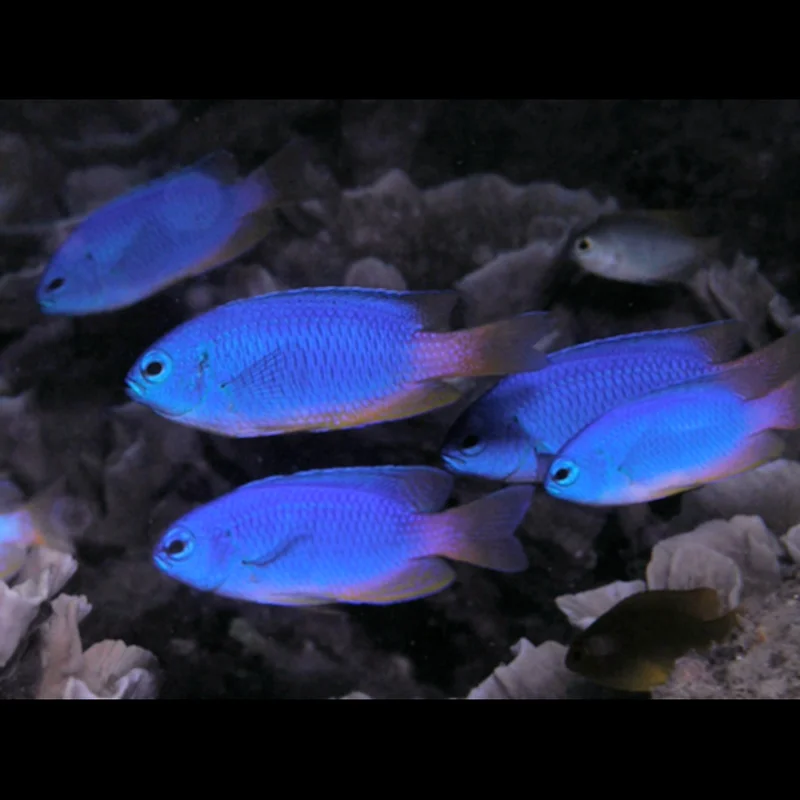
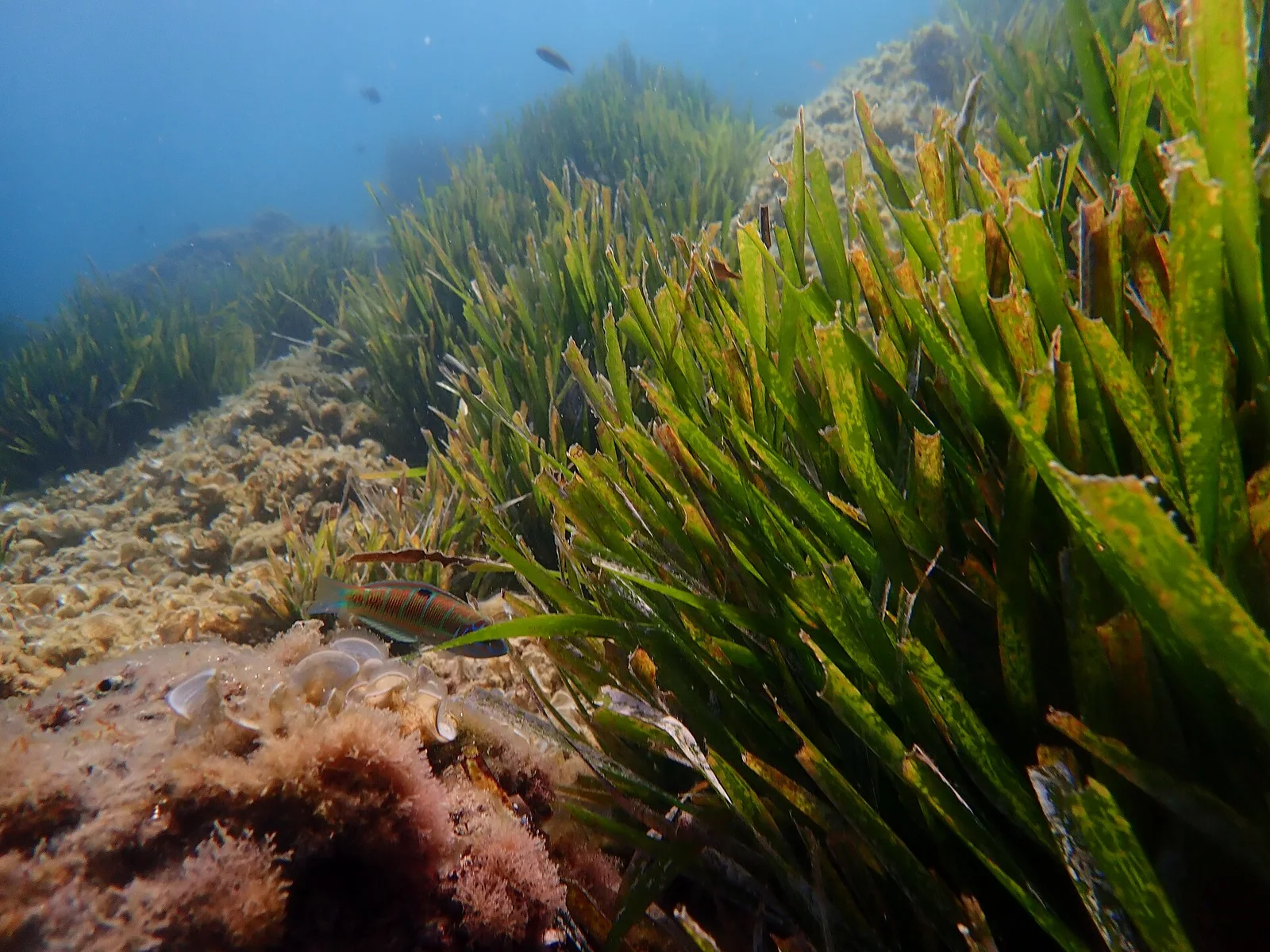
Across the sunlit 7 to 20 m / 23 to 66 ft plateau surveyed in the Konavle Marine Management Plan, boulders coated in fan-shaped peacock's tail algae border lush Neptune grass beds where conservation biologists also monitor surviving noble pen shells. Schools of damselfish, Mediterranean parrotfish, rainbow wrasse, and white seabream swim above rocky crevices hiding red scorpionfish, common octopuses, violet sea urchins, and brightly bristled bearded fireworms.
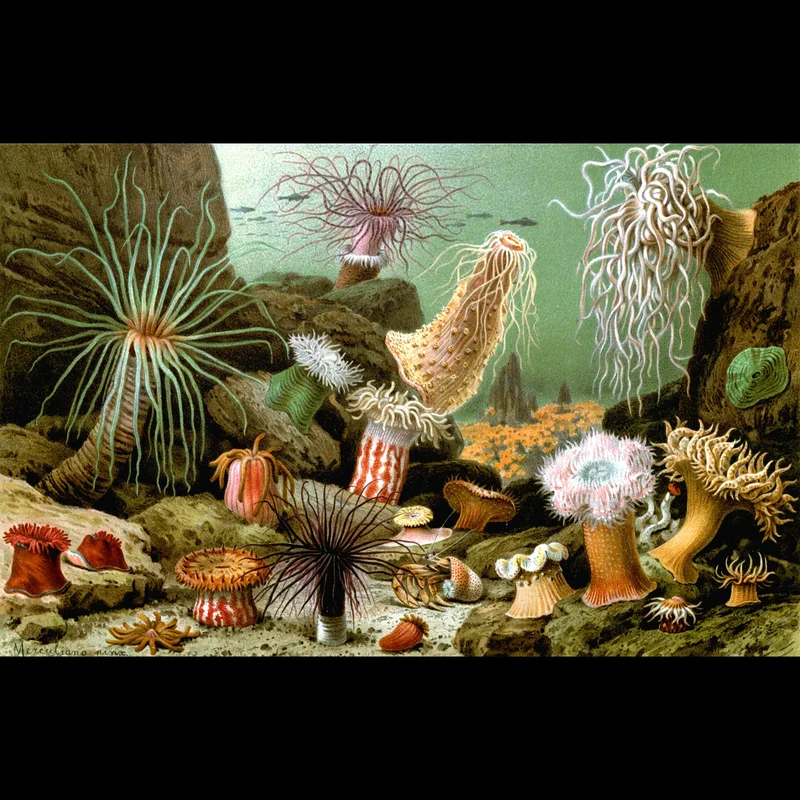
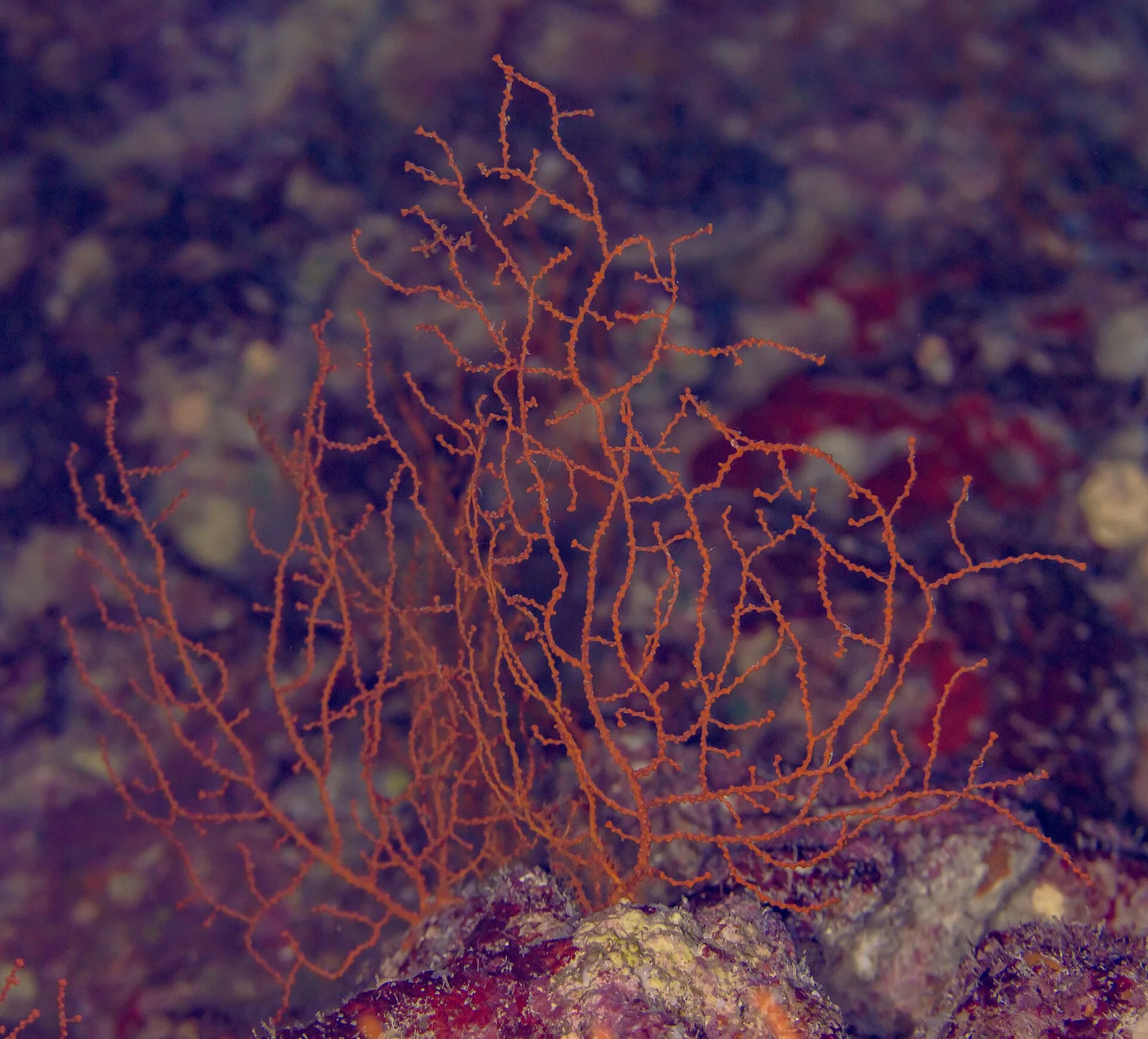
Dropping down the shaded southwestern cliff from 22 to 40 m / 72 to 131 ft, coralligenous habitats described in the Croatian Marine Habitats Manual and the Dubrovnik-Neretva County marine report feature yellow gorgonians, red sea fans, and yellow cluster anemones. Inside the dark 38 m / 125 ft cave chamber, dense swarms of translucent cave shrimp blanket the limestone walls alongside nocturnal European spiny lobsters and conger eels.

1 / 2
Image contributors:Diego Delso, Giacomo Merculiano + 3 more
Want to contribute photos or local dive knowledge? Learn how to contributeDive Sites Near Mrkan Island
View all dive sites in CroatiaDiscover more underwater gems in this area.
Max 50 m
1 km
Mrkanjac Reef
BoatDrift
Max 80 m
1.9 km
Bobara Islet
BoatCanyon
Max 35 m
8.3 km
Tomislav Wreck
BoatOcean
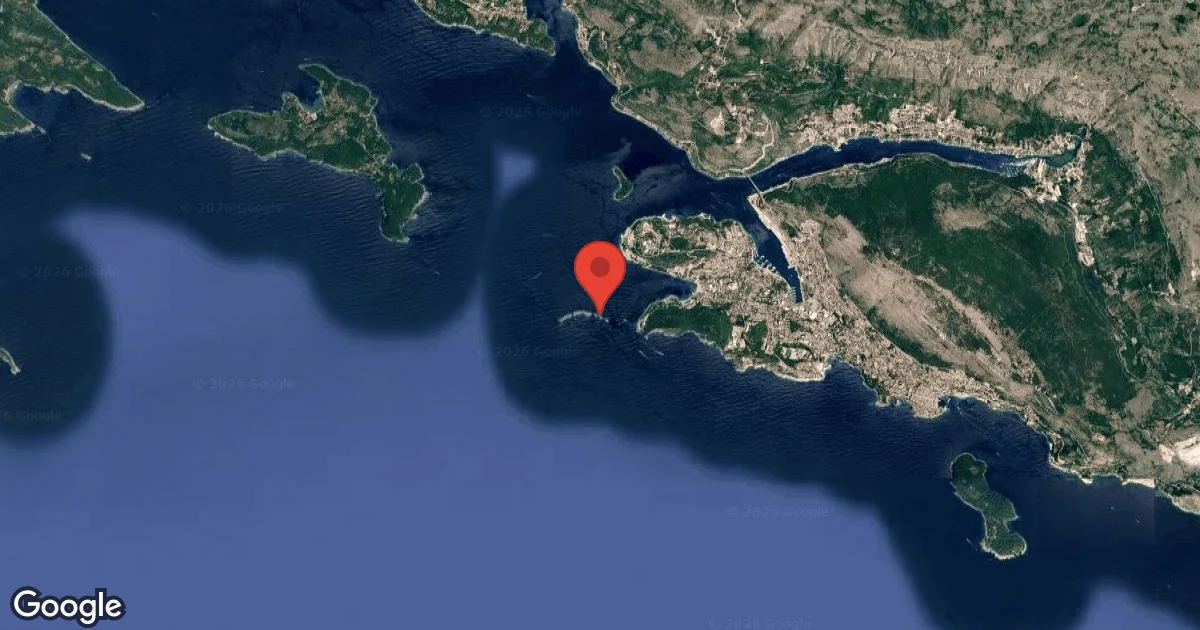
Max 40 m
14.2 km
Grebeni Islets
BoatCanyon
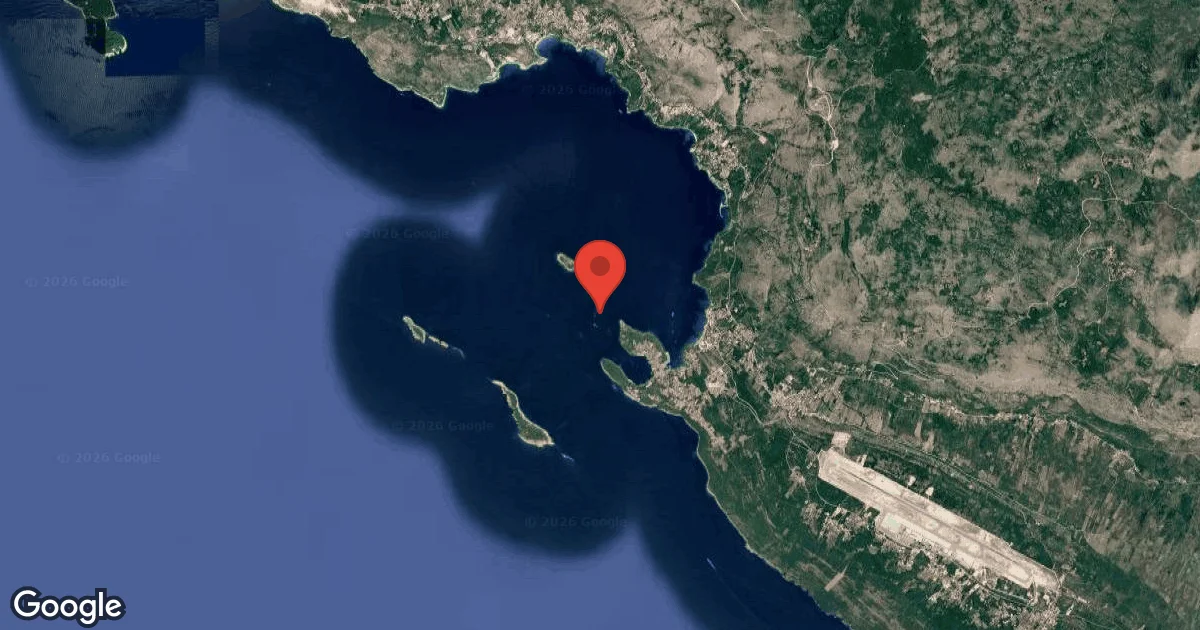
Max 30 m
2 km
intermediateSupetar Islet Roman Wreck
BoatDown Line
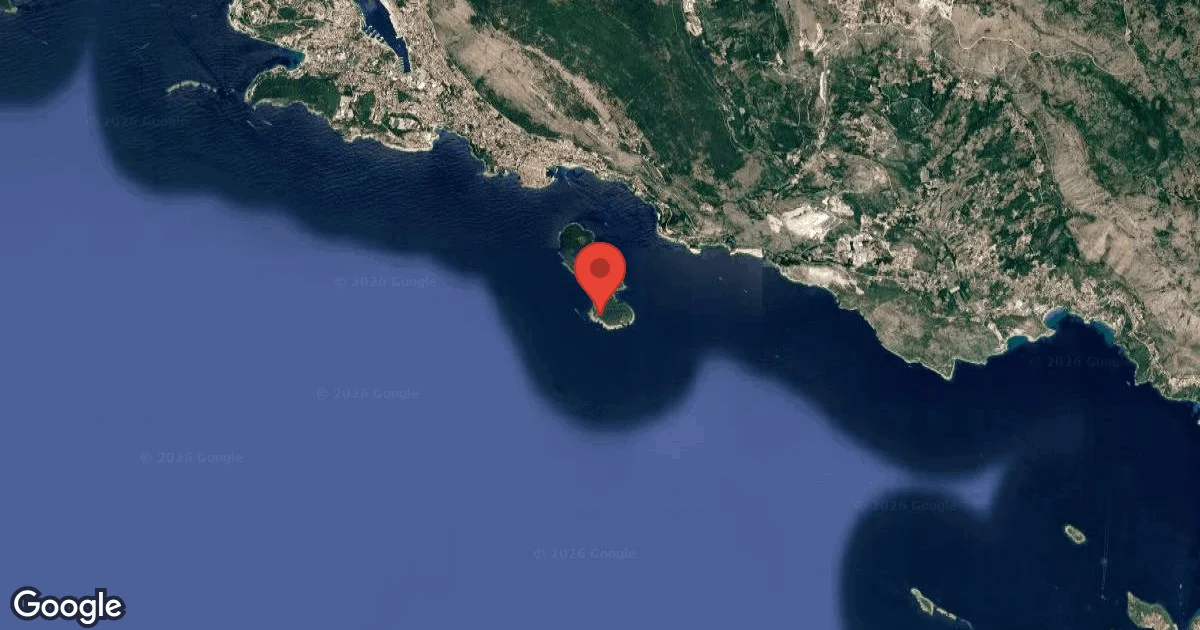
Max 30 m
7.9 km
Lokrum Island and Dead Sea Lake
BoatCavern
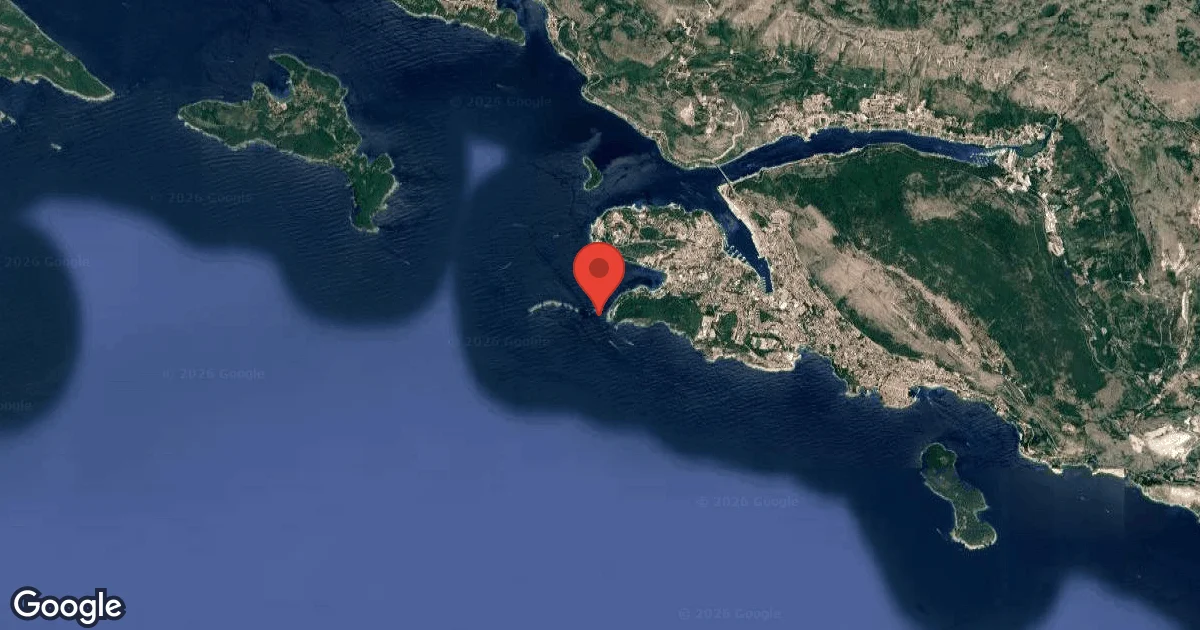
Max 47 m
13.8 km
Maro's Cave
CaveOcean
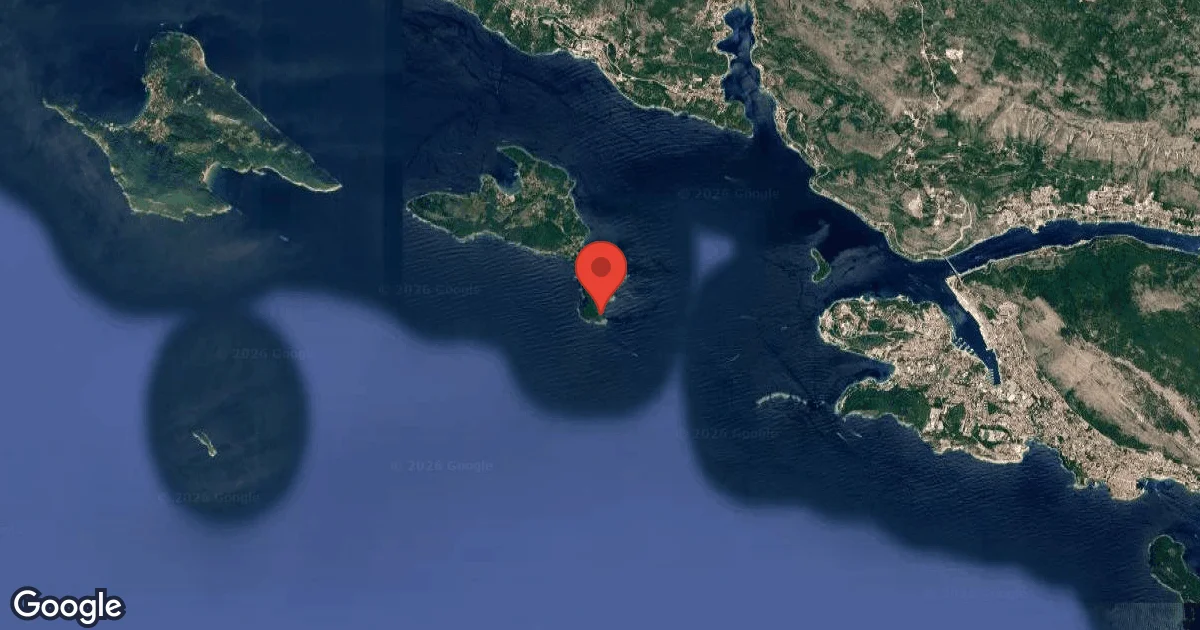
Max 40 m
17.2 km
Bezdan
CaveLake
Max 50 m
1 km
Mrkanjac Reef
BoatDrift
Max 80 m
1.9 km
Bobara Islet
BoatCanyon
Max 35 m
8.3 km
Tomislav Wreck
BoatOcean
Max 40 m
14.2 km
Grebeni Islets
BoatCanyon
Max 30 m
2 km
intermediateSupetar Islet Roman Wreck
BoatDown Line
Max 30 m
7.9 km
Lokrum Island and Dead Sea Lake
BoatCavern
Max 47 m
13.8 km
Maro's Cave
CaveOcean
Max 40 m
17.2 km
Bezdan
CaveLake
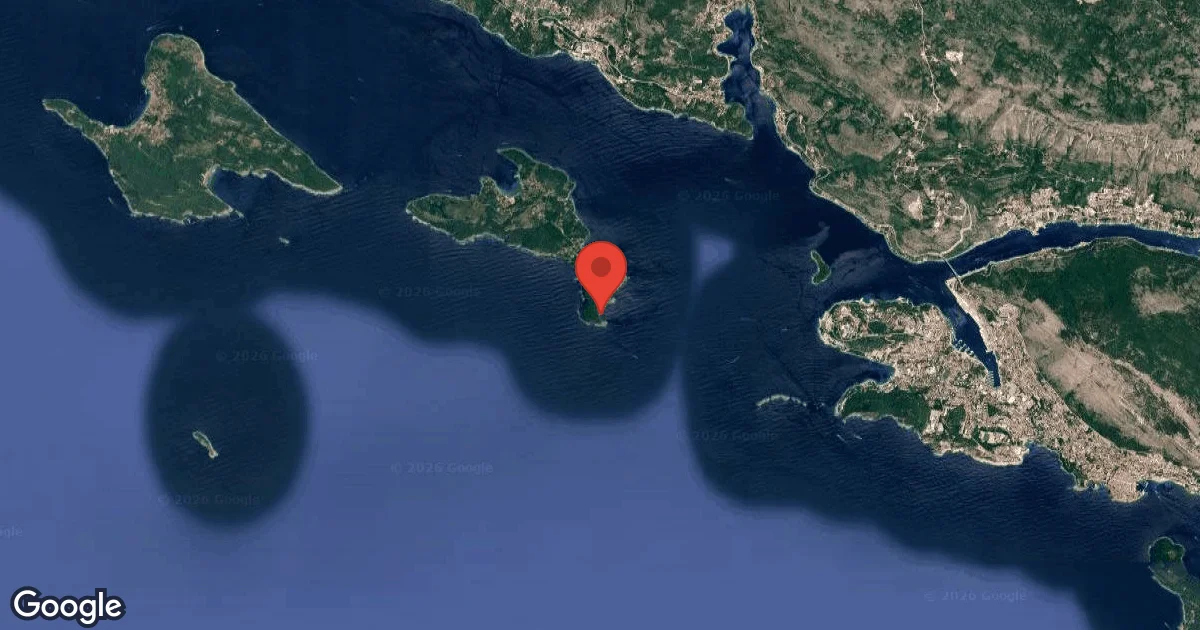
Max 50 m
17.2 km
Jabuka Caves
BoatCave
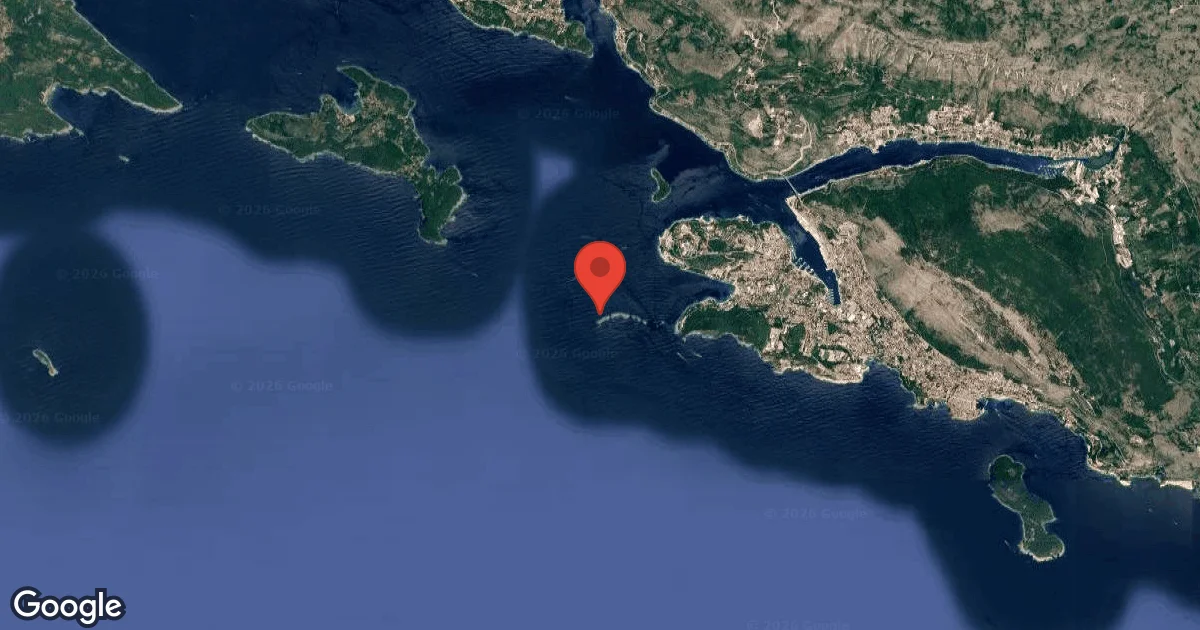
Max 52 m
14.7 km
SS Taranto
BoatOcean
1 / 2
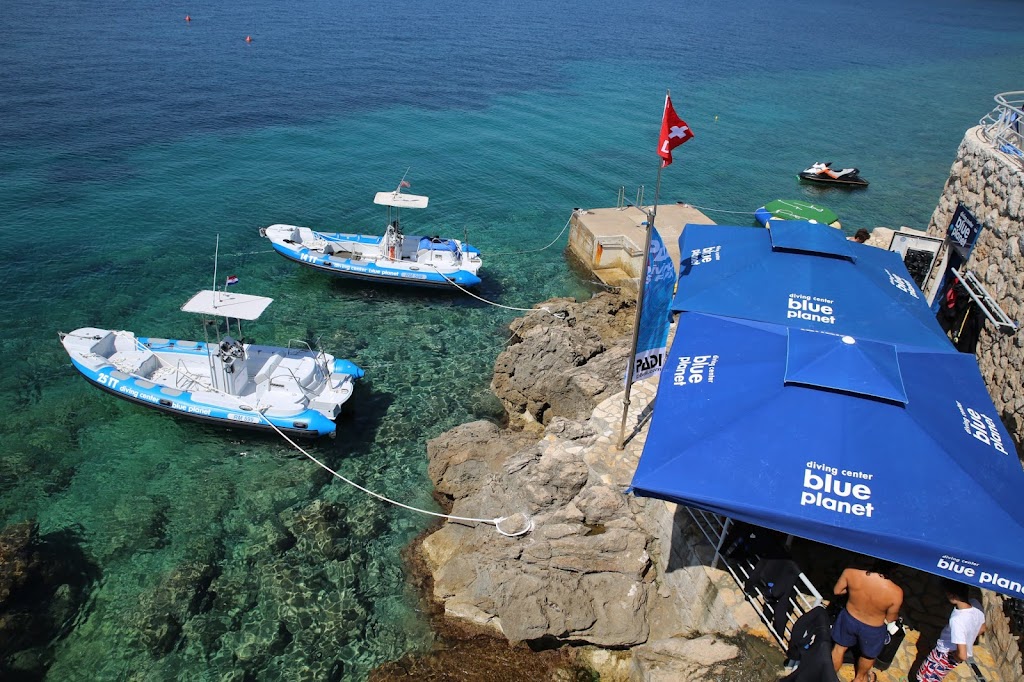
Dive Centers Near Mrkan Island
Working Hours
SunClosed
Mon09:00 - 17:00
Tue09:00 - 17:00
Wed09:00 - 17:00
Thu09:00 - 17:00
Fri09:00 - 17:00
Sat09:00 - 17:00
Today: 09:00 - 17:00
SunClosed
Mon09:00 - 17:00
Tue09:00 - 17:00
Wed09:00 - 17:00
Thu09:00 - 17:00
Fri09:00 - 17:00
Sat09:00 - 17:00
4.7| 113 reviews
31.2 km
4.9| 79 reviews
41 km
4.4| 7 reviews
43.1 kmNearest Airports
Nearest airports to help plan travel to this dive area.
Dubrovnik Ruđer Bošković Airport DBV
6 km
Tivat Airport TIV
48 km
Brač Airport BWK
147 km
💵 Currency: EUR
Search Flights
Check available flights and routes on Expedia, using the nearby airports listed in this section.
Search Flights on ExpediaAffiliate link · Dive Navigator may earn a commission at no extra cost to you.
Frequently Asked Questions
Why is Mrkan Island listed at 7 to 20 m / 23 to 66 ft on some dive charts yet famous for a 38 m / 125 ft cave?
Mrkan features a broad, current-sheltered 7 to 20 m / 23 to 66 ft boulder and seagrass plateau ideal for Open Water divers right alongside an outer cliff that plunges past 40 m / 131 ft. That outer drop-off holds the narrow 38 m / 125 ft cave entrance, letting captains separate beginner and deep profiles on the same island.
Can recreational divers without overhead training enter the 38 m / 125 ft cave at Mrkan?
No, the 38 m / 125 ft cave lies behind a narrow 10 m / 33 ft rock passage with a fine silt floor and opens into a pitch-dark interior chamber near Croatia's 40 m / 131 ft air ceiling. Recreational divers without overhead cave training should stay outside along the sunlit gorgonian wall per Croatian National Tourist Board cave rules.
What historical quarantine milestone took place on Mrkan Island?
On 27 July 1377, the Great Council of the Republic of Ragusa enacted the world's first statutory thirty-day plague quarantine law, ordering ships and travelers from plague-affected ports to isolate on uninhabited Mrkan before entering Dubrovnik or Cavtat as documented in medical-historical studies. Ruins of the eleventh-century Benedictine Monastery of St. Michael still stand atop its 65 m / 213 ft crest.
May visitors walk ashore on Mrkan Island to see the monastery ruins?
No, Mrkan has been strictly protected since 1975 as a Special Ornithological Reserve overseen by the Dubrovnik-Neretva County Nature Protection Institution to protect large breeding colonies of yellow-legged gulls. Divers view the cliffs and hilltop ruins strictly from the moored dive boat.
Are there ancient amphorae around Mrkan Island?
Yes, archaeological inventories in the Municipality of Konavle Spatial Plan record more than 1,800 ancient amphorae and Roman storage jars across the wider Cavtat archipelago seabed. All underwater archaeological remains are protected in situ under Croatia's Cultural Heritage Protection Act and must never be touched or moved.
Are currents strong along the Mrkan Island reef?
Compared with exposed Mrkanjac Reef just to the southeast, Mrkan's 3.26 km / 2 mi coastline provides reliable leeward shelter where currents stay light at 0 to 0.5 knots across the 7 to 20 m / 23 to 66 ft plateau. Mild coastal drift can still appear along the outer southwestern cliff face.
Trip Inquiry
Planning to dive Mrkan Island?
Tell us your dates and diving needs. We'll review your request and seek offers from relevant local dive centers.
Request Dive Offers Free request for offers • No booking obligation
Mrkan Island
Conditions are Poor
3/10
Confidence: 8/10
Indicates meteorological model agreement and data availability.
DIVE WARNING
High Wind Advisory (49km/h). Unsafe surface.
06:12
18:45
H: 10:45
L: 16:20
Air / Sea Temp
15° / 19°
Wave Height
1.9 m
Wind Speed
49 km/h N
Rain Chance
100%
Current conditions near Mrkan Island show 15° air, 19° sea temperature, 1.9 m waves, and 49 km/h wind. Forecast data is refreshed regularly to ensure accuracy.
Radius: ~12km
Updated: Nov 22, 2026, 17:37 local timeMARINE: OPEN-METEOWEATHER: YR.NO