Loading...

Diving at Mrkanjac Reef (Croatia)
Published
Last updated
Marking the exposed southeastern tip of the outer Cavtat archipelago 20 minutes by boat from Cavtat harbor, Mrkanjac Reef surrounds a low, twin-crested limestone rock rising 6 m / 20 ft out of open South Adriatic water just southeast of Mrkan Island. Sheltered behind the rock, tilted limestone slabs create a bright 3 to 15 m / 10 to 49 ft inner plateau where Open Water divers explore sunlit crevices out of the flow, while the seaward rim breaks abruptly into a current-swept vertical wall plunging to 50 m / 164 ft. Flushed by brisk South Adriatic currents that nourish dense sponges, sea anemones, lacy bryozoans, and hunting common dentex, the 18 to 40 m / 59 to 131 ft drop-off challenges Advanced Open Water drift divers and extends to 50 m / 164 ft for technical teams. Protected inside a 1,370.57 ha / 3,387 acre Natura 2000 marine reserve surveyed in the Konavle Marine Management Plan, Mrkanjac stands alongside Bobara Islet as the archipelago's richest coralligenous wall.
Starting the day at Mrkanjac Reef, the ambient air temperature is recorded at 13°C. Ongoing monitoring shows wave heights measuring 2 m. This data represents the current surface conditions for early activities.
Dive Site Location & Key Facts
Site Characteristics
Max Depth50m / 164ft
Entry Typeboat
Water Typesalt
Dive Types
DriftReefTechnical
Dive Site Overview
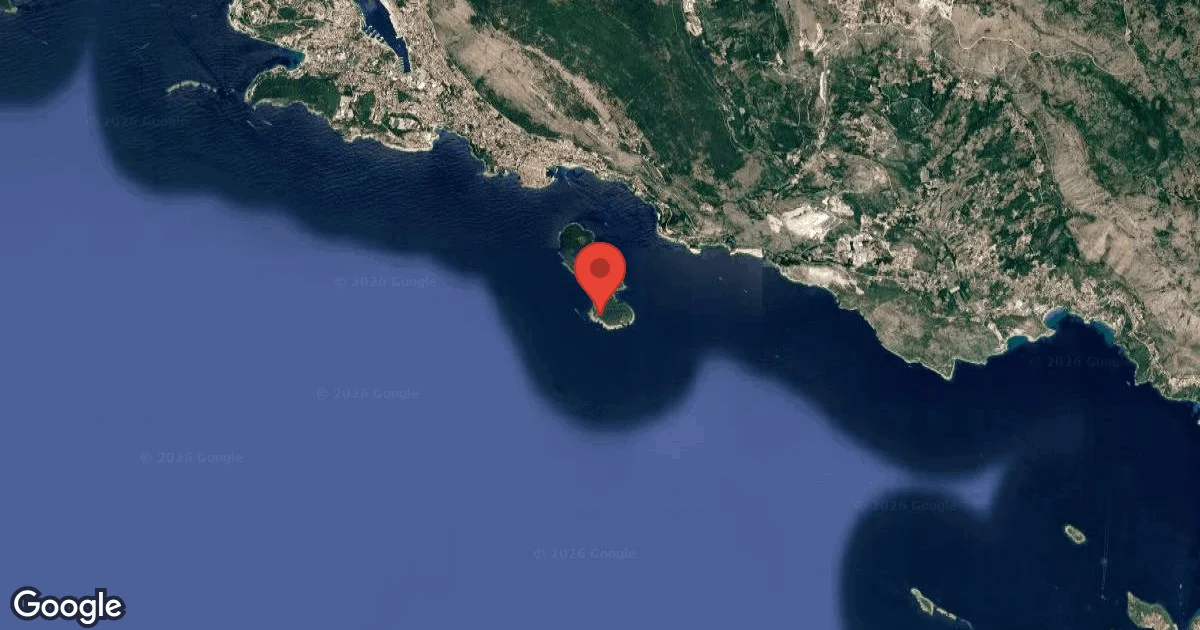
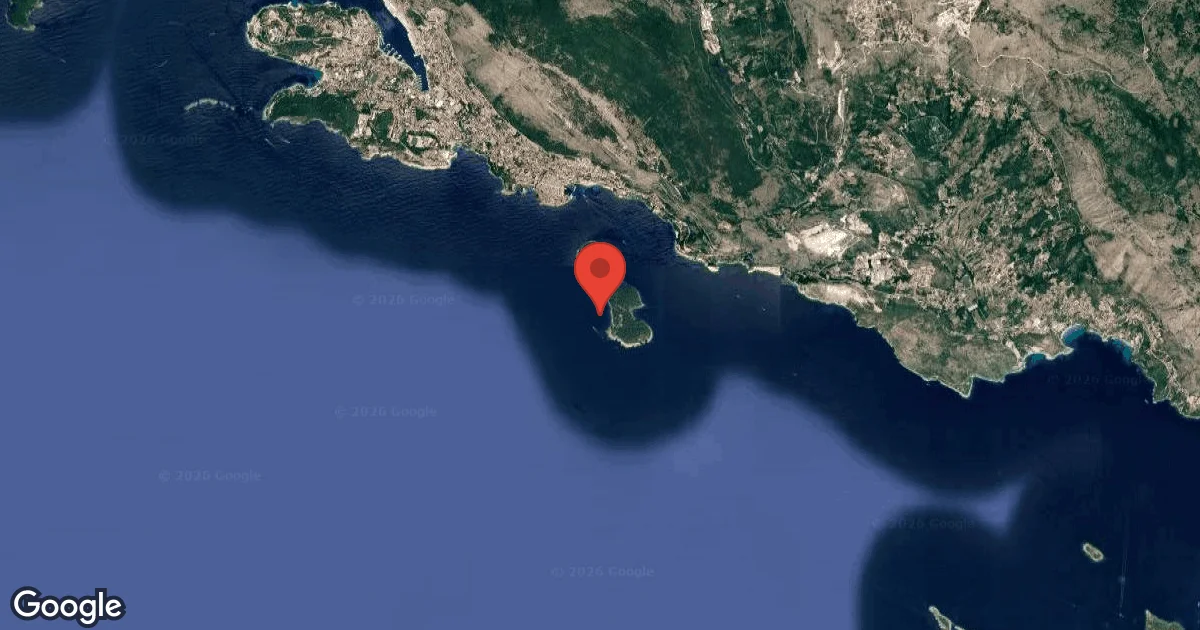
Situated roughly 200 m / 656 ft southeast of Mrkan Island across a submerged rock saddle charted in the Croatian Hydrographic Institute Adriatic Pilot 2025, Mrkanjac Reef forms the southeasternmost outpost of the drowned Upper Cretaceous limestone ridge running from Bobara through Mrkan. Coastal morphometry data in Geoadria classify the emergent crest as a wave-washed rock covering roughly 2,523 sq m / 27,157 sq ft and reaching 6 m / 20 ft in height, split by a shallow notch that makes it appear from a distance like twin rocky humps.
Because nothing shields this southeastern tip from the open South Adriatic, incoming northwestward currents rounding Konavle Cliffs strike the outer escarpment directly before splitting around the rock. Underwater, that hydrodynamic divide produces two contrasting habitats: a calm landward plateau between 3 and 15 m / 10 and 49 ft where angled limestone slabs rise nearly to the surface, and a sheer seaward drop-off falling straight down to 50 m / 164 ft.
During 104 scientific scuba transects conducted for Natura 2000 marine site HR3000170 and published in the Konavle Marine Management Plan and the Dubrovnik-Neretva County marine biodiversity summary, researchers singled out Mrkanjac Reef and Bobara Islet as the two finest examples of deep coralligenous reef communities across the entire Konavle and Cavtat coast. Constant current delivery fuels dense filter-feeding walls while keeping open-water clarity exceptionally high.
Together with neighboring Mrkan and Bobara, the emergent rock lies inside the 1975 Special Ornithological Reserve listed by the Dubrovnik-Neretva County Nature Protection Institution. Recreational and technical divers visit the reef without special entry tickets, observing strict no-landing rules on the seabird rock and full protection of ancient maritime artifacts across the Cavtat seabed.
Mrkanjac Reef
Conditions are Poor
3/10
Confidence: 8/10
Indicates meteorological model agreement and data availability.
DIVE WARNING
High Swell Advisory. Not recommended.
06:12
18:45
H: 10:45
L: 16:20
Air / Sea Temp
13° / 19°
Wave Height
2.2 m
Wind Speed
44 km/h N
Rain Chance
100%
Current conditions near Mrkanjac Reef show 13° air, 19° sea temperature, 2.2 m waves, and 44 km/h wind. Forecast data is refreshed regularly to ensure accuracy.
Radius: ~12km
Updated: Nov 23, 2026, 04:48 local timeMARINE: OPEN-METEOWEATHER: YR.NO
Best Time to Dive
Calm, settled periods from May through October offer the safest window to dive Mrkanjac Reef, since its low 6 m / 20 ft rock provides minimal wind shelter compared with taller Mrkan Island nearby. Wind analyses in the Konavle Marine Management Plan document 313 windy days annually along the Konavle coast, so skippers schedule morning runs out of Cavtat before afternoon northwesterly breezes kick up whitecaps on the outer ridge. Coastal sea-temperature measurements from the Croatian Meteorological and Hydrological Service show summer surface layers warming to 22 to 26°C / 72 to 79°F in July and August, while deep water along the 40 to 50 m / 131 to 164 ft wall remains brisk at 14 to 15°C / 57 to 59°F below an 18 to 20 m / 59 to 66 ft thermocline. Slack-water timing or calm high-pressure days in June, September, and early October deliver the easiest outer-wall current handling alongside 25 to 35 m / 82 to 115 ft horizontal clarity. From November through March, southeasterly storms drive heavy swells clean over the low rock and make anchoring untenable.
PEAK SEASON SCORE
93/100
ExcellentScores combine air & water temps, waves, wind & rainfall for overall conditions.
BEST MONTHS TO DIVE
JUN
JUL
AUG
DIVE SCORE GUIDE (0–100)
Excellent (90–100)
Very Good (80–89)
Good (70–79)
Moderate (50–69)
Poor (30–49)
Not Recommended (0–29)
Monthly records compiled from satellite and marine observation nodes over the last 3 years. Data provided by Open-Meteo and MET Norway.
Dive Experience & Conditions
Speedboats and dive launches leave Cavtat harbor for a 20-minute crossing of roughly 2 nautical miles / 3.7 km, dropping anchor in calm leeward water behind the rock over the 5 to 12 m / 16 to 39 ft inner plateau. Descending among tilted limestone slabs that angle close to the surface, teams check weighting and gauges in slack water before approaching the outer reef corner at 15 to 18 m / 49 to 59 ft. Open Water groups remain inside the sunlit inner terrace, while experienced teams drop over the edge onto the sheer seaward wall where brisk currents of 1 to 2 knots or more sweep along the rock face. Clean South Adriatic water delivers horizontal visibility of 20 to 35 m / 66 to 115 ft and occasionally up to 50 m / 164 ft as noted on the Croatian National Tourist Board diving portal, revealing clouds of bogue and silvery dentex hanging effortlessly in the flow. Crossing a sharp thermocline around 18 to 20 m / 59 to 66 ft, Advanced Open Water divers glide along sponge-draped overhangs down to 40 m / 131 ft while technical teams inspect the 50 m / 164 ft wall base for resting anglerfish and electric rays. Wrapping back around the reef shoulder into the sheltered leeward plateau lets divers complete a calm, current-free 5 m / 16 ft safety stop directly under the boat.
Dive Difficulty & Safety Guidelines
Mrkanjac Reef demands careful route separation by experience level: Open Water divers must stay strictly over the current-sheltered 3 to 15 m / 10 to 49 ft inner limestone plateau, Advanced Open Water divers with solid drift-diving and buoyancy control tackle the current-swept outer wall down to Croatia's 40 m / 131 ft compressed-air limit under Article 9 of Croatia's Underwater Activities Regulation, and diving the 40 to 50 m / 131 to 164 ft base requires technical decompression certification. Because strong currents sweep the southeastern point and outer drop-off, teams always begin outer-wall dives heading into the flow or follow a live-boat drift plan so nobody fights a headcurrent low on gas at the end of the dive. Every diver on the outer face must carry an individual delayed surface marker buoy on a reel to signal the boat captain immediately if carried off the reef into open blue water.
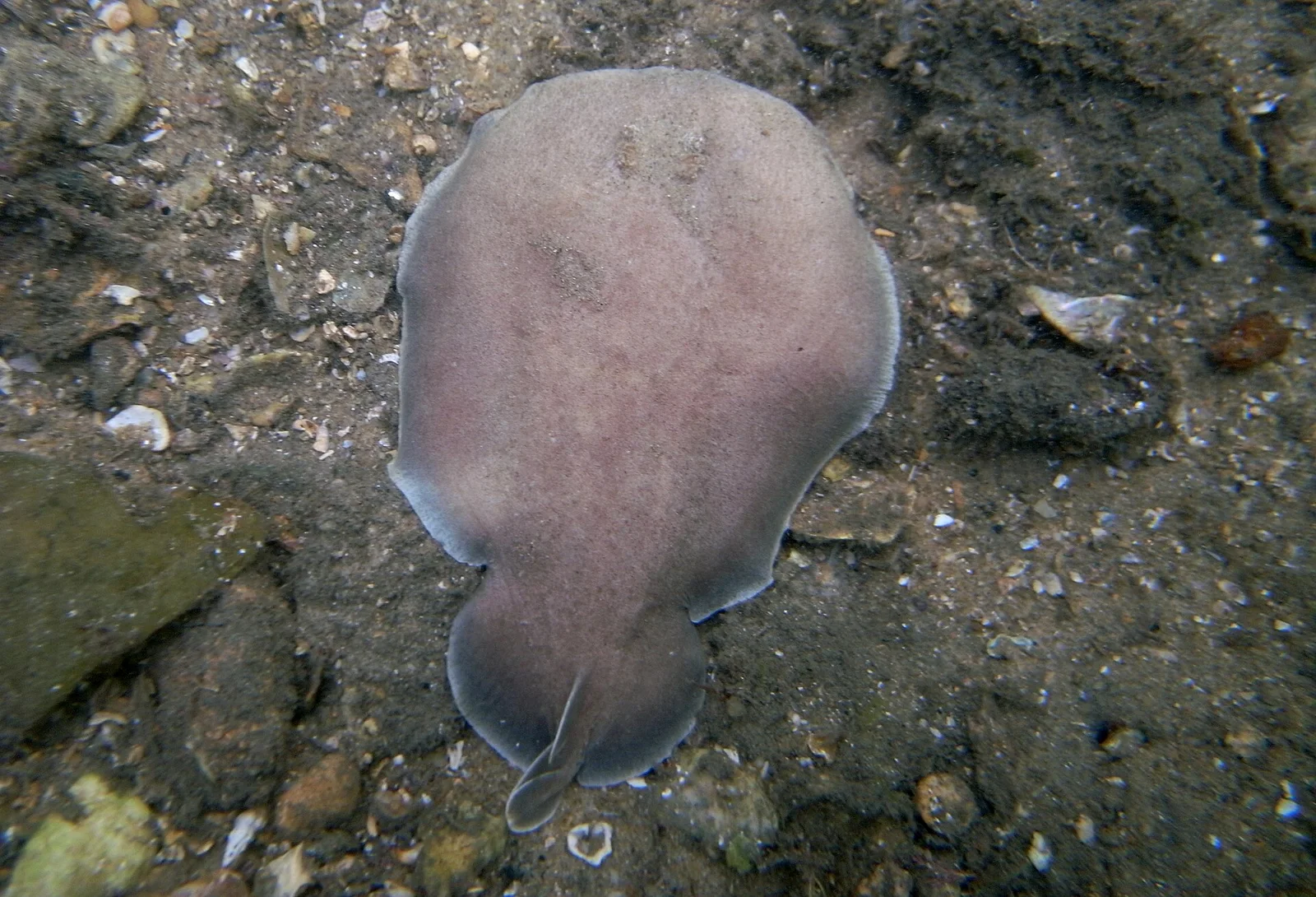
Captains keep a sharp watch over the shallow submerged ridge between Mrkan and Mrkanjac charted in the Adriatic Pilot 2025 and display a mandatory dive flag under Article 4 of Croatia's Underwater Activities Regulation. Stepping ashore on Mrkanjac is prohibited under 1975 Special Ornithological Reserve rules enforced by the Dubrovnik-Neretva County Nature Protection Institution, and divers must keep hands off marbled electric rays capable of delivering stunning defensive shocks as warned on the Croatian National Tourist Board dangerous species guide. Round-the-clock marine rescue runs through MRCC 195 and 112, linking rapid boat retrieval to Cavtat, hospital care at the Emergency Admission Department of General Hospital Dubrovnik, and 24-hour hyperbaric recompression at the Naval Medical Institute in Split.
Recommended Equipment
Technical depth range. Advanced planning, gas management, and appropriate certification required.
Current and surface separation risk. Local briefing strongly recommended.
- Dive Computer
- DSMB
- Primary & Backup Lights
- Reel / Spool
This gear list is based on verified equipment signals for Mrkanjac Reef, Croatia. Always confirm final gear choices with your dive operator, guide, or liveaboard.
Recommended Dive Suit
For dives of average duration, 5mm wetsuit usually provides sufficient protection from heat loss. Consider warmer surface protection (like a boat coat) due to brisk winds. A thermal robe or jacket is recommended between dives.
Current readings at Mrkanjac Reef show water temperatures near 19°C (67°F). Surface air temperatures are resting at 13°C (56°F).
Conditions are expected to stay fairly consistent in the days ahead.
Mrkanjac Reef conditions last reviewed: 04:48 local time (UTC+1), Nov 23, 2026
Emergency & Medical Support
Essential information to help you plan your dive trip to Mrkanjac Reef.

Hyperbaric chambers are a critical part of dive safety infrastructure. Availability varies significantly by region, and not all dive areas have immediate access.
Before diving, it's recommended to:
- confirm nearest medical facilities
- check emergency procedures with local dive operators
- ensure dive insurance covers evacuation if required
24/7 Available
Divers Alert Network
Diving emergency assistance available through DAN Europe.
+39 0642115685- 24/7 emergency hotline
- Diving medical assistance
- Evacuation coordination
Emergency contacts are provided for reference. Always verify local emergency services before diving.
Closest Listed Hyperbaric Chambers (≤ 200 km)
Approximate straight-line distances from this dive site — emergency travel times may vary.
175 km175 kmZavod za pomorsku medicinu Split – Odjel za podvodnu i hiperbaričnu medicinu
Split, Croatia24/7ICU194Details175 kmZavod za pomorsku medicinu Split – Odjel za podvodnu i hiperbaričnu medicinu
24/7 ListedICU CapableSplit, Croatia · Multiplace
24/7 Emergency194CollapseHours: 24/7 EmergencyFacility: Zavod za pomorsku medicinu / KBC Split (Križine)ICU On-Site: YesSource: KBC Rijeka / Poliklinika OXY
175 km
Zavod za pomorsku medicinu Split – Odjel za podvodnu i hiperbaričnu medicinu
Split, Croatia24/7ICU194Details
175 km
Zavod za pomorsku medicinu Split – Odjel za podvodnu i hiperbaričnu medicinu
24/7 ListedICU CapableSplit, Croatia · Multiplace
24/7 Emergency194
CollapseHours: 24/7 Emergency
Facility: Zavod za pomorsku medicinu / KBC Split (Križine)
ICU On-Site: Yes
Source: KBC Rijeka / Poliklinika OXY
Chamber data is sourced from official Croatian hospital and baromedicine facility records and has not been independently verified by Dive Navigator. Always contact local emergency services, DAN, your dive operator, or the facility directly before travelling.
Reference onlyMarine Life at Mrkanjac Reef
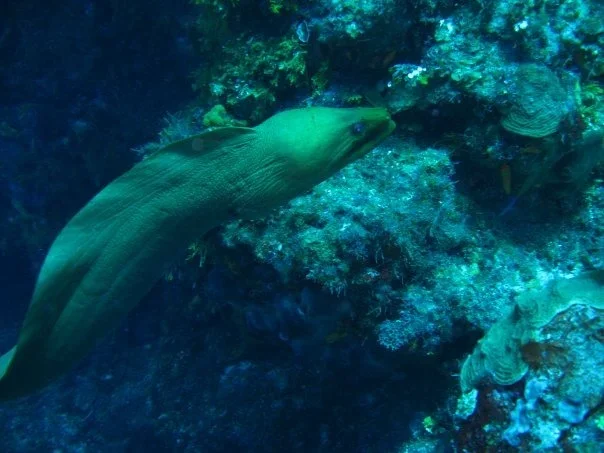
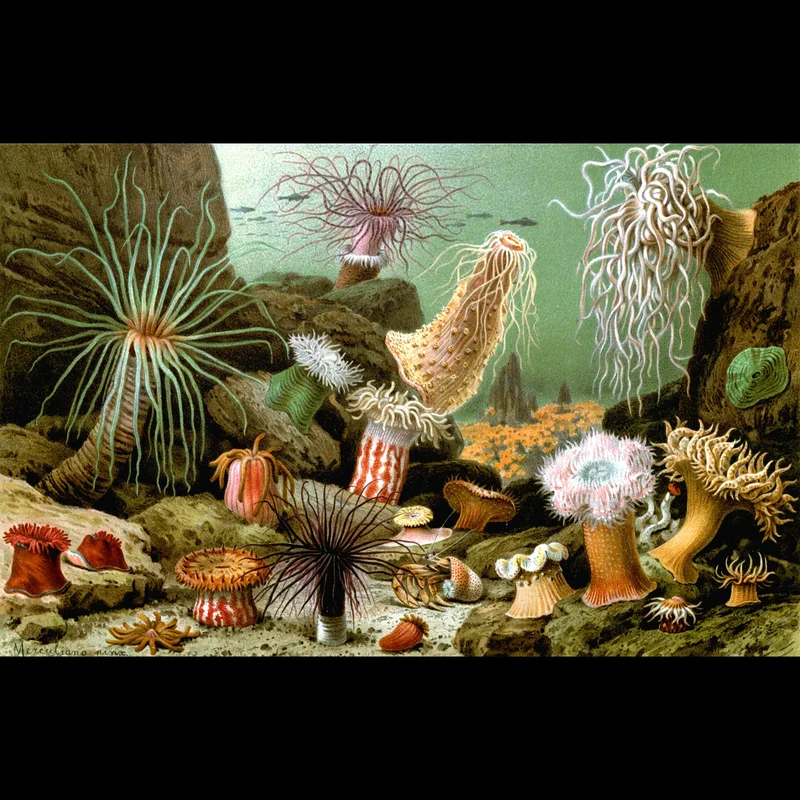
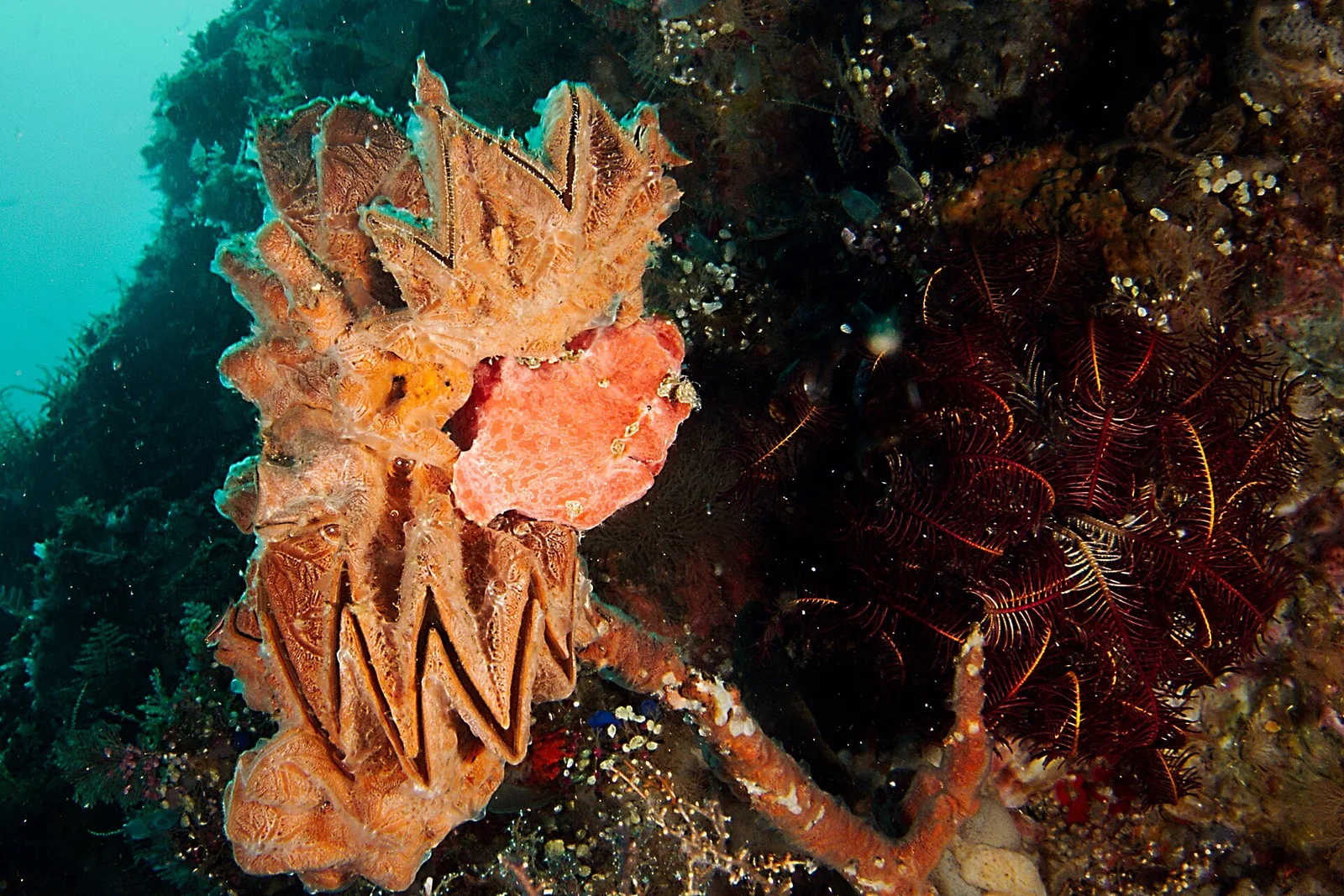
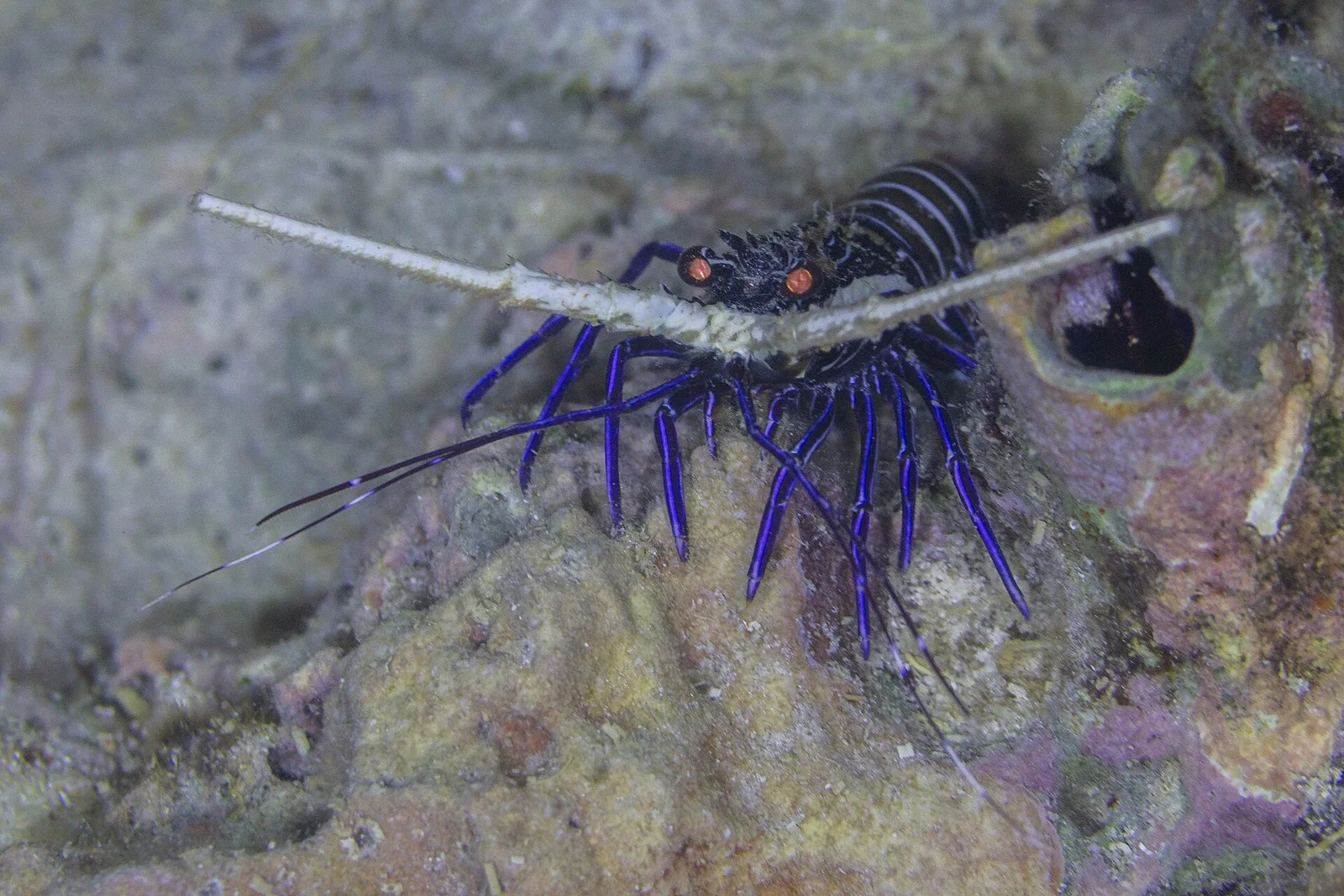
Current-driven plankton delivery along the vertical 18 to 50 m / 59 to 164 ft wall supports lush coralligenous formations documented in the Konavle Marine Management Plan and the Dubrovnik-Neretva County marine report, carpeted in sponges, yellow cluster anemones, hydroid plumes, and branching lacy bryozoans that older translated guides mistakenly called sea urchins. Deep crevices and sandy ledges toward the 40 to 50 m / 131 to 164 ft base harbor European spiny lobsters, Mediterranean moray eels, well-camouflaged anglerfish, and bottom-resting marbled electric rays.
Up on the sunlit 3 to 15 m / 10 to 49 ft limestone slabs and neighboring seagrass borders, schools of bogue, white seabream, and two-banded seabream swirl through the water column. Out in the blue current off the southeastern point, fast-moving predatory common dentex and greater amberjack patrol along the reef edge hunting smaller baitfish.
1 / 2
Image contributors:Giacomo Merculiano, Paul Klima (Paul Kli) + 2 more
Want to contribute photos or local dive knowledge? Learn how to contributeDive Sites Near Mrkanjac Reef
View all dive sites in CroatiaDiscover more underwater gems in this area.
Max 40 m
1 km
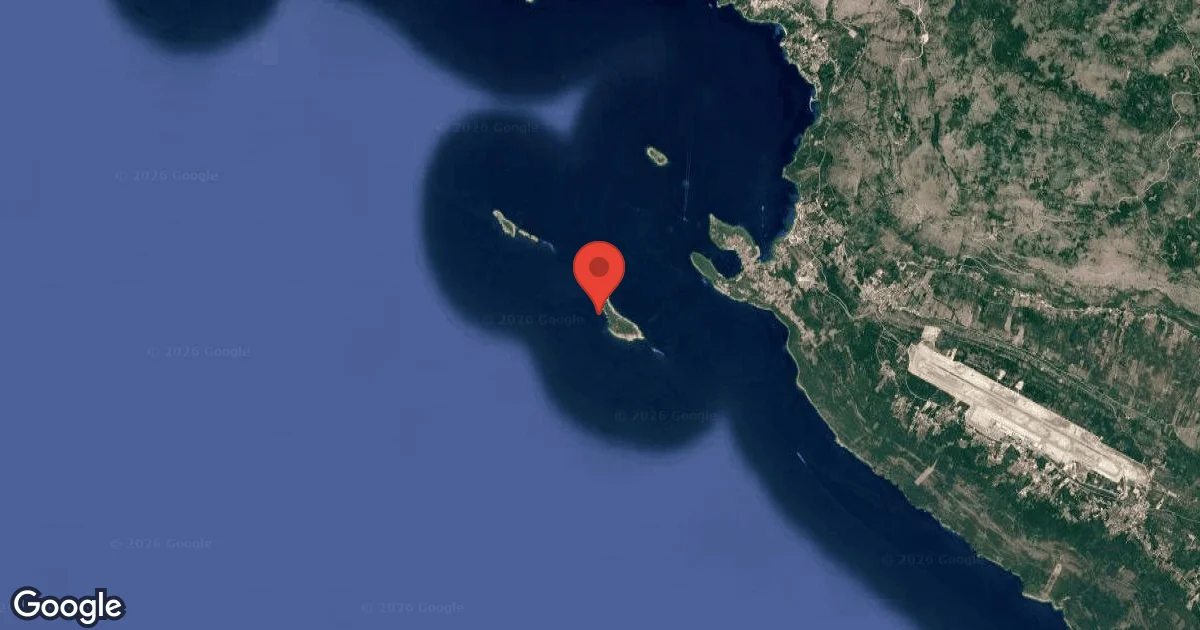
Mrkan Island
BoatCave
Max 80 m
2.8 km
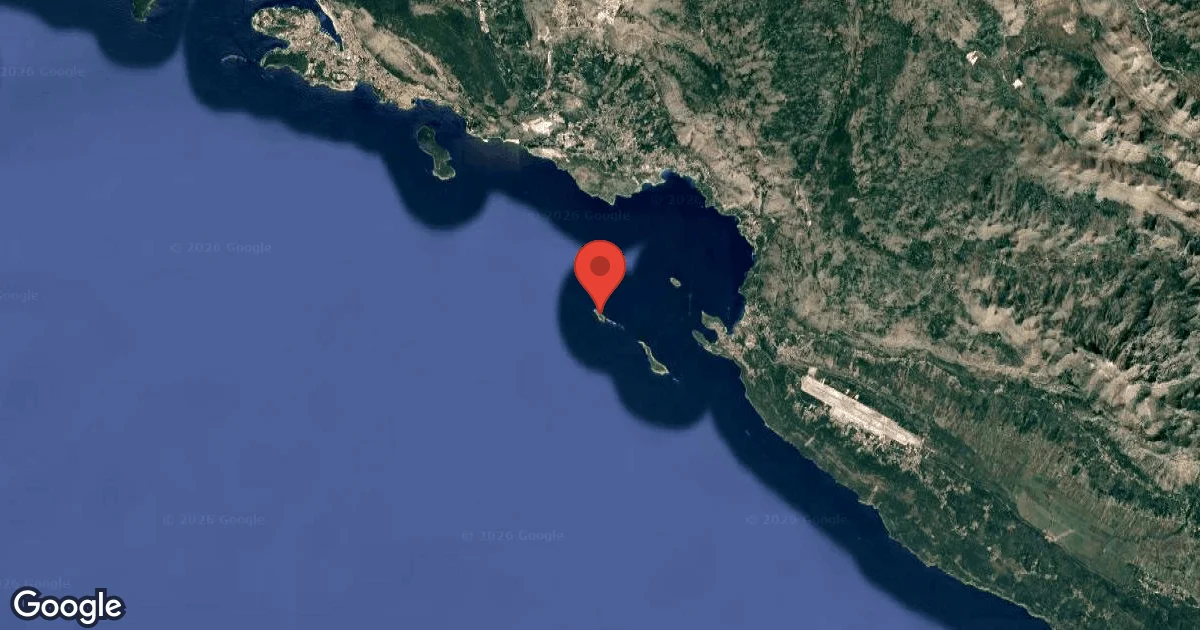
Bobara Islet
BoatCanyon
Max 30 m
2 km
intermediateSupetar Islet Roman Wreck
BoatDown Line
Max 47 m
14.8 km
Maro's Cave
CaveOcean
Max 50 m
18.1 km
Jabuka Caves
BoatCave
Max 52 m
15.6 km
SS Taranto
BoatOcean
Max 30 m
8.9 km
Lokrum Island and Dead Sea Lake
BoatCavern
Max 35 m
9.2 km
Tomislav Wreck
BoatOcean
Max 40 m
1 km
Mrkan Island
BoatCave
Max 80 m
2.8 km
Bobara Islet
BoatCanyon
Max 30 m
2 km
intermediateSupetar Islet Roman Wreck
BoatDown Line
Max 47 m
14.8 km
Maro's Cave
CaveOcean
Max 50 m
18.1 km
Jabuka Caves
BoatCave
Max 52 m
15.6 km
SS Taranto
BoatOcean
Max 30 m
8.9 km
Lokrum Island and Dead Sea Lake
BoatCavern
Max 35 m
9.2 km
Tomislav Wreck
BoatOcean
Max 40 m
15.2 km
Grebeni Islets
BoatCanyon
Max 30 m
18.7 km
Zaton Bay
BoatCavern
1 / 2
Dive Centers Near Mrkanjac Reef
Working Hours
SunClosed
Mon09:00 - 17:00
Tue09:00 - 17:00
Wed09:00 - 17:00
Thu09:00 - 17:00
Fri09:00 - 17:00
Sat09:00 - 17:00
Today: 09:00 - 17:00
SunClosed
Mon09:00 - 17:00
Tue09:00 - 17:00
Wed09:00 - 17:00
Thu09:00 - 17:00
Fri09:00 - 17:00
Sat09:00 - 17:00
4.7| 113 reviews
30.2 km
4.9| 79 reviews
40 km
4.4| 7 reviews
42.2 kmNearest Airports
Nearest airports to help plan travel to this dive area.
Dubrovnik Ruđer Bošković Airport DBV
5 km
Tivat Airport TIV
47 km
Brač Airport BWK
148 km
💵 Currency: EUR
Search Flights
Check available flights and routes on Expedia, using the nearby airports listed in this section.
Search Flights on ExpediaAffiliate link · Dive Navigator may earn a commission at no extra cost to you.
Frequently Asked Questions
How strong are the currents at Mrkanjac Reef?
Unlike most sheltered Dubrovnik and Cavtat walls, the exposed outer face and southeastern tip of Mrkanjac catch brisk open-sea South Adriatic currents often reaching 1 to 2 knots or higher. The landward inner plateau between 3 and 15 m / 10 and 49 ft remains shielded by the rock for calm entries and safety stops.
Can Open Water certified divers visit Mrkanjac Reef?
Yes, Open Water divers can enjoy the sheltered inner limestone plateau down to 15 m / 49 ft on calm mornings when seas are flat. Dropping over the reef rim onto the current-swept 18 to 40 m / 59 to 131 ft vertical wall requires Advanced Open Water certification, solid buoyancy, and comfort in drift conditions.
Why do some English dive guides mention walls covered in sea urchins at Mrkanjac?
That phrasing comes from an old translation slip of a Croatian term for delicate branching bryozoan and hydroid colonies, which look like miniature underwater sea-trees along the coralligenous wall surveyed in the Konavle Marine Management Plan. True sea urchins inhabit shallower grazed rocks, whereas the deep vertical face bursts with sponges, anemones, and lacy bryozoans.
What rare bottom-dwelling predators can divers spot deep on Mrkanjac Reef?
Alert divers scanning sandy pockets and deep ledges between 30 and 50 m / 98 and 164 ft occasionally spot camouflaged anglerfish and marbled electric rays resting motionless near the wall base. Divers should admire marbled electric rays without touching them, as their electric organs can discharge a strong defensive shock per the Croatian National Tourist Board dangerous species guide.
What certification is needed to reach the 50 m / 164 ft base of Mrkanjac Reef?
Under Article 9 of Croatia's Underwater Activities Regulation, recreational scuba diving on compressed air is capped at 40 m / 131 ft. Exploring the deepest 40 to 50 m / 131 to 164 ft section of the outer wall requires technical decompression certification and staged gas mixes.
Are visitors allowed to climb onto Mrkanjac rock between dives?
No, Mrkanjac belongs to the 1975 Special Ornithological Reserve overseen by the Dubrovnik-Neretva County Nature Protection Institution alongside Mrkan and Bobara. Boats anchor offshore and divers complete surface intervals on board without stepping onto the seabird rock.
Trip Inquiry
Planning to dive Mrkanjac Reef?
Tell us your dates and diving needs. We'll review your request and seek offers from relevant local dive centers.
Request Dive Offers Free request for offers • No booking obligation
Mrkanjac Reef
Conditions are Poor
3/10
Confidence: 8/10
Indicates meteorological model agreement and data availability.
DIVE WARNING
High Swell Advisory. Not recommended.
06:12
18:45
H: 10:45
L: 16:20
Air / Sea Temp
13° / 19°
Wave Height
2.2 m
Wind Speed
44 km/h N
Rain Chance
100%
Current conditions near Mrkanjac Reef show 13° air, 19° sea temperature, 2.2 m waves, and 44 km/h wind. Forecast data is refreshed regularly to ensure accuracy.
Radius: ~12km
Updated: Nov 23, 2026, 04:48 local timeMARINE: OPEN-METEOWEATHER: YR.NO