
Diving at Gordon Reef - Straits of Tiran (Egypt)
Gordon Reef, the southernmost reef in the Straits of Tiran, is distinctly marked by the conspicuous wreck of the Panamanian cargo ship Loullia, which ran aground in 1981. This reef structure features sandy moorings across its southern, eastern, and western flanks, typically found at depths ranging from 2 to 10 m (7 to 33 ft). It stands as a prominent topographical feature in the area.
Tonight's objective overview for Gordon Reef - Straits of Tiran shows an air temperature of 31°C. The measured surface conditions include wave heights around 0.3 m. This environmental data is logged for the close of the day.
Dive Site Location & Key Facts
Dive Site Overview
Diving at Gordon Reef often commences with an immersive drift, carried by the prevailing currents that characterize the Straits of Tiran. This dive site, part of a larger system of reefs and walls, provides a dynamic experience, allowing divers to explore its structure.
The wreck of the Loullia serves as a visible surface landmark, guiding navigation to the reef's submerged components. Divers can explore a substantial drop-off on the southern side, beginning at 25 to 30 m (82 to 98 ft) and descending further to 50 m (164 ft), with average depths across the Straits' sites ranging from 27 to 62 m (89 to 203 ft). Water temperatures vary from 20 to 30°C (68 to 86°F), while air temperatures generally range between 21 and 38°C (70 and 100°F).
Currents in this area are typically between 1 and 4 knots, influencing the drift trajectory and adding an element of excitement to the dive.
Conditions are Good
Optimal conditions expected
Current conditions near Gordon Reef - Straits of Tiran show 31° air, 29° sea temperature, 0.6 m waves, and 37 km/h wind. Forecast data is refreshed regularly to ensure accuracy.
Best Time to Dive
To experience Gordon Reef under optimal conditions, divers often favor the shoulder seasons, spanning from March to May and again from September to November. During these periods, the water is generally warm, and visibility tends to be good, with fewer crowds compared to peak times. November and December, for instance, show excellent dive scores, with average air temperatures around 25°C (77°F) and 21°C (70°F) respectively, and minimal rainfall. Conversely, April, May, and September still offer good diving, despite higher wind speeds, which can lead to larger waves. Months like July and August, while having peak air temperatures averaging 33-34°C (91-93°F), maintain good dive scores, with reduced wave heights that can make surface conditions calmer. Rainfall is minimal throughout the year, with most months reporting no precipitation.
PEAK SEASON SCORE
Scores combine air & water temps, waves, wind & rainfall for overall conditions.
BEST MONTHS TO DIVE
Monthly records compiled from satellite and marine observation nodes over the last 3 years. Data provided by Open-Meteo and MET Norway.
Dive Experience & Conditions
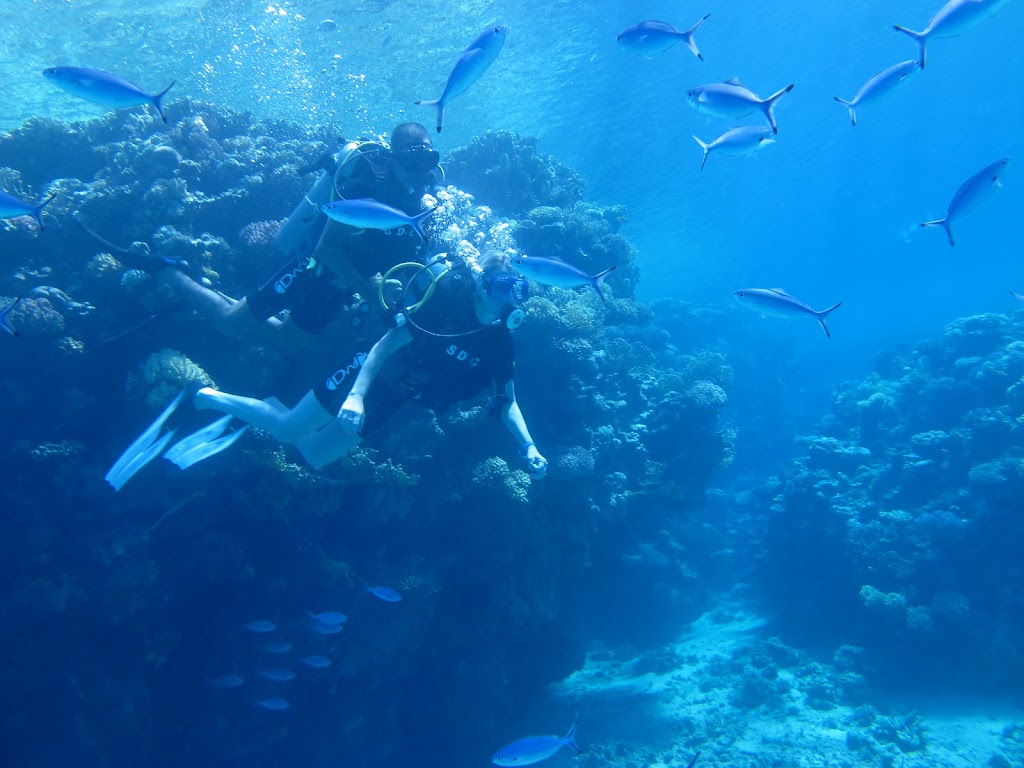
Upon entering the water at Gordon Reef, divers are typically met with strong currents characteristic of the Straits, necessitating a drift dive approach. Primary diving efforts often focus on the southern section, where the reef presents impressive coral formations and a dramatic drop-off. Divers will find its structure transitions from vibrant shallower sections, teeming with reef fish, into deeper walls, offering diverse environments for exploration. Water temperatures fluctuate seasonally, ranging from 20°C (68°F) to 30°C (86°F), influencing thermal protection needs. Prevailing winds frequently contribute to moderate wave heights on the surface, averaging 0.4 to 0.6 m (1.3 to 2 ft) throughout the year. Wind speeds often register between 25 and 33 km/h (16 and 21 mph), shaping the dynamic underwater experience and surface conditions. Navigating these currents requires attentive buoyancy control.
Dive Difficulty & Safety Guidelines
Diving Gordon Reef demands careful planning due to the consistent currents, which can range from 1 to 4 knots. Given its status as a frequent drift dive, maintaining strong buoyancy control and staying alert to the dive leader's signals are critical for safety. Boats provide access to the site, and understanding entry and exit procedures is important, especially when navigating these dynamic conditions.
There is an unmanned lighthouse in the southwest and a ruin in the north; while not direct hazards, they highlight the exposed nature of this reef. Divers should always carry appropriate signaling devices and be prepared for potential changes in current strength.
Recommended Equipment
Current and surface separation risk. Local briefing strongly recommended.
- Dive Computer
- DSMB
- Reel / Spool
This gear list is based on verified equipment signals for Gordon Reef - Straits of Tiran, Egypt. Always confirm final gear choices with your dive operator, guide, or liveaboard.
Recommended Dive Suit
For divers planning standard recreational dives, 2-3mm shorty or light wetsuit is usually a suitable option. Strong winds are present; please take strong precautions against rapid cooling during surface intervals. Divers vary widely in how quickly they feel cold underwater.
Conditions at Gordon Reef - Straits of Tiran currently place the water temperature near 29°C (84°F). Surface air temperatures are resting at 31°C (88°F).
The upcoming forecast points to generally steady conditions in the area.
Emergency & Medical Support
Essential information to help you plan your dive trip to Gordon Reef - Straits of Tiran.

Hyperbaric chambers are a critical part of dive safety infrastructure. Availability varies significantly by region, and not all dive areas have immediate access.
Before diving, it's recommended to:
- confirm nearest medical facilities
- check emergency procedures with local dive operators
- ensure dive insurance covers evacuation if required
Divers Alert Network
Diving emergency assistance available through DAN Europe.
+39 0642115685- 24/7 emergency hotline
- Diving medical assistance
- Evacuation coordination
Emergency contacts are provided for reference. Always verify local emergency services before diving.
Marine Life at Gordon Reef - Straits of Tiran
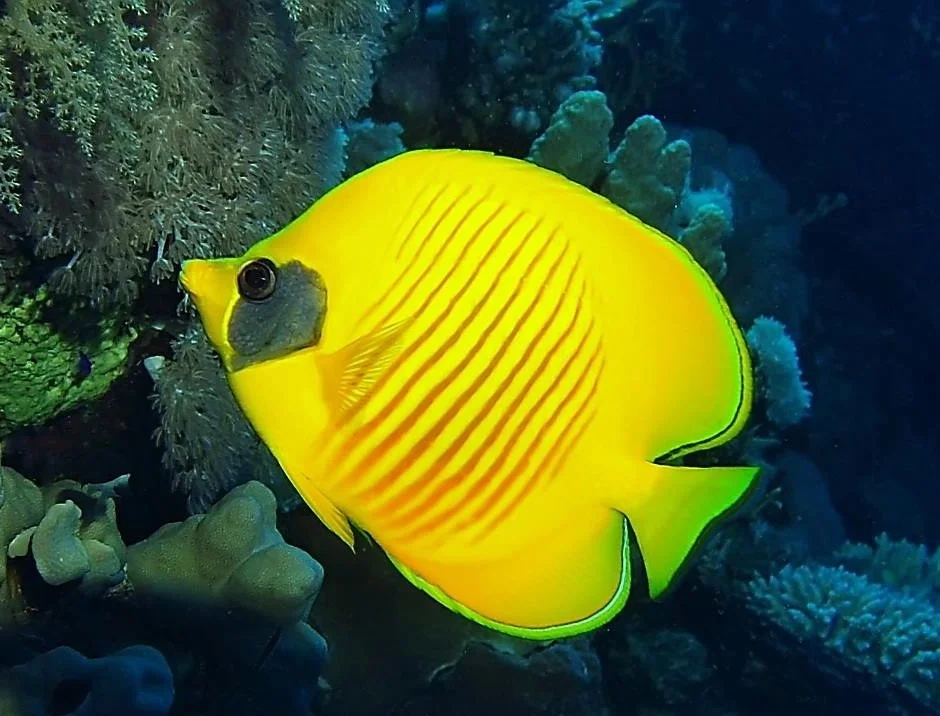
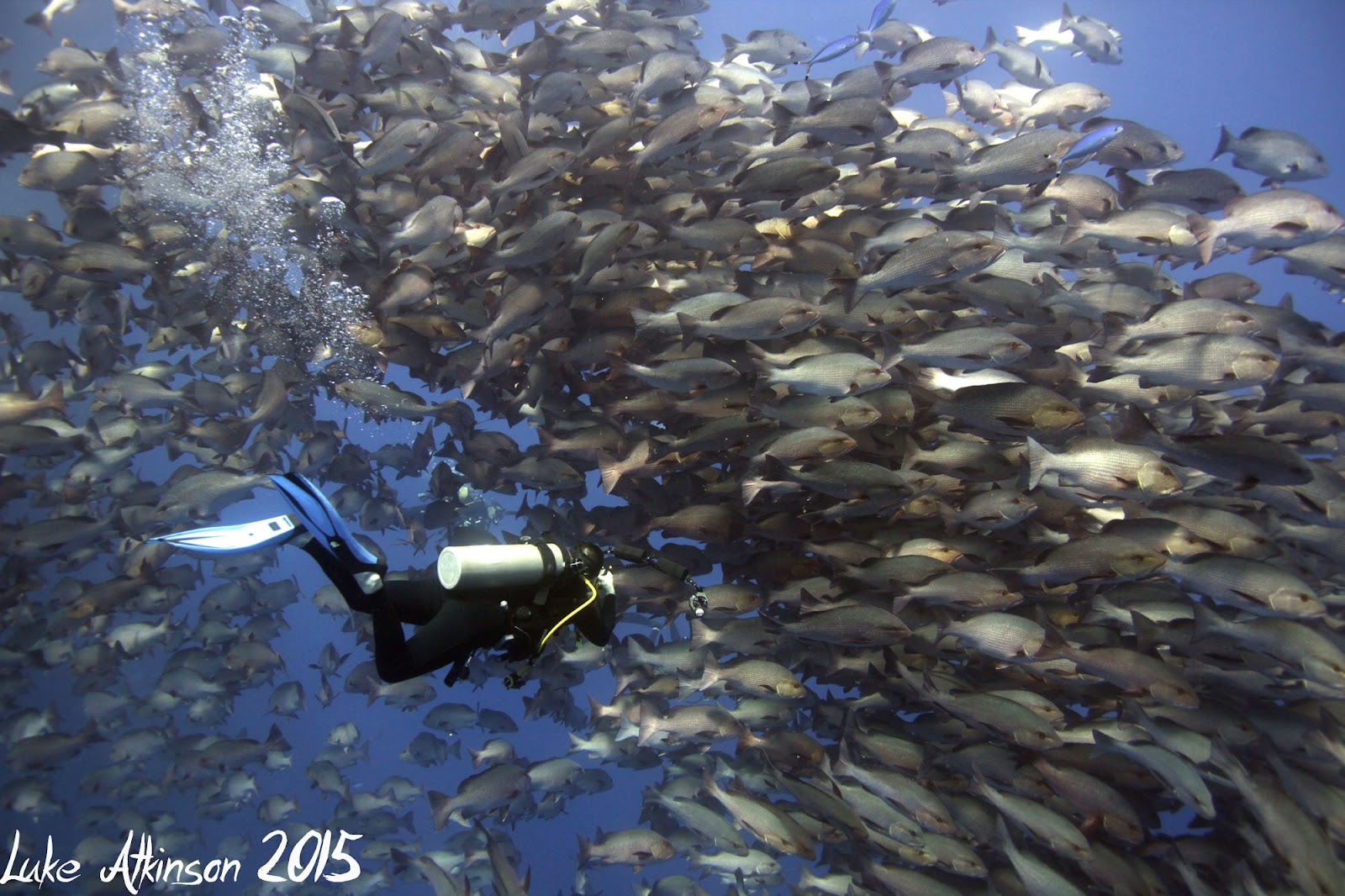
Gordon Reef, with its impressive coral formations, provides a habitat for a diverse array of marine life typical of the Straits of Tiran. Divers frequently encounter various fishes, including lionfish, groupers, tuna, angelfish, butterflyfish, parrotfish, triggerfish, pufferfish, and wrasse.
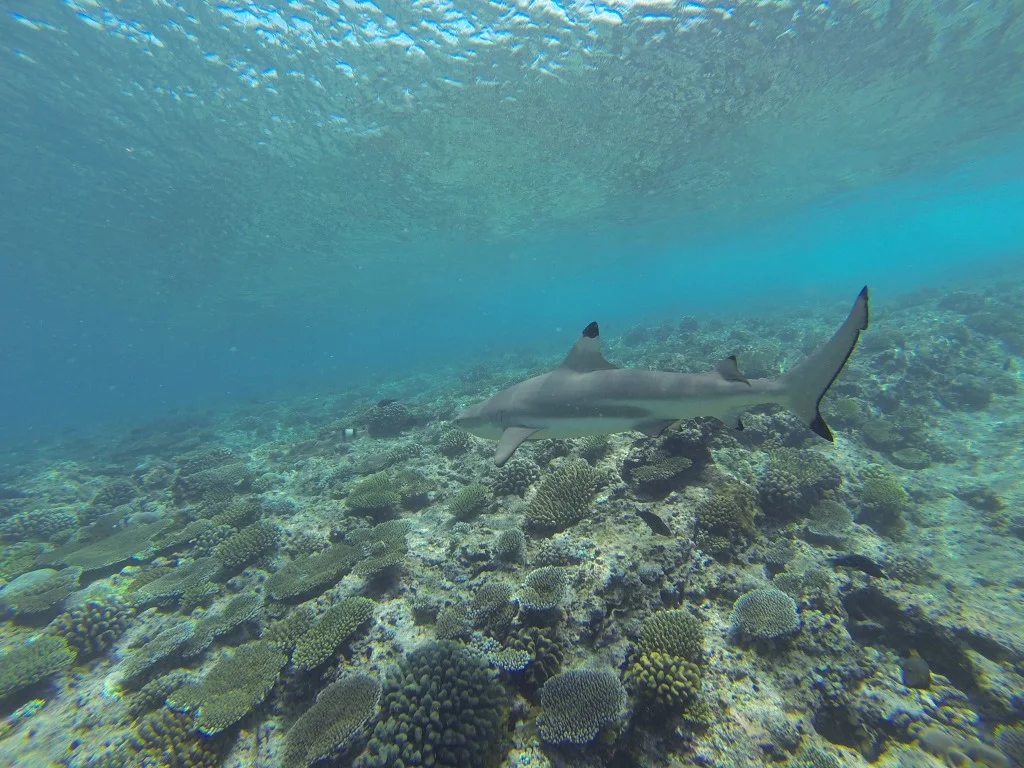
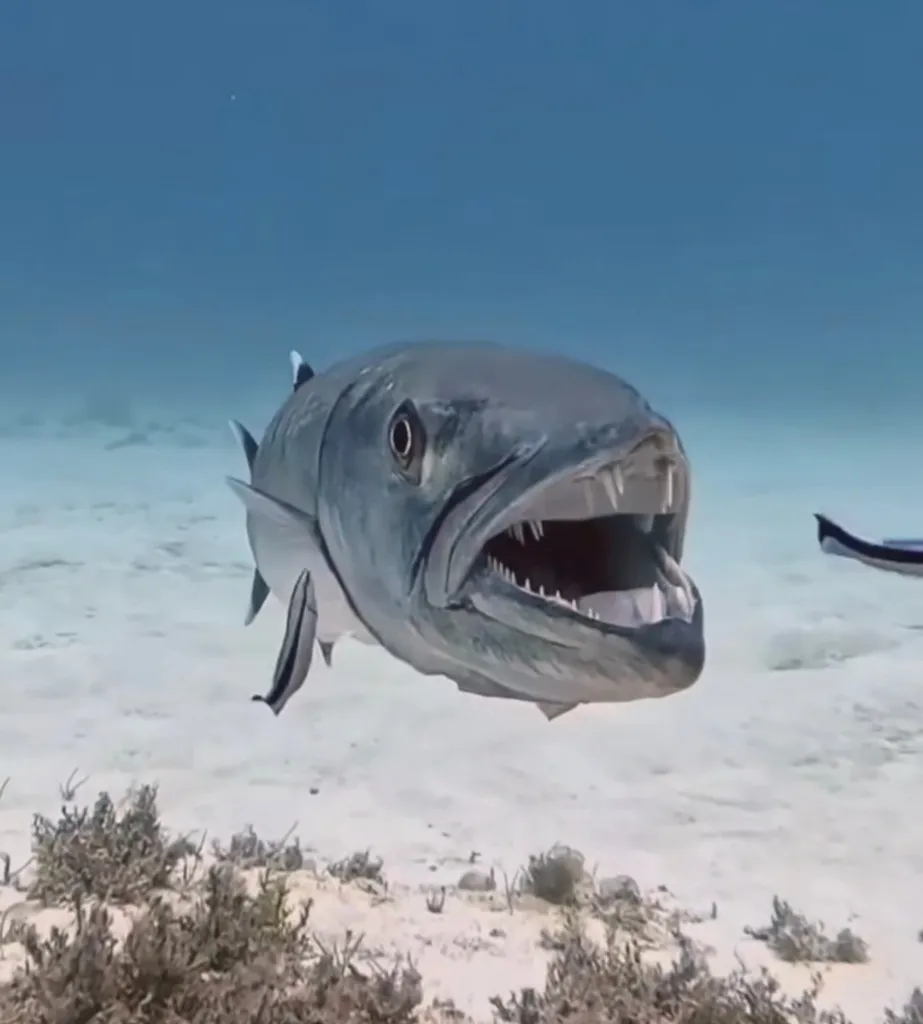
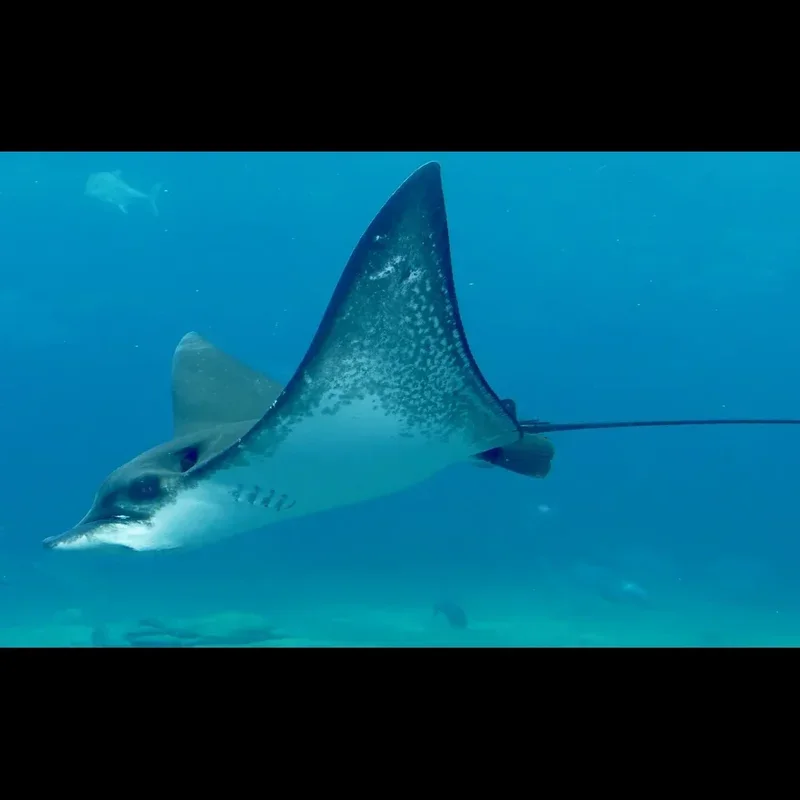
Barracudas are common residents, and rays, such as eagle rays, may be sighted. Occasional encounters with sharks and turtles are also possible.
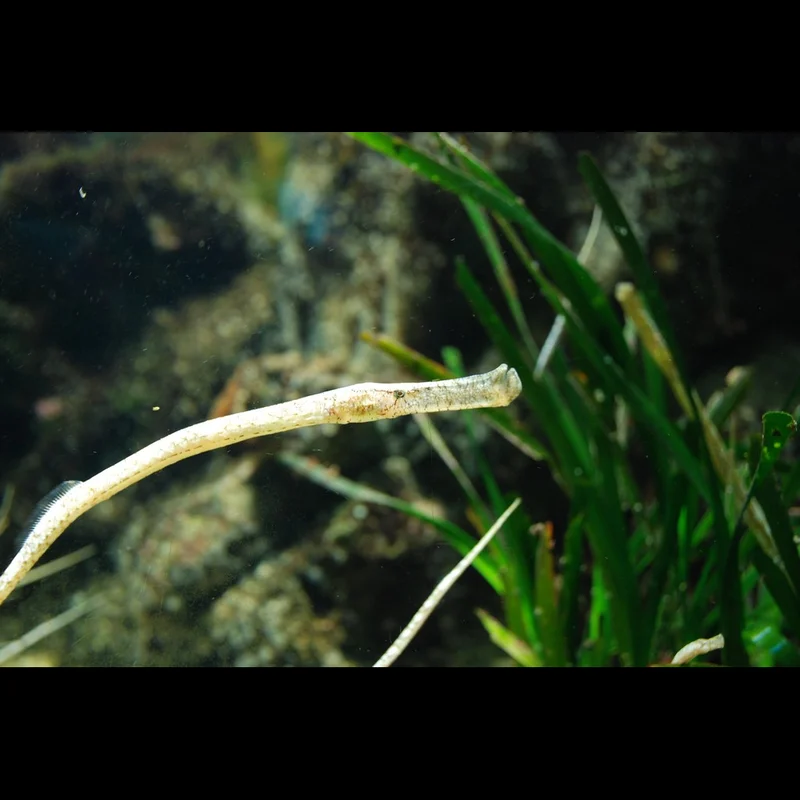
Additionally, the reef hosts molluscs, clams, pipefish, nudibranchs, seahorses, and lizardfish, adding to the smaller, intricate life found amongst the corals.
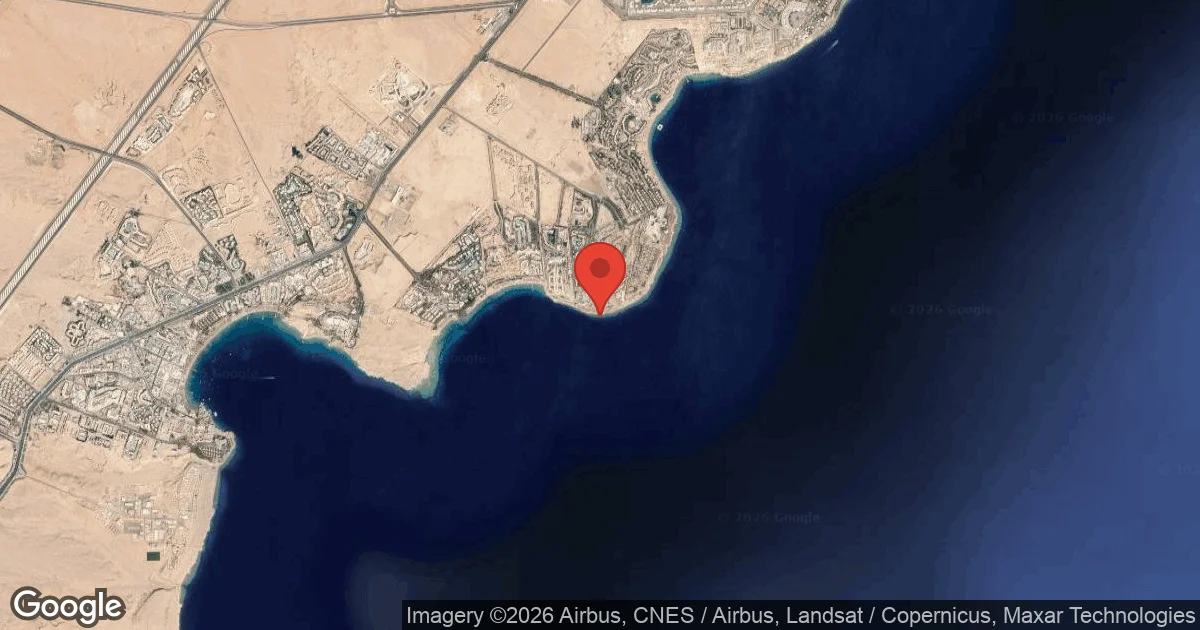
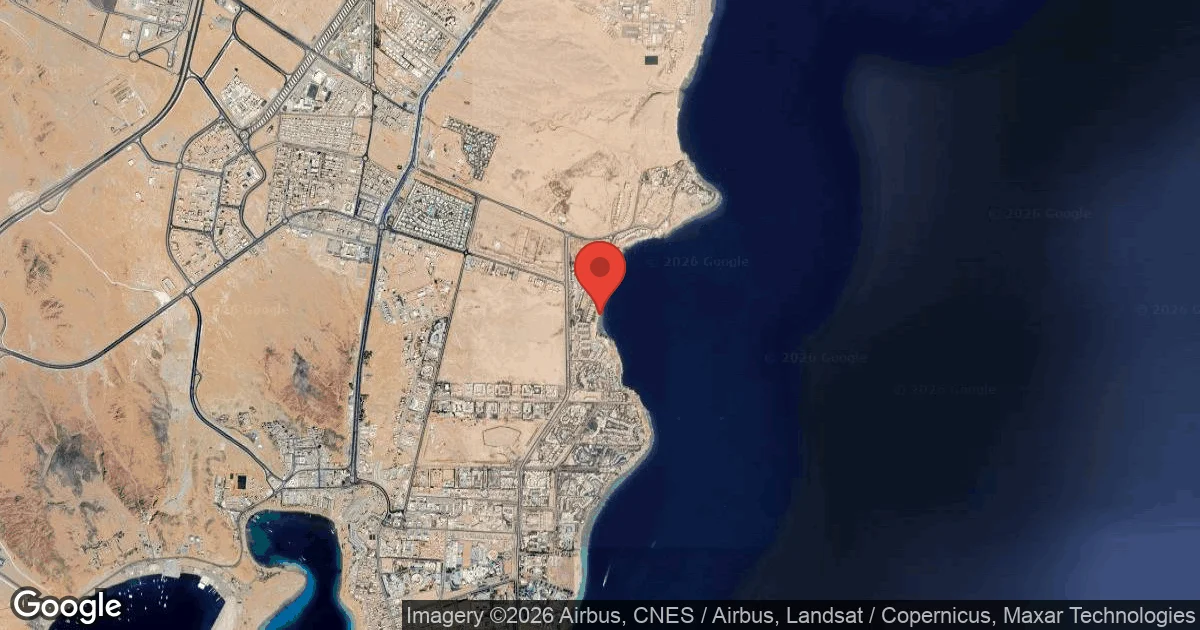
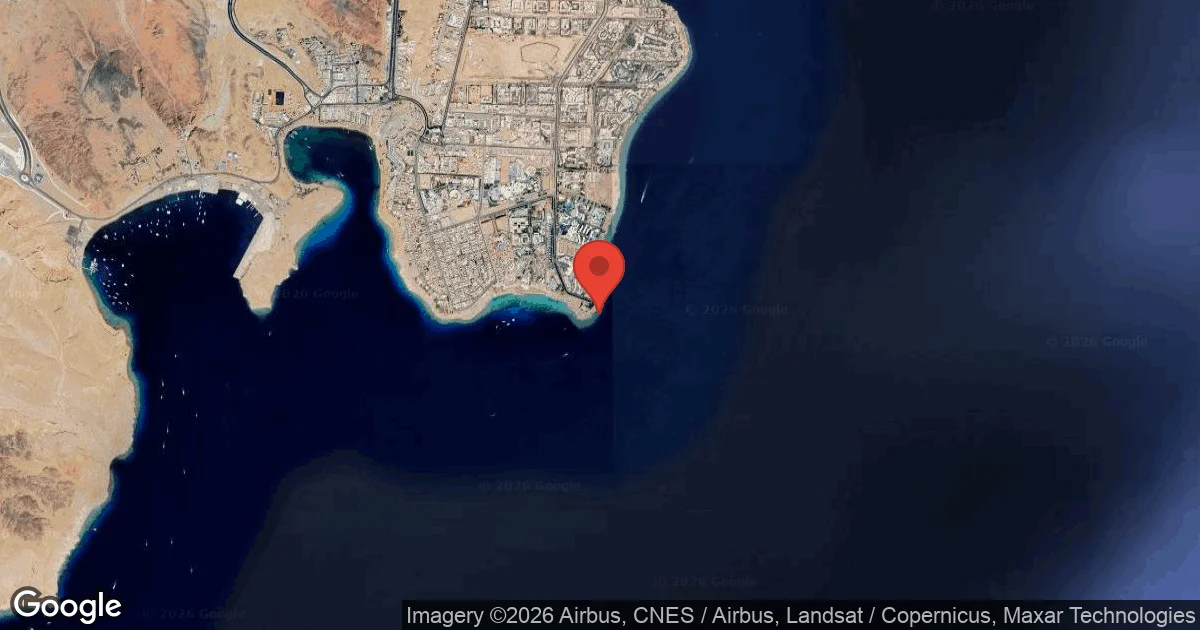
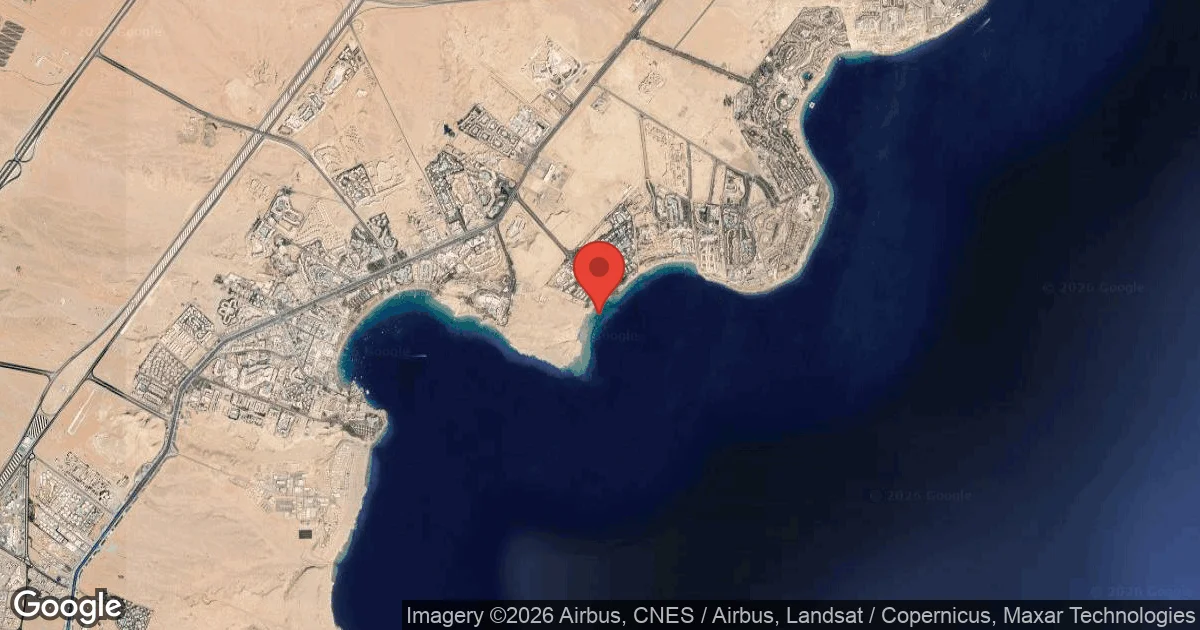
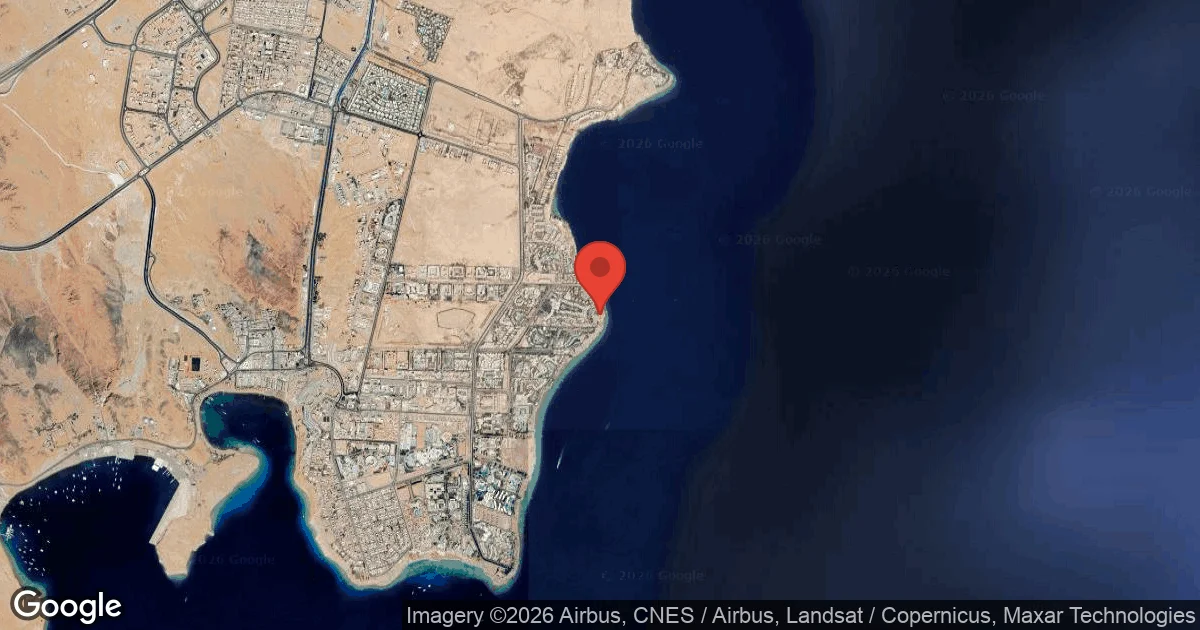
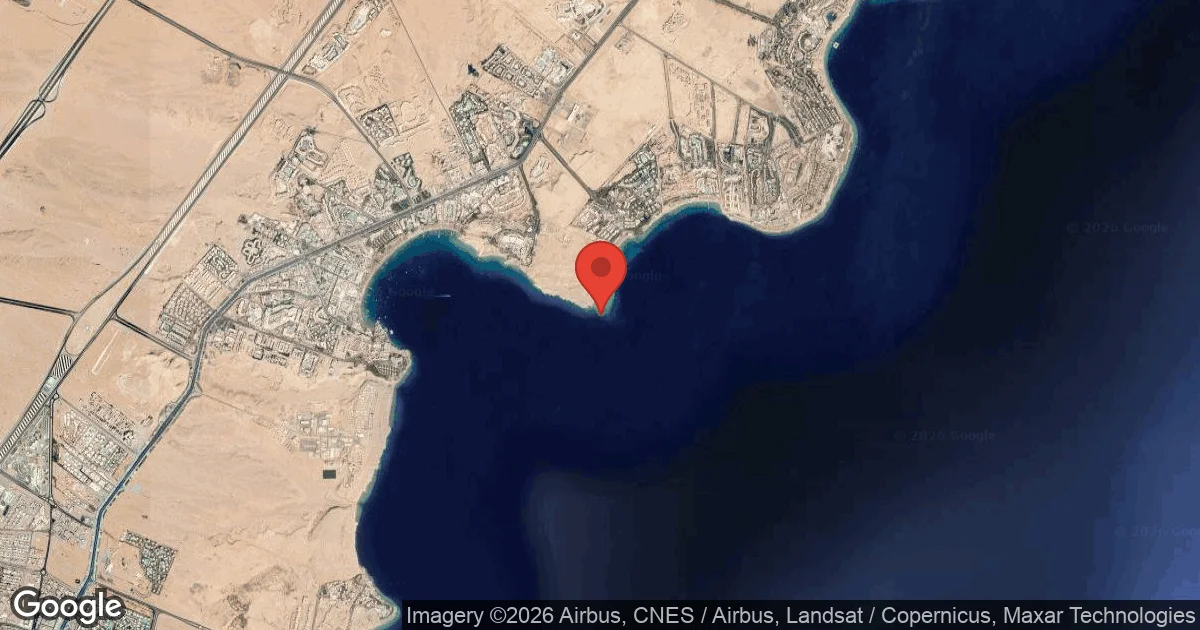
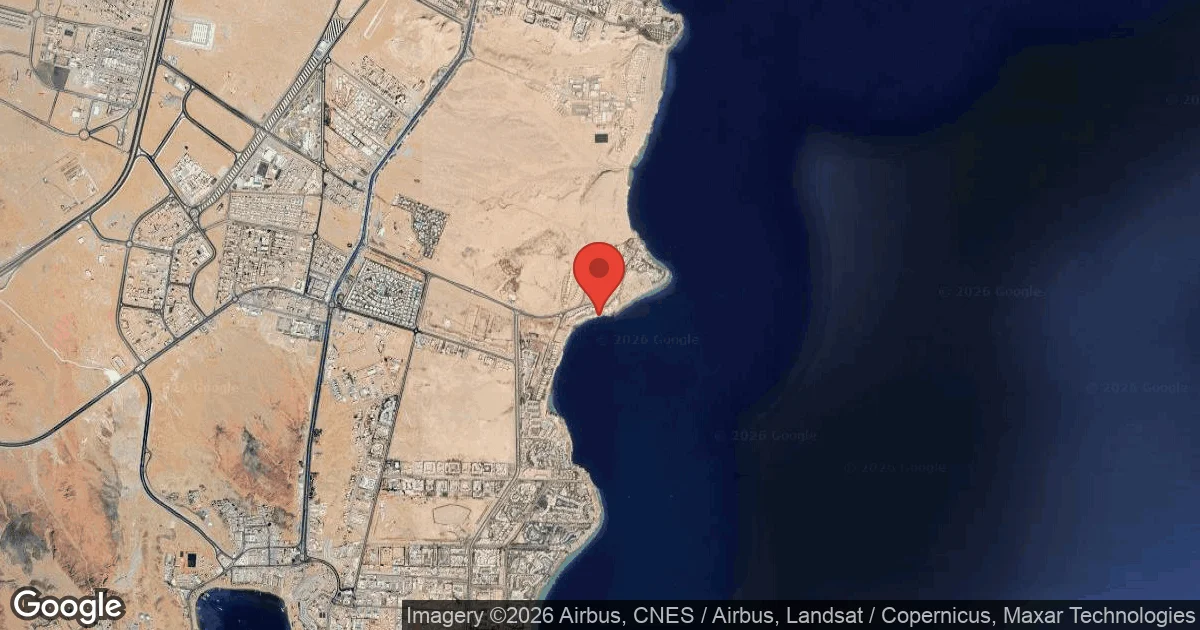
Dive Sites Near Gordon Reef - Straits of Tiran
View all dive sites in EgyptDiscover more underwater gems in this area.
Dive Centers Near Gordon Reef - Straits of Tiran
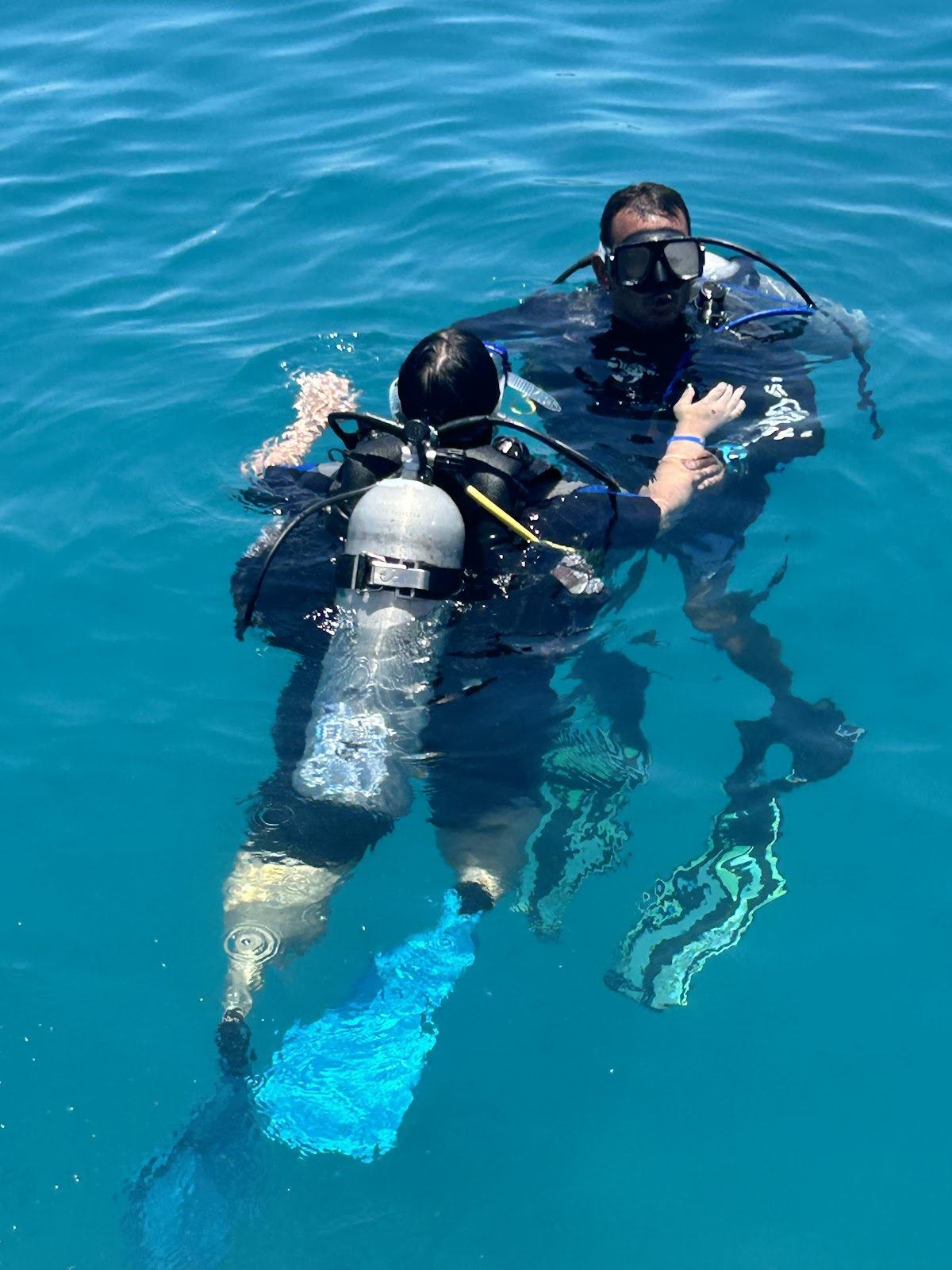
Today: 08:00 - 17:00
Nearest Airports
Nearest airports to help plan travel to this dive area.
Search Flights
Check available flights and routes on Expedia, using the nearby airports listed in this section.
Search Flights on ExpediaFrequently Asked Questions
What is Gordon Reef known for?
Gordon Reef is identifiable by the wreck of the Panamanian cargo ship Loullia, which has rested on its northern edge since 1981. It is also well-regarded for its impressive coral formations and position as the southernmost reef in the Straits of Tiran.
What kind of diving can I expect at Gordon Reef?
You can expect a drift dive experience at Gordon Reef, as strong currents are common. The site features a reef structure, walls, and deep drop-offs. Dives typically explore the southern section with its coral gardens.
When is the best time to dive Gordon Reef?
The best times for diving are generally the shoulder seasons, from March to May and September to November. These periods offer warm water temperatures and good visibility, often with fewer crowds. November and December often show excellent dive scores.
What depths are common at Gordon Reef?
Diving is mostly in the southern part of Gordon Reef, where the drop-off begins between 25 and 30 m (82 to 98 ft) and then extends to 50 m (164 ft). Sandy moorings can be found in shallower sections, from 2 to 10 m (7 to 33 ft).
What marine life might I see?
The reef is home to many fish species like lionfish, groupers, tuna, barracuda, angelfish, and parrotfish. You might also spot rays, turtles, and occasional sharks. Smaller creatures such as nudibranchs and pipefish are also present.
Are there strong currents at Gordon Reef?
Yes, currents in the Straits of Tiran, including Gordon Reef, typically range from 1 to 4 knots. Divers should be prepared for drift diving conditions and maintain good buoyancy control.
Planning to dive Gordon Reef - Straits of Tiran?
Send one inquiry and receive offers directly from the best verified local dive operators.
Conditions are Good
Optimal conditions expected
Current conditions near Gordon Reef - Straits of Tiran show 31° air, 29° sea temperature, 0.6 m waves, and 37 km/h wind. Forecast data is refreshed regularly to ensure accuracy.