
Diving at Arado Plane (Greece)
The Arado plane on Iraklia Island provides a tangible link to World War I aviation history. This German seaplane, originally shot down during the conflict, now rests within a well-protected bay. Its current position isn't its original crash site; the aircraft was salvaged from considerable depths near Santorini before being placed here. Divers can explore this carefully relocated relic, experiencing a unique intersection of history and underwater exploration in a highly accessible setting.
As evening covers Arado Plane, the local air temperature is measured at 24.5°C. The current wave height at the surface is recorded at 0.7 m. These late-day readings characterize the surface conditions for the night.
Dive Site Location & Key Facts
Dive Site Overview
A straightforward yet engaging dive unfolds at the Arado plane wreck, submerged in a sheltered bay off Iraklia Island. This historical German seaplane, a relic from World War I, was intentionally repositioned here, resting at a depth of 11 m (36 ft).
Lying capsized on a relatively flat sandy bottom, the aircraft's distinct profile is easily discernible. While time and immersion have left their mark, parts of the fuselage and wings remain largely intact, offering clear structural identification. Visibility commonly extends to 25 m (82 ft), providing excellent views of the wreck from various angles.
Protected by the bay's natural contours, conditions stay calm, allowing a tranquil bottom time of up to 45 minutes for leisurely observation of this unique historical artifact. Its accessibility makes it a rewarding site for certified divers across various experience levels, particularly those interested in historical wrecks on a shallow, easy profile.
Conditions are Good
07:00 - 14:00
Optimal conditions expected
Current conditions near Arado Plane show 24° air, 25° sea temperature, 0.6 m waves, and 31 km/h wind. Forecast data is refreshed regularly to ensure accuracy.
Best Time to Dive
Diving conditions for the Arado plane typically improve from spring through autumn, presenting a favorable window for visitors. Between April and October, the climate data indicates 'Good' dive scores, with average air temperatures ranging from 17°C to 28°C (63-82°F). Rainfall during these months is minimal, often less than 1 mm, and wave heights generally remain below 0.8 meters. By contrast, the winter months, from December through February, see 'Moderate' dive scores. Air temperatures cool to around 13.5°C to 15.5°C (56-60°F), and rainfall increases, potentially reaching over 2.5 mm in December. Wind speeds also show some variation, with slightly higher averages in winter. Despite winter's cooler conditions, diving remains feasible, but the warmer, calmer summer and shoulder seasons offer the most comfortable and clear experiences.
PEAK SEASON SCORE
Scores combine air & water temps, waves, wind & rainfall for overall conditions.
BEST MONTHS TO DIVE
Monthly records compiled from satellite and marine observation nodes over the last 3 years. Data provided by Open-Meteo and MET Norway.
Dive Experience & Conditions
Approaching the Arado plane presents an accessible experience for most certified divers, requiring prior Scuba Diver certification. Reaching a maximum depth of 11 m (36 ft), the site keeps divers well within recreational limits, ensuring ample bottom time for observation and exploration. Water temperatures average around a comfortable 22-27°C (72-81°F) for much of the year, enhancing dive comfort. Excellent visibility, often spanning considerable distances, enhances the ability to appreciate the aircraft's intricate details. Nestled securely in a protected bay, strong currents are rarely encountered. This consistently calm environment allows divers to navigate the wreck with ease, facilitating focus on its historical significance and the diverse marine life patterns now established on the artifact.
Dive Difficulty & Safety Guidelines
Ensuring a respectful dive is paramount at the Arado plane site; divers should approach it as a piece of history. Given its status as a historical artifact, touching or disturbing the wreck is strongly discouraged. No penetrations into the aircraft are permitted, maintaining its integrity and preserving it for future divers.
Standard recreational diving practices, including careful buoyancy control and monitoring of air consumption, are essential. The site's shallow depth reduces many common diving risks, but divers should always remain aware of their surroundings. Always plan your dive, dive your plan, and never exceed your training or certification limits.
Recommended Equipment
Overhead / entanglement risk. Wreck penetration requires proper training.
- Dive Computer
- Primary & Backup Lights
- Wreck Reel
- Cutting Tool
This gear list is based on verified equipment signals for Arado Plane, Greece. Always confirm final gear choices with your dive operator, guide, or liveaboard.
Recommended Dive Suit
In these water temperatures, 3mm wetsuit is a common choice for recreational diving. Consider warmer surface protection (like a boat coat) due to brisk winds. Longer dive profiles can make thermal protection more important than short exploratory dives.
The waters surrounding Arado Plane are currently maintaining temperatures close to 25°C (76°F). Surface air temperatures are resting at 24°C (76°F).
Forecast models indicate that diving conditions should remain largely unchanged.
Emergency & Medical Support
Essential information to help you plan your dive trip to Arado plane.

Hyperbaric chambers are a critical part of dive safety infrastructure. Availability varies significantly by region, and not all dive areas have immediate access.
Before diving, it's recommended to:
- confirm nearest medical facilities
- check emergency procedures with local dive operators
- ensure dive insurance covers evacuation if required
Divers Alert Network
Diving emergency assistance available through DAN Europe.
+39 0642115685- 24/7 emergency hotline
- Diving medical assistance
- Evacuation coordination
Emergency contacts are provided for reference. Always verify local emergency services before diving.
Closest Listed Hyperbaric Chambers
Showing listed hyperbaric chamber facilities within 200 km of this dive site.
Distances are approximate straight-line distances and may not reflect emergency travel time.
MYO
24/7 ListedKalymnos Island, Greece•Approx. 140 km straight-line
MYO
24/7 ListedInformation is provided for reference and planning purposes only. Dive Navigator does not verify operational status, staffing, availability, or quality of care at listed facilities. In an emergency, contact local emergency services, DAN, your dive operator, or the chamber directly. Do not travel to a facility without calling ahead.
TKYI/NNK
24/7 ListedChania, Greece•Approx. 186 km straight-line
TKYI/NNK
24/7 ListedInformation is provided for reference and planning purposes only. Dive Navigator does not verify operational status, staffing, availability, or quality of care at listed facilities. In an emergency, contact local emergency services, DAN, your dive operator, or the chamber directly. Do not travel to a facility without calling ahead.
MKYI/NNA (DHDM/ANH)
24/7 ListedICU CapableAthens, Greece•Approx. 196 km straight-line
MKYI/NNA (DHDM/ANH)
24/7 ListedICU CapableInformation is provided for reference and planning purposes only. Dive Navigator does not verify operational status, staffing, availability, or quality of care at listed facilities. In an emergency, contact local emergency services, DAN, your dive operator, or the chamber directly. Do not travel to a facility without calling ahead.
Marine Life at Arado Plane
The Arado plane, despite its historical origins, now functions as an artificial reef, attracting a variety of local marine life. Over time, the aircraft's structure has become colonized by algae and small invertebrates, providing shelter and feeding grounds.
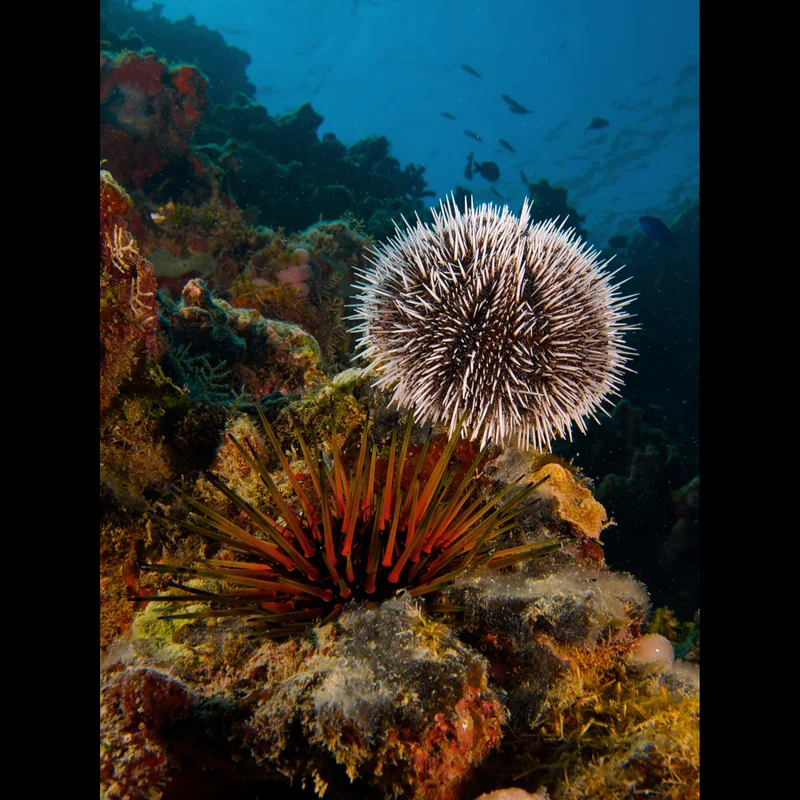
You might observe schools of smaller reef fish congregating around the wreckage, seeking protection within its framework. Certain sections of the plane often host various crustaceans, while sea urchins can be seen clinging to its surfaces.
This interaction between the submerged structure and the aquatic environment creates a dynamic, albeit subtle, underwater ecosystem.
Dive Sites Near Arado Plane
View all dive sites in GreeceDiscover more underwater gems in this area.
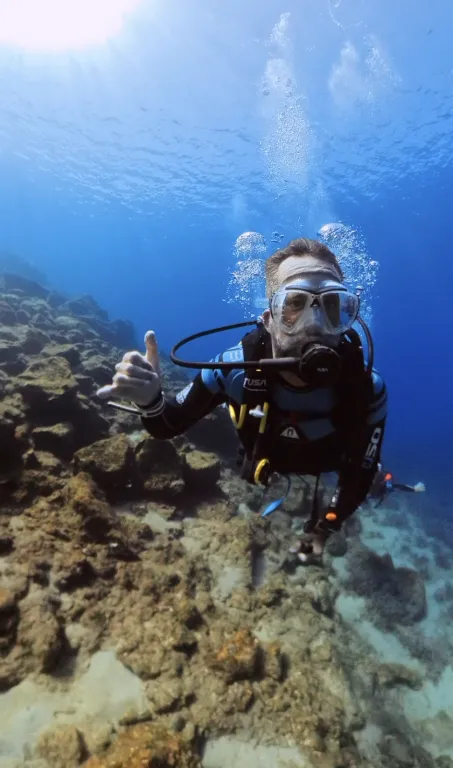
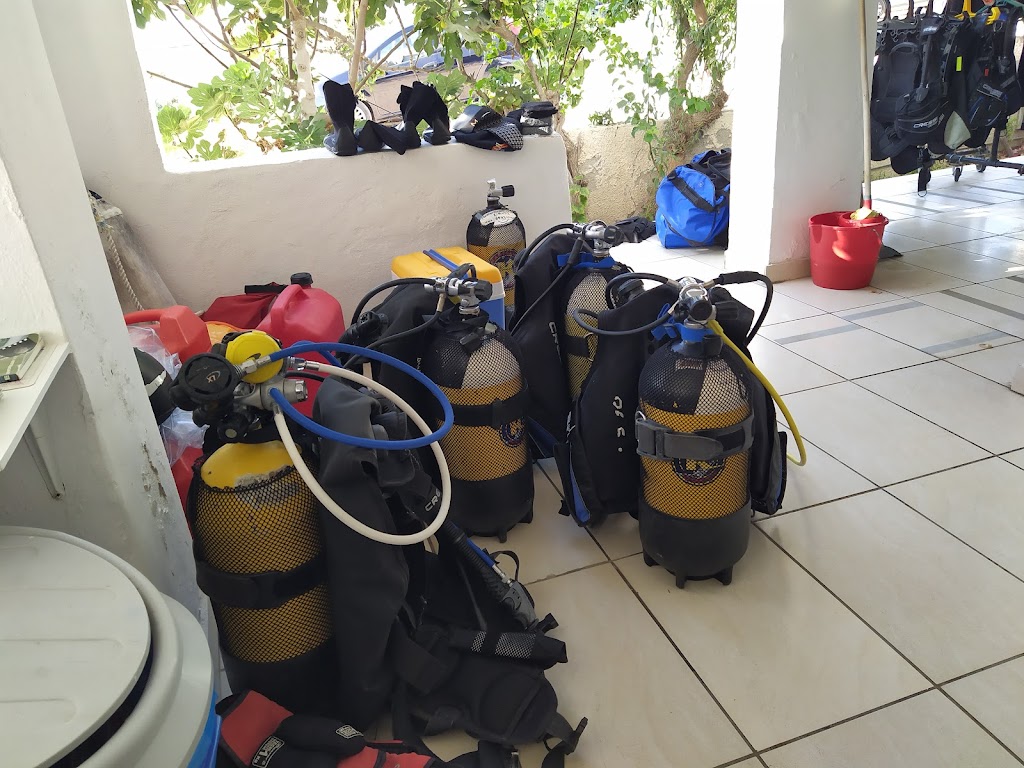
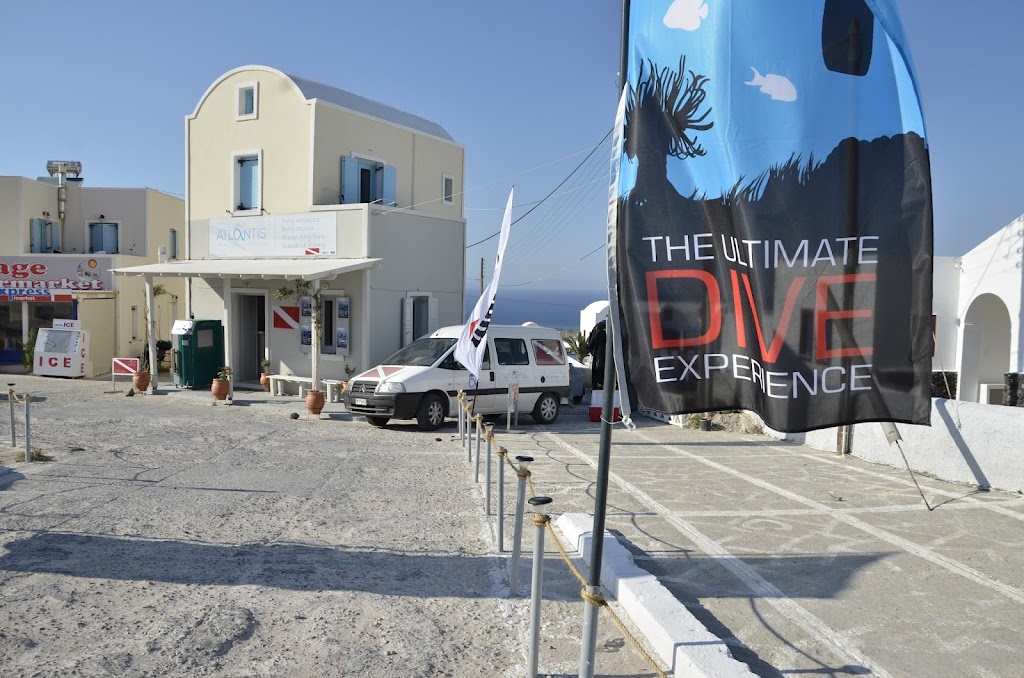
Dive Centers Near Arado Plane
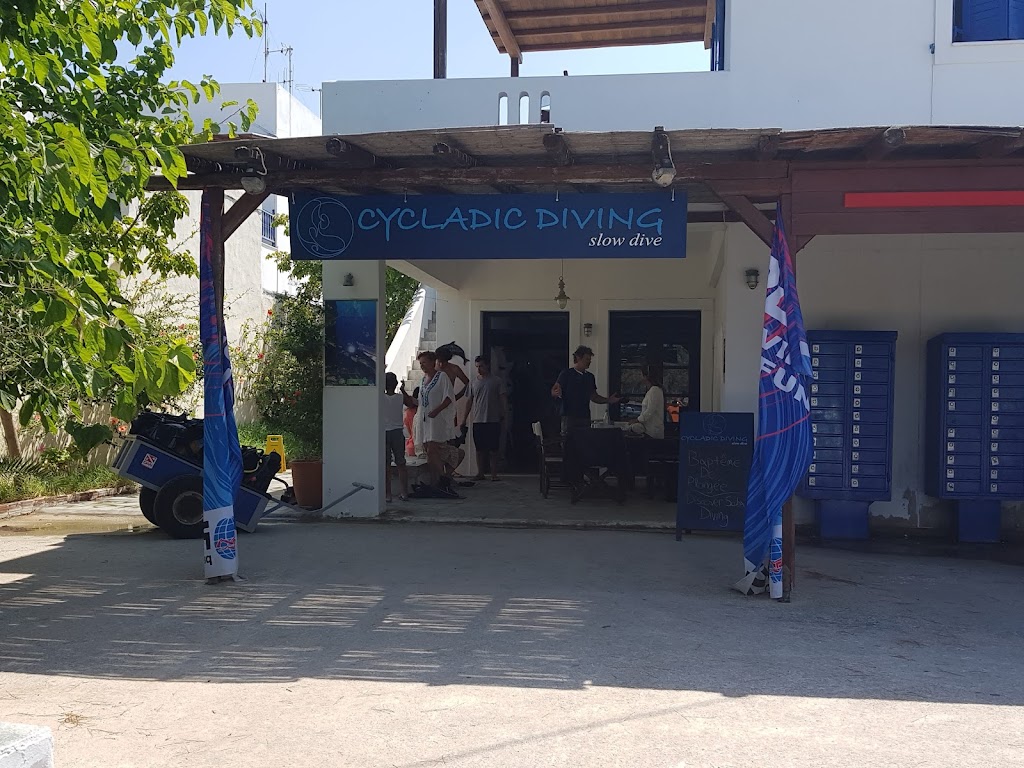
Today: 08:00 - 19:00
Nearest Airports
Nearest airports to help plan travel to this dive area.
Search Flights
Check available flights and routes on Expedia, using the nearby airports listed in this section.
Search Flights on ExpediaFrequently Asked Questions
What kind of aircraft is the Arado plane?
It's a German Arado seaplane, a type of aircraft primarily used during World War I for reconnaissance and other naval support roles.
What is the maximum depth of the dive?
Resting at a maximum depth of 11 m (36 ft), the Arado plane is an accessible dive for recreational divers. Its shallow position allows for extended bottom time and relaxed observation.
Is this dive site suitable for beginner divers?
Yes, it is suitable for certified Scuba Divers. Its shallow depth and generally calm conditions make it ideal for those with basic open water certification.
What is the typical visibility at the Arado plane site?
Visibility at the site is consistently excellent, often providing very clear views of the aircraft from a distance. Conditions typically allow for appreciation of the wreck's full scale.
Can divers penetrate the Arado plane wreck?
No, penetration into the Arado plane is not permitted. It's an observational dive to preserve the historical artifact and ensure diver safety.
What is the historical significance of this specific Arado plane?
A World War I German seaplane, the Arado was shot down during the conflict. While salvaged from deep water near Santorini, its current location on Iraklia allows divers to interact with a piece of wartime history.
What is the average water temperature at the dive site?
Average water temperature around the Arado plane site is approximately 22°C (72°F), offering comfortable conditions for most of the diving season.
What kind of marine life can be observed around the wreck?
Serving as an artificial reef, the wreck attracts various species common to shallow Mediterranean waters. Divers may observe small schooling fish, crustaceans, and different types of algae or soft corals colonizing the plane's structure.
Planning to dive Arado Plane?
Send one inquiry and receive offers directly from the best verified local dive operators.
Conditions are Good
07:00 - 14:00
Optimal conditions expected
Current conditions near Arado Plane show 24° air, 25° sea temperature, 0.6 m waves, and 31 km/h wind. Forecast data is refreshed regularly to ensure accuracy.