
Diving at Mylopotas Shore Reef (Greece)
Mylopotas shore Reef offers a gentle introduction to diving in Greece, with its maximum depth reaching approximately 8 m (26 ft). This makes it an ideal location for entry-level training, such as Discover Scuba Diving and PADI Open Water Diver courses. Accessible directly from the water's edge, divers can explore a small reef in shallow, comfortable conditions. Its modest depth profile encourages longer bottom times and a relaxed learning environment.
Tonight's objective overview for Mylopotas Shore Reef shows an air temperature of 23°C. The measured surface conditions include wave heights around 0.6 m. This environmental data is logged for the close of the day.
Dive Site Location & Key Facts
Dive Site Overview
Mylopotas shore Reef's topography presents a small, accessible reef structure located directly offshore from Mylopotas Beach. A straightforward and convenient shore entry begins the dive experience.
Descending from the coastal entry point, divers encounter a gradual transition to a sandy bottom that eventually meets the reef system. This area, described as a small reef close to the shore, is particularly well-suited for training in confined waters, often benefiting from the site's sheltered position.
Maximum depth for recreational diving here is around 8 m (26 ft). The site lacks complex currents or dramatic drop-offs, reinforcing its beginner-friendly nature.
Explorers can observe the interaction between sandy stretches and the rockier outcrops where marine life finds shelter. Ease of access is a defining characteristic; it eliminates the need for boat transfers for many activities, embodying a classic shore diving experience.
Conditions are Good
Optimal conditions expected
Current conditions near Mylopotas Shore Reef show 23° air, 25° sea temperature, N/A waves, and 27 km/h wind. Forecast data is refreshed regularly to ensure accuracy.
Best Time to Dive
Diving conditions at Mylopotas shore Reef are generally favorable from May through October, aligning with periods of excellent underwater visibility. During these months, average air temperatures range comfortably from 19.5°C (67°F) in May to 27.5°C (82°F) in July, ensuring pleasant surface intervals. Rainfall is minimal across this period, with monthly averages consistently below 1mm, a factor that significantly contributes to maintaining clarity underwater. Wave heights tend to be notably lower during the peak summer and shoulder seasons, typically staying below 1 meter (3 ft). These calmer surface conditions also enhance visibility and simplify shore entries. September and October continue to offer good diving, presenting air temperatures around 24.5°C (76°F) and 21°C (70°F) respectively, alongside continued low precipitation.
PEAK SEASON SCORE
Scores combine air & water temps, waves, wind & rainfall for overall conditions.
BEST MONTHS TO DIVE
Monthly records compiled from satellite and marine observation nodes over the last 3 years. Data provided by Open-Meteo and MET Norway.
Dive Experience & Conditions
Current dynamics at Mylopotas shore Reef are typically mild, especially within the sheltered confines of the coastal area. This creates a tranquil environment, highly conducive for both novice divers and those engaged in training. Water temperatures, while not consistently reported, generally reflect Mediterranean averages, often reaching 22-27°C (72-81°F) during summer months. Maximum depth consistently remains in the single-digit meters, keeping divers well within comfortable recreational limits. Surface conditions usually present as calm, which facilitates straightforward shore entries and exits. Divers exploring this reef can expect a relaxed pace, perfect for practicing skills or simply observing marine life without challenging elements. The overall experience here is defined by its accessibility and suitability for a broad spectrum of dive levels, from Discover Scuba Diving participants to PADI Open Water certified individuals seeking a gentle re-entry dive.
Dive Difficulty & Safety Guidelines
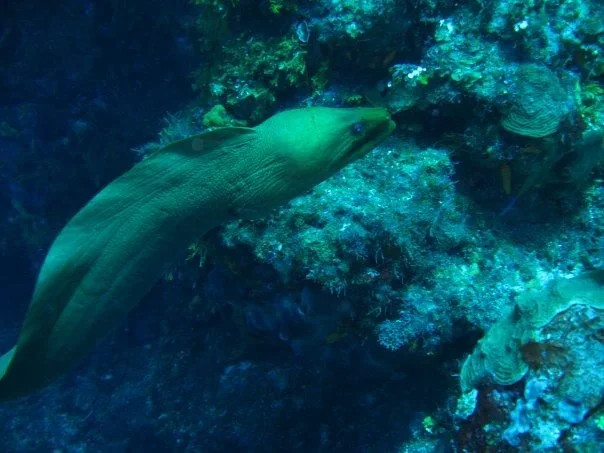
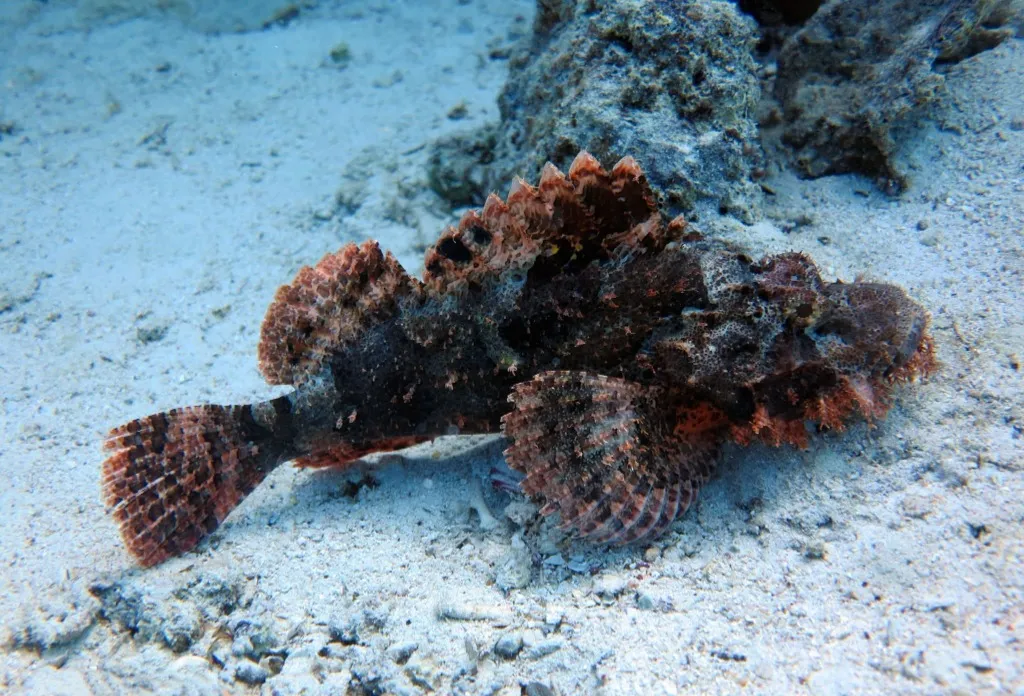
As with any shore dive, proper entry and exit techniques are fundamental for safe diving at Mylopotas shore Reef. Divers should prioritize appropriate buoyancy control to protect the small reef structure and prevent stirring up the sandy bottom, which can diminish visibility for others. Given the reported presence of Scorpionfish and Moray Eels, divers need to maintain a respectful distance from marine life, observing without touching.
A dive flag is strongly suggested for surface support awareness, particularly in areas with other water activities. Always diving within certification limits and with a buddy is paramount.
For training activities or Discover Scuba Diving experiences, mandatory professional supervision ensures adherence to PADI standards. Checking local conditions, especially wind and wave forecasts, remains a crucial pre-dive step for planning.
Recommended Equipment
- Dive Computer
- Hard-soled Dive Boots
This gear list is based on verified equipment signals for Mylopotas Shore Reef, Greece. Always confirm final gear choices with your dive operator, guide, or liveaboard.
Recommended Dive Suit
3mm wetsuit is widely used for recreational dives in waters of this temperature. A hood or vest is suggested for sensitive divers due to surface winds. Water conditions at Mylopotas Shore Reef are currently measured at approximately 25°C (76°F). Surface air temperatures are resting at 23°C (74°F).
Forecast models show minimal temperature variation in the coming days.
Water temperatures can occasionally shift throughout the day depending on currents and depth layers.
Emergency & Medical Support
Essential information to help you plan your dive trip to Mylopotas shore Reef.

Hyperbaric chambers are a critical part of dive safety infrastructure. Availability varies significantly by region, and not all dive areas have immediate access.
Before diving, it's recommended to:
- confirm nearest medical facilities
- check emergency procedures with local dive operators
- ensure dive insurance covers evacuation if required
Divers Alert Network
Diving emergency assistance available through DAN Europe.
+39 0642115685- 24/7 emergency hotline
- Diving medical assistance
- Evacuation coordination
Emergency contacts are provided for reference. Always verify local emergency services before diving.
Closest Listed Hyperbaric Chambers
Showing listed hyperbaric chamber facilities within 200 km of this dive site.
Distances are approximate straight-line distances and may not reflect emergency travel time.
MYO
24/7 ListedKalymnos Island, Greece•Approx. 153 km straight-line
MYO
24/7 ListedInformation is provided for reference and planning purposes only. Dive Navigator does not verify operational status, staffing, availability, or quality of care at listed facilities. In an emergency, contact local emergency services, DAN, your dive operator, or the chamber directly. Do not travel to a facility without calling ahead.
TKYI/NNK
24/7 ListedChania, Greece•Approx. 169 km straight-line
TKYI/NNK
24/7 ListedInformation is provided for reference and planning purposes only. Dive Navigator does not verify operational status, staffing, availability, or quality of care at listed facilities. In an emergency, contact local emergency services, DAN, your dive operator, or the chamber directly. Do not travel to a facility without calling ahead.
MKYI/NNA (DHDM/ANH)
24/7 ListedICU CapableAthens, Greece•Approx. 196 km straight-line
MKYI/NNA (DHDM/ANH)
24/7 ListedICU CapableInformation is provided for reference and planning purposes only. Dive Navigator does not verify operational status, staffing, availability, or quality of care at listed facilities. In an emergency, contact local emergency services, DAN, your dive operator, or the chamber directly. Do not travel to a facility without calling ahead.
Marine Life at Mylopotas Shore Reef
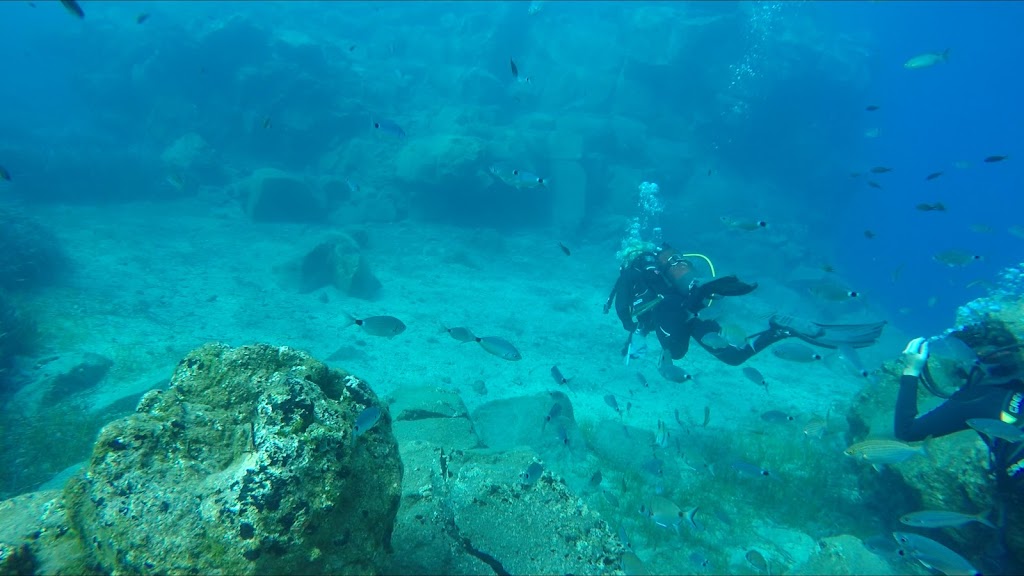
Exploring the modest underwater landscape of Mylopotas shore Reef reveals a variety of common Mediterranean species. Divers often encounter Scorpionfish, masters of camouflage, positioned against rocky patches, and Moray Eels peering from crevices.
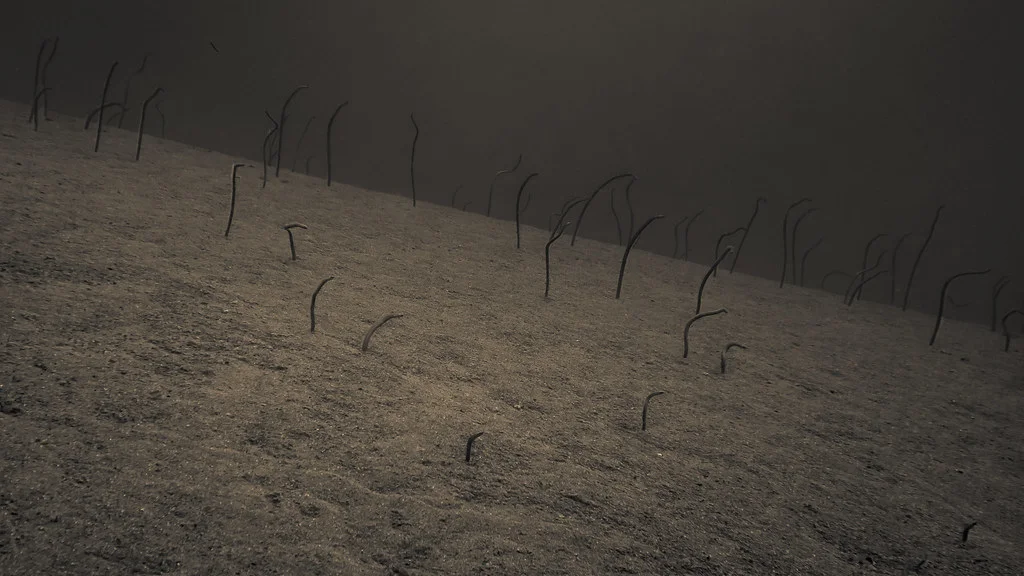
Garden Eels are sometimes observed swaying rhythmically from the sandy areas. Other reported sightings include Goatfish, Barracuda, Bream, and Rabbitfish navigating the reef sections.
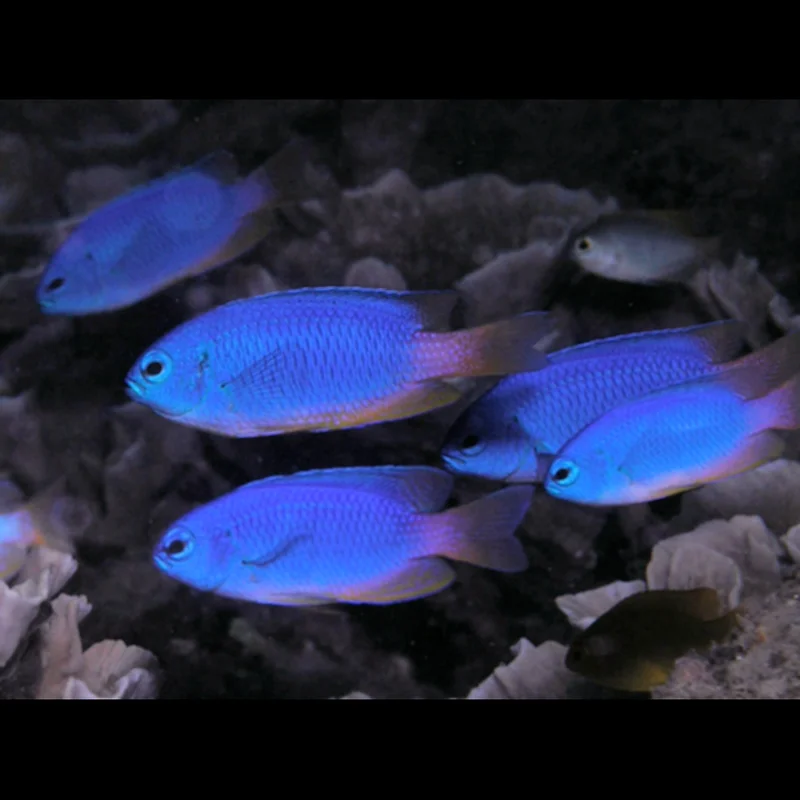
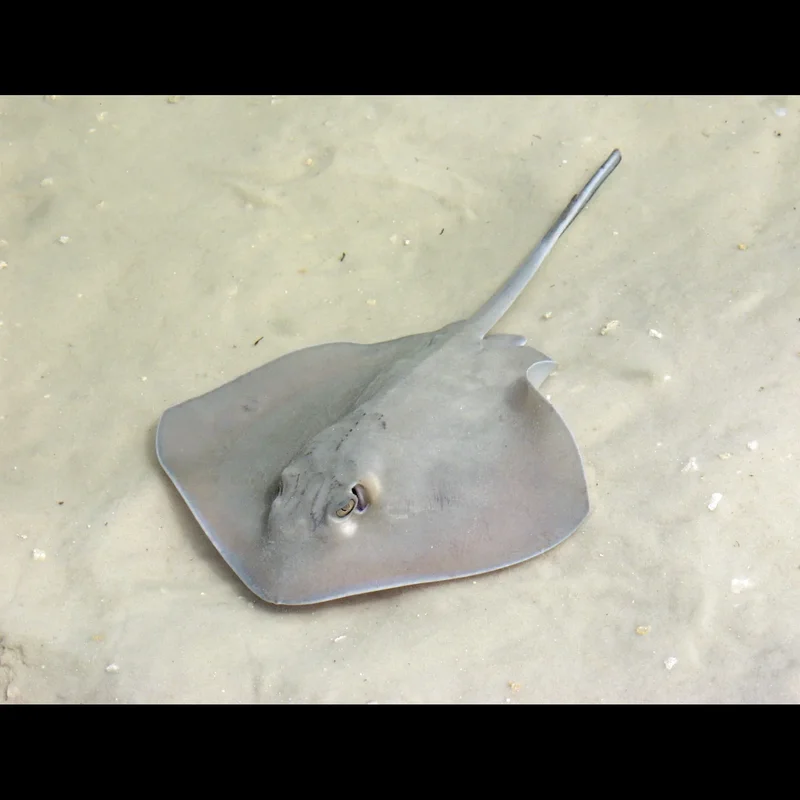
Damselfish are prevalent, darting actively among the rocks. Lucky divers might spot an Octopus, Squid, or even a Stingray settled on the bottom. Sea cucumbers also contribute to the benthic ecosystem here. Occasional Turtle sightings have been noted, though not consistently reported.
Dive Sites Near Mylopotas Shore Reef
View all dive sites in GreeceDiscover more underwater gems in this area.
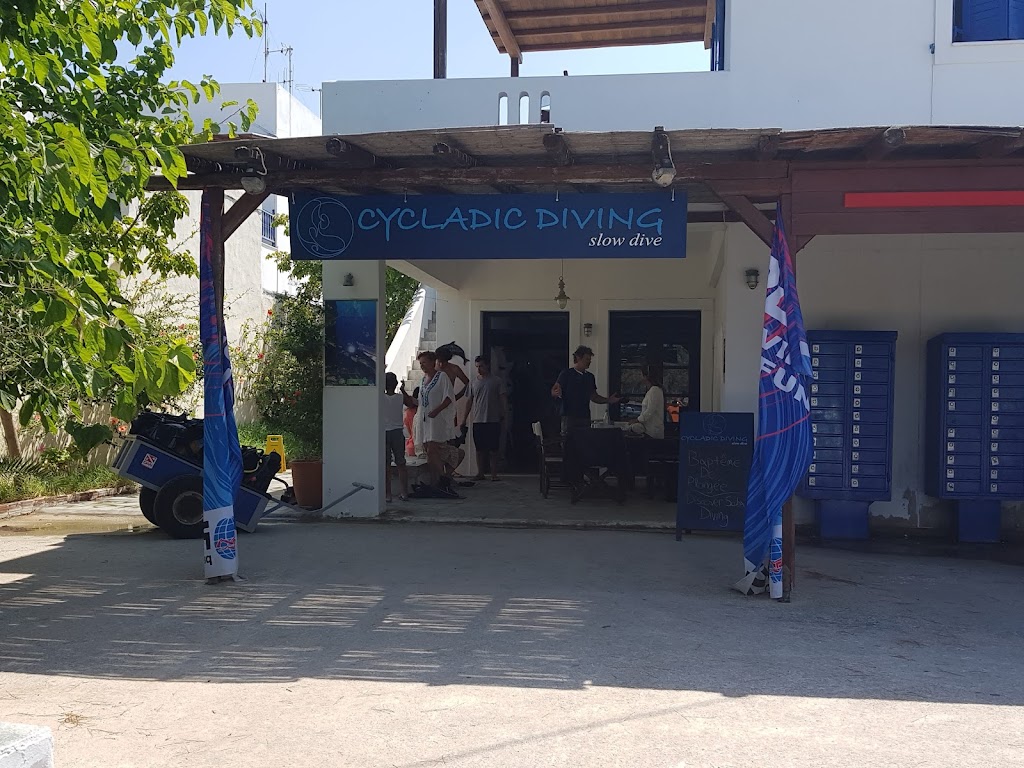
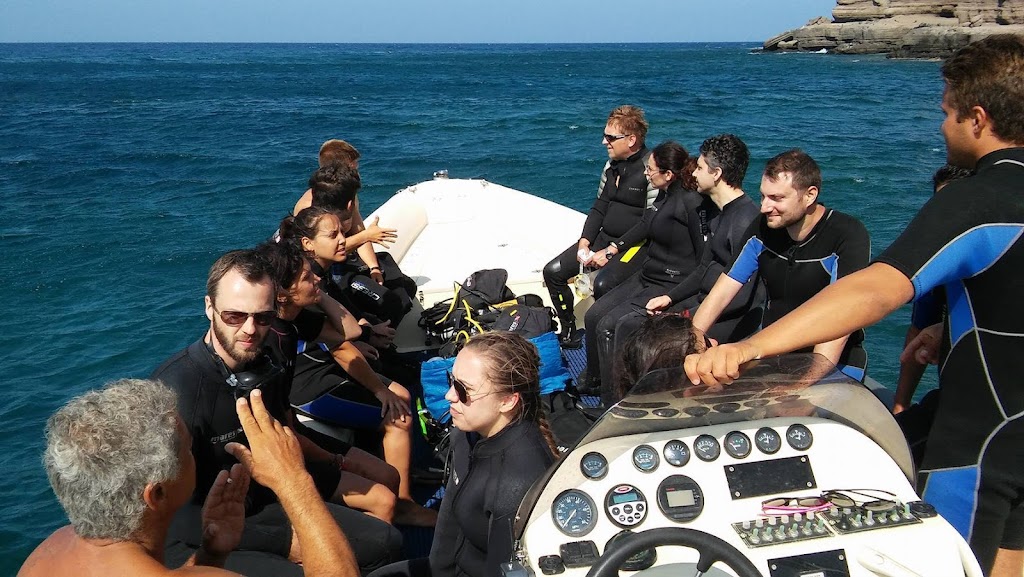
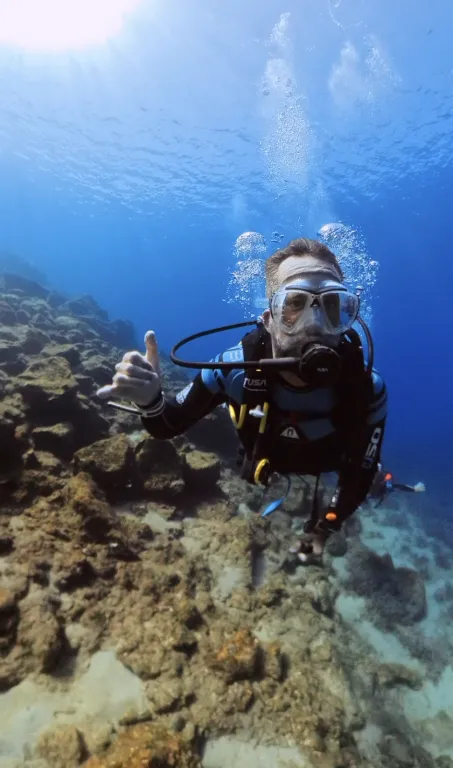
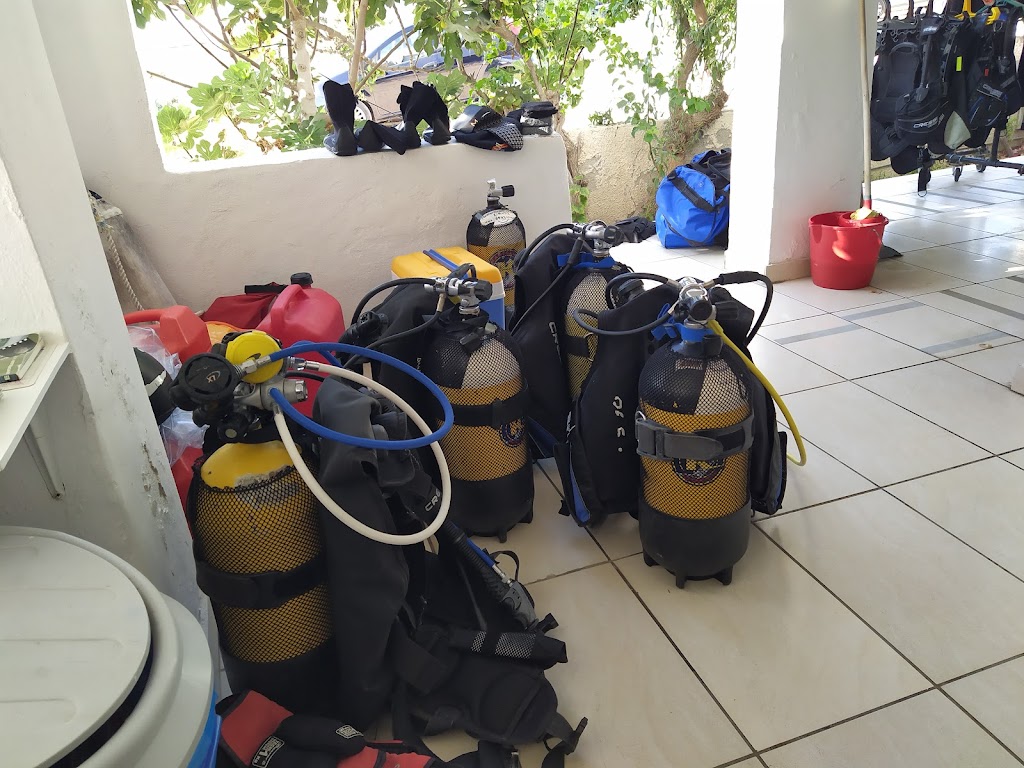
Dive Centers Near Mylopotas Shore Reef
Today: 08:30 - 14:00 • 17:00 - 21:00
Nearest Airports
Nearest airports to help plan travel to this dive area.
Search Flights
Check available flights and routes on Expedia, using the nearby airports listed in this section.
Search Flights on ExpediaFrequently Asked Questions
What certification level is suitable for Mylopotas shore Reef?
This site is highly suitable for PADI Open Water Divers and those participating in Discover Scuba Diving programs. Its shallow depths make it an excellent location for initial training and skill practice.
What is the maximum depth at Mylopotas shore Reef?
The maximum depth for diving at Mylopotas shore Reef is approximately 8 m (26 ft). Its shallow profile allows for extended bottom times and a relaxed dive experience.
Are there strong currents at this dive site?
Current dynamics here are typically mild, particularly due to the site's sheltered position. This contributes to generally calm conditions, beneficial for novice divers.
What marine life can I expect to see?
Common sightings include Scorpionfish, Moray Eels, and Garden Eels. Divers may also spot Octopus, Squid, various reef fish like Damselfish and Goatfish, and occasionally a Stingray.
Is Mylopotas shore Reef suitable for night diving?
Yes, the site is listed as suitable for shore night dives. Its accessible entry and shallow, mild conditions can make it an interesting location to experience nocturnal marine life.
What is the best time of year to dive here?
The period from May to October generally offers the best diving conditions, with warm air temperatures and minimal rainfall. These months contribute to better visibility and calmer surface conditions.
Can I do my PADI Open Water certification here?
Yes, Mylopotas shore Reef is specifically used by local dive centers for PADI Open Water Diver courses. Its accessible shore entry and sheltered waters are ideal for training.
Do I need special equipment for this shore dive?
While standard scuba gear is sufficient, a wetsuit is recommended for comfort. A dive flag and surface marker buoy can also be useful for surface visibility.
Planning to dive Mylopotas Shore Reef?
Send one inquiry and receive offers directly from the best verified local dive operators.
Conditions are Good
Optimal conditions expected
Current conditions near Mylopotas Shore Reef show 23° air, 25° sea temperature, N/A waves, and 27 km/h wind. Forecast data is refreshed regularly to ensure accuracy.