
Diving at Amphitheater (Indonesia)
Amphitheater dive site in Indonesia features consistently warm waters, typically 27-30°C (80-86°F), and impressive visibility of 15-30 m (50-100 ft). Varying currents define the region, contributing to a vibrant ecosystem. Divers can expect conditions from gentle drifts to stronger flows, necessitating careful pre-dive assessment. An overall environment delivers a rich underwater experience.
Evening condition tracking at Amphitheater features an air temperature of 30°C. We have recorded wave heights measuring 1.3 m during this period. These figures outline the environmental parameters currently present.
Dive Site Location & Key Facts
Dive Site Overview
Raja Ampat, home to sites like Amphitheater, has long been recognized for its exceptional marine biodiversity and pristine coral ecosystems. For decades, divers consistently report unparalleled life density, often a continuous tapestry of coral growth stretching for meters deep.
Abundant underwater richness supports an incredible array of fish, tucked into every crevice, alongside anemones, barrel sponges, and soft corals that often dwarf divers. Colors burst with vibrancy; schools of fish are large and active, creating a living panorama beneath the surface. Dives here occur between 10 and 40 m (30 and 130 ft), though much captivating life thrives in shallower areas.
Deeper sections reveal schools of jack, fusilier, and surgeonfish, plus reef sharks and occasional manta rays. Abundant macro life attracts photographers, with intricate creatures found in small areas.
Understanding this long-established reputation for diverse habitats helps set expectations for an immersive experience.
Conditions are Moderate
Optimal conditions expected
Current conditions near Amphitheater show 30° air, 30° sea temperature, 1.4 m waves, and 22 km/h wind. Forecast data is refreshed regularly to ensure accuracy.
Best Time to Dive
Optimal diving at Amphitheater and throughout Raja Ampat typically occurs between October and May. During these months, surface conditions are generally calmer, and visibility tends to be more consistent. Air temperatures during this period are pleasantly warm, averaging between 27.5-28.5°C (82-83°F), with moderate rain levels, for example, 4.92mm in November and 2.73mm in December. Dive scores are consistently good to moderate during this timeframe, peaking in June and December. Conversely, June and July are noted for potentially higher winds and less predictable sea conditions. While diving is possible almost year-round, these months might present bumpier boat rides and less ideal surface conditions. Water temperatures remain consistently warm, staying between 27-30°C (80-86°F) regardless of the season, ensuring comfortable dives even when surface conditions vary.
PEAK SEASON SCORE
Scores combine air & water temps, waves, wind & rainfall for overall conditions.
BEST MONTHS TO DIVE
Monthly records compiled from satellite and marine observation nodes over the last 3 years. Data provided by Open-Meteo and MET Norway.
Dive Experience & Conditions
Descending into Amphitheater, divers often feel immediately enveloped by a sensory overload of color and movement. Water feels consistently warm, usually 27-30°C (80-86°F), allowing for comfortable extended bottom times. Visibility often stretches 15-30 m (50-100 ft), providing expansive views of intricate coral structures. As you explore, currents can be a constant companion; some dives involve a gentle push, a serene drift along a wall. Other times, a stronger flow might require precise buoyancy and finning, offering the thrill of witnessing large pelagics brought in by nutrient-rich water. Expect to feel surrounded by dense marine populations, with reef sharks patrolling the depths and schools of fish swirling around pinnacles.
Dive Difficulty & Safety Guidelines
Diving at sites like Amphitheater often demands a certain level of experience, particularly due to the variable currents. While Open Water Divers can navigate more sheltered areas, those with drift diving experience will find themselves better prepared for the stronger flows that characterize many Raja Ampat sites. Having an Advanced Open Water certification with at least 20 logged dives, or an Open Water Diver certification with 40 logged dives, is frequently recommended for liveaboard trips accessing these regions.
For diver safety, deploying a surface marker buoy (SMB) is highly recommended for easy identification by the tender crew, especially if an open water ascent is necessary due to strong currents. Reef hooks can be useful for maintaining position, but divers must ensure they find a non-living attachment point.
Knowledgeable dive guides are crucial for planning and executing dives safely, adapting to prevailing conditions and diver skill levels.
Recommended Equipment
- Dive Computer
This gear list is based on verified equipment signals for Amphitheater, Indonesia. Always confirm final gear choices with your dive operator, guide, or liveaboard.
Recommended Dive Suit
Dive skin or rash guard usually provides adequate warmth in water around this temperature. Consider warmer surface protection (like a boat coat) due to brisk winds. For divers entering the water at Amphitheater, temperatures are currently hovering around 30°C (85°F). Surface air temperatures are resting at 30°C (86°F).
Forecasts suggest a slight cooling pattern in the days ahead. Cooler days are ahead; you might want a warmer option for later in the week. Some divers bring an extra layer for surface intervals between dives.
Conditions can vary slightly across different parts of the same dive site.
Due to technical issues with our weather providers, live updates are temporarily delayed. The data above reflects the conditions at the time of the last successful fetch.
Emergency & Medical Support
Essential information to help you plan your dive trip to Amphitheater.

Hyperbaric chambers are a critical part of dive safety infrastructure. Availability varies significantly by region, and not all dive areas have immediate access.
Before diving, it's recommended to:
- confirm nearest medical facilities
- check emergency procedures with local dive operators
- ensure dive insurance covers evacuation if required
Divers Alert Network
Diving emergency assistance available through DAN World.
+1-919-684-9111- 24/7 emergency hotline
- Diving medical assistance
- Evacuation coordination
Emergency contacts are provided for reference. Always verify local emergency services before diving.
Marine Life at Amphitheater
Amphitheater's underwater landscape serves as a stage for an extraordinary diversity of marine life. Its vibrant coral formations are home to massive schools of fish, creating dynamic backdrops against reef walls.
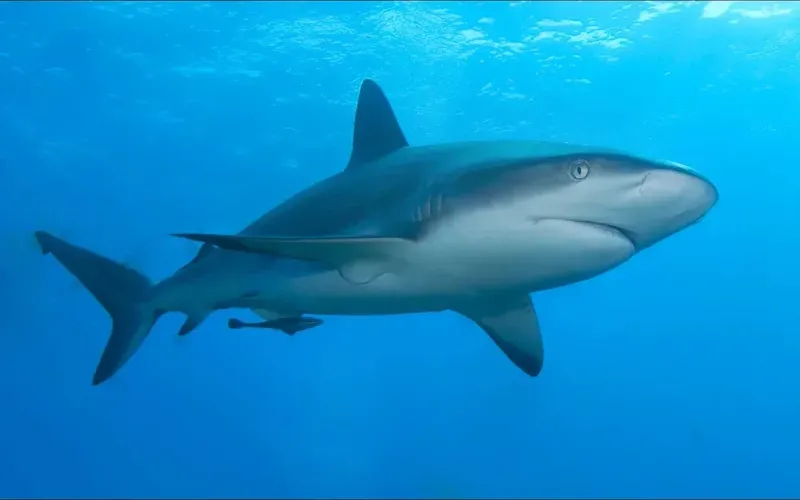
Divers frequently encounter a variety of sharks, including whitetip, blacktip, and gray reef sharks, often patrolling deeper sections. Unusual species such as wobbegongs can be spotted camouflaged among the coral.
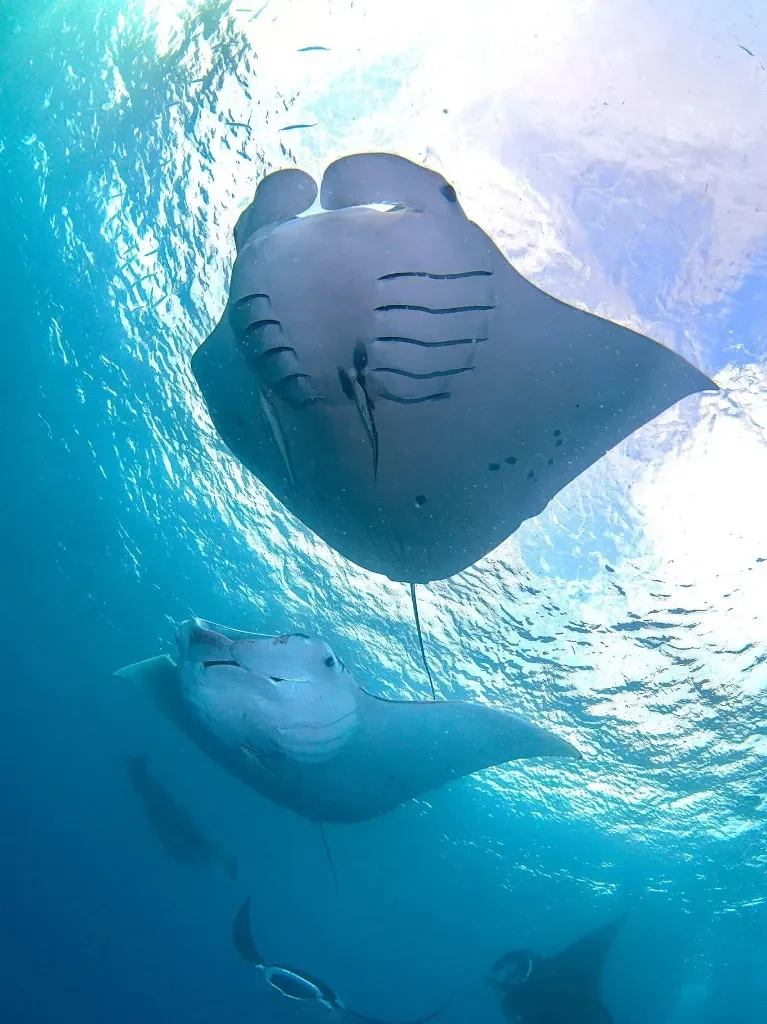
Larger visitors also appear, with manta rays occasionally gliding through, while turtles navigate the reef. For those who appreciate smaller wonders, intricate coral surfaces reveal a fantastic range of macro critters, like seahorses, tucked into every nook and cranny.


Dive Sites Near Amphitheater
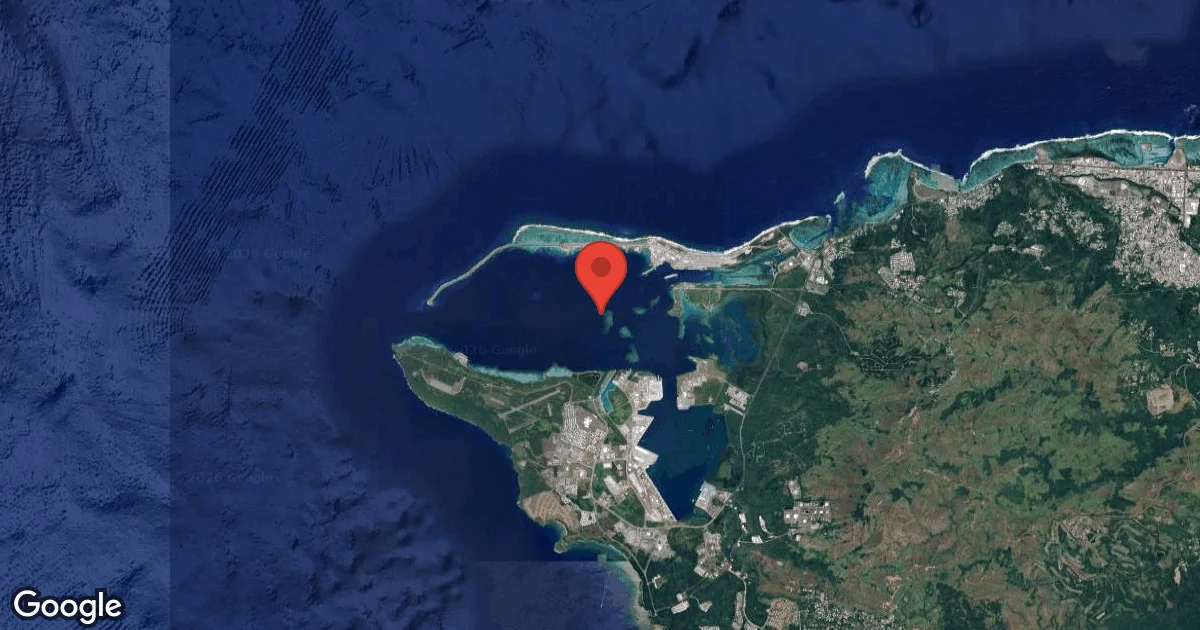
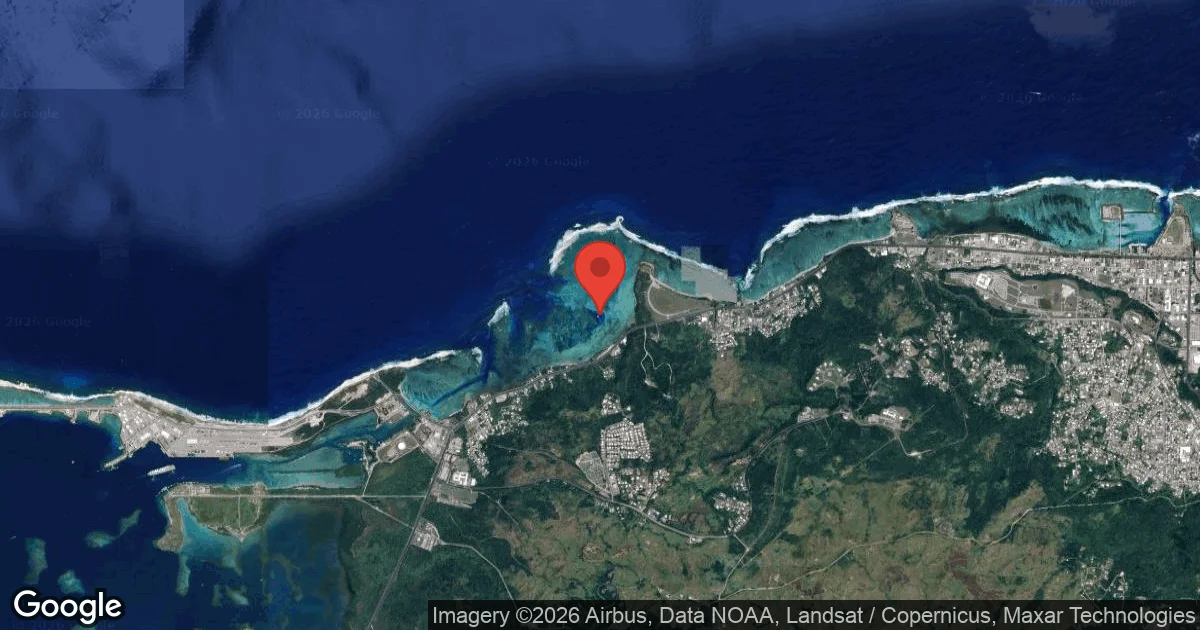
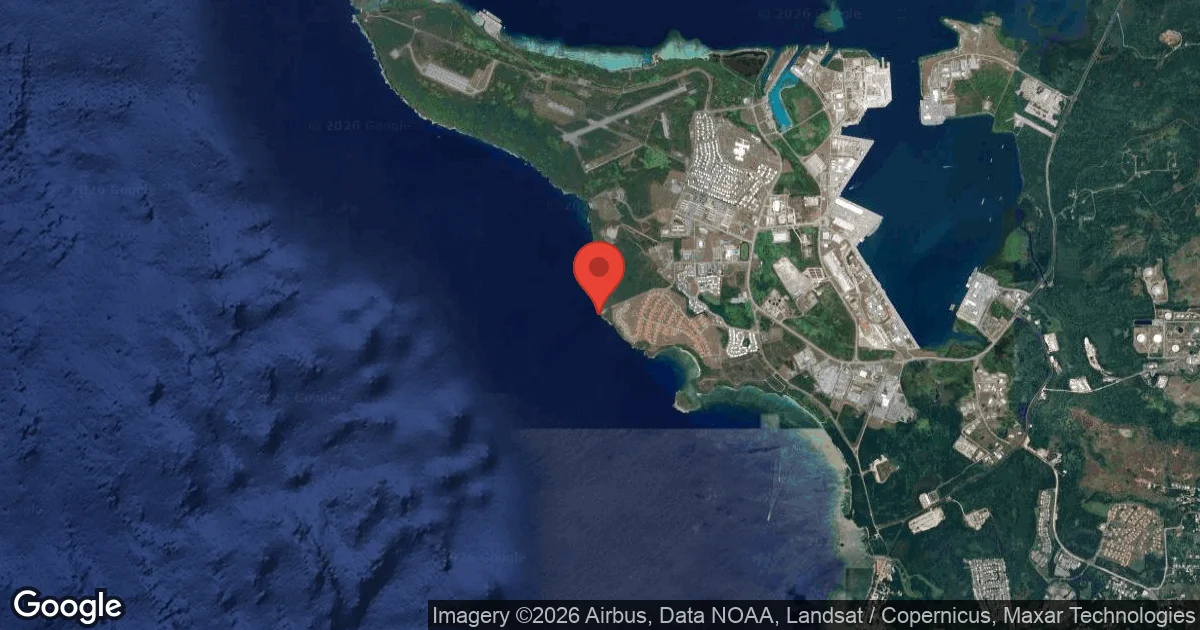
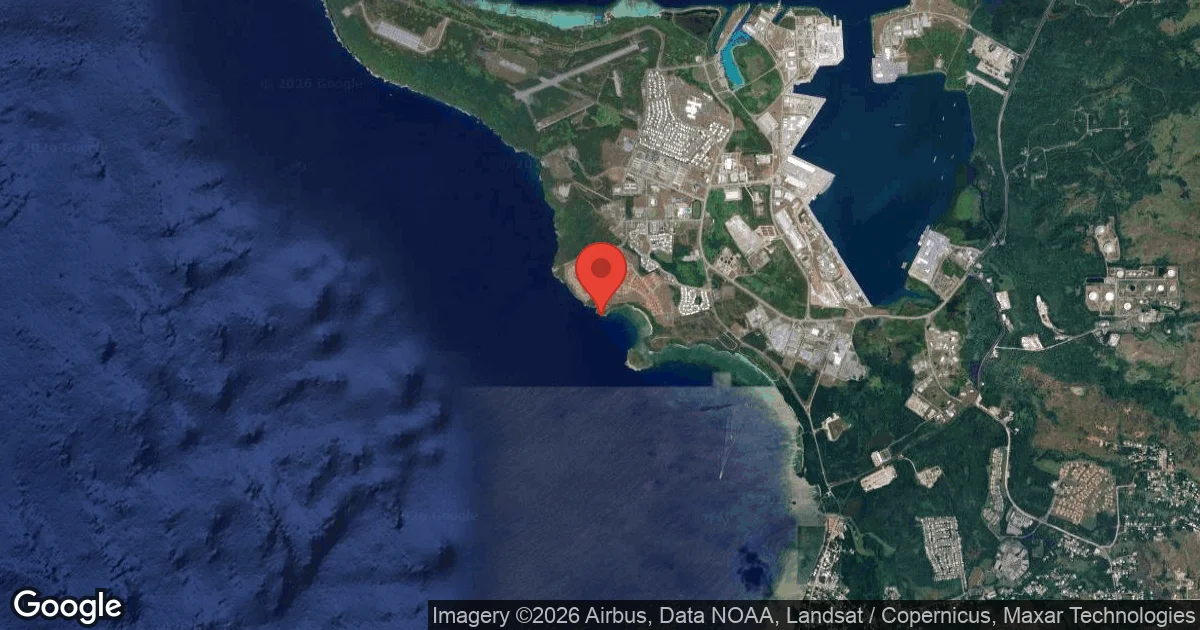
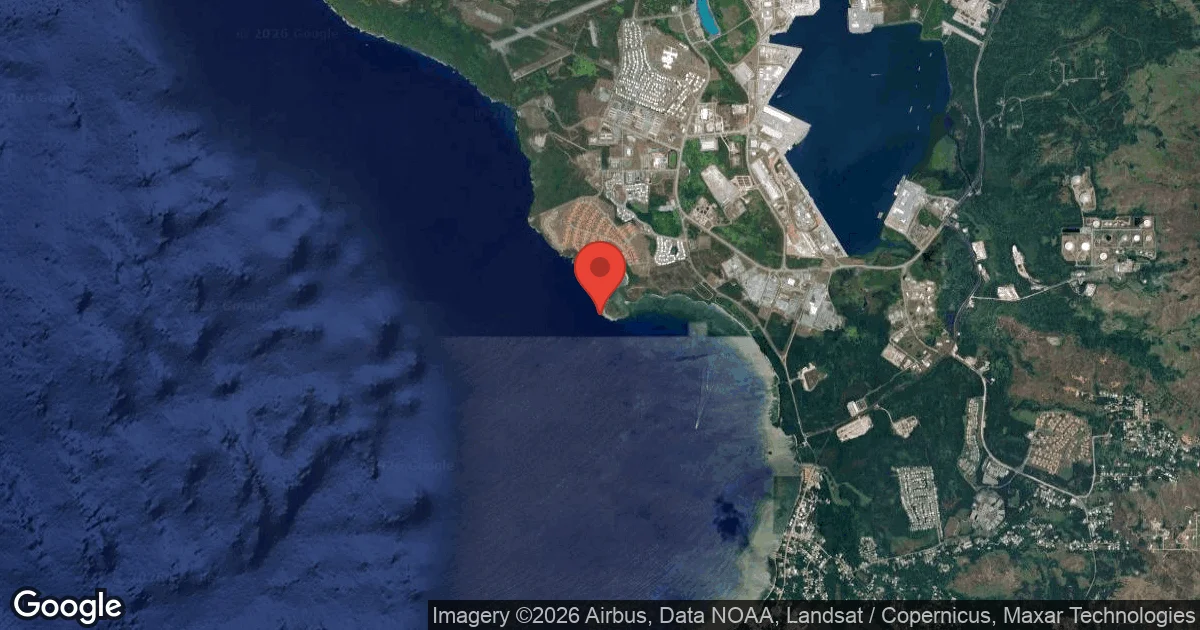
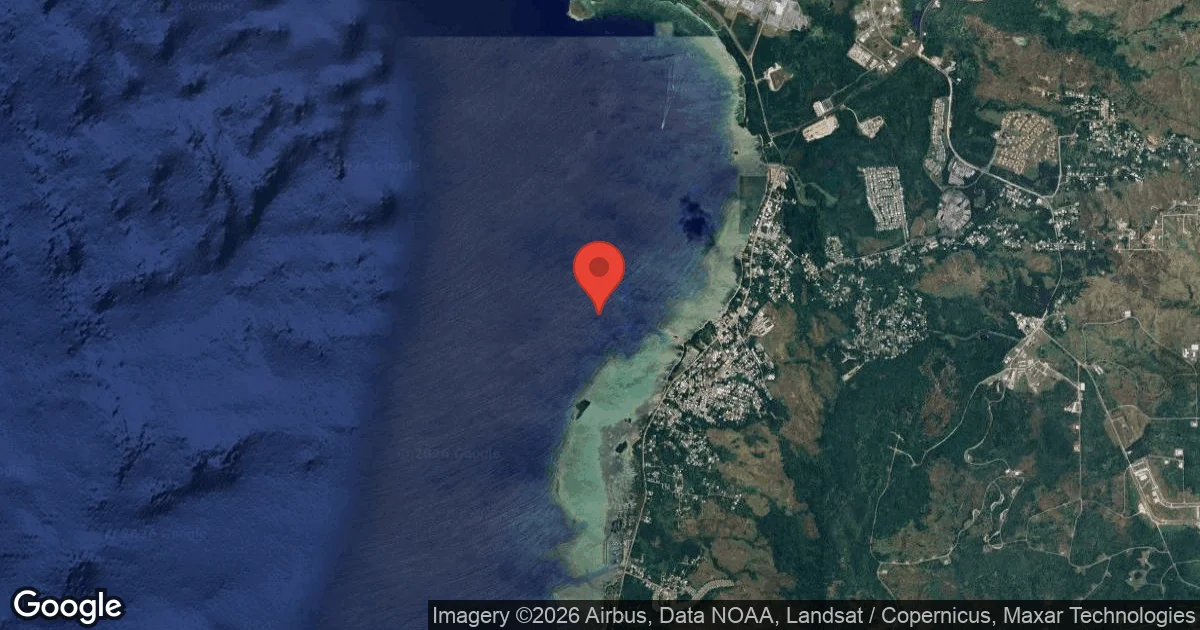
View all dive sites in IndonesiaDiscover more underwater gems in this area.
Dive Centers Near Amphitheater
No Dive Centers Local To Amphitheater
Are you a dive center visiting this location? Get listed to reach divers.
Nearest Airports
Nearest airports to help plan travel to this dive area.
Frequently Asked Questions
What is the typical water temperature at Amphitheater?
Water in Raja Ampat, including sites like Amphitheater, is warm year-round. Divers can expect temperatures to consistently range between 27-30°C (80-86°F). A 3mm wetsuit is generally sufficient for comfort during dives.
How strong are the currents at Amphitheater?
Currents vary significantly based on the specific dive site and tidal movements. Some dives may have gentle drifts, while others can experience strong flows. Experienced dive guides are crucial for navigating these conditions safely.
What visibility can I expect while diving here?
Visibility is typically very good in Raja Ampat. Divers can often expect a range from 15-30 meters (50-100 feet) on most dives. This allows for clear views of the extensive coral structures and marine life.
Do I need to be an advanced diver for Amphitheater?
While Open Water Divers can enjoy some sheltered reefs, Raja Ampat is generally better suited for divers with some experience due to currents and its remote setting. Many liveaboards recommend an Advanced Open Water certification with 20 logged dives or Open Water with 40 logged dives.
What kind of marine life might I see?
Amphitheater is known for its rich biodiversity. You might encounter reef sharks, wobbegongs, turtles, barracuda, and massive schools of fish. Mantas and various macro critters like seahorses are also frequently sighted.
Are SMBs and reef hooks necessary?
Yes, a surface marker buoy (SMB) and reel are considered mandatory safety tools for divers in Raja Ampat, especially given potential currents. Reef hooks can be helpful for holding position, provided a non-living spot can be found.
Planning to dive Amphitheater?
Send one inquiry and receive offers directly from the best verified local dive operators.
Conditions are Moderate
Optimal conditions expected
Current conditions near Amphitheater show 30° air, 30° sea temperature, 1.4 m waves, and 22 km/h wind. Forecast data is refreshed regularly to ensure accuracy.