
Diving at Blue Moon (Indonesia)
Blue Moon dive site in Amed, Bali, is structured by pronounced underwater wall formations. Divers navigating its contours will find themselves exploring vertical rock faces and various ledges, often moving along distinct topographical features. These formations largely dictate the dive path, creating a sense of dynamic progression as one glides past. Both wall diving characteristics and the influence of currents distinctly define the experience here.
Evening condition tracking at Blue Moon features an air temperature of 24.5°C. We have recorded wave heights measuring 0.9 m during this period. These figures outline the environmental parameters currently present.
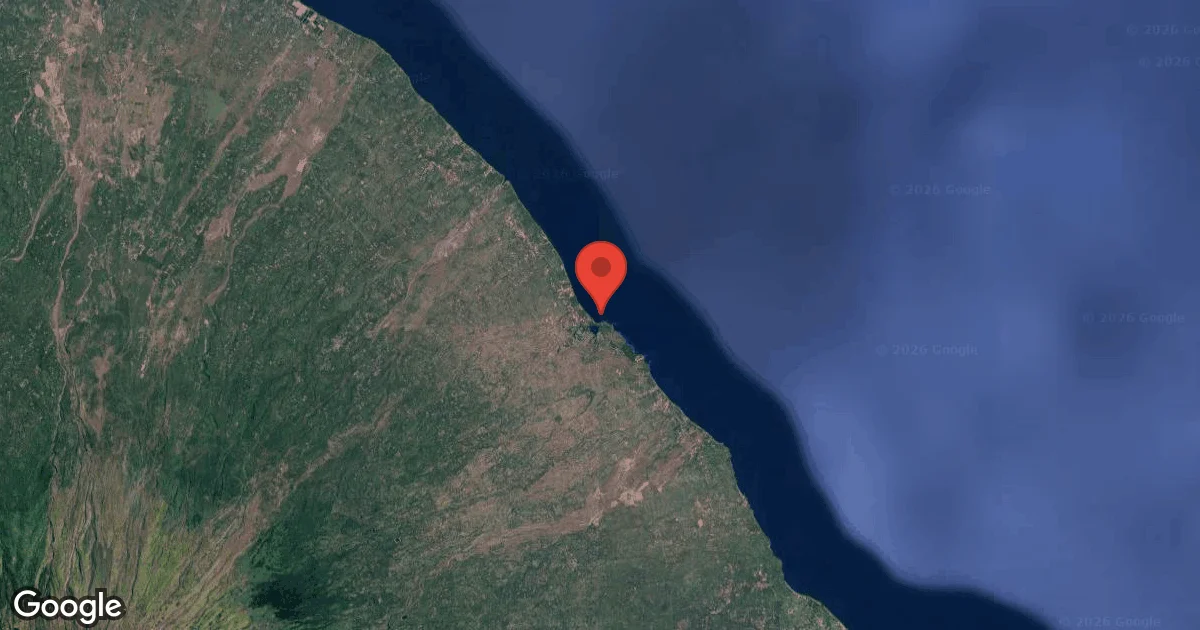
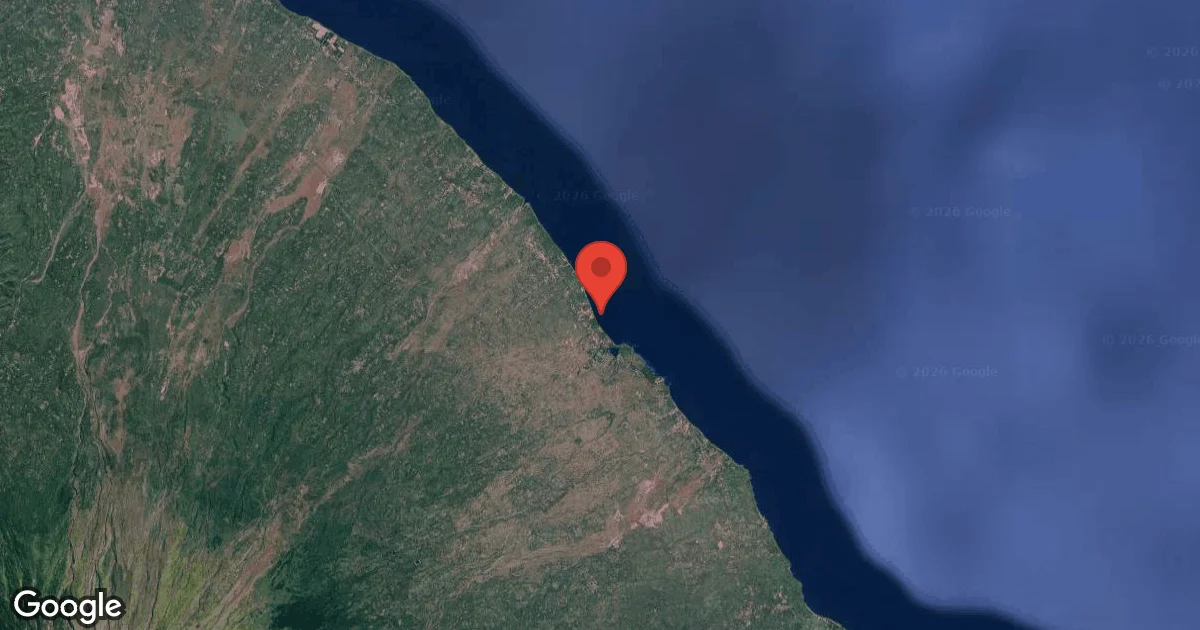
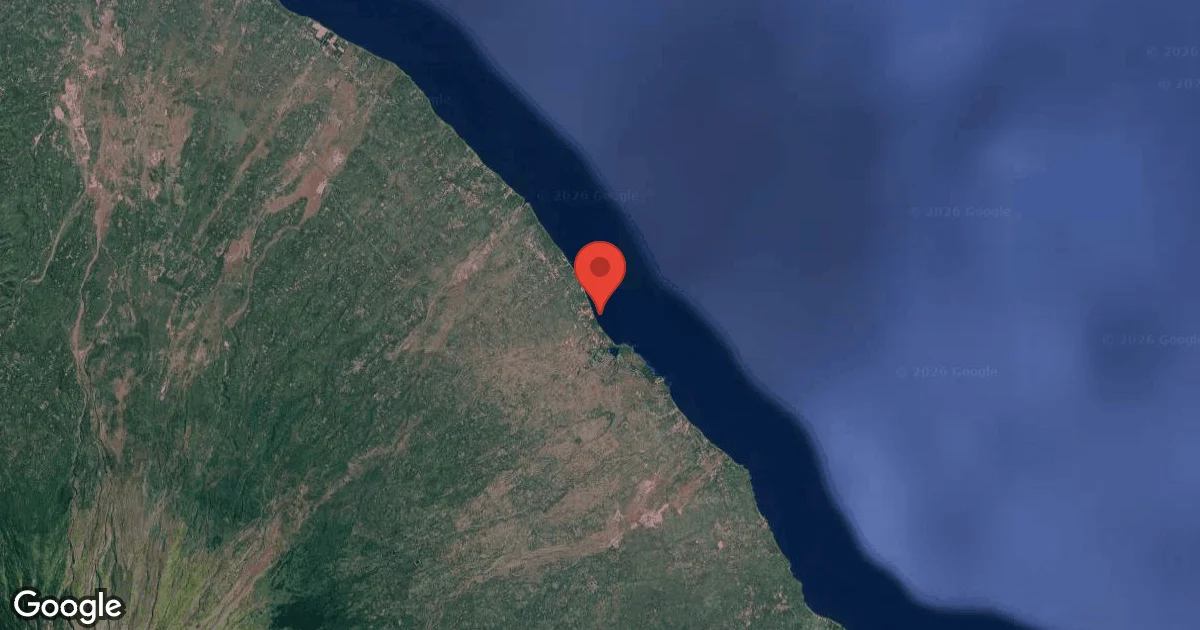
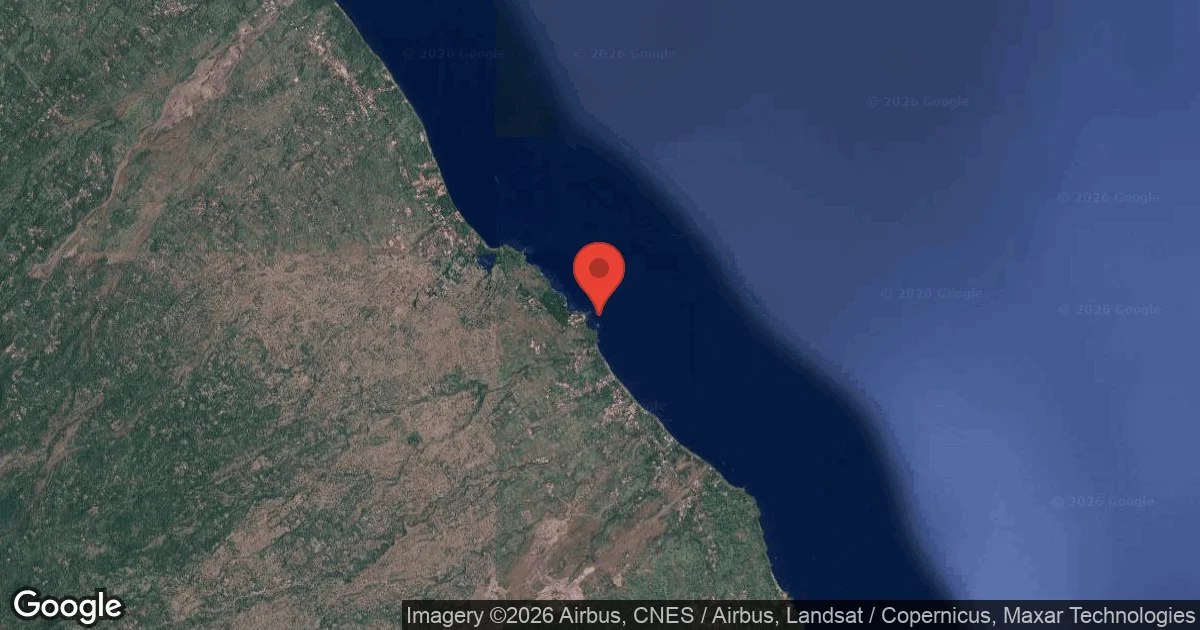
Dive Site Location & Key Facts
Dive Site Overview
Diving Blue Moon delivers an experience shaped by its active underwater environment. This site in Bali, Indonesia, combines the thrill of current-driven movement with the exploration of a vibrant vertical reef structure.
Divers often cover significant distance, observing the wall's intricacies as they glide past. Exploring here offers a distinct perspective of marine life, as creatures inhabit the current-swept areas from shallower ledges down to its maximum depth of 30 m (100 ft). One often finds varying levels of exposure to open water along deeper sections, influencing the encounters divers might have with pelagic species.
Operators typically plan entry and exit points carefully to maximize the drift and ensure a smooth experience. Maintaining buoyancy control is paramount, allowing divers to fully appreciate the features of the wall without excessive effort against water flow.
Observing the subtle shifts in current strength can reveal different congregations of fish sheltering in alcoves or feeding in the flow. Water temperatures are typically comfortable for tropical diving, often ranging from 22-27°C (72-81°F).
The wall itself is frequently adorned with a mix of hard and soft corals, adapting to the prevailing currents and contributing to a dynamic visual landscape.
Conditions are Good
Optimal conditions expected
Current conditions near Blue Moon show 25° air, 28° sea temperature, 0.9 m waves, and 21 km/h wind. Forecast data is refreshed regularly to ensure accuracy.
Best Time to Dive
Understanding the regional climate patterns is essential for planning a dive at Blue Moon. The months of November and December typically register the highest dive scores, indicating generally favorable conditions. This period, along with March through October, consistently offers 'Good' dive scores. Air temperatures during these preferred months range from roughly 26.5°C (80°F) in September to 28°C (82°F) in November. Rainfall tends to be minimal from May to October, with July and August showing particularly low precipitation, which can contribute to calmer surface conditions. Conversely, January and February show 'Moderate' dive scores, with higher average rainfall and slightly more subdued conditions for diving. While water temperatures are not consistently reported, they generally align with tropical conditions throughout the year, suggesting comfortable diving temperatures.
PEAK SEASON SCORE
Scores combine air & water temps, waves, wind & rainfall for overall conditions.
BEST MONTHS TO DIVE
Monthly records compiled from satellite and marine observation nodes over the last 3 years. Data provided by Open-Meteo and MET Norway.
Dive Experience & Conditions
The prevailing currents at Blue Moon define the dive experience, making it primarily a drift dive. These currents can range from mild to moderate, necessitating good buoyancy and finning techniques to maintain position or simply go with the flow. Water visibility at this site is not consistently reported but typically offers good visibility, which is common in many Indonesian dive locations. Along the wall, divers can expect to encounter a dynamic environment where the current influences marine behavior and nutrient distribution. Surface conditions may vary; average wave heights are generally around 1.0 to 1.3 meters (3.3 to 4.3 ft), with lower averages observed in November and December. Wind speeds also fluctuate, with higher averages from July to October, potentially impacting boat transfers.
Dive Difficulty & Safety Guidelines
Approaching Blue Moon requires a foundational understanding of drift diving techniques. Given the site's characteristics as a wall dive influenced by currents, divers should ideally hold an Advanced Open Water certification or have specific experience with drift diving. Thorough pre-dive briefings are crucial to understand the anticipated current direction and strength, along with designated entry and exit procedures.
Maintaining a diligent buddy system and conservative no-decompression limits is important. While specific hazards are not listed, all wall dives carry the inherent need for careful depth management and awareness of surroundings to avoid unintended descents or contact with the reef. Always carry a surface marker buoy (SMB) for safe ascent and surface visibility.
Recommended Equipment
Current and surface separation risk. Local briefing strongly recommended.
- Dive Computer
- DSMB
- Reel / Spool
This gear list is based on verified equipment signals for Blue Moon, Indonesia. Always confirm final gear choices with your dive operator, guide, or liveaboard.
Recommended Dive Suit
Exposure protection is partly a personal preference.
2-3mm shorty or light wetsuit typically provides a reliable level of thermal protection for dives here. A hood or vest is suggested for sensitive divers due to surface winds. Environmental conditions are expected to remain consistent in the short-term outlook.
Water temperatures across the dive area at Blue Moon are presently estimated to be around 28°C (82°F). Surface air temperatures are resting at 25°C (76°F).
Emergency & Medical Support
Essential information to help you plan your dive trip to Blue moon.

Hyperbaric chambers are a critical part of dive safety infrastructure. Availability varies significantly by region, and not all dive areas have immediate access.
Before diving, it's recommended to:
- confirm nearest medical facilities
- check emergency procedures with local dive operators
- ensure dive insurance covers evacuation if required
Divers Alert Network
Diving emergency assistance available through DAN World.
+1-919-684-9111- 24/7 emergency hotline
- Diving medical assistance
- Evacuation coordination
Emergency contacts are provided for reference. Always verify local emergency services before diving.
Marine Life at Blue Moon
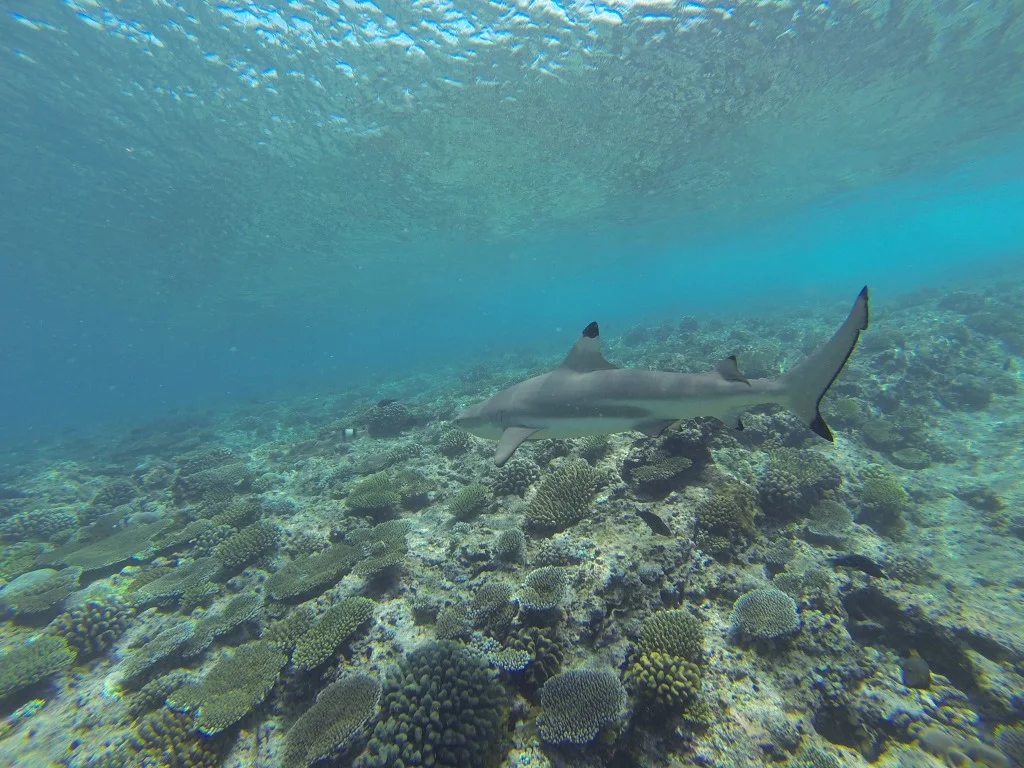
Against the backdrop of Blue Moon's deep walls, divers might observe a variety of pelagic and reef-associated marine life. The currents often attract larger species, with common sightings potentially including various shark species.
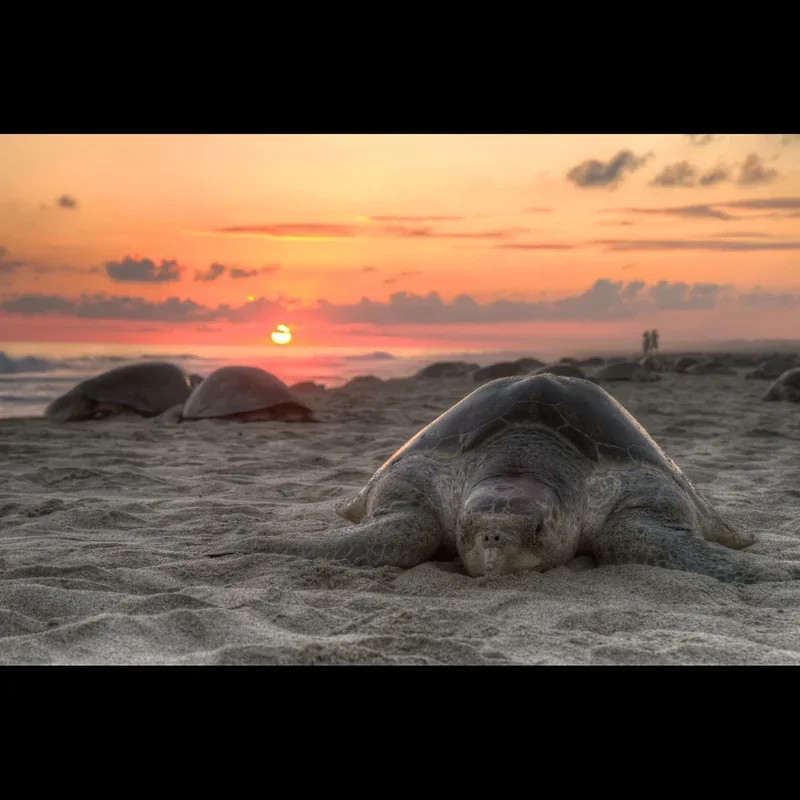
Observing whales and dolphins is also a possibility, particularly in the open water surrounding the site, though these encounters depend on seasonal migrations and luck. Sea turtles are frequently spotted gracefully moving along the reef, taking advantage of the currents.
The unique flow dynamics support a diverse ecosystem where these creatures thrive, providing engaging viewing opportunities for attentive divers.
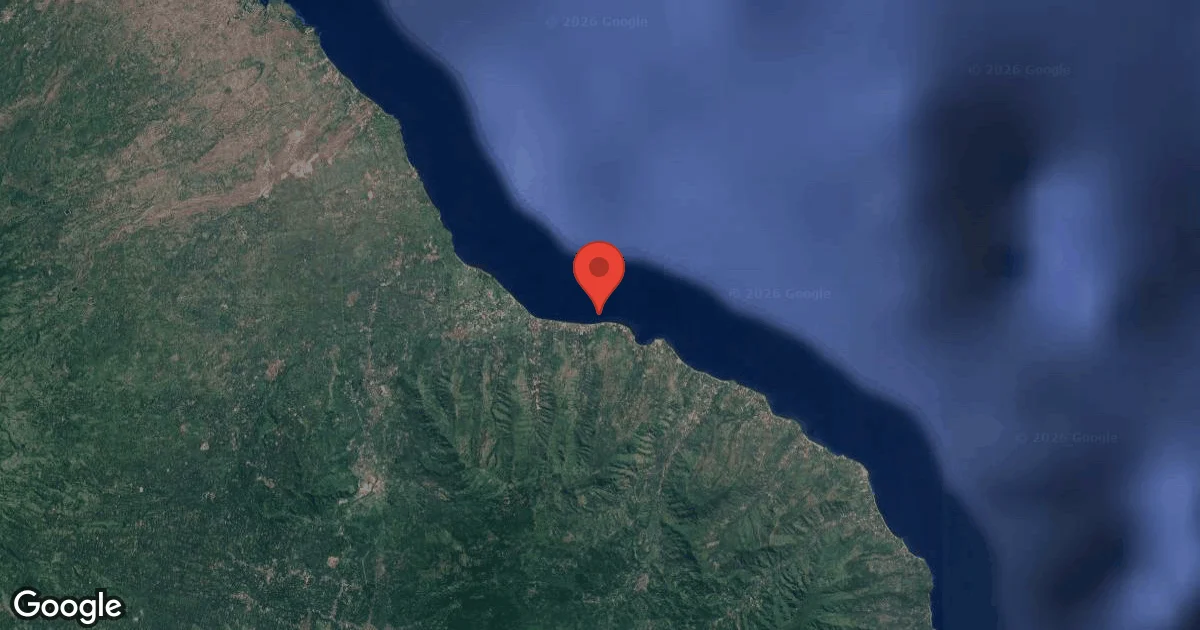
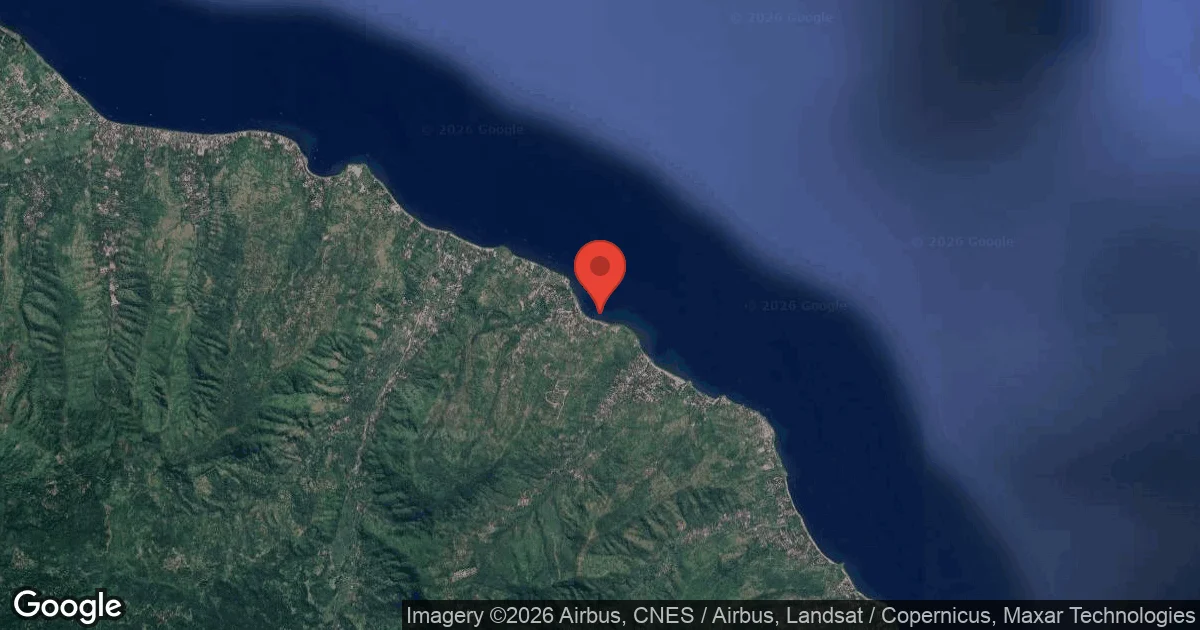
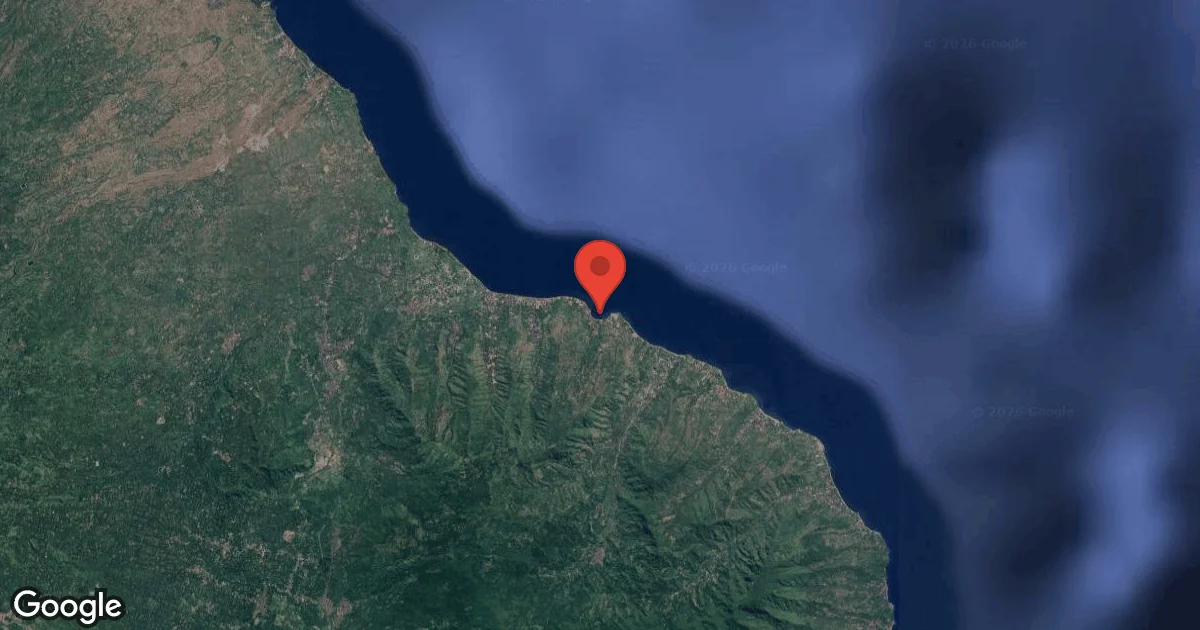
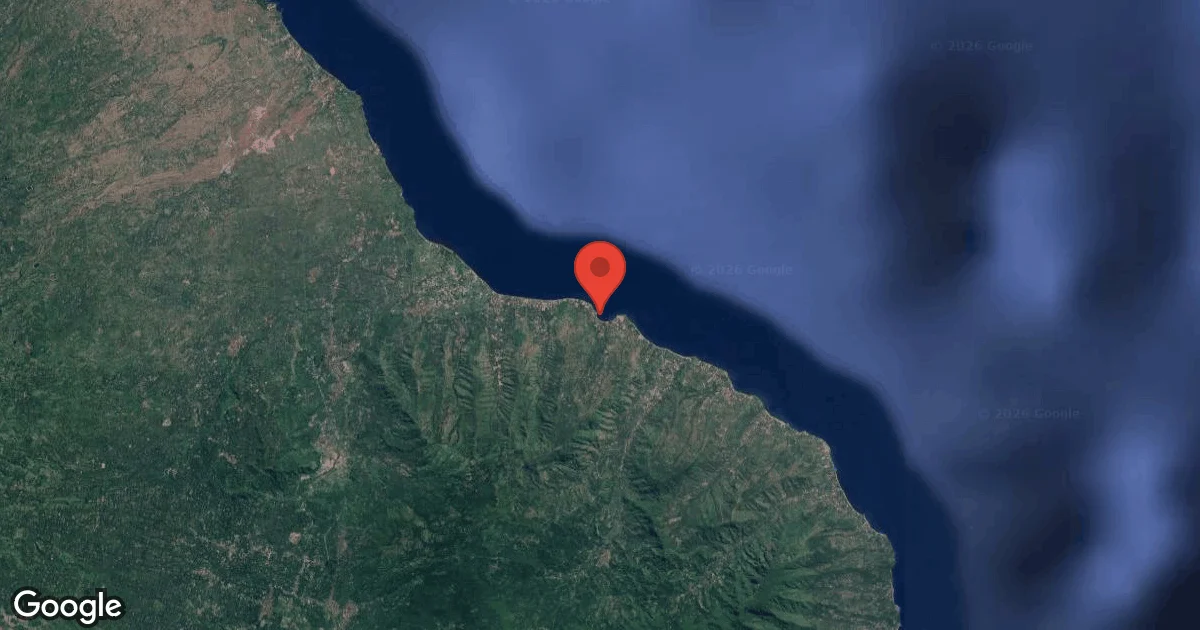
Dive Sites Near Blue Moon
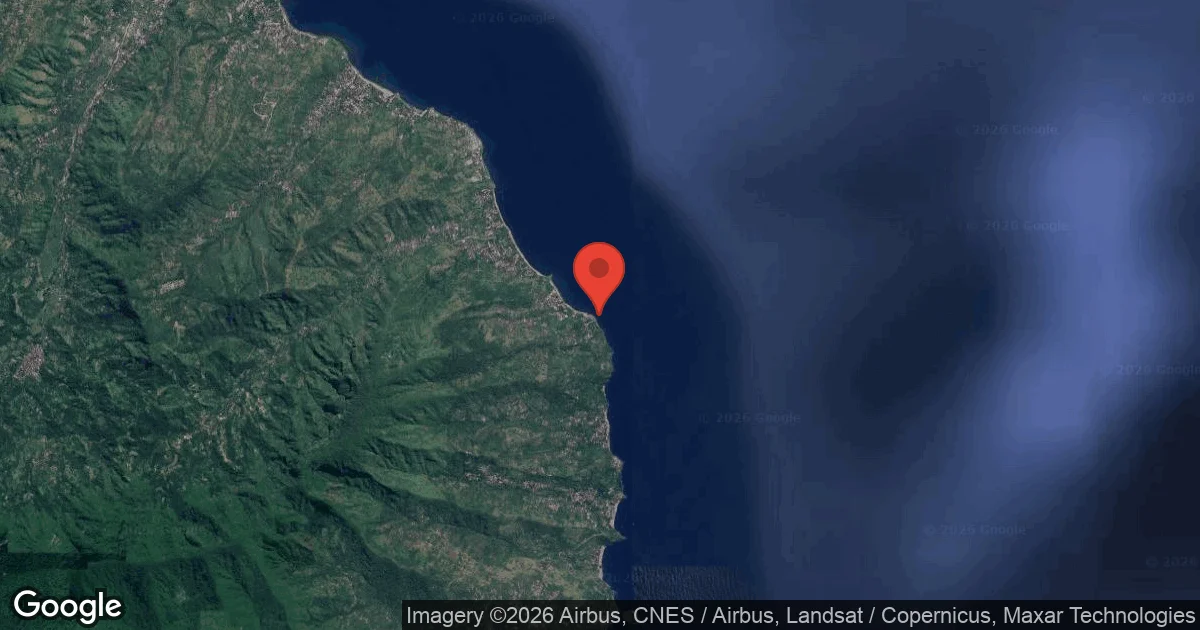
View all dive sites in IndonesiaDiscover more underwater gems in this area.
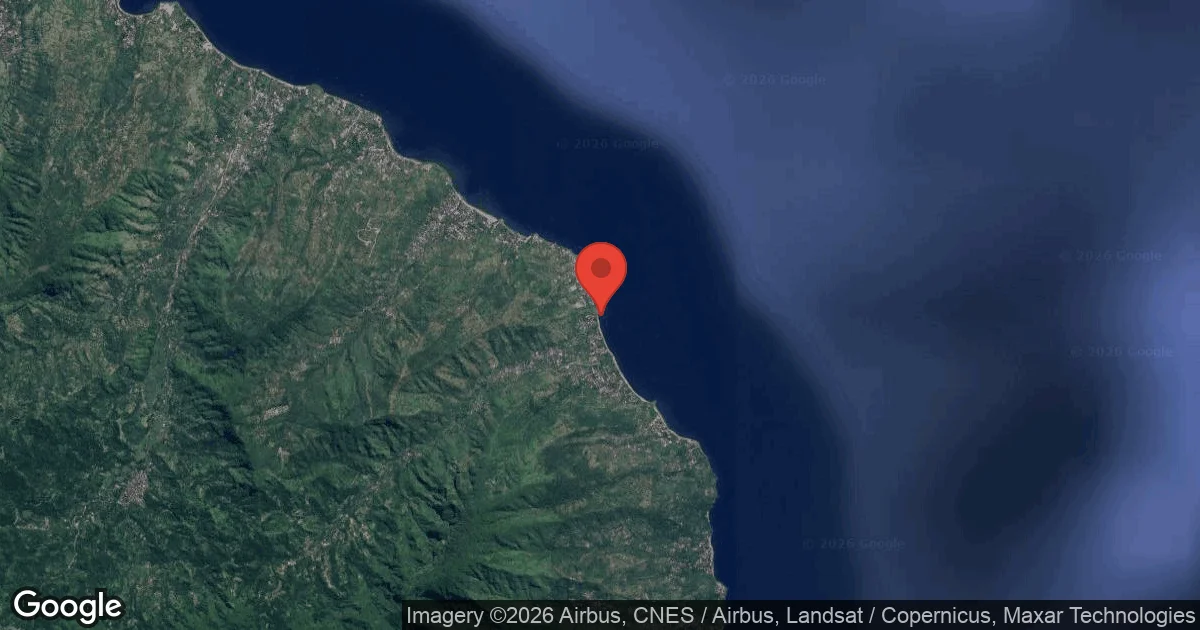
Dive Centers Near Blue Moon
Today: 09:15 - 19:15
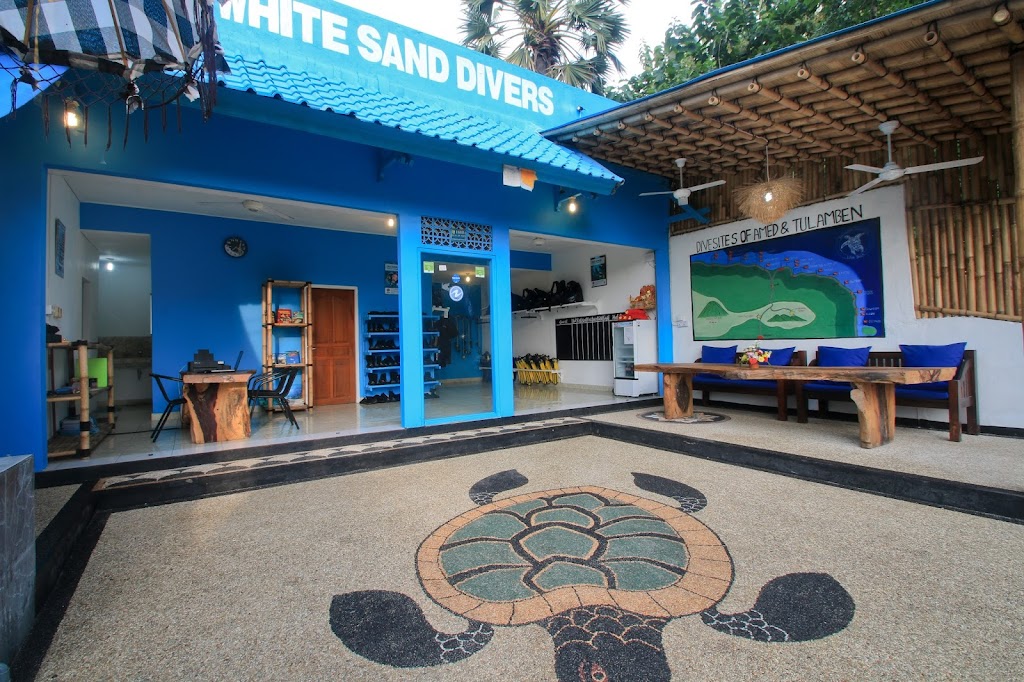
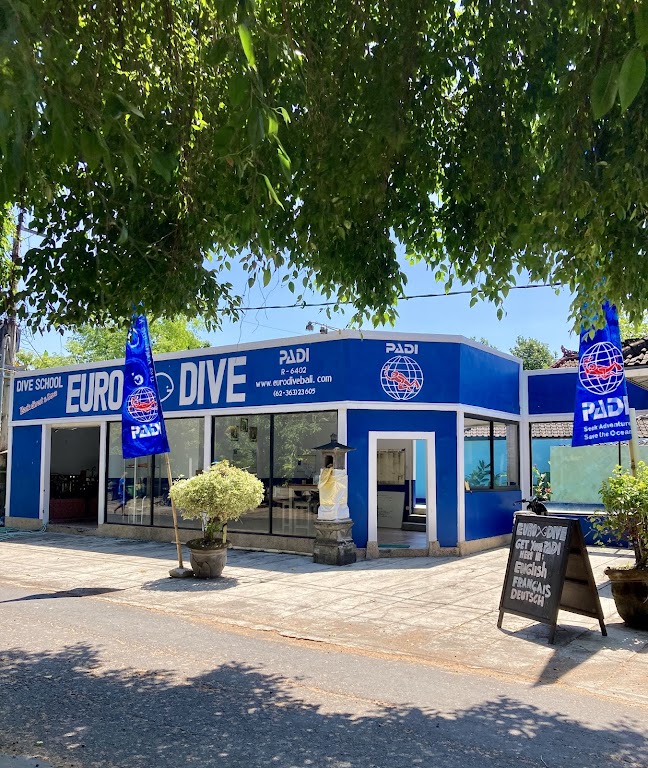
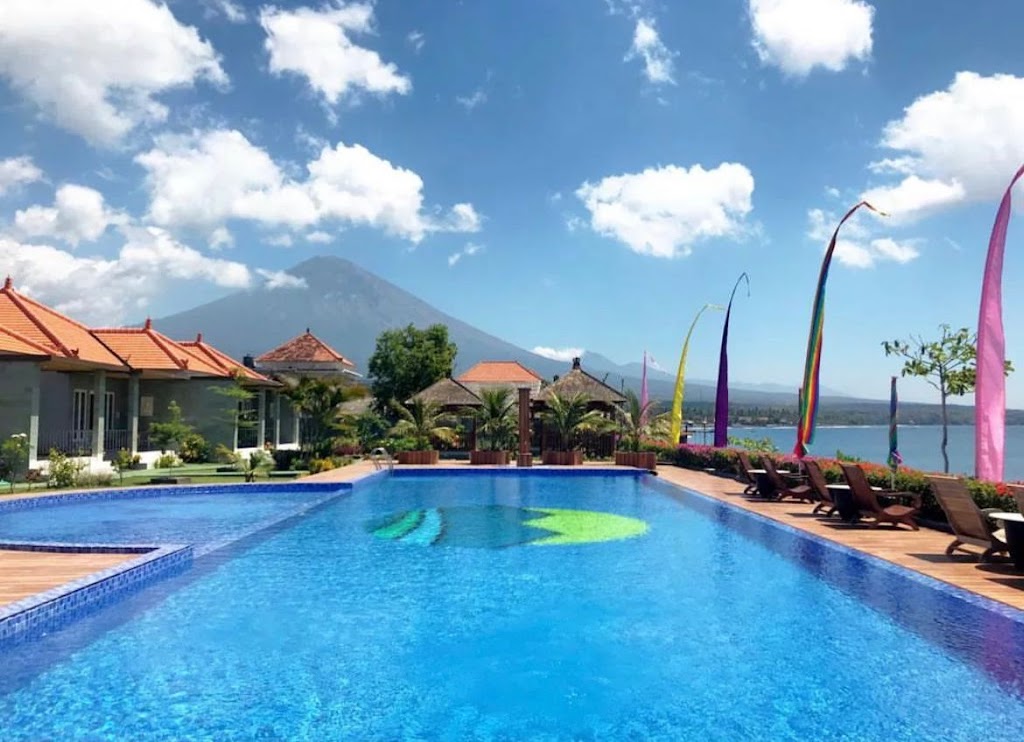
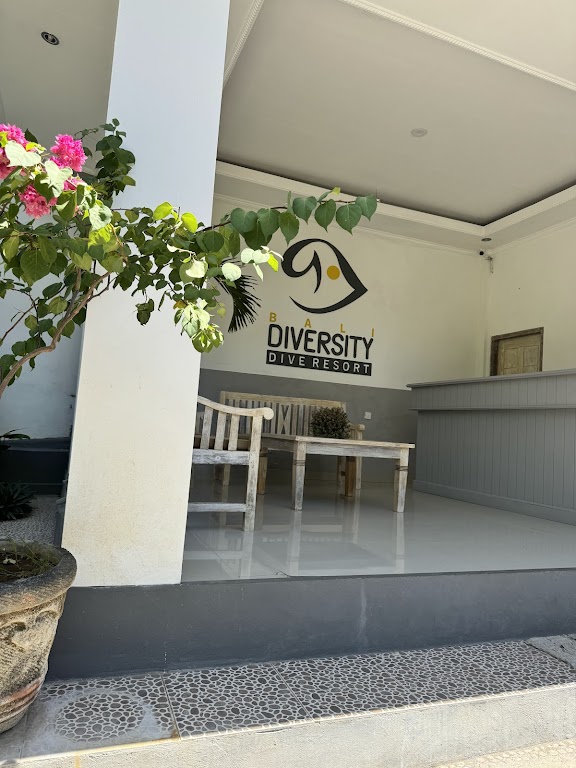
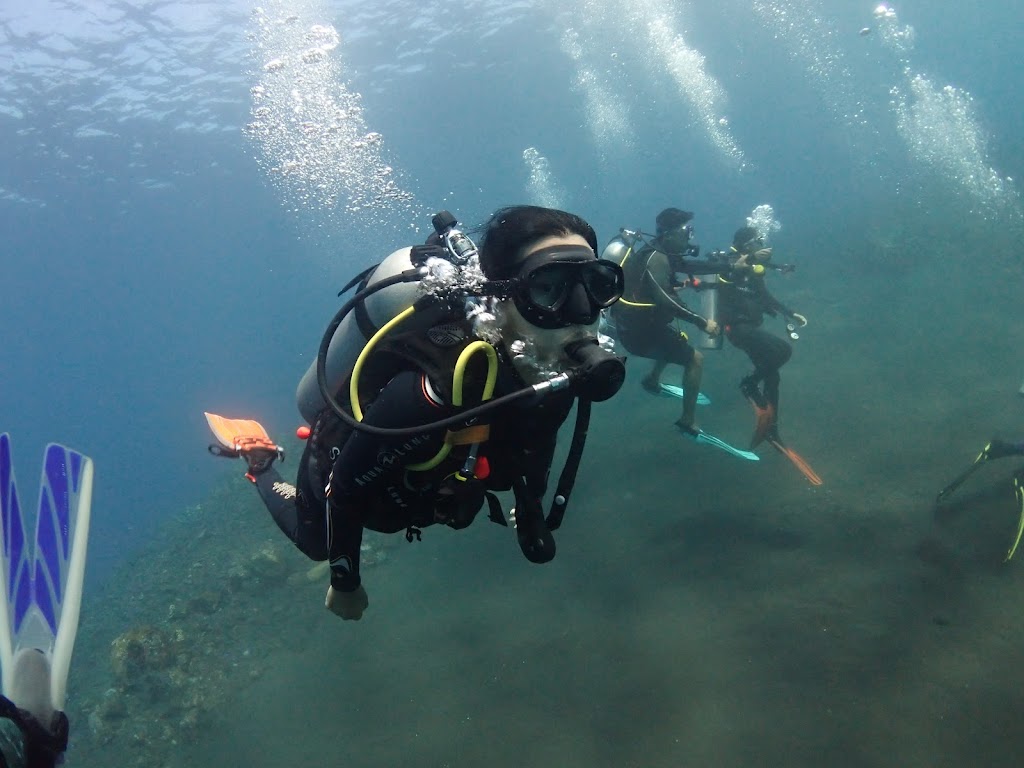
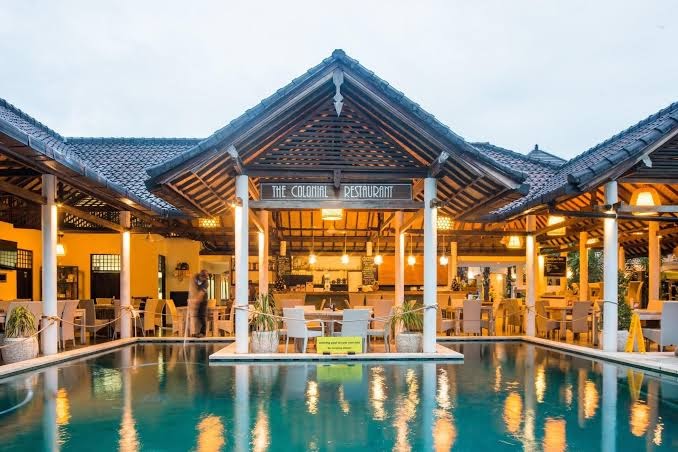
Nearest Airports
Nearest airports to help plan travel to this dive area.
Search Flights
Check available flights and routes on Expedia, using the nearby airports listed in this section.
Search Flights on ExpediaFrequently Asked Questions
What skill level is recommended for diving Blue Moon?
Blue Moon is primarily a drift and wall dive, making it best suited for Advanced Open Water certified divers or those with prior experience in similar conditions. Strong buoyancy control and comfort with currents are beneficial for this site.
Are strong currents always present at Blue Moon?
Currents are a defining feature of Blue Moon and are generally present. Their strength can vary from mild to moderate depending on tides and prevailing weather, influencing the nature of the drift dive.
What marine life can I expect to see at Blue Moon?
The site is known for potential sightings of larger marine animals, including various types of sharks, whales, and dolphins, especially in the deeper, more exposed areas. You might also encounter sea turtles and other reef inhabitants along the wall.
What are the typical water temperatures for diving here?
Specific water temperature data is not consistently reported for Blue Moon. However, as it's located in tropical Indonesia, divers can generally anticipate comfortable water temperatures typical of the region year-round.
Is Blue Moon suitable for photography?
Given the dynamic currents and potential for pelagic sightings, Blue Moon can be challenging yet rewarding for photographers. Wide-angle lenses are often preferred to capture the expansive wall and larger marine life. Excellent buoyancy control is essential.
What is the best way to dive Blue Moon?
Most dives at Blue Moon are conducted as guided drift dives. This approach allows divers to relax and observe the wall as the current carries them, maximizing the exploration of the site's unique features. Always follow your dive guide's instructions.
Planning to dive Blue Moon?
Send one inquiry and receive offers directly from the best verified local dive operators.
Conditions are Good
Optimal conditions expected
Current conditions near Blue Moon show 25° air, 28° sea temperature, 0.9 m waves, and 21 km/h wind. Forecast data is refreshed regularly to ensure accuracy.