
Diving at Japanese Shipwreck (Indonesia)
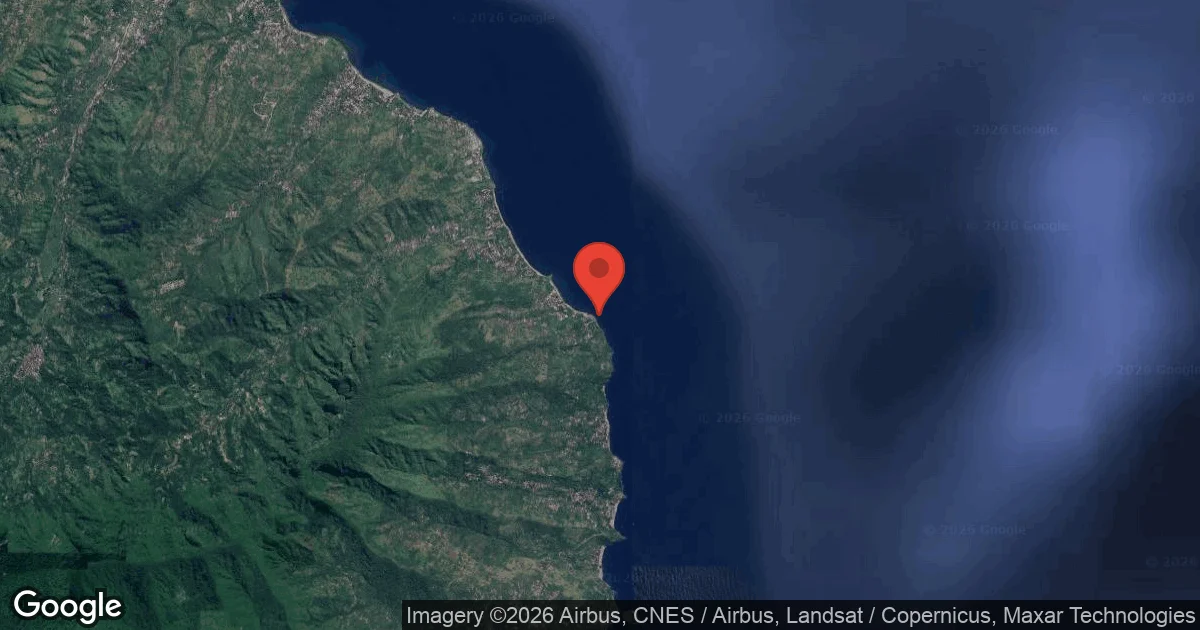
Descending upon the Japanese Shipwreck in Amed, divers encounter a powerful historical artifact reclaimed by marine life. This site, nestled along Bali's eastern coast, offers an accessible and captivating underwater exploration. It's an intriguing blend of history and nature, inviting divers to connect with a submerged past while observing a vibrant ecosystem. The experience immerses you in a serene underwater world.
Tonight's objective overview for Japanese Shipwreck shows an air temperature of 29°C. The measured surface conditions include wave heights around 1 m. This environmental data is logged for the close of the day.
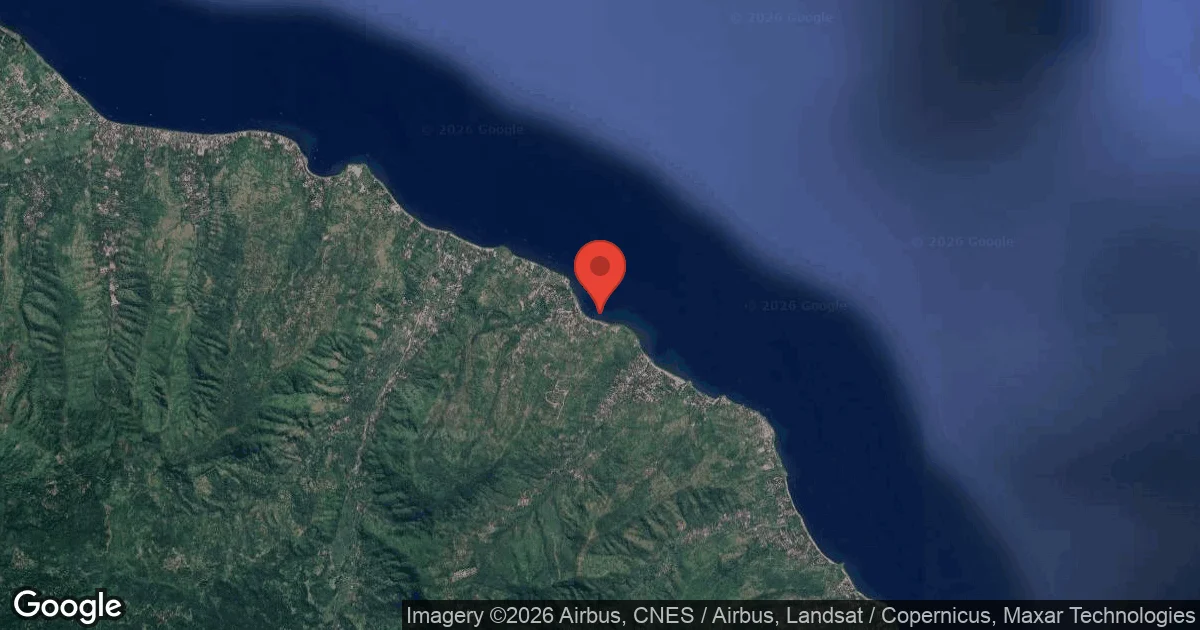
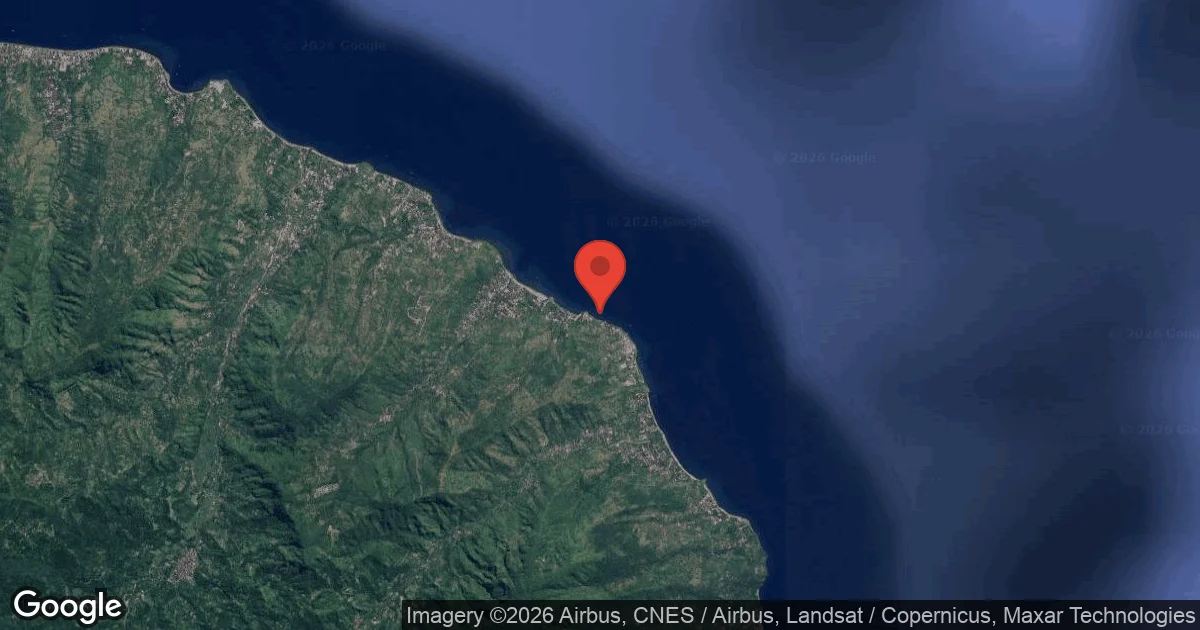
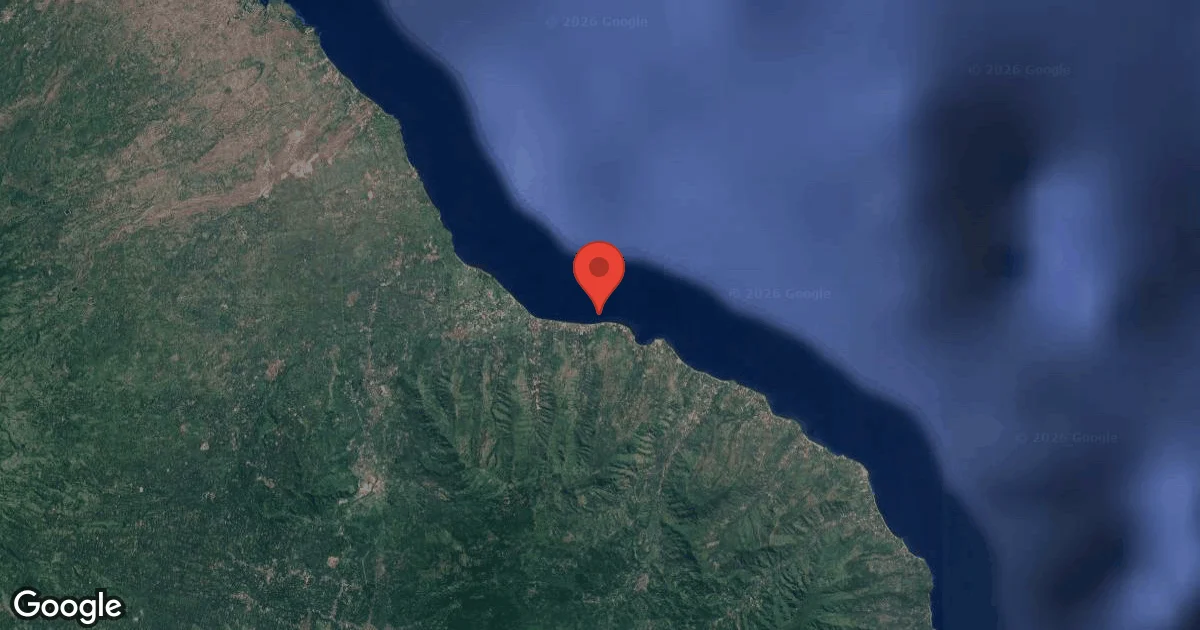
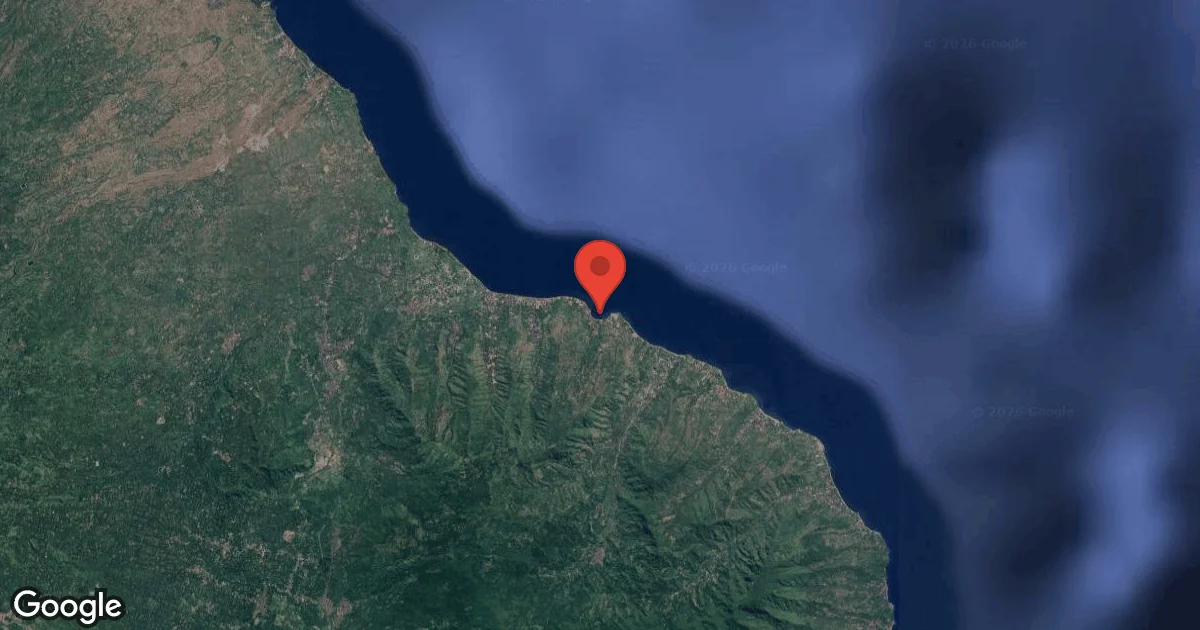
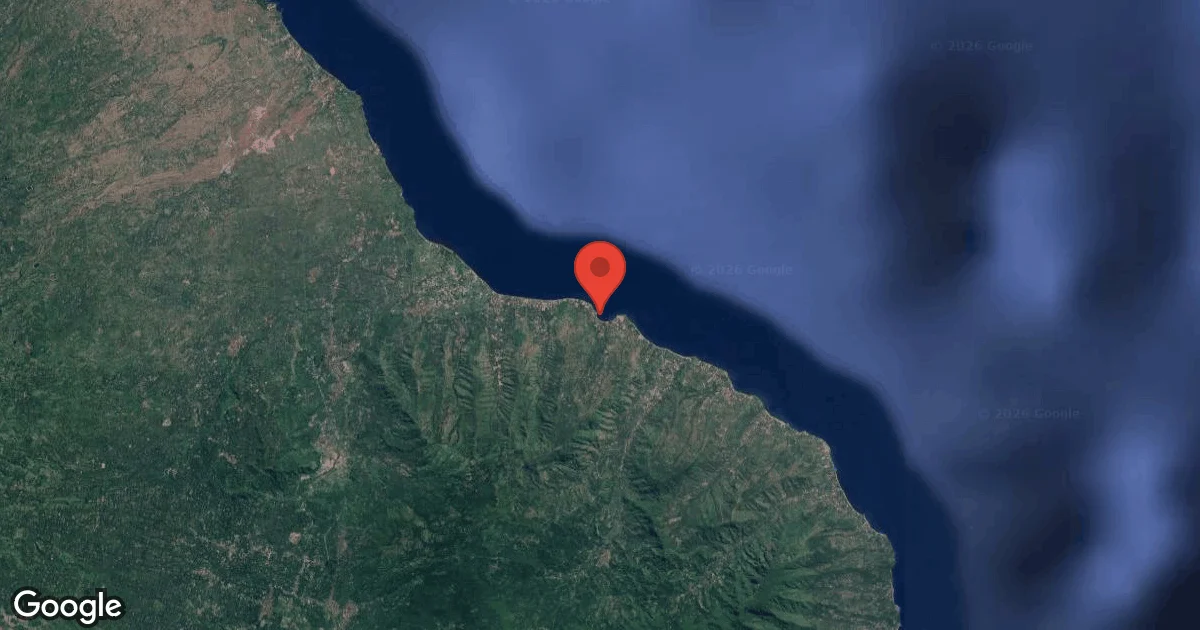
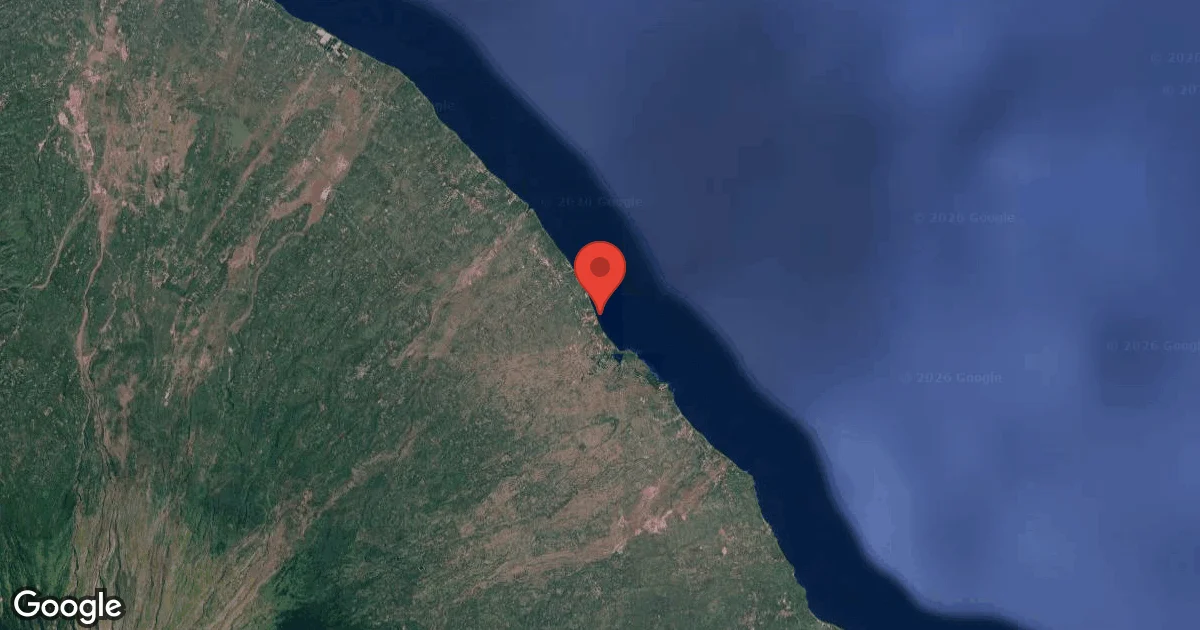
Dive Site Location & Key Facts
Dive Site Overview
Beneath Amed's tranquil coastal waters lies a poignant relic: the Japanese Shipwreck. This vessel, a silent witness to World War II, met its fate off Bali's eastern coast, though the exact details of its demise remain shrouded in mystery.
Local fishermen and divers later stumbled upon its rusted carcass, transforming it into a popular dive spot that draws history enthusiasts and marine conservationists alike. The wreck has become an artificial reef, supporting a thriving ecosystem. Divers can experience a blend of wreck, beach, drift, and reef diving at this site.
The ship's structure, broken but largely intact, rests on the ocean floor, descending to depths between 12 m (40 ft) and 30 m (100 ft). Its surfaces are now encrusted with coral, creating a fascinating juxtaposition of human history and natural regeneration.
Protecting this site ensures its continued role as both a historical monument and an ecological haven.
Conditions are Good
Optimal conditions expected
Current conditions near Japanese Shipwreck show 29° air, 28° sea temperature, 0.9 m waves, and 22 km/h wind. Forecast data is refreshed regularly to ensure accuracy.
Best Time to Dive
Planning your visit to the Japanese Shipwreck is generally flexible due to its sheltered location, allowing for diving virtually all year round. The period from March through October typically offers good diving conditions, marked by lower rainfall, averaging 1.5 to 8.9 mm monthly, and stable air temperatures ranging from 25.5°C to 28°C (78-82°F). November and December also present favorable conditions, with notably high dive scores. While January and February see slightly higher rainfall, around 12.5 to 13.9 mm, and moderate dive scores, the consistent warmth makes diving possible. Winds are generally lighter during the early and late parts of the year, potentially contributing to calmer surface conditions.
PEAK SEASON SCORE
Scores combine air & water temps, waves, wind & rainfall for overall conditions.
BEST MONTHS TO DIVE
Monthly records compiled from satellite and marine observation nodes over the last 3 years. Data provided by Open-Meteo and MET Norway.
Dive Experience & Conditions
Exploring the structure's depth profile reveals distinct ecological zones. Divers typically explore from around 12 m (40 ft) down to its maximum depth of 30 m (100 ft). Along the deeper sections, an excellent variety of smaller marine life can be observed. Heading east from the main wreck, a shelf runs up towards the beach from about 12 m (40 ft). Here, the rich, nutrient-laden waters have fostered extraordinary biodiversity. You'll find huge sea fans, beautiful soft corals, and flourishing hard coral patches. On clear, sunny days, the natural light penetration creates a 'cathedral lighting' effect, enhancing the vibrant colors of the coral and schools of anthias. While generally calm, localized currents can occasionally be present, influencing drift possibilities.
Dive Difficulty & Safety Guidelines
Approaching any wreck site requires careful consideration of personal skill and environmental factors. For the Japanese Shipwreck, while it's generally accessible, divers should be mindful of its maximum depth. Special attention is needed when exploring deeper sections, particularly below 18 m (60 ft), to manage bottom time and air consumption effectively.
Buoyancy control is paramount to avoid disturbing the delicate coral formations and the wreck's integrity. As the structure continues to degrade naturally, penetration should be approached with extreme caution, if at all, as internal sections may be unstable.
Always dive with a reputable local guide who understands site-specific conditions and potential hazards.
Recommended Equipment
Overhead / entanglement risk. Wreck penetration requires proper training.
Current and surface separation risk. Local briefing strongly recommended.
- Dive Computer
- DSMB
- Primary & Backup Lights
- Wreck Reel
- Reel / Spool
- Cutting Tool
This gear list is based on verified equipment signals for Japanese Shipwreck, Indonesia. Always confirm final gear choices with your dive operator, guide, or liveaboard.
Recommended Dive Suit
Comfort levels can also depend on how active a diver is during the dive.
The water around Japanese Shipwreck is currently holding at approximately 28°C (83°F), setting the tone for today's dives. Surface air temperatures are resting at 29°C (84°F). When water temperatures fall within this range, many divers dive comfortably with 2-3mm shorty or light wetsuit.
A modest cooling trend is expected in the upcoming forecast. Cooler days are ahead; you might want a warmer option for later in the week. A thicker wetsuit may be worth considering for extended dives.
Emergency & Medical Support
Essential information to help you plan your dive trip to Japanese Shipwreck.

Hyperbaric chambers are a critical part of dive safety infrastructure. Availability varies significantly by region, and not all dive areas have immediate access.
Before diving, it's recommended to:
- confirm nearest medical facilities
- check emergency procedures with local dive operators
- ensure dive insurance covers evacuation if required
Divers Alert Network
Diving emergency assistance available through DAN World.
+1-919-684-9111- 24/7 emergency hotline
- Diving medical assistance
- Evacuation coordination
Emergency contacts are provided for reference. Always verify local emergency services before diving.
Marine Life at Japanese Shipwreck
Upon closer inspection of the wreckage, you'll immediately notice how coral formations have transformed the ship's surfaces into a living reef. Schools of colorful fish, such as anthias, dart in and out of the skeletal remains, creating a dynamic visual.
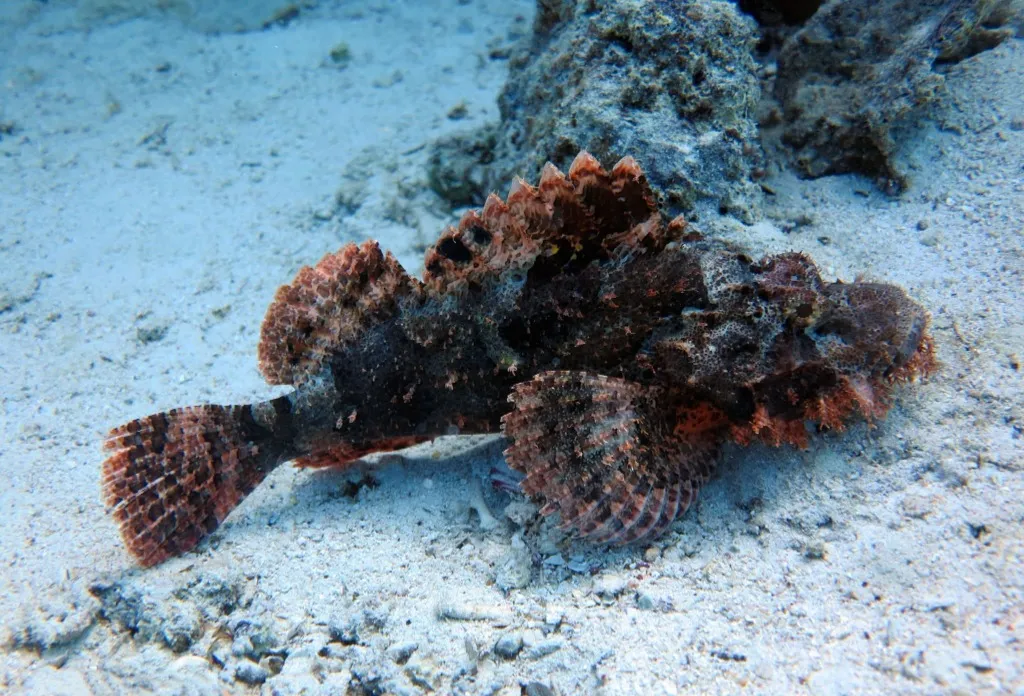
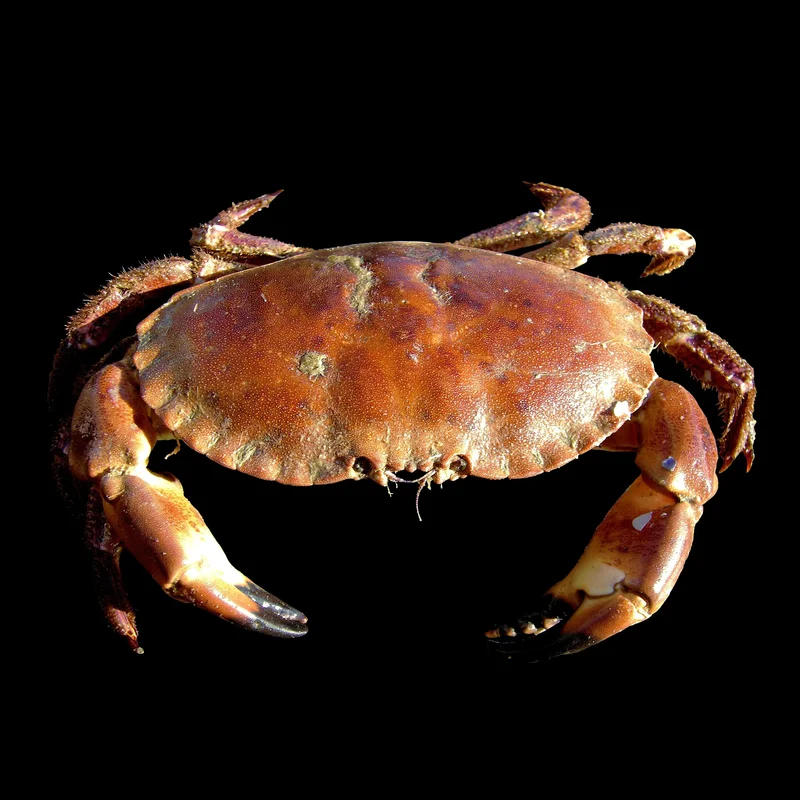
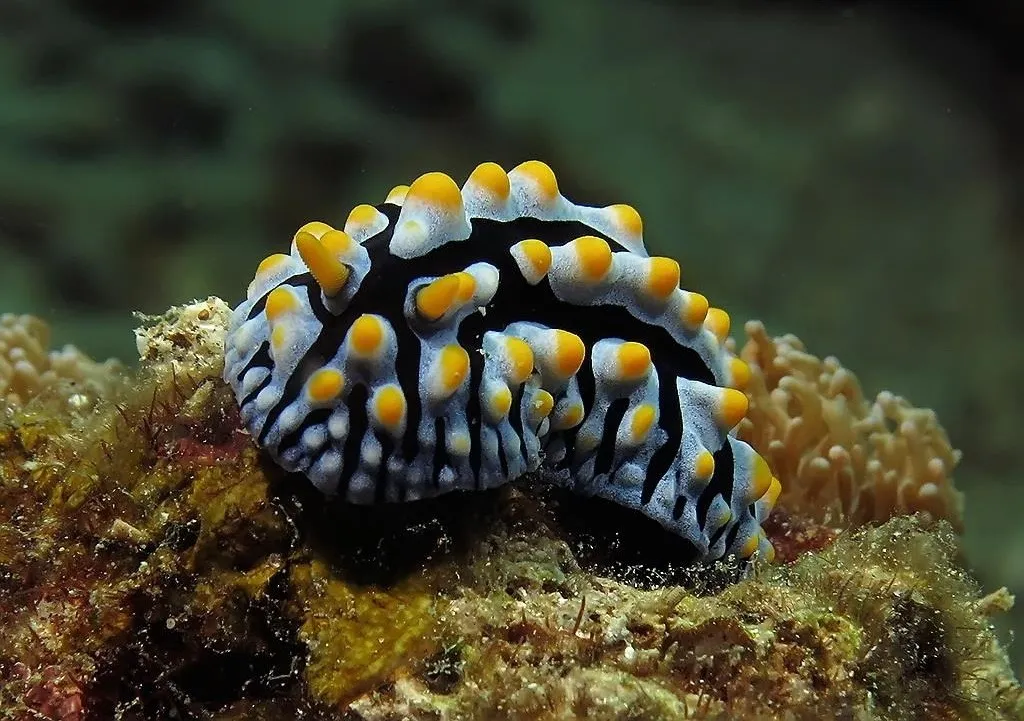
Smaller critters are abundant, with Leaf Scorpionfish, Nudibranchs, shrimps, and crabs frequently observed sheltering on the wreck. Pygmy seahorses can be found clinging to sea fans in deeper areas, while gobies are often seen near the reef structures. The vibrant soft and hard corals support this diverse array of creatures.

Dive Sites Near Japanese Shipwreck
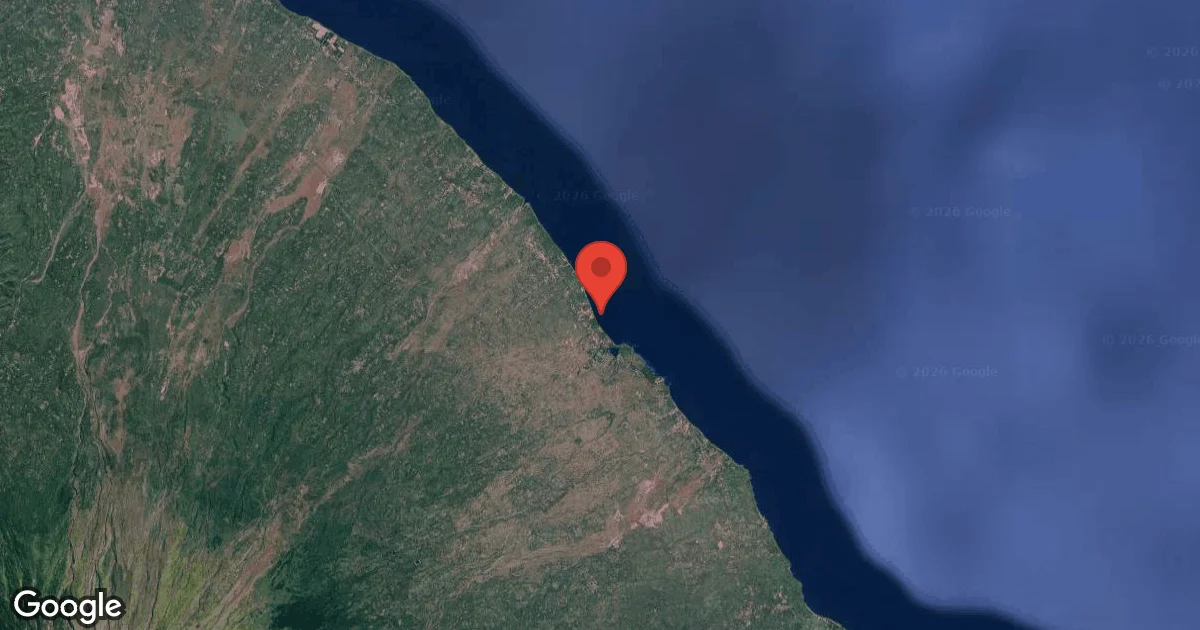
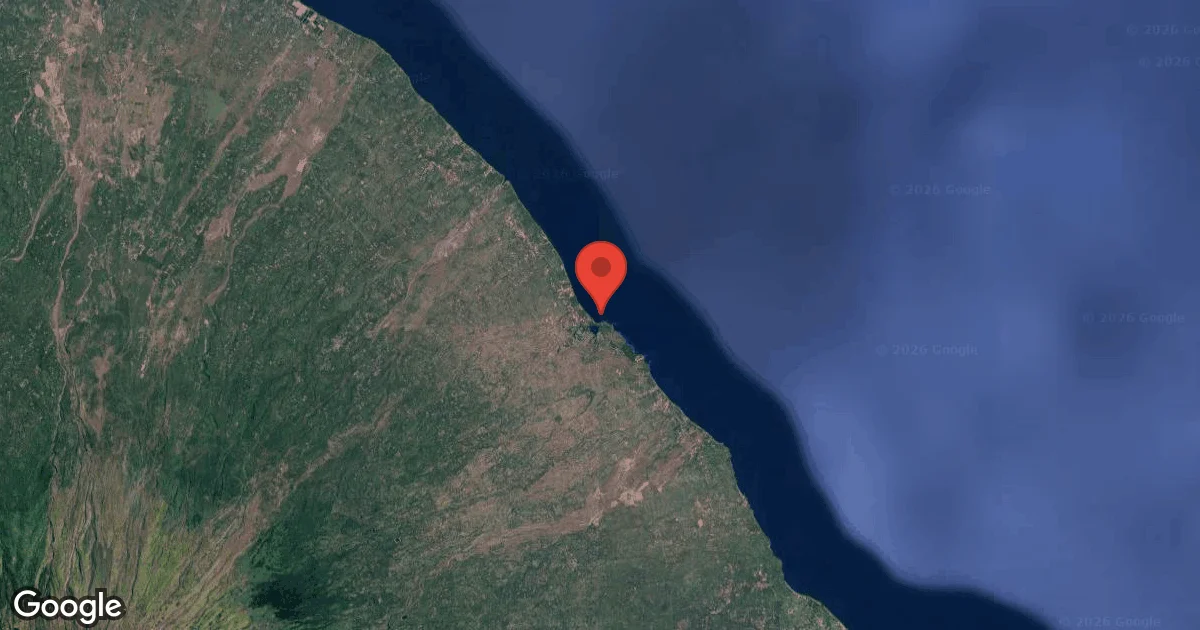
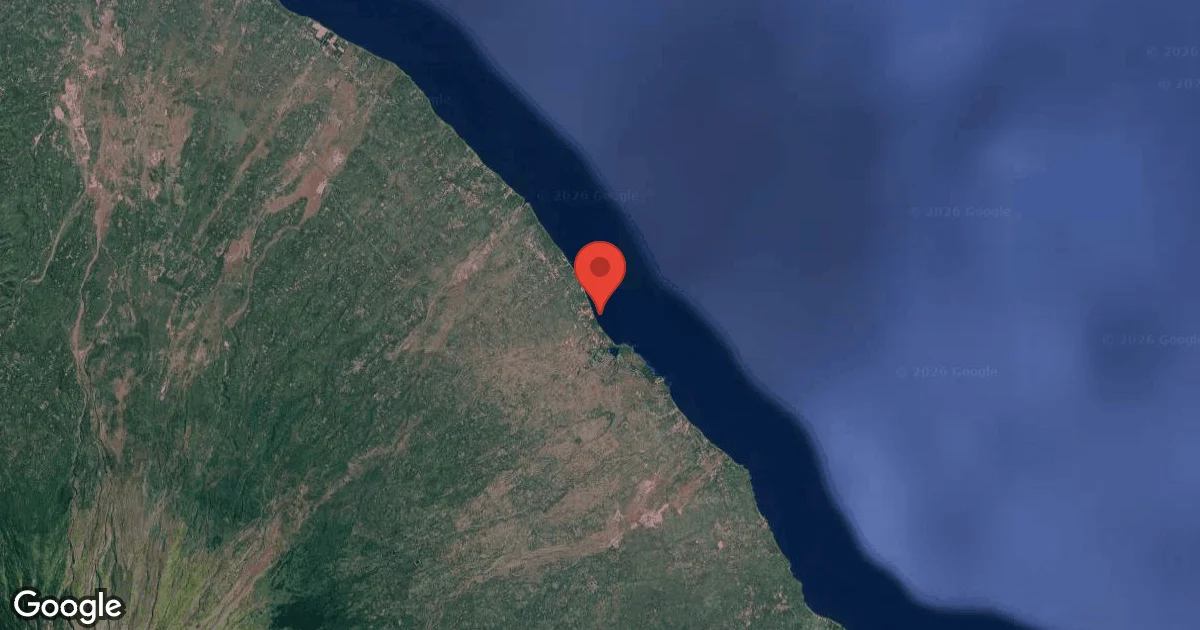
View all dive sites in IndonesiaDiscover more underwater gems in this area.
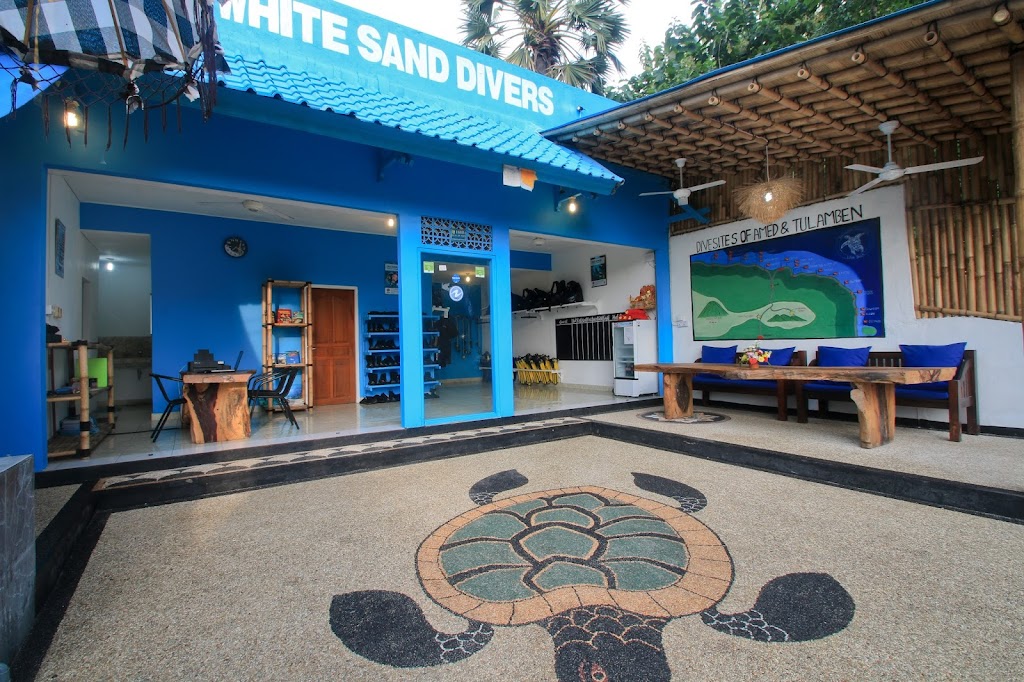
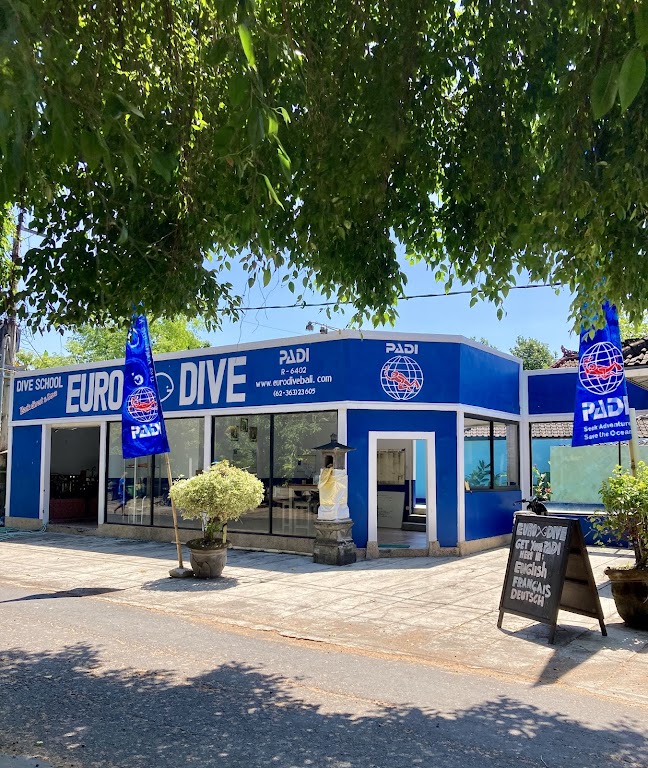
Dive Centers Near Japanese Shipwreck
Today: 09:15 - 19:15
Nearest Airports
Nearest airports to help plan travel to this dive area.
Search Flights
Check available flights and routes on Expedia, using the nearby airports listed in this section.
Search Flights on ExpediaFrequently Asked Questions
What type of wreck is the Japanese Shipwreck in Amed?
The Japanese Shipwreck is a historical vessel believed to be from the World War II era. Its exact identity and the circumstances of its sinking off Bali's eastern coast remain somewhat mysterious, adding to its intrigue.
What is the maximum depth of the Japanese Shipwreck dive?
The wreck is situated on a slope, allowing divers to explore various sections. The site ranges from approximately 12 m (40 ft) down to a maximum depth of 30 m (100 ft) at its deepest point.
Is the Japanese Shipwreck suitable for beginner divers?
While parts of the wreck are relatively shallow, the site's full extent and deeper sections may be more suitable for certified open water divers with some experience. Advanced training can enhance the experience, especially for exploring deeper areas or navigating around the wreck.
What marine life can I expect to see at the Japanese Shipwreck?
The wreck is teeming with macro life and a variety of reef fish. Divers often encounter Leaf Scorpionfish, Nudibranchs, various shrimp and crab species, Ghost Pipefish, gobies, and schools of colorful anthias. Pygmy seahorses are also a highlight on several sea fans.
What is the water temperature like at this dive site?
While exact water temperature data for this specific site is not consistently reported in our system, conditions in Amed typically feature warm waters. Temperatures generally range from 26-29°C (79-84°F), making it comfortable for tropical diving.
Are there strong currents at the Japanese Shipwreck?
The Japanese Shipwreck is in a fairly sheltered location. While generally calm, localized currents can occur. It's always advisable to check with local dive operators on the day of your dive for current conditions.
Can you penetrate the Japanese Shipwreck?
The wreck is broken in places, and its structure continues to degrade. For safety reasons, penetration should be avoided unless you have specialized wreck diving training and are accompanied by an experienced guide, as internal sections can be unstable.
Planning to dive Japanese Shipwreck?
Send one inquiry and receive offers directly from the best verified local dive operators.
Conditions are Good
Optimal conditions expected
Current conditions near Japanese Shipwreck show 29° air, 28° sea temperature, 0.9 m waves, and 22 km/h wind. Forecast data is refreshed regularly to ensure accuracy.