
Diving at Lau Lau Reef (Indonesia)
Divers approaching Lau Lau Reef can anticipate a dynamic underwater seascape, beginning with a descent into a vibrant ecosystem. This site, an underwater sea mount, draws divers into an experience where the reef's structure dictates the flow. Prepare for a varied profile, moving across its topography to encounter diverse marine interactions. It's a location that encourages mindful observation as its features reveal themselves during the dive.
Tonight's objective overview for Lau Lau Reef shows an air temperature of 29.5°C. The measured surface conditions include wave heights around 0.4 m. This environmental data is logged for the close of the day.
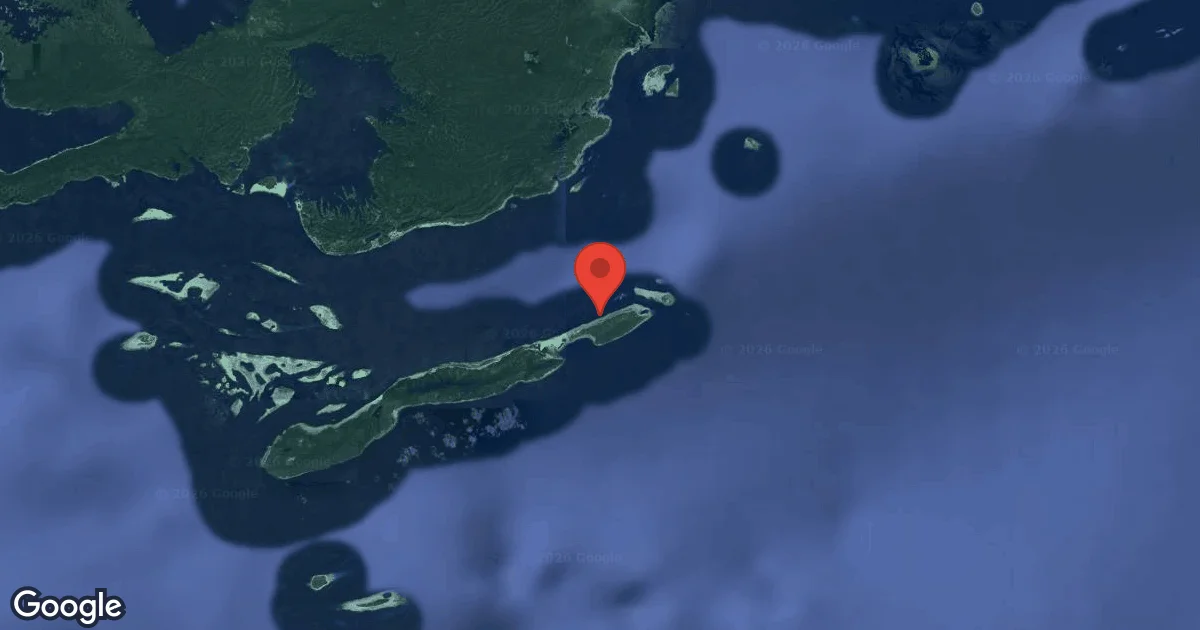
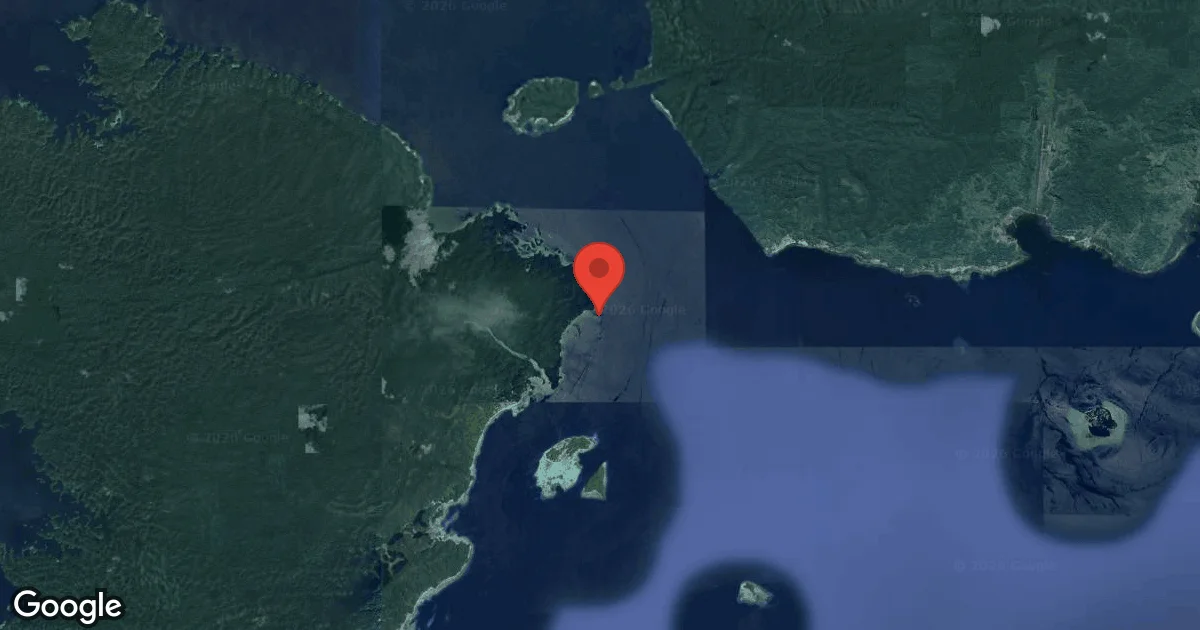
Dive Site Location & Key Facts
Dive Site Overview
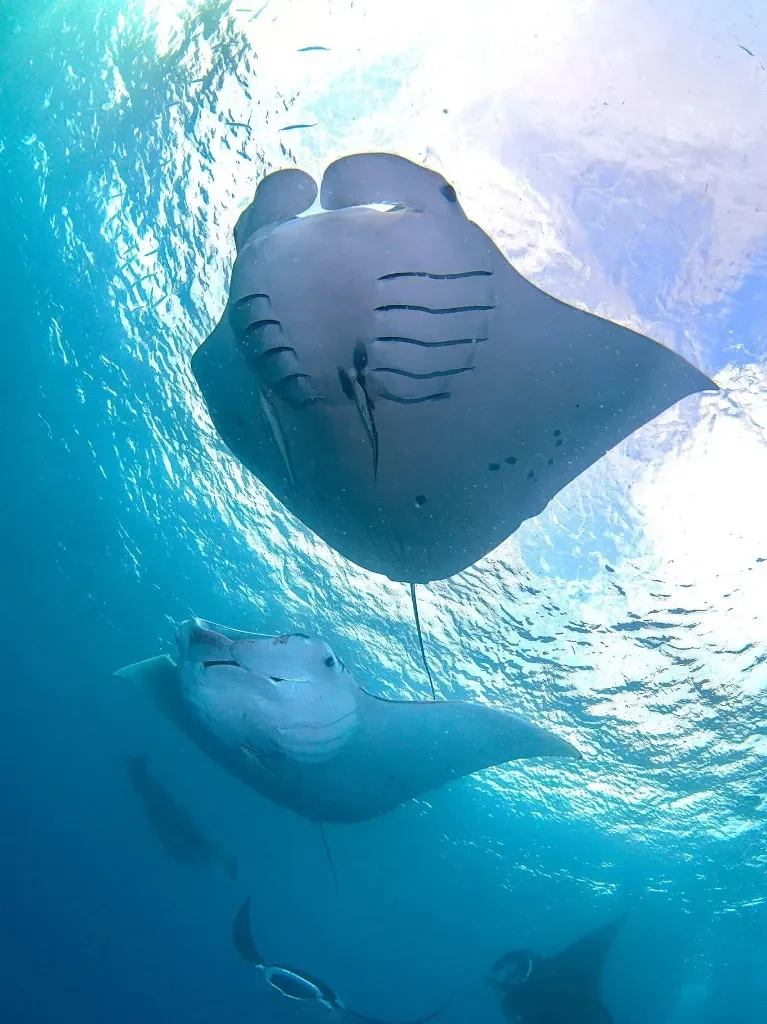
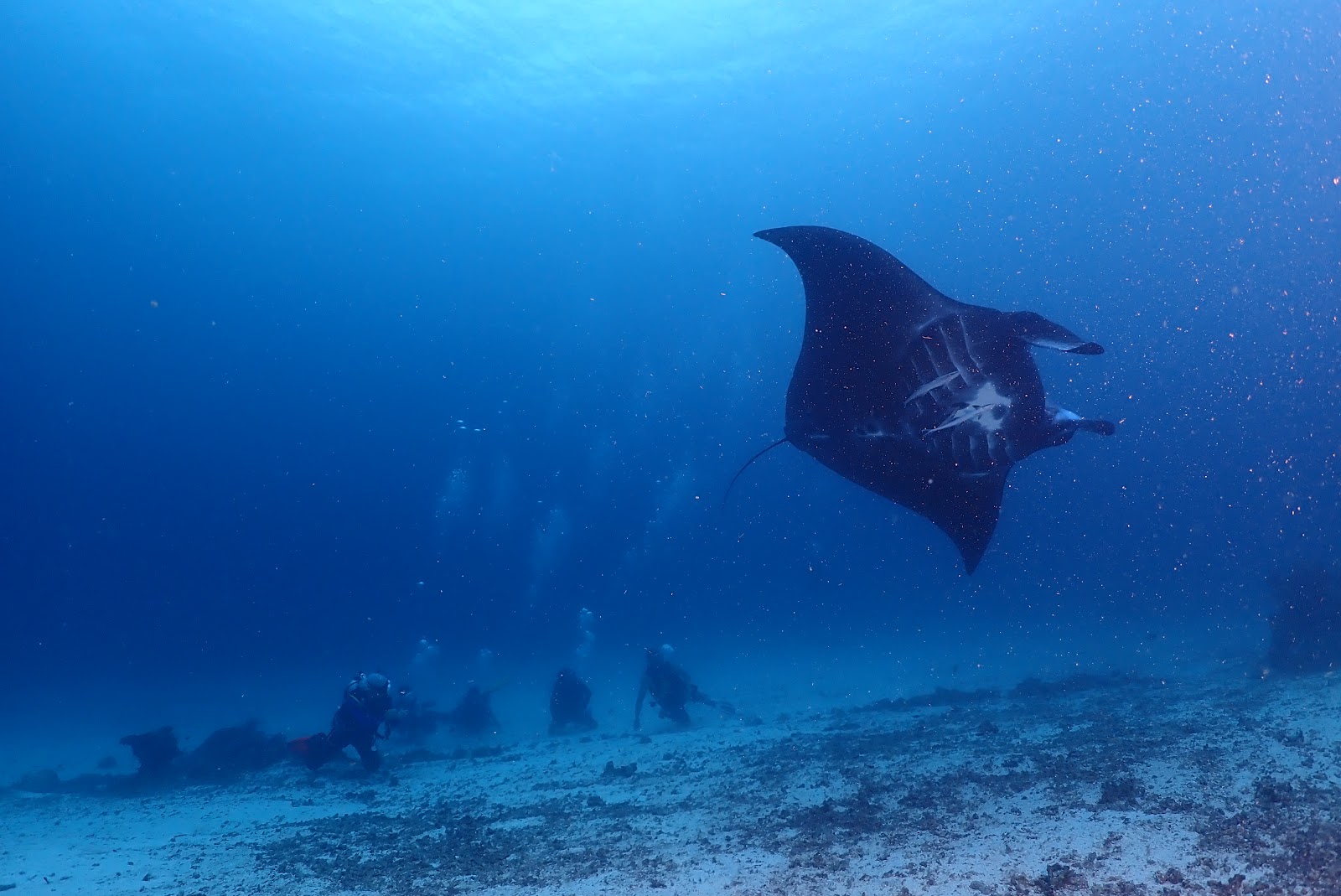
An underwater sea mount, Lau Lau Reef presents a lively atmosphere for intermediate divers exploring Raja Ampat. The site's primary draw is a cleaning station, occasionally frequented by oceanic (giant) manta rays, providing opportunities for unique interactions.
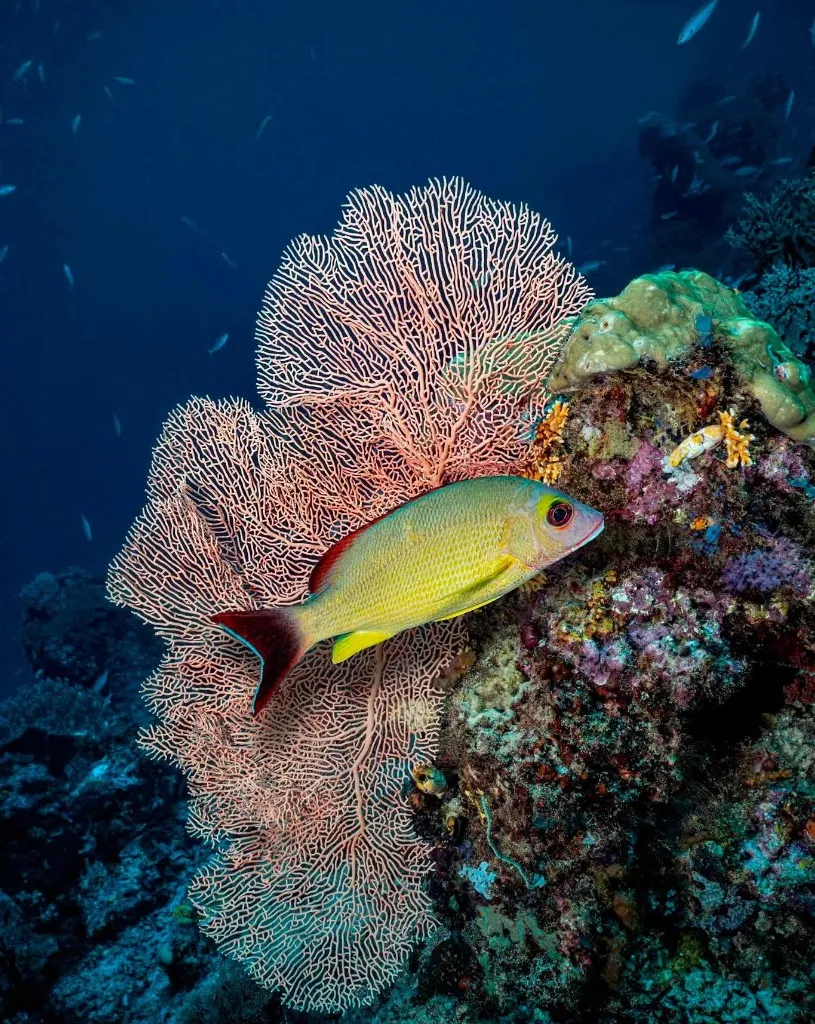
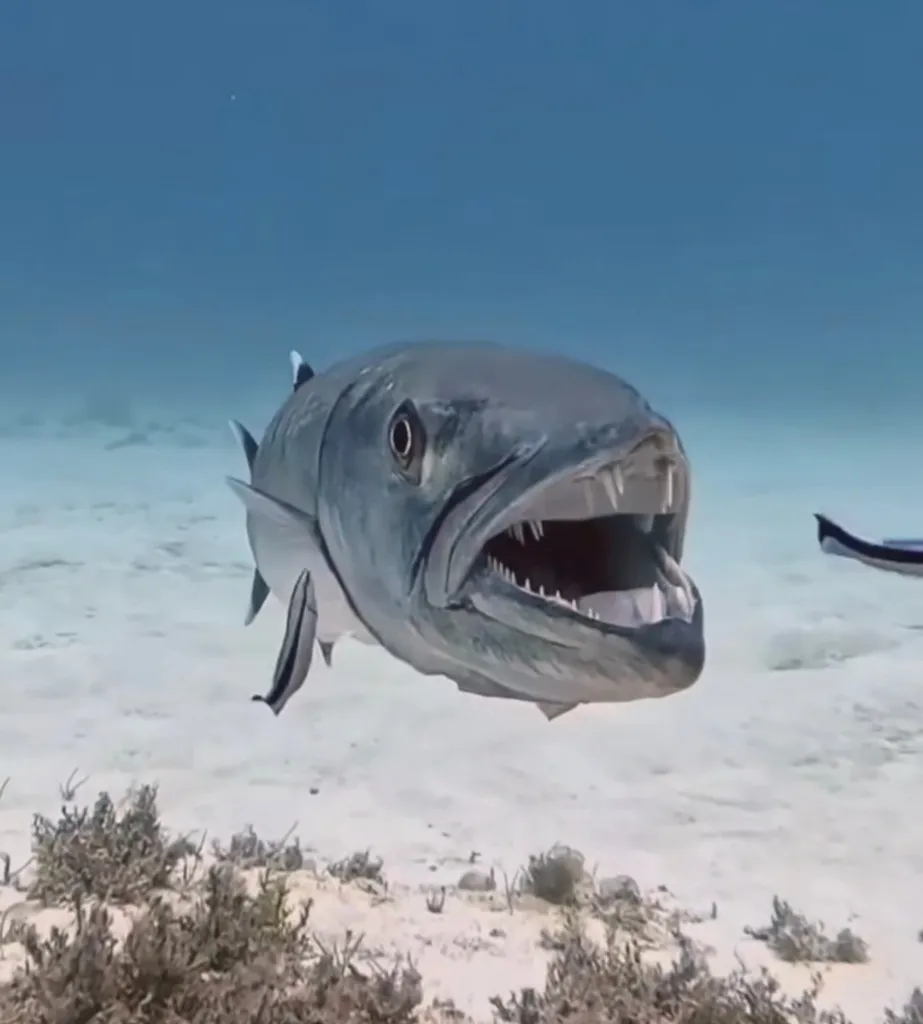
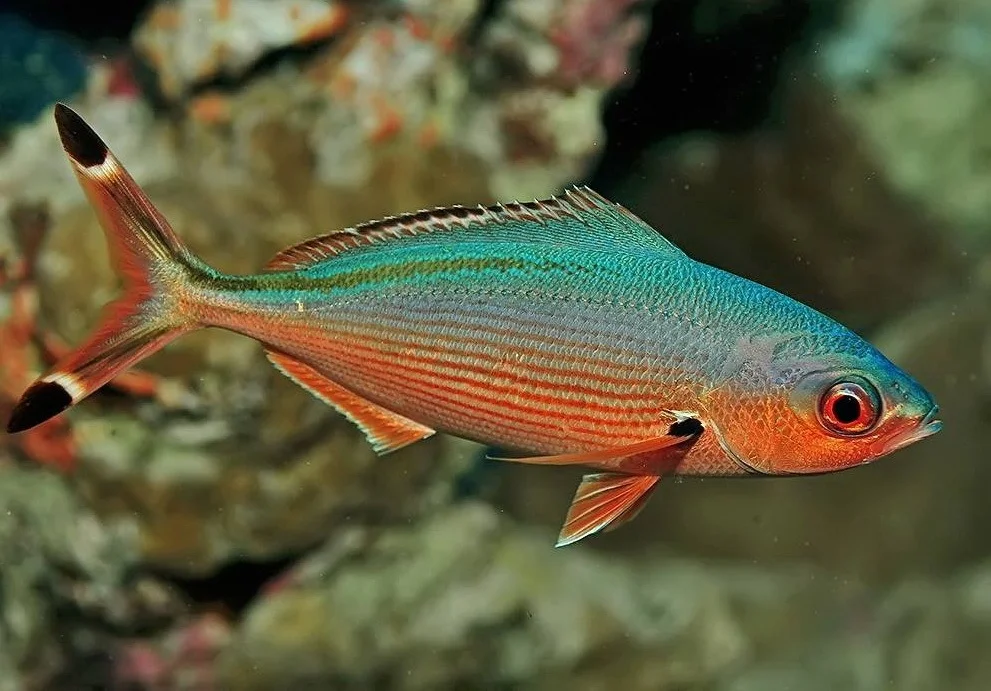
Below, large schools of barracuda, snapper, and fusiliers add to the vibrant scene, creating a sense of constant activity. Divers will also find Kuhl's rays resting calmly on the sandy bottom, blending into the substrate. As you navigate the reef, a keen eye is rewarded; keep watch under rocks and large coral boulders for sleeping wobbegong sharks, and scan the open blue for larger predator fish.
This diverse marine environment, characterized by its reef and sandy-bottom topography, creates a comprehensive diving experience. While specific depth ranges for Lau Lau Reef are not consistently reported, its nature as a sea mount suggests a varied profile, catering to intermediate skill levels.
Conditions are Excellent
07:00 - 14:00
Optimal conditions expected
Current conditions near Lau Lau Reef show 29° air, 30° sea temperature, 0.2 m waves, and 14 km/h wind. Forecast data is refreshed regularly to ensure accuracy.
Best Time to Dive
Seasonal planning for a dive at Lau Lau Reef indicates prime conditions during specific windows throughout the year. The period from January to March, alongside September, October, and November, consistently yields excellent dive scores. During these months, the air temperature typically holds steady around 27-27.5°C (81-82°F), making surface intervals and boat rides quite comfortable. Rainfall during these peak times is notably low, generally ranging from a minimal 6.4 to 8.8 mm, which helps ensure clear surface conditions and minimal run-off affecting visibility. Even outside these top-tier months, from April to August, conditions remain quite favorable, rated as 'Good'. Air temperatures during this secondary window are still very pleasant, hovering between 26.5-27.5°C (80-82°F). The consistent warmth of the water in Raja Ampat, frequently between 27-30°C (81-86°F), means exposure protection needs are generally minimal, often limited to a 3mm wetsuit or rashguard. This extended period of agreeable weather makes for a flexible dive planning schedule, where the reef's marine activity is largely unaffected by minor seasonal shifts.
PEAK SEASON SCORE
Scores combine air & water temps, waves, wind & rainfall for overall conditions.
BEST MONTHS TO DIVE
Monthly records compiled from satellite and marine observation nodes over the last 3 years. Data provided by Open-Meteo and MET Norway.
Dive Experience & Conditions
The dynamics of the current at Lau Lau Reef vary, depending on prevailing regional weather patterns and tidal influences. While some periods may experience minimal movement, others can present a drift diving scenario, requiring divers to adapt their approach. The site itself is an underwater sea mount, offering a diverse structural profile from its reef crests to sandy channels. This topography contributes to the varied current flow that can be encountered. Divers should be prepared for potential changes in water movement throughout their dive. Visibility in this area is generally good, allowing for clear views of the vibrant marine life and intricate coral structures.
Dive Difficulty & Safety Guidelines
To ensure a safe and rewarding dive at Lau Lau Reef, divers should maintain situational awareness, particularly regarding current variations. Intermediate certification is recommended, reflecting the dynamic nature of the site and the varied depths encountered on a sea mount. Always monitor your bottom time and air supply, especially when currents are present.
It's advisable to stay with your dive guide, as they possess local knowledge of potential shifts in conditions and optimal viewing spots. Keep a respectful distance from all marine life, including the cleaning station, to avoid disturbing natural behaviors.
Recommended Equipment
- Dive Computer
- DSMB
This gear list is based on verified equipment signals for Lau Lau Reef, Indonesia. Always confirm final gear choices with your dive operator, guide, or liveaboard.
Recommended Dive Suit
Water temperatures at Lau Lau Reef are currently estimated to be around 30°C (86°F), shaping the overall diving conditions for today. Surface air temperatures are resting at 29°C (85°F).
Dive skin or rash guard generally offers enough warmth for most dives under these conditions. A hood or vest is suggested for sensitive divers due to surface winds.
Forecast trends indicate little change in overall diving conditions during the next few days.
Due to technical issues with our weather providers, data hasn't been fetched for over 48 hours. The data above reflects the conditions at the time of the last successful fetch.
Emergency & Medical Support
Essential information to help you plan your dive trip to Lau Lau Reef.

Hyperbaric chambers are a critical part of dive safety infrastructure. Availability varies significantly by region, and not all dive areas have immediate access.
Before diving, it's recommended to:
- confirm nearest medical facilities
- check emergency procedures with local dive operators
- ensure dive insurance covers evacuation if required
Divers Alert Network
Diving emergency assistance available through DAN World.
+1-919-684-9111- 24/7 emergency hotline
- Diving medical assistance
- Evacuation coordination
Emergency contacts are provided for reference. Always verify local emergency services before diving.
Marine Life at Lau Lau Reef
Lau Lau Reef delivers an active underwater spectacle, with its cleaning station often attracting oceanic (giant) manta rays. You'll observe impressive schools of barracuda, snapper, and fusiliers navigating the water column.
Along the sandy stretches, Kuhl's rays are frequently seen resting, their camouflage making them a patient discovery. Searching among the reef's crevices and beneath larger coral formations might reveal a sleeping wobbegong shark, adding another unique encounter. Keep a keen eye into the blue for glimpses of larger predator fish patrolling the area.

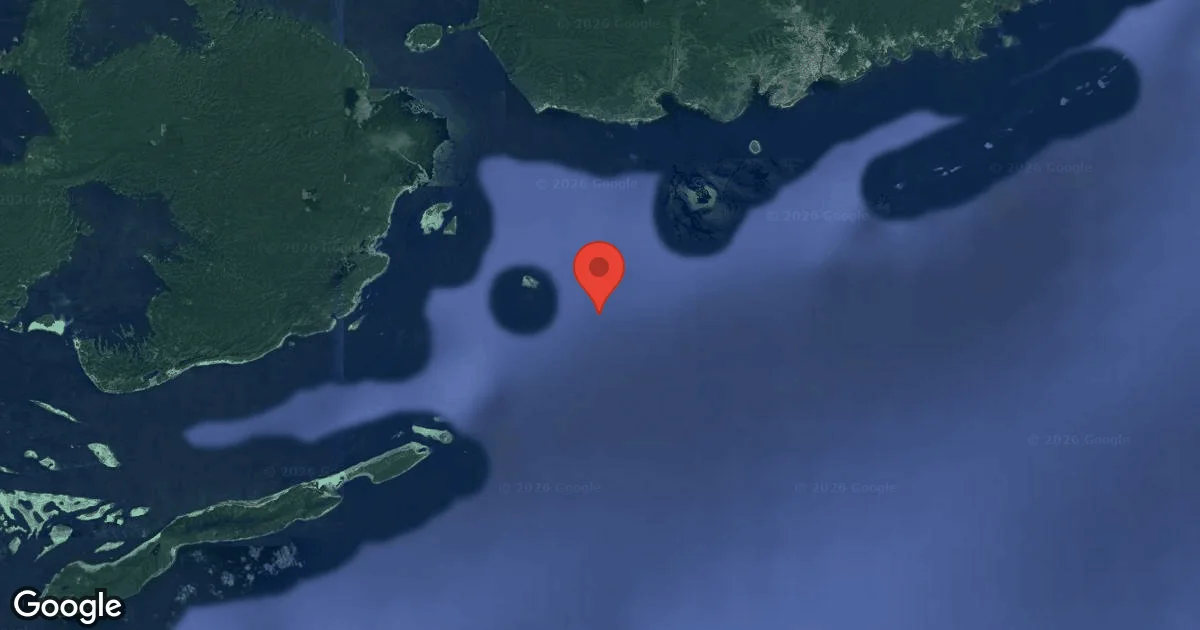
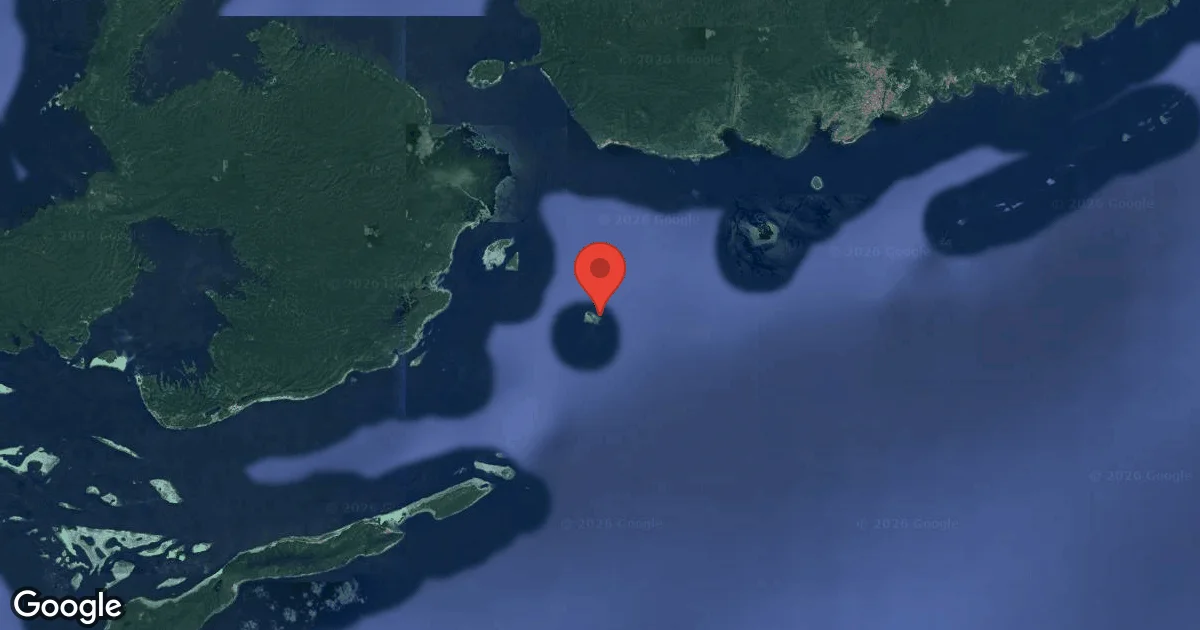
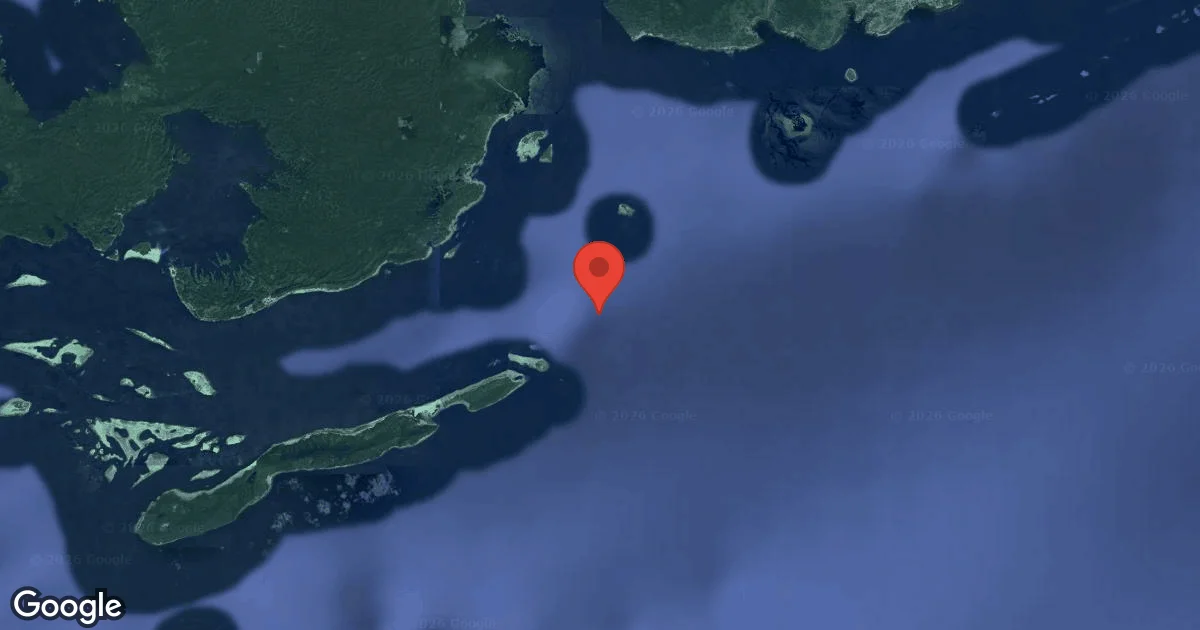
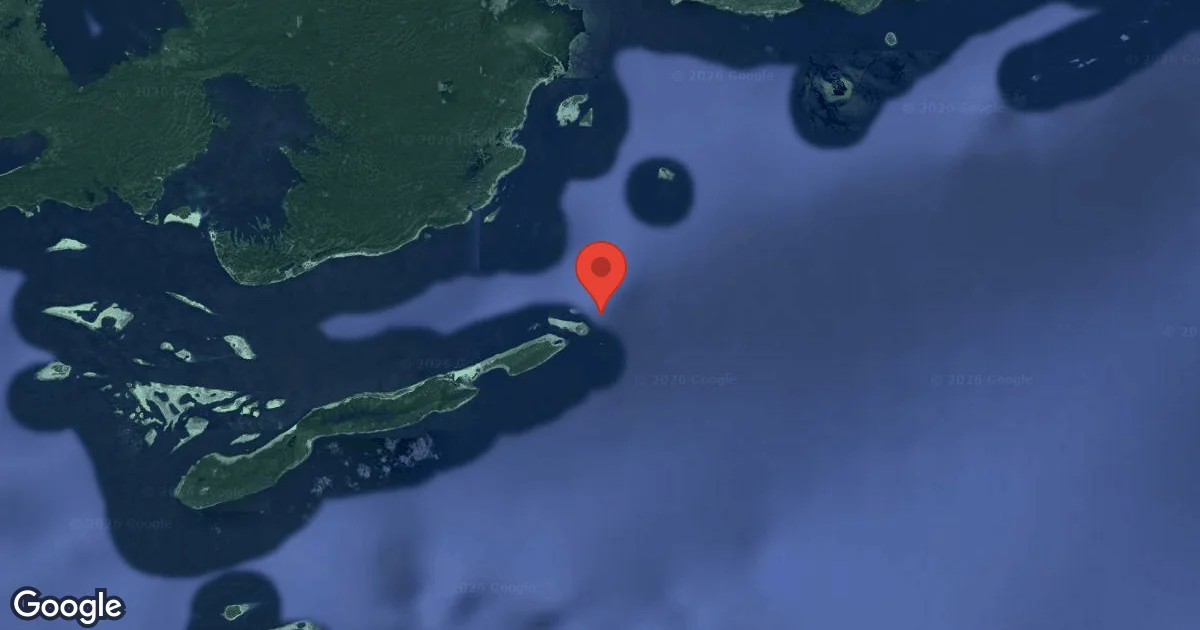
Dive Sites Near Lau Lau Reef
View all dive sites in IndonesiaDiscover more underwater gems in this area.
Dive Centers Near Lau Lau Reef






Nearest Airports
Nearest airports to help plan travel to this dive area.
Search Flights
Check available flights and routes on Expedia, using the nearby airports listed in this section.
Search Flights on ExpediaFrequently Asked Questions
What is the recommended dive level for Lau Lau Reef?
Lau Lau Reef is generally recommended for intermediate divers. The varied topography of the sea mount and potential for currents suggest a need for more experienced underwater navigation and buoyancy control.
Can I see manta rays at Lau Lau Reef?
Yes, Lau Lau Reef features a cleaning station that is occasionally visited by oceanic (giant) manta rays. While sightings are not guaranteed on every dive, it is a known spot for these impressive creatures.
What kind of fish can I expect to see?
The reef is home to large schools of barracuda, snapper, and fusiliers. You can also spot Kuhl's rays on the sandy bottom and potentially wobbegong sharks tucked away under rocks or coral.
Are there strong currents at Lau Lau Reef?
Currents at Lau Lau Reef can vary from mild to strong, depending on conditions and tides. Divers should be prepared for potential drift and changes in water movement during the dive.
What are the best months to dive at Lau Lau Reef?
The best months for diving are typically January through March, and September through November, which consistently show 'Excellent' dive scores due to stable air temperatures and lower rainfall.
Is Lau Lau Reef suitable for snorkeling?
Limited available data suggests that Lau Lau Reef is not primarily promoted as a snorkeling-friendly site. Its nature as an underwater sea mount with intermediate diving levels might imply deeper features less accessible to snorkelers.
Planning to dive Lau Lau Reef?
Send one inquiry and receive offers directly from the best verified local dive operators.
Conditions are Excellent
07:00 - 14:00
Optimal conditions expected
Current conditions near Lau Lau Reef show 29° air, 30° sea temperature, 0.2 m waves, and 14 km/h wind. Forecast data is refreshed regularly to ensure accuracy.