Loading...

Diving at USAT Liberty (Indonesia)
Published
Last updated
Lying just 30 m / 98 ft off the volcanic cobble beach of Tulamben on Bali's northeast coast, the USAT Liberty cargo steamer is Southeast Asia's most accessible historic shipwreck reef. Built in 1918 as a 125.4 m / 411.5 ft steel freighter, torpedoed in the Lombok Strait in January 1942, and slid into coastal waters by the 1963 eruption of Mount Agung, her broken hull slopes across black volcanic sand from 4 m / 13 ft down to 30 m / 98 ft. Welcoming Beginner through Advanced shore divers and night photographers, the coral-draped structure hosts resident schools of bigeye trevally, dawn bumphead parrotfish, and rare Coral Triangle macro life.
Afternoon measurements for USAT Liberty show the air has reached 29°C. The recorded surface conditions at this location feature wave heights of 0.8 m. These metrics are updated to reflect the ongoing daily shifts.
Dive Site Location & Key Facts
Site Characteristics
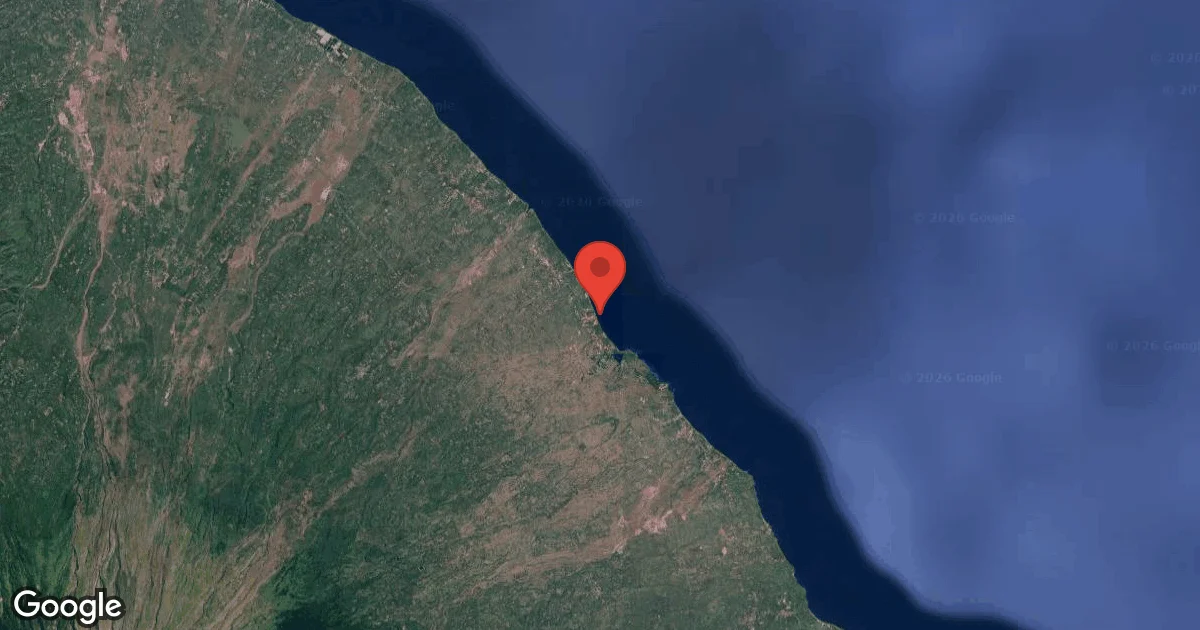
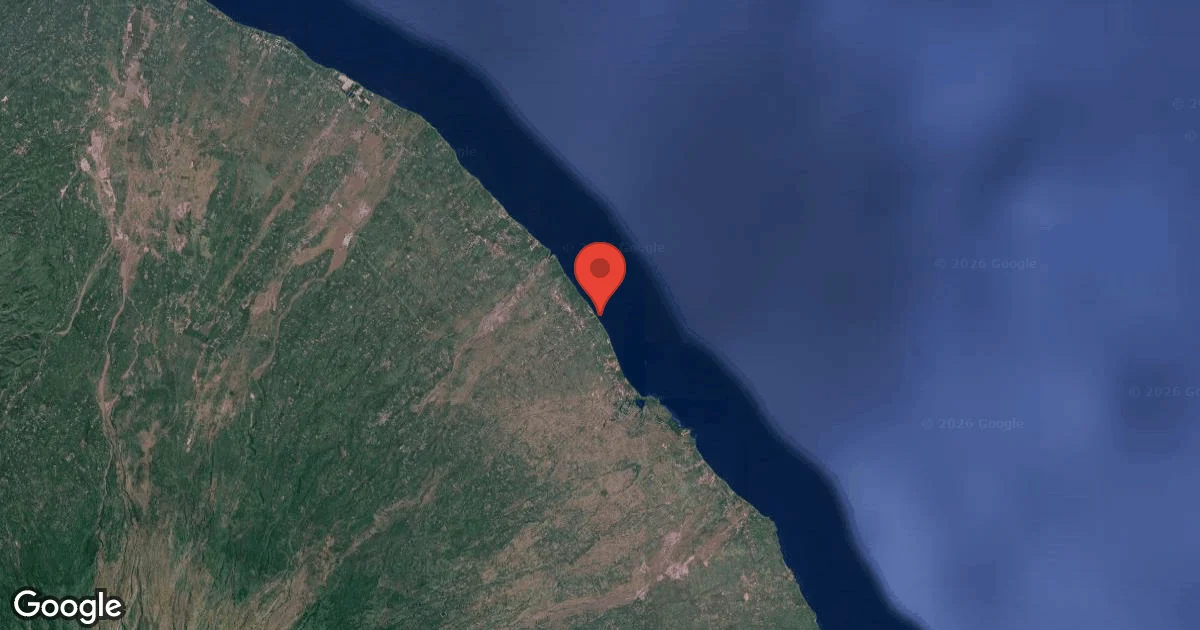
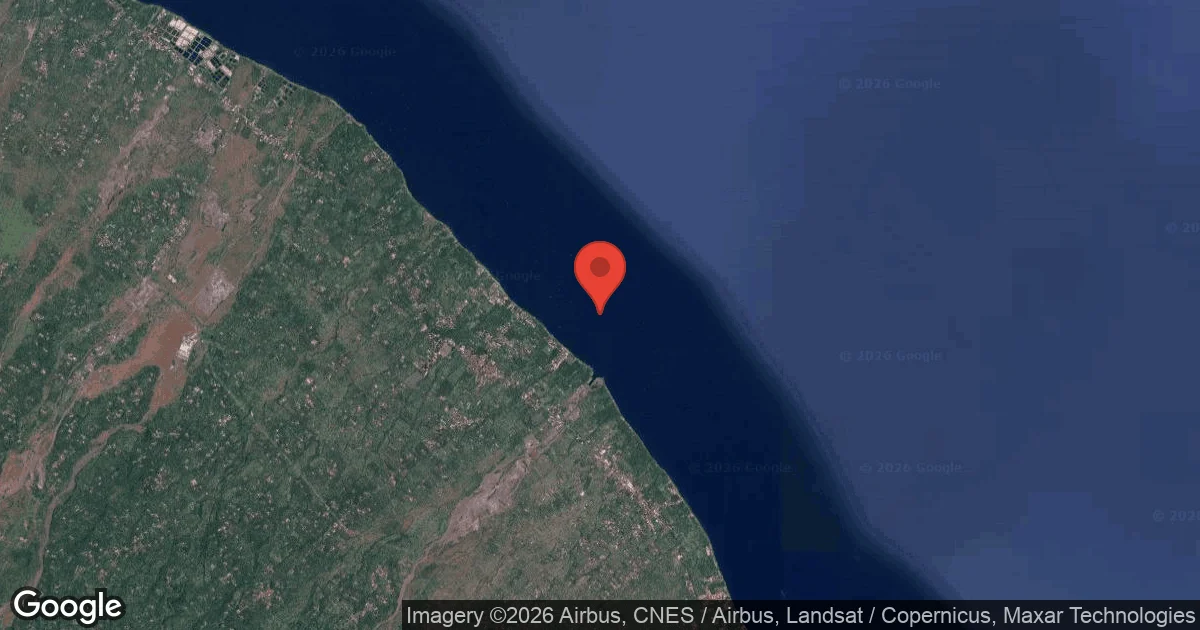
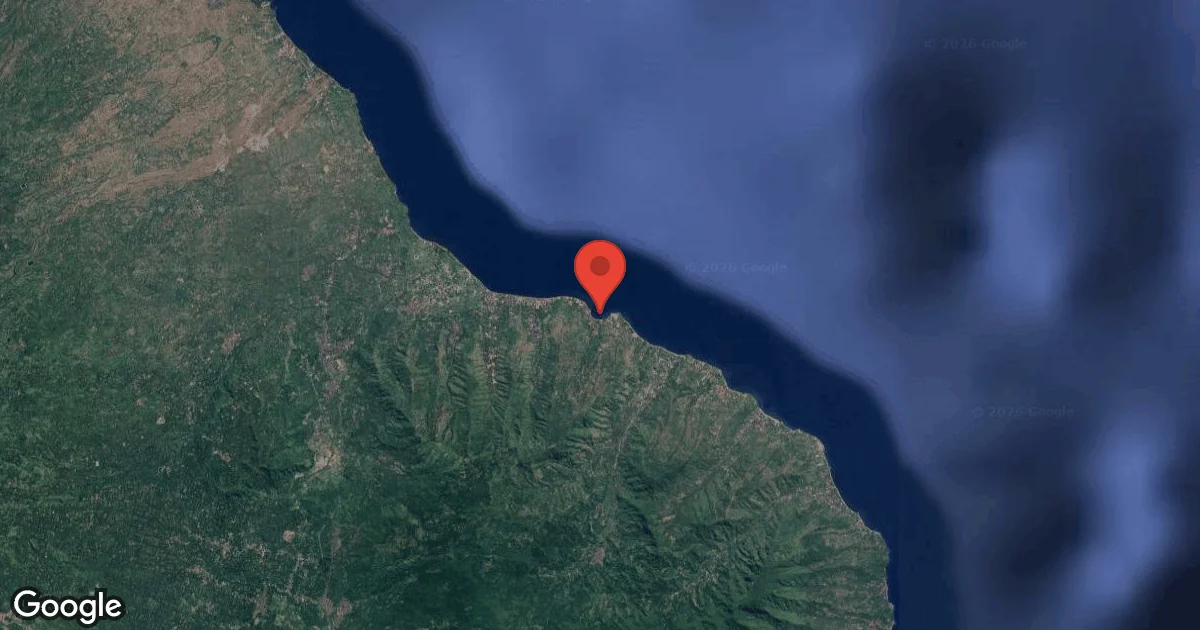
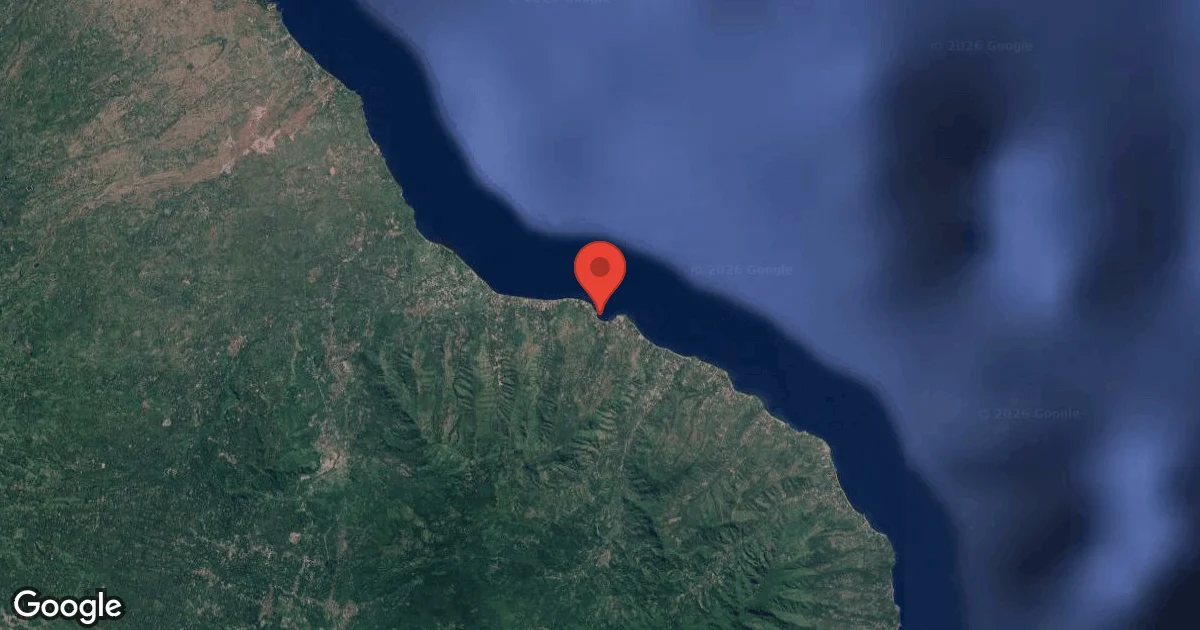
Interactive map & 360° view for USAT Liberty. To help you plan your trip to USAT Liberty in Indonesia, combine the satellite map above with the interactive 360° panorama (7 m from the map pin) to preview the approach to the water, entry and exit points, and surrounding surface landmarks. Panorama imagery captured Apr 2014; site access and local conditions may have changed since, so always verify on arrival.
Max Depth30m / 98ft
Entry Typeshore
Water Typesalt
Dive Types
MuckReefWreck
Dive Site Overview
Constructed in 1918 by Federal Shipbuilding Co. in Kearny, New Jersey as a World War I Design 1037 freighter—frequently misidentified in guidebooks as a 1915 ship or a World War II Liberty-class vessel—USAT Liberty measured 125.4 m / 411.5 ft in length with a 16.8 m / 55 ft beam at 6,211 GRT. On 11 January 1942, while carrying railway parts and rubber from Australia to the Philippines, she was struck by two torpedoes from Japanese submarine I-166 roughly 10 nmi southwest of Lombok Strait.
Destroyers HNLMS Van Ghent and USS Paul Jones attempted to tow the flooding steamer toward Singaraja, eventually beaching her upright on the black-pebble shoreline of Tulamben to salvage her cargo. For twenty-one years the rusted hulk sat half-submerged on the beach until catastrophic tremors and lava flows during the spring 1963 eruption of Mount Agung—analyzed in NASA Goddard Institute for Space Studies volcanological research—shoved the hull 30 m / 98 ft offshore, breaking it apart parallel to the beach.
Protected from local fishing under customary Desa Adat village rules documented in Udayana University coastal conservation studies, the fractured steel plates, boilers, and deep gun mount at 28 to 30 m / 92 to 98 ft now form a thriving volcanic artificial reef. Decades of open-air fractures have replaced enclosed dark compartments with sunlit swim-throughs and coral arches accessible directly from shore.
USAT Liberty
Conditions are Good
8/10
Confidence: 8/10
Indicates meteorological model agreement and data availability.
Best Dive Window
Optimal conditions expected
06:12
18:45
H: 10:45
L: 16:20
Air / Sea Temp
29° / 31°
Wave Height
0.8 m
Wind Speed
33 km/h S
Rain Chance
0%
Current conditions near USAT Liberty show 29° air, 31° sea temperature, 0.8 m waves, and 33 km/h wind. Forecast data is refreshed regularly to ensure accuracy.
Radius: ~12km
Updated: Nov 23, 2026, 20:08 local timeMARINE: OPEN-METEOWEATHER: YR.NO
Best Time to Dive
Tucked into sheltered Tulamben Bay on Bali's dry northeastern rain-shadow coast, USAT Liberty is diveable year-round in warm 26 to 29°C / 79 to 84°F water. Dry southeast trade-wind months from April through November bring the calmest beach surf and clearest morning visibility of 20 to 30 m / 65 to 98 ft, as noted by the Karangasem Regency Tourism Office.
From December through March, northwest monsoon rains wash volcanic runoff down Mount Agung's slopes, periodically trimming visibility to 10 to 15 m / 33 to 50 ft and adding occasional shorebreak across the cobble entry. Entering the water at dawn between 06:00 and 07:30 avoids midday tour-bus crowds and catches resident bumphead parrotfish leaving their overnight roosts inside the hull.
PEAK SEASON SCORE
89/100
Very GoodScores combine air & water temps, waves, wind & rainfall for overall conditions.
BEST MONTHS TO DIVE
APR
MAY
NOV
DIVE SCORE GUIDE (0–100)
Excellent (90–100)
Very Good (80–89)
Good (70–79)
Moderate (50–69)
Poor (30–49)
Not Recommended (0–29)
Monthly records compiled from satellite and marine observation nodes over the last 3 years. Data provided by Open-Meteo and MET Norway.
Dive Experience & Conditions
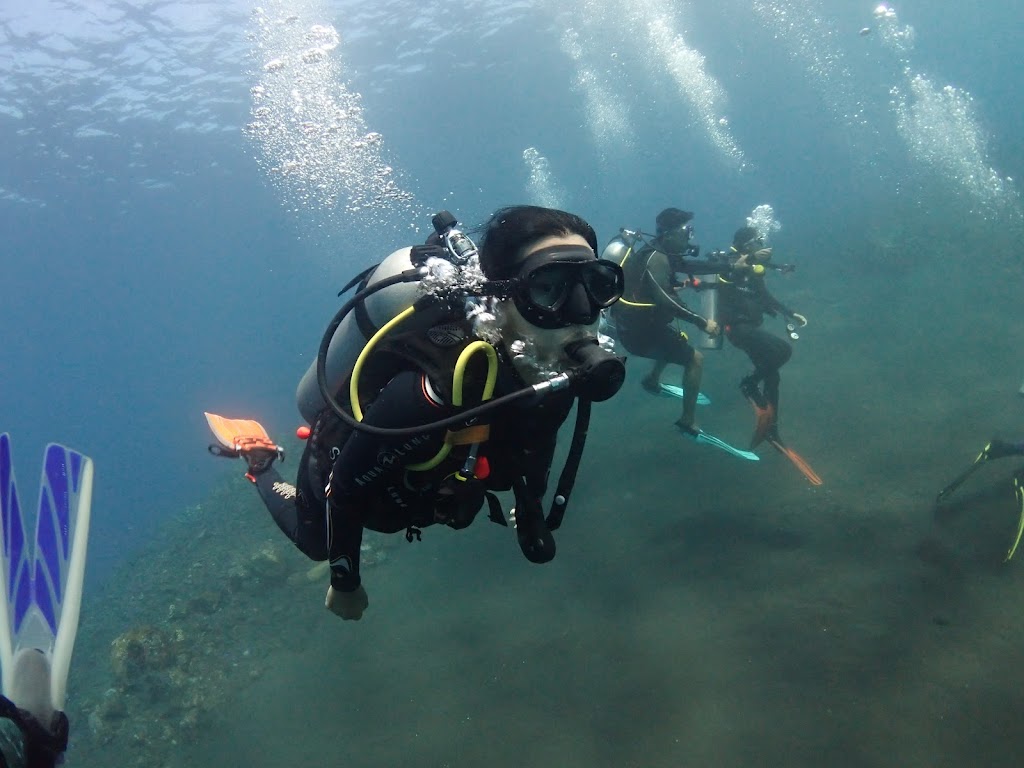
Local Tulamben village porters carry scuba kits down to the black volcanic cobble shoreline, where divers wade into waist-deep water, don fins, and fin barely 30 m / 98 ft seaward before the upper flank of USAT Liberty looms at 4 to 5 m / 13 to 16 ft. Most teams drop first down the black-sand slope to the bow and deep gun mount at 28 to 30 m / 92 to 98 ft, then work progressively shallower along the 125 m / 411 ft wreck through open cargo holds and sunlit swim-throughs between 10 and 22 m / 33 and 72 ft. Dense colonies of stinging Halopteris hydrozoans, red sea whips, barrel sponges, and branching black-coral trees—cataloged directly on the hull at 18 to 22 m / 59 to 72 ft in Natural History Museum of Geneva zoological fieldwork—coat the fractured ribs and boilers.
Currents inside the bay stay mild most of the day, though occasional 1 to 2-knot tidal pulses sweep the deeper 25 to 30 m / 82 to 98 ft sand edge during spring tides. Night dives rank among Bali's finest, illuminating Spanish dancer nudibranchs, hunting moray eels, and sleeping parrotfish wedged beneath overhangs. Finishing with a slow 5 m / 16 ft safety stop above the shallow stern coral garden brings teams straight back to the gentle cobble exit.
Dive Difficulty & Safety Guidelines
Shallow 4 to 18 m / 13 to 59 ft central sections make USAT Liberty ideal for Open Water divers, while descending to the 28 to 30 m / 92 to 98 ft bow and adjacent reef slope suits Advanced Open Water divers monitoring no-decompression time. Wear hard-soled neoprene booties and time your stride carefully across the rounded, shifting volcanic pebbles at the surf line, especially during afternoon wind chop or monsoon swell. Maintain crisp neutral buoyancy inside open swim-throughs and avoid touching steel beams coated in stinging white Halopteris hydroids, which deliver painful skin welts through exposed skin.
Avoid squeezing into collapsed, jagged interior pockets where decades of volcanic tremors and corrosion continue to loosen steel plates, and respect Tulamben's village retribution fee and zero-collection rules. For any decompression emergency, Bali's public hospital multiplace recompression chamber operates at RSUP Prof. dr. I.G.N.G. Ngoerah in Denpasar, roughly a 2.5 to 3-hour road ambulance transfer southwest from Tulamben, making conservative computer profiles and surface oxygen essential.
Recommended Equipment
Overhead / entanglement risk. Wreck penetration requires proper training.
- Dive Computer
- DSMB
- Primary & Backup Lights
- Wreck Reel
- Cutting Tool
- Hard-soled Dive Boots
This gear list is based on verified equipment signals for USAT Liberty, Indonesia. Always confirm final gear choices with your dive operator, guide, or liveaboard.
Recommended Dive Suit
Dive skin or rash guard is frequently recommended by dive operators for conditions like these. Consider warmer surface protection (like a boat coat) due to brisk winds. For divers entering the water at USAT Liberty, temperatures are currently hovering around 31°C (88°F). Surface air temperatures are resting at 29°C (84°F).
Forecast trends indicate little change in overall diving conditions during the next few days.
Even small thermoclines can occasionally cause noticeable changes in water temperature.
USAT Liberty conditions last reviewed: 20:08 local time (UTC+8), Nov 23, 2026
Emergency & Medical Support
Essential information to help you plan your dive trip to USAT Liberty.

Hyperbaric chambers are a critical part of dive safety infrastructure. Availability varies significantly by region, and not all dive areas have immediate access.
Before diving, it's recommended to:
- confirm nearest medical facilities
- check emergency procedures with local dive operators
- ensure dive insurance covers evacuation if required
24/7 Available
Divers Alert Network
Diving emergency assistance available through DAN World.
+1-919-684-9111- 24/7 emergency hotline
- Diving medical assistance
- Evacuation coordination
Emergency contacts are provided for reference. Always verify local emergency services before diving.
Marine Life at USAT Liberty
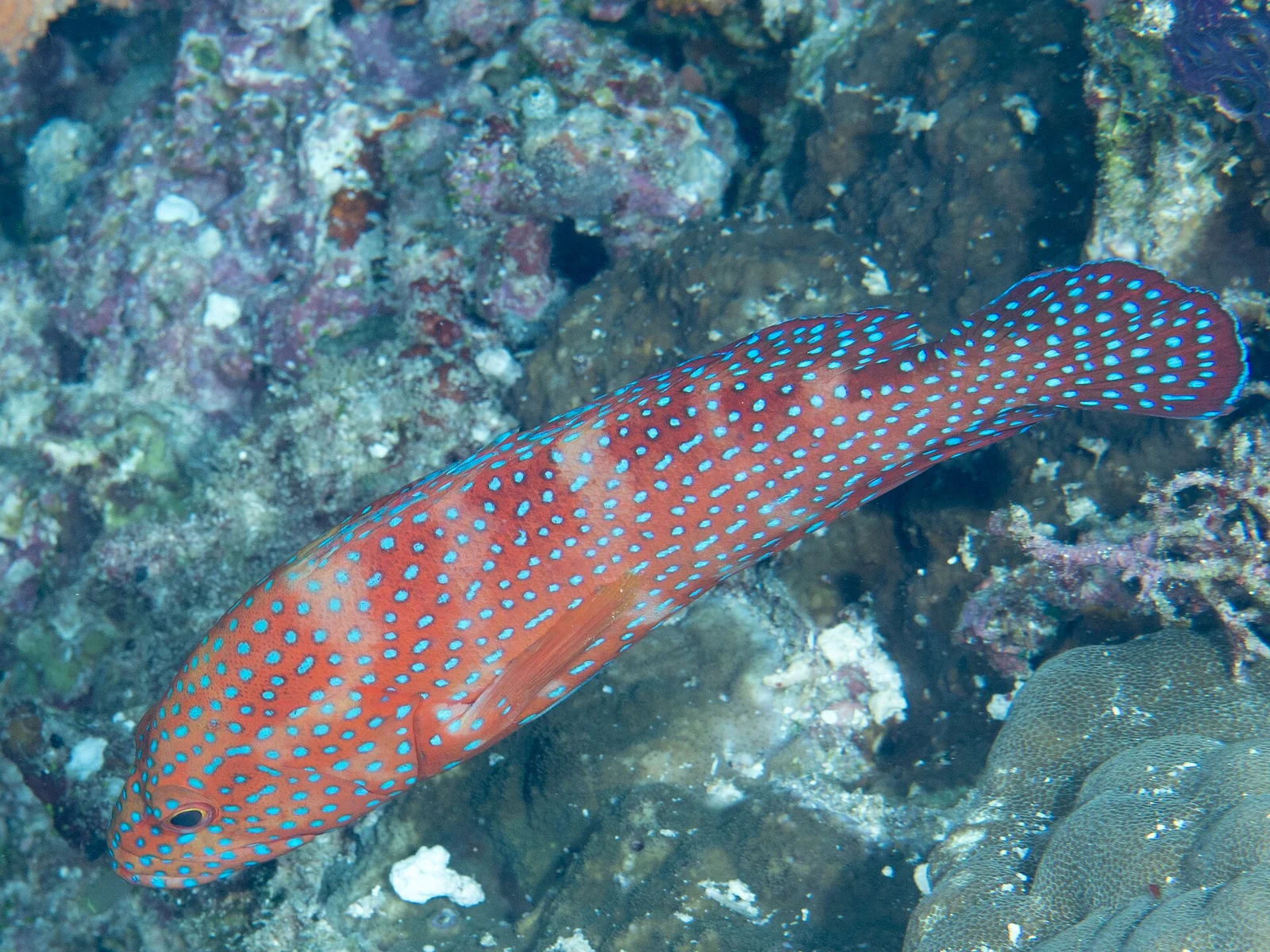
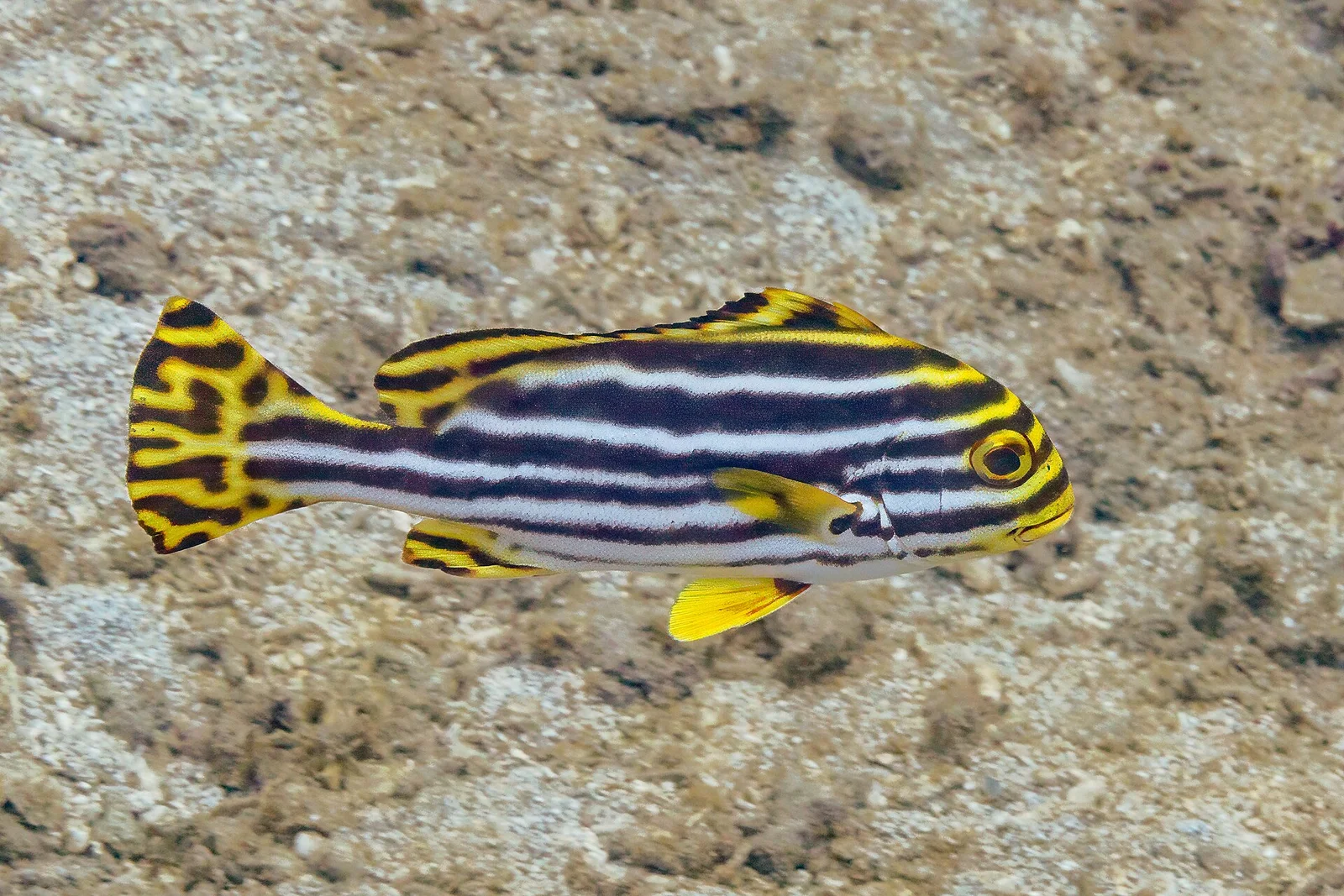
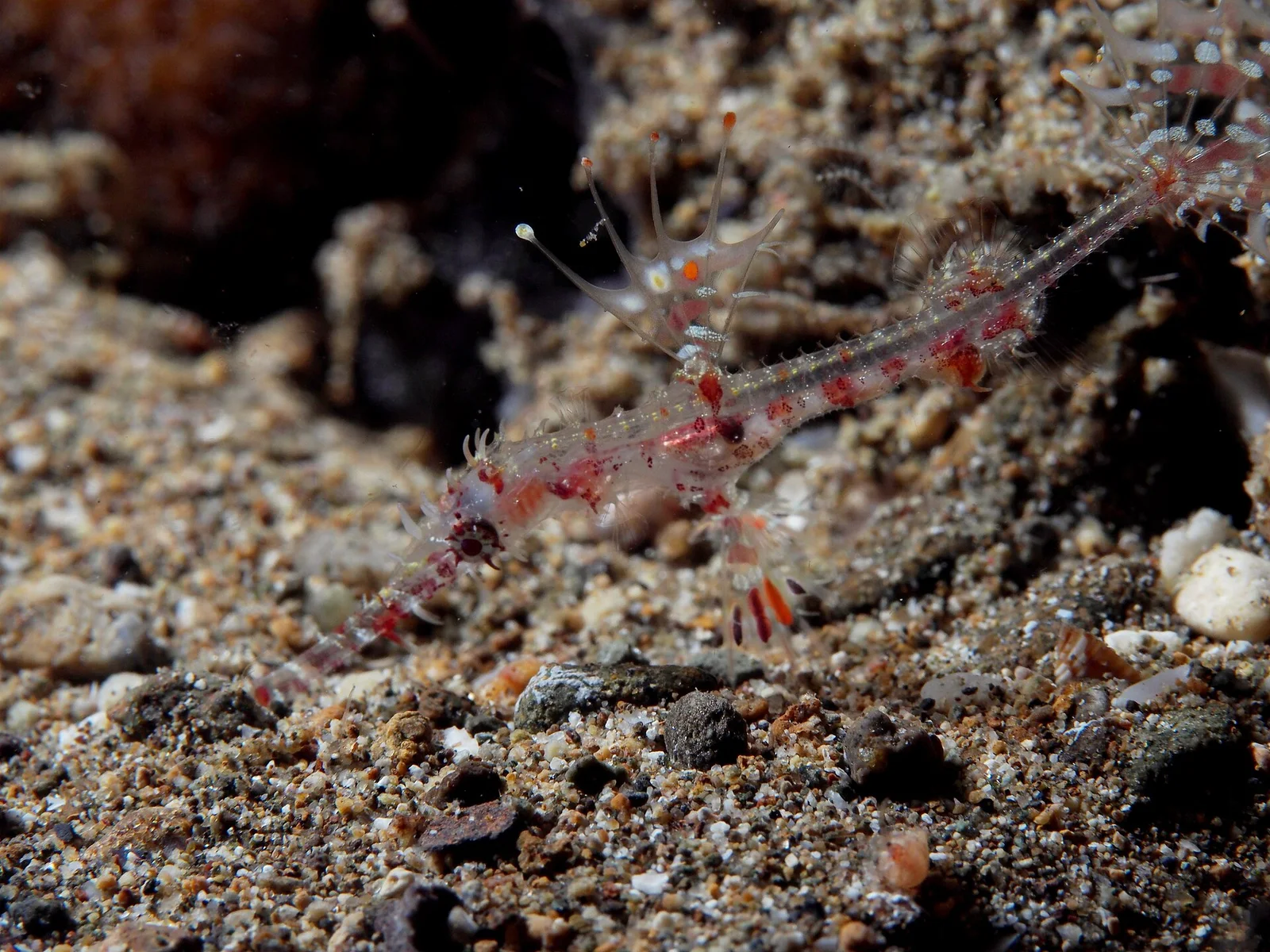
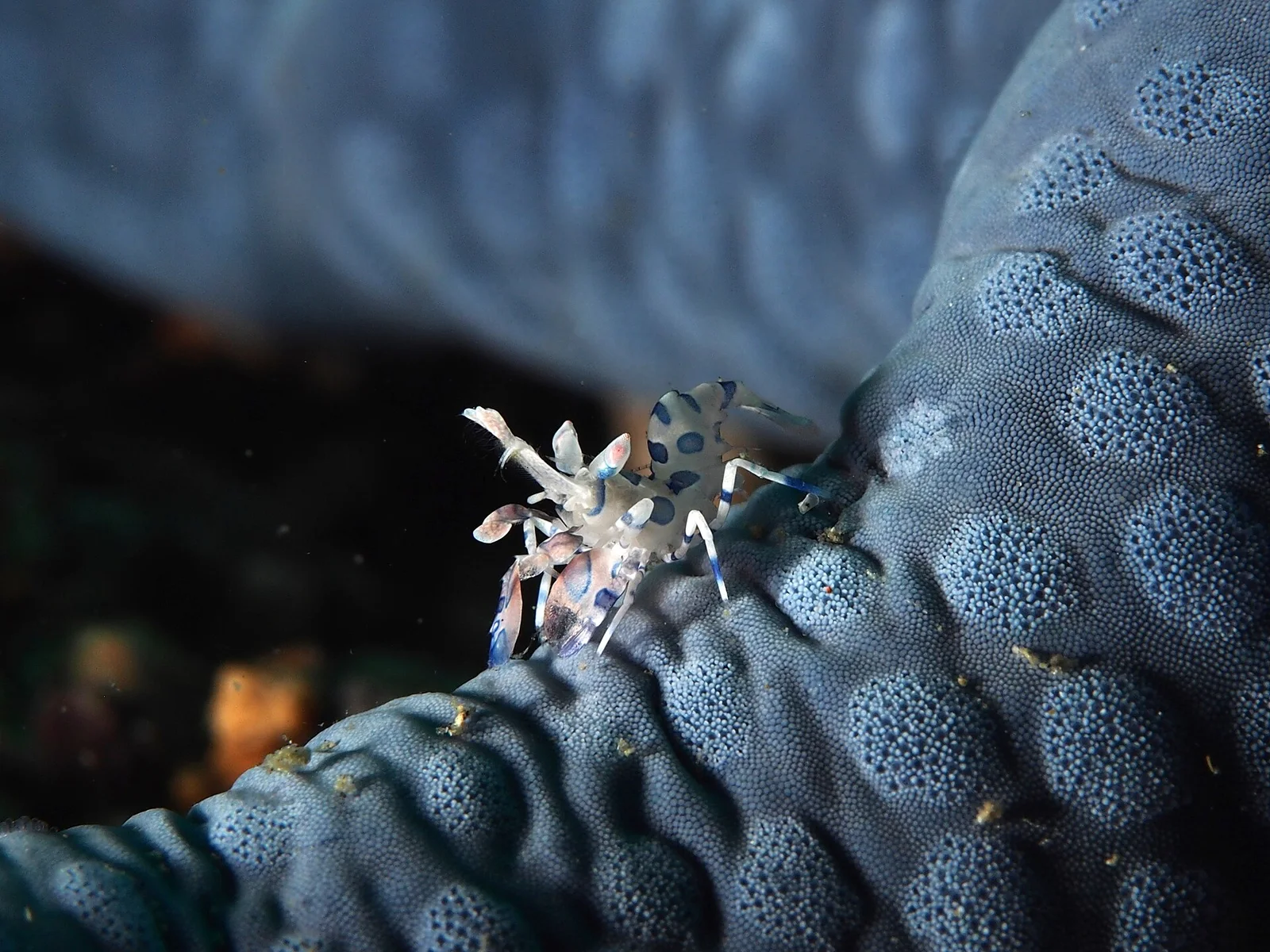
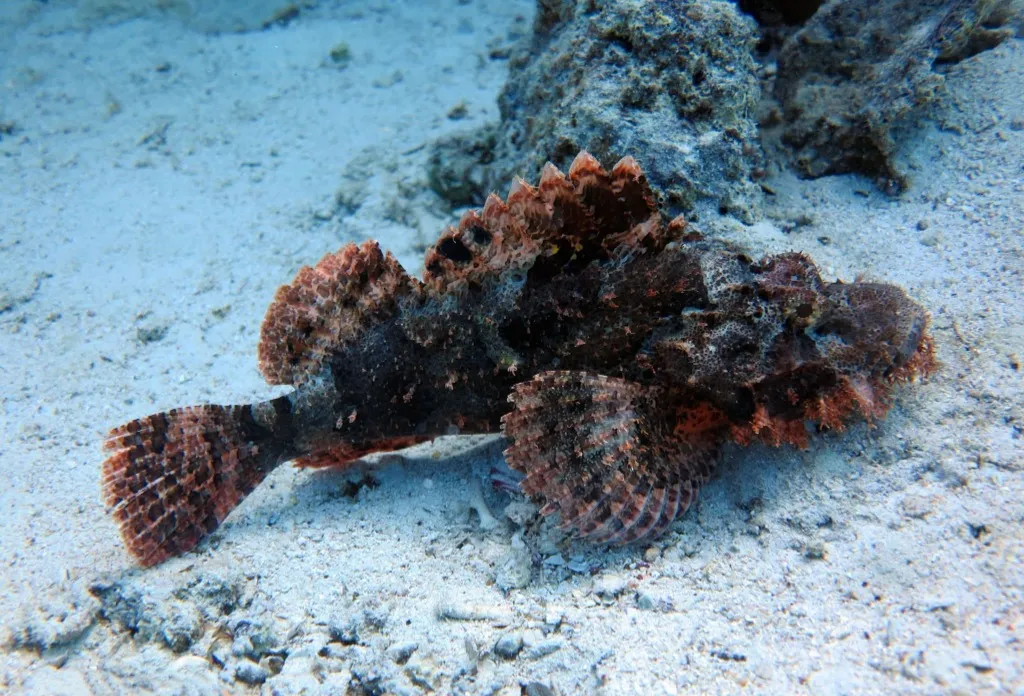
Two resident schools of adult and juvenile bigeye trevally (Caranx sexfasciatus) swirl in silver curtains above the midships holds, sharing the sunlit steel with dawn parades of bumphead parrotfish, Napoleon wrasse, oriental sweetlips, coral trout, and territorial sergeant-major damselfish. Massive gorgonian sea fans, barrel sponges, black-coral trees, and scarlet sea whips drape the 15 to 30 m / 50 to 98 ft hull, harboring pygmy seahorses and colorful nudibranchs. Across the surrounding black volcanic sand crawl ghost pipefish, harlequin shrimp, leaf scorpionfish, and garden eels.
1 / 4
Image contributors:Rickard Zerpe, Diego Delso + 4 more
Want to contribute photos or local dive knowledge? Learn how to contributeDive Sites Near USAT Liberty
View all dive sites in IndonesiaDiscover more underwater gems in this area.
Max 30 m
0.1 km
360°自由号沉船
BeachOcean
Max 30 m
1.1 km
House Reef
BeachReef
3 km
Kubu, Boga Wreck
ReefWreck
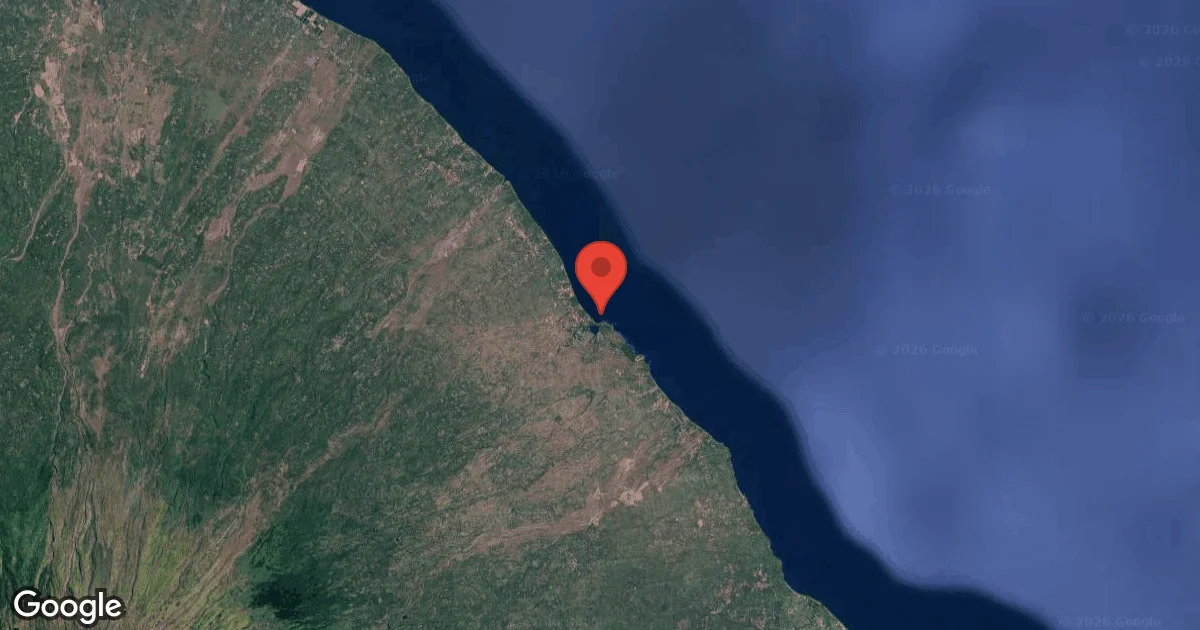
0.6 km
360°Drop Off
BeachReef
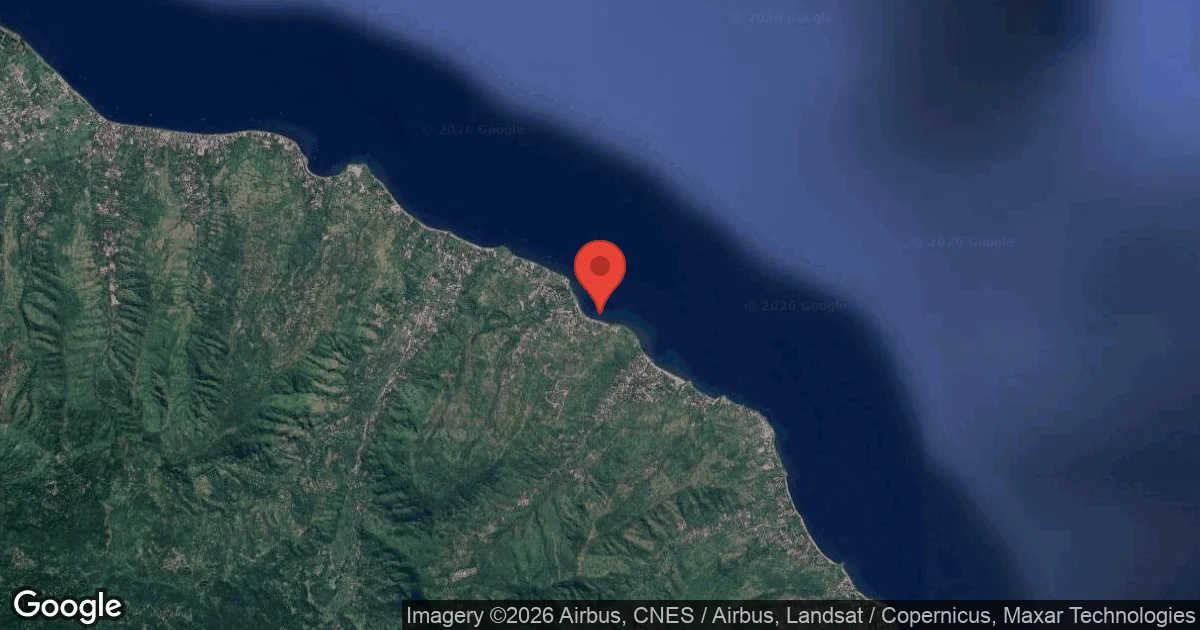
Max 30 m
13.1 km
Lipah Bay
BeachReef
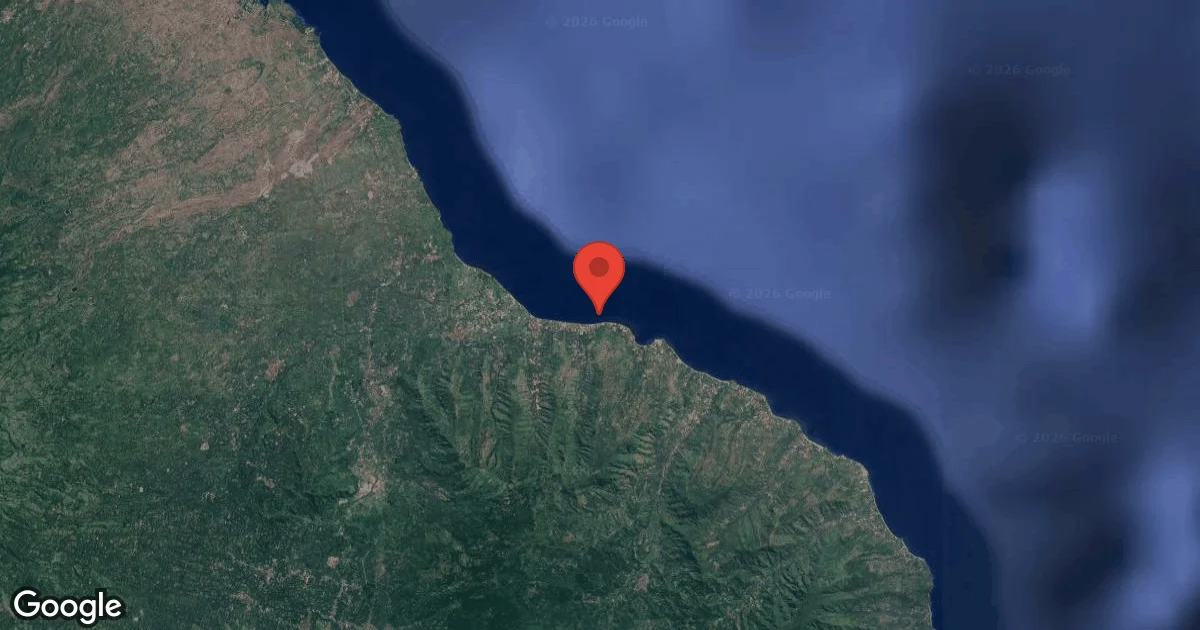
Max 40 m
9.3 km
Pyramids
BeachDrift
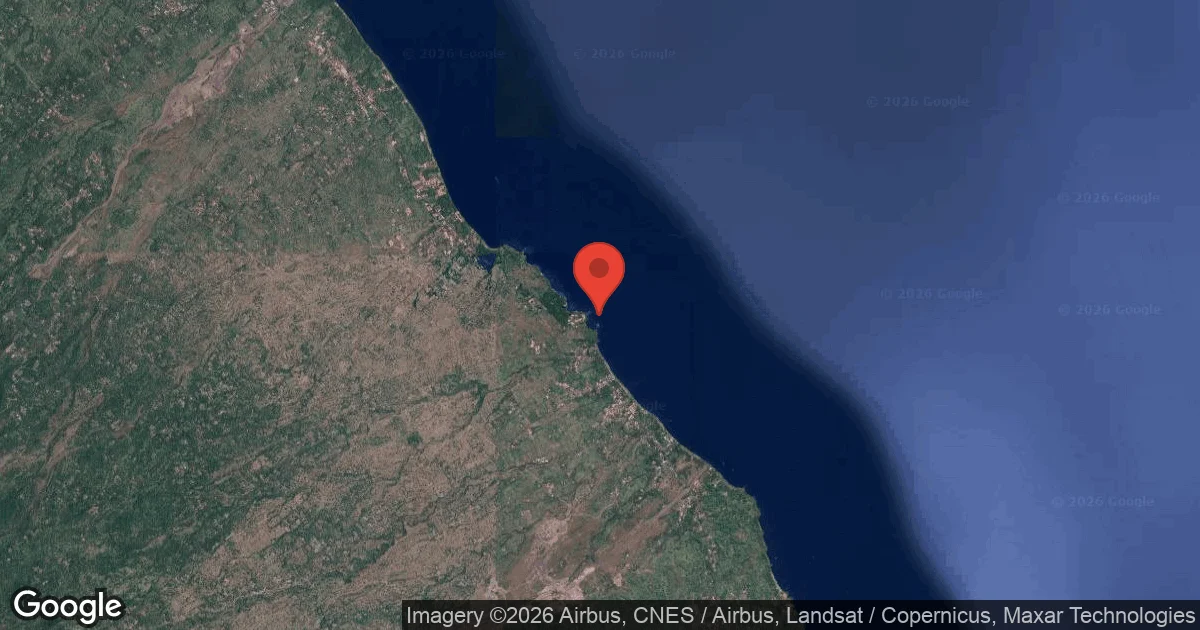
1.8 km
360°Tulamben Area (Seraya, Sidem)
Beach
Max 40 m
10.3 km
Jemeluk Wall
BeachWall
Max 30 m
0.1 km
360°自由号沉船
BeachOcean
Max 30 m
1.1 km
House Reef
BeachReef
3 km
Kubu, Boga Wreck
ReefWreck
0.6 km
360°Drop Off
BeachReef
Max 30 m
13.1 km
Lipah Bay
BeachReef
Max 40 m
9.3 km
Pyramids
BeachDrift
1.8 km
360°Tulamben Area (Seraya, Sidem)
Beach
Max 40 m
10.3 km
Jemeluk Wall
BeachWall
10.2 km
Amed
ReefWall
15.5 km
360°Japanese Shipwreck
BeachDrift
1 / 2
Dive Centers Near USAT Liberty
Working Hours
Sun07:00 - 20:00
Mon07:00 - 20:00
Tue07:00 - 20:00
Wed07:00 - 20:00
Thu07:00 - 20:00
Fri07:00 - 20:00
Sat07:00 - 20:00
Today: 07:00 - 20:00
Sun07:00 - 20:00
Mon07:00 - 20:00
Tue07:00 - 20:00
Wed07:00 - 20:00
Thu07:00 - 20:00
Fri07:00 - 20:00
Sat07:00 - 20:00
5| 1092 reviews
9.2 km
5| 659 reviews
13 km
5| 586 reviews
8.1 km
Trident Dive Indonesia
5(74)• 9 km
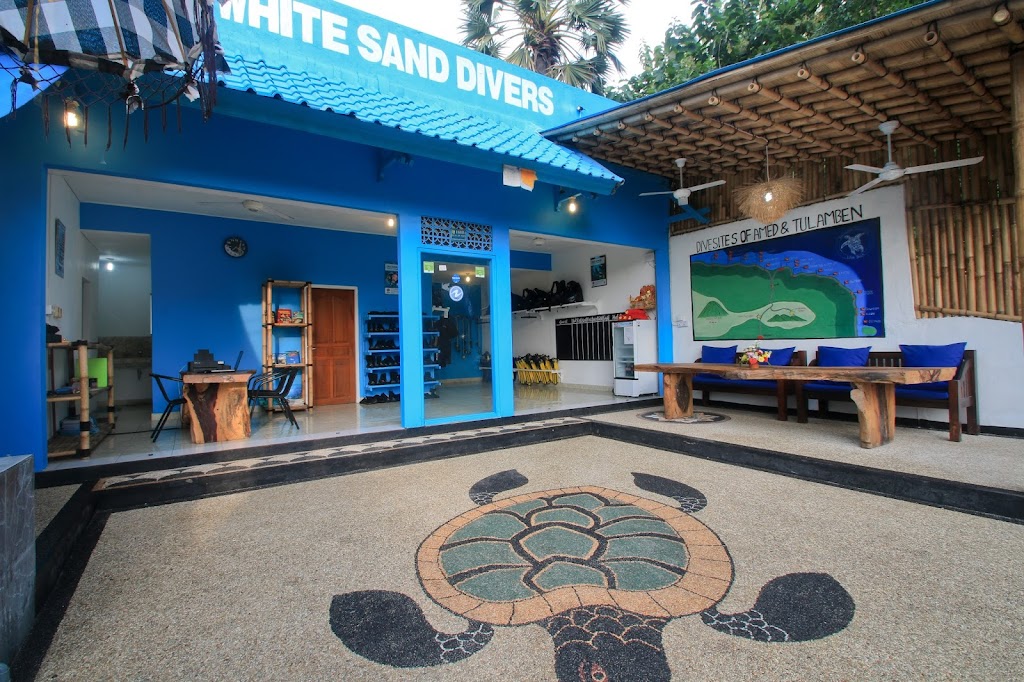
Amed White Sand Divers
4.9(885)• 12.7 km
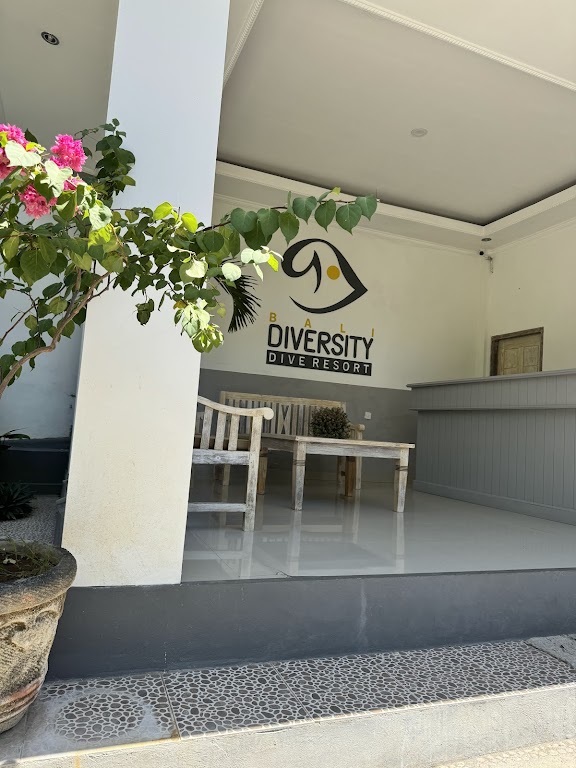
Bali Diversity
4.9(314)• 11.7 km
Ok Divers Diving Center
4.6(630)• 29.9 km
Nearest Airports
Nearest airports to help plan travel to this dive area.
Denpasar I Gusti Ngurah Rai International Airport DPS
70 km
Lombok International Airport LOP
93 km
Abdul Rachman Saleh Airport MLG
320 km
💵 Currency: IDR
Search Flights
Check available flights and routes on Expedia, using the nearby airports listed in this section.
Search Flights on ExpediaAffiliate link · Dive Navigator may earn a commission at no extra cost to you.
Frequently Asked Questions
Was USAT Liberty a World War II Liberty ship?
No. U.S. Navy archives confirm USAT Liberty was a 125.4 m / 411.5 ft World War I Design 1037 cargo steamer built in 1918 in New Jersey—more than two decades before the mass-produced WWII Liberty ships.
How did USAT Liberty end up 30 meters offshore in Tulamben?
After Japanese submarine I-166 torpedoed her on 11 January 1942, Allied destroyers beached her on the Tulamben shoreline. Twenty-one years later, tremors and lava flows during the spring 1963 eruption of Mount Agung pushed the rusted hull off the beach into 4 to 30 m / 13 to 98 ft of water.
Can beginner Open Water divers dive USAT Liberty safely?
Yes. With the broken hull starting just 30 m / 98 ft from shore in calm bay water at 4 to 5 m / 13 to 16 ft, Open Water divers can comfortably explore the shallow coral-encrusted sections without entering enclosed spaces.
When is the best time of day to see bumphead parrotfish at the Liberty wreck?
Entering the water at sunrise between 06:00 and 07:00 gives the highest chance of watching the resident herd of humphead (bumphead) parrotfish emerge from their sleeping crevices inside the wreck before daytime crowds arrive.
Where is the nearest hyperbaric chamber to Tulamben?
Bali's public multiplace hyperbaric chamber operates at RSUP Prof. dr. I.G.N.G. Ngoerah (formerly Sanglah Hospital) in Denpasar. Overland emergency transport from Tulamben takes approximately 2.5 to 3 hours.
Trip Inquiry
Planning to dive USAT Liberty?
Tell us your dates and diving needs. We'll review your request and seek offers from relevant local dive centers.
Request Dive Offers Free request for offers • No booking obligation
USAT Liberty
Conditions are Good
8/10
Confidence: 8/10
Indicates meteorological model agreement and data availability.
Best Dive Window
Optimal conditions expected
06:12
18:45
H: 10:45
L: 16:20
Air / Sea Temp
29° / 31°
Wave Height
0.8 m
Wind Speed
33 km/h S
Rain Chance
0%
Current conditions near USAT Liberty show 29° air, 31° sea temperature, 0.8 m waves, and 33 km/h wind. Forecast data is refreshed regularly to ensure accuracy.
Radius: ~12km
Updated: Nov 23, 2026, 20:08 local timeMARINE: OPEN-METEOWEATHER: YR.NO


