
Diving at Amed (Indonesia)
For divers seeking a relaxed atmosphere combined with abundant underwater sights, Amed presents a compelling destination. Its dive sites offer a blend of natural reefs and fascinating artificial structures, catering to a range of experience levels. Expect varied underwater encounters, from intricate macro life to schools of reef fish. This coastal area in Bali provides an inviting setting for extended dive holidays.
As evening covers Amed, the local air temperature is measured at 29.5°C. The current wave height at the surface is recorded at 0.9 m. These late-day readings characterize the surface conditions for the night.
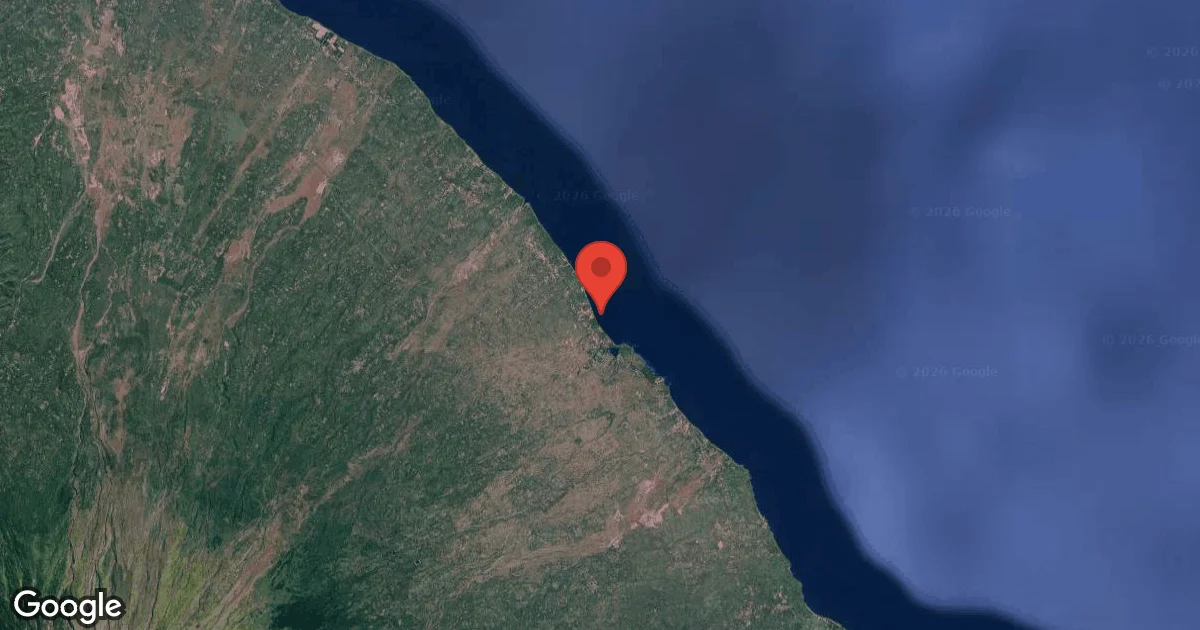
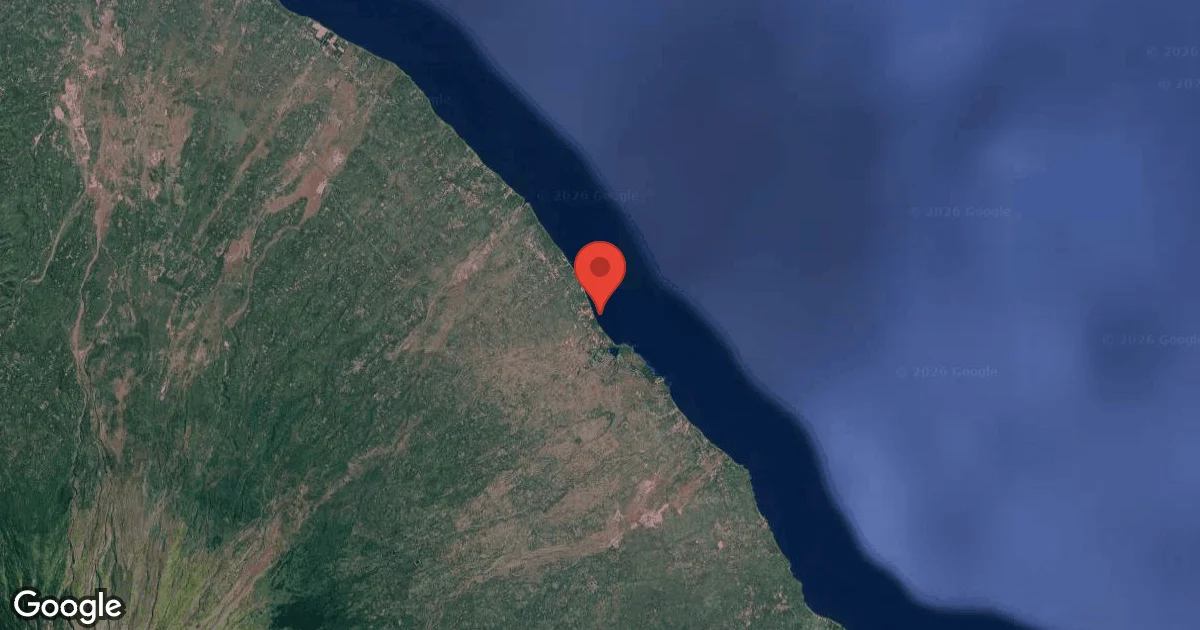
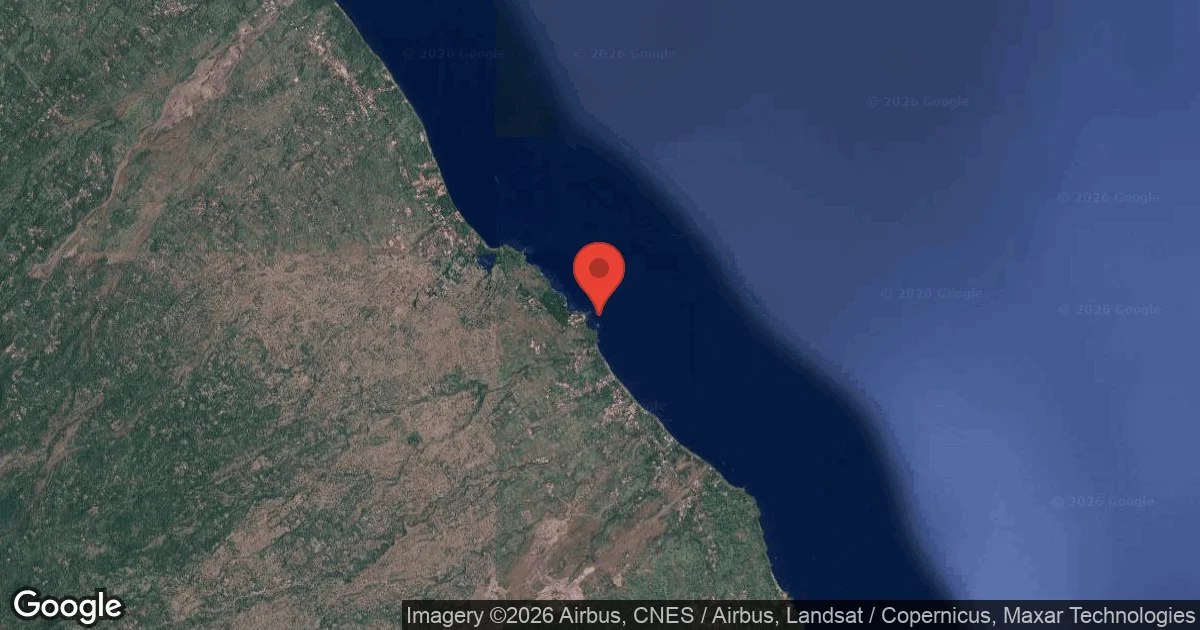
Dive Site Location & Key Facts
Dive Site Overview
The underwater topography of Amed is characterized by diverse sites, including vibrant artificial reefs and historical wrecks. Pyramids, for instance, were installed over 25 years ago and have transformed into rich ecosystems adorned with colorful gorgonians, feather stars, and soft corals.
These structures create sheltered habitats, attracting a variety of marine species. Another significant feature is the Japanese Shipwreck, a site that plunges to a maximum depth of 30 m (100 ft) along a wall, drawing macro enthusiasts with its numerous colorful nudibranchs. Jemeluk Bay and Melasti Beach also contribute to Amed’s appeal, particularly for those interested in nocturnal marine activity.
Depths across the area generally remain within recreational limits, with some walls extending to 35 m (115 ft). Overall, Amed's dive landscape is varied, providing opportunities for different types of underwater exploration.
Conditions are Good
Optimal conditions expected
Current conditions near Amed show 29° air, 28° sea temperature, 0.9 m waves, and 23 km/h wind. Forecast data is refreshed regularly to ensure accuracy.
Best Time to Dive
Planning a trip to Amed involves considering distinct wet and dry seasons, each with its own advantages for diving. The period from April to November generally presents good to excellent diving conditions, with dive scores consistently rated 'Good' or 'Very Good'. During these months, air temperatures are comfortably warm, ranging from 26.5°C (80°F) in July to 29°C (84°F) in October. Rainfall is significantly lower in this timeframe, with some months like July, August, September, and October reporting less than 1 mm, contributing to better underwater visibility. In contrast, the months from December to March show slightly higher rainfall, peaking at 25 mm (1 inch) in February, and dive scores are typically rated 'Moderate'. While still diveable, these months might experience more variable conditions. Wind speeds also tend to be lower outside of the mid-year months, potentially resulting in calmer surface conditions.
PEAK SEASON SCORE
Scores combine air & water temps, waves, wind & rainfall for overall conditions.
BEST MONTHS TO DIVE
Monthly records compiled from satellite and marine observation nodes over the last 3 years. Data provided by Open-Meteo and MET Norway.
Dive Experience & Conditions
Underwater currents in Amed vary depending on the specific dive site and tidal conditions. Many locations are known for gentle currents, making them suitable for divers of various certification levels. At some sites, like the wall adjacent to the Japanese Shipwreck, a drift dive experience can be enjoyed. Water temperatures are not consistently reported but typically align with the warm tropical air temperatures, generally making a 3mm wetsuit or shorty sufficient for comfort during dives. Visibility also varies, but is frequently very good, allowing clear views of the extensive reef systems and wreck features. Entry to sites can often be shore-based, particularly for night dives at locations like Melasti Beach and Jemeluk Bay. Night diving is a particular highlight, revealing a different array of marine life, including various crustaceans and nocturnal mollusks.
Dive Difficulty & Safety Guidelines
Prioritizing diver safety in Amed involves understanding local conditions and adhering to standard diving practices. There are no specific hazards consistently reported for Amed's dive sites, making it a generally safe area for certified divers. Divers should always follow their dive guide's instructions, particularly regarding entry and exit points, as well as managing any occasional mild currents.
Proper buoyancy control is essential, especially when navigating delicate artificial reef structures like the Pyramids, to protect the thriving coral growth. Always check and confirm your certification level, as deeper sections, such as walls extending to 30 m (100 ft) or 35 m (115 ft), require Advanced Open Water or equivalent training. Conducting thorough gear checks before each dive ensures operational readiness and personal safety.
Recommended Equipment
- Dive Computer
This gear list is based on verified equipment signals for Amed, Indonesia. Always confirm final gear choices with your dive operator, guide, or liveaboard.
Recommended Dive Suit
Surface temperatures may decrease slightly later in the week. Cooler days are ahead; you might want a warmer option for later in the week. Divers planning multiple dives may appreciate having a warmer option available.
Some divers prefer slightly warmer exposure protection simply for additional comfort.
2-3mm shorty or light wetsuit usually works well for maintaining comfort during standard dive profiles in these conditions. A hood or vest is suggested for sensitive divers due to surface winds. The surrounding waters at Amed are currently registering temperatures of roughly 28°C (83°F). Surface air temperatures are resting at 29°C (85°F).
Emergency & Medical Support
Essential information to help you plan your dive trip to Amed.

Hyperbaric chambers are a critical part of dive safety infrastructure. Availability varies significantly by region, and not all dive areas have immediate access.
Before diving, it's recommended to:
- confirm nearest medical facilities
- check emergency procedures with local dive operators
- ensure dive insurance covers evacuation if required
Divers Alert Network
Diving emergency assistance available through DAN World.
+1-919-684-9111- 24/7 emergency hotline
- Diving medical assistance
- Evacuation coordination
Emergency contacts are provided for reference. Always verify local emergency services before diving.
Marine Life at Amed
Amed's dive sites reveal a rich tapestry of macro life, making it a haven for enthusiasts. Expect to encounter an impressive diversity of nudibranchs, including species like Anna’s chromodoris, magnificent chromodoris, streaked chromodoris, black-margined nudibranch, and the distinctive Pikachu nudibranch.
Among the artificial reefs at the Pyramids, occasional pygmy seahorses can be spotted tucked away in gorgonians. Shipwrecks, such as the Japanese wreck and Srikandi, attract larger residents like yellow snappers and swirling batfish.
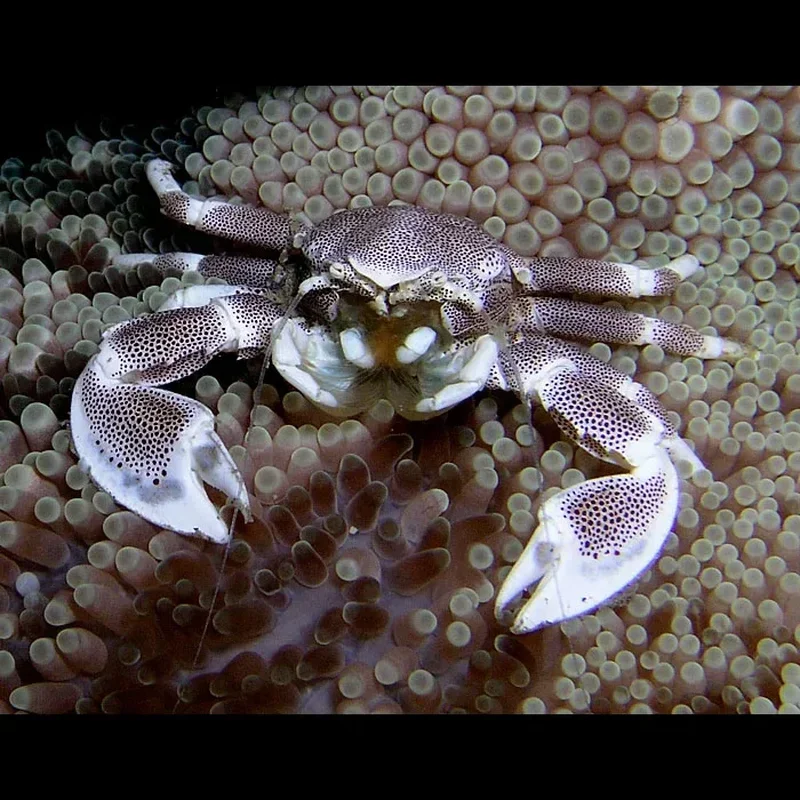
These wrecks also host camouflaged frogfish, often observed on the deck or ladders. Night dives at locations like Melasti Beach and Jemeluk Bay are particularly rewarding, bringing out species like the coconut octopus, decorator crabs, and porcelain crabs.
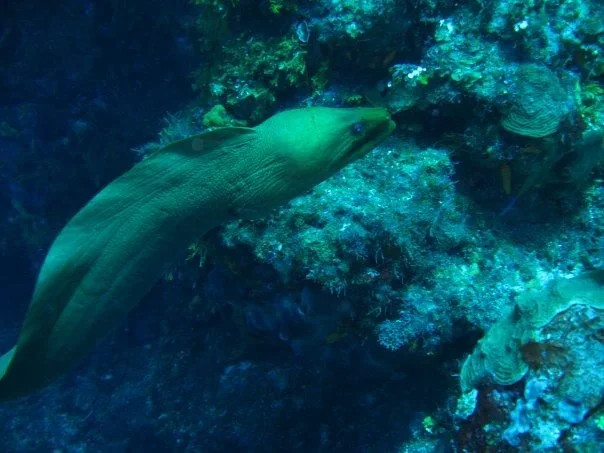
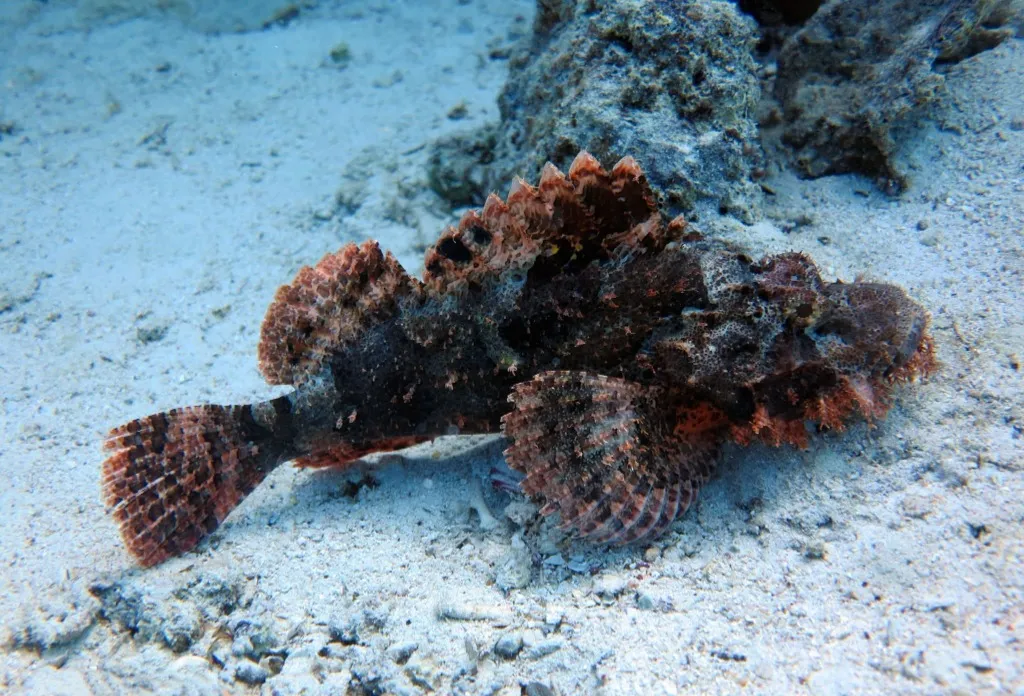
Keep an eye out for leaf scorpionfish and peacock mantis shrimp, adding to the vibrant underwater spectacle.
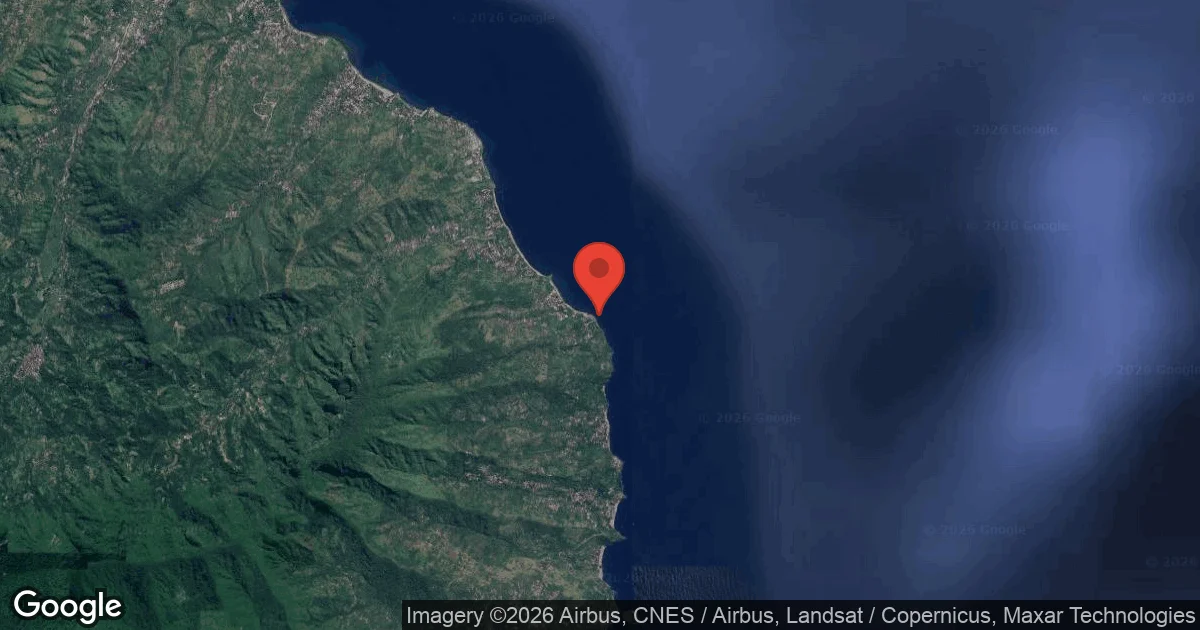
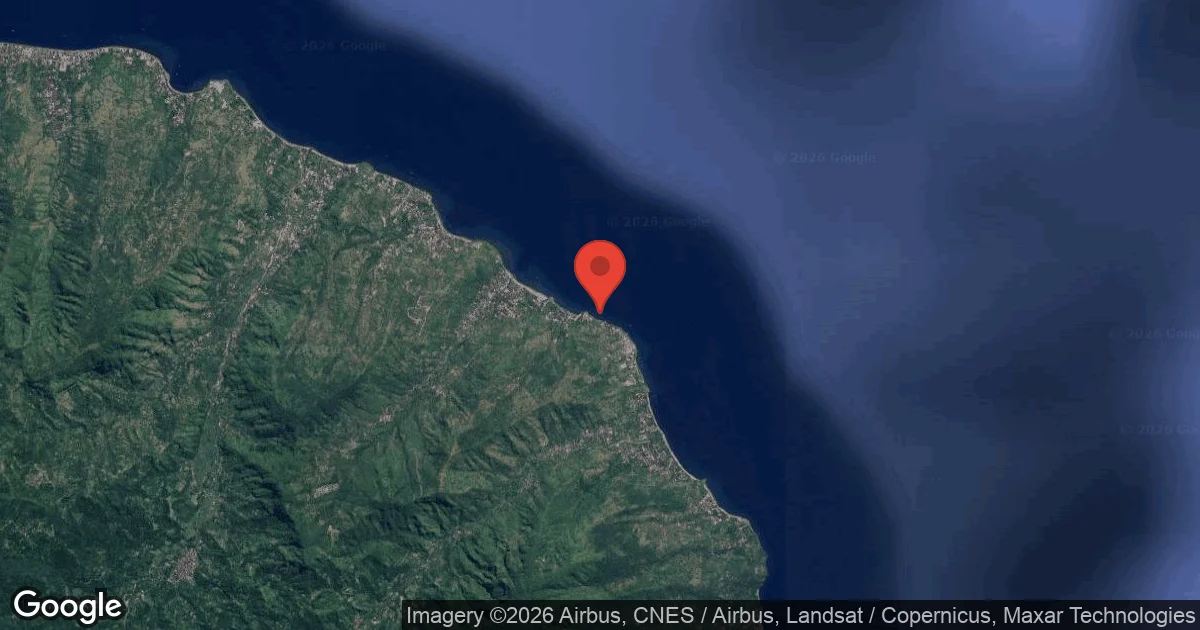
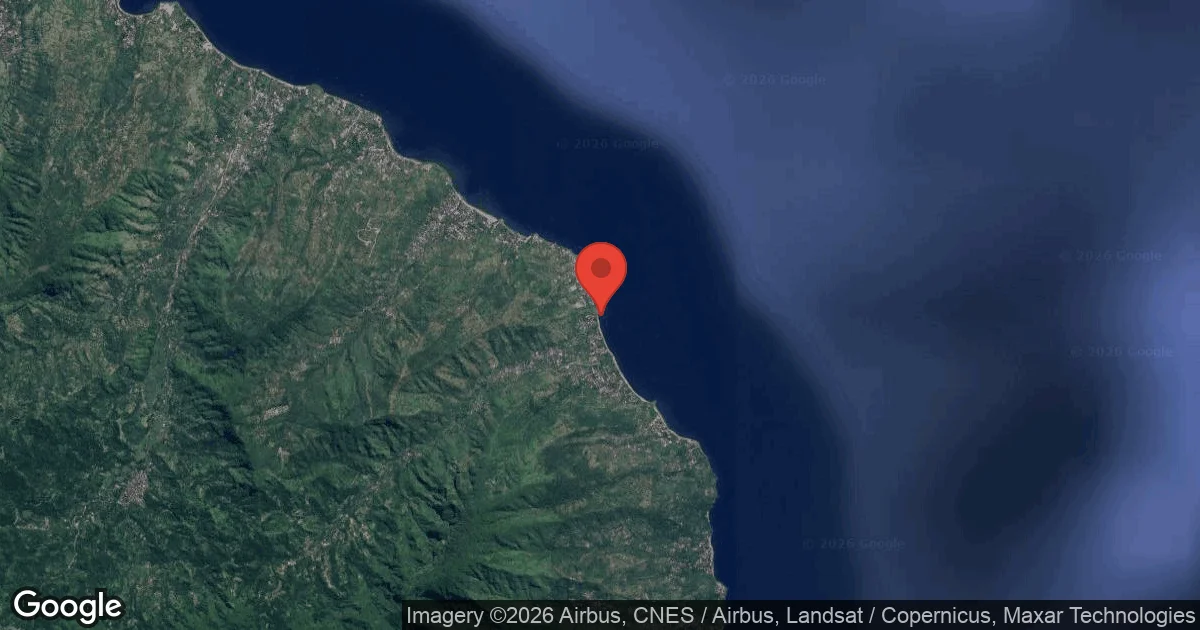
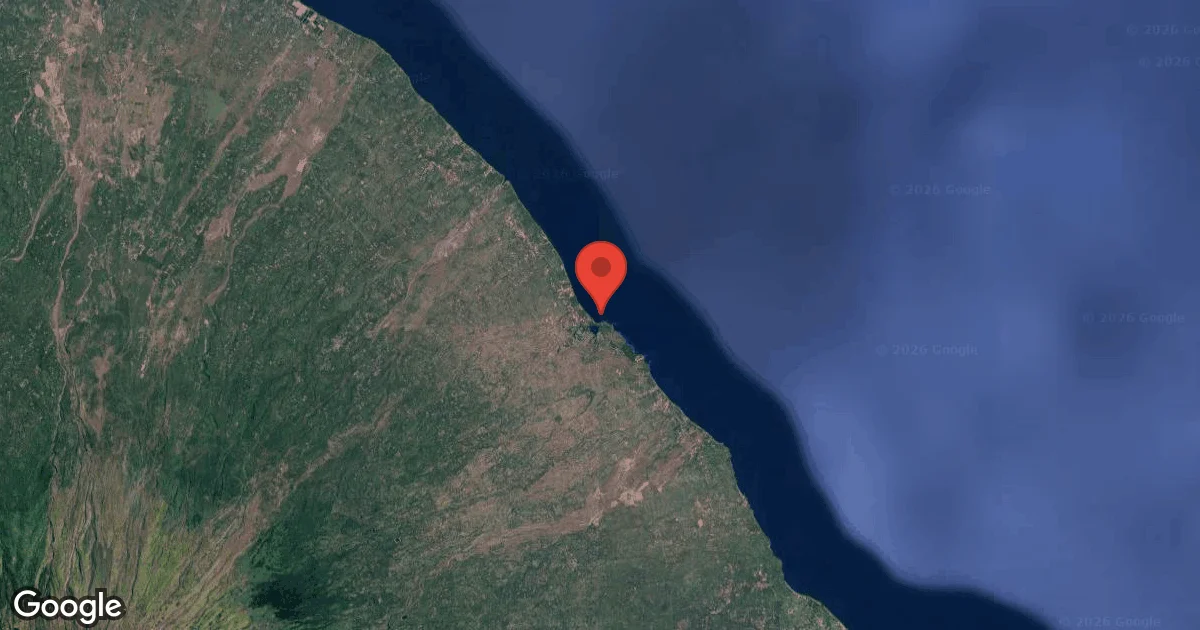
Dive Sites Near Amed
View all dive sites in IndonesiaDiscover more underwater gems in this area.
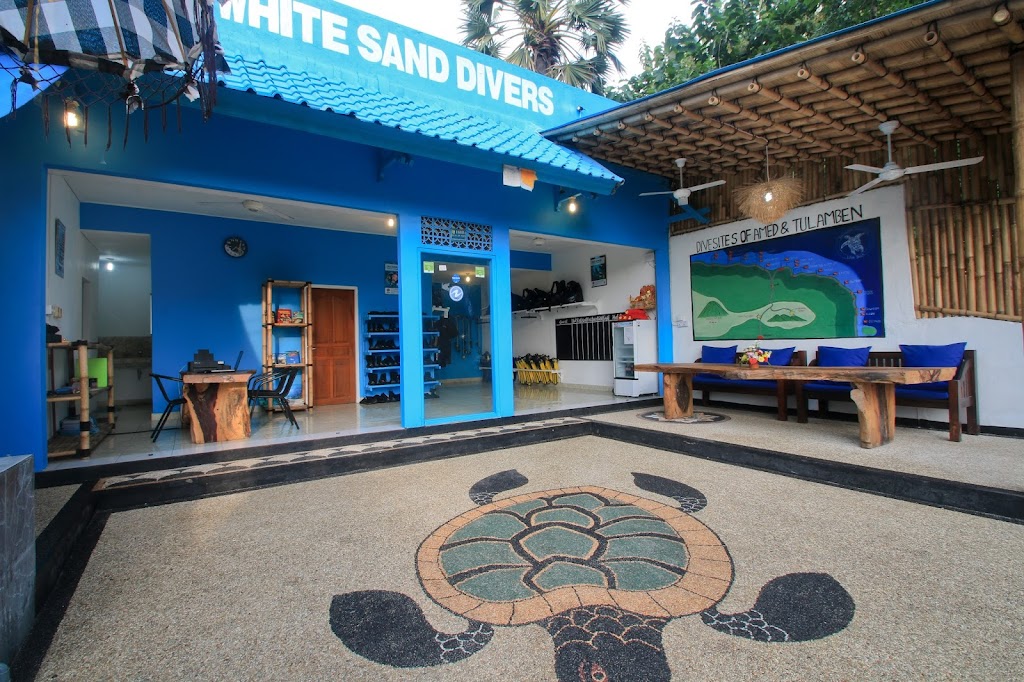
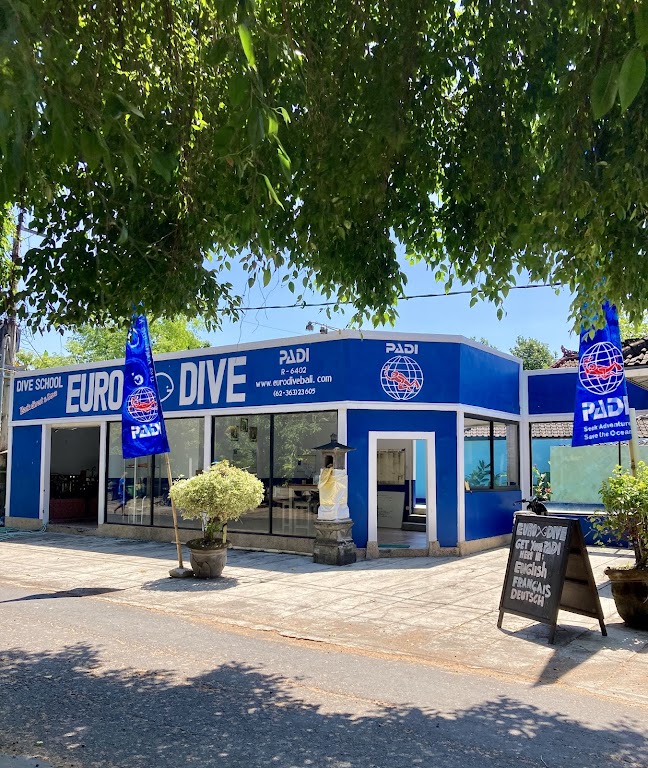
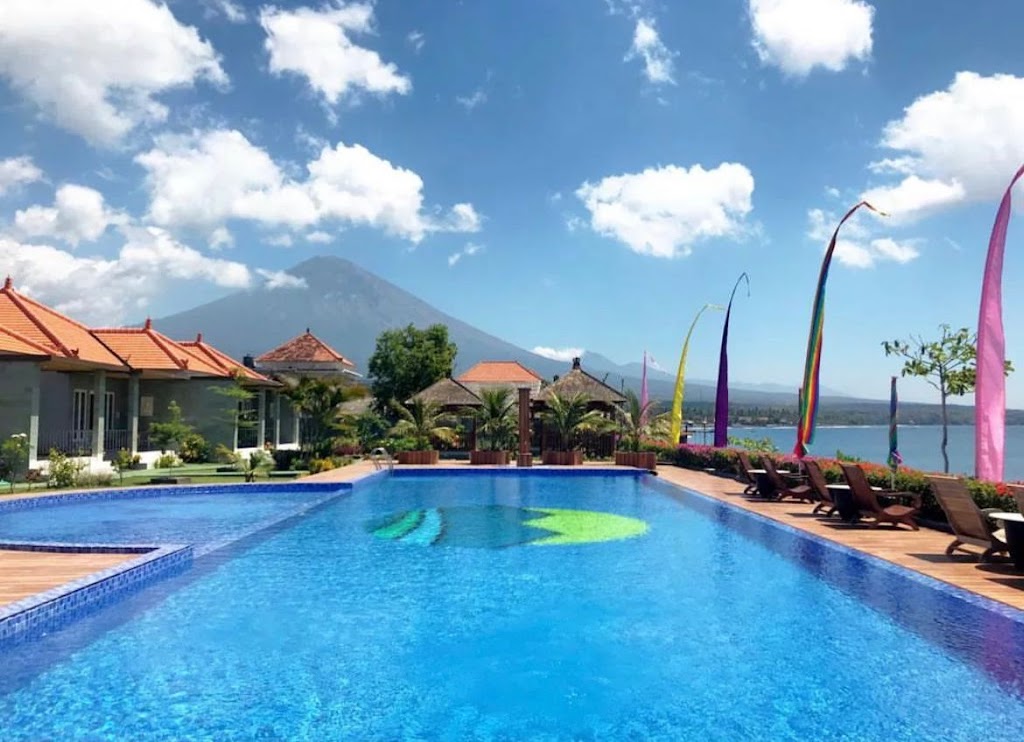
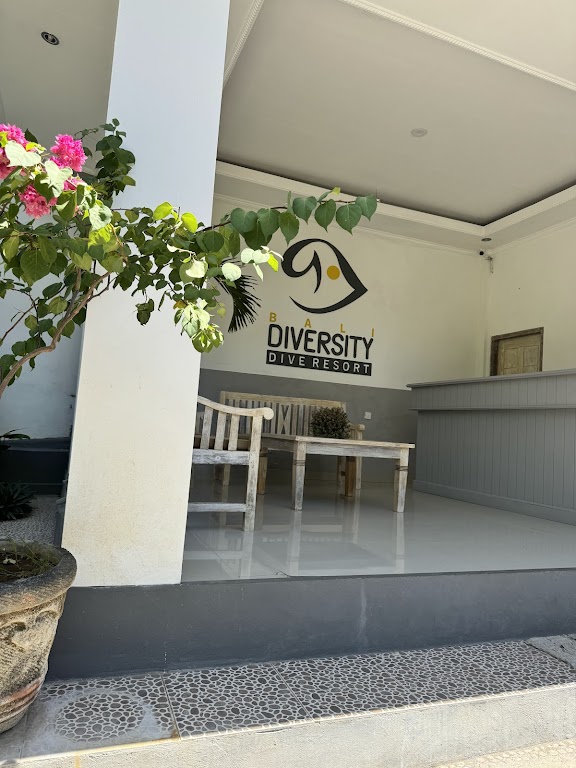
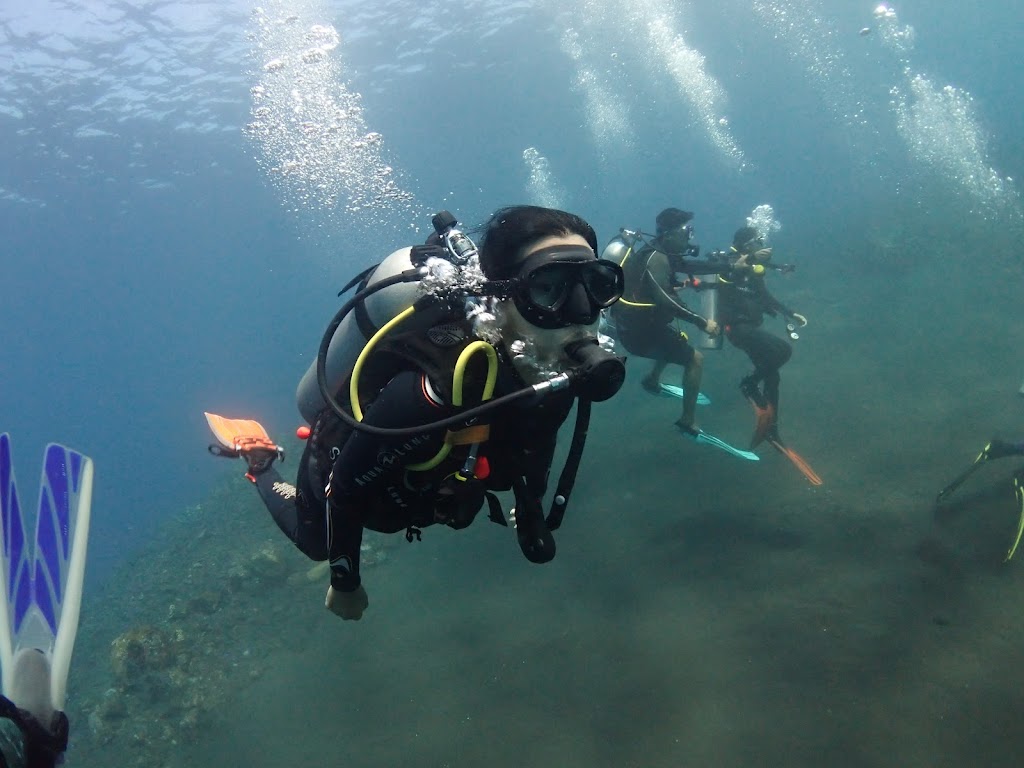
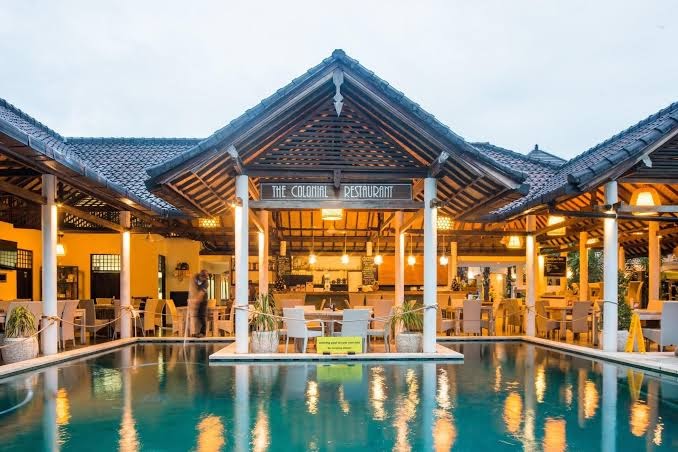
Dive Centers Near Amed
Today: 09:15 - 19:15
Nearest Airports
Nearest airports to help plan travel to this dive area.
Search Flights
Check available flights and routes on Expedia, using the nearby airports listed in this section.
Search Flights on ExpediaFrequently Asked Questions
What are the typical dive depths in Amed?
Dive depths in Amed generally range within recreational limits. Many sites, including the Japanese Shipwreck, feature walls that descend to around 30 meters. Deeper sections can extend to about 35 meters, while shallower areas are also common.
What marine life can I expect to see in Amed?
Divers frequently encounter a wide array of macro life, including numerous nudibranch species, pygmy seahorses, and frogfish. Larger marine life spotted includes yellow snappers and batfish, especially around the shipwrecks. Night dives often reveal coconut octopuses, decorator crabs, and porcelain crabs.
Is night diving popular in Amed?
Yes, night diving is a significant highlight in Amed. Sites such as Melasti Beach and Jemeluk Bay are well-regarded for their captivating nocturnal marine life, offering unique encounters with creatures active after dark.
What are the water temperatures like?
Specific water temperatures are not consistently reported, but Amed's tropical location suggests generally warm conditions. These usually align with the comfortable air temperatures, which range from 26.5°C (80°F) to 29°C (84°F) throughout the year.
When is the best time to visit Amed for diving?
The optimal period for diving in Amed typically runs from April through November, coinciding with the dry season. During these months, rainfall is minimal, and dive conditions are consistently rated as 'Good' or 'Very Good'.
Are there any shipwrecks to dive in Amed?
Yes, Amed features notable wreck dives. A popular site is the Japanese Shipwreck, with its wall descending to a maximum depth of around 30 meters, attracting various marine species. The Srikandi shipwreck provides another artificial structure drawing interesting marine life like frogfish.
What are 'the Pyramids' dive site?
The Pyramids are artificial reefs that were established over 25 years ago. They have evolved into vibrant underwater structures, now covered in colorful gorgonians, feather stars, and soft corals, providing excellent habitats for diverse marine creatures.
Planning to dive Amed?
Send one inquiry and receive offers directly from the best verified local dive operators.
Conditions are Good
Optimal conditions expected
Current conditions near Amed show 29° air, 28° sea temperature, 0.9 m waves, and 23 km/h wind. Forecast data is refreshed regularly to ensure accuracy.