
Diving at Argentarola (Italy)
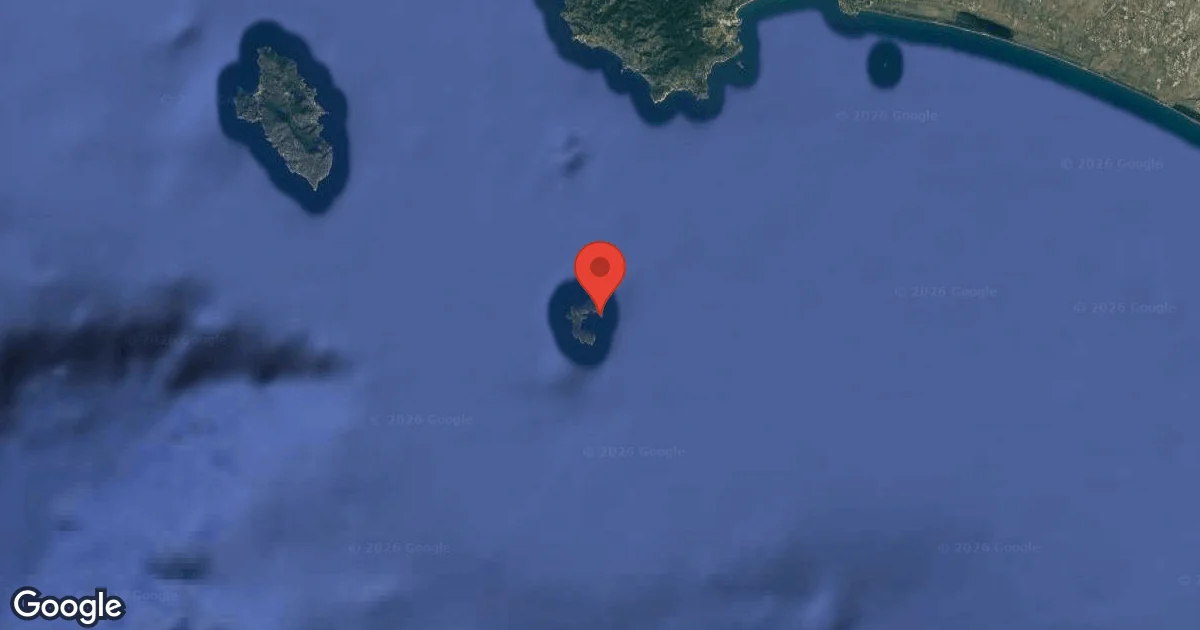
Argentarola, a small island situated near Porto Santo Stefano, holds significance not only as a dive site but also for its geological formations. Its Large Cave has been instrumental for studying sea level trends, revealing natural stalactites and stalagmites within its initial chamber. This site showcases a distinct blend of natural marine beauty and scientific interest, making it a point of reference for divers exploring the Tuscan coastline.
As evening covers Argentarola, the local air temperature is measured at 22°C. The current wave height at the surface is recorded at 0.4 m. These late-day readings characterize the surface conditions for the night.
Dive Site Location & Key Facts
Dive Site Overview
Argentarola's prominent underwater topography features a striking wall, richly covered with red gorgonian and delicate branches of red coral, fostering a vibrant marine ecosystem. Divers often explore a beautiful cave where paramuricea, adorned with parazoanthus and intricate gorgonian fans, creates numerous ravines and hidden passages.
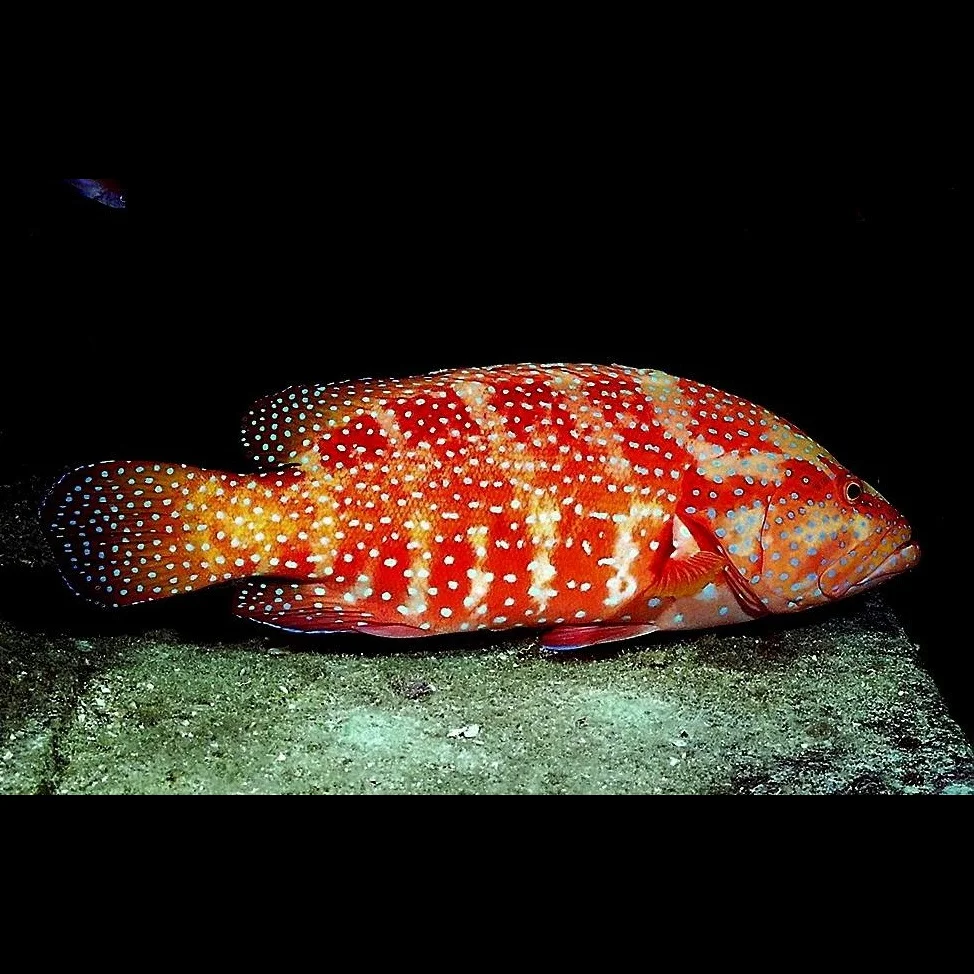
Crevices provide natural shelters for various species, including elusive forkbeards and impressive groupers, which divers frequently observe tucked away. Recreational divers holding an Open Water 1 license can typically explore maximum depths around 18 m (60 ft) in shallower sections, focusing on the colorful wall life and its smaller inhabitants. Advanced certifications permit access to deeper areas, reaching about 40 m (130 ft), where larger formations and different species often reside.
A typical dive session, encompassing preparation, boat travel from Porto Santo Stefano, and descent, generally spans approximately five hours, with around 40 minutes dedicated to underwater exploration. This site genuinely accommodates a diverse range of experience levels, from beginners discovering the reef to technical divers exploring its full extent.
Conditions are Good
07:00 - 14:00
Optimal conditions expected
Current conditions near Argentarola show 22° air, 26° sea temperature, 0.4 m waves, and 24 km/h wind. Forecast data is refreshed regularly to ensure accuracy.
Best Time to Dive
Visibility at Argentarola often dictates the optimal diving experience, with clearer conditions making it possible to spot larger pelagic species. The best conditions for diving typically occur from late spring through early autumn, corresponding with lower average wave heights, which generally range from 0.5 to 0.8 meters during these months. Air temperatures are comfortably warm, averaging 23-27°C (73-81°F) from June to August, and rainfall is minimal, usually less than 1.5 mm. While diving is possible year-round, conditions outside this peak period see air temperatures drop to 9-13°C (48-55°F) in winter, accompanied by increased rainfall and wave activity. Water temperatures vary depending on the season, ranging from cooler winter lows, potentially around 13-16°C (55-61°F), to warmer summer highs of 24-27°C (75-81°F).
PEAK SEASON SCORE
Scores combine air & water temps, waves, wind & rainfall for overall conditions.
BEST MONTHS TO DIVE
Monthly records compiled from satellite and marine observation nodes over the last 3 years. Data provided by Open-Meteo and MET Norway.
Dive Experience & Conditions
Exploring the depth profile at Argentarola presents different experiences tailored to diver certification levels. Shallower sections, accessible to Open Water 1 divers, extend down to 18 m (60 ft), revealing vibrant coral formations and abundant small marine life. As divers descend further, particularly those with advanced qualifications, the site offers access to depths around 40 m (130 ft). This deeper range often reveals larger species and more expansive gorgonian fields. Inside the main cave system, the initial chamber is well-lit and allows for observation of its geological features. However, traversing into the second chamber of the Large Cave is recommended only for experienced divers due to potential zero visibility conditions caused by a sedimentary seabed. The overall water conditions are characteristic of the Mediterranean, with generally moderate currents that vary with local weather patterns.
Dive Difficulty & Safety Guidelines
When approaching Argentarola, particular attention to the cave environment is paramount. The Large Cave contains a second chamber where visibility can diminish to near zero due to disturbed sediment, requiring advanced training and careful management by experienced divers. It's crucial to always dive with a local expert instructor who understands the site's nuances and can guide divers safely through its various features.
All dives are structured to accommodate different license levels, ensuring that each group is directed to suitable spots along the Argentario coastline. Adherence to planned dive profiles and buddy system protocols is essential for a safe experience in all conditions. There are no consistently reported unique hazards beyond standard cave diving considerations.
Recommended Equipment
- Dive Computer
This gear list is based on verified equipment signals for Argentarola, Italy. Always confirm final gear choices with your dive operator, guide, or liveaboard.
Recommended Dive Suit
Divers visiting Argentarola today can expect water conditions around 26°C (79°F). Surface air temperatures are resting at 22°C (72°F).
For the majority of recreational dives here, 3mm wetsuit should provide suitable protection. A hood or vest is suggested for sensitive divers due to surface winds. Surface intervals may feel cooler.
Environmental conditions are expected to remain consistent in the short-term outlook.
Emergency & Medical Support
Essential information to help you plan your dive trip to Argentarola.

Hyperbaric chambers are a critical part of dive safety infrastructure. Availability varies significantly by region, and not all dive areas have immediate access.
Before diving, it's recommended to:
- confirm nearest medical facilities
- check emergency procedures with local dive operators
- ensure dive insurance covers evacuation if required
Divers Alert Network
Diving emergency assistance available through DAN Europe.
+39 0642115685- 24/7 emergency hotline
- Diving medical assistance
- Evacuation coordination
Emergency contacts are provided for reference. Always verify local emergency services before diving.
Closest Listed Hyperbaric Chambers
Showing listed hyperbaric chamber facilities within 200 km of this dive site.
Distances are approximate straight-line distances and may not reflect emergency travel time.
MISERICORDIA HOSPITAL
24/7 ListedICU CapableGrosseto, Italy•Approx. 40 km straight-line
MISERICORDIA HOSPITAL
24/7 ListedICU CapableInformation is provided for reference and planning purposes only. Dive Navigator does not verify operational status, staffing, availability, or quality of care at listed facilities. In an emergency, contact local emergency services, DAN, your dive operator, or the chamber directly. Do not travel to a facility without calling ahead.
Policlinico Umberto I Roma
Roma, Italy•Approx. 131 km straight-line
Policlinico Umberto I Roma
Information is provided for reference and planning purposes only. Dive Navigator does not verify operational status, staffing, availability, or quality of care at listed facilities. In an emergency, contact local emergency services, DAN, your dive operator, or the chamber directly. Do not travel to a facility without calling ahead.
Ospedale Paolo Merlo - Centro Iperbarico La Maddalena
ICU CapableLa Maddalena, Italy•Approx. 193 km straight-line
Ospedale Paolo Merlo - Centro Iperbarico La Maddalena
ICU CapableInformation is provided for reference and planning purposes only. Dive Navigator does not verify operational status, staffing, availability, or quality of care at listed facilities. In an emergency, contact local emergency services, DAN, your dive operator, or the chamber directly. Do not travel to a facility without calling ahead.
Marine Life at Argentarola
A rich array of marine life thrives within Argentarola's unique underwater topography. Walls display vibrant red gorgonian and delicate red coral branches, creating essential habitats for various invertebrates and smaller fish species.
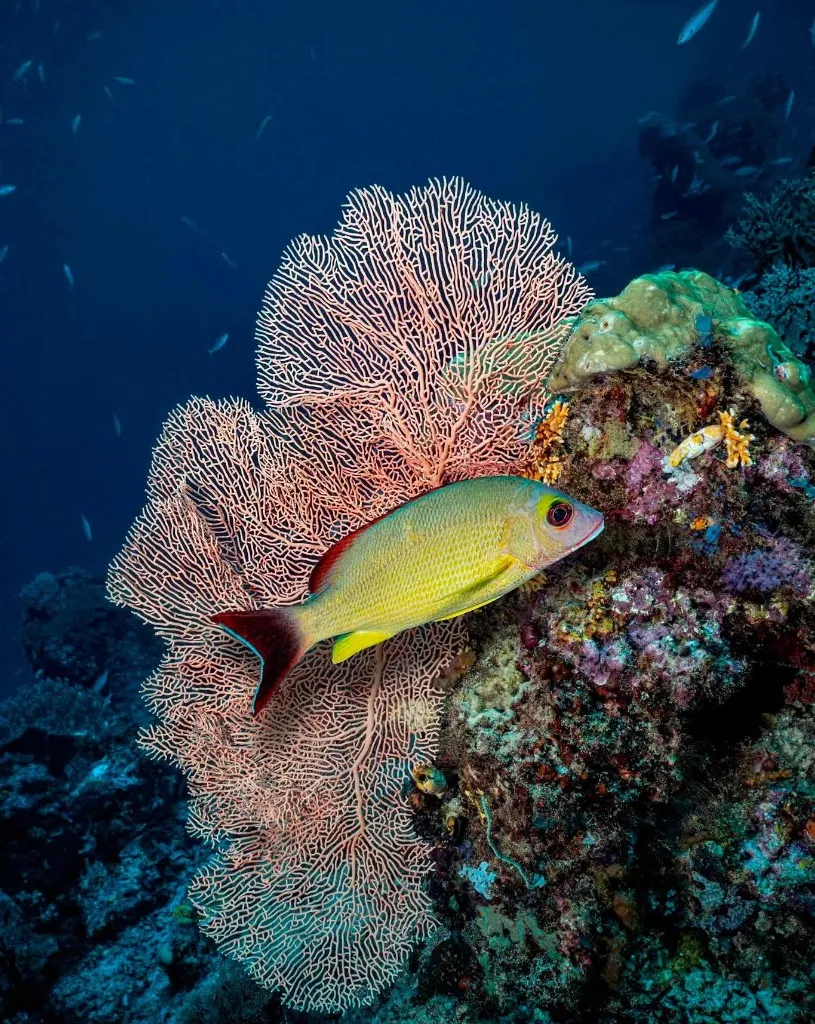
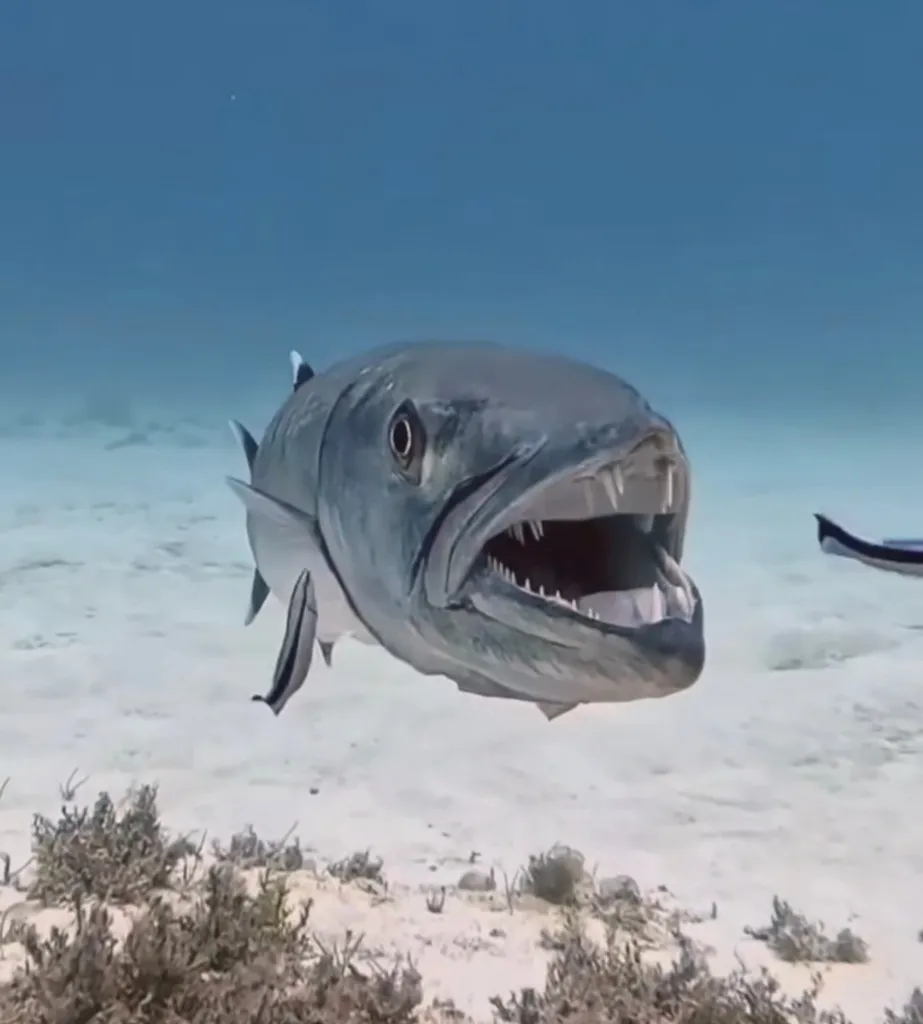
Inside the cave system, paramuricea and gorgonian fans host communities of parazoanthus; these ravines are prime locations for spotting reclusive creatures like forkbeards and groupers. In clearer waters, particularly with good visibility, divers might observe larger pelagic fish such as snappers, barracudas, and bonito hunting in open sections.
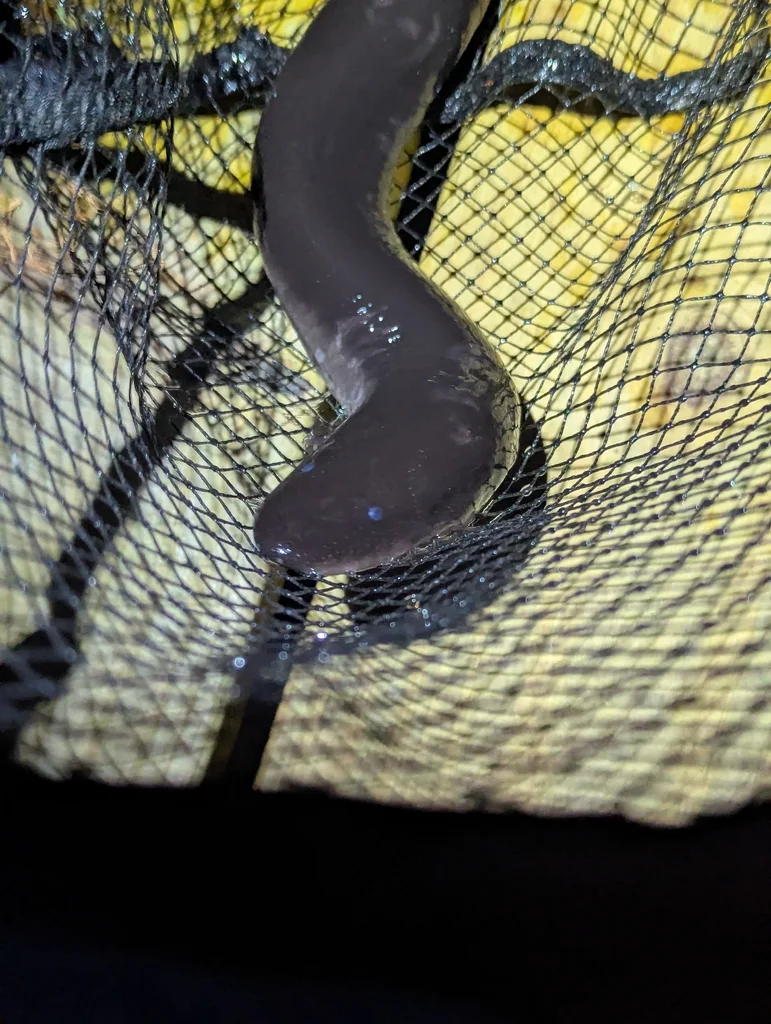
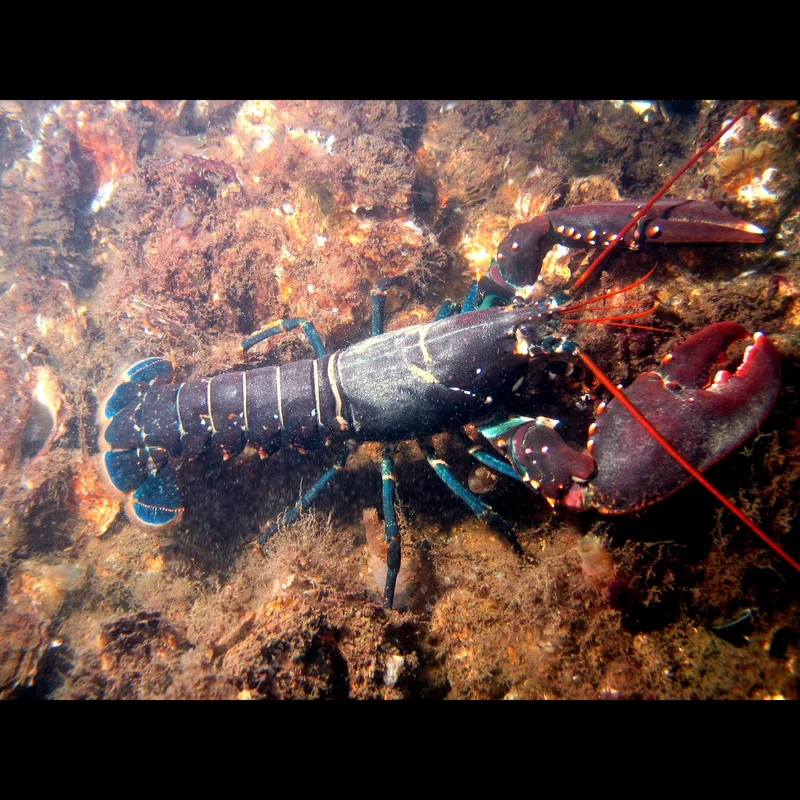
Leopardfish, conger eels, and lobsters are also commonly found, often tucked away among the rocks and crevices, showcasing the site's biodiversity.
Dive Sites Near Argentarola
View all dive sites in ItalyDiscover more underwater gems in this area.
Dive Centers Near Argentarola
Today: 08:00 - 20:00
Nearest Airports
Nearest airports to help plan travel to this dive area.
Search Flights
Check available flights and routes on Expedia, using the nearby airports listed in this section.
Search Flights on ExpediaFrequently Asked Questions
What dive certifications are recommended for Argentarola?
Open Water 1 certification is sufficient for exploring shallower sections down to 18 m (60 ft). For access to deeper areas or more advanced cave sections, an Advanced Open Water certification or specialty cave diving training is advisable.
Are there any specific hazards at Argentarola?
The primary specific hazard is within the Large Cave's second chamber, where disturbed sediment can lead to near-zero visibility. Entry into this area is strictly for experienced divers with appropriate training and guidance.
What is the best time of year to dive Argentarola?
Late spring through early autumn generally offers the best diving conditions, with clearer visibility and warmer water temperatures, averaging 24-27°C (75-81°F). Lower wave heights during these months also contribute to a more comfortable experience.
What kind of marine life can I expect to see?
Divers regularly encounter red gorgonian, red coral, and various invertebrates on the walls. Inside the caves, look for forkbeards, groupers, and parazoanthus. Good visibility allows for sightings of pelagic species like snappers and barracudas.
How long does a typical dive session last at Argentarola?
A complete dive session, including travel to and from the site and underwater time, usually spans about five hours. Bottom time is typically around 40 minutes, depending on the dive plan and individual air consumption.
Is it mandatory to dive with a local instructor?
While not always strictly mandatory, diving with a local expert instructor is highly recommended. Their intimate knowledge of the site's nuances, particularly within the cave systems, ensures a safer and more rewarding experience.
Planning to dive Argentarola?
Send one inquiry and receive offers directly from the best verified local dive operators.
Conditions are Good
07:00 - 14:00
Optimal conditions expected
Current conditions near Argentarola show 22° air, 26° sea temperature, 0.4 m waves, and 24 km/h wind. Forecast data is refreshed regularly to ensure accuracy.