
Diving at Nave Cannoniera (Italy)
Delve into the maritime past of Italy's Veneto-Friuli region by exploring the Nave Cannoniera, a minesweeper tugboat wreck resting beneath the Adriatic. This submerged piece of early 20th-century history provides a tangible link to naval operations of its era. Currently undergoing study, the wreck invites divers to observe its structure and contemplate its story. Its accessibility makes it a compelling site for historical exploration.
As evening covers Nave Cannoniera, the local air temperature is measured at 21.5°C. The current wave height at the surface is recorded at 0.1 m. These late-day readings characterize the surface conditions for the night.
Dive Site Location & Key Facts
Dive Site Overview
Off Italy's Veneto-Friuli coast, the Nave Cannoniera wreck, an early 20th-century minesweeper tugboat, awaits divers. This submerged vessel, currently under study, provides a tangible link to its maritime past and invites examination of its preserved form.
While specific depth details for the wreck are not consistently reported, the broader dive area extends to 42 meters (137 ft). Maximum depths allow various sections to be accessible, suiting different recreational diving levels based on the chosen exploration path. Exploring its configuration reveals a sturdy hull and potentially scattered debris, characteristic of vessels from its period.
A relatively intact profile permits careful circumnavigation, enabling observation of deck areas, exposed machinery, and the overall outline. Over time, the wreck has transformed into a nascent artificial reef; marine growth now colonizes its metal surfaces.
Gradual colonization attracts a preliminary community of aquatic life, enhancing the site's visual interest. Remaining a silent presence against the seabed, it serves as a stark reminder of historical naval operations in the Adriatic.
Conditions are Good
Optimal conditions expected
Current conditions near Nave Cannoniera show 22° air, 26° sea temperature, 0.1 m waves, and 19 km/h wind. Forecast data is refreshed regularly to ensure accuracy.
Best Time to Dive
Diving at Nave Cannoniera shifts significantly with the seasons, presenting contrasting conditions throughout the year. The prime diving window typically falls from June through September, when air temperatures average between 23°C (73°F) and 25°C (77°F), accompanied by minimal rainfall and calmer seas, leading to 'Excellent' dive scores. During these summer months, average wave heights are at their lowest, around 0.3 meters (1.0 ft), and wind speeds are generally moderate. Conversely, shoulder seasons like April, May, and October still offer 'Good' to 'Excellent' conditions, with air temperatures ranging from 13°C (55°F) to 21°C (70°F), though rainfall can increase slightly. Winter months, from November to March, see cooler air temperatures dipping to 5-11°C (41-52°F) and higher average wave heights, making surface conditions more challenging. Water temperature data for this specific location is not consistently reported, but seasonal air temperature trends provide a reliable indicator for surface comfort and likely underwater thermal considerations.
PEAK SEASON SCORE
Scores combine air & water temps, waves, wind & rainfall for overall conditions.
BEST MONTHS TO DIVE
Monthly records compiled from satellite and marine observation nodes over the last 3 years. Data provided by Open-Meteo and MET Norway.
Dive Experience & Conditions
Descending towards Nave Cannoniera, divers gradually perceive the outline of the early 20th-century minesweeper tugboat emerging from the blue. The wreck presents itself as a substantial structure on the seabed, inviting careful exploration. While specific current reports for this site are limited, divers should typically anticipate varying conditions common to coastal Adriatic waters, ranging from mild to moderate. Visibility around the wreck can fluctuate based on local weather patterns and recent sediment activity; generally, Italian Adriatic sites offer decent clarity. Approaching the wreck, its historical features become more defined, offering a clear understanding of its original purpose. Maximum depths, reaching up to 42 meters (137 ft), allow for deeper exploration of the wreck's lower sections for appropriately certified divers. Shallower portions remain accessible to those with less advanced training. An intact tugboat allows for a detailed survey of its external elements.
Dive Difficulty & Safety Guidelines
Navigating any wreck, including Nave Cannoniera, requires adherence to standard safety protocols. Divers should always plan their dive within their certification limits, especially given the maximum depth potentially reaching 42 meters (137 ft). Proper wreck training is highly recommended for exploring such historical sites, ensuring safe entry and exit procedures if any penetration is considered.
Given this is a wreck under study, maintaining a neutral buoyancy is crucial to avoid disturbing any potential artifacts or the wreck's integrity. Always carry appropriate signaling devices and ensure gas management is meticulously planned.
Environmental protection is paramount; divers must avoid touching marine life or damaging the wreck itself, respecting its historical significance and its role as a nascent artificial habitat. A dive computer is essential for monitoring no-decompression limits and ascent rates.
Recommended Equipment
Overhead / entanglement risk. Wreck penetration requires proper training.
- Dive Computer
- Primary & Backup Lights
- Wreck Reel
- Cutting Tool
This gear list is based on verified equipment signals for Nave Cannoniera, Italy. Always confirm final gear choices with your dive operator, guide, or liveaboard.
Recommended Dive Suit
Weather models currently point toward consistent diving conditions over the next several days.
For typical recreational dives, 3mm wetsuit generally provides comfortable insulation. Surface intervals may feel cooler.
Recent environmental data from Nave Cannoniera indicates water temperatures near 26°C (78°F). Surface air temperatures are resting at 22°C (71°F).
Emergency & Medical Support
Essential information to help you plan your dive trip to Nave Cannoniera.

Hyperbaric chambers are a critical part of dive safety infrastructure. Availability varies significantly by region, and not all dive areas have immediate access.
Before diving, it's recommended to:
- confirm nearest medical facilities
- check emergency procedures with local dive operators
- ensure dive insurance covers evacuation if required
Divers Alert Network
Diving emergency assistance available through DAN Europe.
+39 0642115685- 24/7 emergency hotline
- Diving medical assistance
- Evacuation coordination
Emergency contacts are provided for reference. Always verify local emergency services before diving.
Closest Listed Hyperbaric Chambers
Showing listed hyperbaric chamber facilities within 200 km of this dive site.
Distances are approximate straight-line distances and may not reflect emergency travel time.
Centro iperbarico Ravenna
24/7 ListedICU CapableRavenna (RA), Italy•Approx. 77 km straight-line
Centro iperbarico Ravenna
24/7 ListedICU CapableInformation is provided for reference and planning purposes only. Dive Navigator does not verify operational status, staffing, availability, or quality of care at listed facilities. In an emergency, contact local emergency services, DAN, your dive operator, or the chamber directly. Do not travel to a facility without calling ahead.
OTI Medicale Vicenza
24/7 ListedICU CapableTORRI DI QUARTESOLO (VI), Italy•Approx. 90 km straight-line
OTI Medicale Vicenza
24/7 ListedICU CapableInformation is provided for reference and planning purposes only. Dive Navigator does not verify operational status, staffing, availability, or quality of care at listed facilities. In an emergency, contact local emergency services, DAN, your dive operator, or the chamber directly. Do not travel to a facility without calling ahead.
CENTRO IPERBARICO BOLOGNA
ICU CapableBOLOGNA, Italy•Approx. 105 km straight-line
CENTRO IPERBARICO BOLOGNA
ICU CapableInformation is provided for reference and planning purposes only. Dive Navigator does not verify operational status, staffing, availability, or quality of care at listed facilities. In an emergency, contact local emergency services, DAN, your dive operator, or the chamber directly. Do not travel to a facility without calling ahead.
Marine Life at Nave Cannoniera
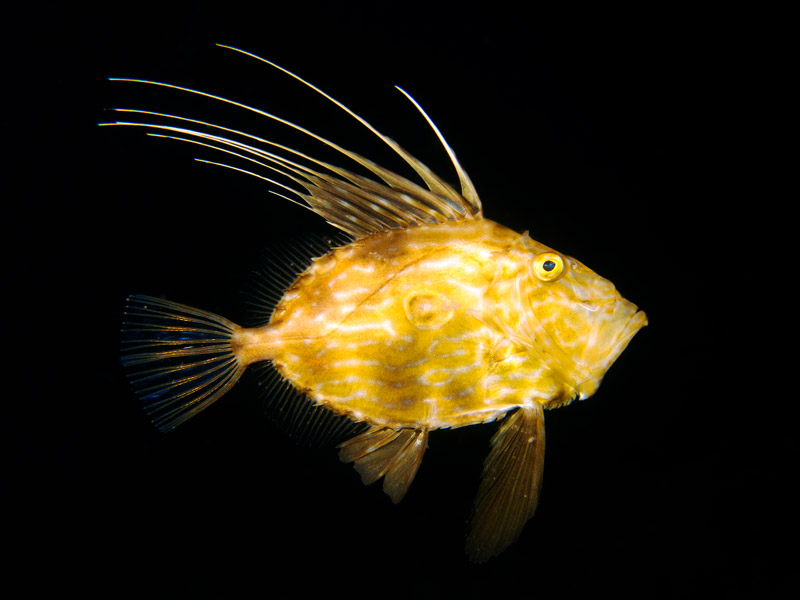
The underwater landscape of the Nave Cannoniera wreck, as a developing artificial reef, gradually attracts various marine organisms. Over time, the minesweeper tugboat's structure offers shelter and a substrate for growth, drawing in smaller fish species common to the Adriatic.
Divers can anticipate observing encrusting life forms like sponges and anemones beginning to colonize the metal hull. Rockfish might seek refuge within crevices, while small schools of fish could be seen darting around the structure.
The wreck serves as a focal point for localized biodiversity, demonstrating nature's ability to reclaim man-made objects.

Dive Sites Near Nave Cannoniera
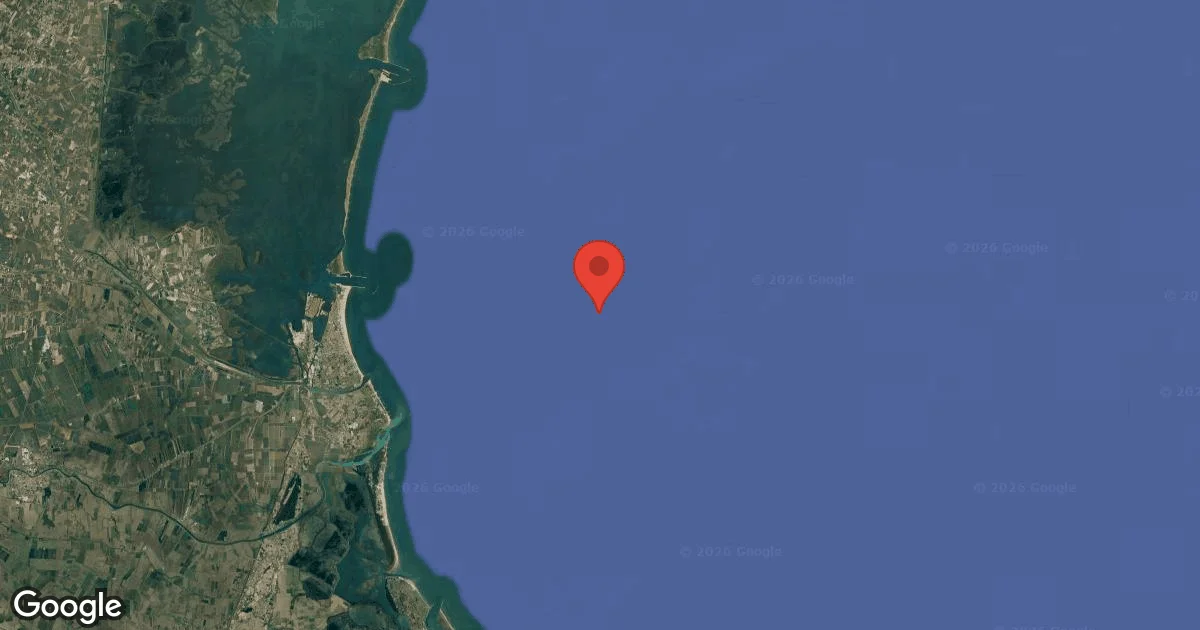
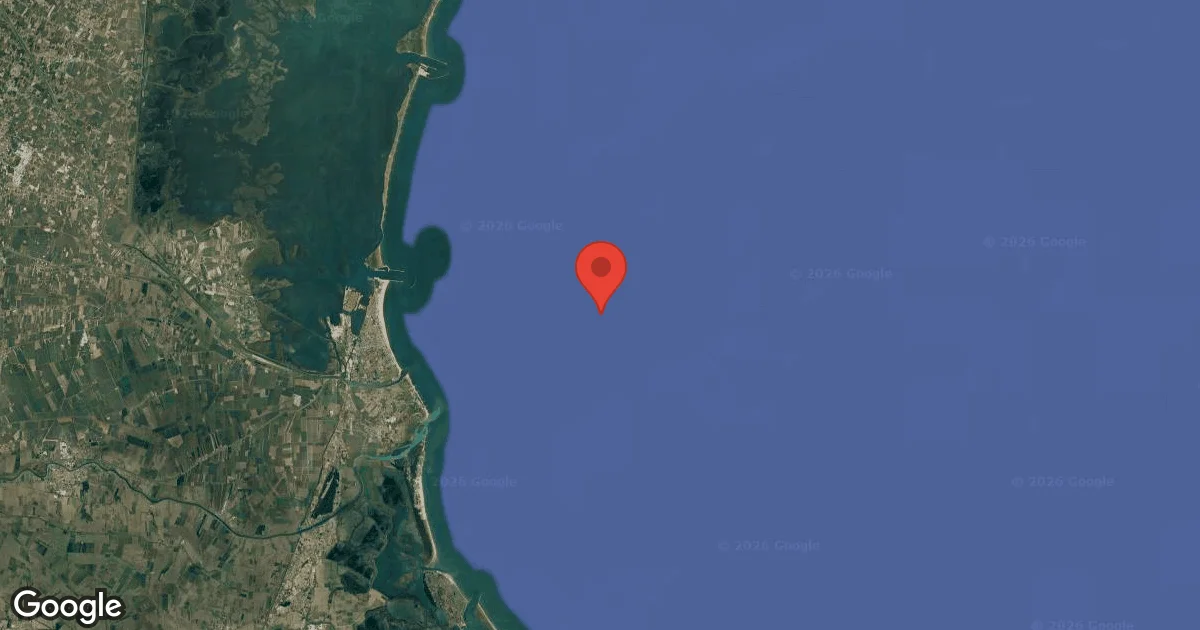
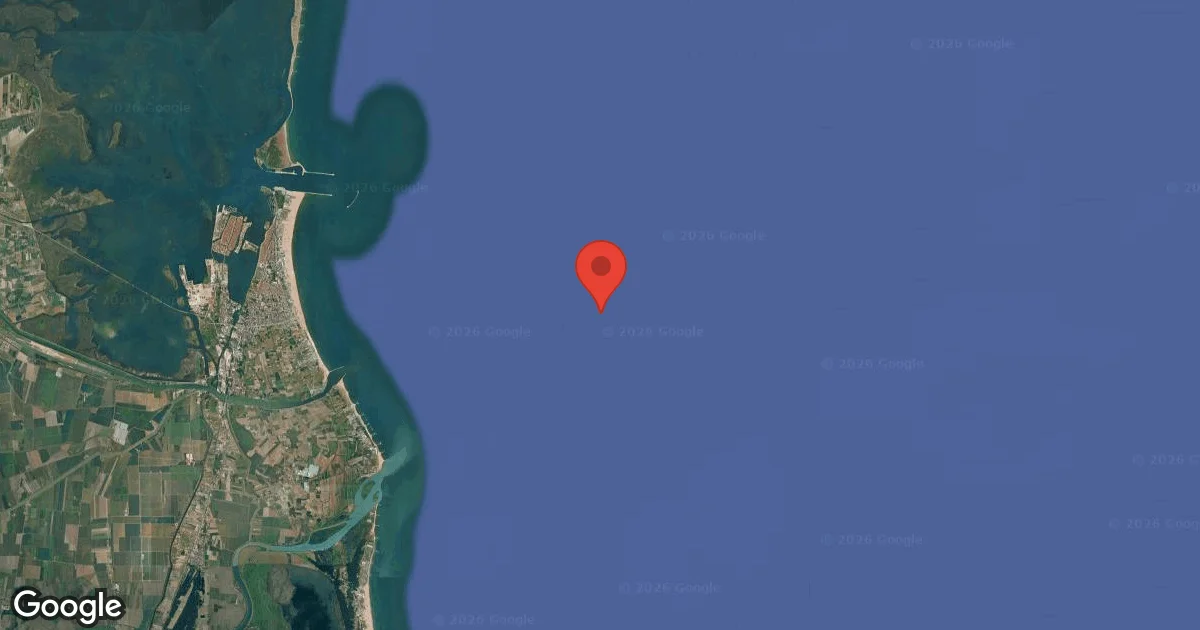
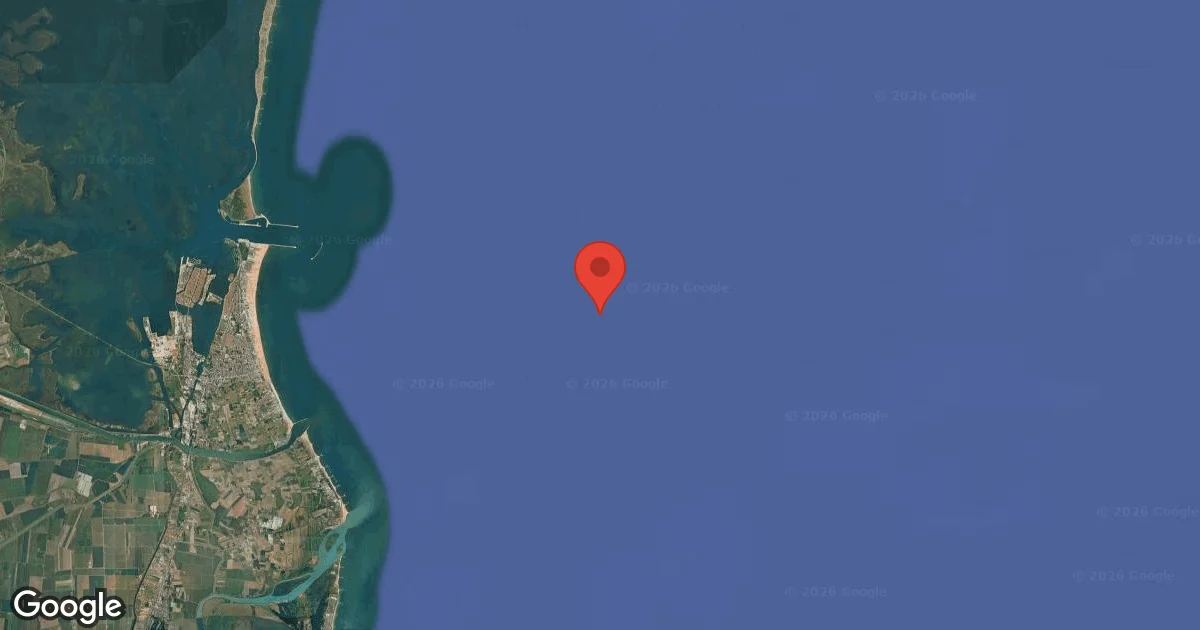
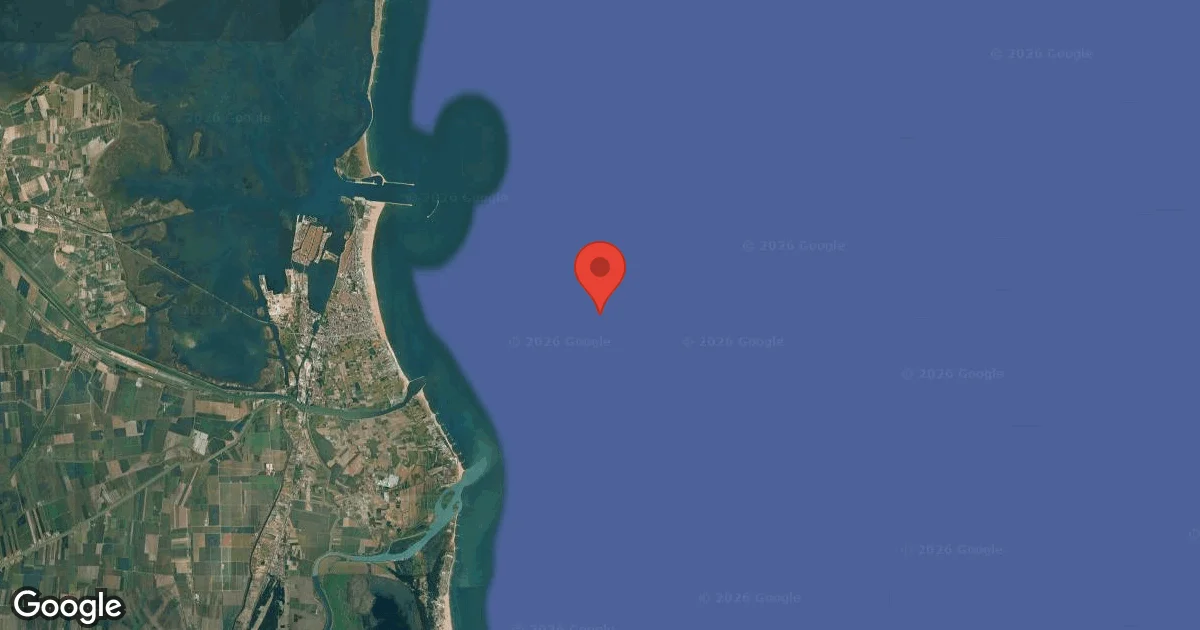
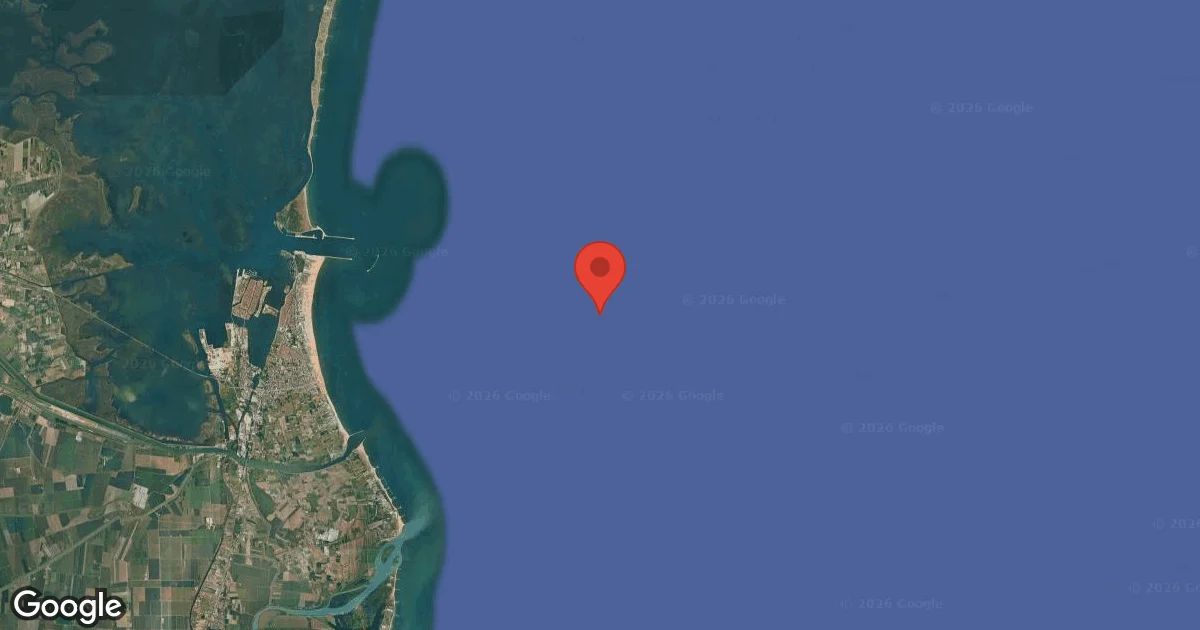
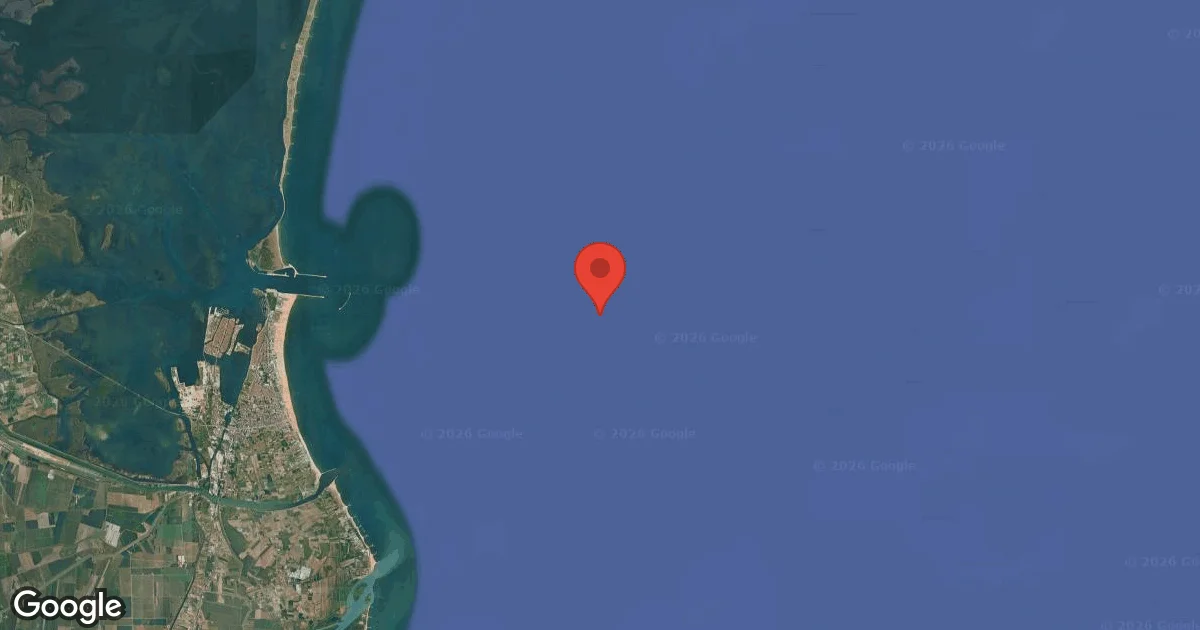
View all dive sites in ItalyDiscover more underwater gems in this area.
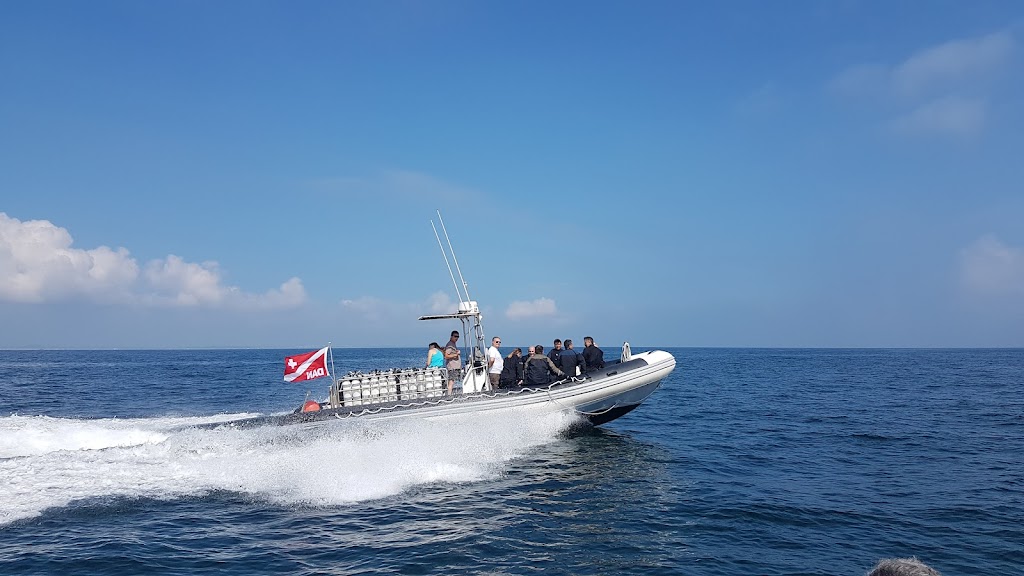
Dive Centers Near Nave Cannoniera

Nearest Airports
Nearest airports to help plan travel to this dive area.
Search Flights
Check available flights and routes on Expedia, using the nearby airports listed in this section.
Search Flights on ExpediaFrequently Asked Questions
What type of wreck is Nave Cannoniera?
Nave Cannoniera is identified as an early 20th-century minesweeper tugboat wreck. It represents a piece of maritime history, now resting on the seabed off Italy's Veneto-Friuli region.
What is the maximum depth at the Nave Cannoniera dive site?
The dive area around Nave Cannoniera can reach a maximum depth of approximately 42 meters (137 ft). At this depth, exploration is possible for divers of varying experience levels.
Is Nave Cannoniera suitable for beginner divers?
While maximum depth reaches approximately 42 meters, specific sections of the wreck at shallower depths may be accessible to less experienced divers. However, any penetration or deeper exploration requires advanced certifications and wreck diving training.
What kind of marine life can be expected on the wreck?
As an evolving artificial reef, the wreck attracts localized marine life. Divers can expect to see various encrusting organisms, smaller fish species, and possibly rockfish utilizing the wreck for shelter and feeding.
What are the general visibility and current conditions?
General visibility in the Adriatic can fluctuate, depending on recent weather and local sediment. Specific current reports for this site are limited, but divers should be prepared for potentially mild to moderate currents.
Is the Nave Cannoniera wreck currently being studied?
Yes, the Nave Cannoniera wreck is described as being currently under study. This context means divers should approach the site with particular care and respect for its historical significance.
Where is the Nave Cannoniera wreck located?
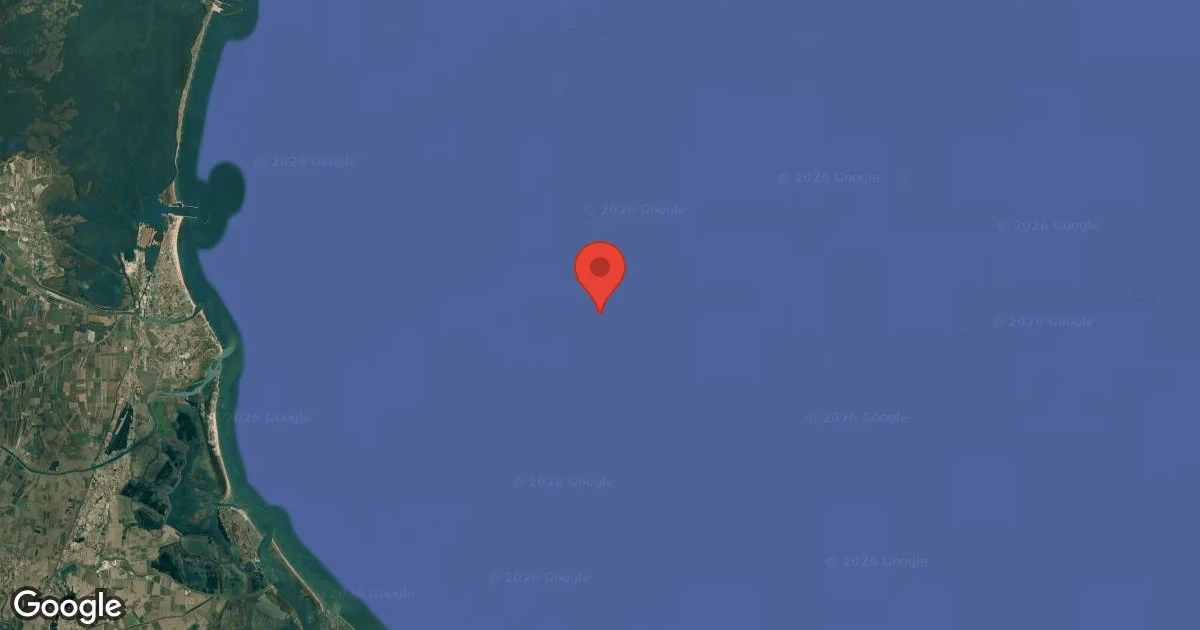
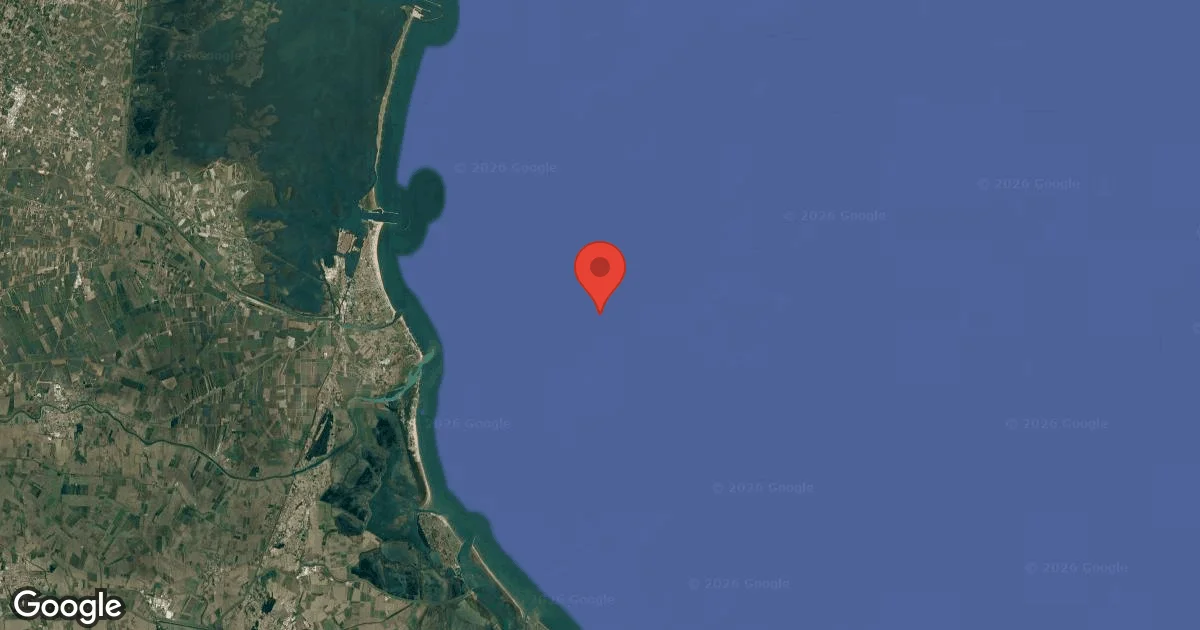
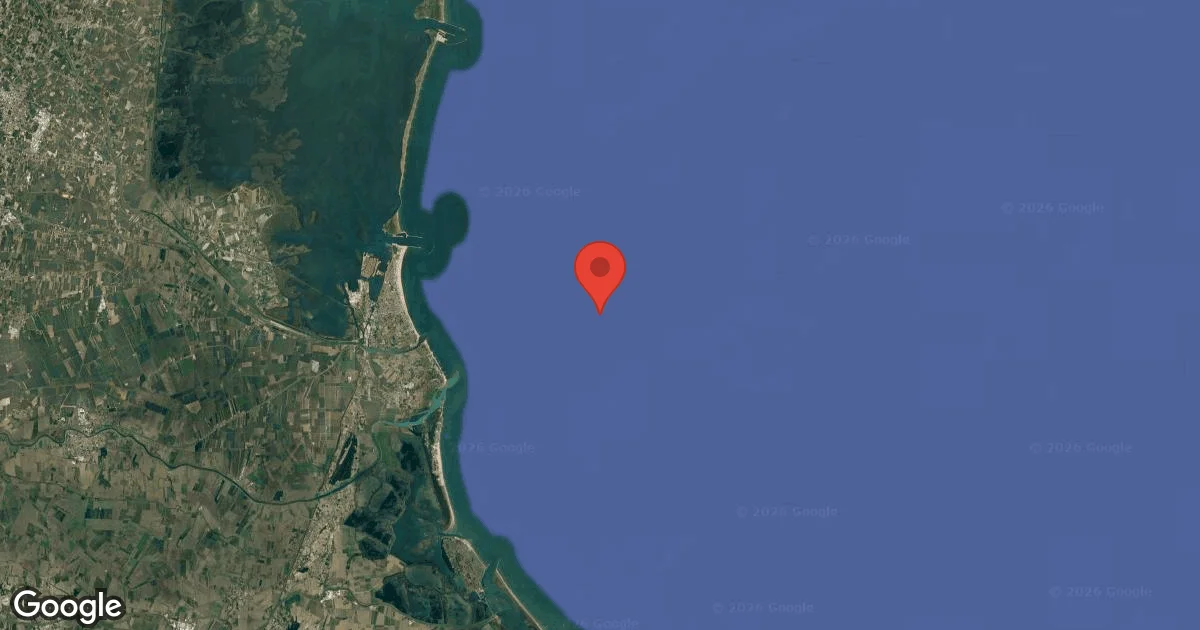
Nave Cannoniera is located off the coast of Italy, specifically within the Veneto-Friuli region near Venice. This places it in the northern Adriatic Sea.
Planning to dive Nave Cannoniera?
Send one inquiry and receive offers directly from the best verified local dive operators.
Conditions are Good
Optimal conditions expected
Current conditions near Nave Cannoniera show 22° air, 26° sea temperature, 0.1 m waves, and 19 km/h wind. Forecast data is refreshed regularly to ensure accuracy.